

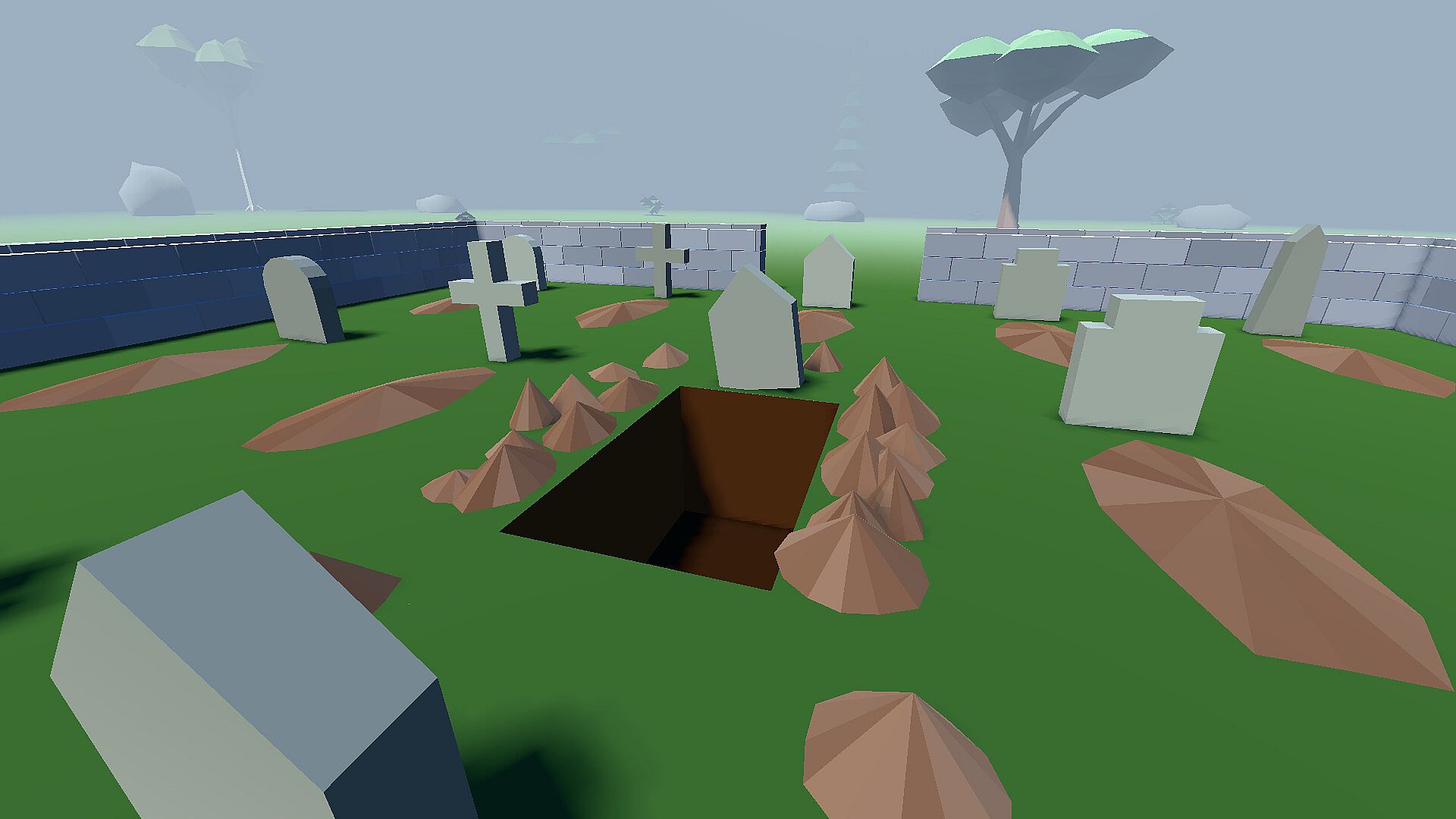
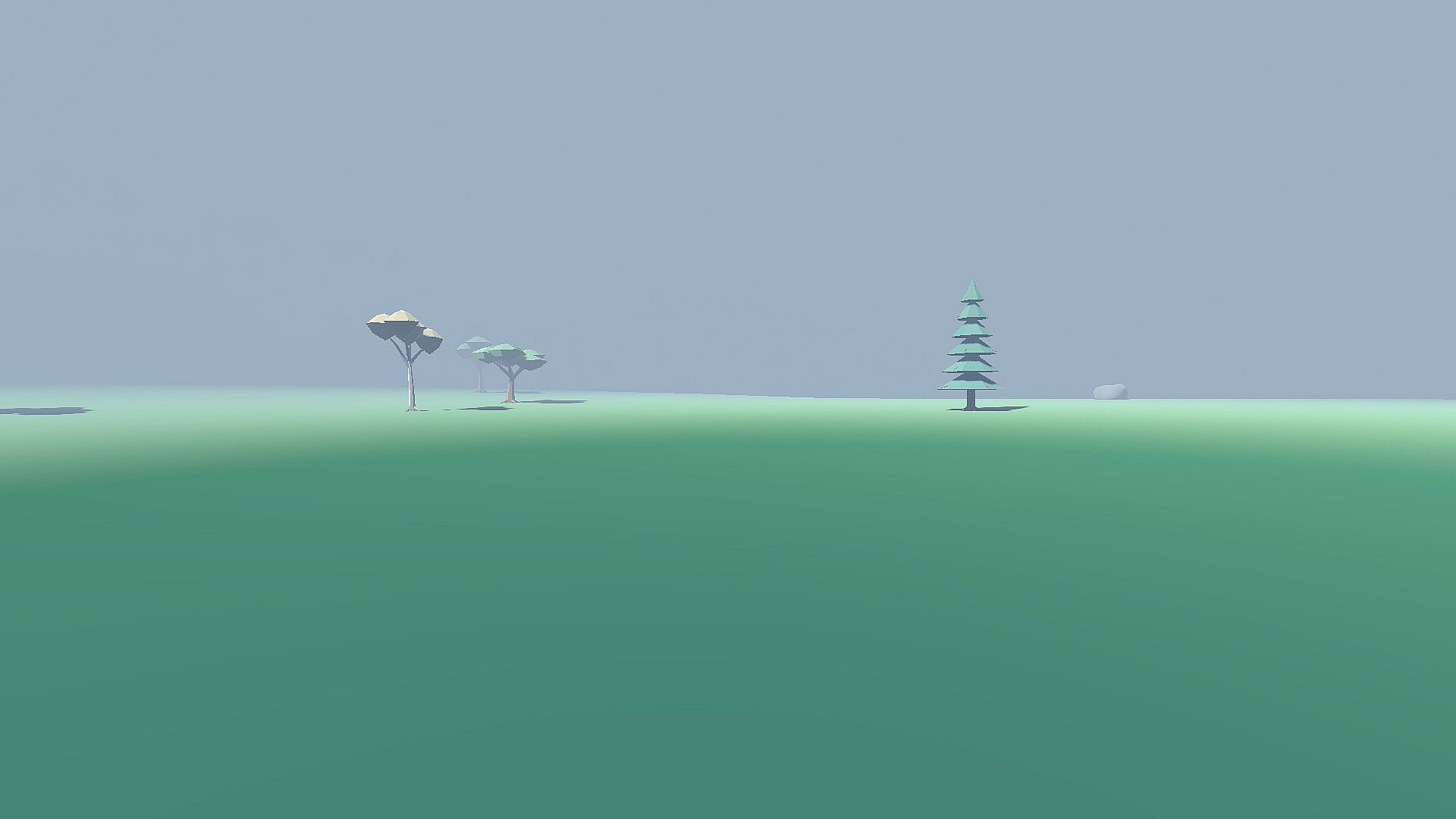
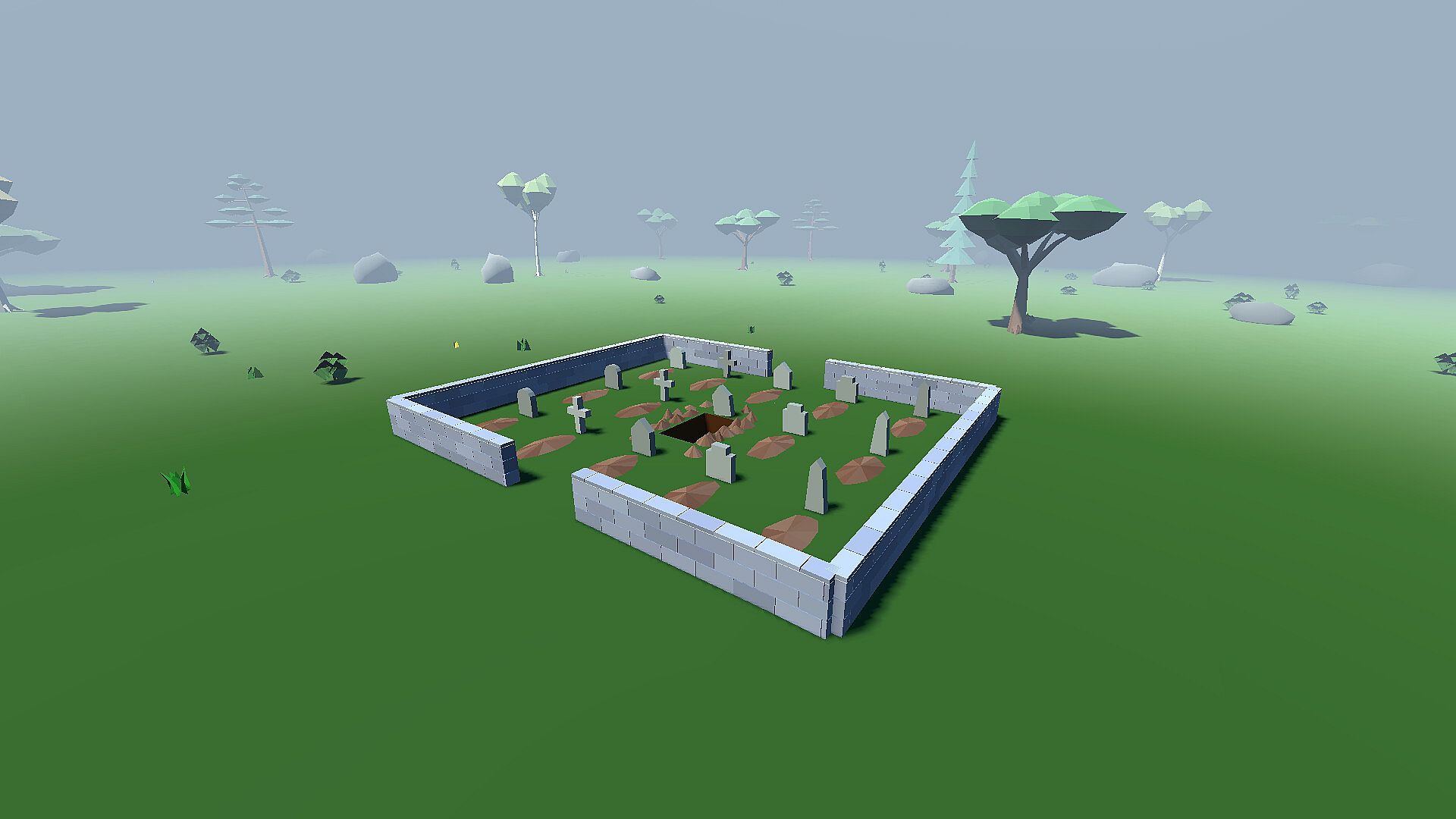
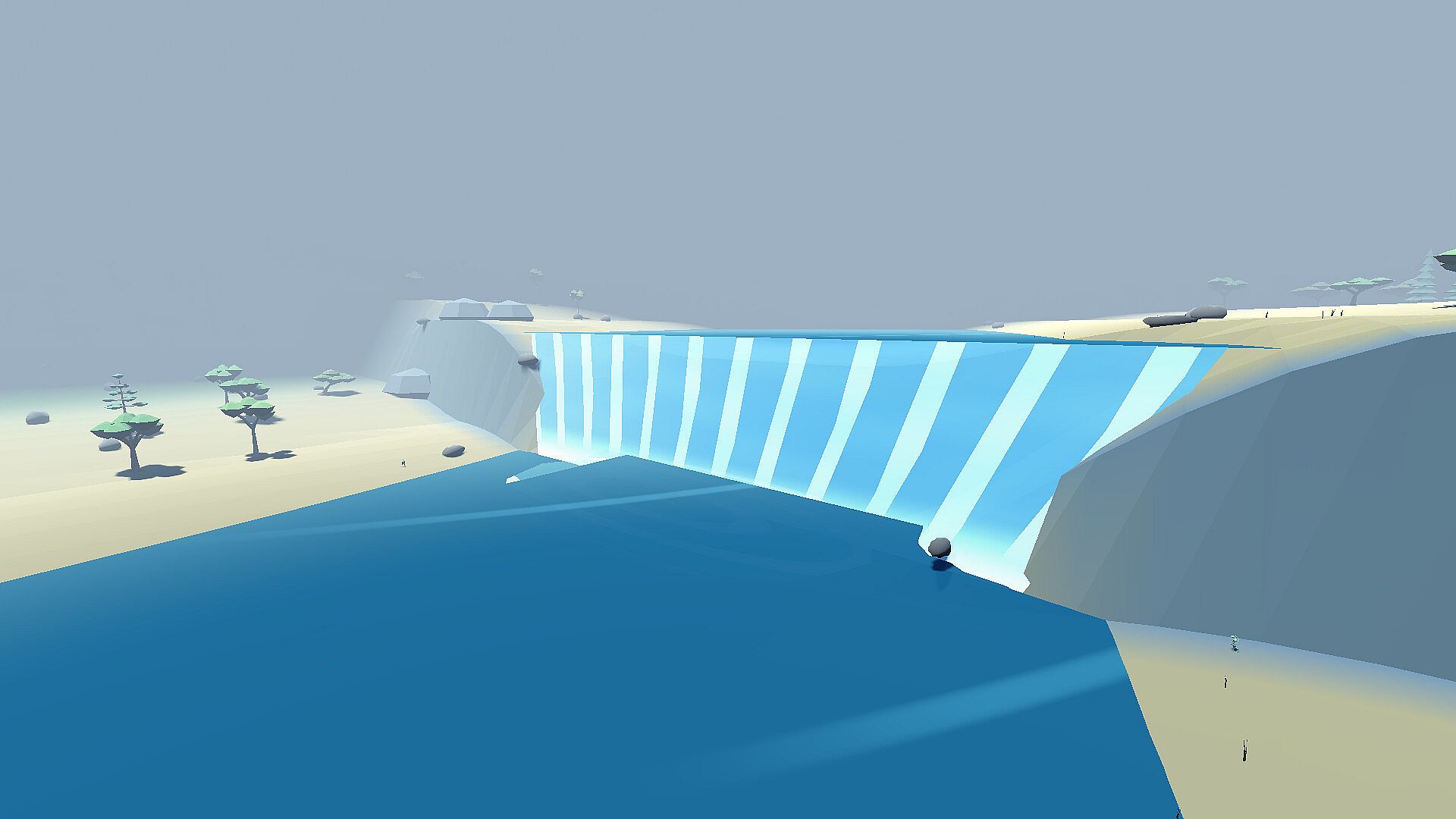
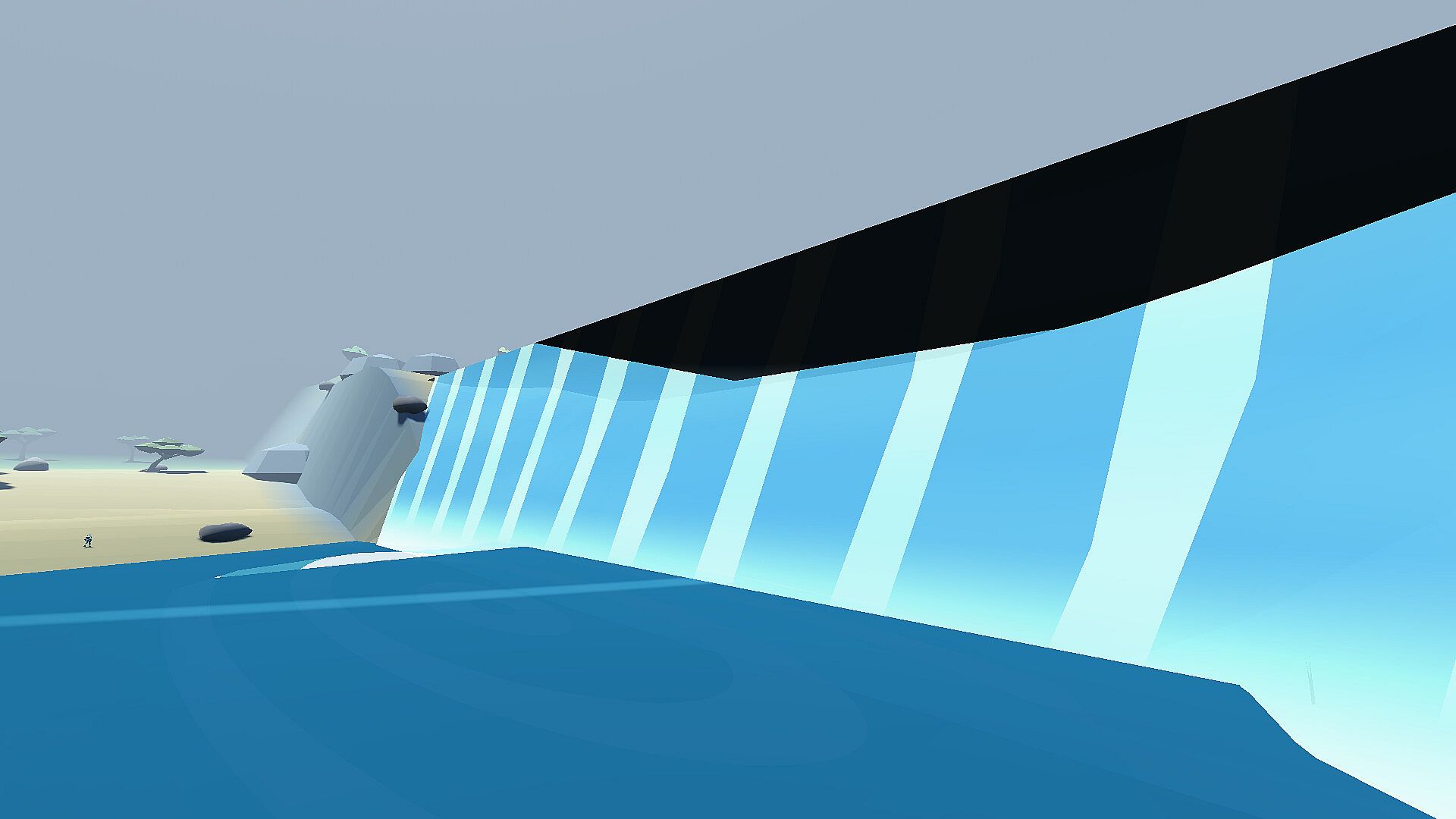
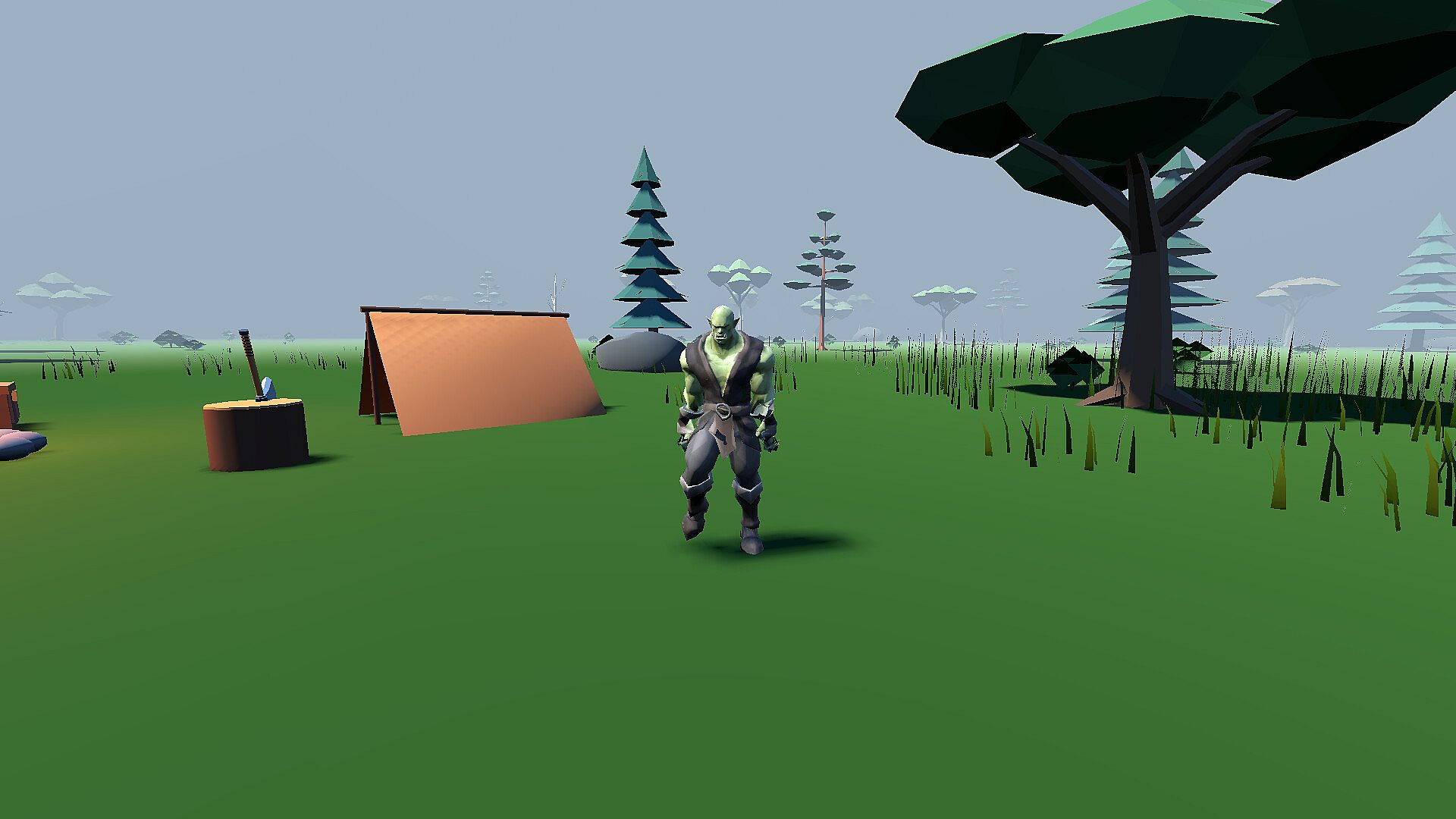
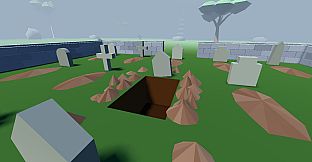
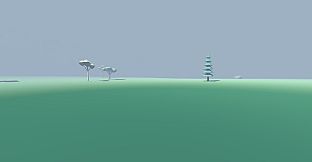
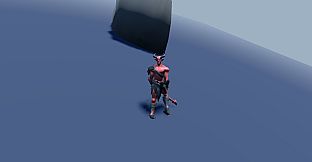
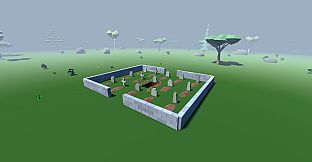
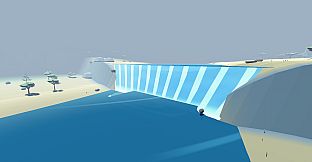
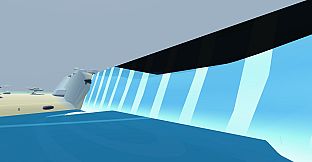
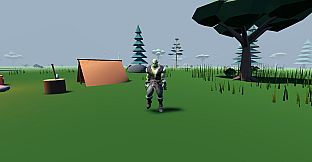
Wyrdlands is a first-person open-world RPG set in a vast procedurally generated medieval wilderness. Players wake at the bottom of an open grave and step into an endless deterministic world of forests, mountains, rivers, settlements, caves, ruins and stranger things. The experience centers on freeform exploration without a fixed path, where choices shape persistent relationships and the environment itself.
Gameplay
Exploration forms the core loop. The Wyrdlands generate as one enormous deterministic world that continues outward as travel occurs. Roads connect settlements, bridges span rivers and ravines, and travellers move between population centres. Caves feature entrances that lead to persistent underground spaces. Leaving an area and returning later reveals the same location unchanged by the generation rules.
Combat occurs in first person with weapons that differ in reach, damage, timing and attack styles. Swords, axes, daggers and other tools serve in fights against armed enemies, unarmed brawlers, spell-casting wizards and supernatural creatures. Defeated characters yield loot based on what they carried, while camps, settlements and hidden places hold additional items. Inventory weight limits force decisions on what to transport back from the wilderness.
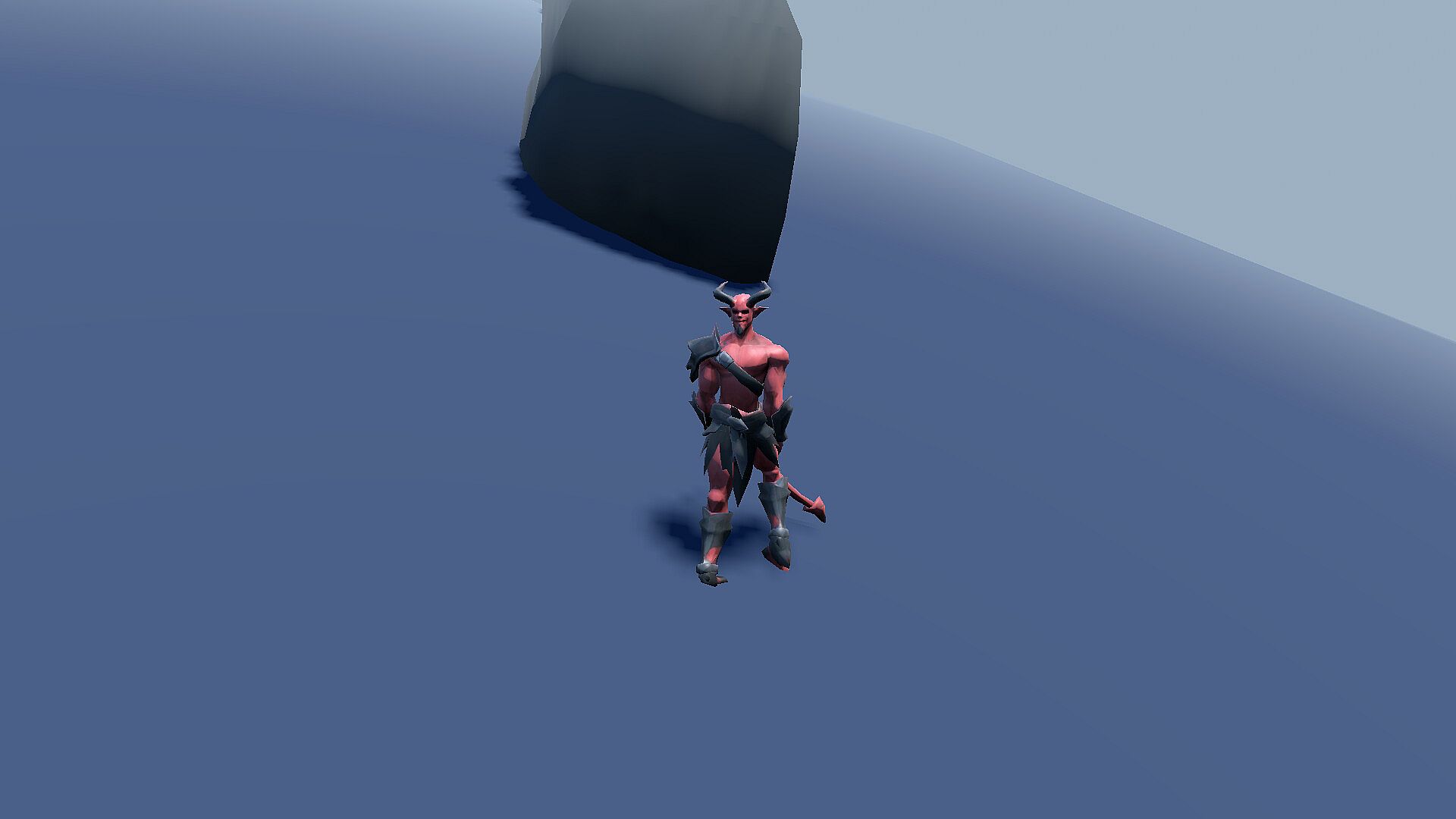
NPCs maintain persistent relationships with the player and each other. Humans, orcs, knights, wizards and other creatures shift between friends, enemies or neutral states based on actions taken. They fight among themselves, retaliate, travel between settlements and retain their own health, possessions, locations and deaths. Day and night cycles alter the world, with ghosts emerging, ordinary travellers revealing themselves as vampires or werewolves, and certain creatures turning hostile only after sunset.
Underground exploration begins at entrances hidden among cliffs and hills. Procedural cave systems contain creatures such as ghosts and the undead, with deterministic layouts that connect back to the correct surface location. Movement options include walking, sprinting, jumping, climbing and swimming, plus boats for crossing rivers. Ancient wayshrines can be awakened to form a growing fast-travel network.
Game Modes
Wyrdlands presents a single continuous experience built around systems rather than separate named modes. The focus remains on open-ended play where any direction leads to new discoveries, from following roads to towns or abandoning them for mountain caves. Stories emerge from the simulation itself through NPC interactions and world changes, without a predetermined adventure structure.
World and Systems
Civilisation integrates directly into the landscape through isolated cottages, villages, towns and fortified cities linked by an evolving network of roads, streets, bridges and river crossings. Cities include residents, guards, markets and castles occupied by powerful figures. Automated ferries handle crossings where terrain requires them. Travellers on distant roads pursue actual destinations within the simulation.
The world operates under consistent rules rather than disconnected random encounters. Settlements connect logically, and the environment persists across sessions of travel. Night brings distinct dangers that do not appear during daylight hours.
Is It Worth Playing?
Wyrdlands suits players who enjoy unstructured first-person exploration and simulation-driven encounters in a medieval fantasy setting. The emphasis on persistent NPC relationships, weight-based inventory management and day-night shifts creates opportunities for emergent stories through combat, looting and travel. Those seeking a linear narrative or traditional quest structure may find the systems-focused design less directed. The game runs on PC and supports the full range of movement and interaction described in its open world.