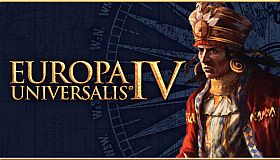
















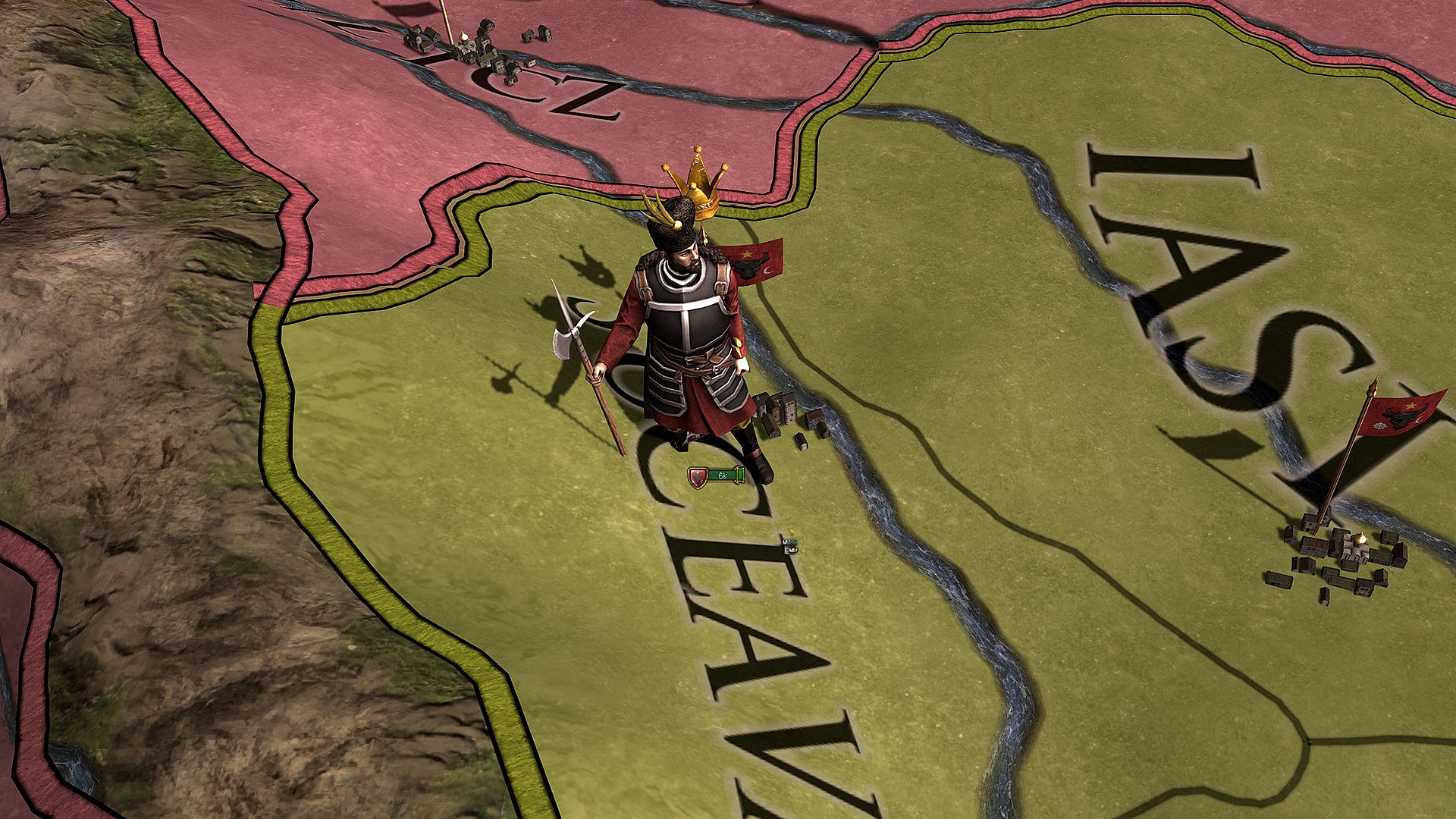
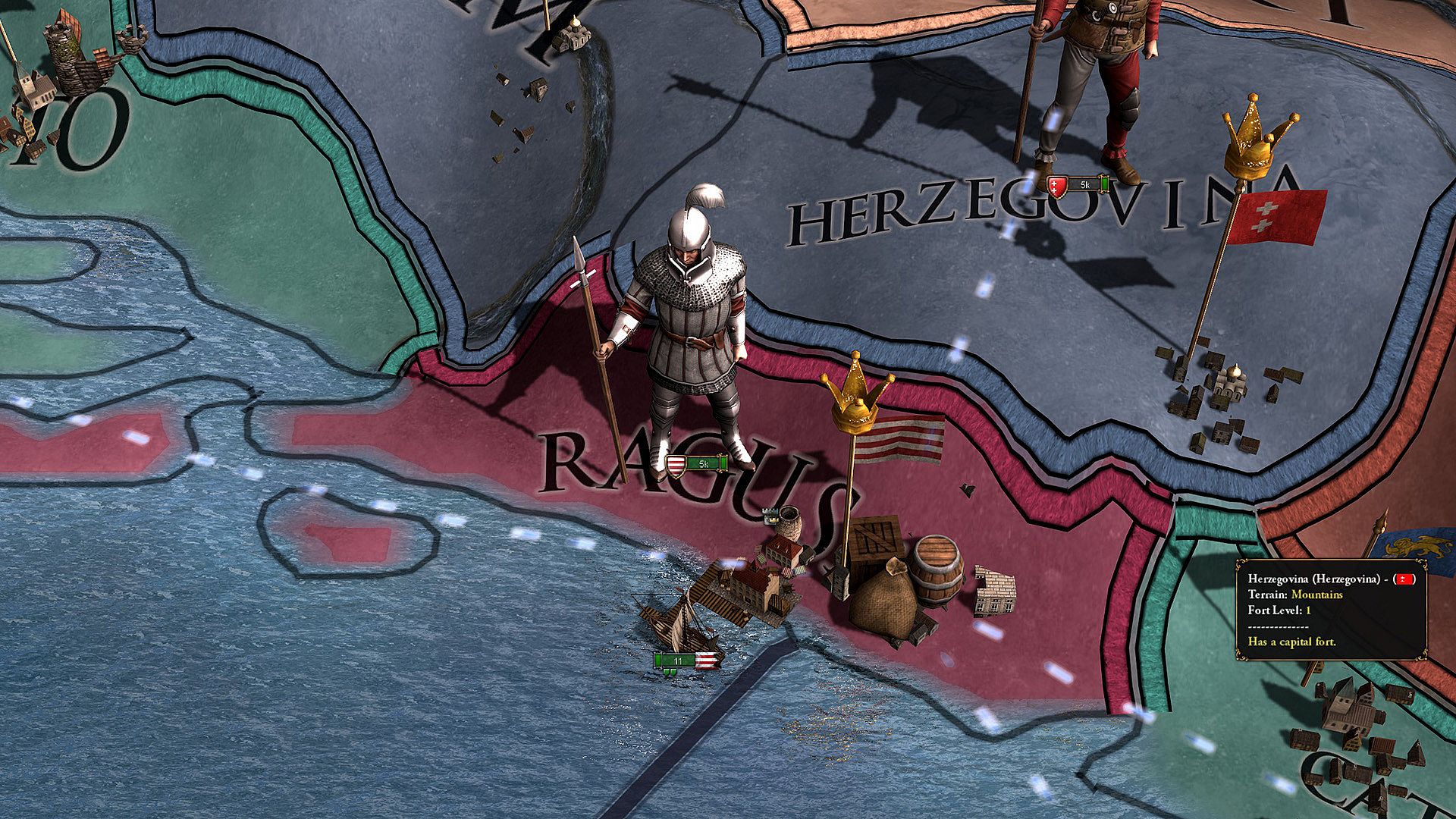
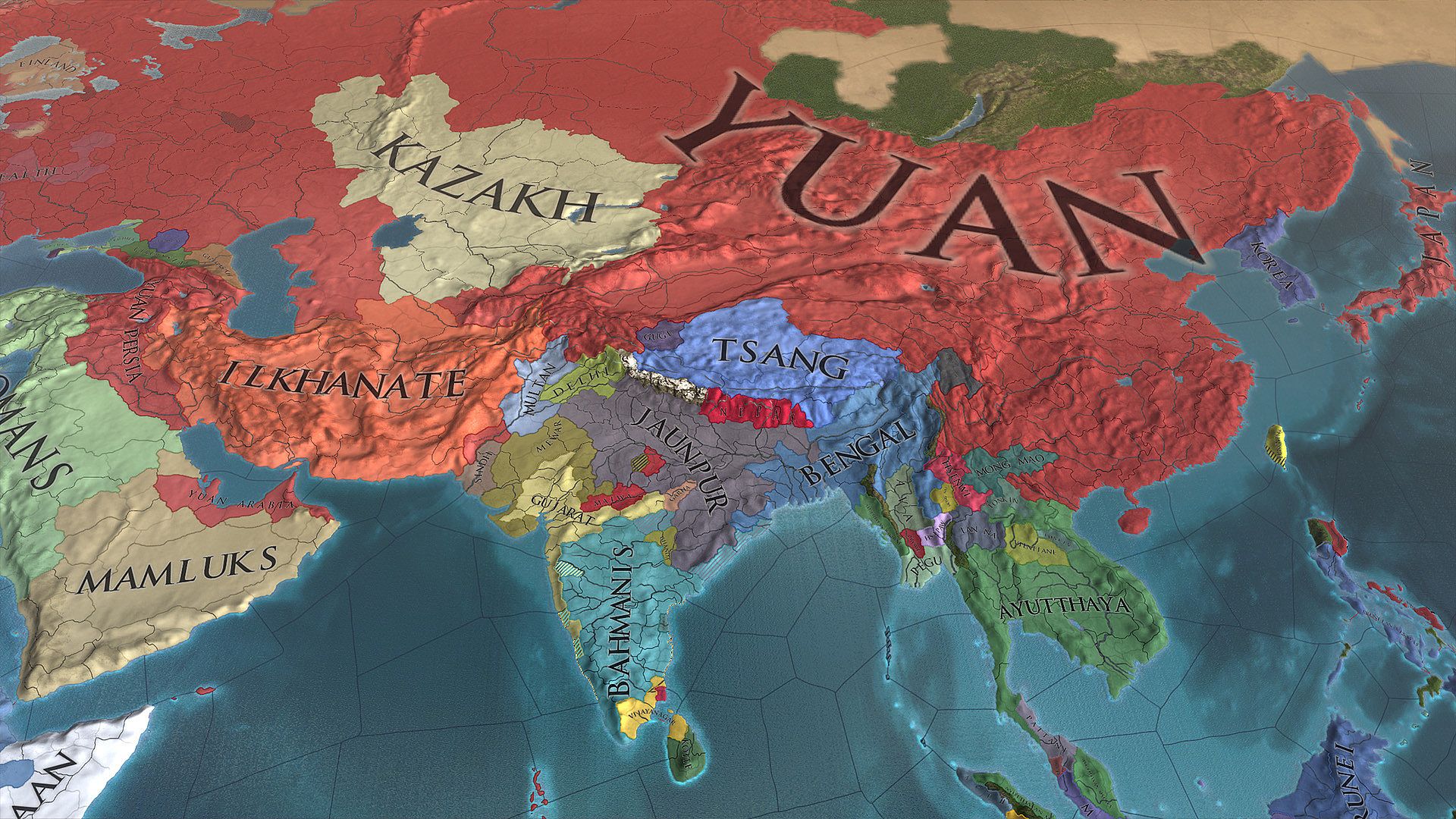
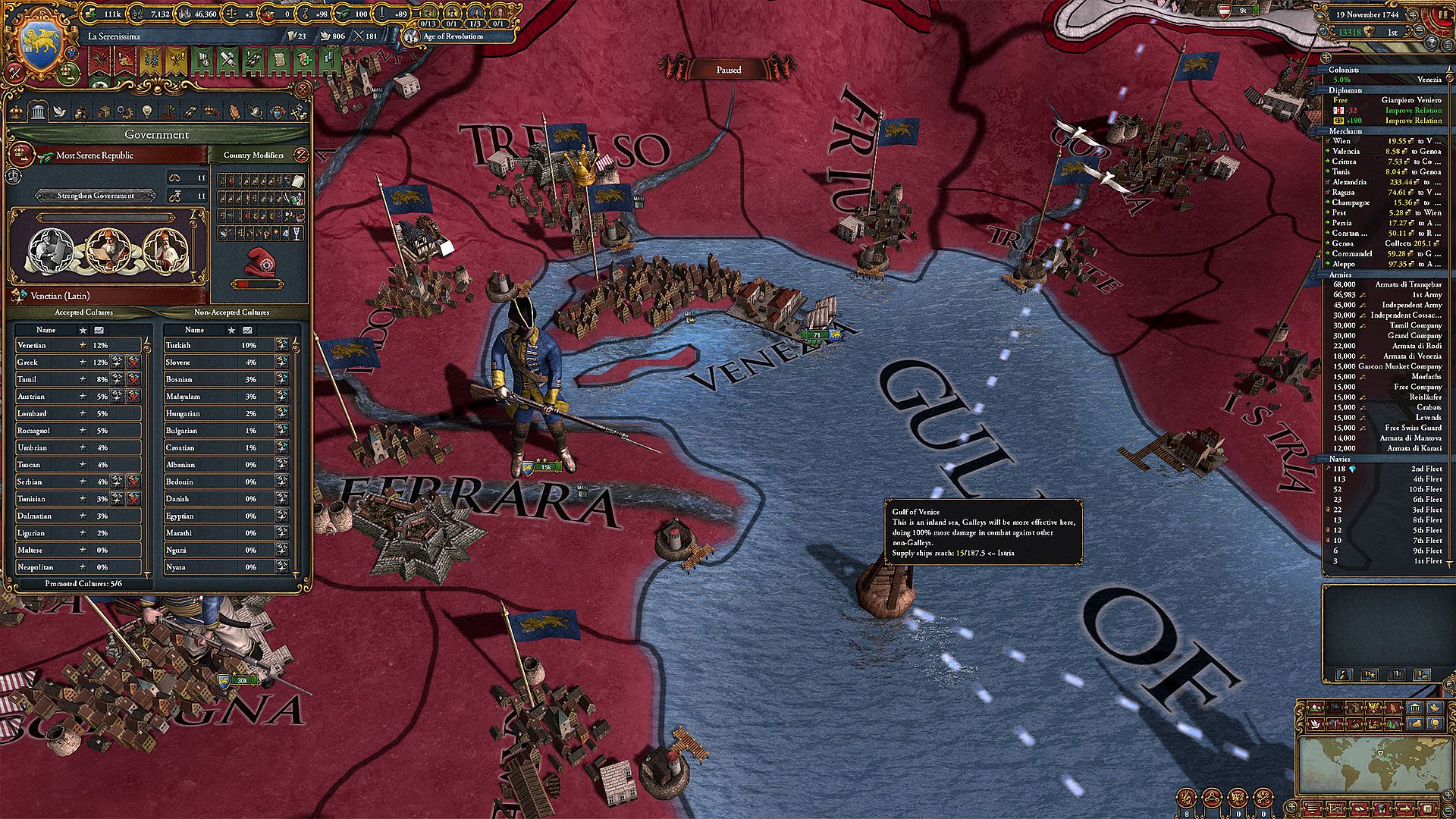
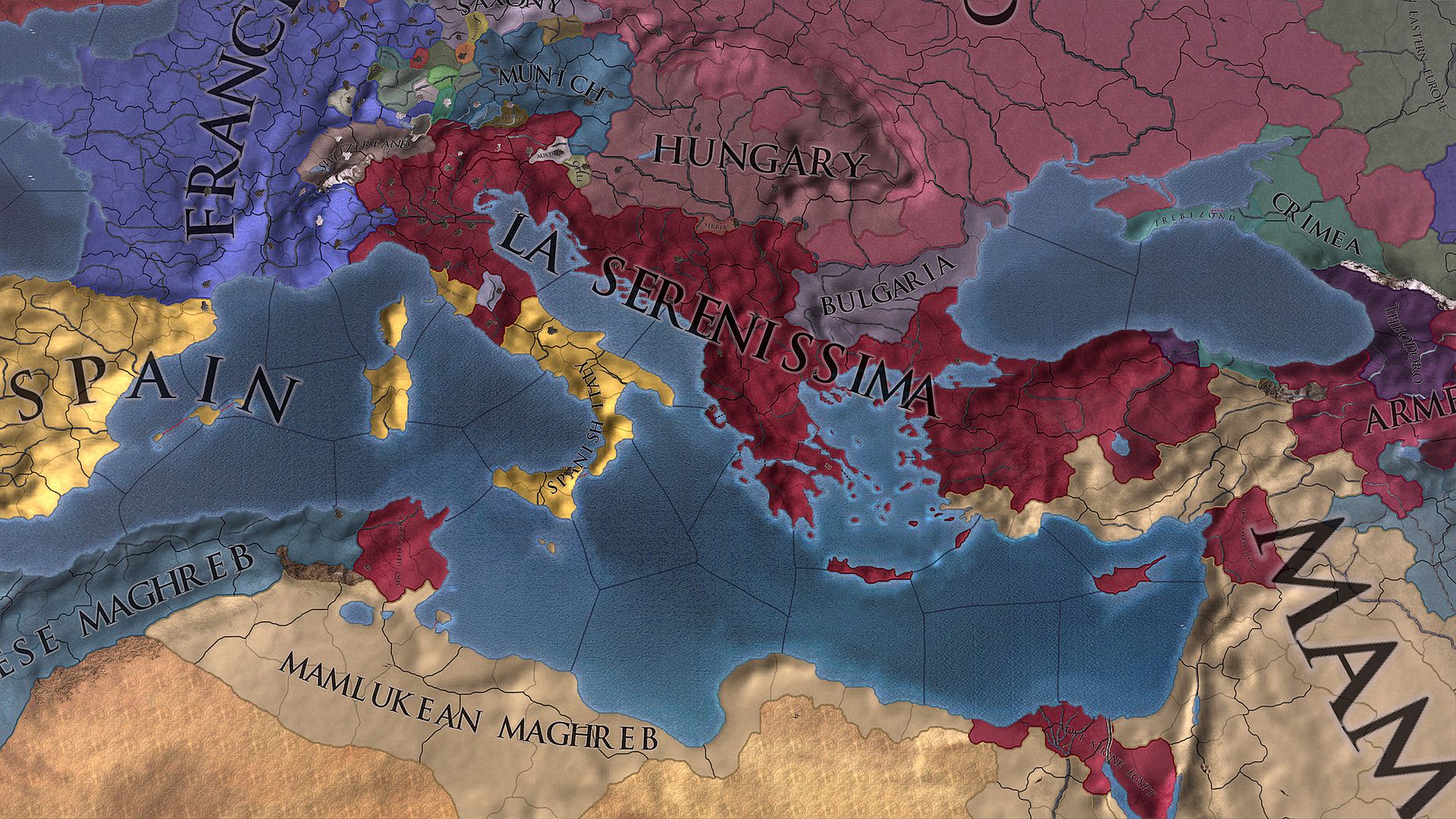
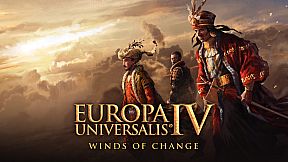
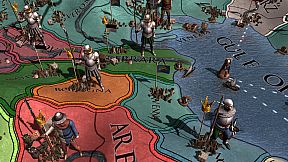
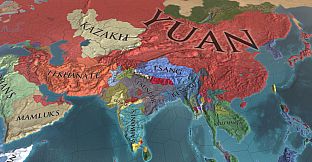
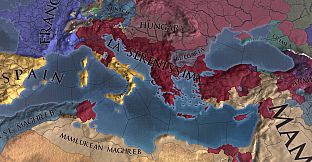
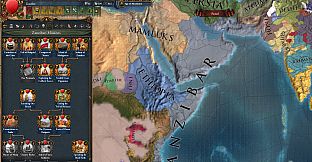
Europa Universalis IV: Winds of Change is a grand strategy game that places players in command of nations across four centuries of history, from the late Middle Ages through the Age of Revolutions. Developed by Paradox Tinto, it emphasizes detailed management of politics, economy, military campaigns, and diplomacy on a global scale. The title builds on the core experience of leading any chosen country through dynamic events, trade networks, and territorial expansion while incorporating fresh content focused on the Andes, Central Asia, and select European powers.
Gameplay
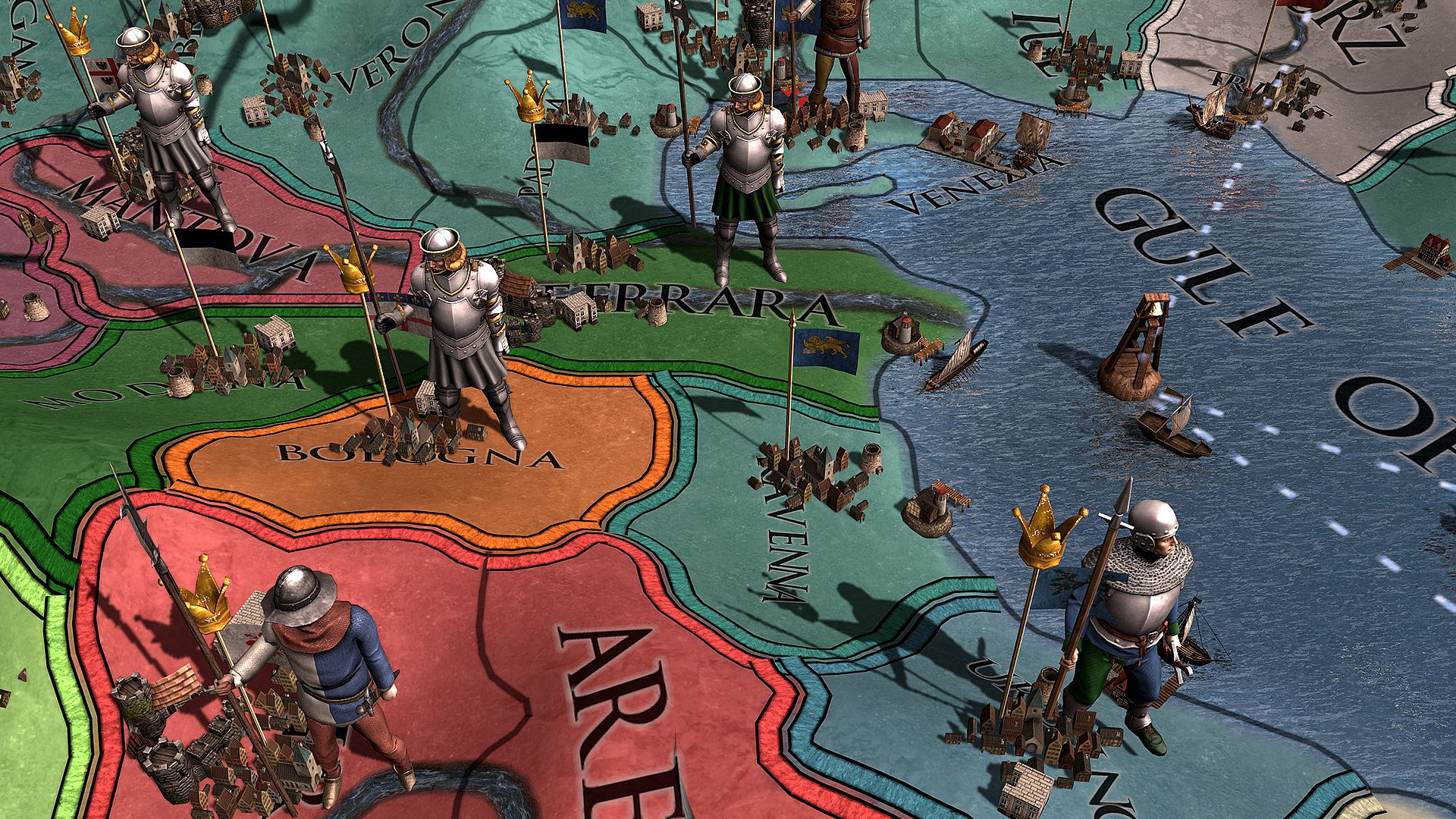
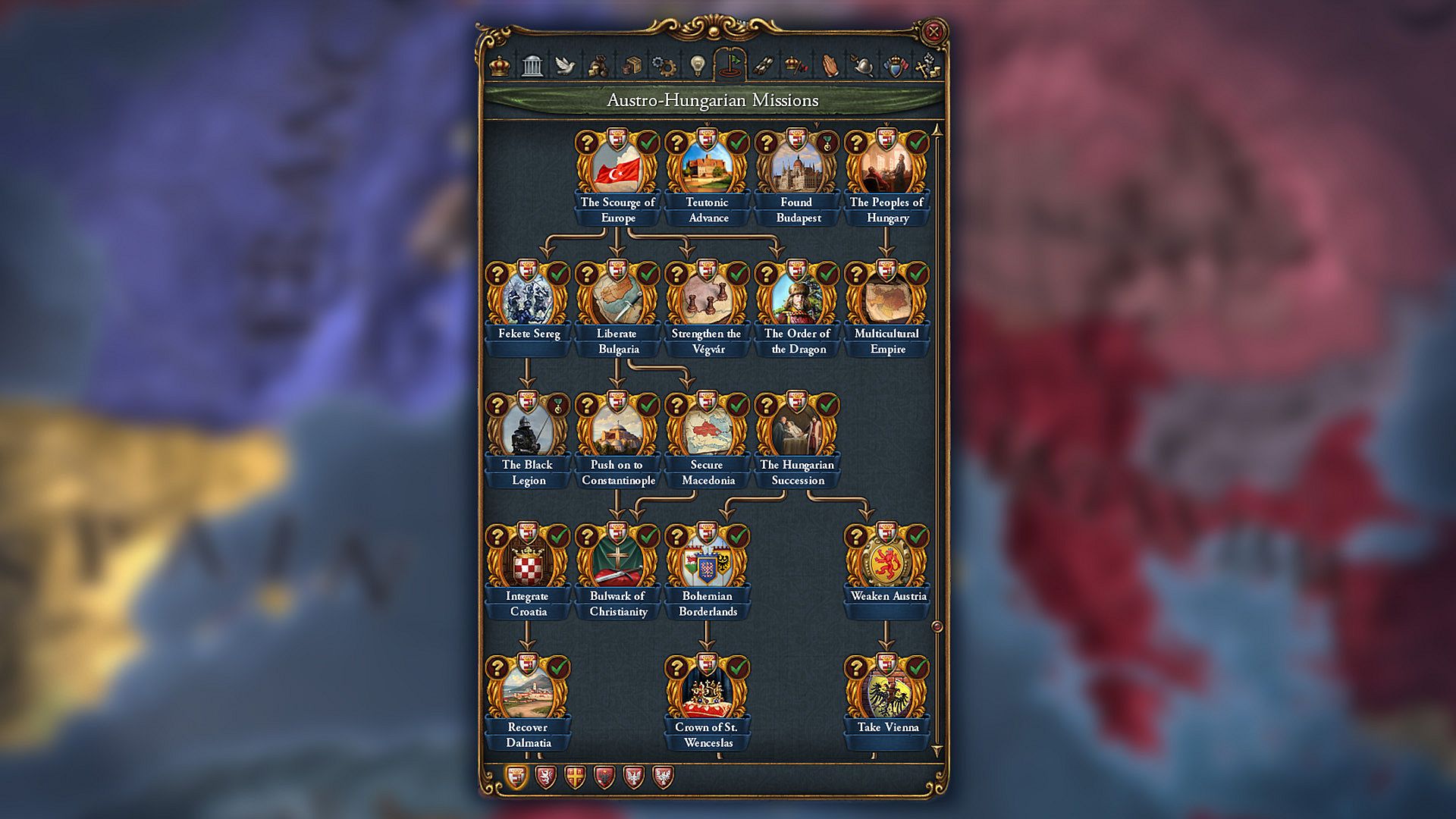
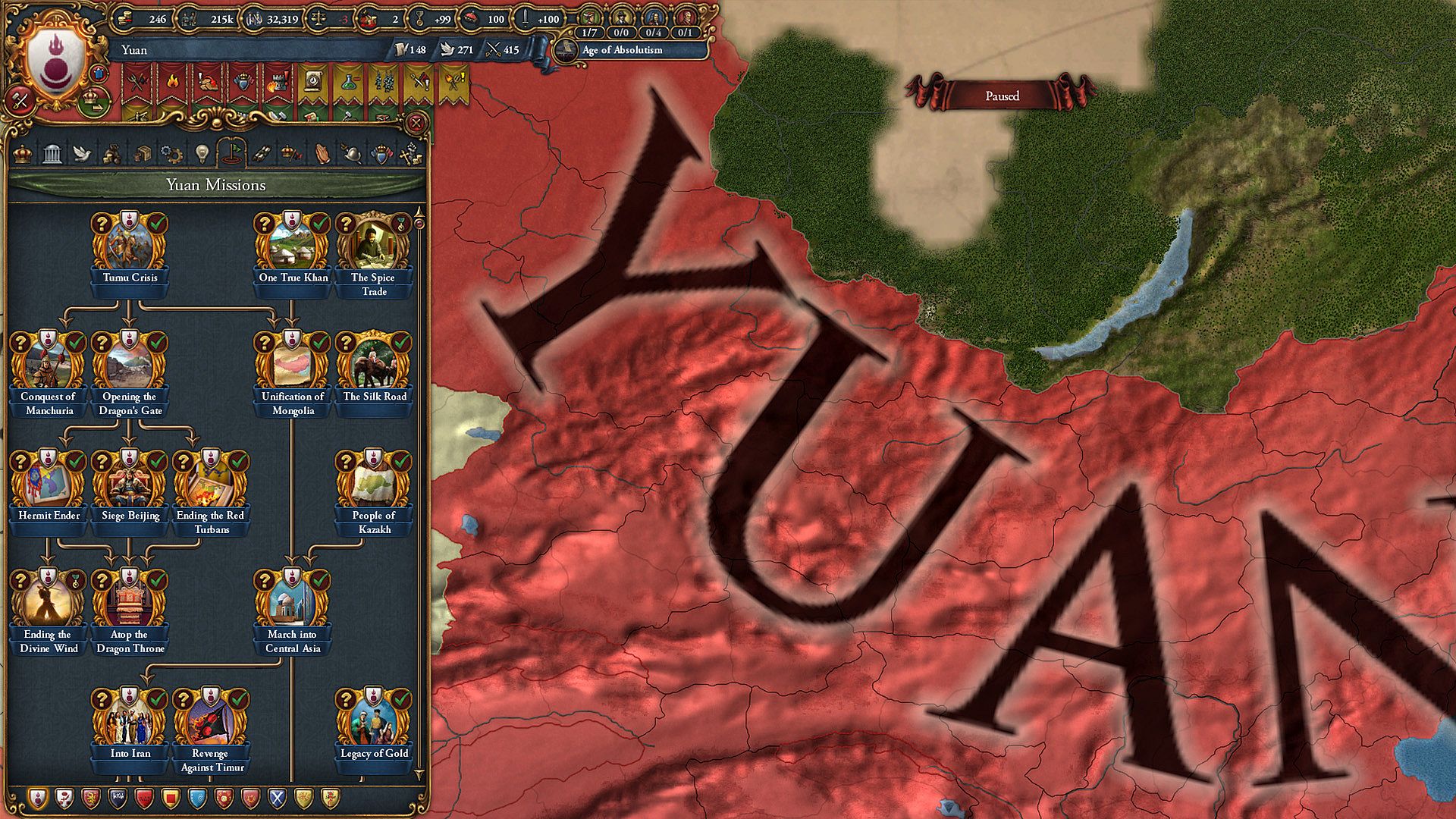
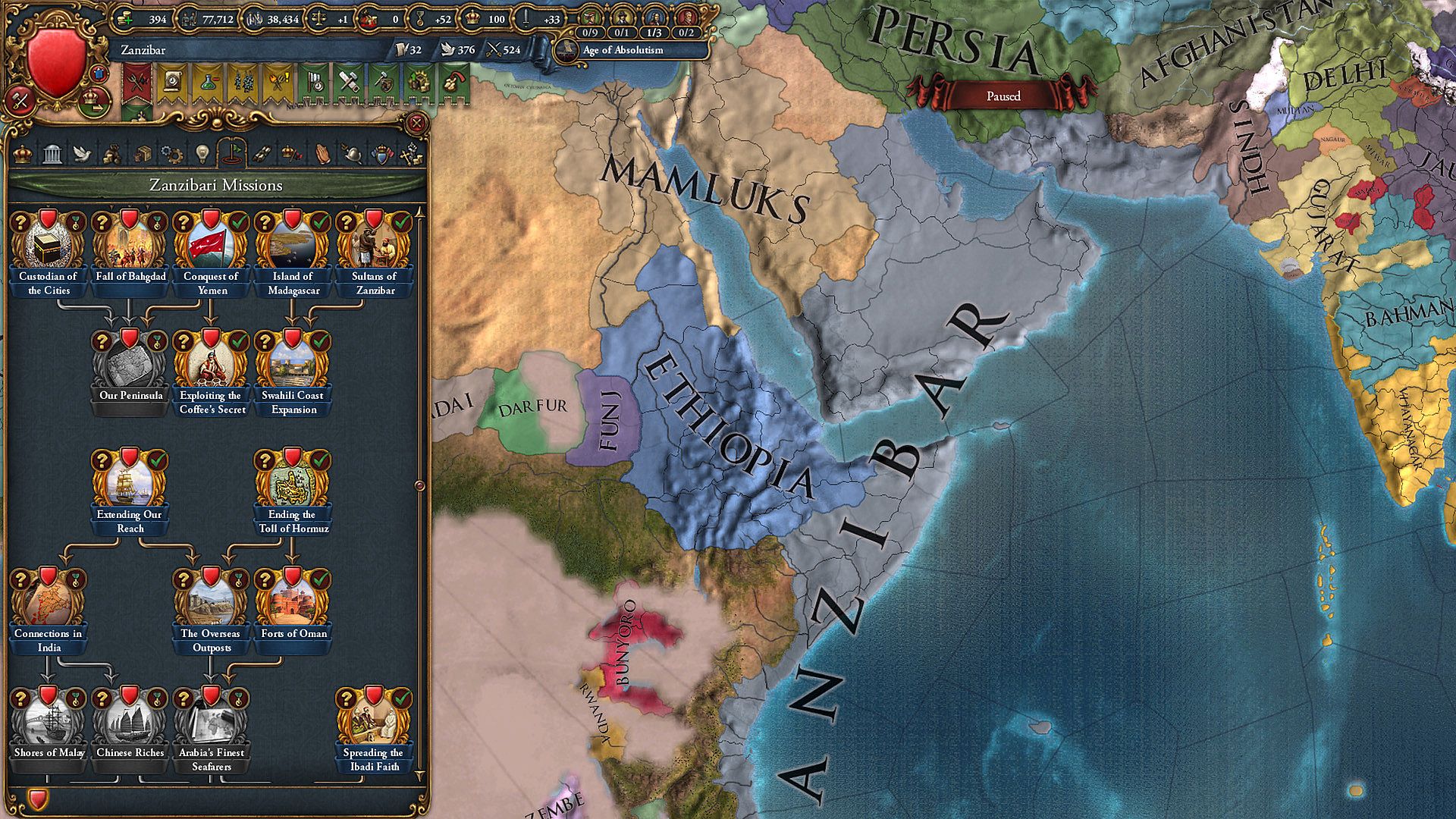
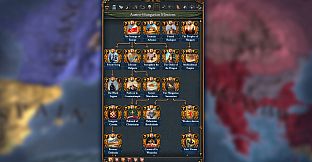
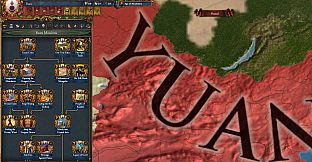
Core gameplay revolves around balancing monarch power points across administration, diplomacy, and military categories to advance technology, ideas, and reforms. Players develop provinces, construct buildings, and steer trade routes to accumulate wealth and influence. Historical events unfold based on choices, including civil conflicts, religious shifts, and discoveries in the New World. National ideas evolve over time to reflect both legacy and ambitions, while ruler traits and succession affect the pace of progress. The expansion introduces branching mission trees, new government reforms, estate privileges, and events tailored to twenty nations, enabling options such as restoring nomadic structures for the Timurid Empire or pursuing dramatic shifts like the Glorious Revolution.
Diplomacy forms a central pillar, with alliances, royal marriages, and great power interactions shaping outcomes. Warfare involves army composition, terrain considerations, and naval power to secure land and resources. Internal development allows for tall empires through focused investment rather than constant conquest. Religious mechanics add layers, particularly with updates for certain faiths, while trade power in key provinces directs global commerce toward home ports.
Game Modes
Singleplayer serves as the primary entry point, allowing full control over one nation against AI opponents with adjustable difficulty and start dates. Ironman mode locks settings and disables manual saves to enable achievements, creating a stricter experience where decisions carry permanent weight. Multiplayer supports sessions over the internet or LAN, including cooperative play where multiple participants jointly manage a single nation. These options accommodate both solo historical simulations and group strategies.
Key Mechanics and Systems
Monarch power allocation drives research into warfare, administration, and trade innovations, unlocking new units, structures, and ship types. Dynamic events range from internal unrest to transformative moments such as the Protestant Reformation. Trade networks reward strategic control of provinces and policies, while colonization and resistance to conquest play out in the Americas and beyond. The Winds of Change content expands these systems with region-specific tools, including new monuments and privileges that alter governance for affected nations.
Is It Worth Playing?
This title suits players seeking intricate grand strategy with historical depth and long-term nation-building. Its systems reward careful planning across centuries, appealing to those comfortable with complex interfaces and replayability through varied starts and choices. Ongoing updates, including the accompanying patch that introduced the expansion's features, maintain support for the experience. Those who prefer lighter or faster-paced games may find the learning curve and session length demanding, but enthusiasts of detailed simulation and alternate history will find substantial engagement in rewriting global events through diplomacy, trade, and conflict.