



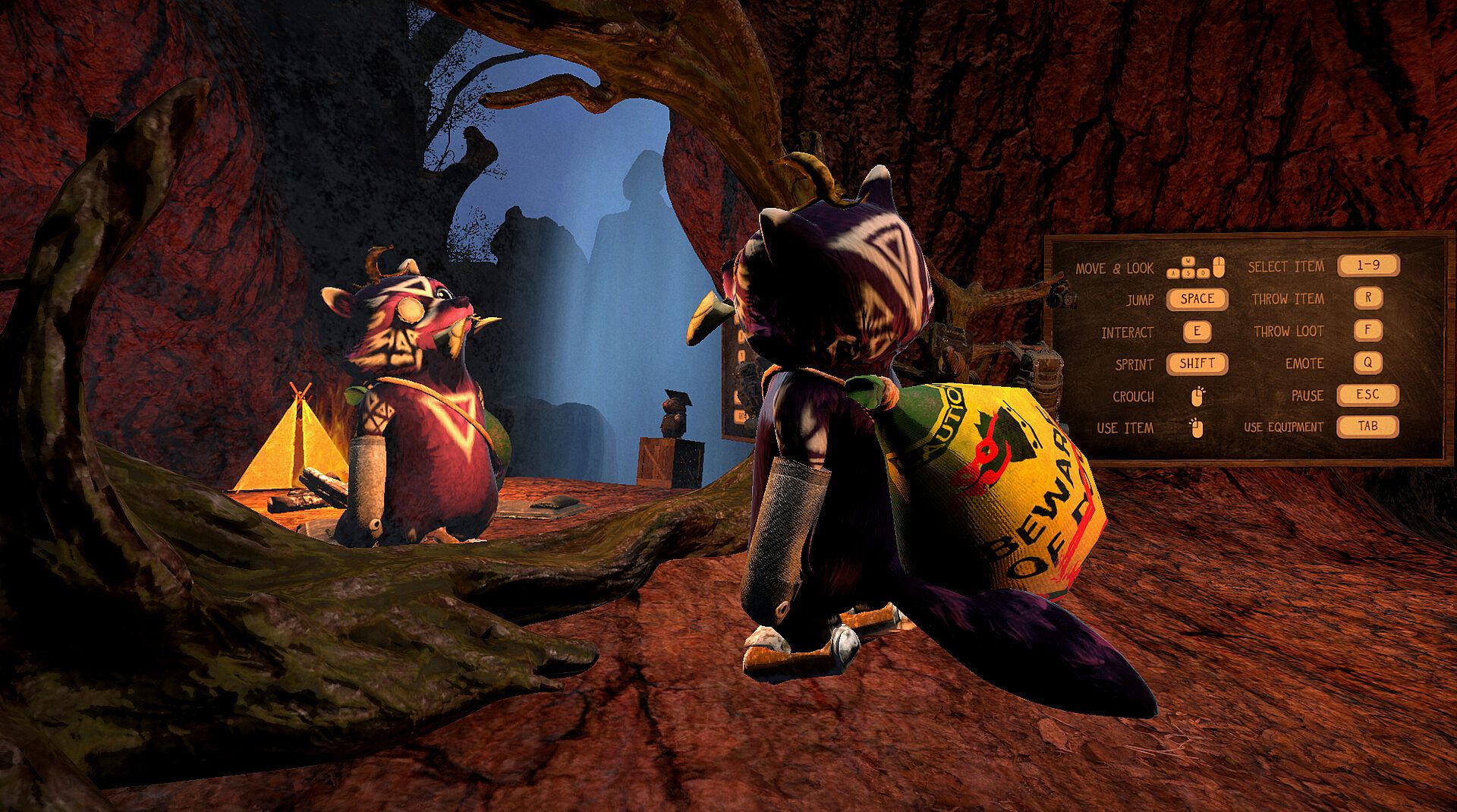
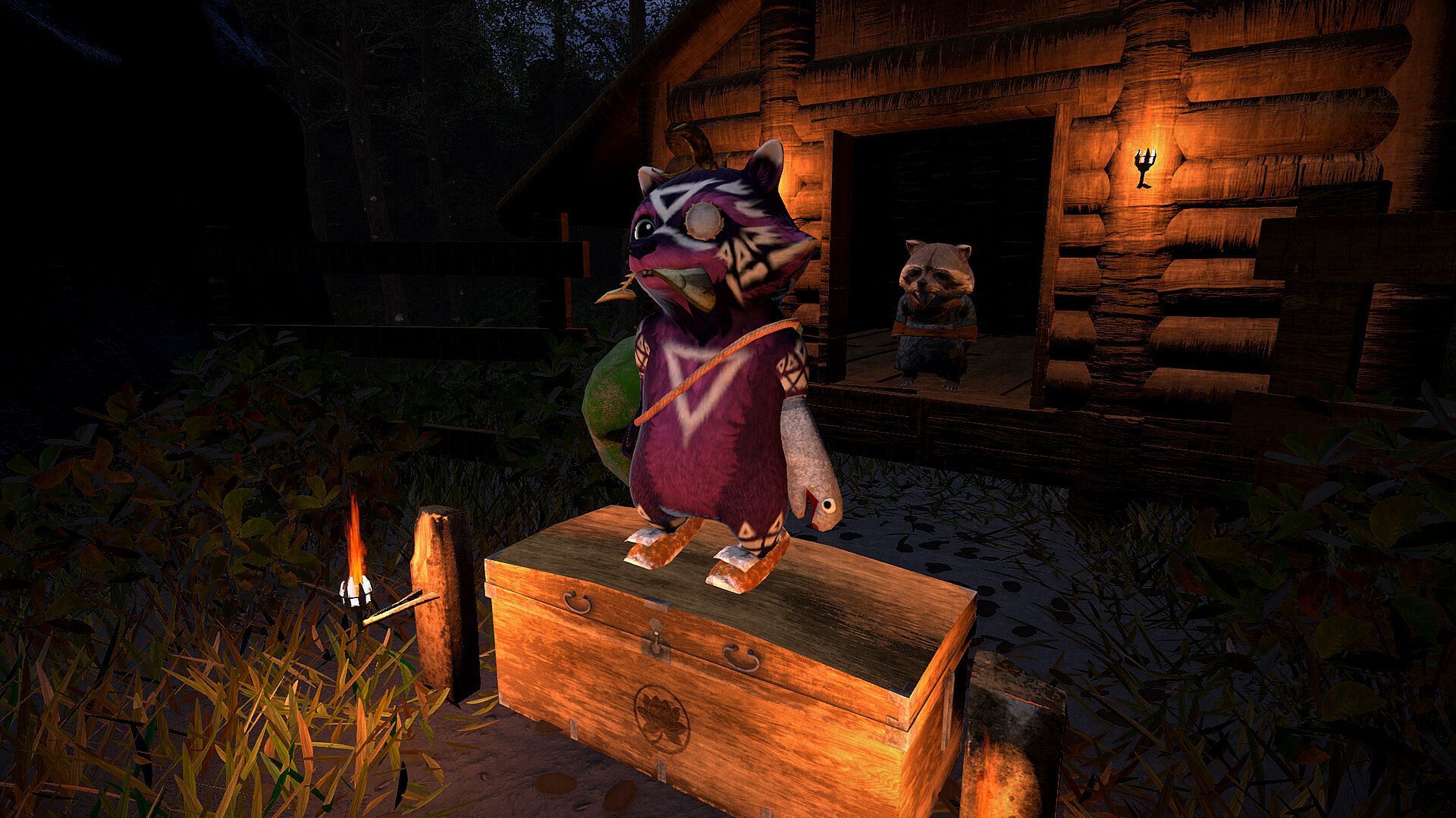
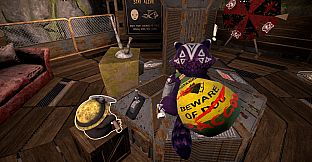
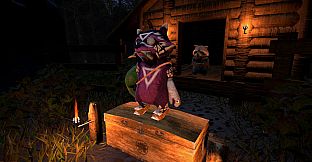
Greedy stands out as an action game centered on raccoon characters navigating dangerous environments in search of valuable items. Players control these creatures through procedural ruins filled with traps, enemies, and interactive challenges, all while managing the risks of overextending their greed. The core loop involves infiltrating these spaces, collecting loot, and attempting to extract a key relic before time or curses catch up.
Gameplay
The experience blends extraction mechanics with roguelite elements, where each run generates rooms connected in larger, more open layouts rather than linear paths. Players explore these areas, complete short activities scattered throughout, and deal with enemies that patrol, investigate sounds, and coordinate attacks. Environmental hazards like rising lava, timed spikes, and collapsing platforms add constant pressure during movement and combat.
Loot collection forms the heart of every session. Grabbing extra items beyond the minimum increases individual rewards but also slows characters down and raises noise levels, drawing more attention from threats. Stealing enough triggers access to a relic guarded by a powerful boss encounter. Continuing to gather after that point risks a curse from Mammon, the Greed Demon, which can alter the run in unpredictable ways. Teams must balance personal gain against collective success to reach the exit elevator in time.
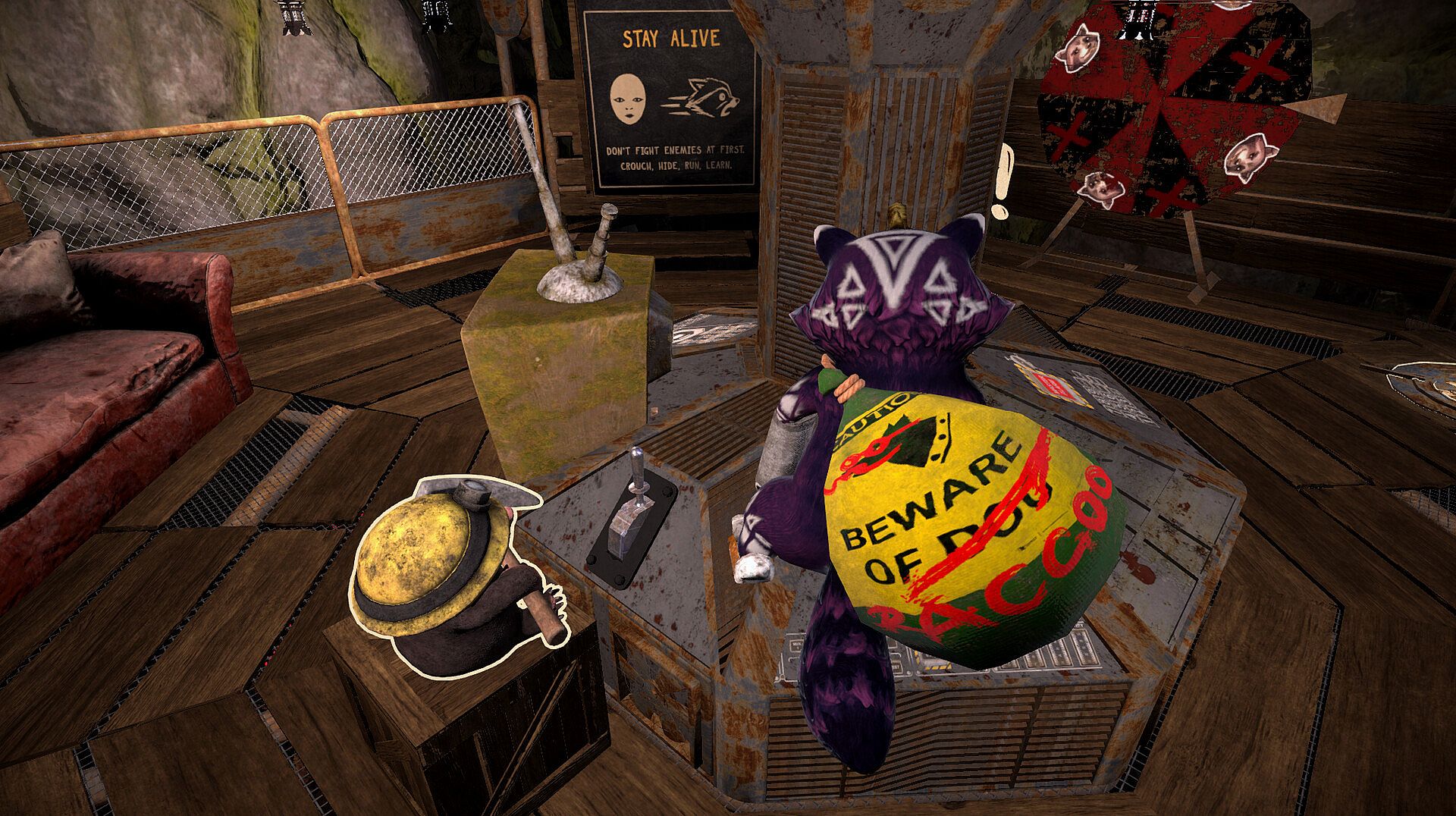
A surface hub provides structure between runs. Rescued NPCs set up shops and services there, offering upgrades and items purchased with currency earned from successful extractions. Starter gear selection happens before each dive, and progress carries across sessions. Controller support and local or online co-op options allow flexible playstyles for groups or solo participants.
Game Modes
The main activity consists of repeatable heist runs into the ruins, where the objective remains consistent: gather sufficient loot to unlock the relic, secure it, and escape while managing curse levels. Runs support one to eight players, with mechanics that encourage coordination such as shared relic rewards alongside individual loot bonuses. Dying shifts the fallen player into a spectator ghost state, allowing continued communication and observation until the team succeeds or fails.
Deeper progression appears through optional choices after relic extraction. Players can cash out or push one floor further for greater rewards, though this heightens curse risks and dungeon instability. Minigames integrated into rooms provide variety, ranging from cooperative tasks to competitive or solo challenges that reward quick thinking or precise timing. These elements keep individual runs distinct without altering the overarching extraction focus.
Progression and Team Dynamics
Meta-progression ties directly to rescued characters who populate the hub and provide ongoing benefits. Gems and currency earned during runs fund shop purchases that improve future attempts. The system emphasizes trust among teammates, as excessive individual looting can hinder the group while also offering personal advantages in speed or power for subsequent dives.
Boss encounters and new challenges unlock as players advance, introducing fresh enemies with specialized behaviors like light-hunting or hoard-guarding. Procedural generation ensures layouts and room combinations vary, supported by detailed art and lighting that make each space feel distinct. Updates during early access have refined enemy AI, room connectivity, and run structure to emphasize heist tension.
Is It Worth Playing?
Greedy appeals to players who enjoy co-op action games that mix humor, tension, and replayability through procedural elements. The positive reception, with all reviews favorable so far, highlights the engaging loop of loot management and team coordination. Early access status means the game continues to receive refinements, including new floors, bosses, and features added over time.
Those drawn to extraction-style runs with roguelite depth and light horror tones will find the mechanics rewarding, especially in groups where communication adds to the experience. Solo play remains viable through the same systems, though the social elements shine brightest with others. The absence of pay-to-win elements keeps focus on skill and strategy. Overall, it suits fans of short, intense sessions that build toward longer campaigns through persistent upgrades and story unlocks via rescued NPCs.