




Marvel vs. Capcom: Infinite is a fighting game that pits teams of two characters from the Marvel and Capcom universes against each other in fast-paced tag battles on PC.
Gameplay
The core loop revolves around 2v2 tag team combat where players select one Infinity Stone before each match to gain access to unique abilities. These stones provide an Infinity Surge for quick attacks or effects and an Infinity Storm for temporary powerful field alterations. The Active Switch mechanic lets players tag between their two characters at any time, even mid-combo, to maintain pressure or escape danger without traditional assist calls from prior entries in the series. Basic controls use four attack buttons split into light and heavy punches and kicks, plus dedicated inputs for switching and stone powers. Matches emphasize building combos across both characters while managing stone gauges for strategic bursts.
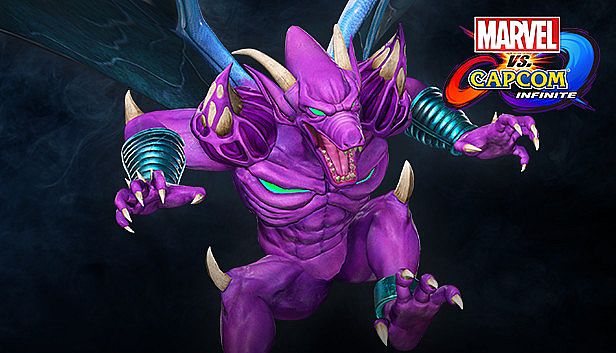
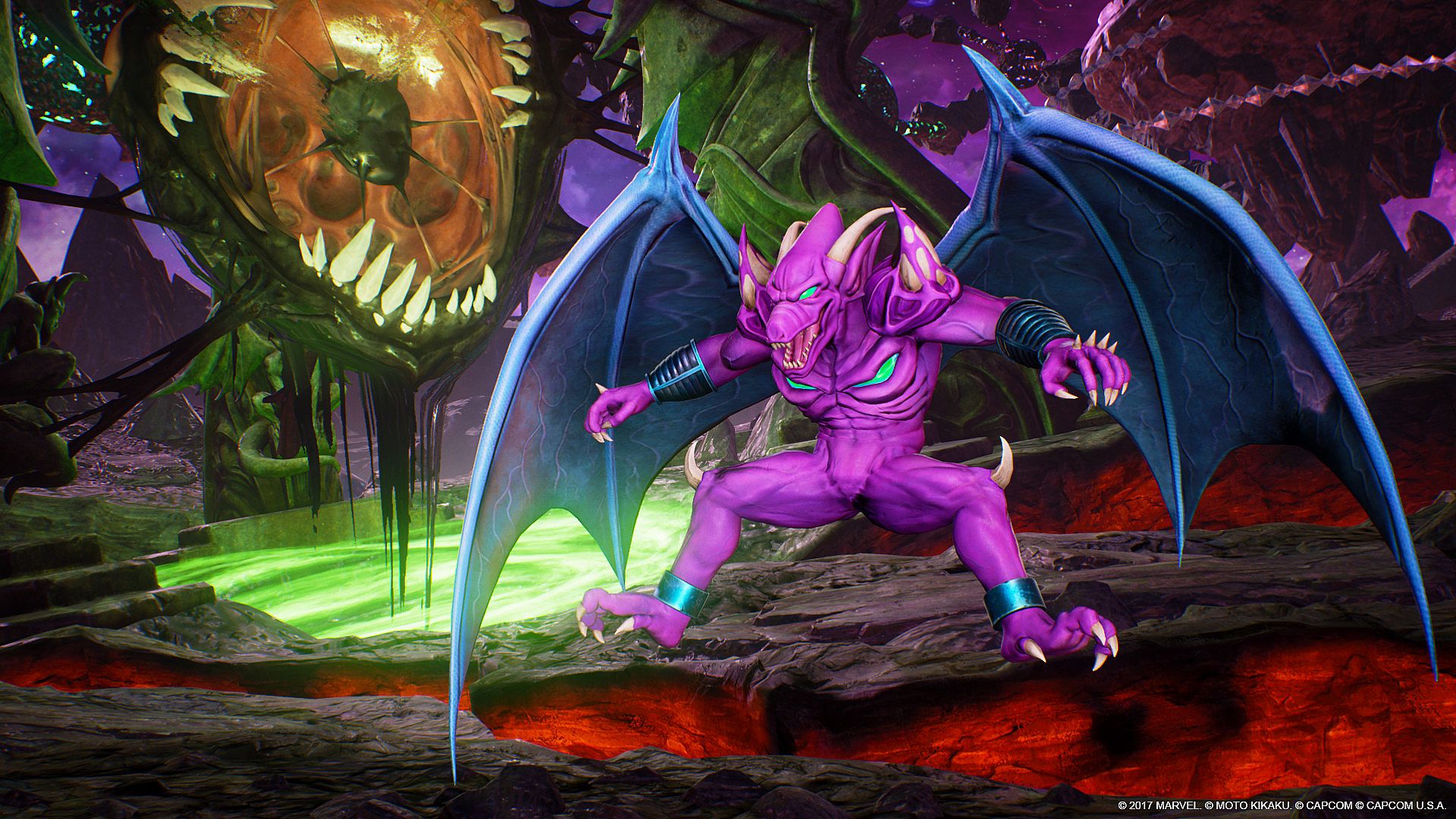
Firebrand stands out among the roster with his aerial mobility and projectile options, and the power of the six ancient gems allows him to transform into the Killer Gargoyle form for enhanced capabilities during play.
Game Modes
Offline options include a Story mode that follows heroes uniting to battle Ultron Sigma across merged universes. Arcade mode delivers a ladder of AI opponents ending in a final boss confrontation. Mission mode offers tutorials alongside character-specific challenges that progress from basic moves to advanced combos. Training mode provides customizable setups for practicing timings and strings. Local versus supports player versus player or player versus CPU matches, while Collection mode unlocks extras such as artwork, audio tracks, and scene replays through the Dr. Light Database.
Online features center on Ranked Match for competitive progression and Casual Match for relaxed sessions. A Beginners League restricts entry to lower-ranked players, and lobbies allow up to eight participants to organize simultaneous matches with spectating available.
Character and System Depth
The base roster mixes 30 fighters drawn from both franchises, each with distinct move sets that reward learning specific timings and team synergies. Infinity Stones add a layer of pre-match decision making, as choices like the Power Stone boost damage output while others restrict opponent movement or alter recovery. The shift to two-on-two format and free tagging changes the pace compared to earlier tag fighters, favoring aggressive switching to extend damage strings or reset neutral situations.
Is It Worth Playing?
Player reception on Steam sits at mixed levels based on thousands of reviews, with praise for the tag system and stone mechanics alongside criticism of visuals and story presentation. The game maintains a small but steady player base years after release, supported by its full suite of single-player and multiplayer options at launch. It suits those who enjoy tag team fighters with strategic resource management and are comfortable with older netcode and art direction. Fans seeking deep combo execution and roster variety will find the mission challenges and training tools helpful for improvement, while those prioritizing modern graphics or frequent updates may look elsewhere.