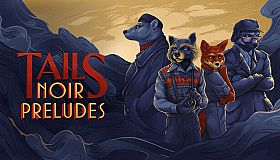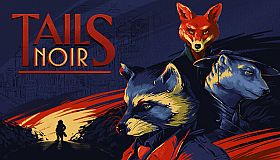



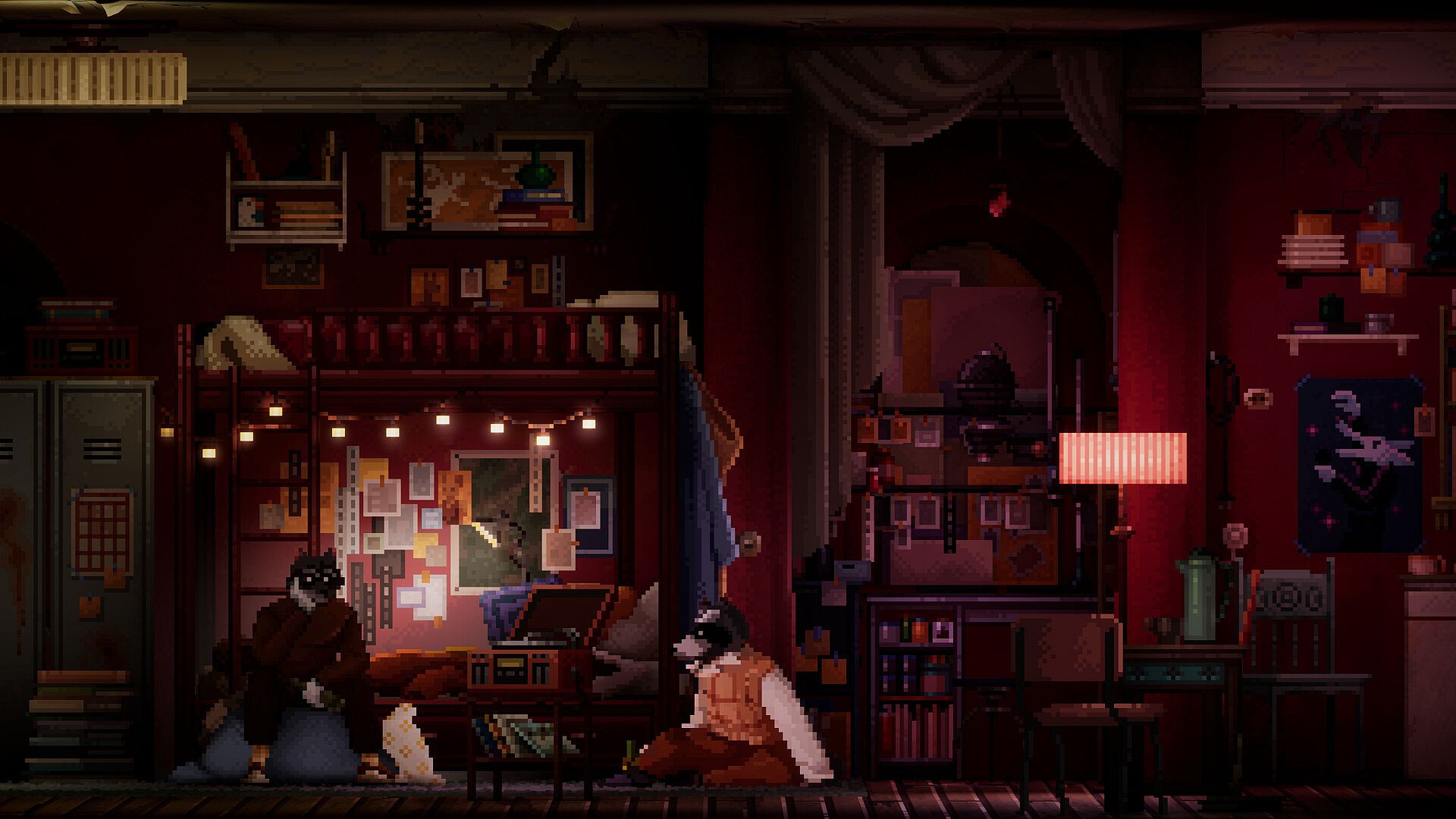
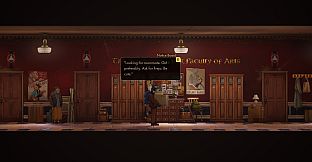
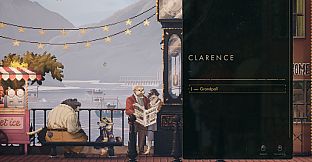
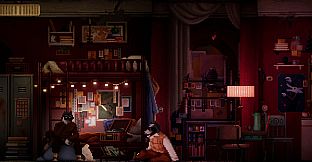


Tails Noir Preludes is a narrative adventure game set in a dystopian version of Vancouver populated by anthropomorphic animals. Players guide four distinct characters through a series of interconnected vignettes that explore themes of change, circumstance, and personal consequence in the years leading up to the events of the original Tails Noir. The experience emphasizes dialogue choices and their ripple effects on character development and relationships rather than traditional puzzle solving or action sequences.
Gameplay
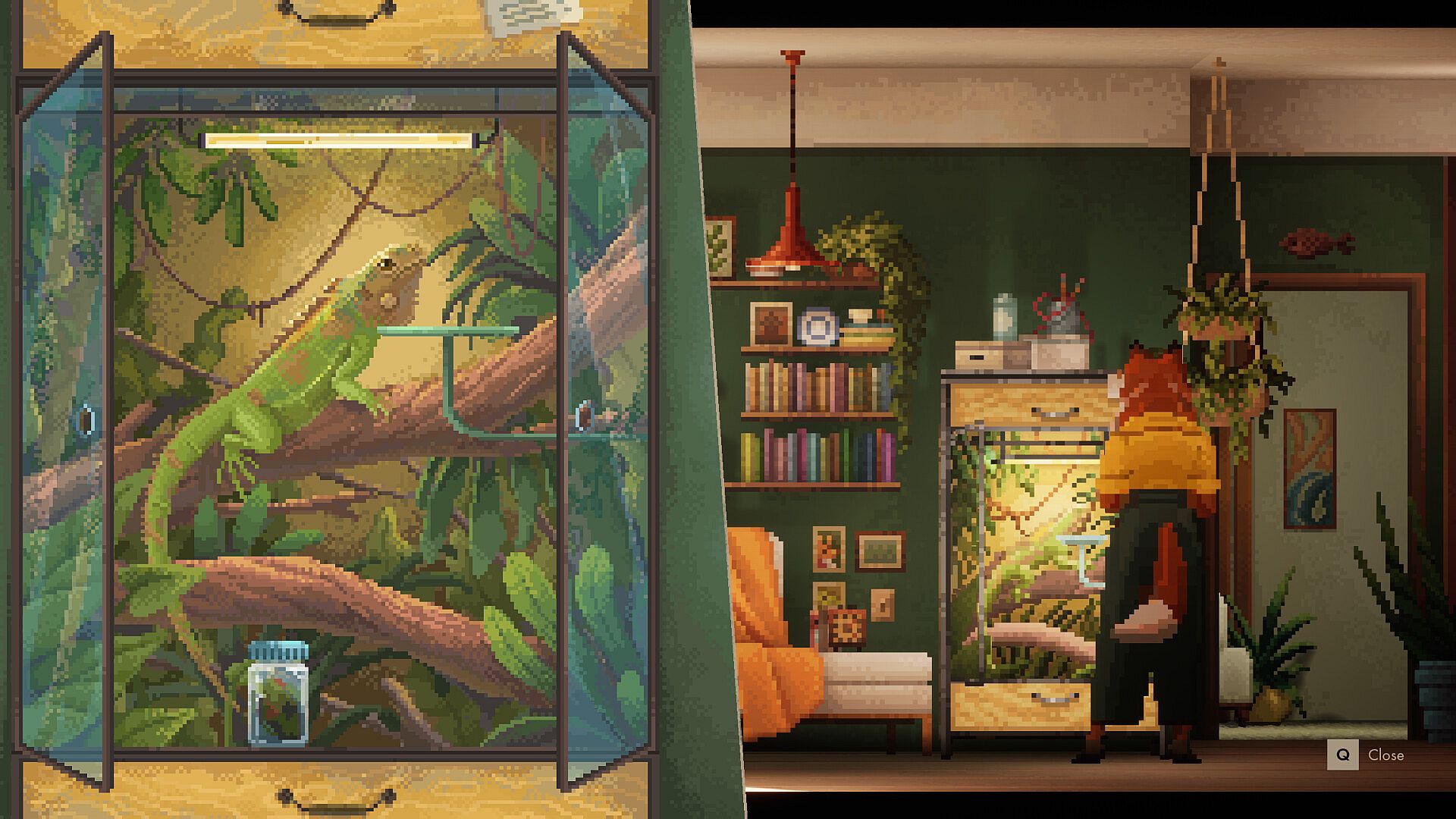
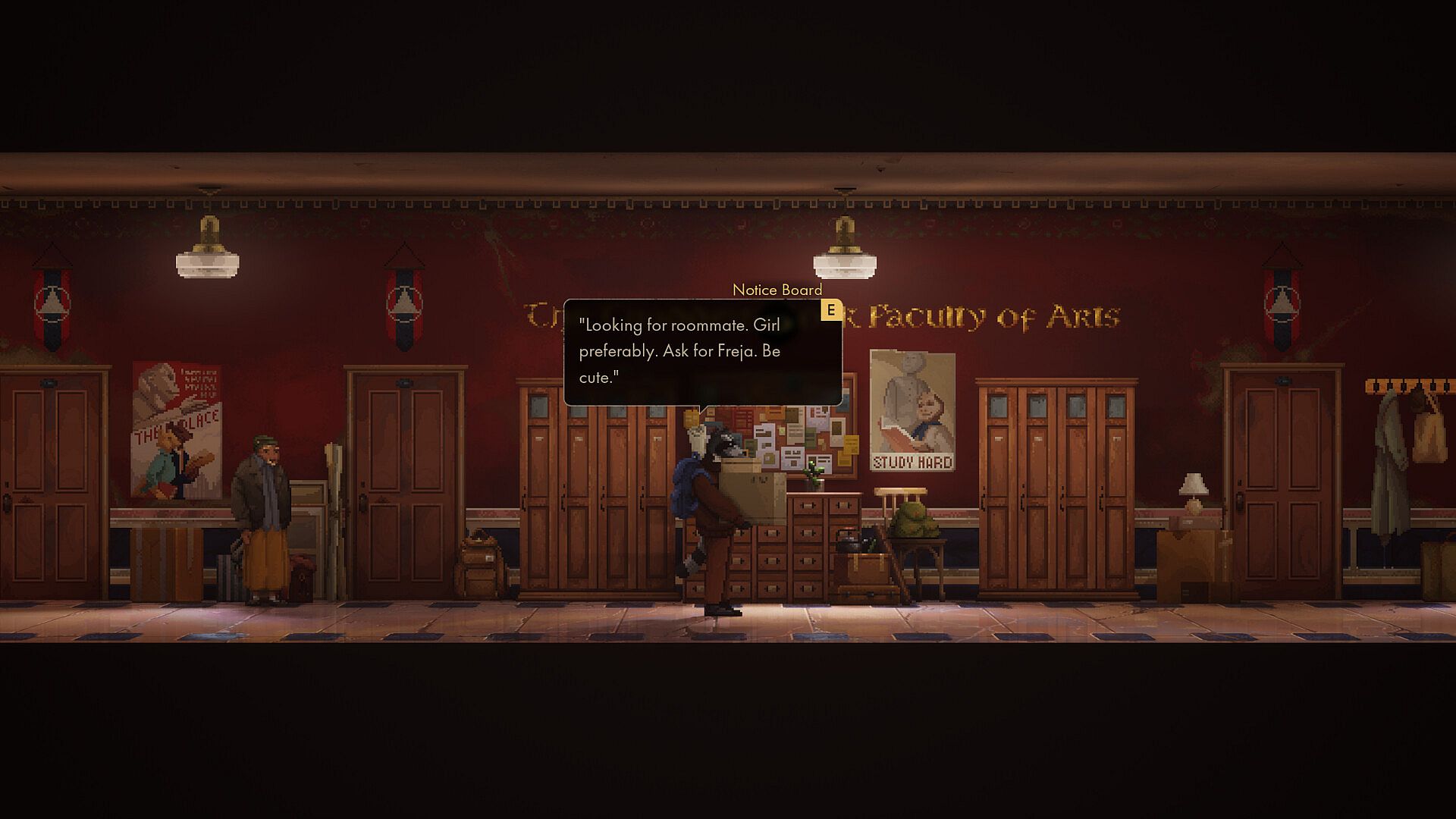
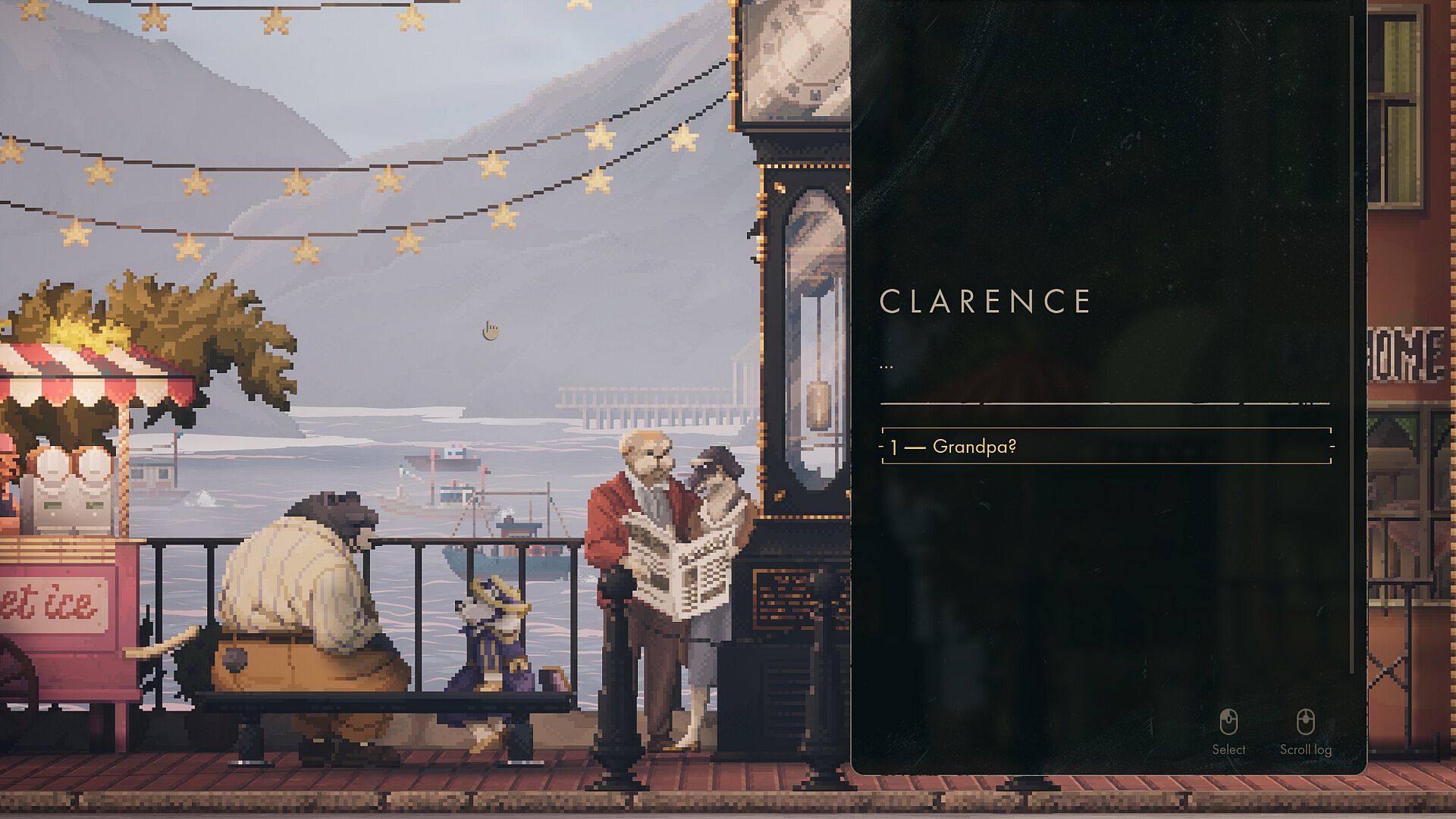
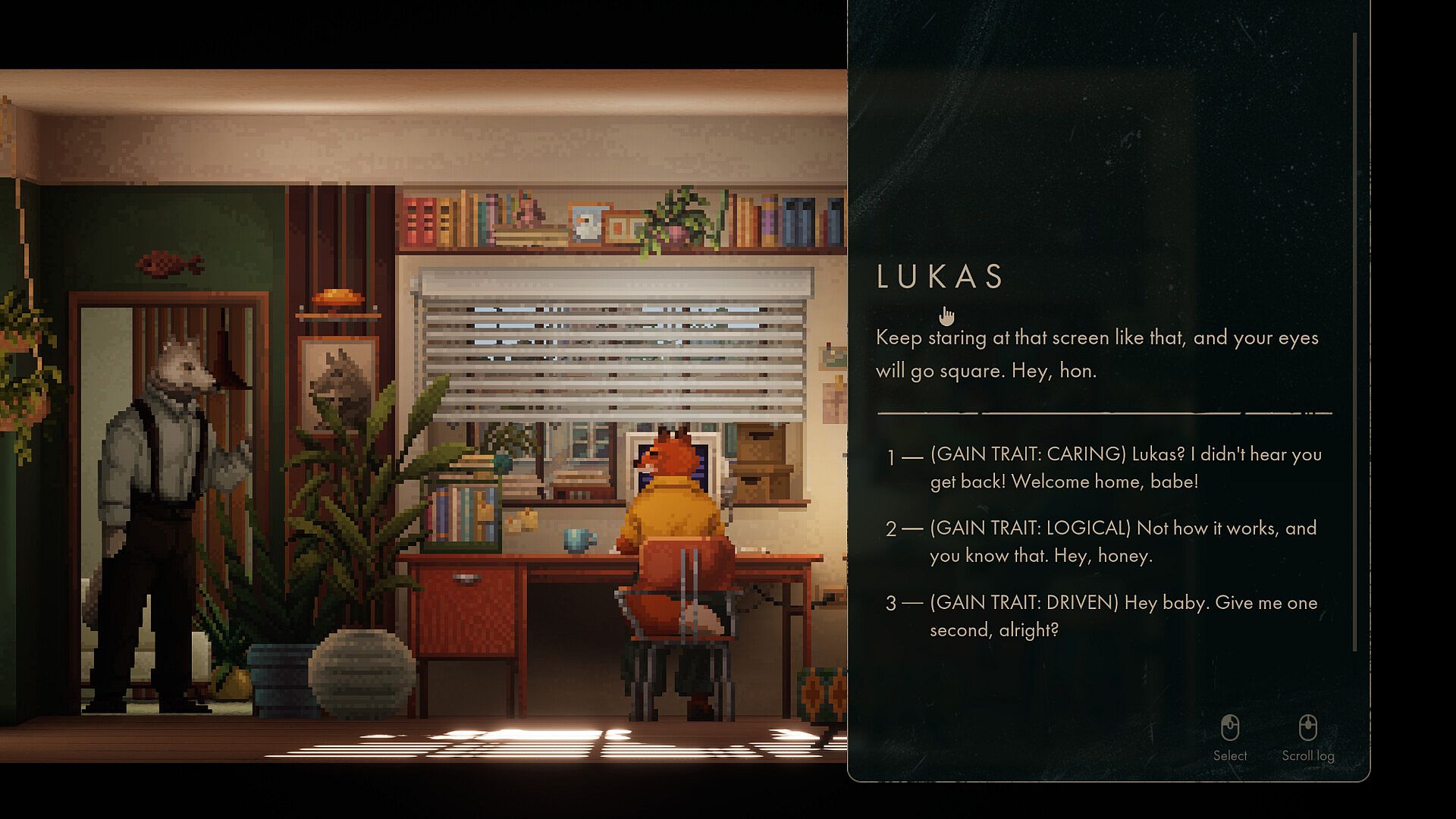
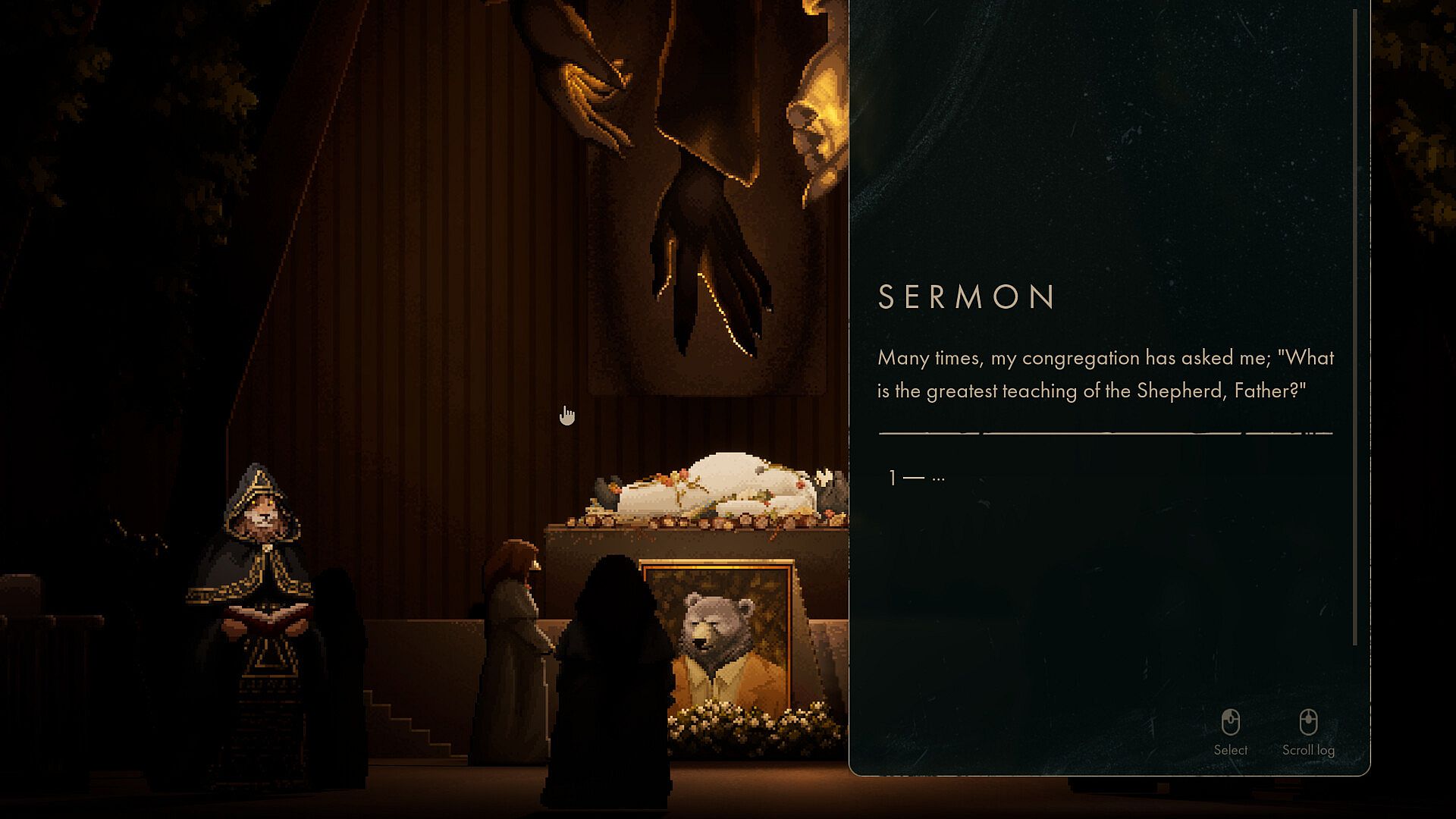
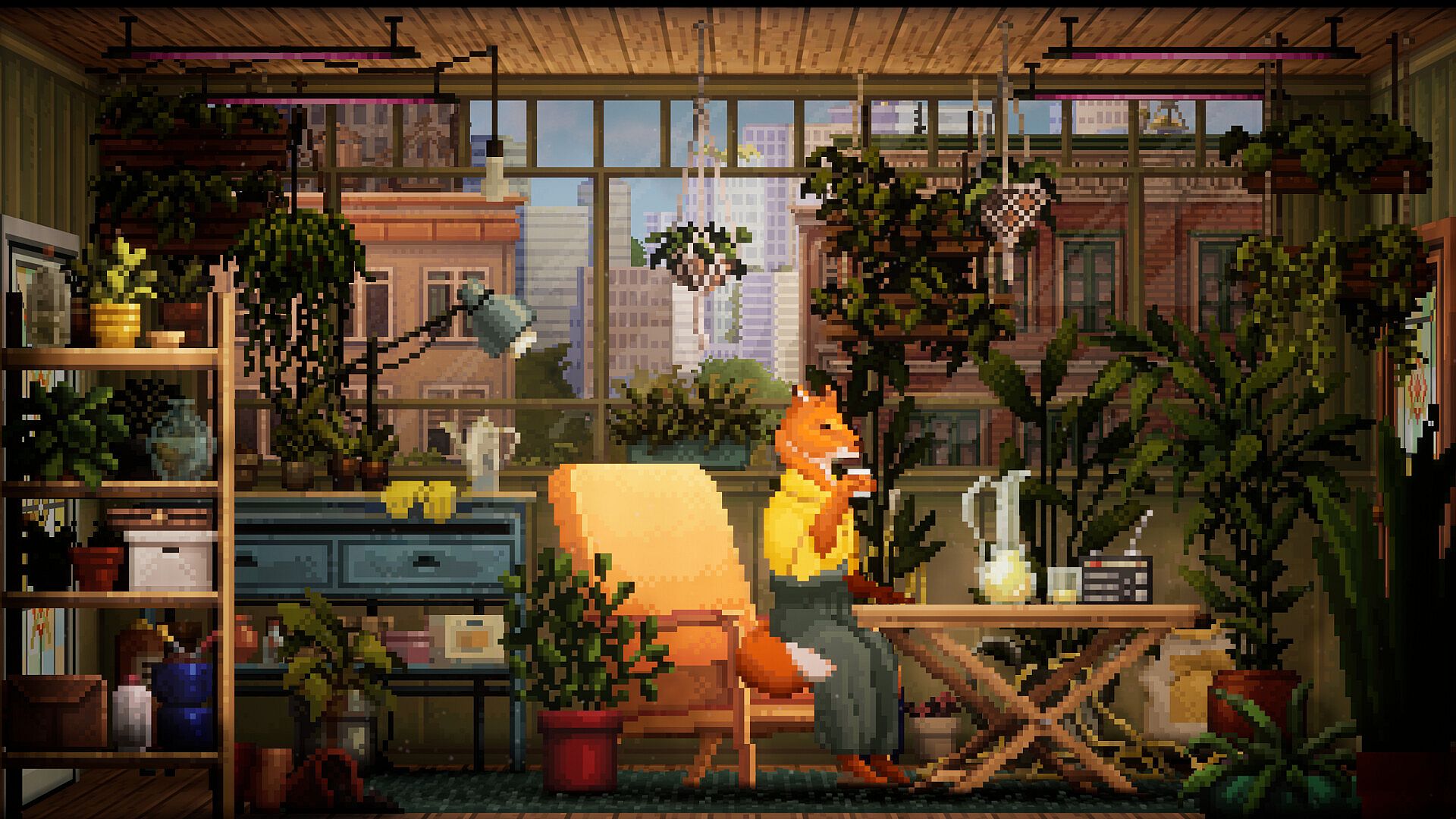
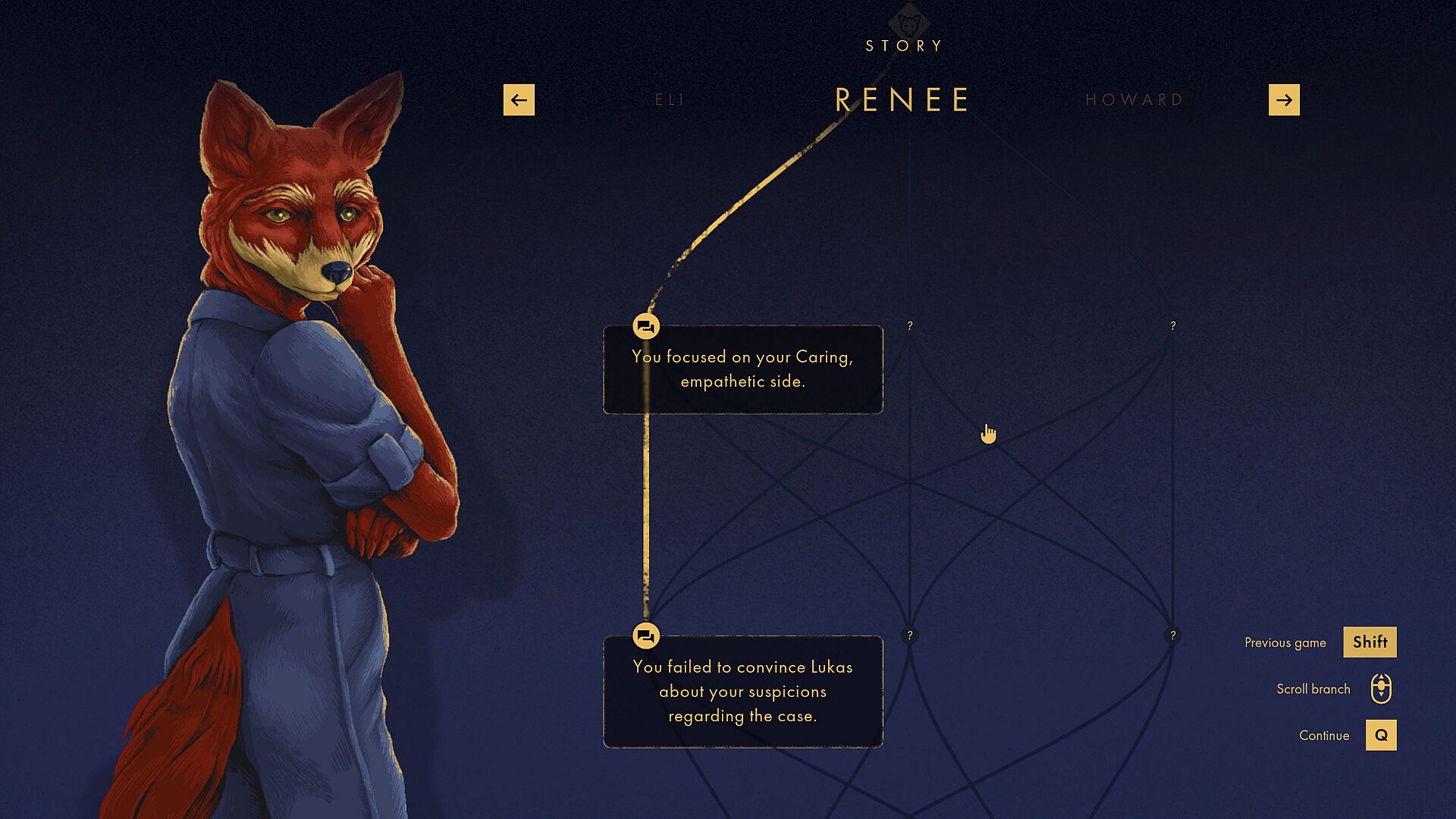
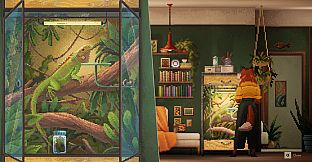
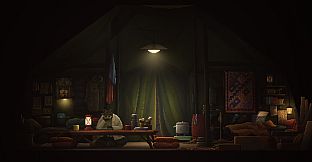
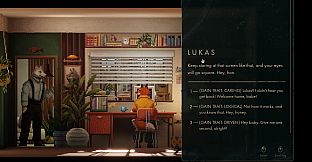
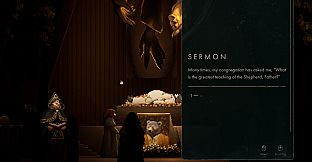
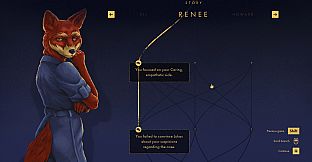
The core loop revolves around navigating compact environments rendered in high-resolution pixel art, interacting with objects and non-player characters to advance the story. Dialogue trees form the primary mechanic, allowing players to shape each protagonist's personality traits through responses that range from empathetic to confrontational. These selections influence how other characters perceive and react to the protagonist, creating subtle variations in later vignettes without altering the overall narrative path. Exploration remains limited to small, atmospheric locations where players gather context through observation and conversation. The game incorporates the same moody doom jazz score heard in the original Tails Noir, composed by Danshin, which underscores every scene with melancholic instrumentation that matches the introspective tone. A single playthrough typically lasts around four hours, though the structure encourages additional runs to observe how different trait combinations alter interpersonal dynamics.
Game Modes
Tails Noir Preludes operates exclusively as a single-player narrative experience. There are no competitive or cooperative modes. The vignette format divides the story into four acts, each centered on one of the main characters, with opportunities to revisit segments and experiment with alternate dialogue paths after an initial completion. This design supports replayability focused on character outcomes and thematic resonance rather than score chasing or competitive elements. The included soundtrack expands the audio layer with over an hour of original tracks that play during key moments, enhancing immersion without introducing new mechanical layers.
Story and Setting
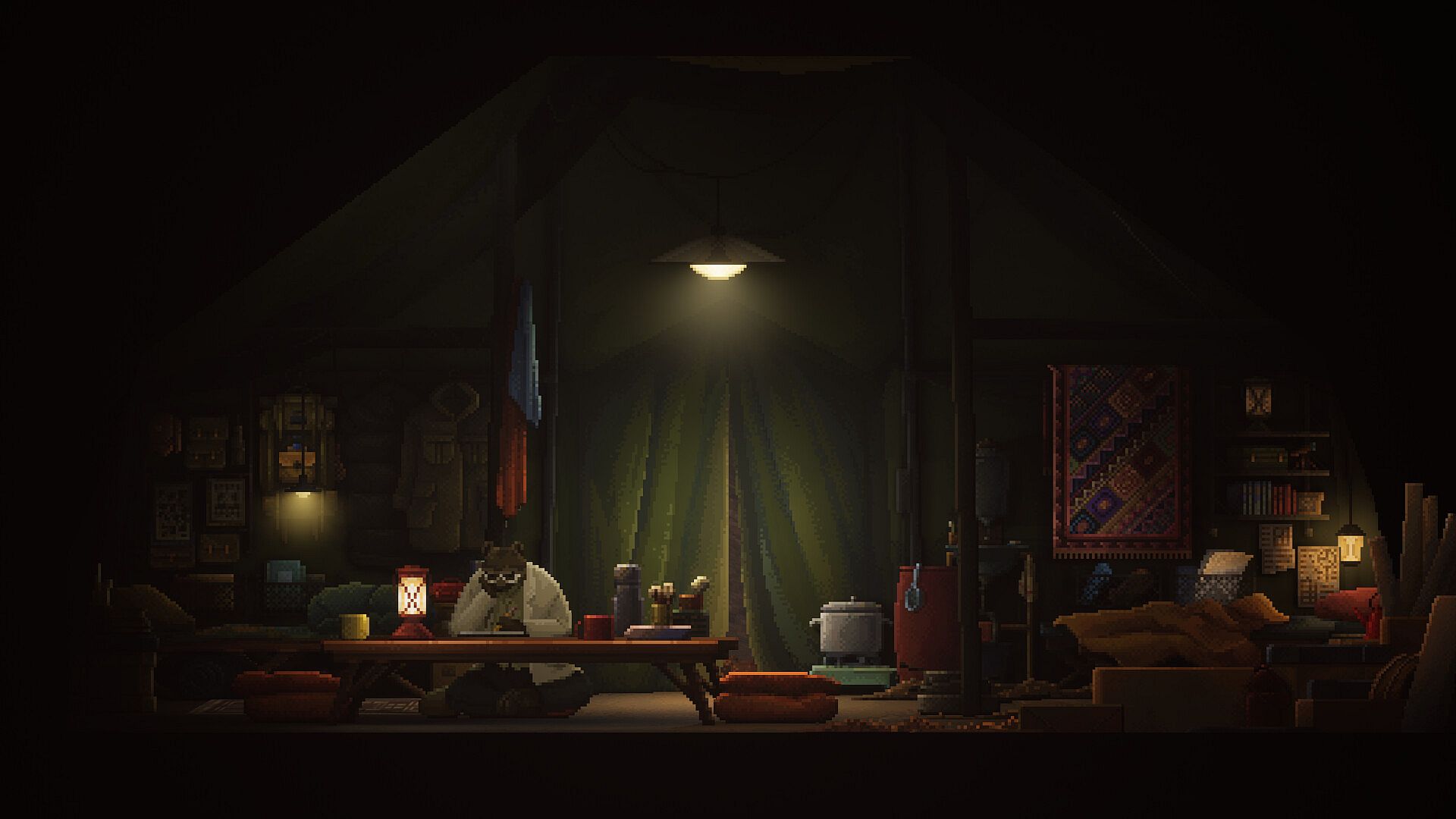
The narrative unfolds in a richly detailed world that blends post-noir aesthetics with sci-fi undertones. Each character faces formative decisions that highlight everyday struggles against larger systemic pressures. The pixel art style captures neon-lit streets, intimate interiors, and environmental details with precision, while the jazz-infused soundtrack provides a consistent sonic identity across all vignettes. Choices made early in one character's arc can subtly shift the tone of interactions in subsequent segments, rewarding players who pay close attention to dialogue cues and recurring motifs.
Is It Worth Playing?
Player feedback highlights the game's strengths in character writing, atmospheric presentation, and the quality of its musical accompaniment. Reviews frequently praise the believable personalities and the way small decisions accumulate into meaningful personal arcs, even within a relatively short runtime. The experience suits those who value story-focused adventures with replay value derived from experimentation rather than mechanical depth. Its positive reception on major platforms reflects appreciation for the visual and audio design, including the dedicated soundtrack release that delivers extended listening time with the same composer responsible for the series' signature sound. For players drawn to dialogue-driven narratives set in distinctive worlds, the title delivers a focused, contemplative session that stands well on its own or alongside the earlier entry in the series. Those seeking extensive puzzles, combat, or branching storylines with major divergences may find the scope more limited. Availability on PC makes it accessible for short, repeated play sessions that emphasize reflection over extended campaigns.