



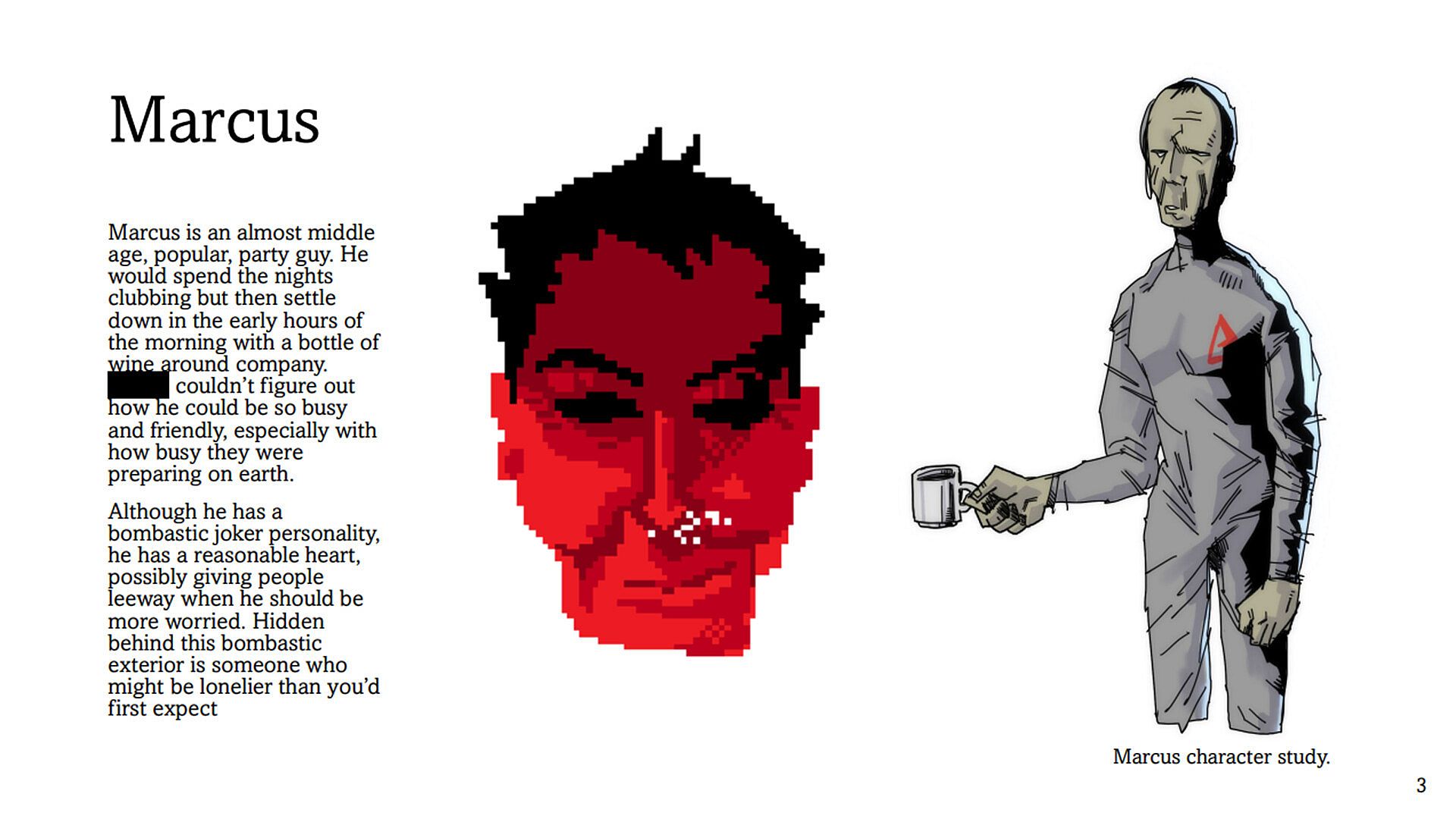
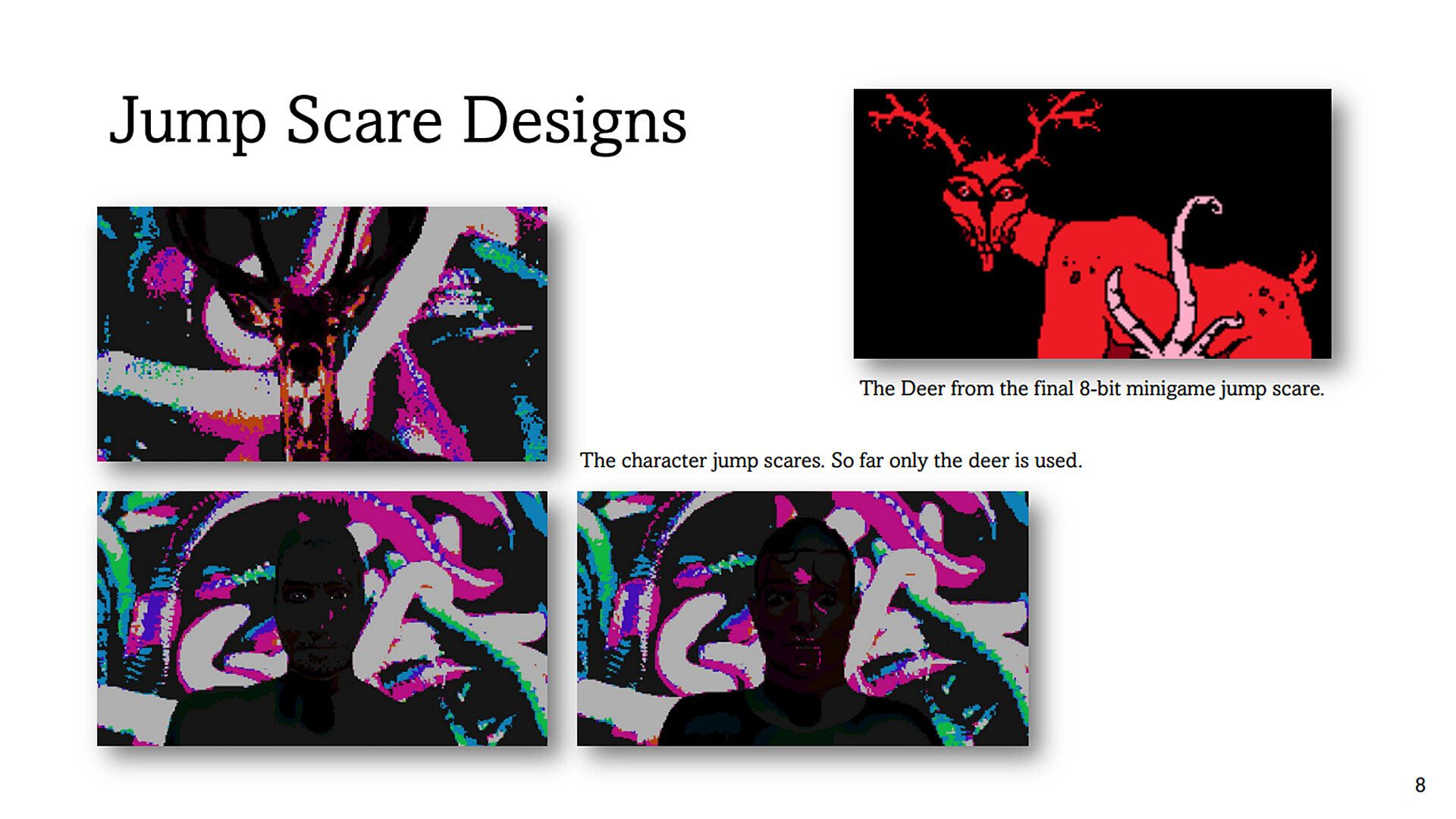
Waking Adrift stands as a free to play indie adventure title that places players in a first-person psychological horror setting aboard a spacecraft on a one-way journey toward the edge of space. The experience centers on the Nessie 14, the fourteenth attempt at such a mission after earlier vessels failed catastrophically. Crew members navigate isolation while confronting events that blur the line between reality and mental distortion.
Gameplay
Players move through the spacecraft in first-person view, examining corridors, living quarters, and operational areas that reveal the daily routines and growing unease among the crew. Conversations with fellow crewmates provide insight into individual backgrounds and the shared challenges of deep-space travel. Hallucinations appear as part of the core loop, altering what the player sees and hears to create uncertainty about which elements are genuine. These perceptual shifts tie directly into the central mystery surrounding the outcomes of the prior thirteen missions. The mechanics emphasize careful observation and dialogue choices rather than combat or resource management, allowing the narrative to unfold through personal interactions and environmental details.
Exploration remains deliberate, with attention paid to small objects, logs, and visual cues that hint at the psychological strain of prolonged confinement. The design encourages repeated visits to locations as new information surfaces, reinforcing the theme of questioning every perception. Sound design and visual effects support the horror elements by amplifying moments of disorientation without relying on jump scares alone.
Game Modes
The game operates exclusively as a single-player narrative adventure with no multiplayer components or separate competitive modes. All progress occurs within one continuous story campaign that follows the crew's journey and the unfolding events on the Nessie 14. There are no co-op options, leaderboards, or alternate play styles such as survival challenges or puzzle-only variants. The structure keeps focus on sequential exploration and dialogue-driven revelations that advance the central plot at a measured pace suited to atmospheric horror.
Story and Atmosphere
The narrative follows crew members aboard the Nessie 14 as they contend with isolation and the unexplained fate of previous expeditions. Details emerge through conversations and discovered materials that piece together the history of the mission attempts. The atmosphere builds around the confined environment of the spacecraft, where ordinary spaces take on unsettling qualities due to the psychological effects described in the game. Visual and auditory cues reinforce the sense of detachment from Earth and the unknown ahead, creating a consistent tone of quiet tension throughout the experience.
Player choices in dialogue influence the depth of information gathered about crew dynamics and the broader mystery, though the overall path remains linear. The setting draws on classic themes of space exploration gone wrong, presented through intimate, personal-scale encounters rather than large-scale spectacle.
Is It Worth Playing?
Waking Adrift offers a low-commitment entry point as a free to play title, making it accessible for anyone interested in narrative-driven psychological horror without an upfront purchase. The single-player focus suits players who enjoy story-focused adventures centered on character interactions and perceptual uncertainty. Available user feedback remains limited due to the recent release, with a small number of reviews reflecting early impressions rather than a broad consensus. The supporter pack provides the soundtrack and art book for those who wish to support the project after enjoying the core experience. Individuals drawn to introspective horror and mystery in a confined setting will find the verified elements align with that preference, while those seeking action, multiplayer, or extensive replay systems may look elsewhere. The current state shows ongoing developer updates shortly after launch, indicating continued attention to the title.