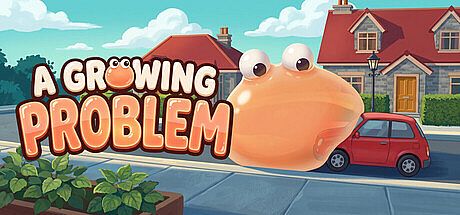


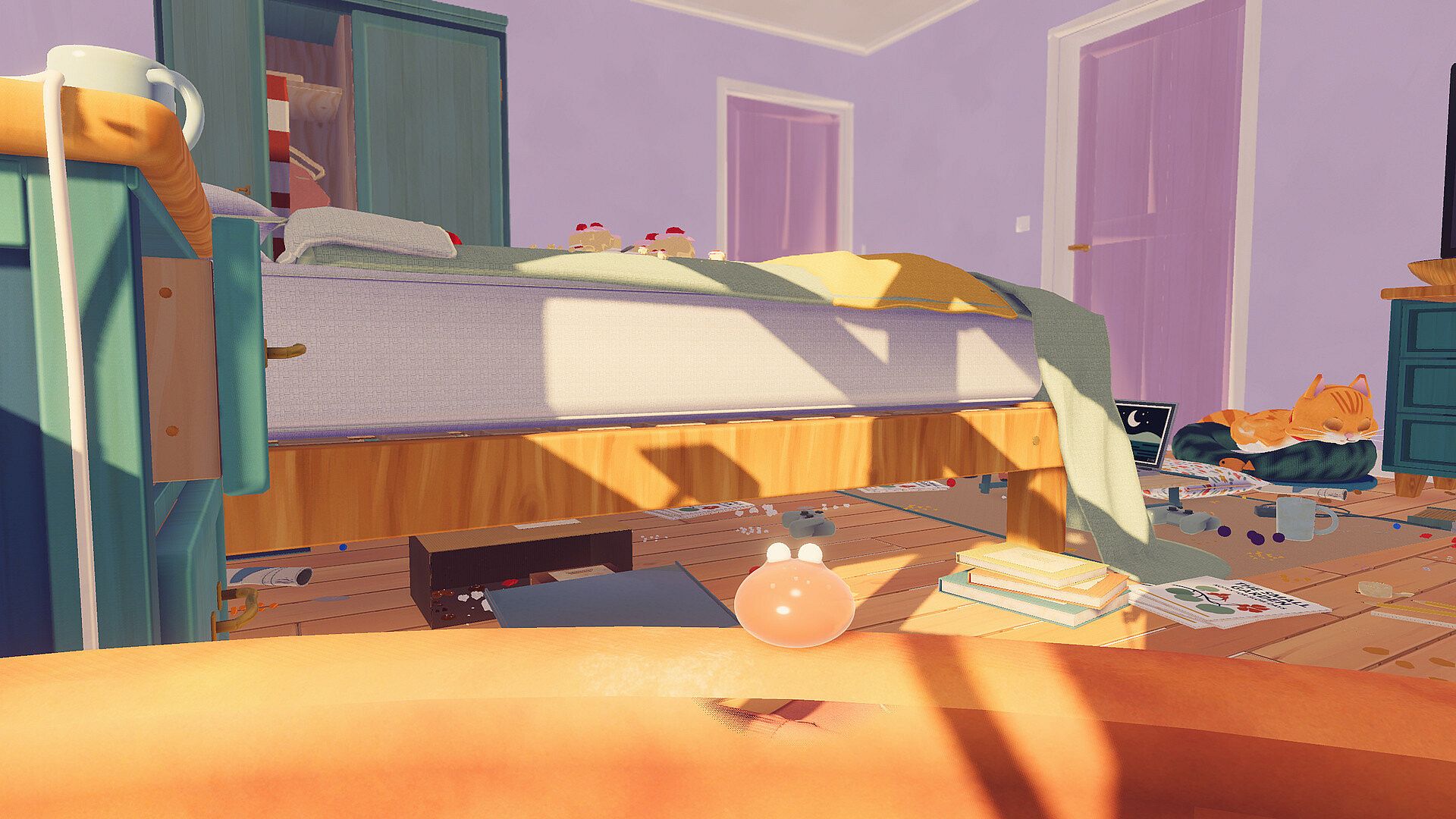
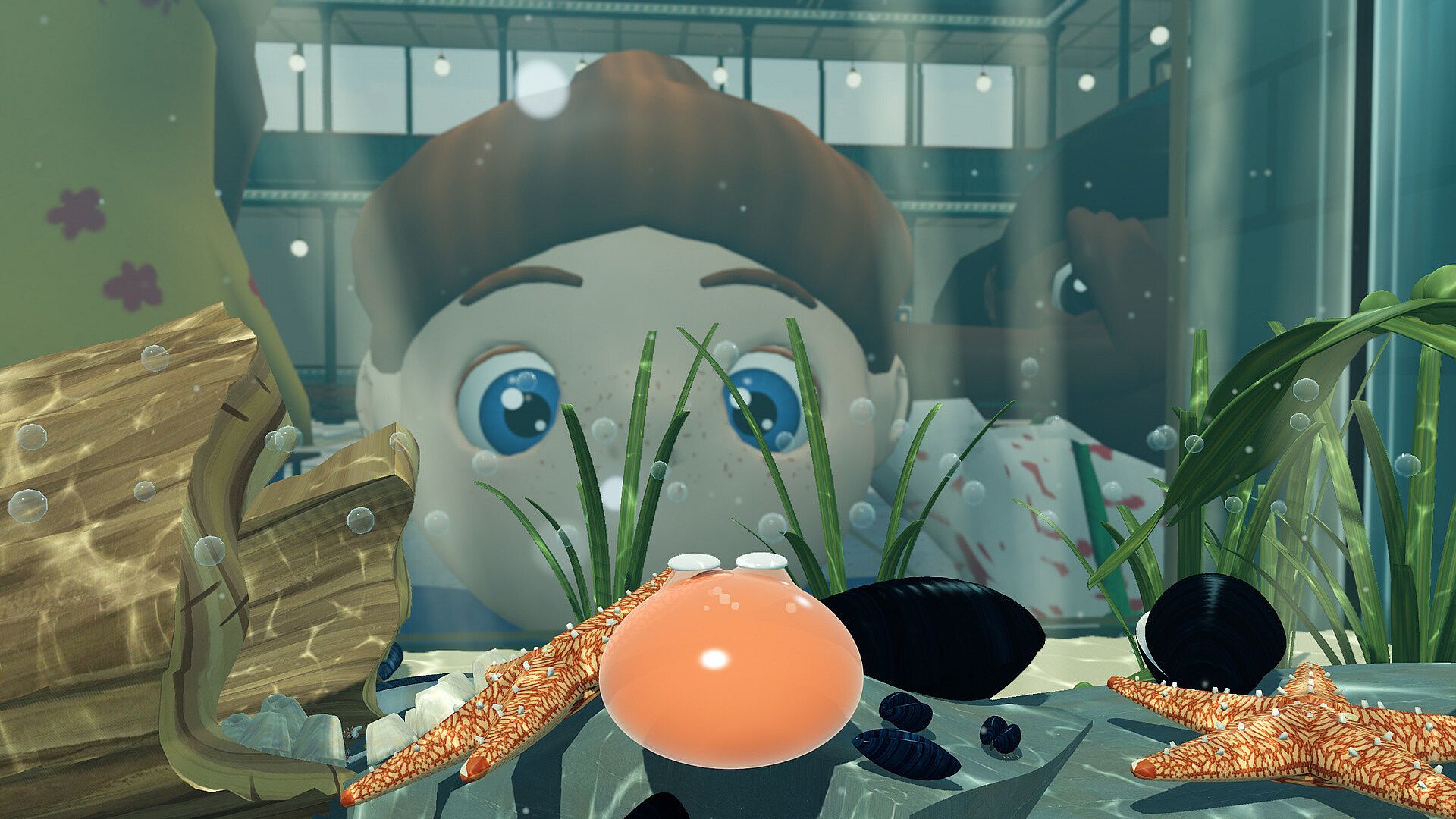
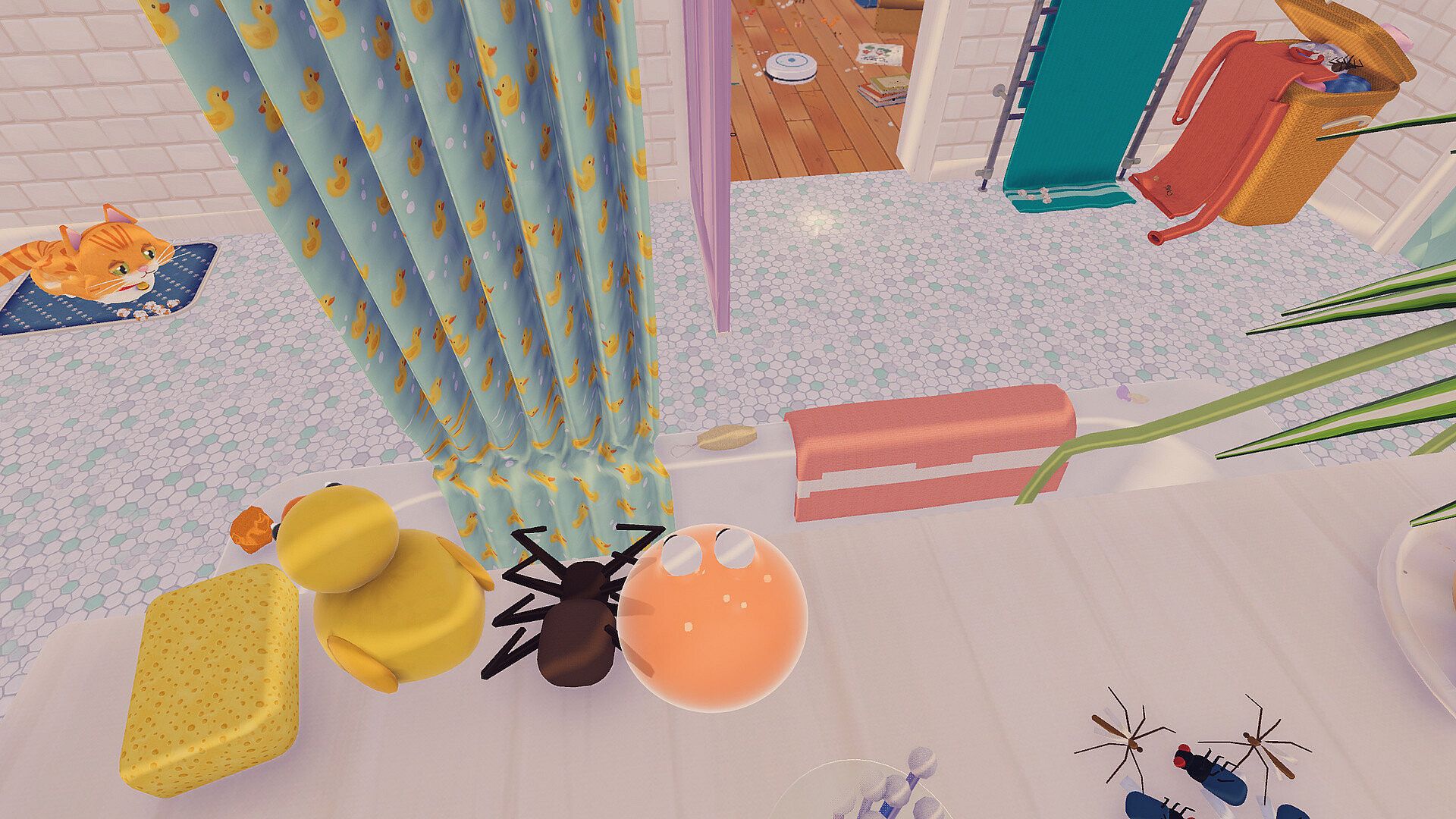
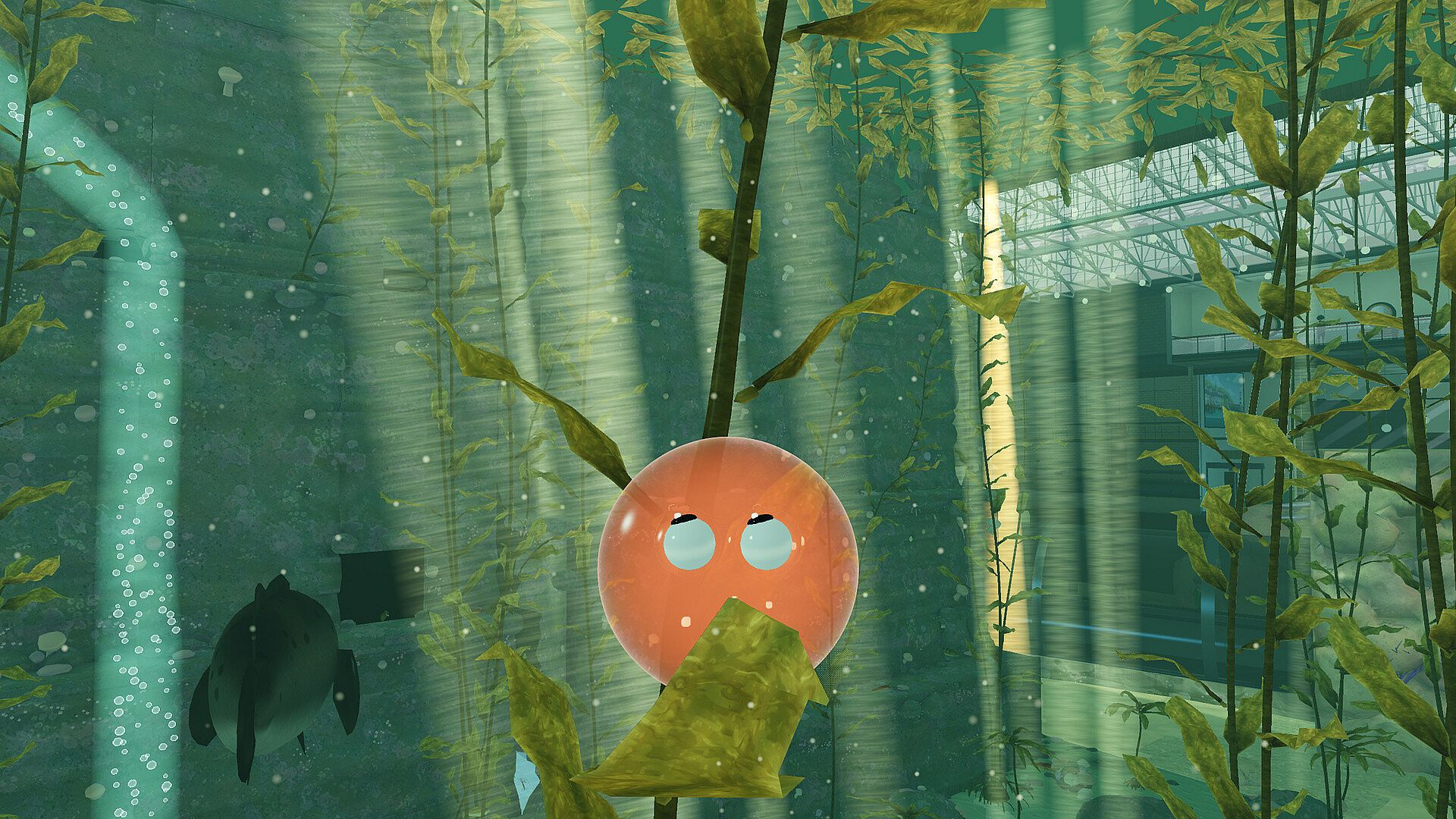



A Growing Problem is a casual singleplayer game on PC centered on incremental growth. Players begin as a microscopic blob in the soil of a houseplant and expand by consuming anything smaller, gradually reshaping the surrounding environment through each meal.
Gameplay
The core loop revolves around eating smaller objects and creatures to increase in size. Early stages involve pollen, crumbs, and sweets scattered around a confined space. As the blob enlarges, previously inaccessible items like toys or furniture enter the menu. The environment reacts dynamically: hiding spots shrink relative to the player, while threats scale accordingly.
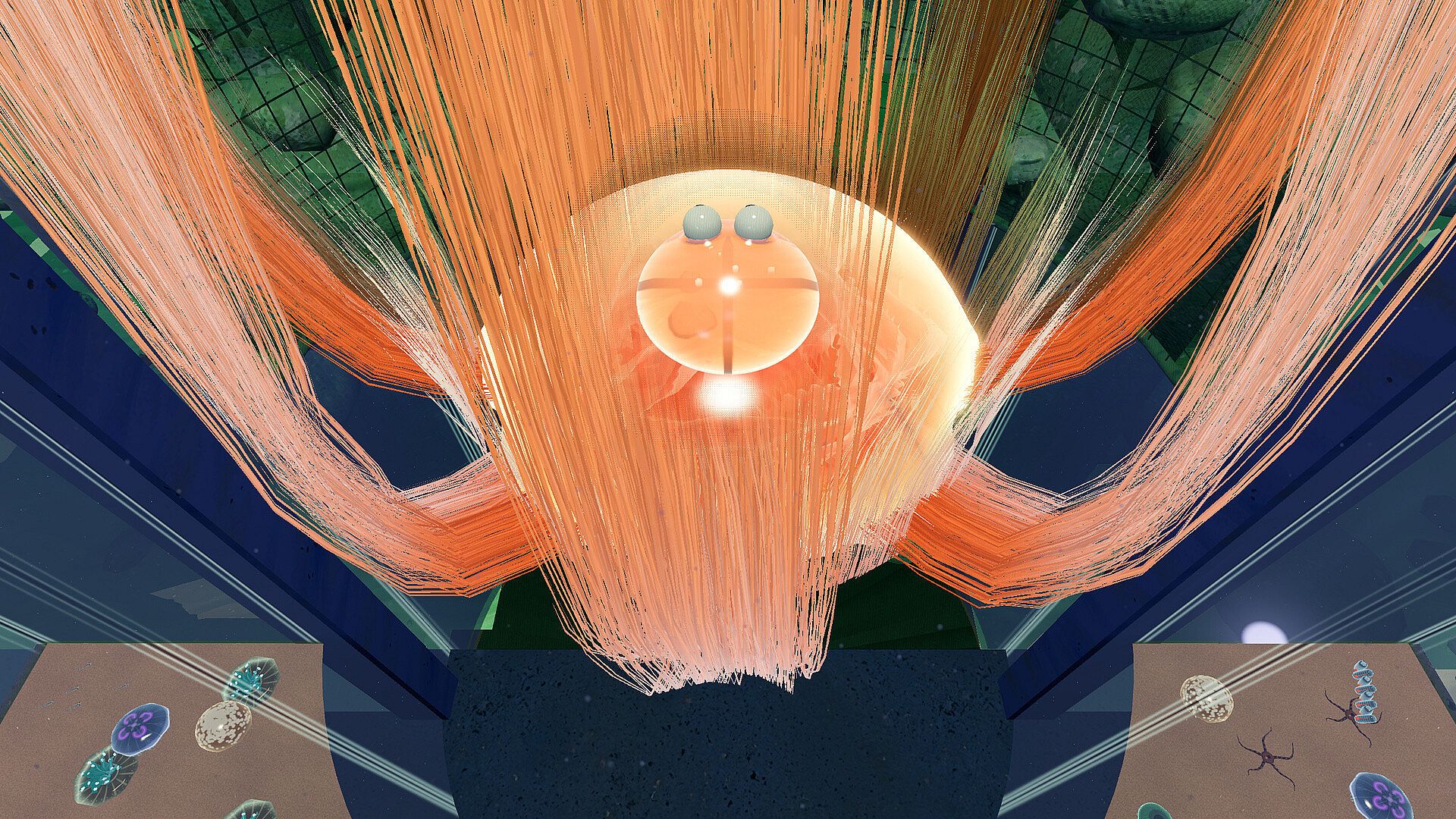
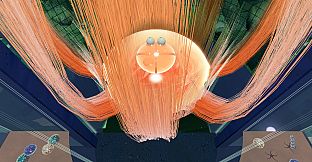
Predators appear early and remain a constant factor. Mites, mice, robot vacuums, and household pets pursue the small blob. In larger settings such as an aquarium, crabs, jellyfish, and otters present additional hazards. Survival depends on evasion until growth allows reversal of roles. Once the player outgrows a former threat, that entity becomes edible, creating a satisfying reversal built into the progression.
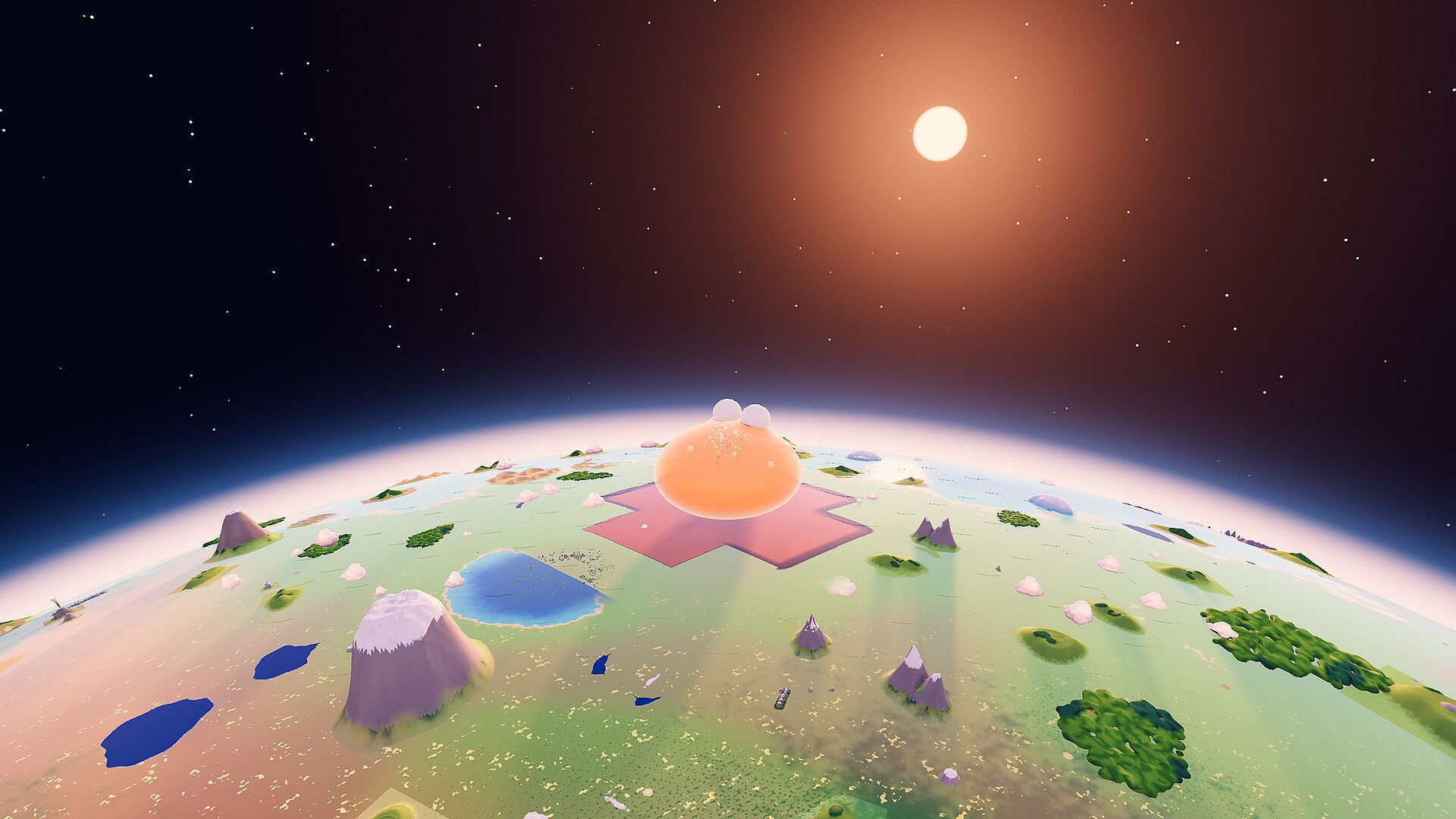
Scale expands steadily. The journey moves from the plant pot through a bedroom and bathroom, then downstairs and outside the house. Streets, neighborhoods, towns, cities, and eventually the planet itself open up as viable areas once size permits. Every bite contributes to this expansion, turning the world into a layered series of consumable layers.
Game Modes
The game presents a single continuous experience without distinct named modes. Progression occurs through one unbroken campaign that emphasizes steady growth and environmental interaction. Players advance by managing size thresholds that unlock new areas and reverse predator-prey dynamics, maintaining focus on the central eating and expansion loop across the entire playthrough.
Progression and Scale
Size serves as the primary mechanic and gatekeeper. Smaller items provide incremental gains that accumulate into major thresholds. These thresholds transform the playable space, converting former obstacles into resources and former dangers into meals. The shift from indoor domestic settings to outdoor urban and global environments illustrates this layered approach, where each stage builds directly on the previous one through accumulated mass.
Memory elements add a light narrative thread. Creatures that hunted the player earlier retain recognition once roles flip, reinforcing the sense of personal history within the growth arc. This mechanic rewards consistent play without introducing separate systems or branches.
Is It Worth Playing?
A Growing Problem suits players who enjoy deliberate, incremental mechanics in a casual package. The growth loop delivers consistent feedback through visible environmental changes and role reversals. Those seeking short sessions or longer focused runs will find the single continuous structure accommodating, as progress ties directly to eating and exploration rather than external objectives or timers.
Reception centers on the satisfying scale progression and the novelty of turning the tables on early threats. The game remains in active development with no announced end to support, keeping the core experience intact for new players. It appeals most to fans of growth-focused casual titles who value steady mechanical payoff over complex systems or multiplayer elements. If the premise of starting tiny and consuming the world aligns with personal taste, the game offers a straightforward and coherent experience worth trying.