

A Hundred Light Years is a text-based survival strategy game set in a future where Earth can no longer sustain its population. Players take on the role of a family head guiding loved ones aboard a colony ship toward New Providence, a planet one hundred light years distant. The journey unfolds through narrative passages and decision points that test resource allocation and moral judgment in equal measure.
Gameplay
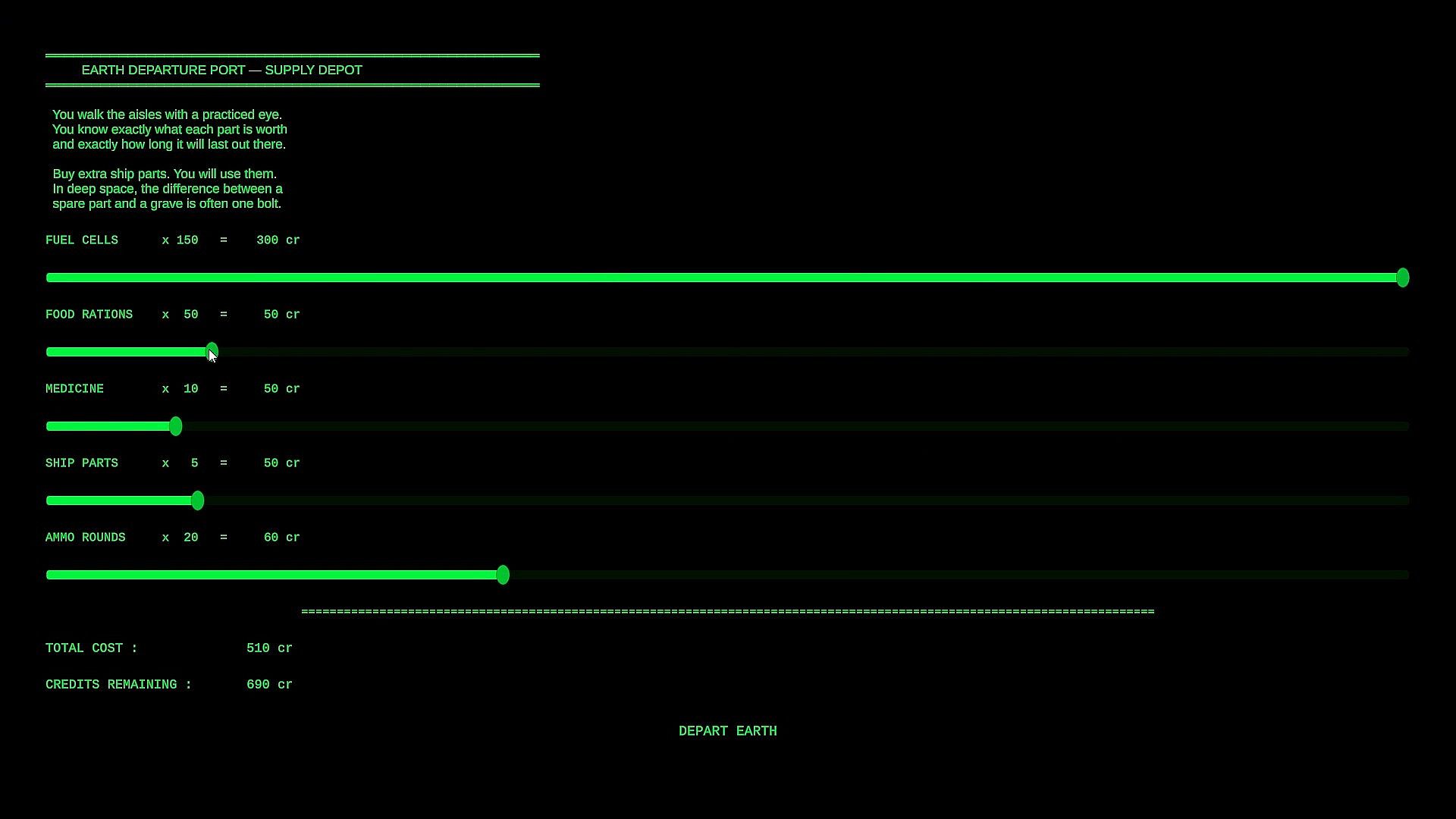
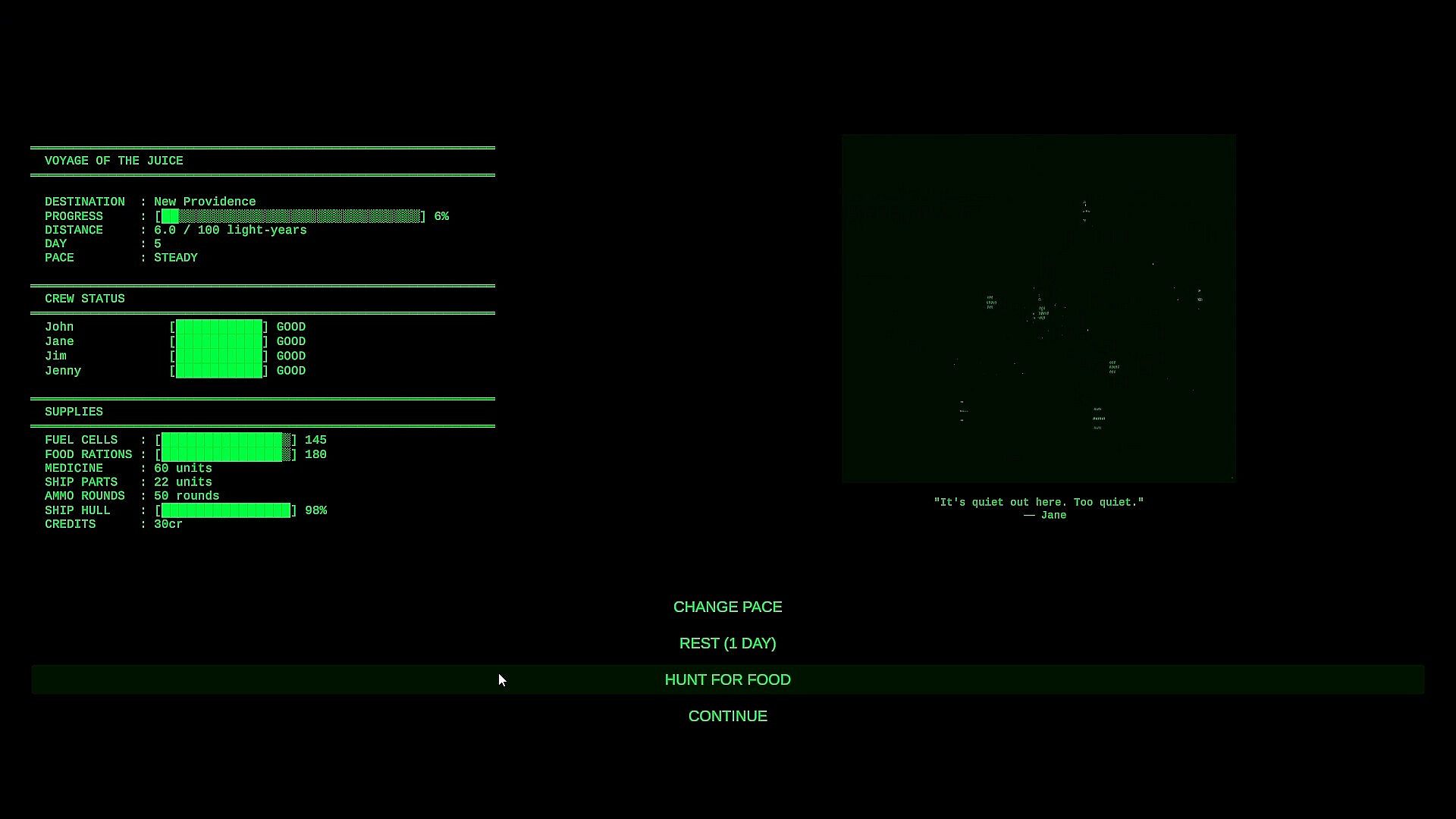
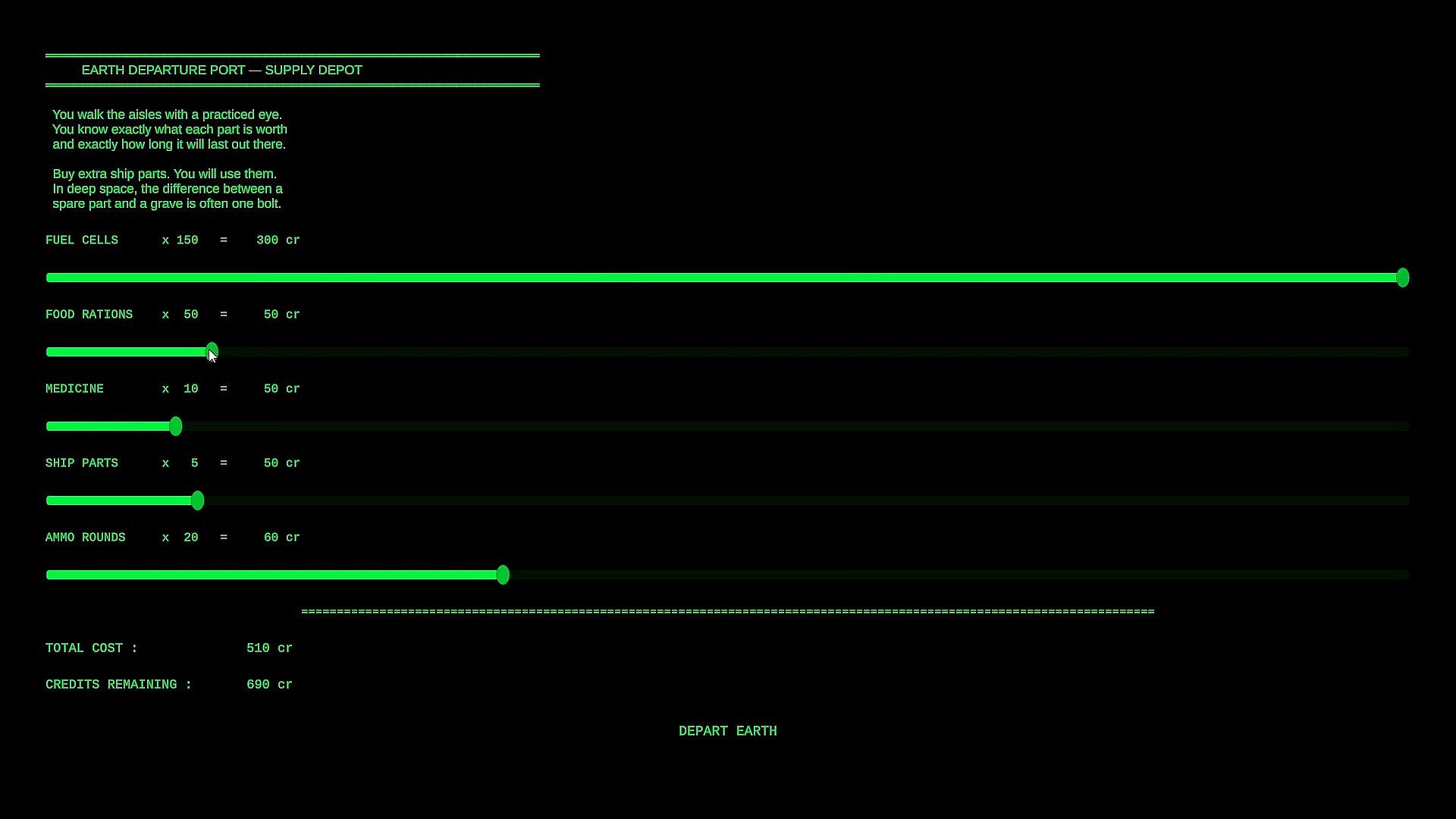
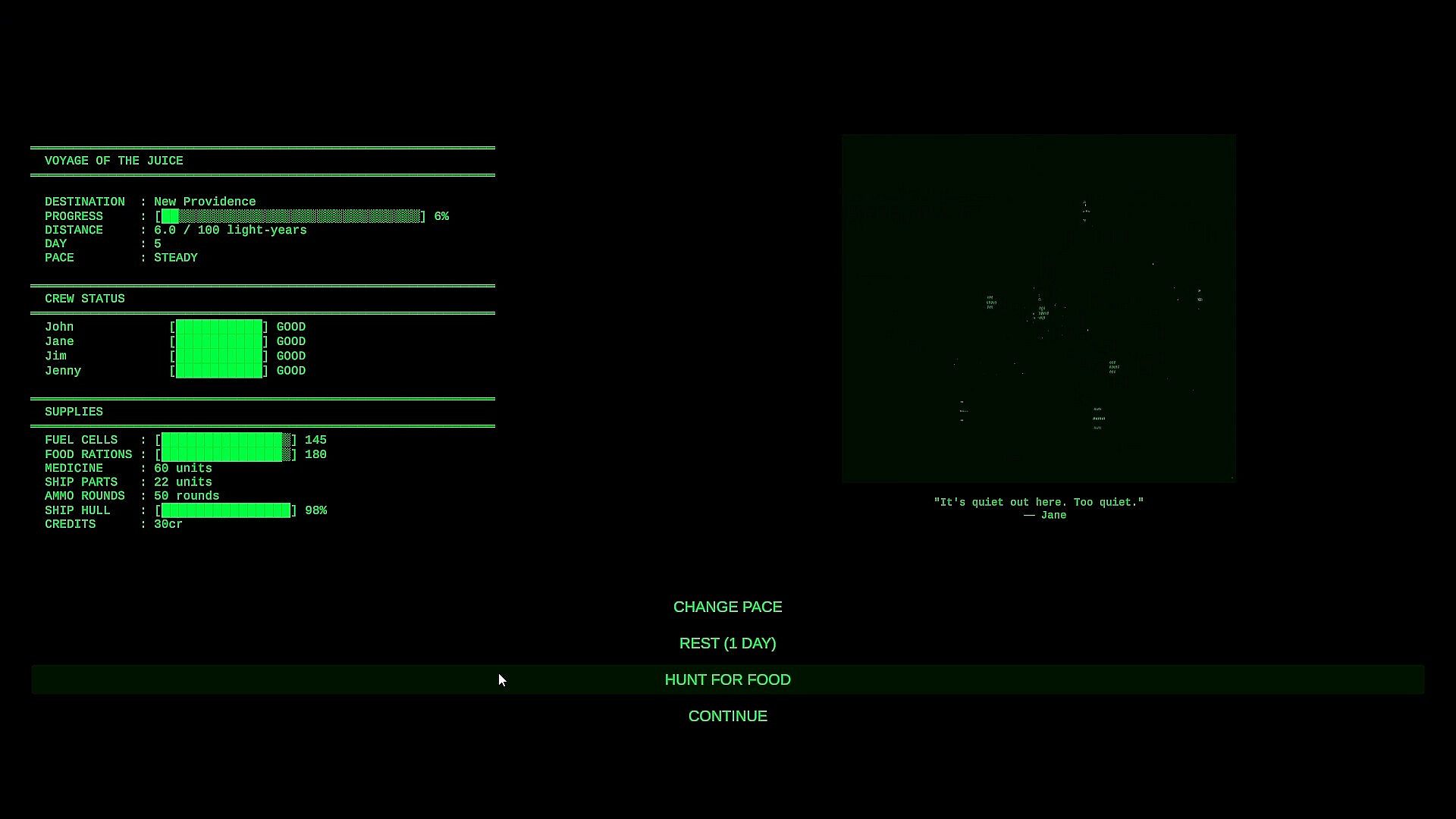
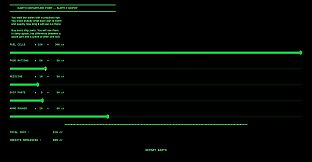
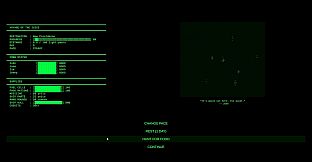
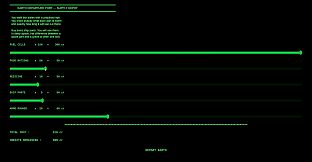
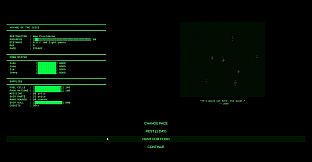
The core loop centers on daily management aboard the vessel as it travels through deep space. Players track supplies including fuel, food, medicine, ship parts, and ammunition, each of which depletes over time and requires careful rationing. Shortages trigger cascading problems that affect crew health, ship integrity, and family dynamics.
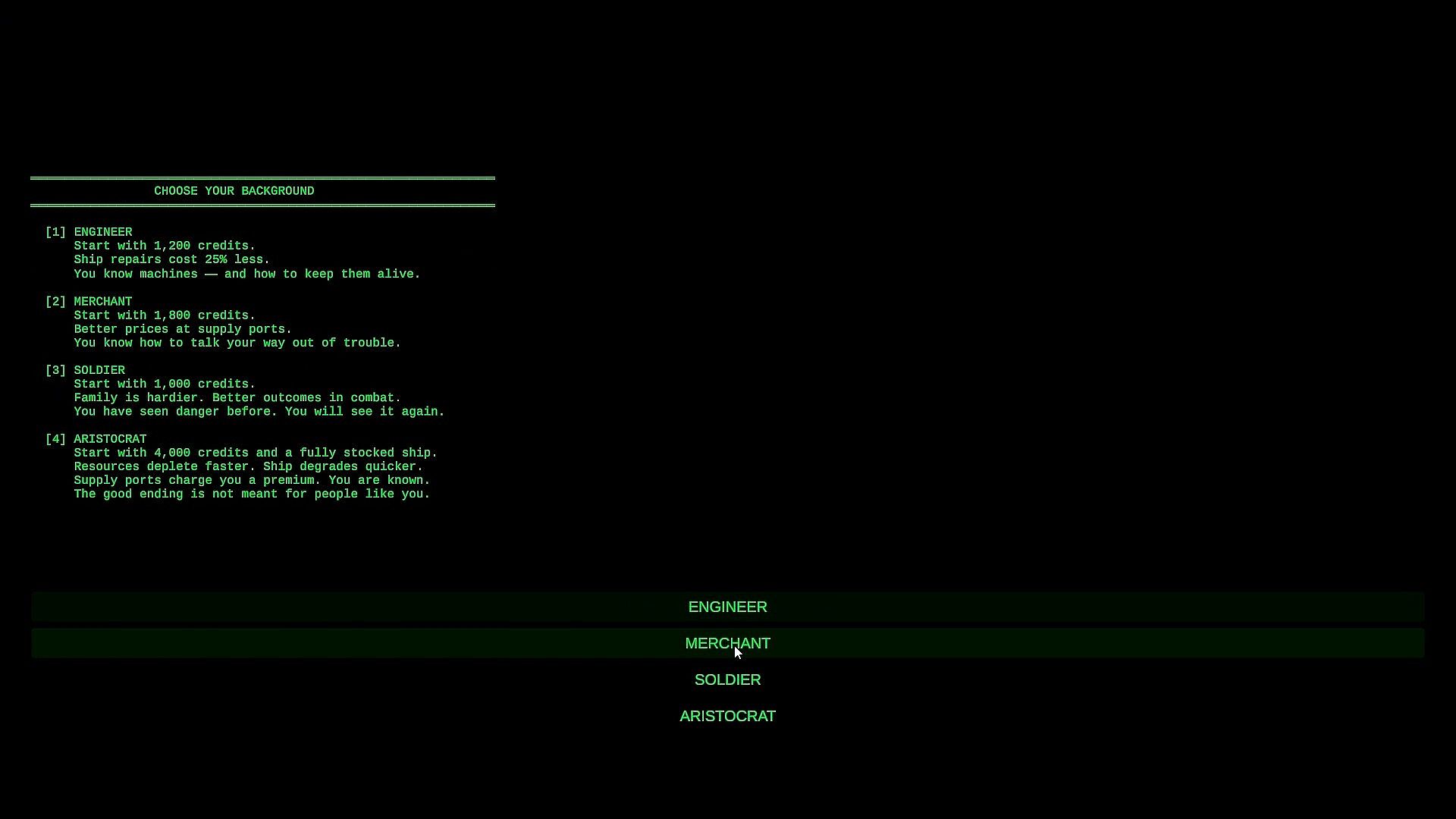
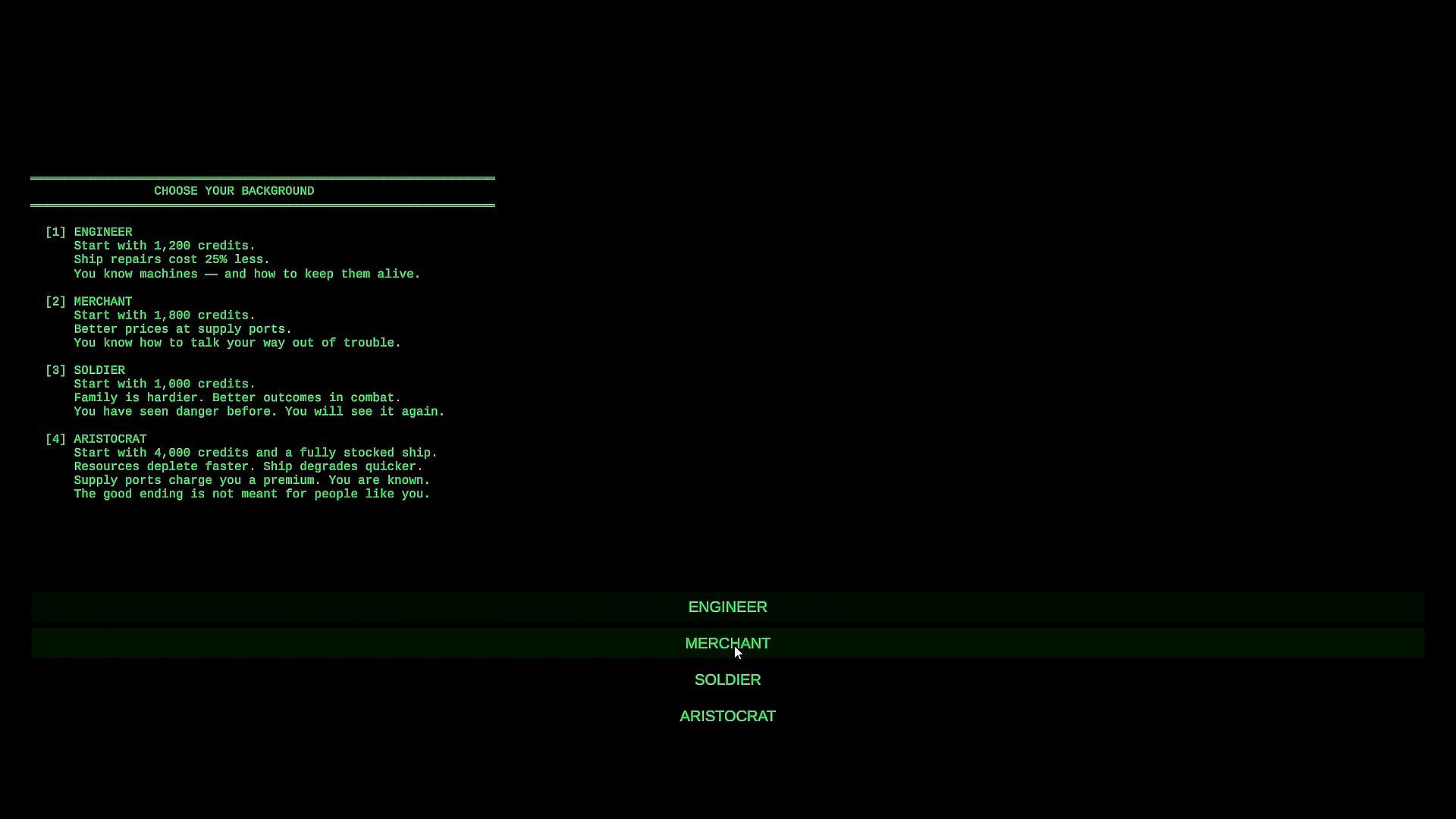
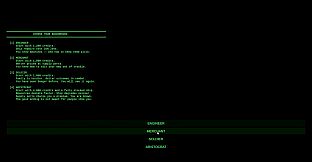
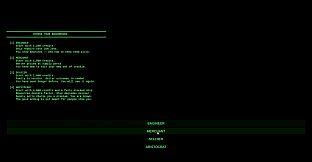
Four distinct classes define starting advantages and ongoing challenges. The Engineer focuses on maintaining critical systems during breakdowns. The Merchant excels at negotiations during encounters with other vessels. The Soldier handles direct confrontations when diplomacy fails. The Aristocrat begins with greater financial reserves but attracts additional complications from rivals.
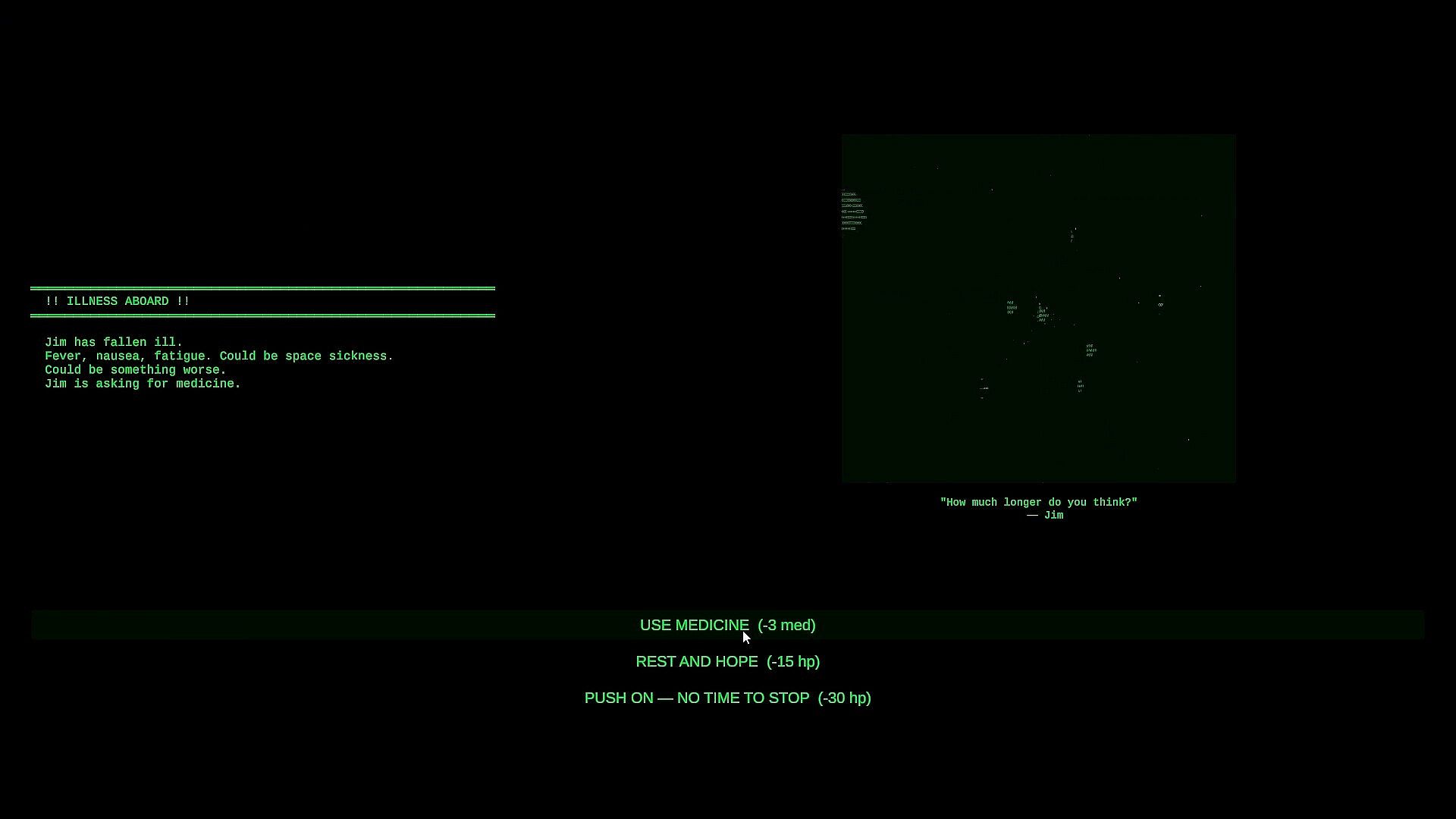
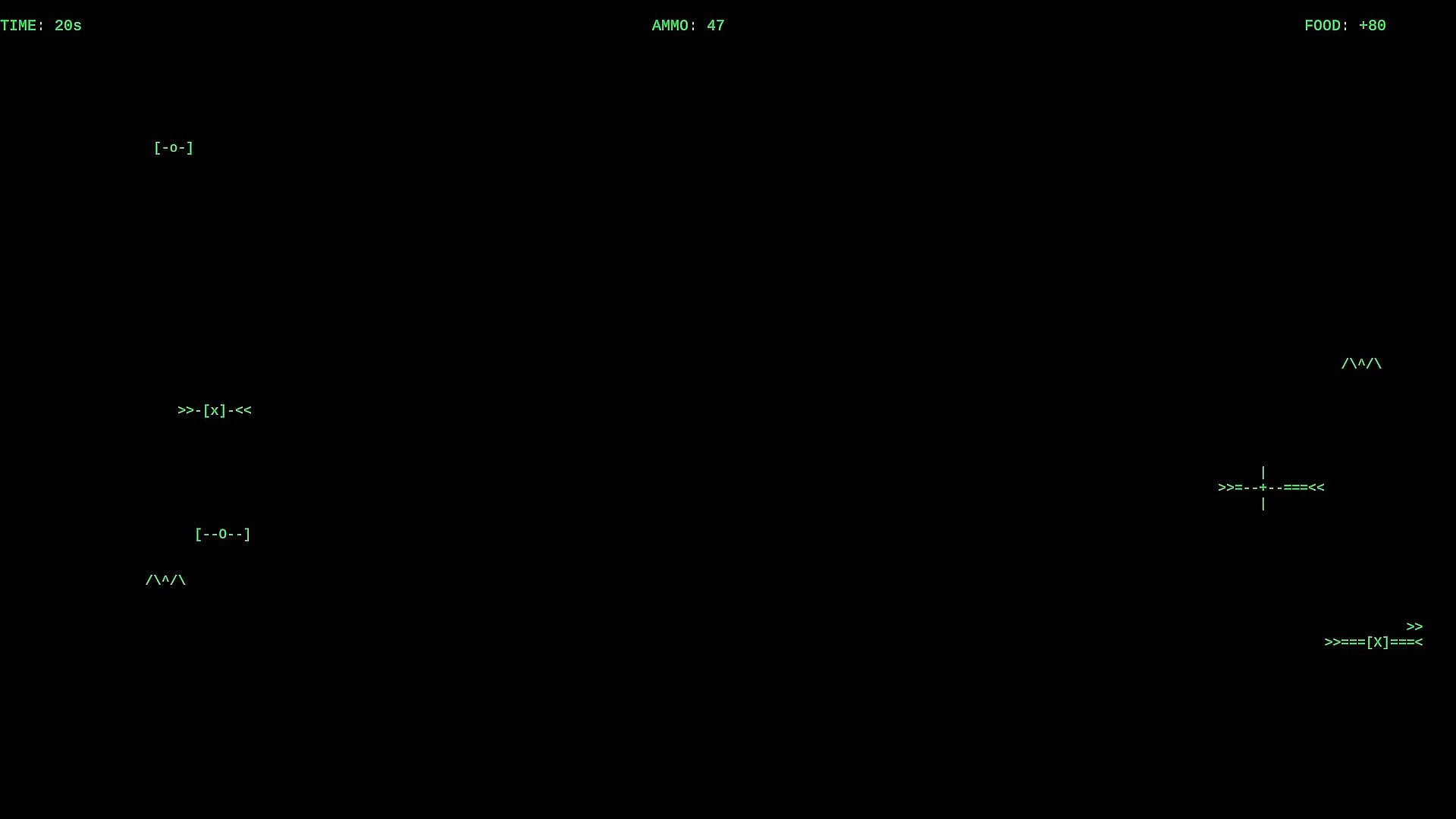
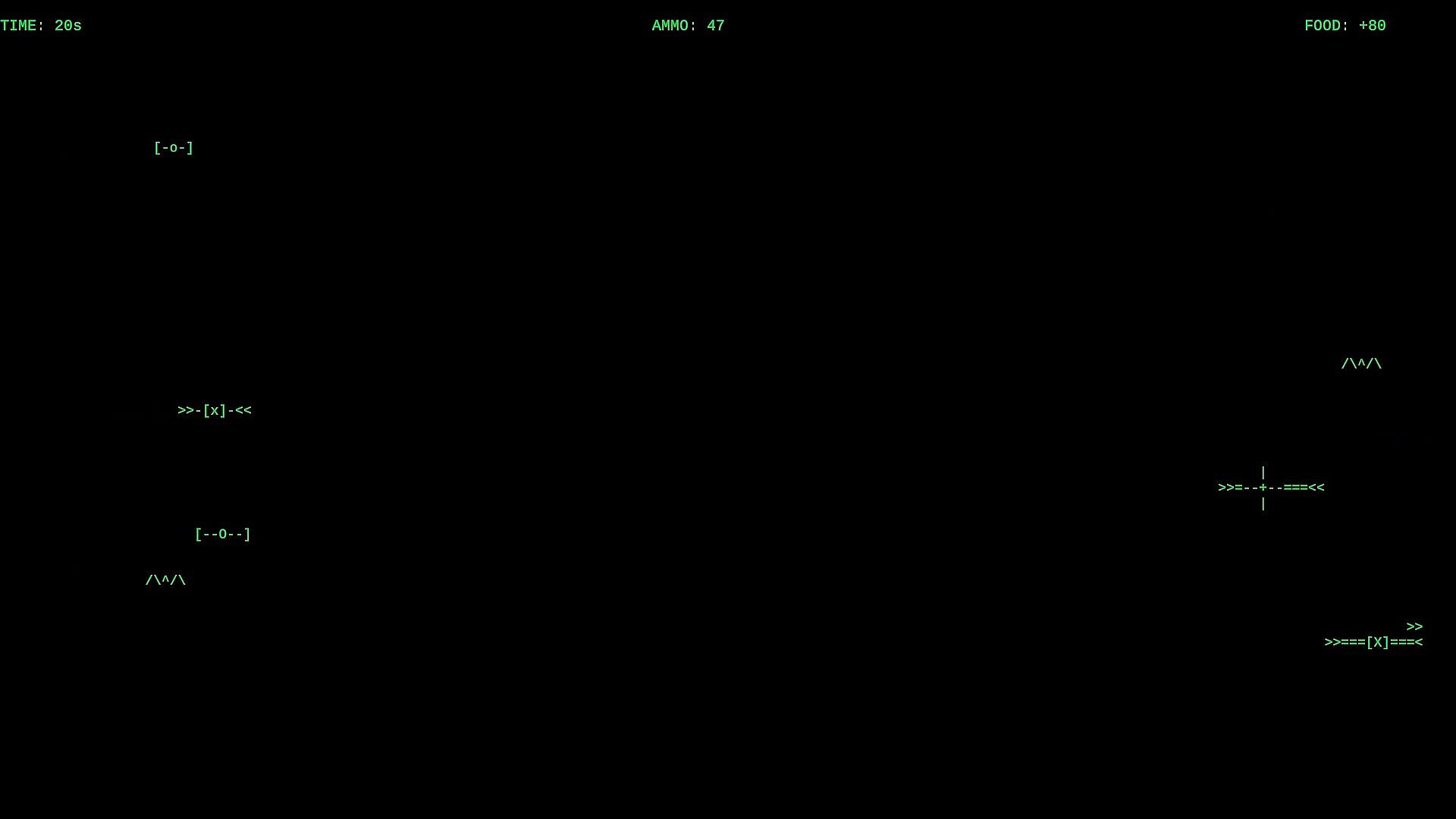
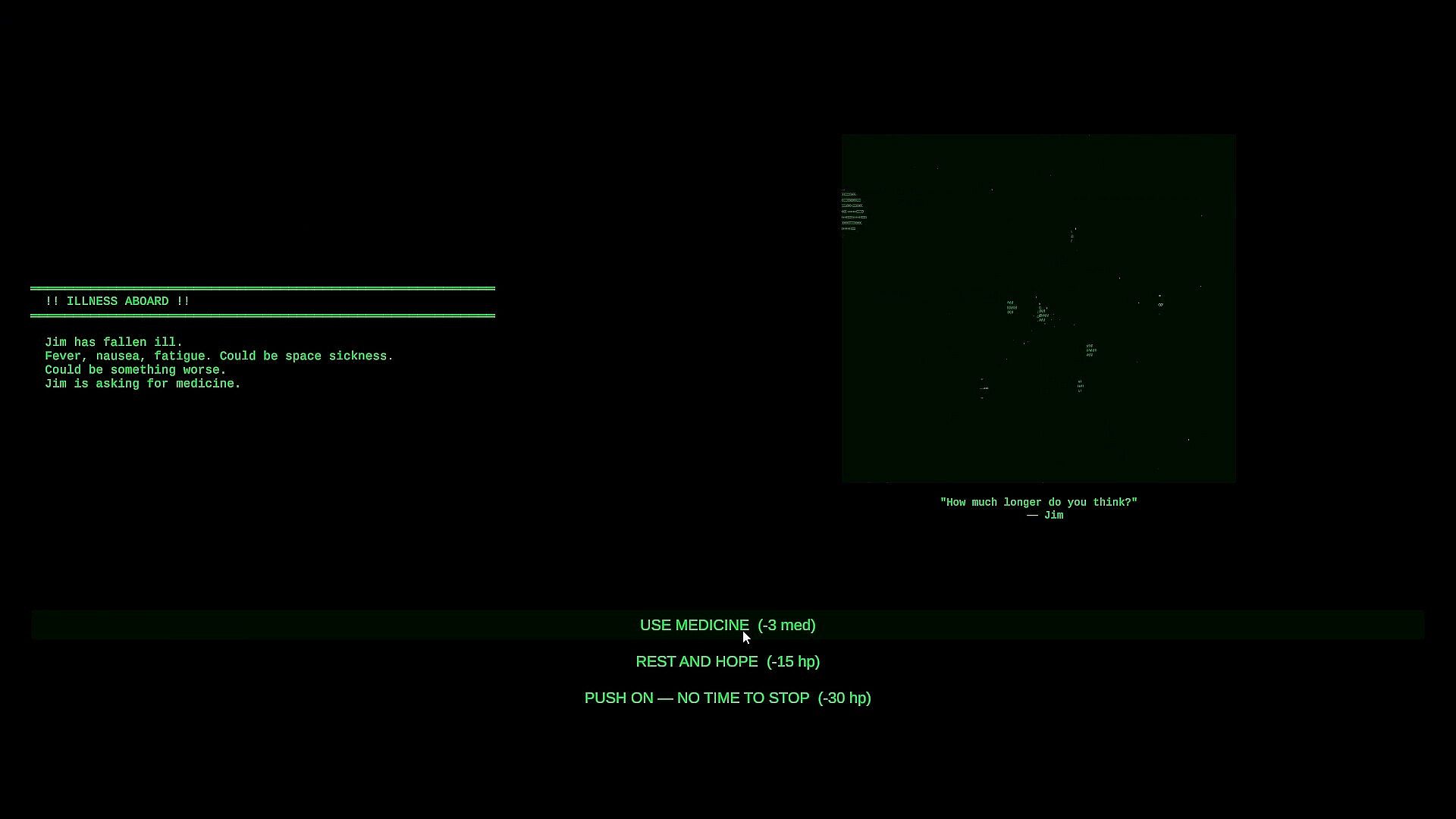
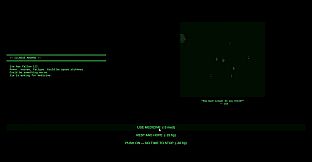
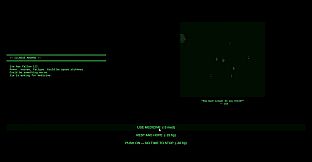
Events punctuate the voyage with port visits, pirate raids, and unexplained phenomena that demand immediate choices. A hunting minigame uses simple ASCII representations for creature encounters, adding a layer of resource gathering outside standard management screens. The interface adopts a green-on-black terminal style reminiscent of older computer systems, with full support for keyboard input and controller navigation.
Game Modes
The game operates entirely in single-player format with no separate multiplayer or competitive structures. Each playthrough generates a unique sequence of events and outcomes based on prior decisions, encouraging repeated attempts to explore different paths. Resource scarcity and branching narratives create natural variation without requiring external modes or modifiers.
Progression follows a linear distance goal across one hundred light years, broken into segments where players balance immediate survival needs against long-term family preservation. The absence of traditional levels or missions instead emphasizes cumulative consequences that carry forward until the journey concludes.
Narrative and Choices
Branching text passages form the backbone of the experience, presenting dilemmas that range from practical repairs to ethical trade-offs involving crew members. Outcomes depend on which resources remain available and which relationships have been maintained or sacrificed along the way. The story incorporates elements of isolation and unknown threats that grow more pronounced the farther the ship travels from Earth.
Seven distinct endings await based on the cumulative record of decisions. Two of these conclusions remain particularly difficult to reach, requiring specific combinations of class selection, resource priorities, and event resolutions that most players will not encounter on initial runs.
Is It Worth Playing?
Players who enjoy deliberate, choice-driven experiences with resource constraints will find the structure rewarding. The game rewards careful planning and acceptance of imperfect outcomes, qualities that align with fans of classic survival simulations. Because the title remains unreleased at the time of writing, no aggregated player data or post-launch updates exist to evaluate long-term support or balance adjustments.
Those seeking fast-paced action or multiplayer elements will likely find the pace and format less suitable. The emphasis on text, repeated runs, and permanent consequences suits individuals comfortable with slower, reflective gameplay on PC.