


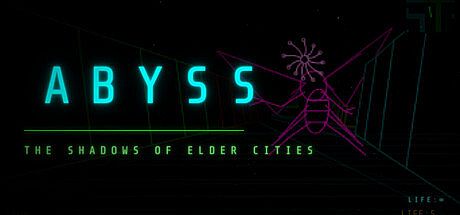


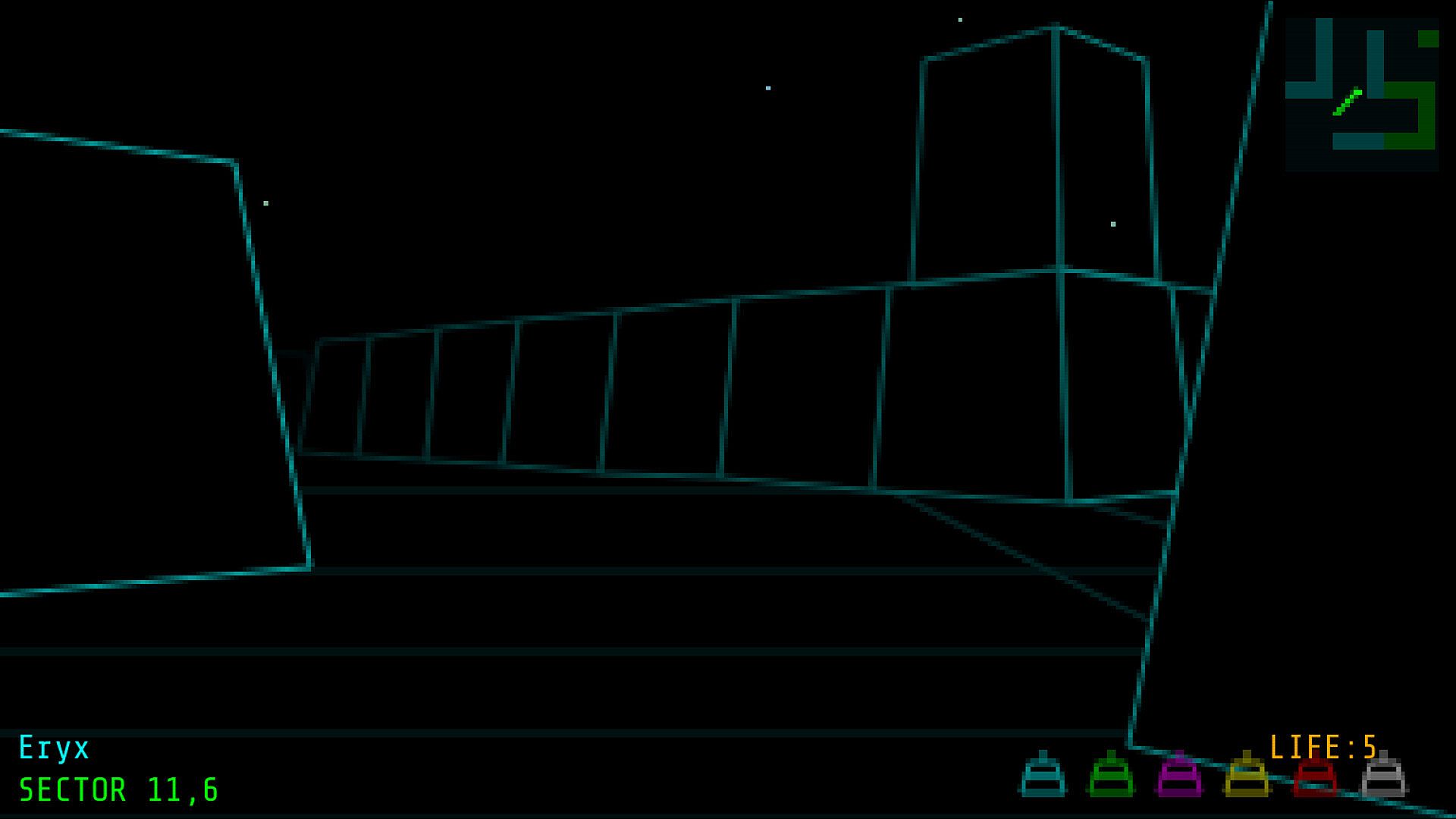
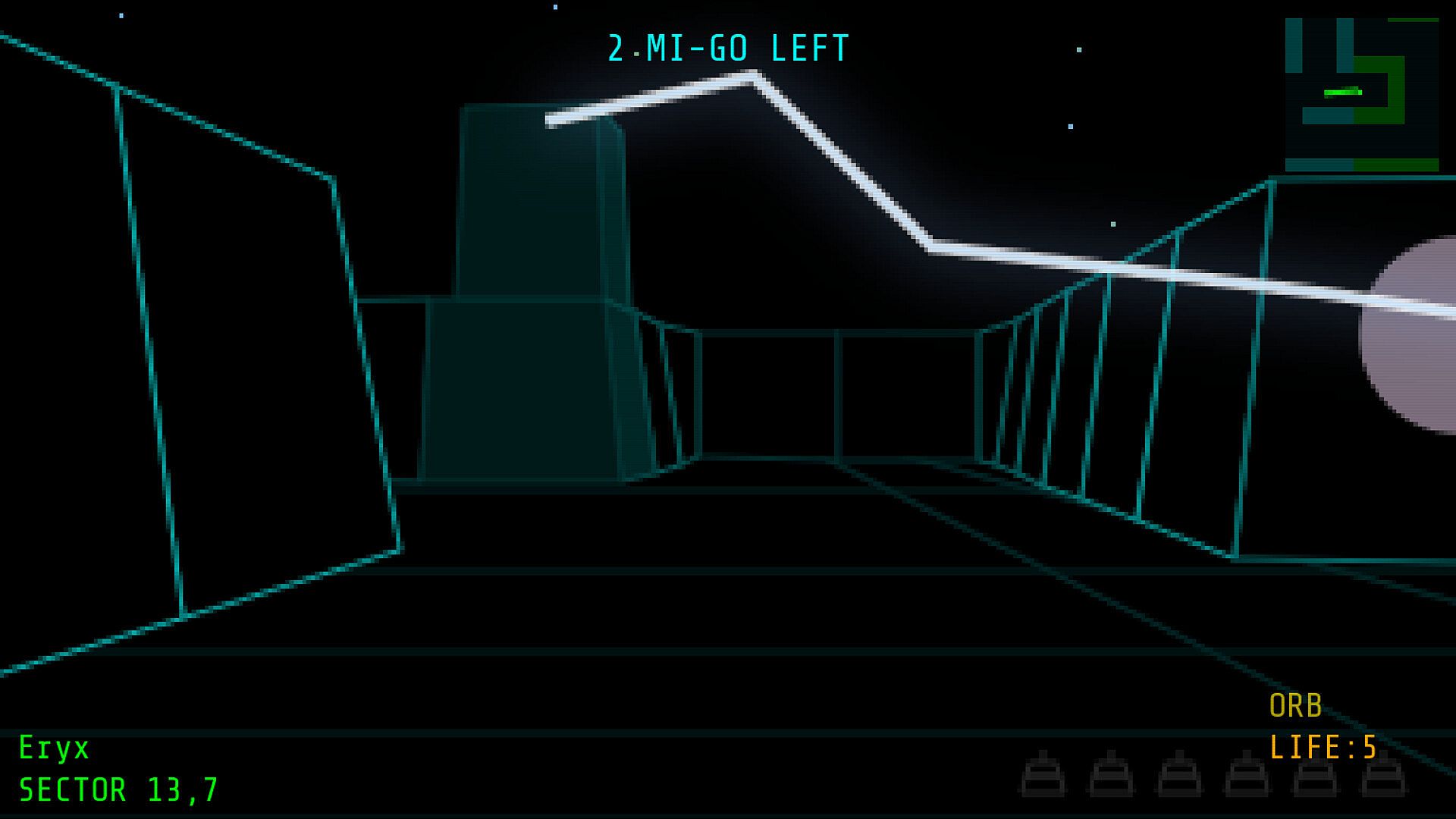
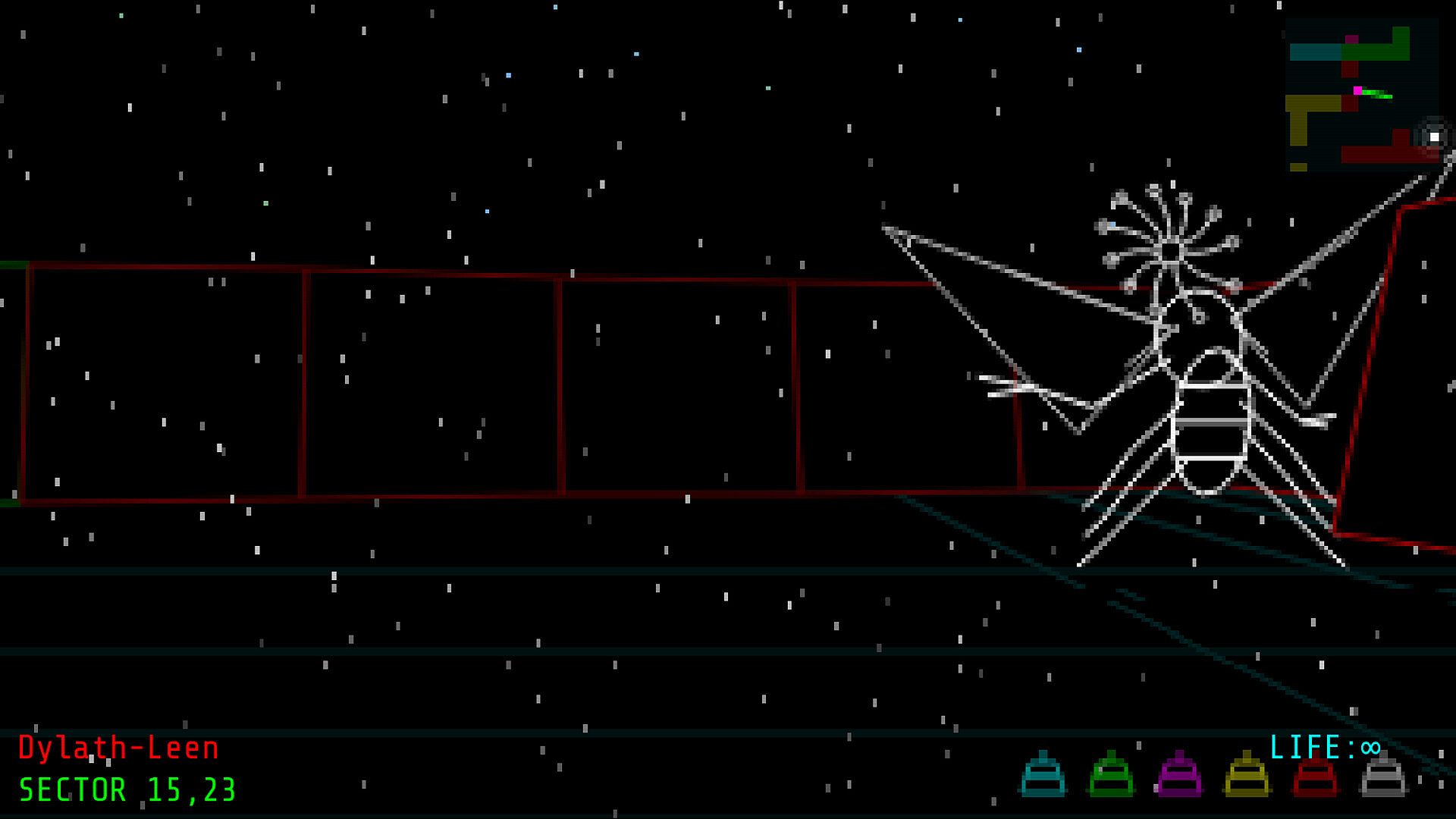
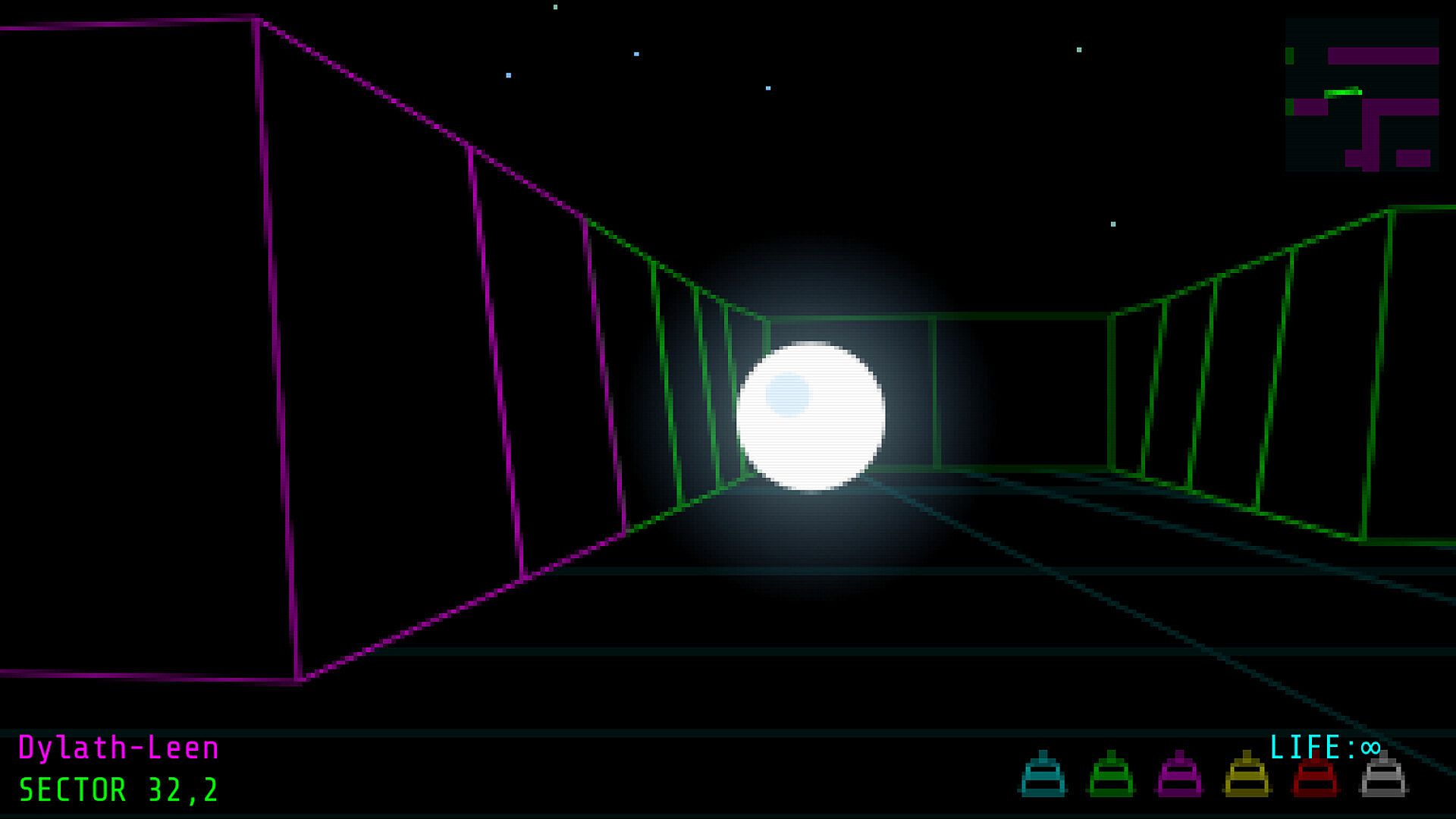
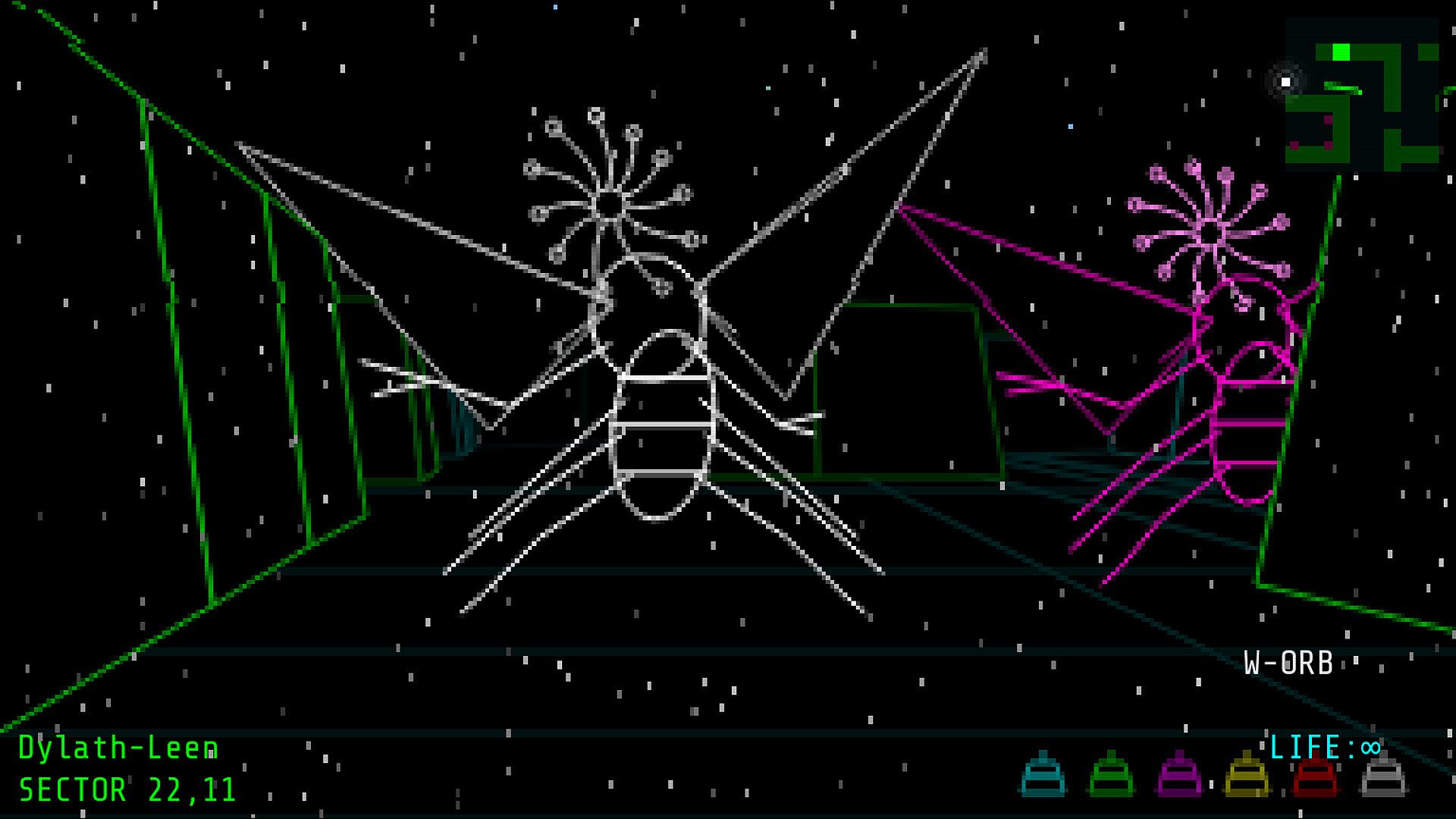
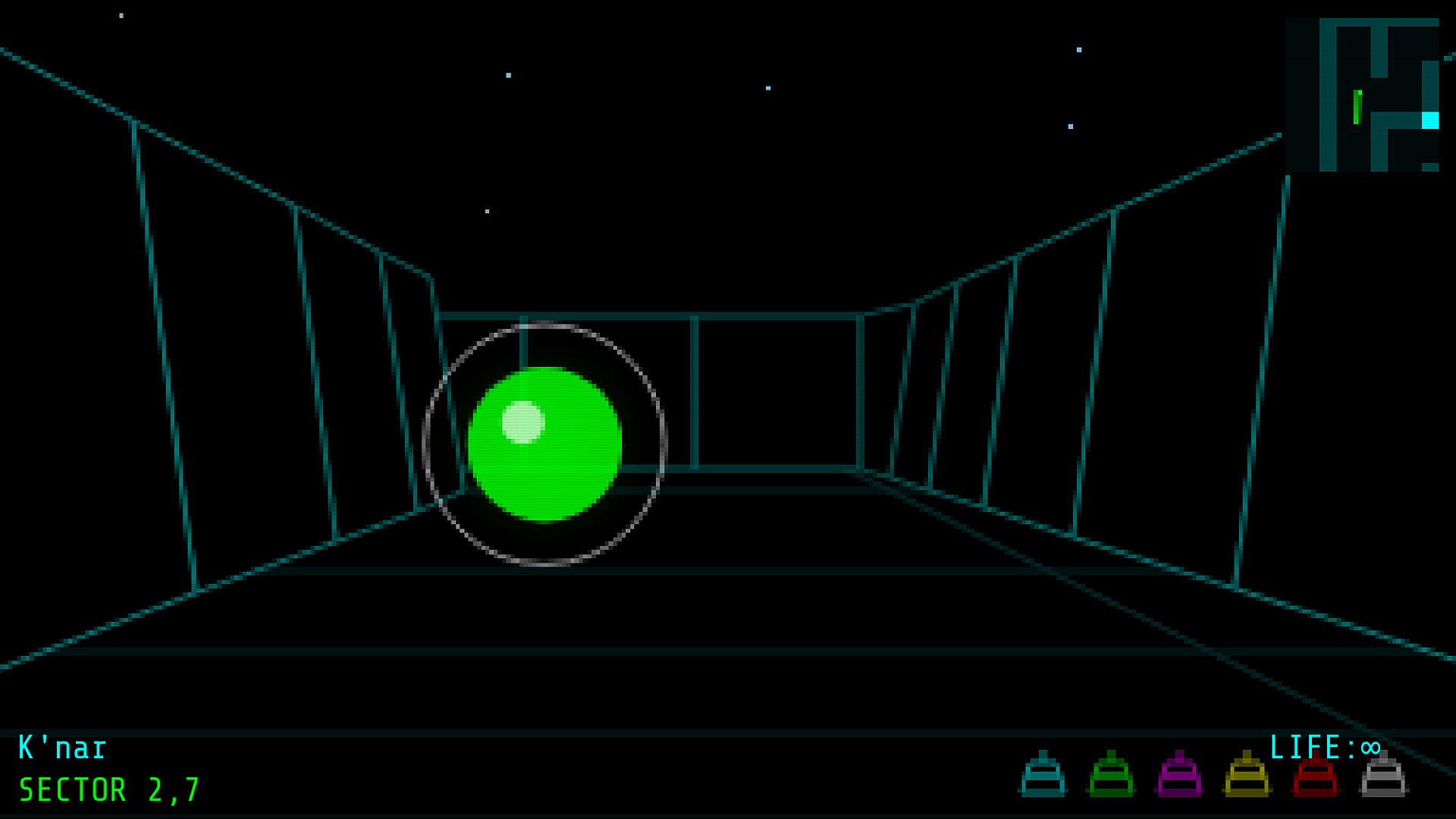
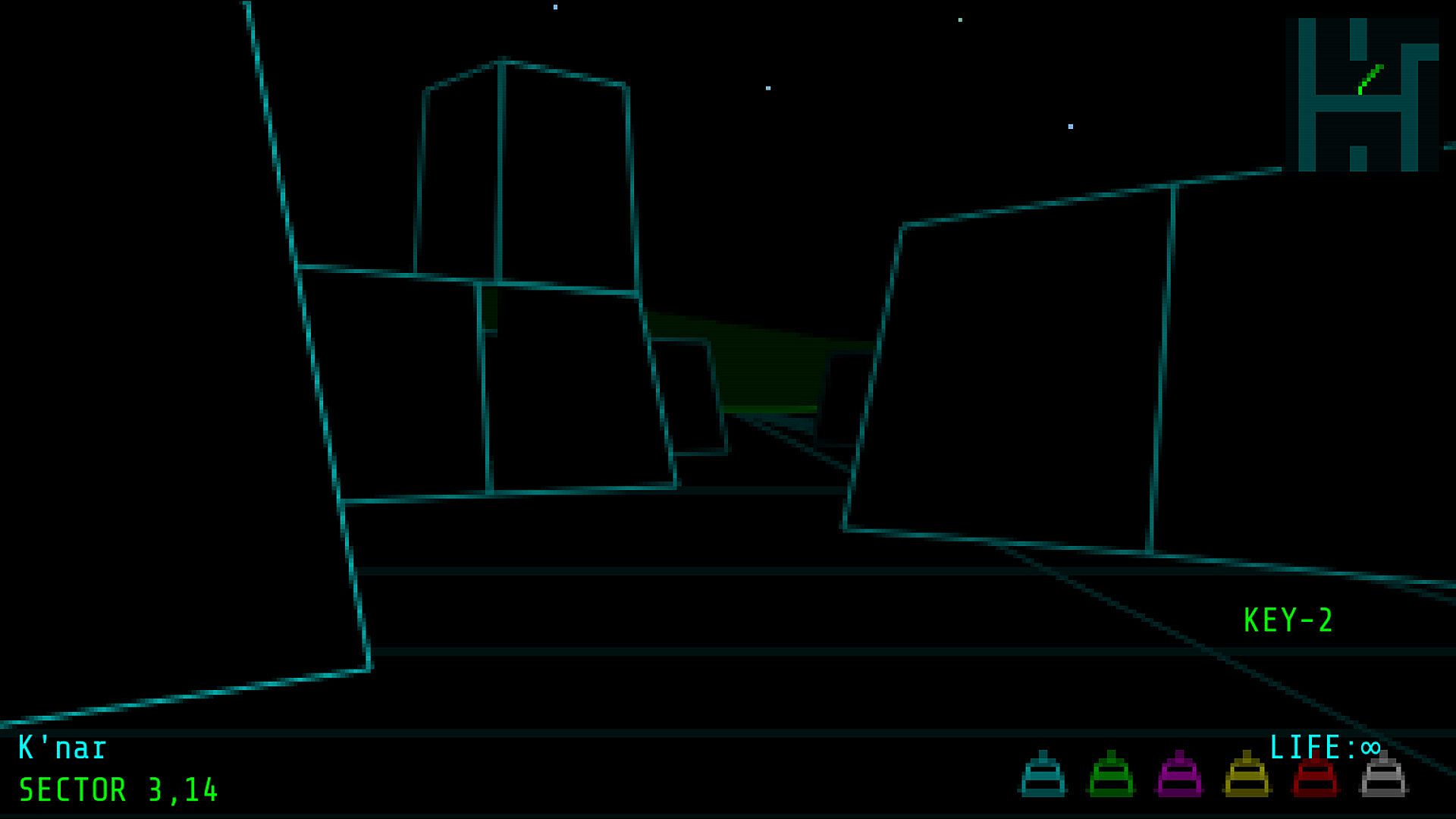
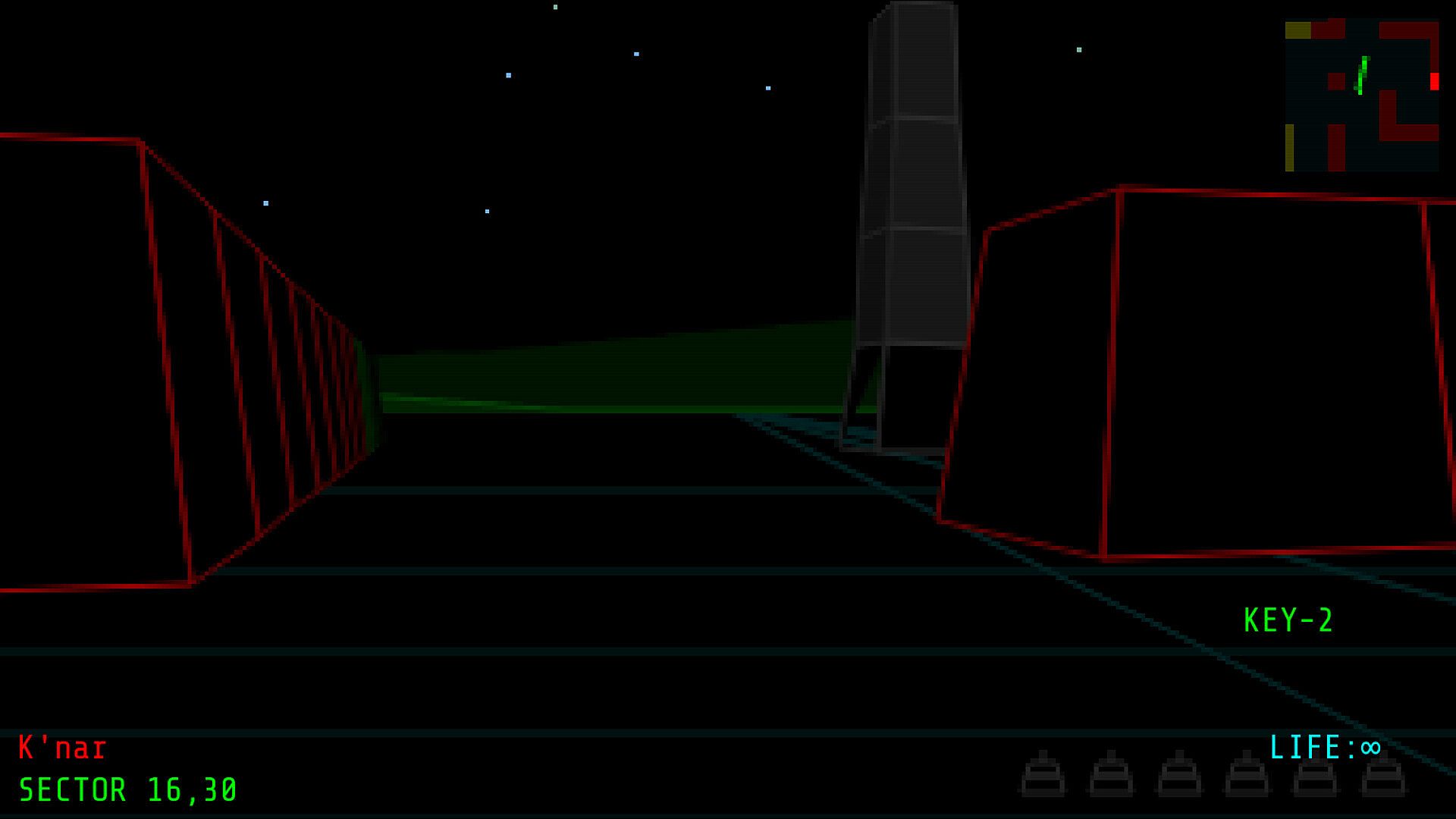
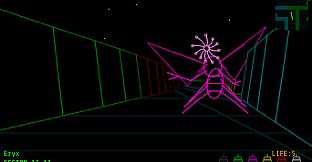
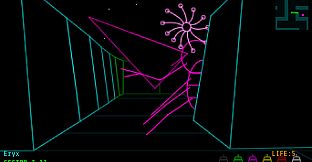
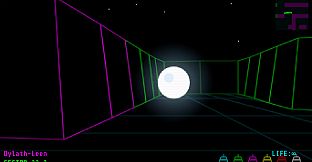
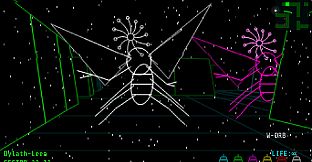
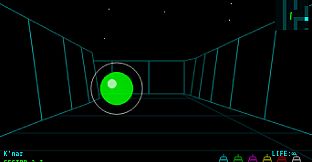
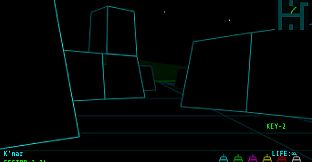
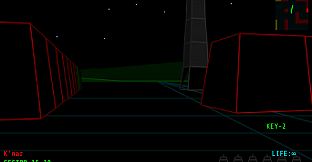
ABYSS: The Shadows of Elder Cities is a first-person dungeon crawler built around wireframe visuals that evoke the technical limits of a 1985 home computer. Players navigate ancient, geometrically unsettling cities filled with corners that refuse to align properly and towers that emit an almost tangible hum. The game draws from action, indie, and adventure genres on PC, placing emphasis on exploration, evasion, and indirect confrontation rather than direct combat.
Gameplay
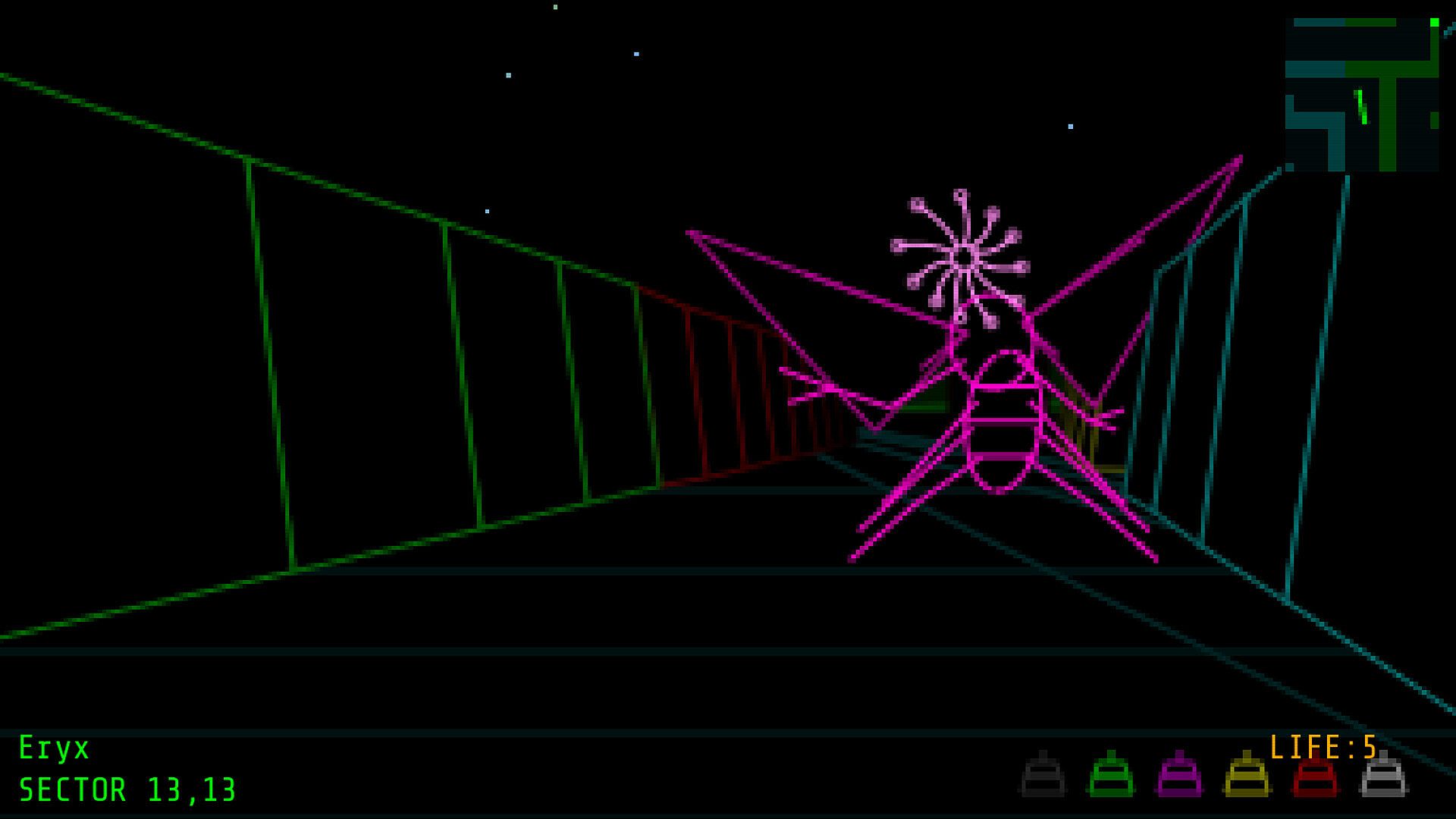
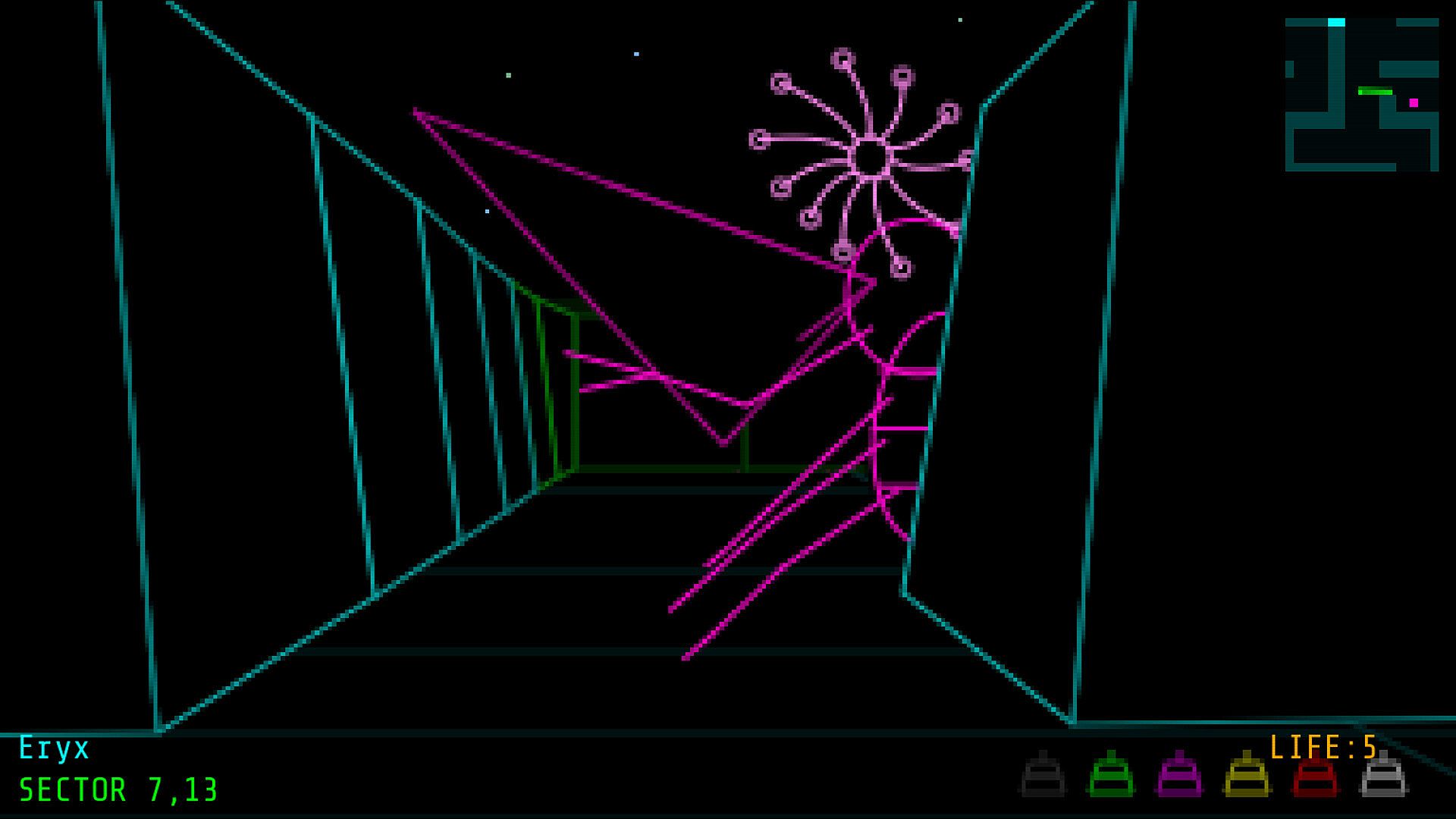
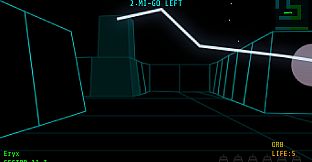
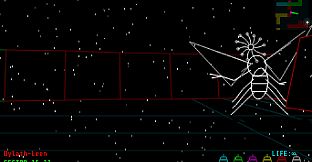
The core loop centers on movement through dark, pre-human environments rendered in thin lines against black backgrounds. Mi-Go, Elder Things, and Shoggoths patrol the spaces, and direct fights are not an option. Instead, players must stay hidden or locate other threats to redirect toward the immediate dangers. Navigation involves long stretches of quiet travel punctuated by the need to activate old towers, locate orbs and keys, and assemble components for an escape device. The minimal text leaves the narrative to emerge from the architecture and the growing sense of displacement.
Resource management stays light, with attention fixed on positioning and timing. The wireframe style deliberately leaves room for the mind to supply details, and those details often turn hostile. Desert crossings separate the main locations, adding isolation between the structured city sections.
Game Modes
Three distinct modes shape the experience. THE SIGNAL serves as the campaign, structured across five chapters set in separate cities. Each chapter alters the rules slightly, requiring players to power towers, collect orbs and keys, and release one horror to neutralize another while piecing together an exit device. The story unfolds through environmental clues and the accumulating suspicion about the true location.
DESCENT operates as a roguelike with fifteen procedurally generated floors divided into three acts. Only one life is available per run. Early floors remain relatively calm before escalating events cause the levels themselves to destabilize. Mutators and surge events ensure variety across attempts. Enemies yield no rewards and may strip away tools such as the compass, map, or even reliable walls upon contact.
2UP provides asymmetric two-player versus play. One participant acts as the Explorer in first-person view while the other serves as the Overlord, observing from above to deploy traps, creatures, lures, sensors, mirages, and blind spots. A four-character room code enables connection, after which roles can be swapped to compare endurance.
The Wireframe Approach
The 1985-inspired presentation exists to heighten imaginative engagement rather than for simple nostalgia. Sparse lines on a dark field force players to interpret the spaces, and the game capitalizes on that uncertainty by making the imagined elements threatening. This restraint keeps focus on atmosphere, spatial disorientation, and the tension of unseen threats moving through the dark.
Is It Worth Playing?
ABYSS: The Shadows of Elder Cities suits players who value deliberate pacing, environmental storytelling, and unconventional horror mechanics over fast action or conventional combat. The single-player campaign offers structured progression through changing rulesets, while DESCENT delivers high-stakes replayability through procedural shifts and permanent consequences. The asymmetric 2UP mode adds a competitive layer that rewards coordination and creativity in both roles. Those drawn to retro technical constraints, Lovecraftian themes, and games that prioritize tension through absence of information will find the experience distinctive. Availability remains limited to PC, with no additional confirmed updates or expansions at this time.












