


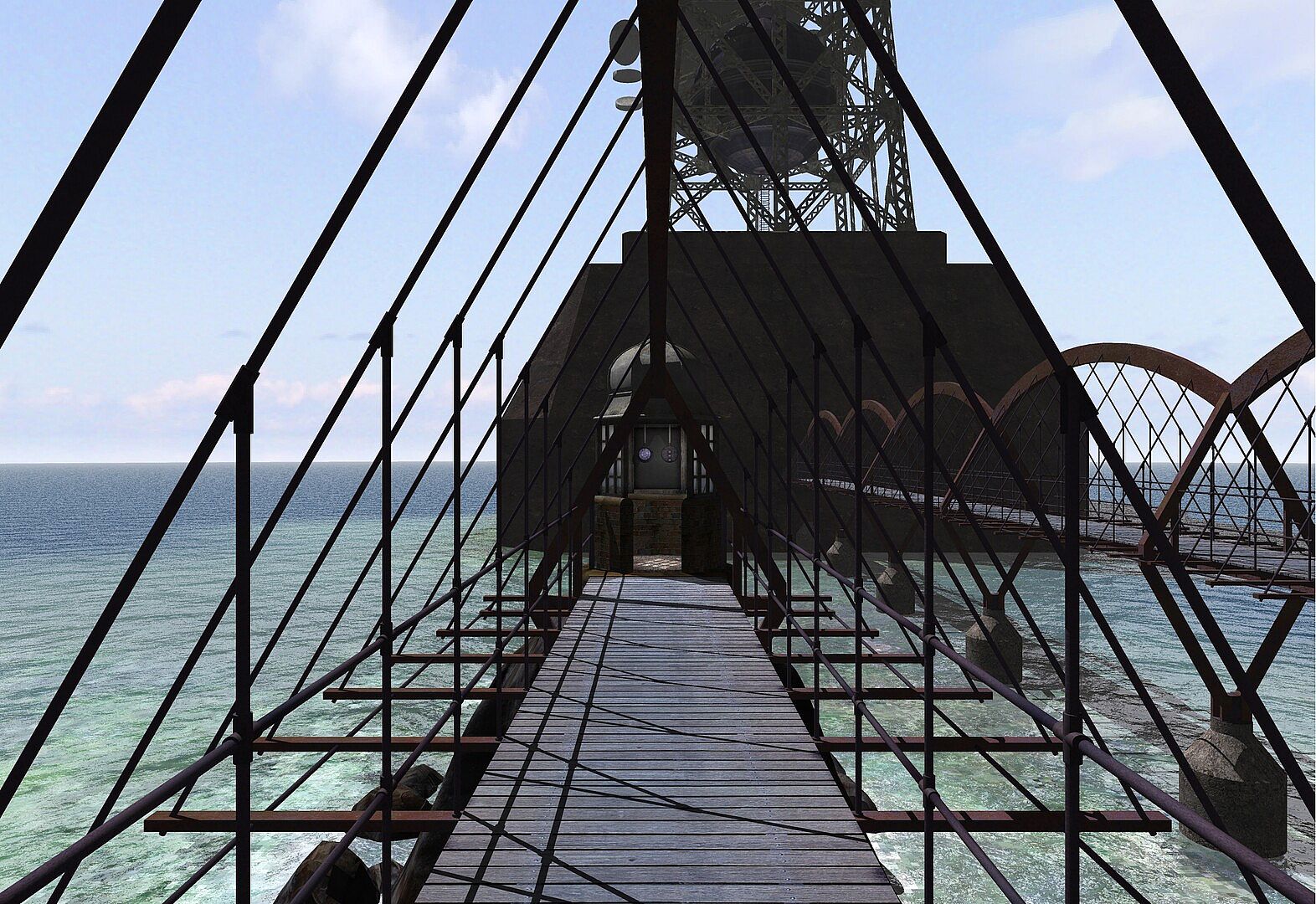
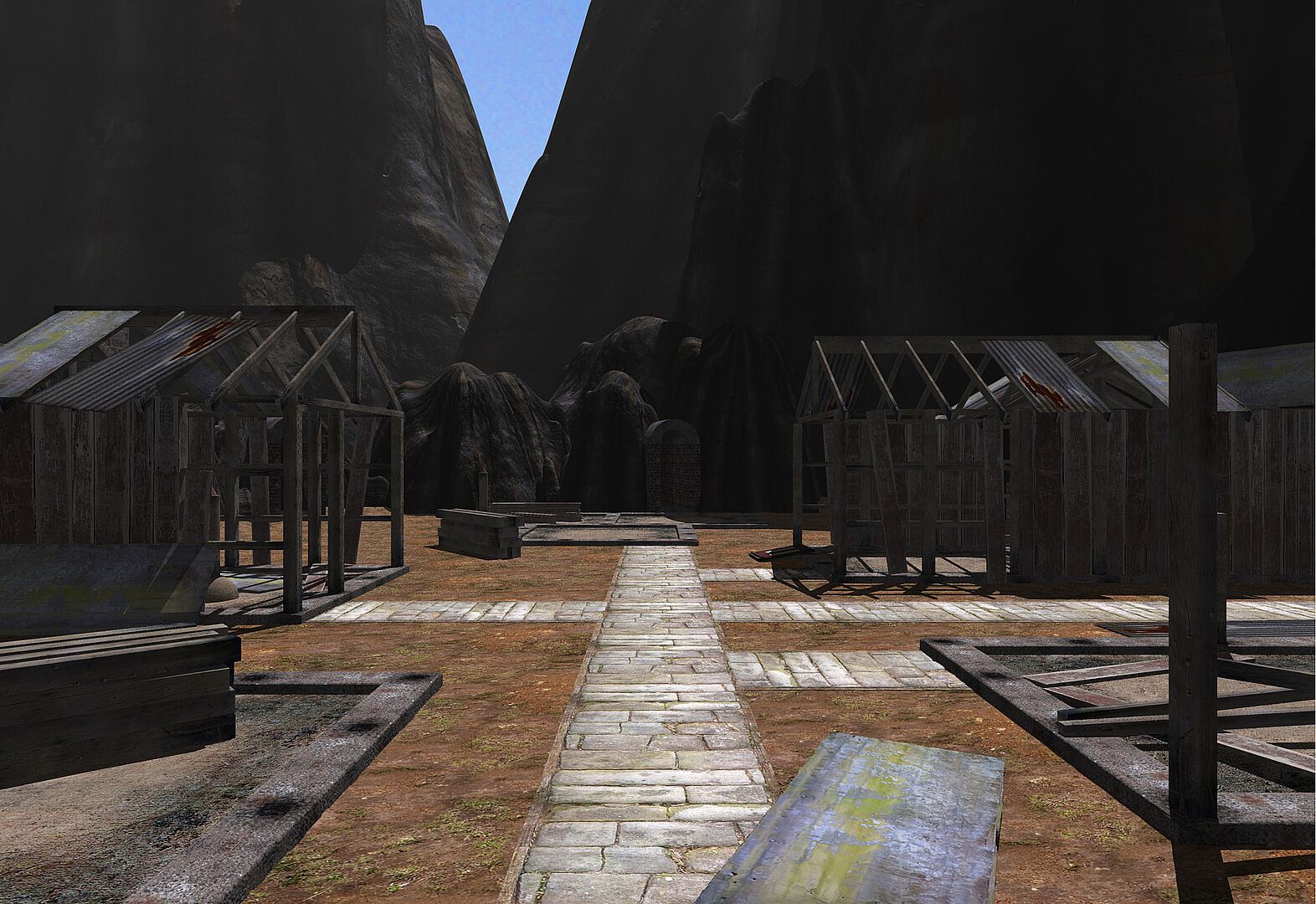
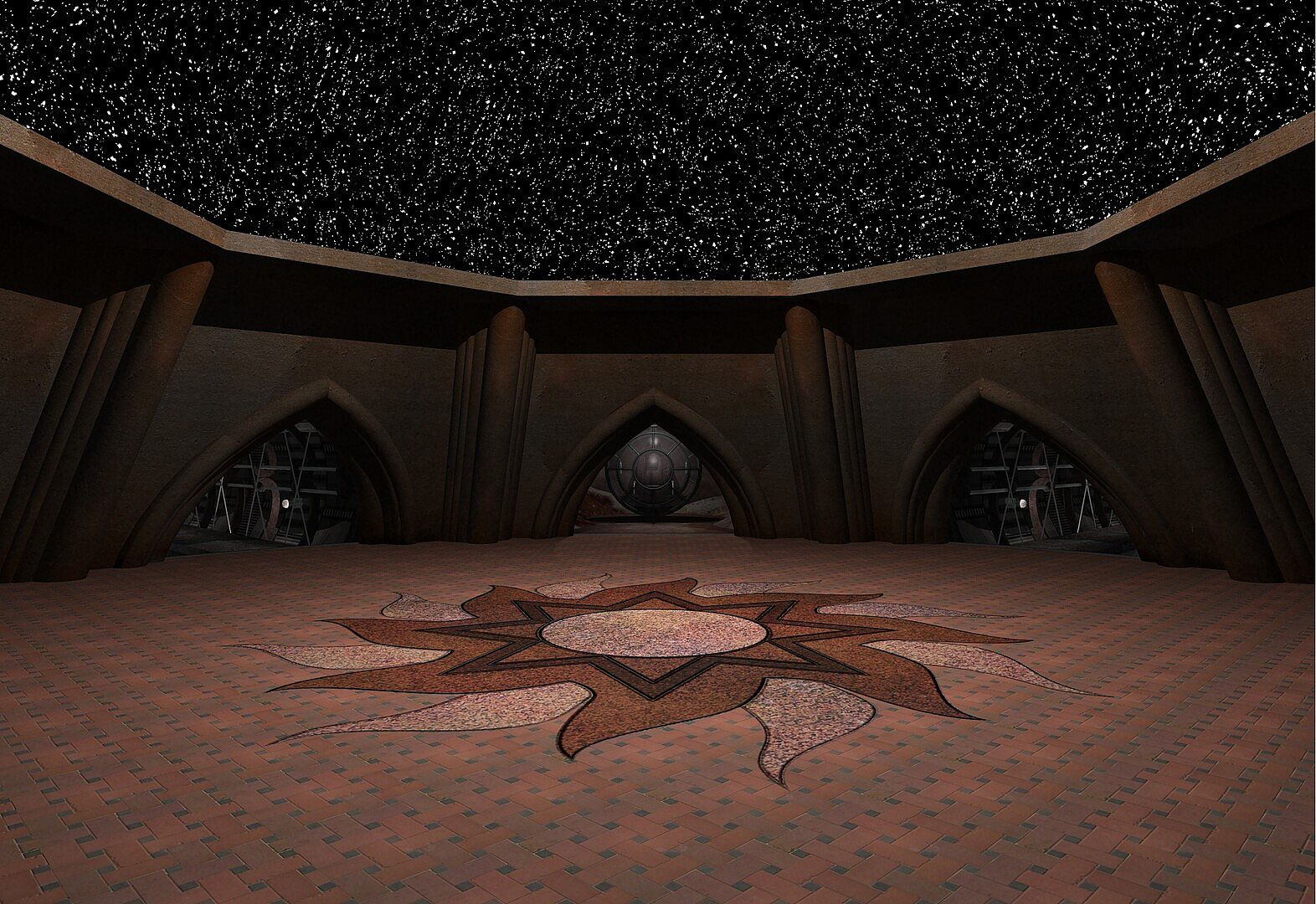
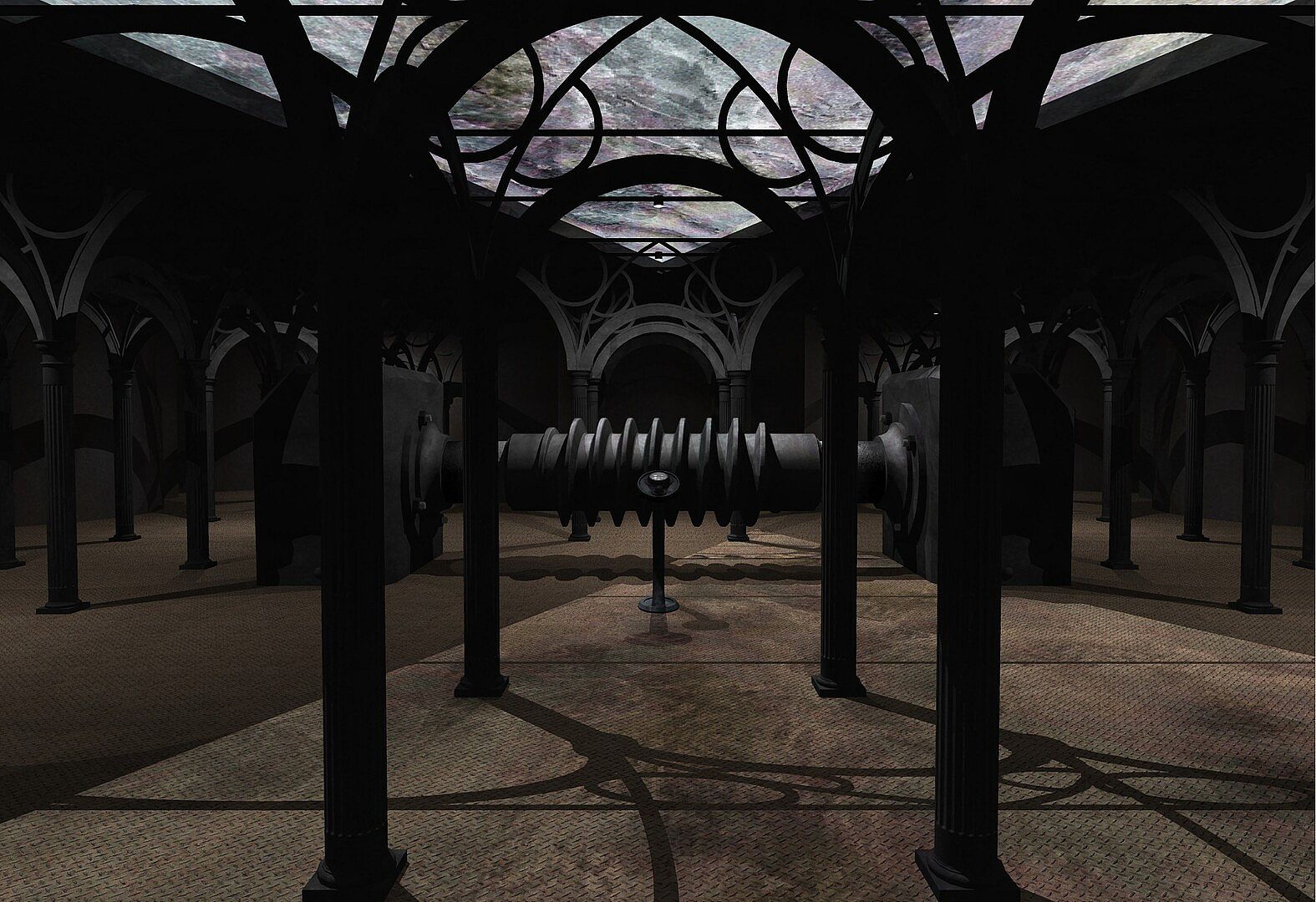


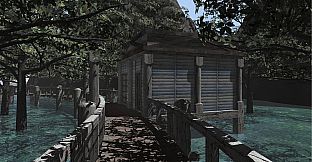
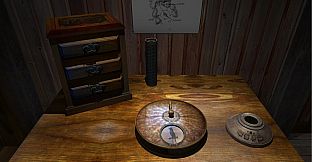
Alida stands as a point-and-click adventure game set on a massive guitar-shaped island theme park constructed by a once-successful rock band. Players step into a first-person perspective to explore this unusual location, interact with its mechanical systems, and uncover the circumstances surrounding a missing band member who returned to the site years after the group disbanded.
Gameplay
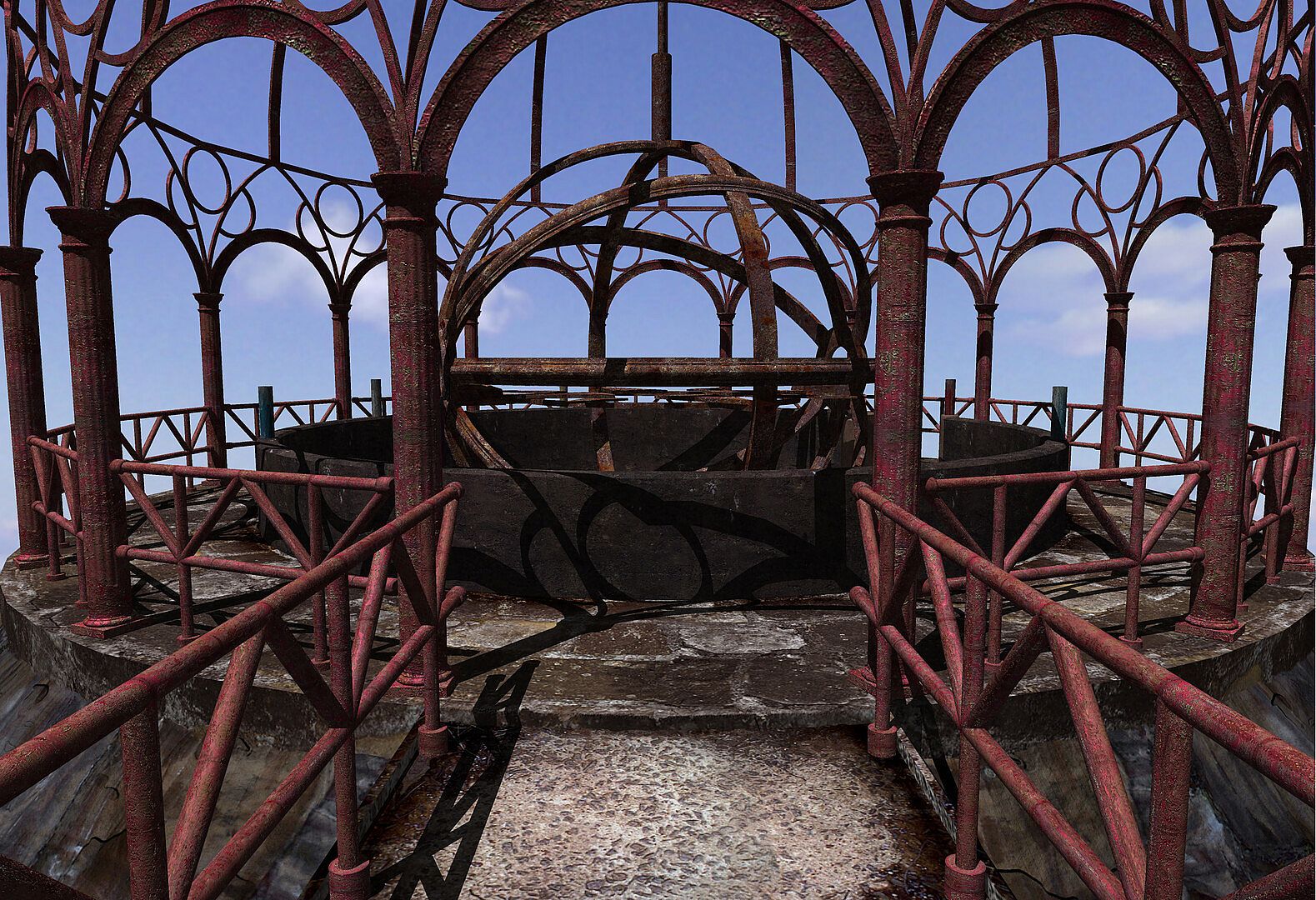
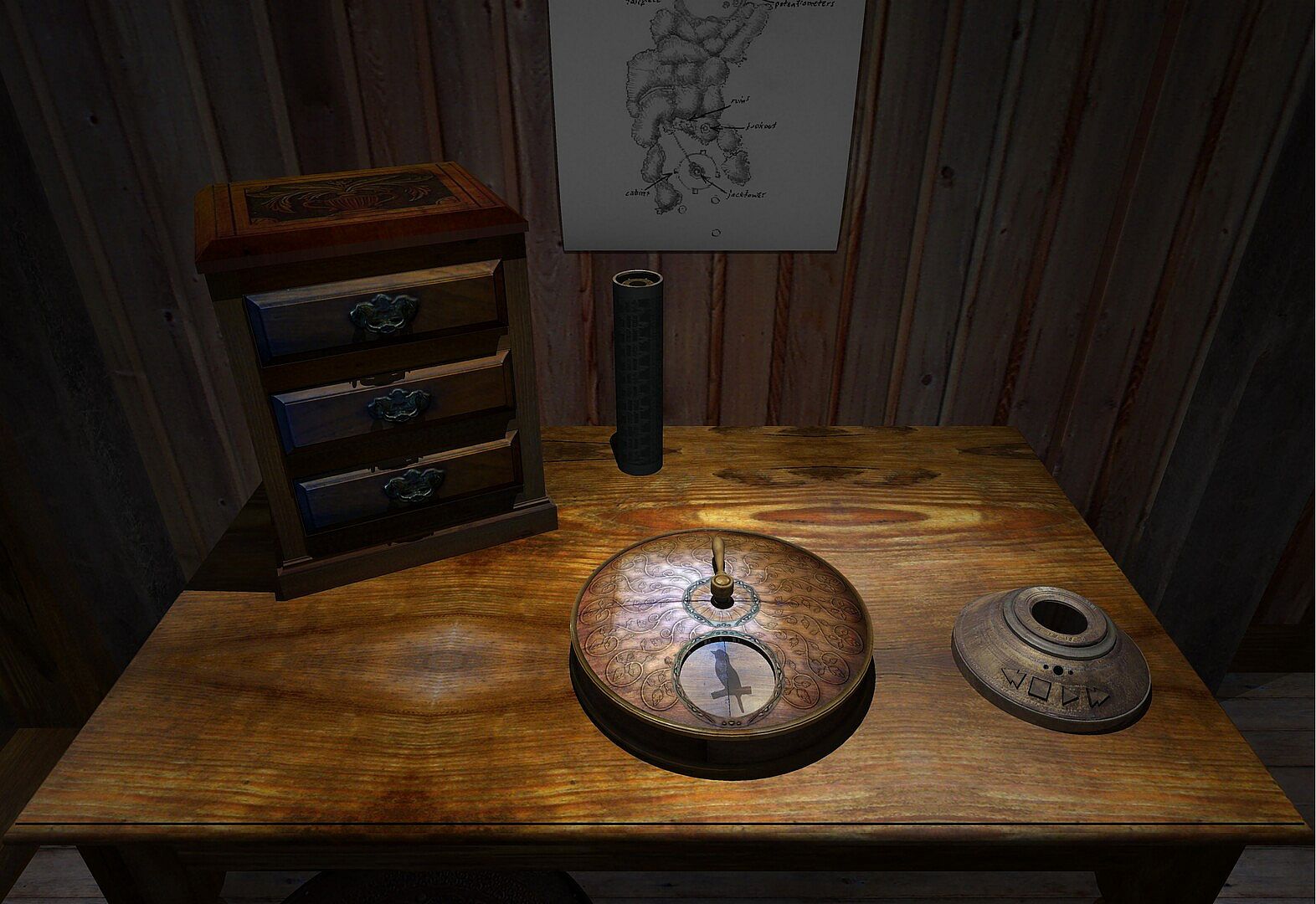
The core loop centers on navigating a series of fixed scenes across the island through point-and-click controls. Movement occurs node to node, with the cursor changing to indicate possible directions or interactive elements. Players examine ornate objects, manipulate switches, pots, machine heads, and other contraptions that form the internal workings of the giant guitar structure. Puzzles draw heavily from musical themes and range from straightforward mechanical adjustments to more layered sequences that require careful observation of cause and effect across multiple locations.
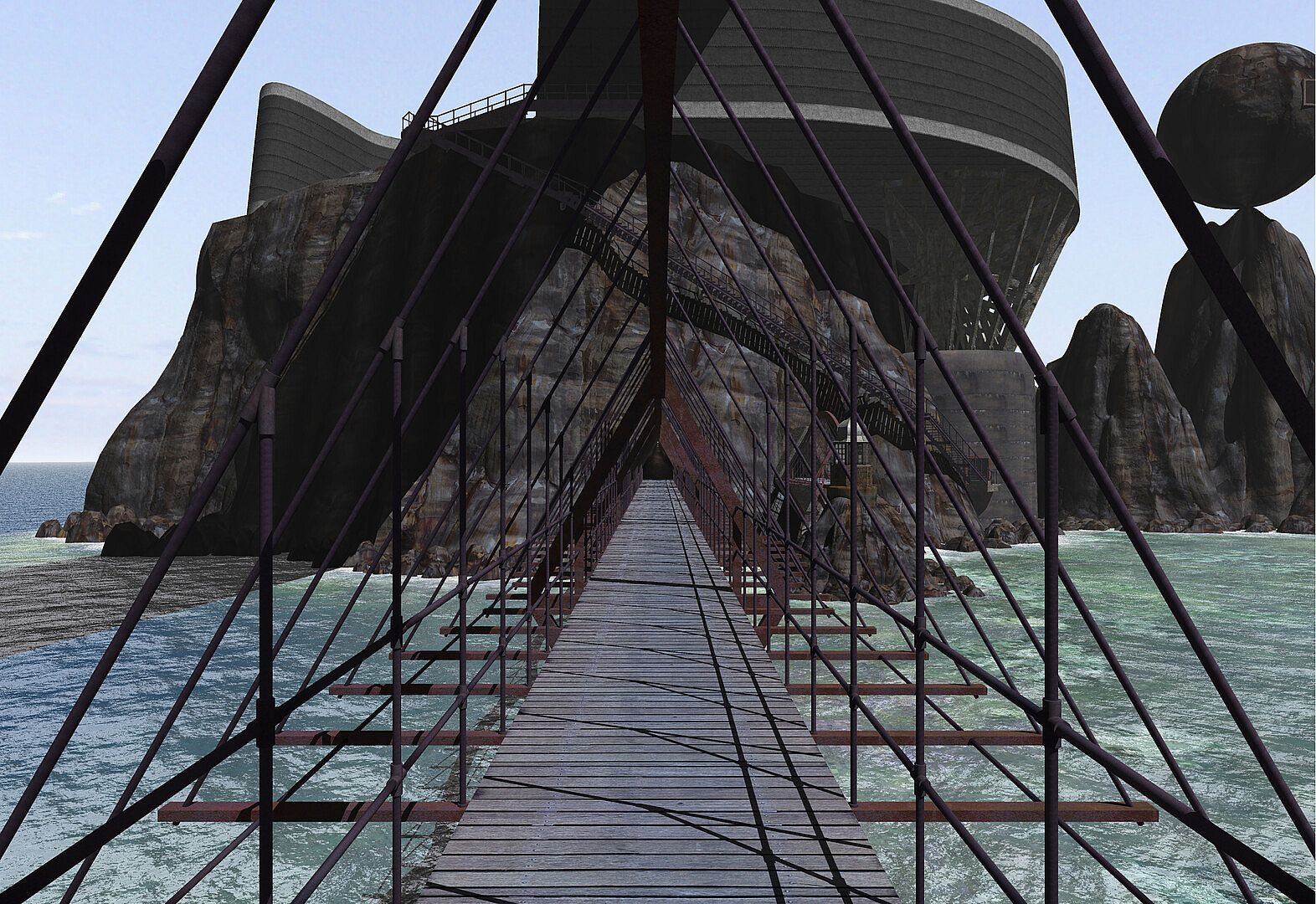
Exploration reveals bizarre transportation machines and elaborate protective systems left behind by the band members, each of whom claimed separate areas of the island. The experience emphasizes patient investigation of the environment rather than combat or character dialogue. Animated natural elements and electronic imagery add visual interest during traversal, while an original music score underscores the atmosphere without guiding progress directly.
Game Modes
Alida operates exclusively as a single-player experience with no multiplayer components or alternate modes. Progression follows a non-linear structure that allows players to revisit areas and tackle puzzles in an order that suits their exploration path. The design supports both focused sessions over a few days and more relaxed play spread across longer periods, with no time limits or competitive elements.
Story and Setting
The narrative unfolds around four young musicians who achieved rapid fame with their debut release and used the proceeds to build Alida, a fully functional guitar-themed park stretching hundreds of meters. Internal conflicts arose as popularity declined, leading each member to isolate sections of the island with intricate security measures before abandoning the site entirely. Fifteen years later, one former member vanishes while visiting, prompting the player to search the deserted grounds for answers.
Clues scattered throughout the locations piece together the band's history and the reasons for their distrust. The setting blends massive constructions with intimate mechanical details, creating a self-contained world that rewards thorough examination of every accessible area.
Visuals and Audio
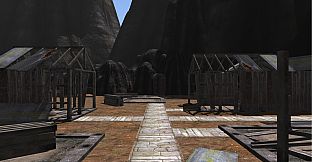
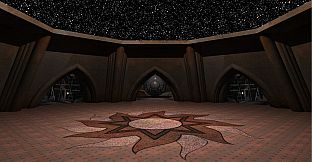
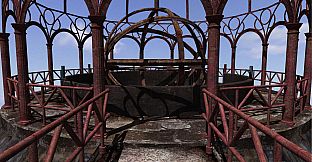
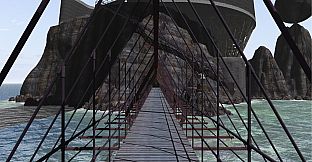
Pre-rendered graphics present detailed 3D environments captured in a slideshow format typical of early 2000s adventure titles. Locations feature tactile contraptions, ornate objects, and animated elements that respond to player actions. The visual style prioritizes meticulous rendering of the guitar's scale and internal mechanisms over fluid camera movement.
An original score composed specifically for the game accompanies exploration and puzzle-solving. Sound design highlights the mechanical nature of the island's systems, with distinct audio cues for interactions that aid in identifying active elements.
Is It Worth Playing?
Alida appeals most to players who enjoy deliberate, exploration-driven adventures focused on puzzle-solving in atmospheric environments. Its non-linear structure and interconnected mechanical challenges provide substantial playtime for those comfortable with node-based navigation and logical deduction. Reception highlights the craftsmanship of the single-developer effort and the intricacy of its puzzles, though some note the dated presentation and occasional lack of clear direction can lead to frustration.
The game suits individuals seeking a self-contained mystery without ongoing updates or additional content. Those who appreciate similar titles centered on solitary investigation of unusual locations will find its approach consistent with that style. Availability remains limited to the original PC release, with no modern ports or expansions confirmed.