





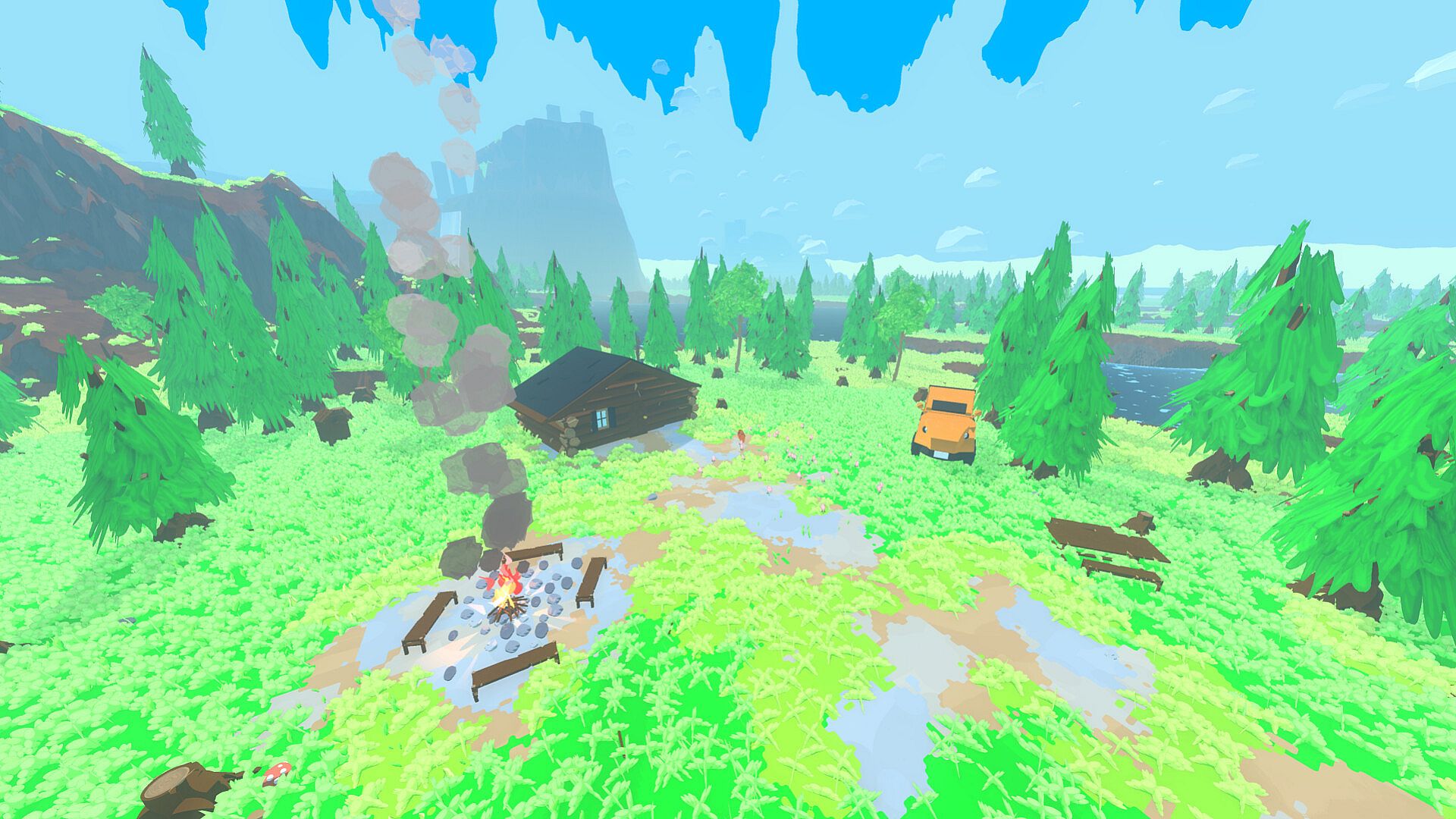
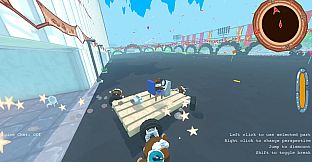
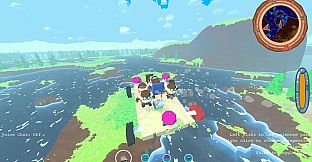
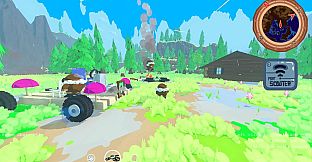
Around The World With Friends is an indie simulation adventure game built around physics-based vehicle construction and cooperative exploration on PC. Players work together to assemble contraptions from scavenged parts, navigate unique continental environments, and progress through a shared journey that supports both group and solo play.
Gameplay
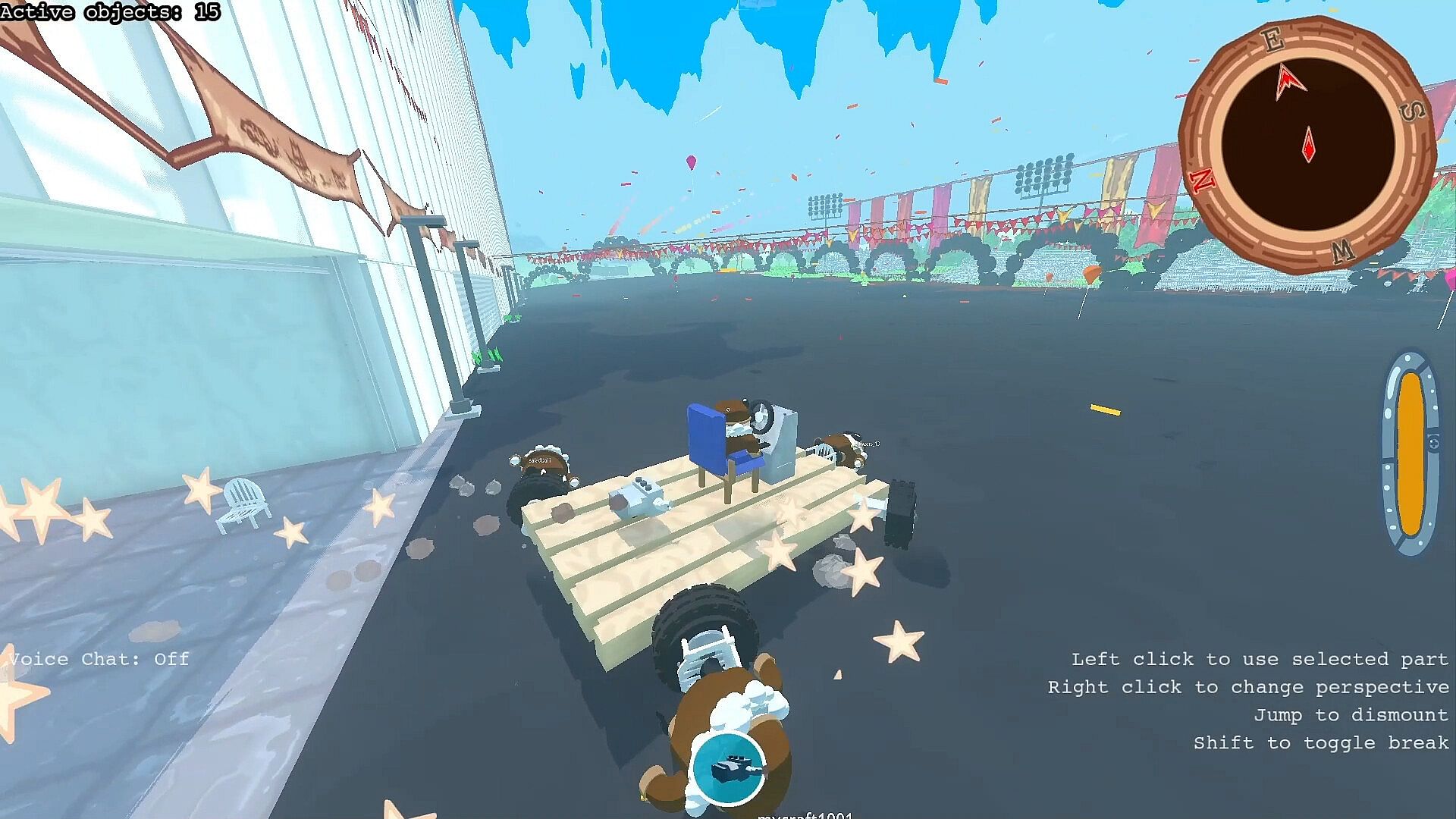
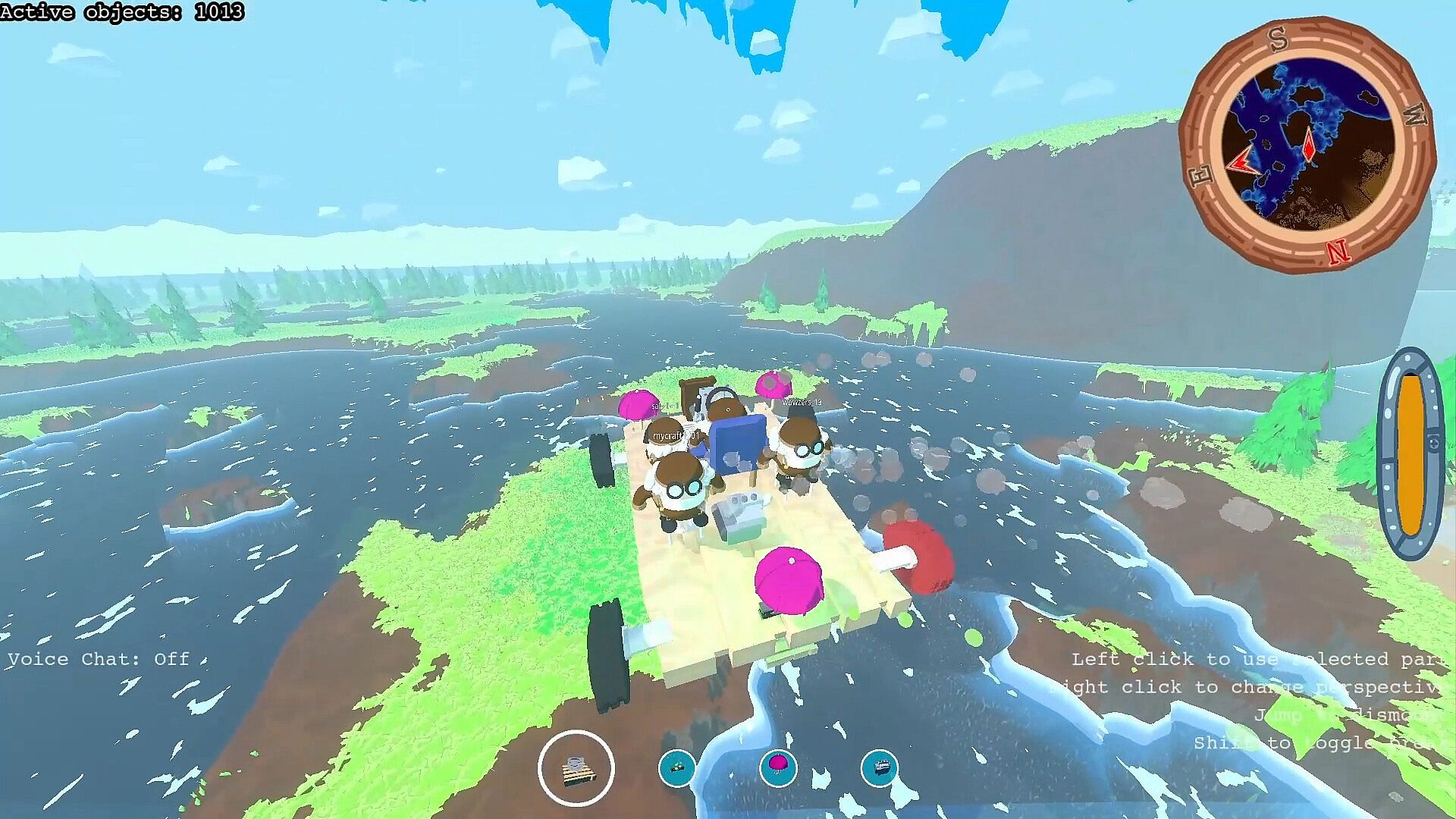
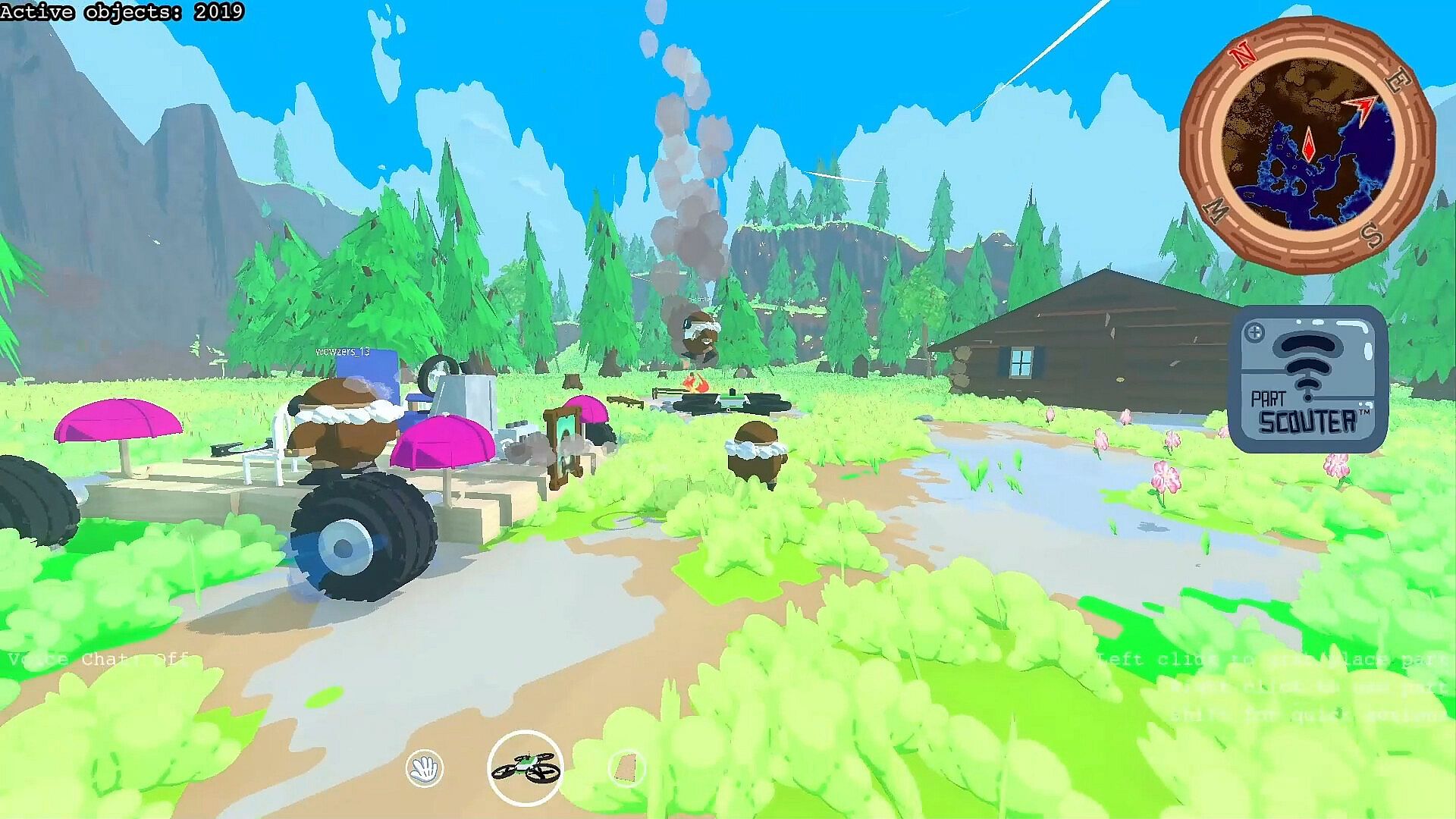
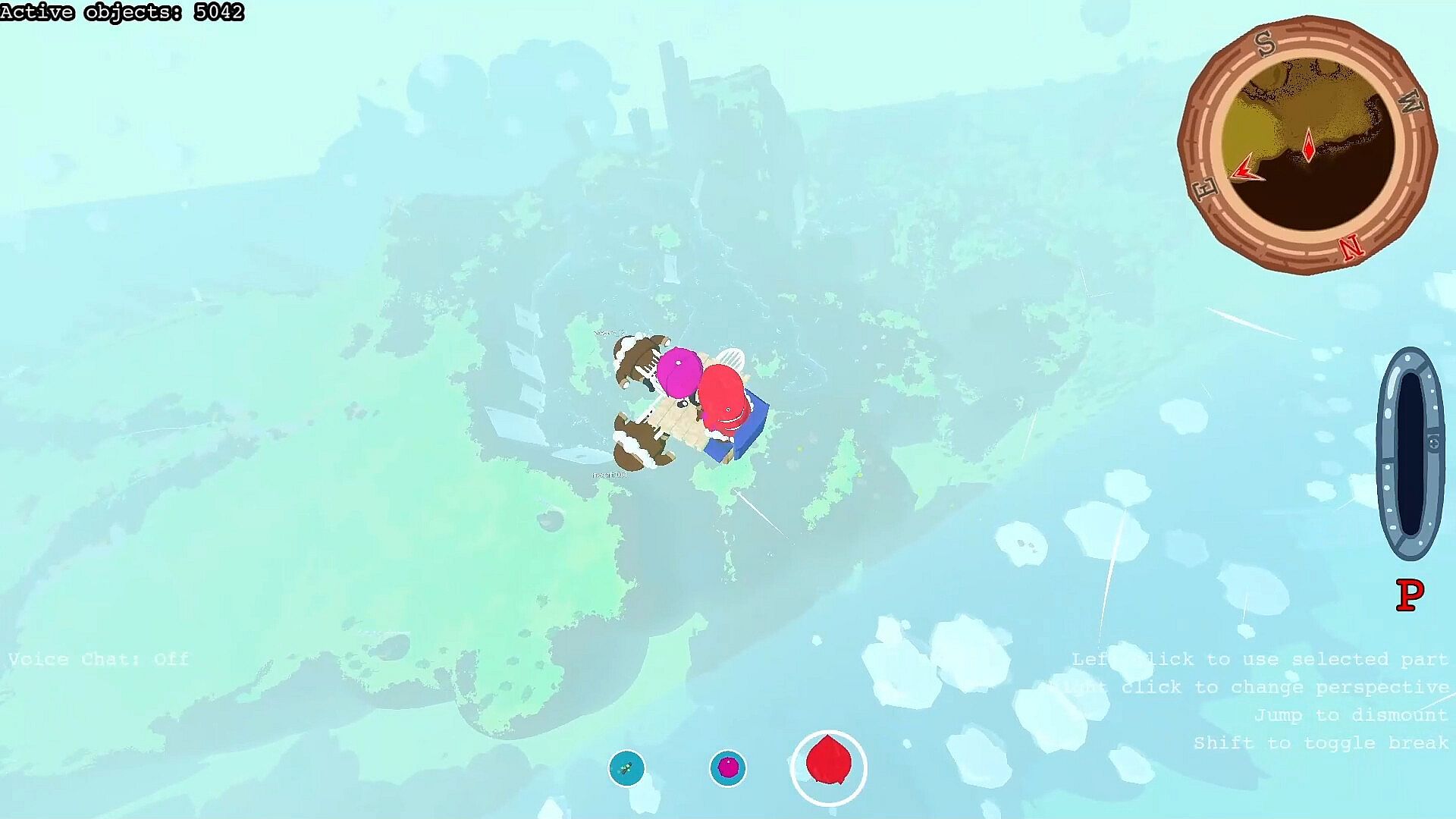
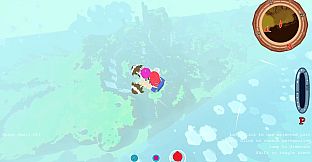
The core loop centers on locating components with a scouting drone and assembling vehicles capable of handling terrain-specific obstacles. Parts enable flight, jumps, sailing, or climbing, and the physics system governs how each build performs under real conditions. Players share resources, exchange ideas for designs, and coordinate actions such as passing materials or positioning teammates. Singleplayer remains available alongside the online co-op option that accommodates up to 20 participants. Customization options let users alter the appearance of their character before heading out.
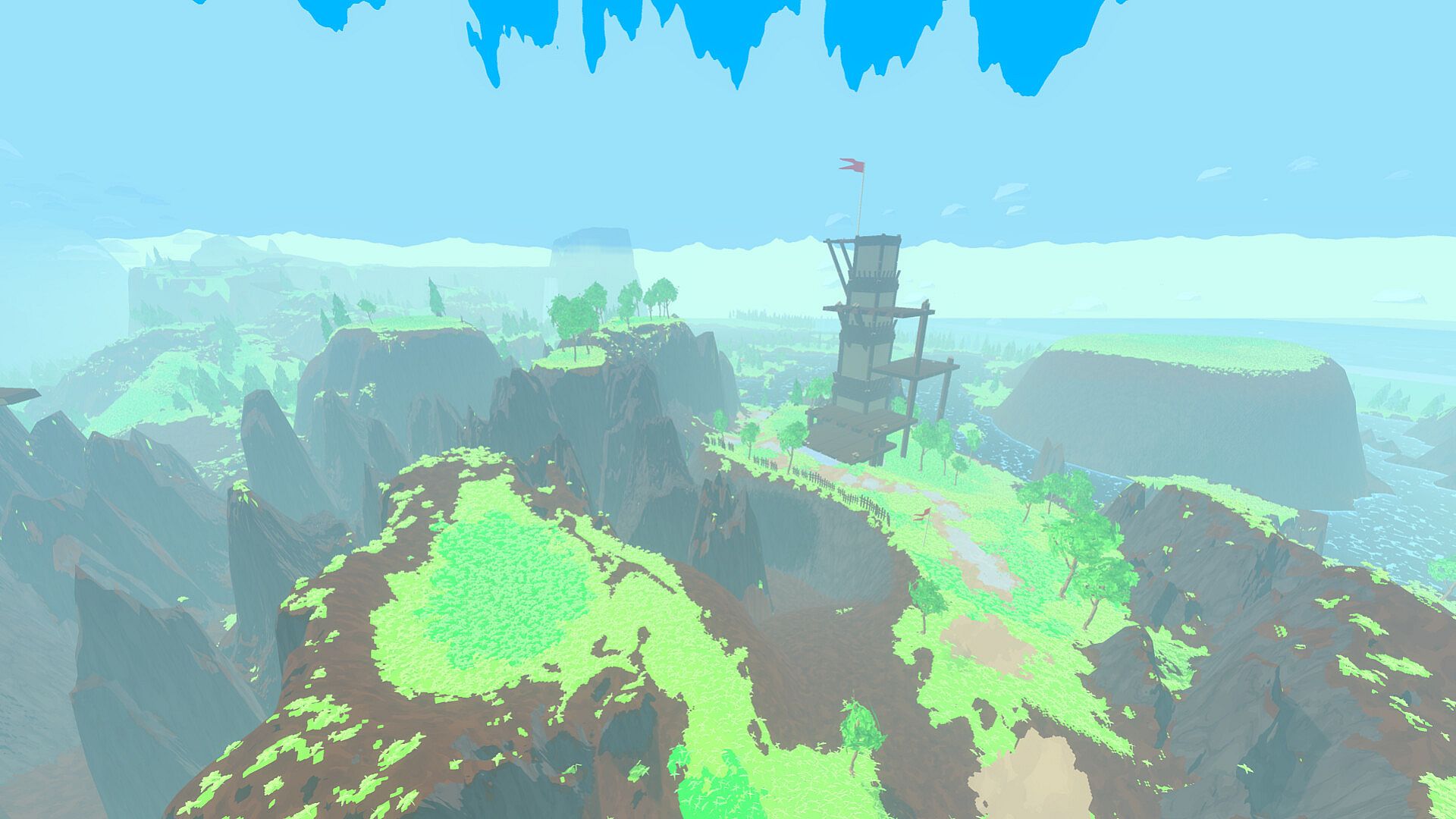
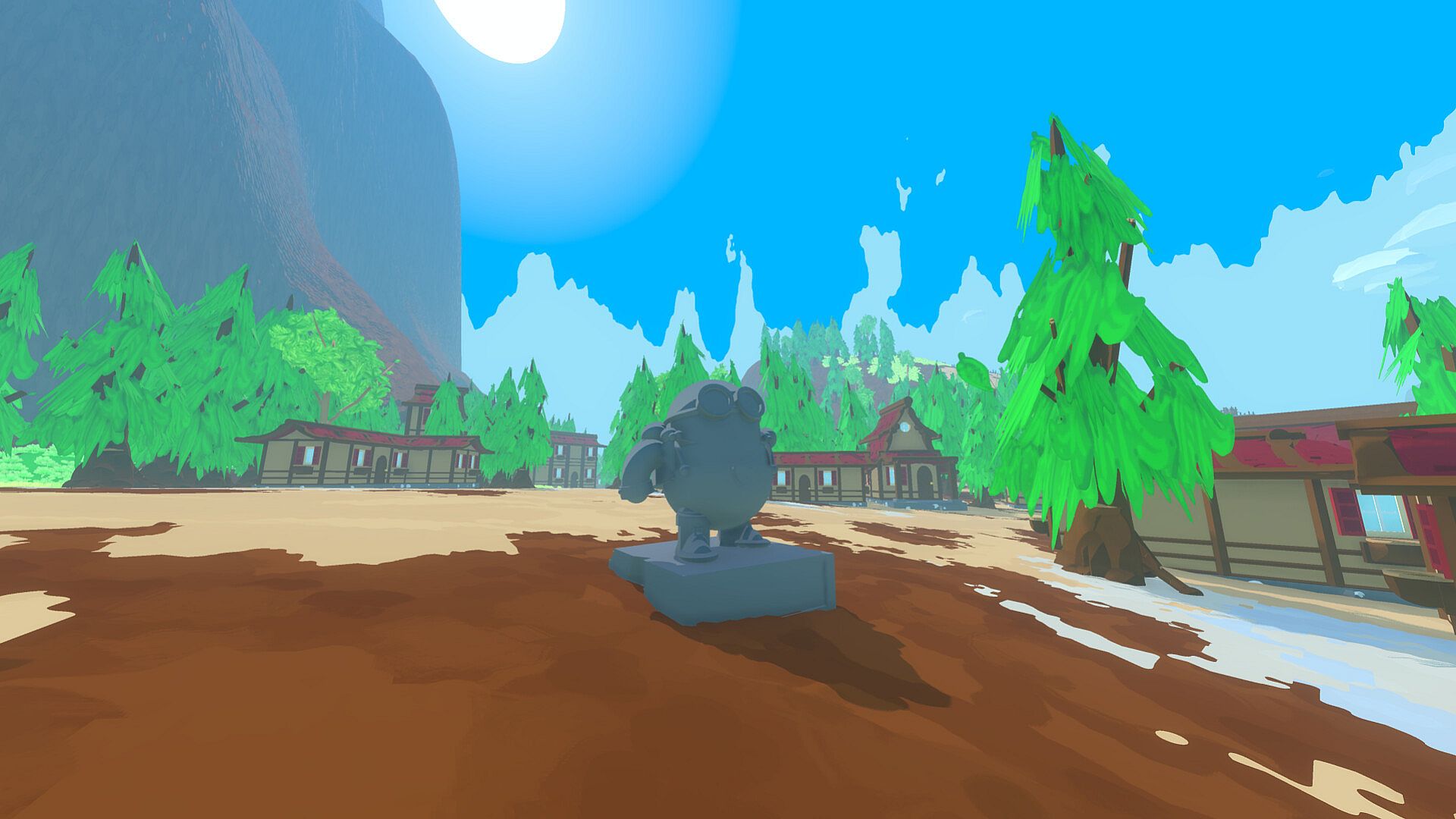
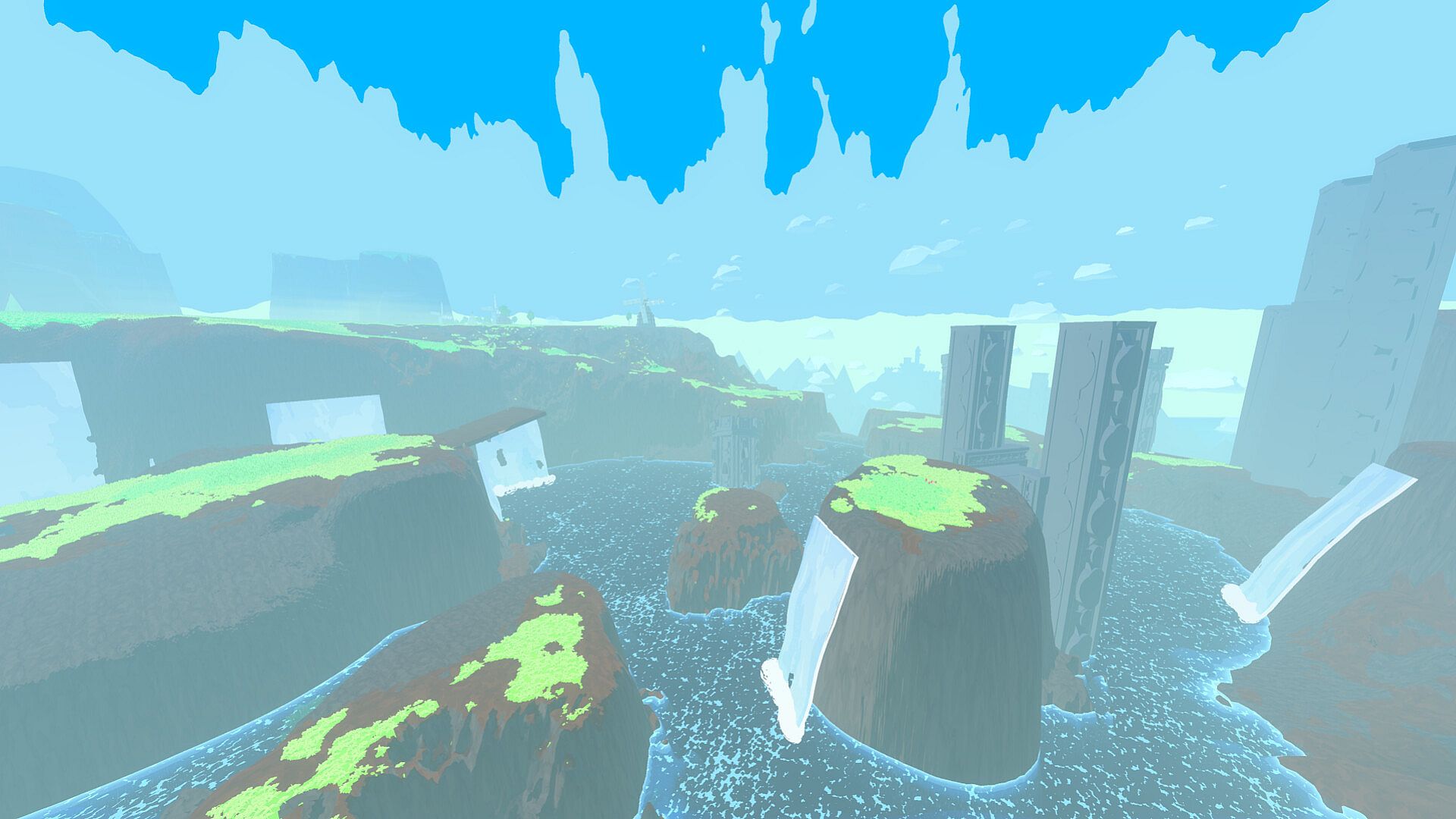
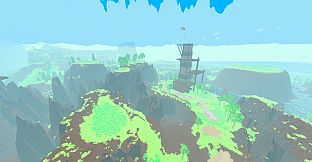
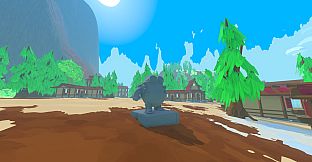
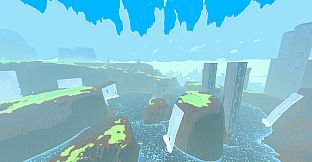
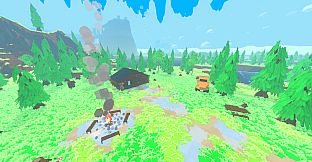
Exploration spans seven distinct continents, each featuring handcrafted zones with their own environmental challenges and visual identity. The emphasis stays on practical engineering rather than combat or narrative branches, rewarding inventive solutions that keep the group moving forward.
Game Modes
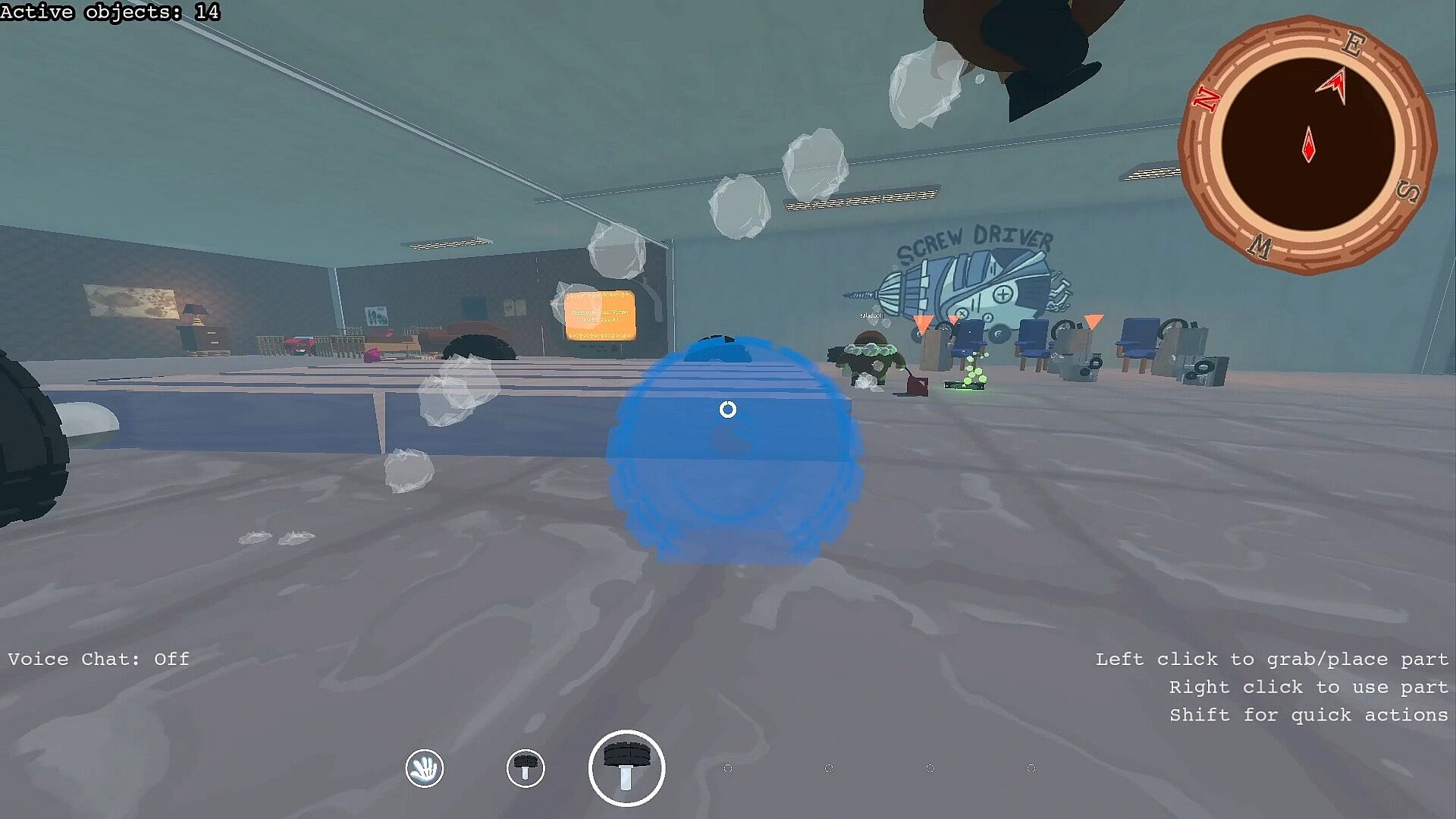
Adventure Mode tasks players with scouting routes and overcoming sequential obstacles to advance across the world map. Teams must locate parts, construct functional vehicles, and adapt builds as new terrain appears. Sandbox Mode removes progression constraints, allowing unrestricted construction and testing of any combination of parts in open areas.
Both modes incorporate the same building tools and physics rules, so ideas developed in one carry over to the other. Multiplayer sessions let participants divide labor, with some scouting while others assemble or test prototypes. The structure supports drop-in cooperation without requiring every player to perform the same role at once.
Exploration and Building Systems
Each continent presents fresh obstacles that demand different vehicle capabilities. Handcrafted locations encourage players to pause and observe details while planning the next contraption. Parts collected on the map vary in function and size, giving builders a wide selection for creative assemblies. The scouting drone serves as the primary tool for identifying usable components scattered throughout the environment.
Resource management appears through shared storage limits, pushing groups to balance what they carry between vehicles. Physics interactions mean that unbalanced or overly complex builds can fail in predictable ways, prompting iterative refinement during play sessions.
Is It Worth Playing?
The game remains in a pre-release state with no user reviews or completed updates available at this time. Its appeal lies in the combination of vehicle-building mechanics, cooperative problem-solving, and large-scale exploration across seven continents. Players who enjoy physics-driven construction and flexible co-op sessions will find the described systems align with those interests. Singleplayer support broadens accessibility for those who prefer independent progress through Adventure or Sandbox modes. As an upcoming title, its long-term value will depend on post-launch support and community feedback once it becomes available.











