







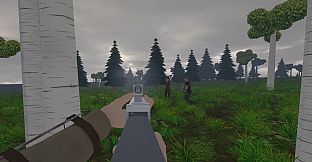
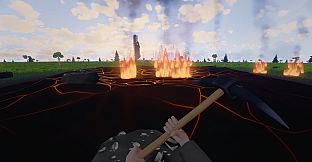
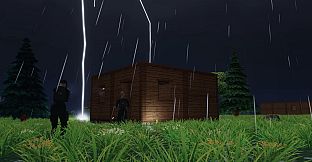
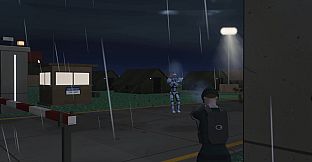
Ashwend is a first-person multiplayer survival game set on PC in Early Access. Players drop onto a remote planet with empty hands and must gather materials, craft equipment, construct bases, and navigate interactions with others that range from cooperation to conflict.
Gameplay
The core loop centers on resource management and progression in a seamless open world. Players collect stones, branches, and ore to create basic tools before advancing to iron through smelting. A workbench serves as the hub for most crafting recipes, with upgrades unlocking superior items. Rare components appear only in the remains of destroyed structures rather than through standard production.
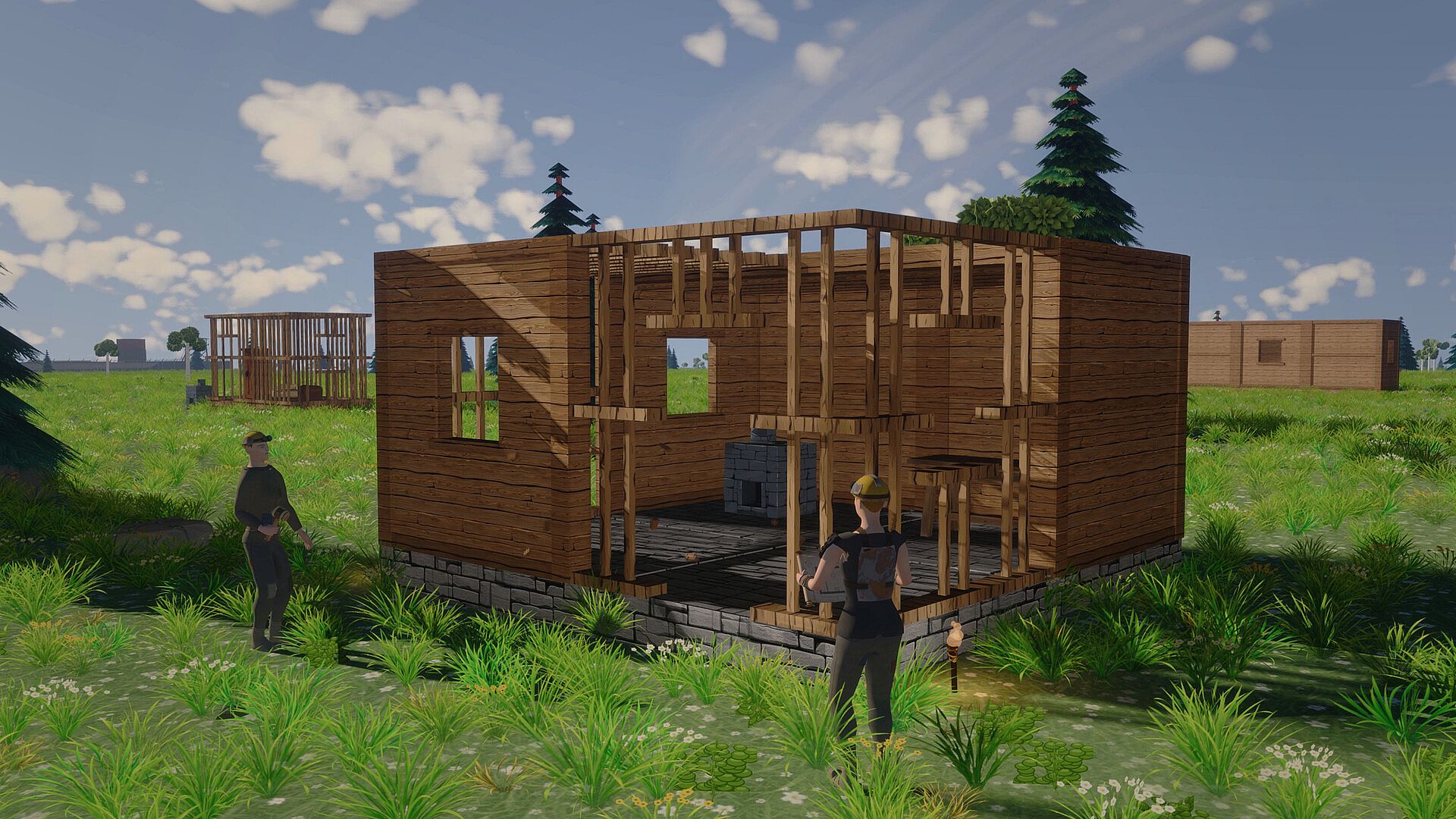
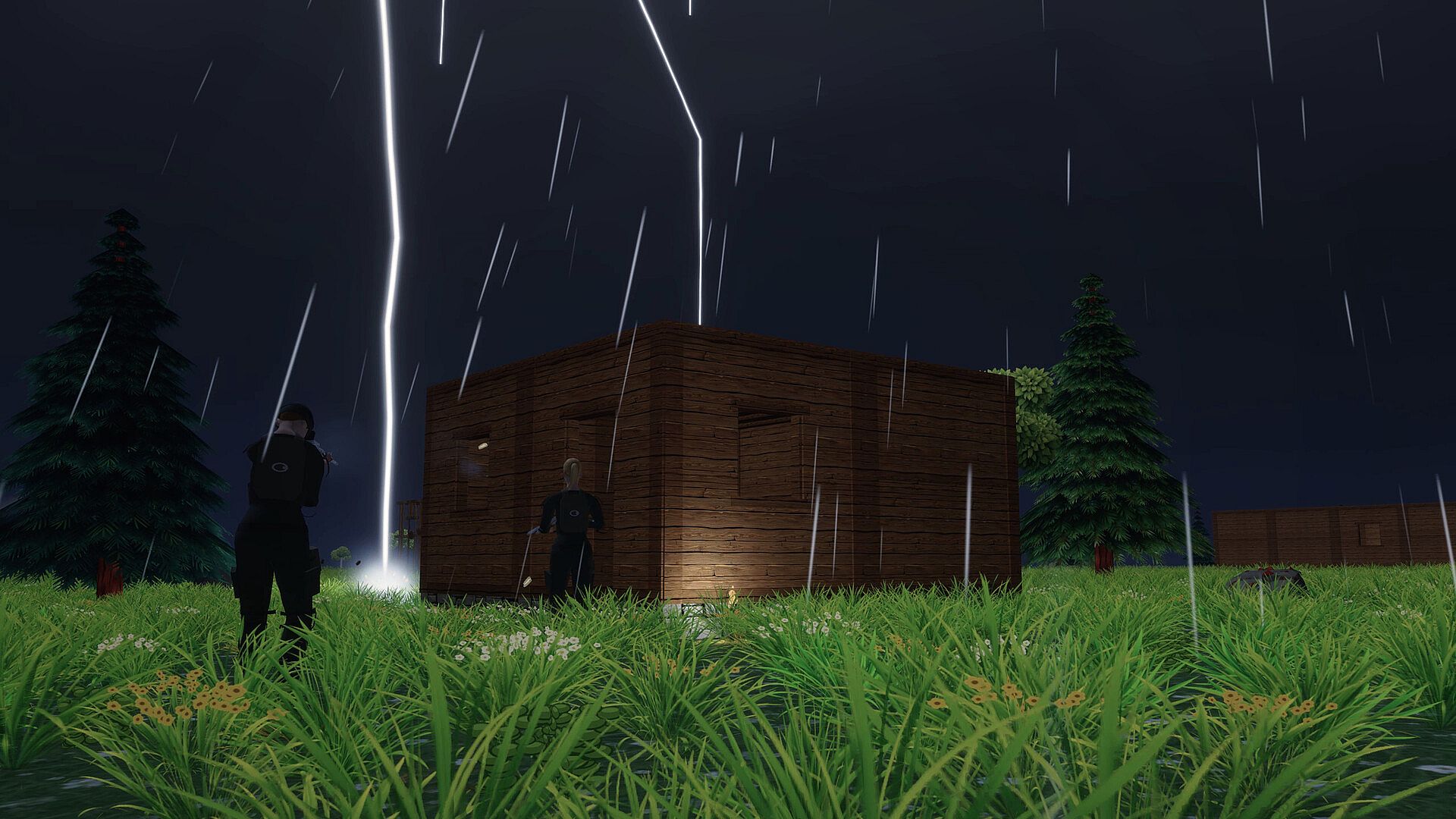
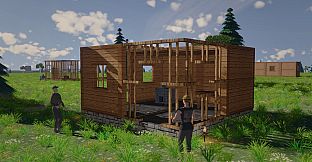
Base construction involves placing foundations, walls, doors, floors, and stairs that can be reinforced with a hammer through successive material tiers. Doors accept lock codes, while a tool cupboard prevents outsiders from expanding in the claimed area. A sleeping bag provides a respawn point after death, during which carried items drop for others to claim.
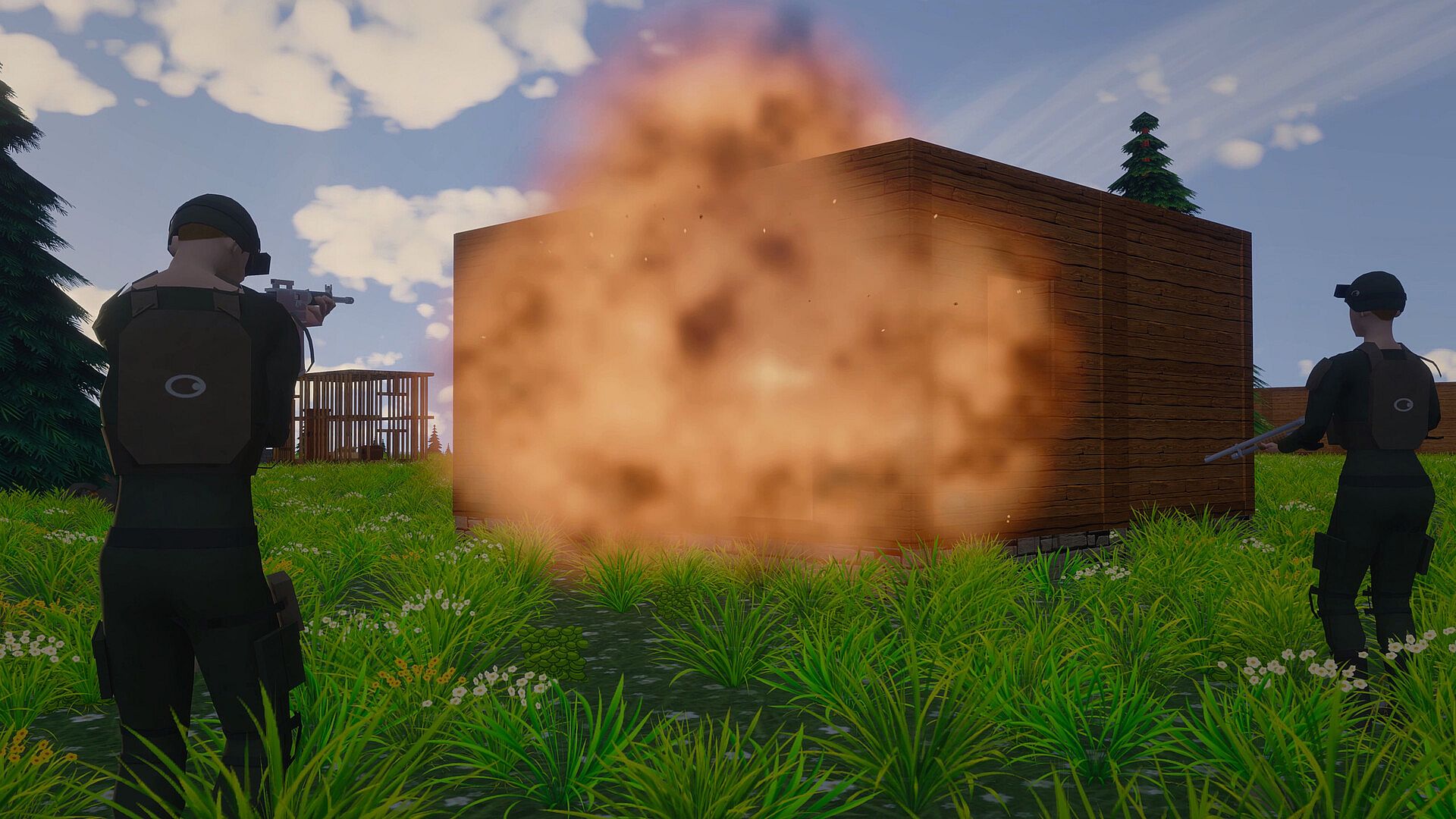
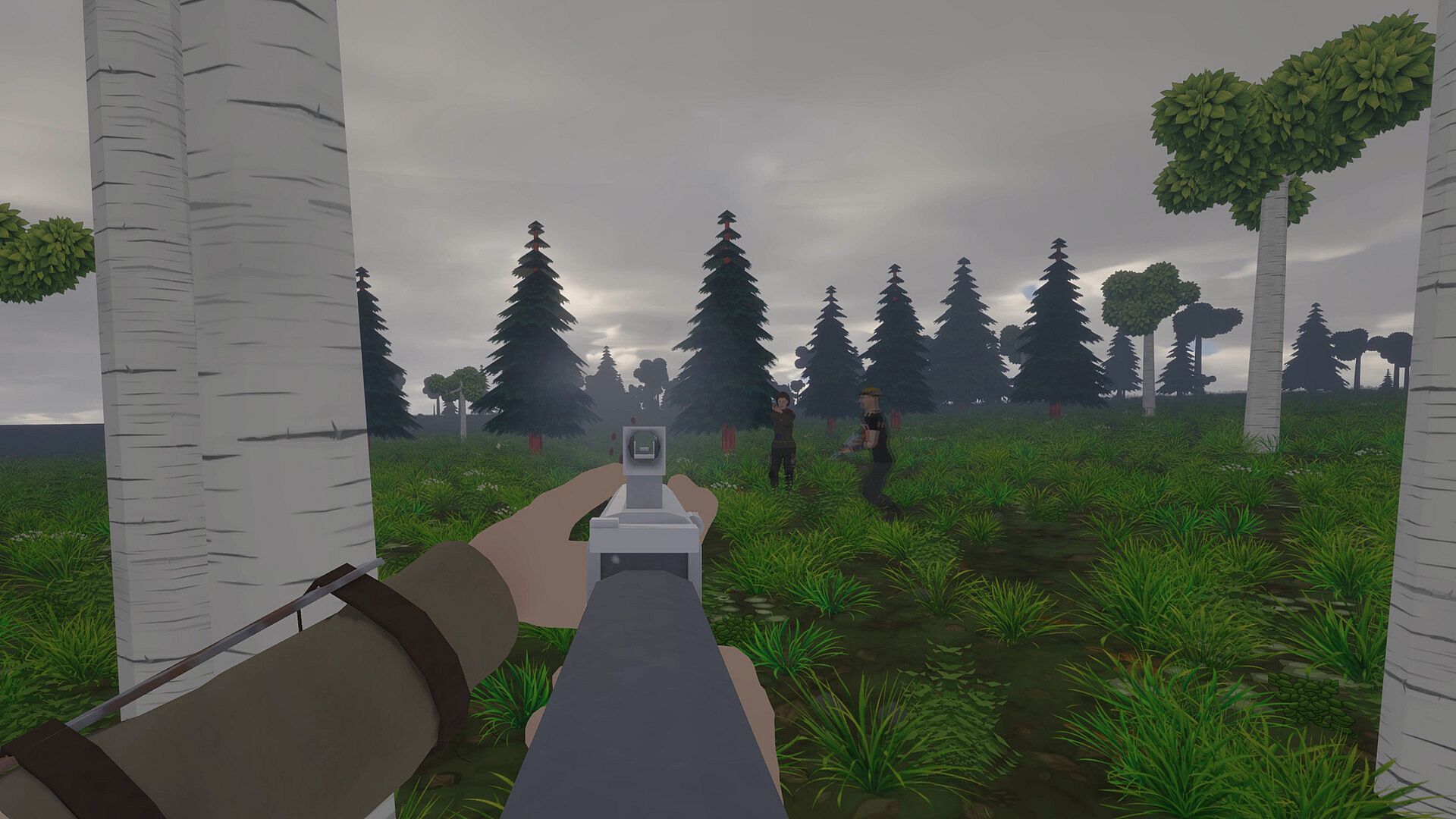
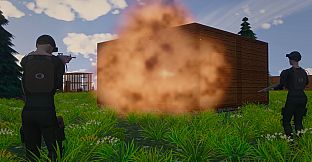
Combat relies on melee weapons, bows, crossbows, and assembled firearms paired with armor that mitigates different damage types. Wounds require bandaging. Proximity voice chat enables direct communication with nearby players. Raiding demands explosives to breach stone or metal structures, as guns alone cannot damage walls, and defenders have a window to disarm charges.
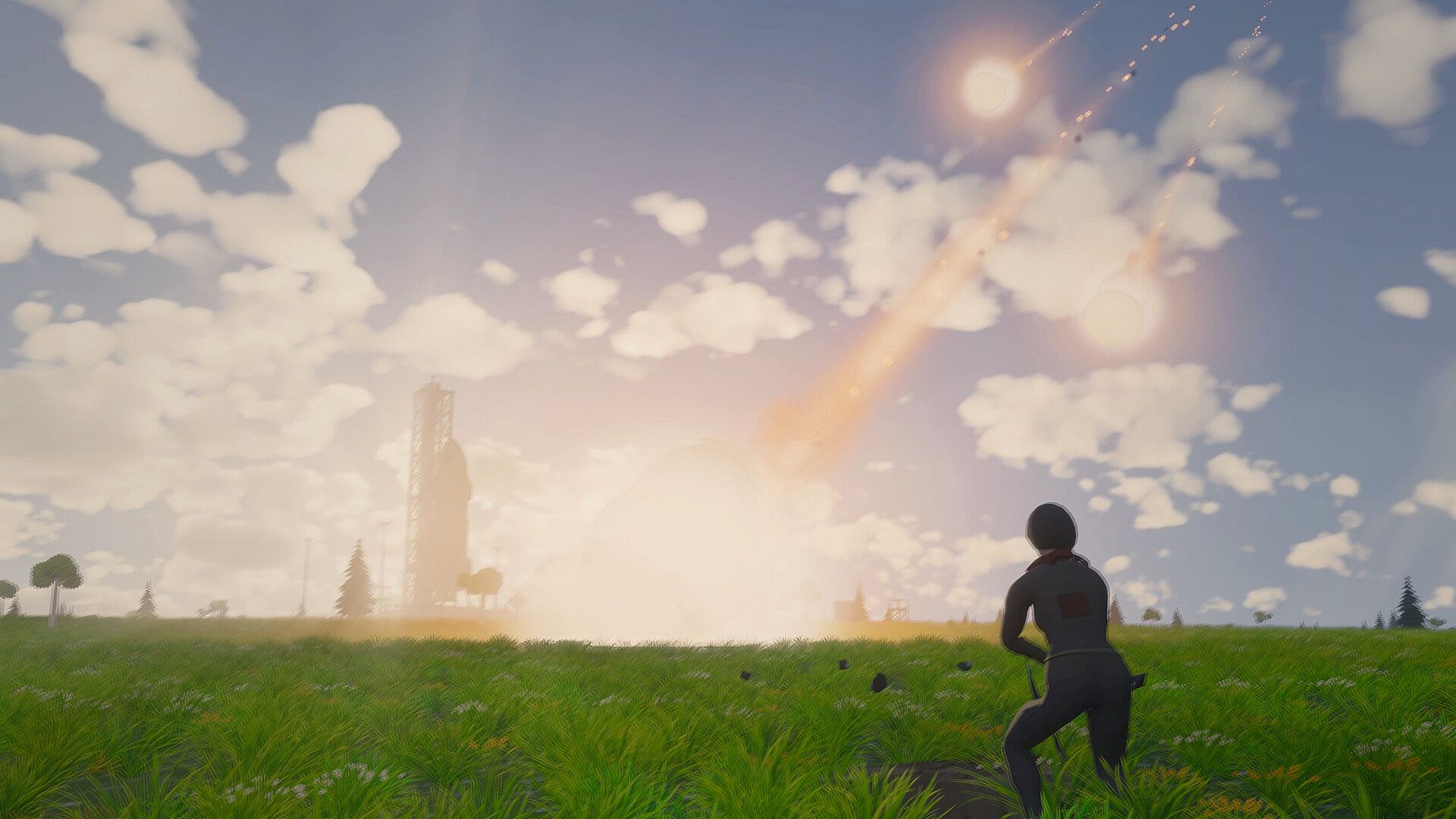
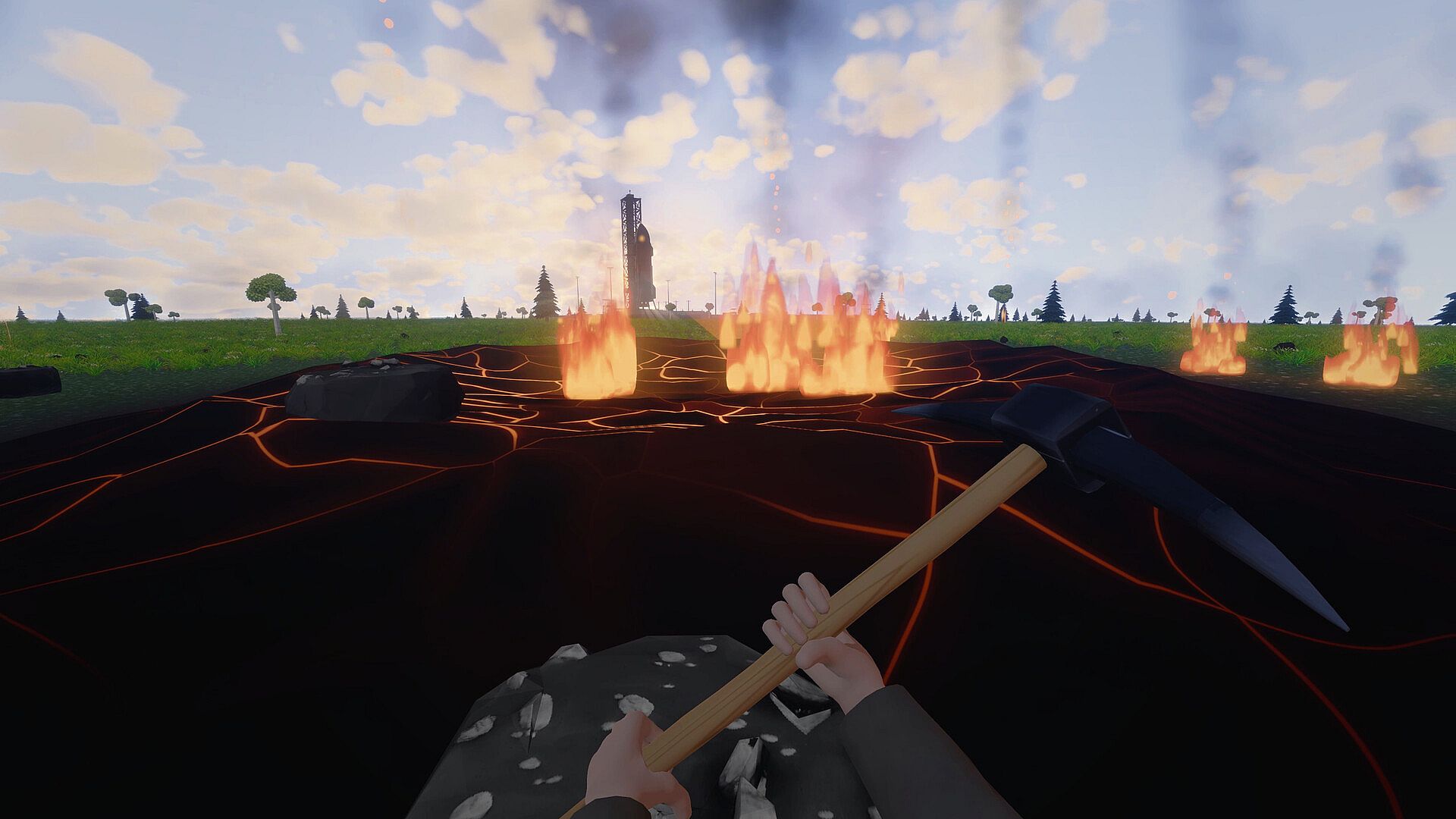
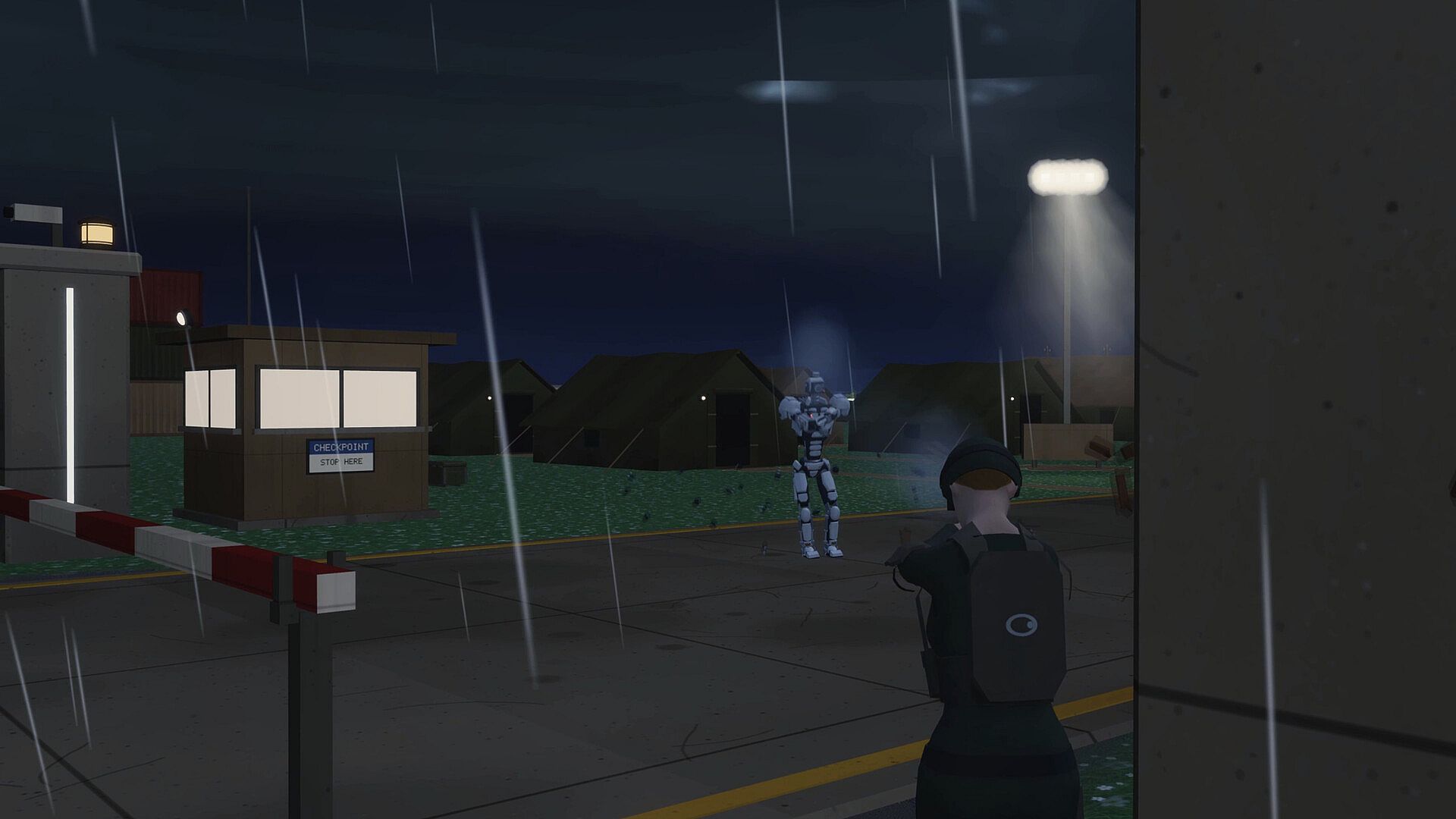
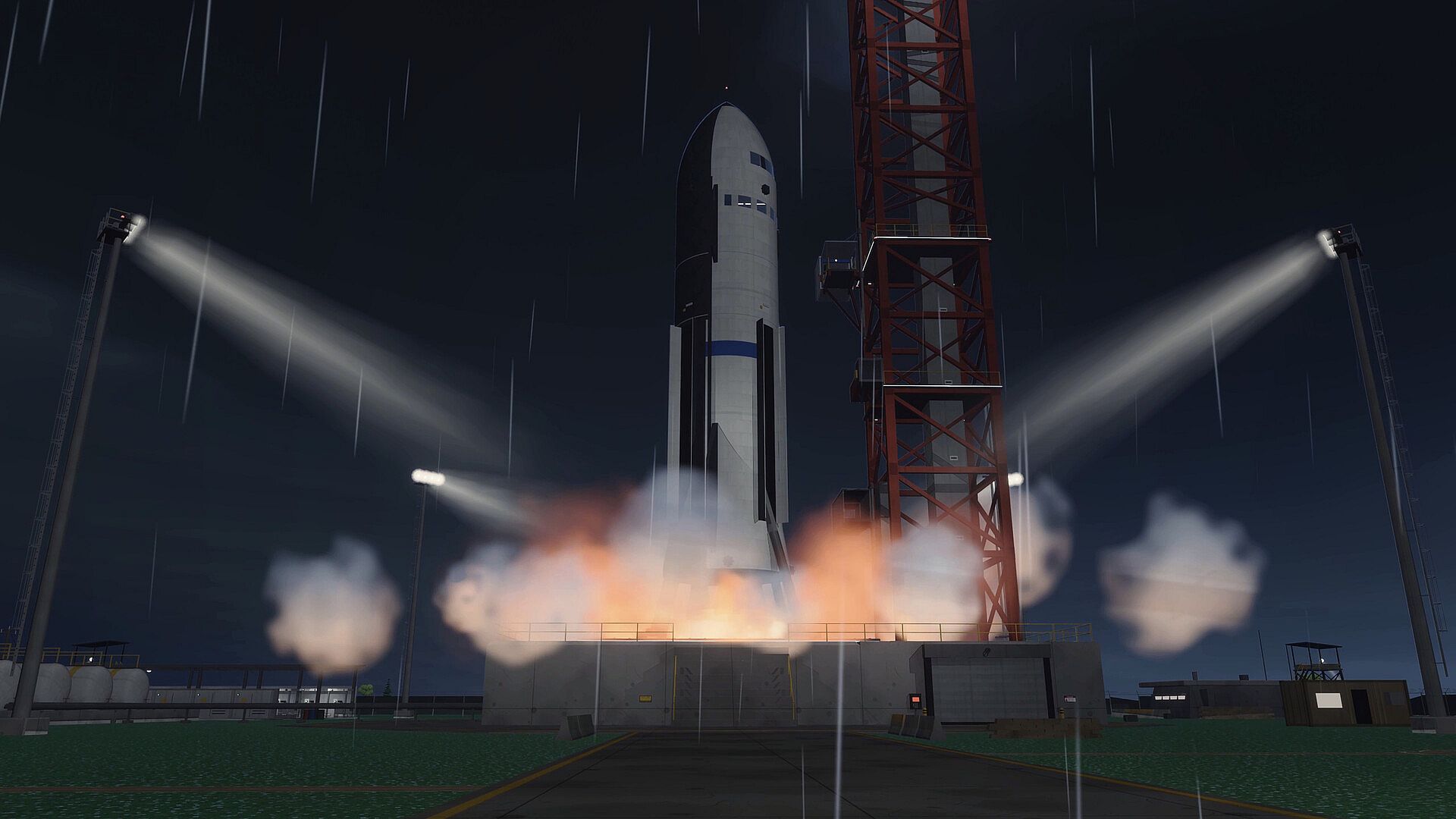
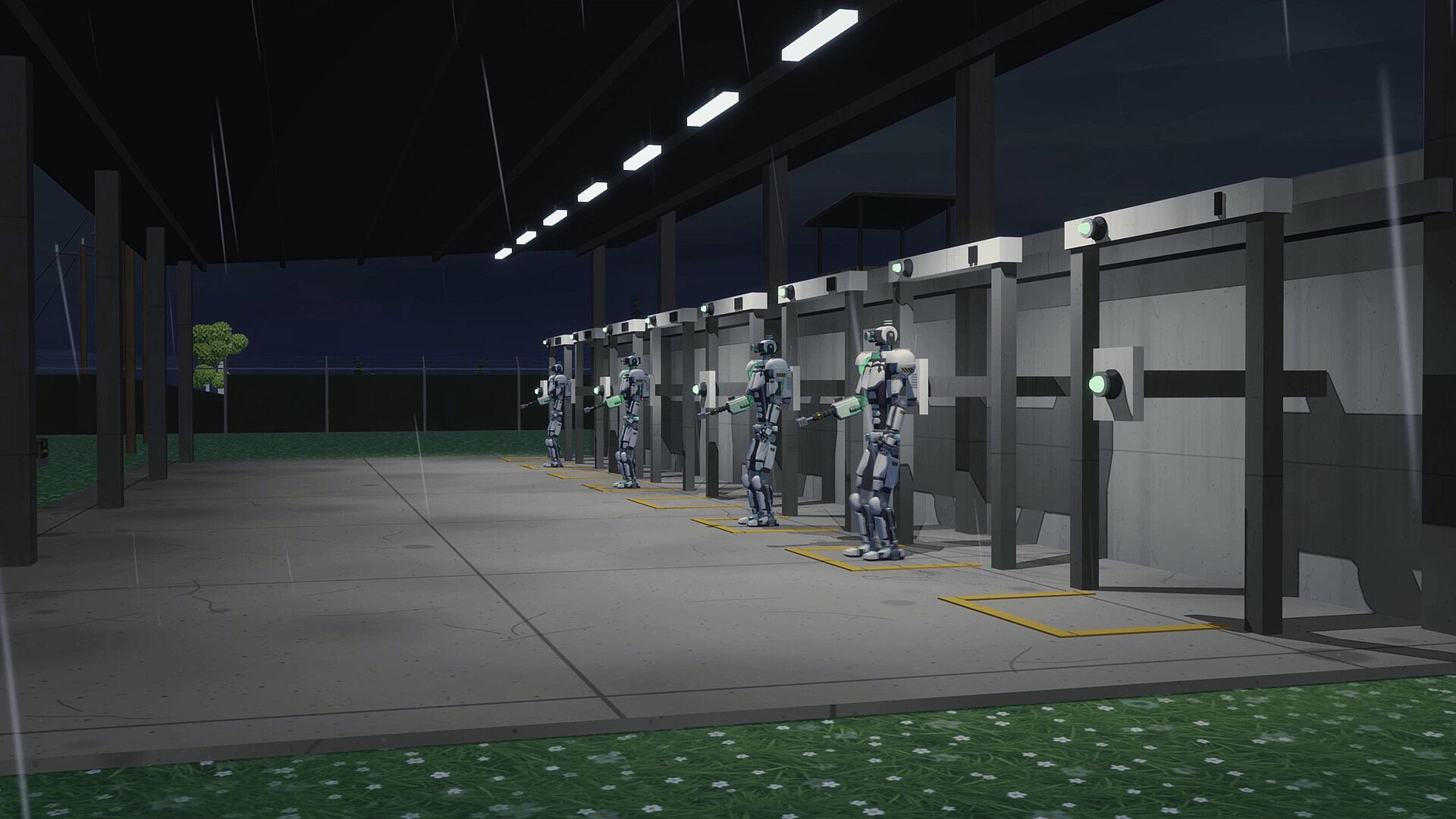
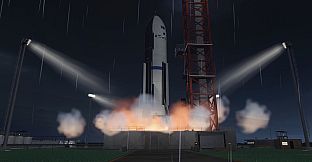
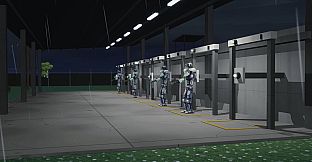
Environmental events add urgency. Meteors strike without notice, leaving craters rich in high-grade metal that draw attention through visible smoke. Four guarded launch sites contain supplies; players must overcome defenses, open loading bays amid alarms, and secure crates that refresh with each returning pod.
Game Modes
Ashwend structures player activity around a thirty-day world cycle rather than separate named modes. Every server instance runs for a fixed period before a complete wipe resets progress and generates a fresh planet. The server browser displays each world's remaining time, allowing players to join early for long-term building or late for intense final-day confrontations.
Within each cycle, gameplay blends solitary survival with multiplayer elements. Individuals focus on gathering and base defense, while groups coordinate raids or shared resource efforts. Proximity voice chat supports spontaneous alliances or negotiations during encounters. The absence of persistent character carryover between wipes keeps every new world a level playing field.
World and Environment
The setting is a compact planet without artificial boundaries. Continents, swimmable seas, abandoned villages, and connecting roads form the landscape. Celestial bodies follow realistic paths relative to the player's position, with each day lasting thirty minutes. Weather patterns mirror real-world forecasts for the corresponding location.
Exploration rewards careful movement across varied terrain. Burnt-out settlements provide salvage opportunities, while open areas expose players to meteor impacts and launch site activity. The compact scale encourages repeated traversal as bases expand and threats evolve over the thirty-day lifespan.
Is It Worth Playing?
Ashwend suits players who enjoy first-person survival loops that combine crafting, base building, and direct player interaction in a wipe-based format. The free-to-play model removes any upfront cost barrier, and the thirty-day cycles create natural resets that prevent long-term stagnation. Those drawn to resource gathering, defensive construction, and opportunistic PvP or cooperation will find consistent engagement through the core systems.
Early Access status means ongoing refinement of mechanics such as crafting balance and raid timing. The game appeals most to fans of similar multiplayer survival experiences who accept periodic wipes and value the social proximity chat element. Players seeking structured progression without external resets may prefer titles with permanent character advancement.











