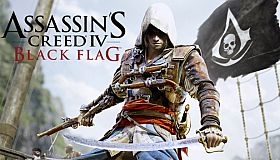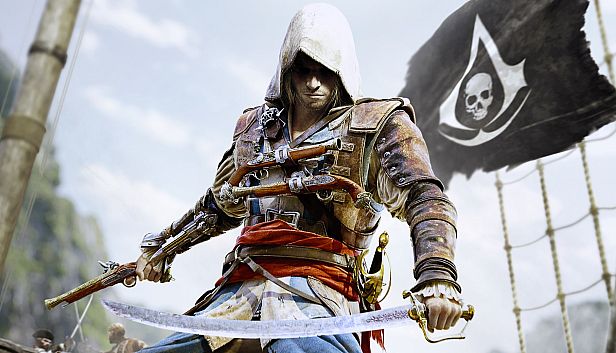







Assassin's Creed IV Black Flag is an action game set in a vast open world that emphasizes naval piracy, exploration, and targeted assassinations during the Golden Age of Piracy. Players take on the role of Edward Kenway, a pirate captain who navigates the Caribbean seas while engaging in both ship-based and land-based activities. The experience blends high-seas travel with on-foot movement through cities and islands, creating a loop centered on gathering resources, upgrading capabilities, and completing objectives tied to the main narrative and side activities.
Gameplay
The core loop revolves around seamless transitions between naval and terrestrial sections. At sea, control of the Jackdaw involves managing sails, cannons, and boarding actions against other vessels. On land, movement relies on fluid parkour across rooftops and structures, combined with stealth approaches to eliminate targets undetected. Combat features free aiming for firearms alongside melee options, allowing players to chain attacks or switch between ranged and close-quarters tactics. Resource management includes collecting materials from sunken ships or defeated enemies to improve the vessel and personal gear, while optional activities such as hunting or treasure searches add variety to progression.
Stealth mechanics encourage observation of patrol patterns before striking, with opportunities to use environmental elements like haystacks or crowd blending for evasion. Naval encounters scale in complexity, requiring positioning for broadsides and repairs during prolonged fights. The system rewards planning, as aggressive approaches can draw reinforcements while careful timing opens paths for quicker resolutions.
Game Modes
The primary experience unfolds through a single-player campaign that follows Edward's rise among pirate factions and his encounters with historical figures. This mode focuses on story missions interspersed with free-roaming opportunities across the map. Multiplayer components offer separate sessions with cooperative and competitive formats, where participants engage in objective-based scenarios on dedicated maps using customized characters and abilities drawn from the game's setting.
These multiplayer options support both team-oriented goals and direct confrontations, allowing players to test skills in structured matches without overlapping the single-player progression. Custom game creation tools further extend replayability for those interested in tailored sessions with friends.
Exploration and Progression
The Caribbean map spans multiple islands and coastal regions filled with forts, settlements, and underwater sites. Progression ties directly to ship upgrades that enhance speed, firepower, and durability, alongside personal skill development in areas like assassination techniques and marksmanship. Side content includes locating buried caches and interacting with local populations to unlock new routes or intel, encouraging repeated visits to familiar areas as capabilities grow.
Is It Worth Playing?
Player feedback consistently highlights the naval combat and open-world freedom as standout elements that continue to hold appeal years after release. The game receives praise for its cohesive blend of piracy themes with established action systems, making it suitable for those who enjoy exploration-driven titles with both solitary and group play options. Recent discussions note that the experience remains accessible on modern hardware, with many describing it as a strong entry point for the series' style of gameplay. It suits players seeking a mix of directed story content and unstructured sailing or infiltration sessions, particularly if naval mechanics and historical pirate settings align with their preferences. Those prioritizing tight stealth or purely competitive multiplayer may find the balance leans more toward adventure breadth than specialized depth in any single area.