


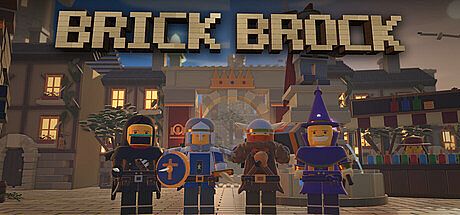


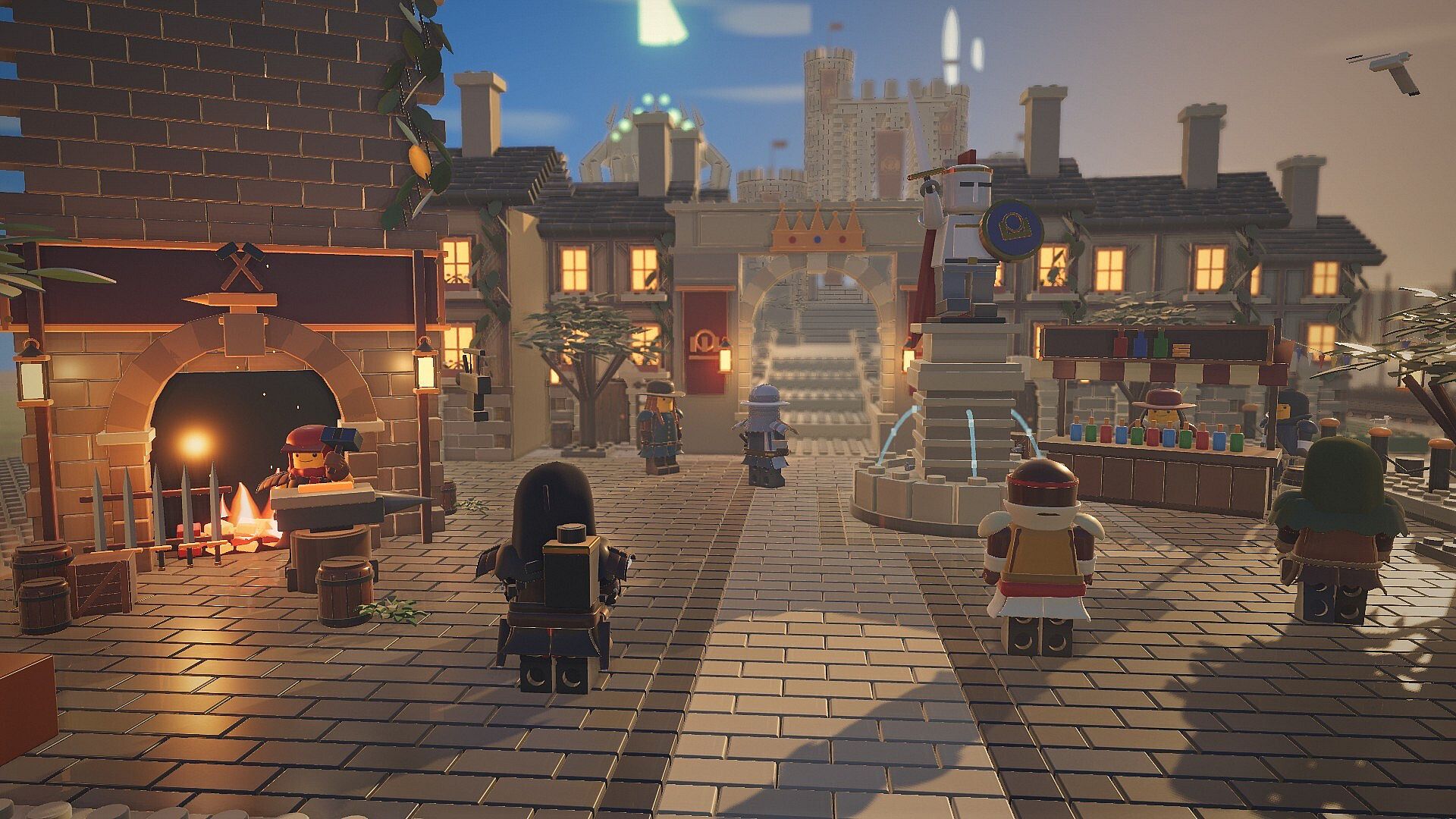
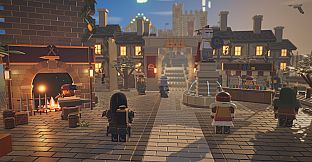
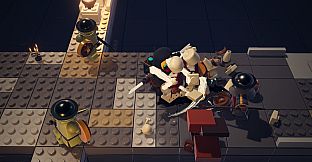
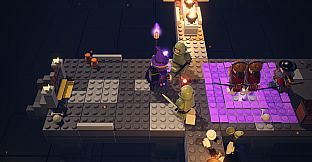
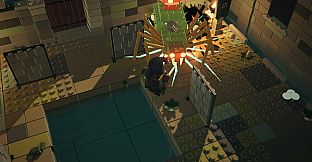
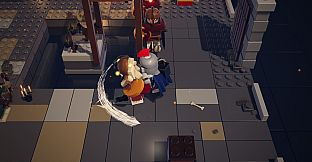
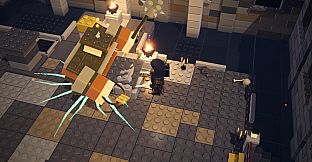
Brick Brock is an action indie game in early access on PC that places players in a world constructed entirely from bricks. The core experience revolves around a lone Bricksmith who must repair a malfunctioning Crown Engine by reassembling its shattered crown across four distinct floors.
Gameplay
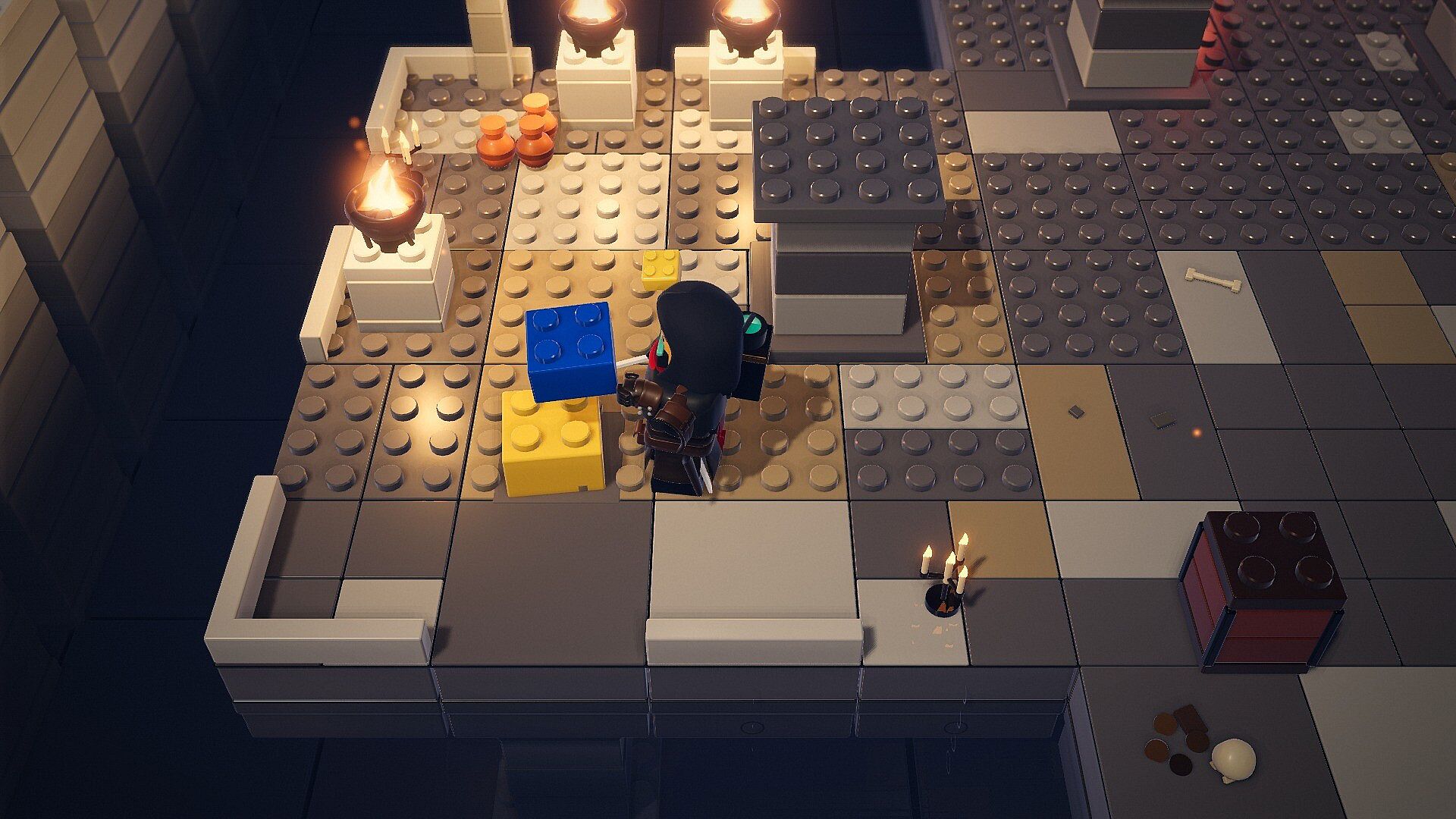
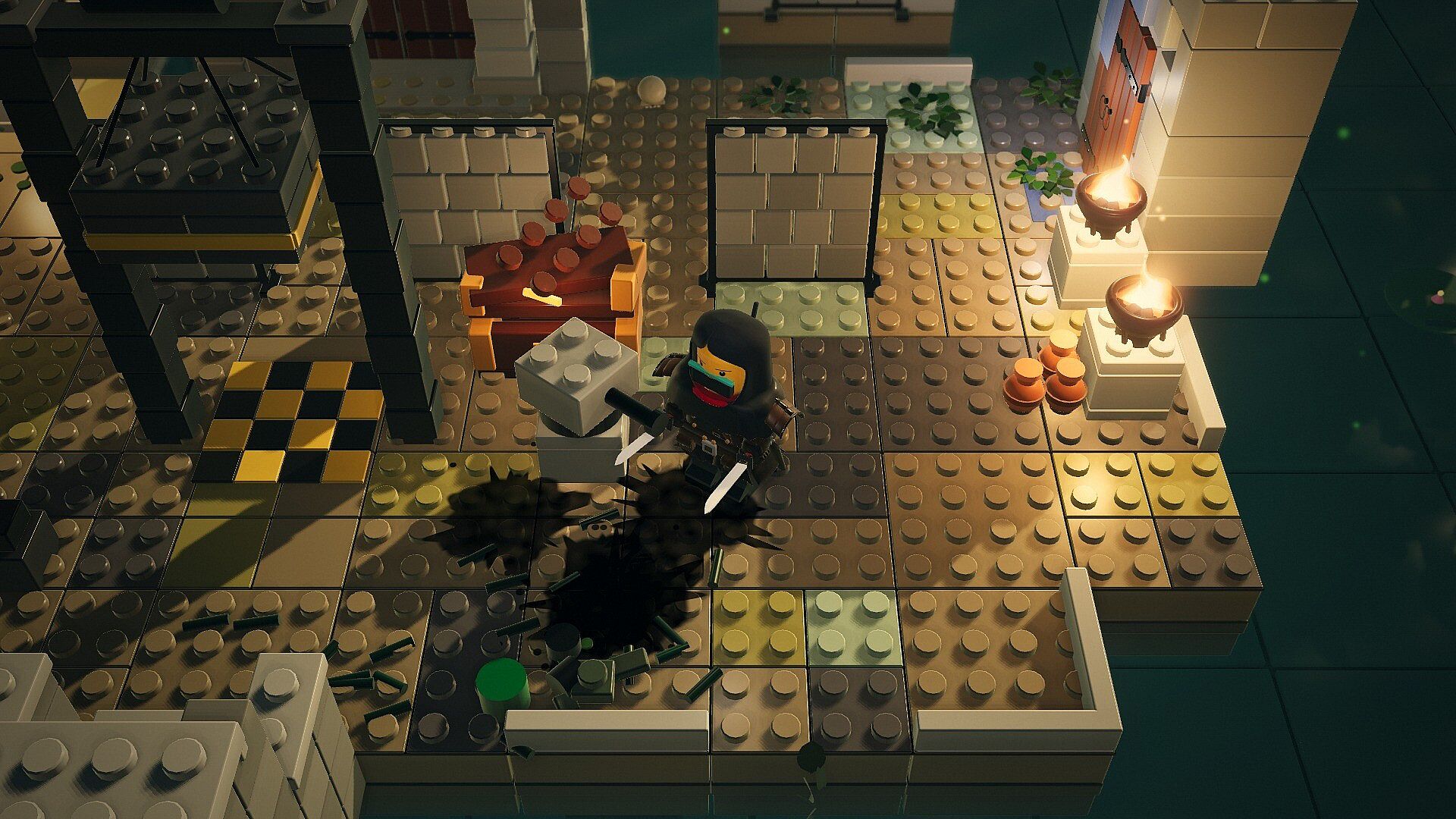
The central loop involves using a vacuum to collect bricks from the environment and from defeated foes. These bricks fill a limited bag that starts with a capacity of forty and are then spent at an aim point to construct defensive and offensive structures. Basic builds include walls that block movement and projectiles, spike plates, ram carts, and turrets. Eight different brick plans, offered at rest stops, modify these constructions with effects such as bouncing shots, spring-loaded launches, tripwires between nearby turrets, and rolling explosive carts.
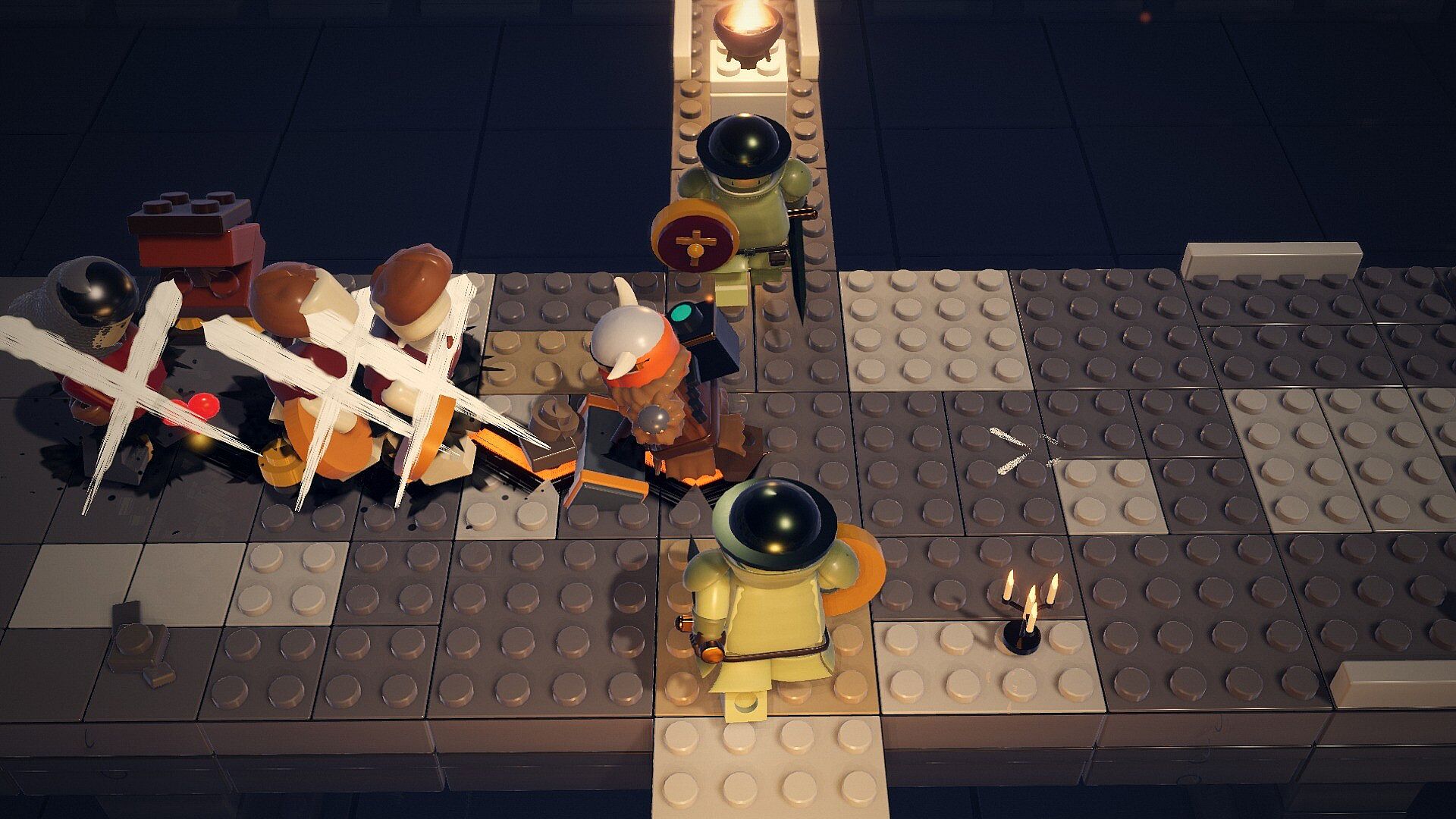
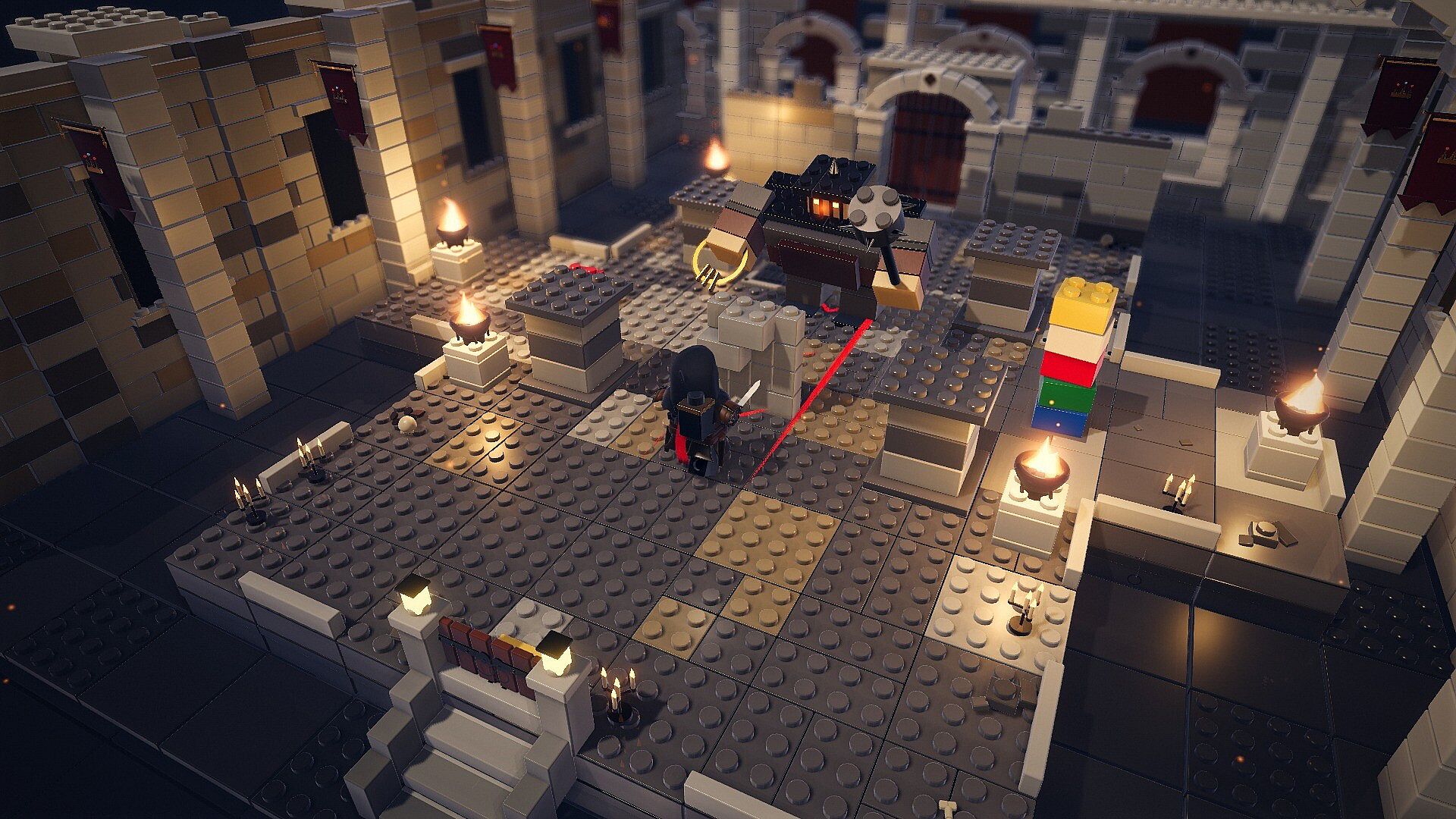
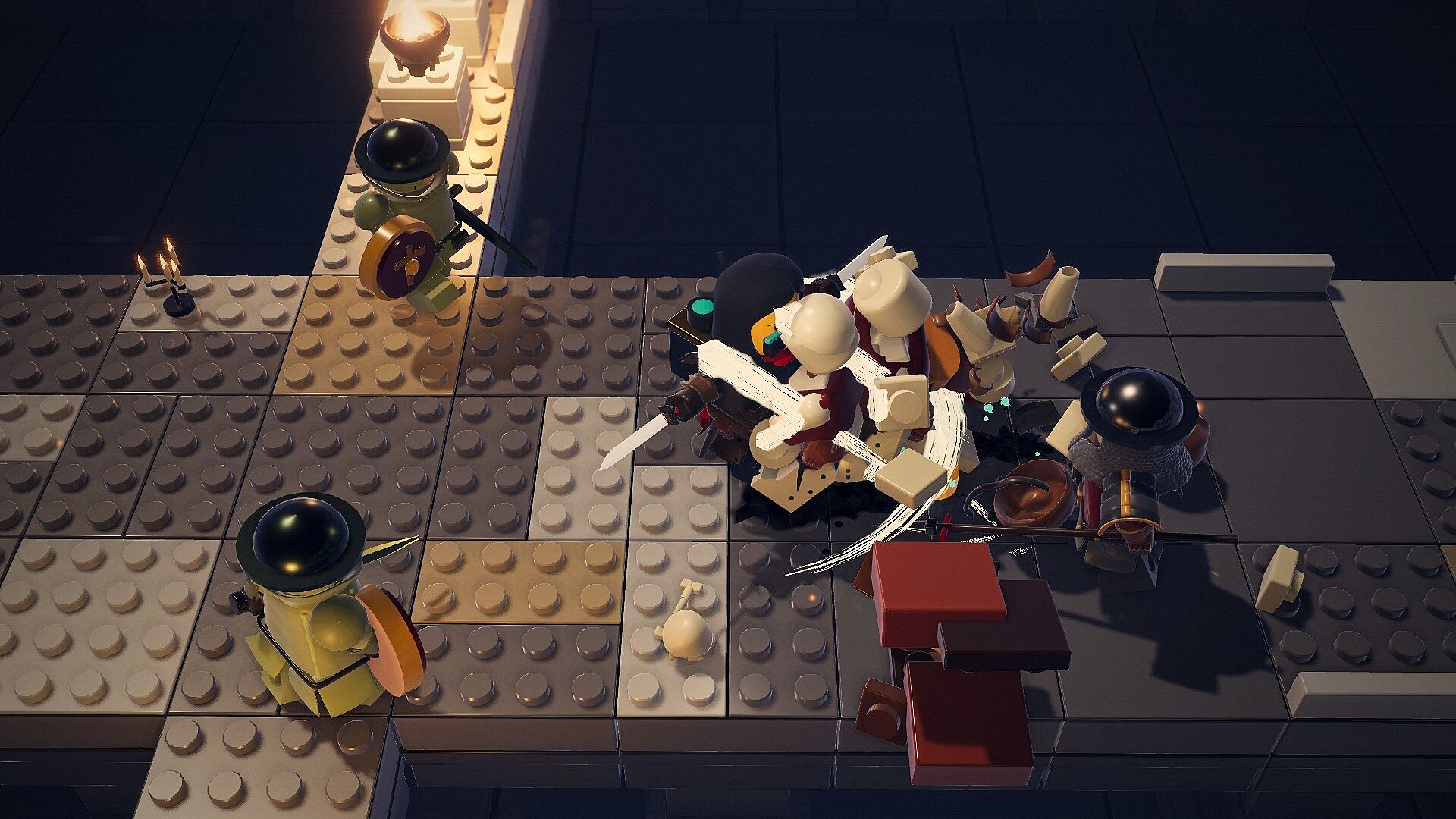
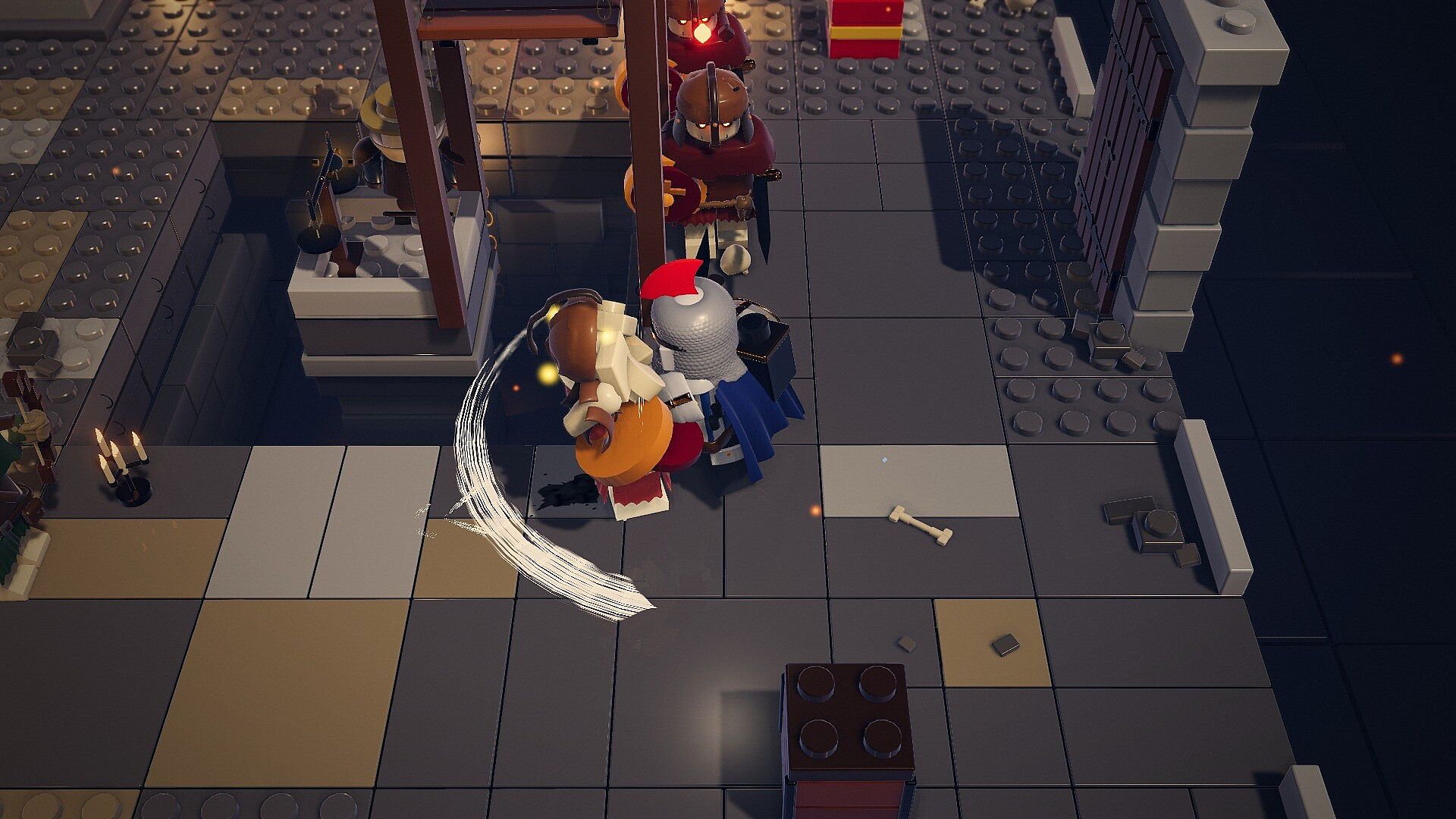
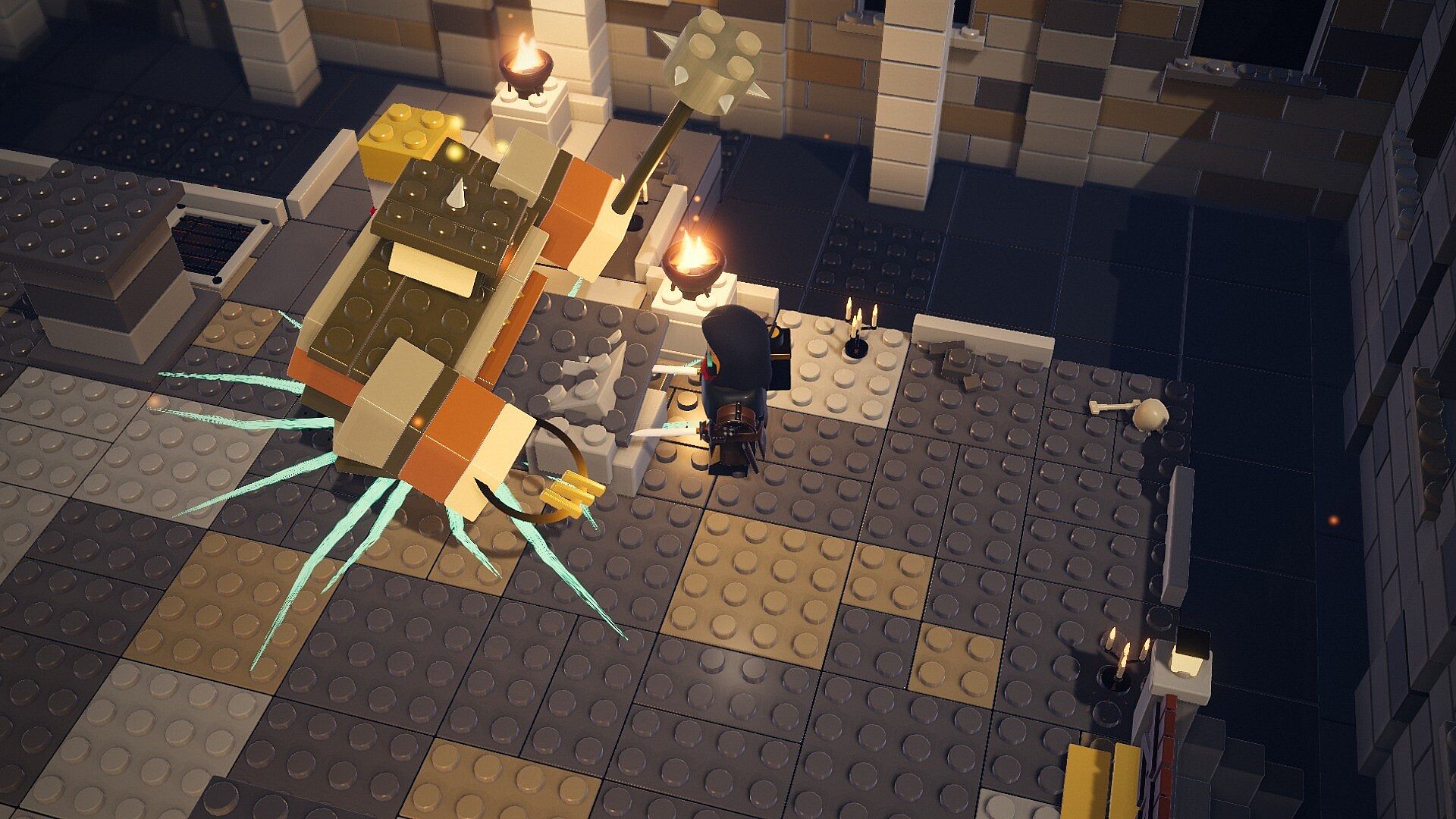
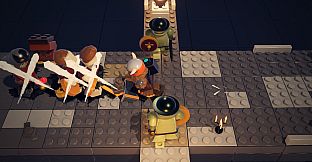
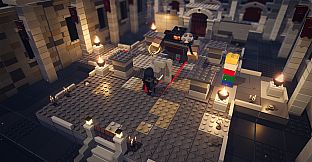
Combat emphasizes positioning and timing. Red strokes on the floor telegraph incoming enemy attacks. Weapon strikes register on contact rather than on button press. Everything in the environment reacts physically when struck, from powder crates that detonate after a fuse to loose brick towers that topple and crush lines of space. Small brick enemies can be pulled into the vacuum, and three bricklings can merge into a larger brick hulk. Destruction persists across visits to the same room.
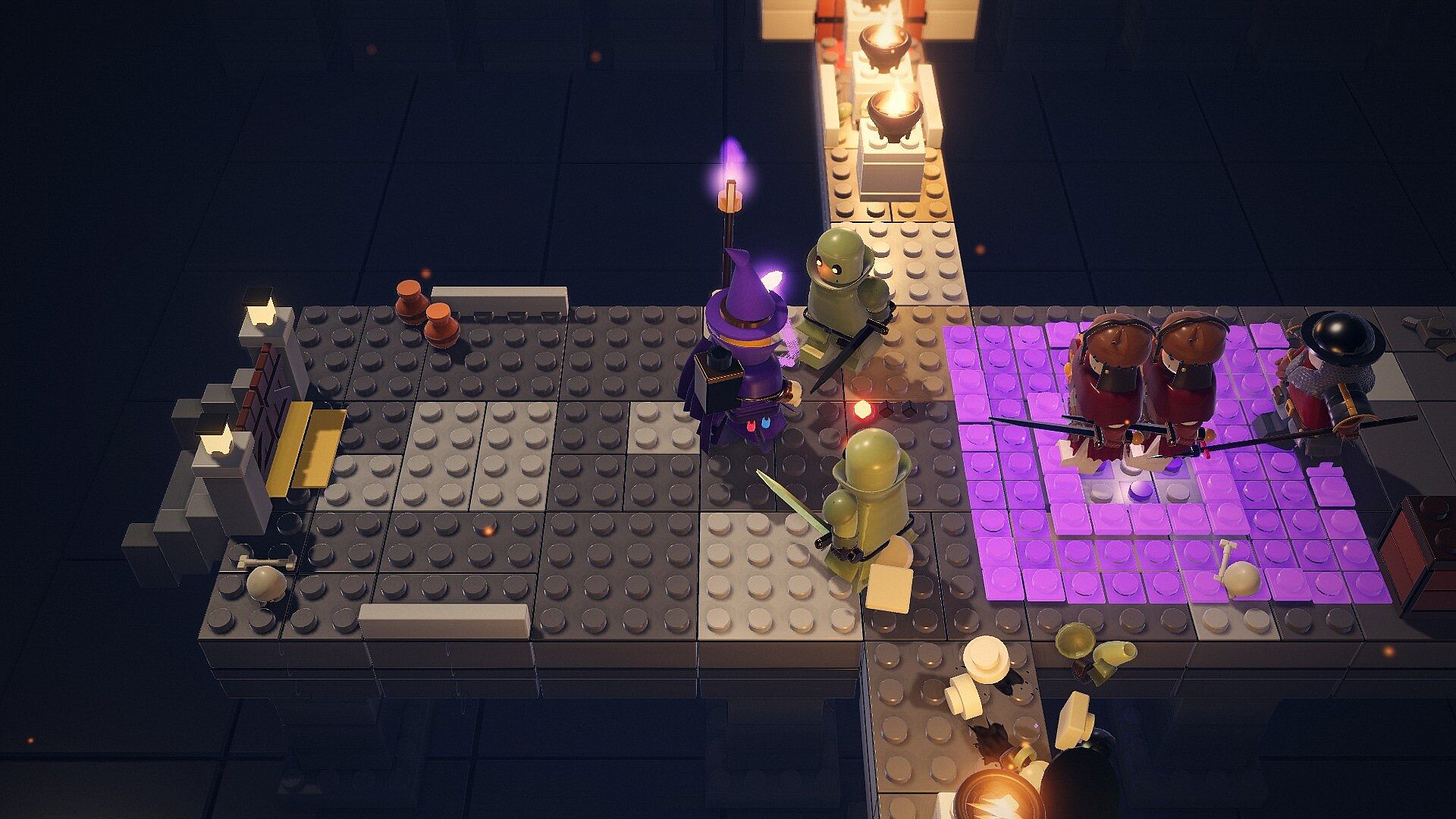
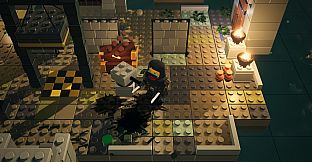
Four heroes offer distinct playstyles. Shadowblade relies on twin daggers and a shadowstep dash for mobility and burst damage. Oathkeeper uses sword and shield with precise parry timing. Brickbreaker wields a warhammer for wide, staggering blows and ground fractures. Runesmith fires bolts from a staff and places delayed detonating runes. Each hero carries different health values and unique abilities that shape approach to encounters.
Game Modes
Runs form the primary structure. A single run spans four floors, each a connected series of rooms that concludes in a guardian hall. Side rooms appear based on the run seed and include a pedlar, a locked strongroom with a new weapon type, and a sealed chamber. Under-halls accessed via hatches provide harder challenges with weapon upgrades. Certain doors on later floors alter conditions for the remainder of the run or the entire attempt.
Difficulty options adjust enemy health and damage output while scaling ember rewards. Wanderer reduces enemy strength for easier progression. Adventurer serves as the baseline. Veteran increases enemy power and ember gains. Ascendant unlocks after a first victory and layers additional affixes and further stat increases across five levels. The Trial mode restricts play to a single room against a fixed set of six enemies with no talents available, tracking personal best clear times per hero.
Runs support seed entry for reproducibility and can be suspended for later resumption. Embers earned carry over between attempts and fund Workshop talents that enhance builds, such as extra evade charges or reinforced structures.
Heroes, Guardians, and Progression
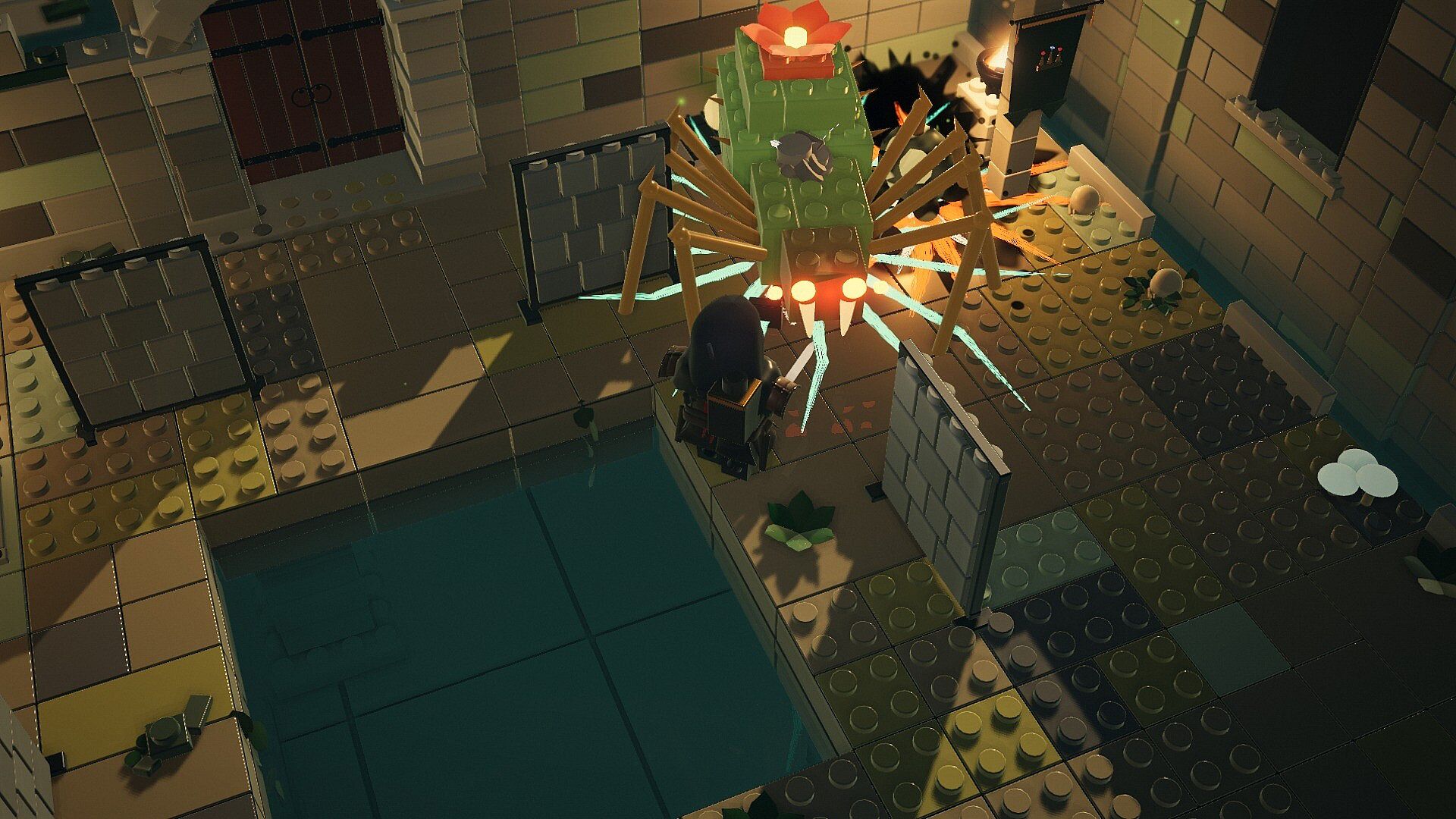
Progression ties directly to repeated runs. Thirteen weapon variants exist across the four heroes, each with three tiers that introduce new behaviors. More than forty enemy types populate floor-specific encounter tables. Guardians present escalating challenges: the Gaoler requires breaking armor through environmental collisions, the Briar Matron demands elimination of protective egg sacs, the Pale King forces use of constructed cover against area burns, and the Crown Engine needs manual disassembly of shielded pylons.
Controls support both keyboard and mouse with full rebinding and standard gamepad mapping. Multiple camera perspectives allow adjustment of view distance and orbit. Accessibility options cover reduced motion, impact effects, damage indicators, and aim assistance.
Is It Worth Playing?
Brick Brock suits players who enjoy single-player action experiences that blend real-time combat with on-the-fly construction and roguelike run variety. The persistent destruction, reactive physics, and hero-specific toolkits create distinct decision-making each attempt. Early access status means the feature set focuses on core systems rather than expansive content, yet the four floors, multiple difficulties, and talent workshop already support meaningful replay through seed variation and personal best tracking in the Trial. Those drawn to deliberate building under pressure and methodical exploration of connected rooms will find the mechanics rewarding without reliance on external progression systems.












