




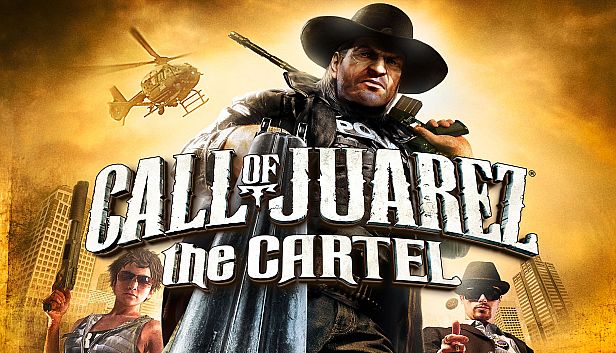







Call of Juarez: The Cartel est un FPS sorti en 2011 sur PC. Le joueur incarne l'un des trois membres d'une unité spéciale chargée de démanteler un cartel mexicain à l'origine d'une attaque contre un bureau fédéral américain.
Gameplay
Le jeu propose une campagne linéaire dans laquelle on choisit l'un des trois protagonistes avant de commencer et on le suit tout au long de l'histoire. Les deux agents restants l'accompagnent, soit en tant que compagnons IA, soit contrôlés par d'autres joueurs en coopération. Chaque personnage dispose d'armes et de compétences spécifiques qui modifient l'approche des combats.
Les affrontements reposent essentiellement sur le tir. Les ennemis tombent rapidement sous un feu soutenu, et un système de concentration se remplit au fil des touches réussies. Une fois activé, ce mode ralentit temporairement le temps et permet de viser plusieurs cibles avec précision. Le déplacement mise sur la fluidité grâce à un sprint illimité. L'arsenal regroupe des armes contemporaines (pistolets, fusils d'assaut, fusils de précision et armes lourdes) débloquées au fil de la progression, et le double pistolet reste une option courante en combat rapproché.
Le mode coopératif accueille jusqu'à trois joueurs qui peuvent rejoindre ou quitter la partie à tout moment. L'IA prend le relais sans interruption. Certaines missions intègruent des phases de conduite où il faut s'échapper ou poursuivre des cibles tout en encaissant des tirs.
Modes de jeu
La campagne solo constitue l'expérience principale et peut se jouer seul ou à deux en coopération. Les missions enchaînent des phases d'enquête, de combat et d'exfiltration face aux forces du cartel.
Un mode multijoueur compétitif propose des affrontements en équipe. On y trouve le deathmatch classique ainsi que des scénarios à objectif où une équipe doit accomplir des tâches pendant que l'autre cherche à l'en empêcher. Des bonus d'équipe s'activent quand les joueurs restent proches, favorisant le jeu coordonné. Certains objectifs intègrent également la conduite de véhicules.
Campaign Structure and Progression
La progression repose sur l'achèvement des missions et le déblocage d'armes lié au niveau du personnage. Chaque protagoniste propose son propre point de vue sur les événements, révélant des motivations et des passés différents qui se croisent au cours des missions communes. La personnalisation se limite au choix de l'équipement en début de mission.
Les décors alternent entre Los Angeles et les territoires contrôlés par le cartel, avec des combats qui mêlent espaces ouverts et zones plus resserrées. La durée de la campagne encourage plusieurs parties afin de découvrir les perspectives et les dialogues propres à chaque personnage.
Vaut-il le coup ?
À sa sortie, le jeu a reçu un accueil très critique, marqué par de nombreux reproches sur les bugs, les performances instables, les problèmes d'animation et le doublage. La campagne propose quelques passages réussis grâce à son système coopératif et à son gunplay nerveux, mais l'ensemble a souvent été jugé générique et peu soigné.
Aujourd'hui, le titre n'est plus disponible en version numérique à la suite d'un conflit de droits. Seules les copies physiques d'occasion permettent encore d'y jouer, sans correctif ni support supplémentaire. Les amateurs de FPS directs et rythmés pourront y trouver un divertissement ponctuel en coopération ou en multijoueur, à condition de dénicher une version fonctionnelle à petit prix. Ceux qui recherchent une expérience moderne, stable et visuellement aboutie trouveront de meilleures options dans le genre.


