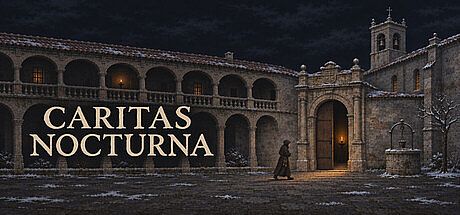


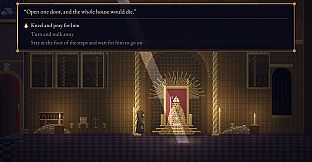
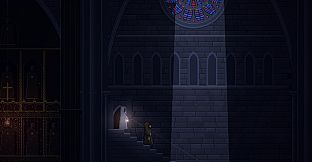
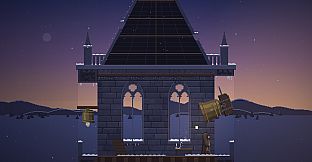
Caritas Nocturna is an indie adventure game set in a snowed-in Spanish monastery during a winter of plague. Players take the role of the porter in a single-player experience that unfolds over one long night from midnight to dawn. The game emphasizes quiet acts of mercy rather than conflict, with choices and actions shaping the atmosphere of the house and its inhabitants.
Gameplay
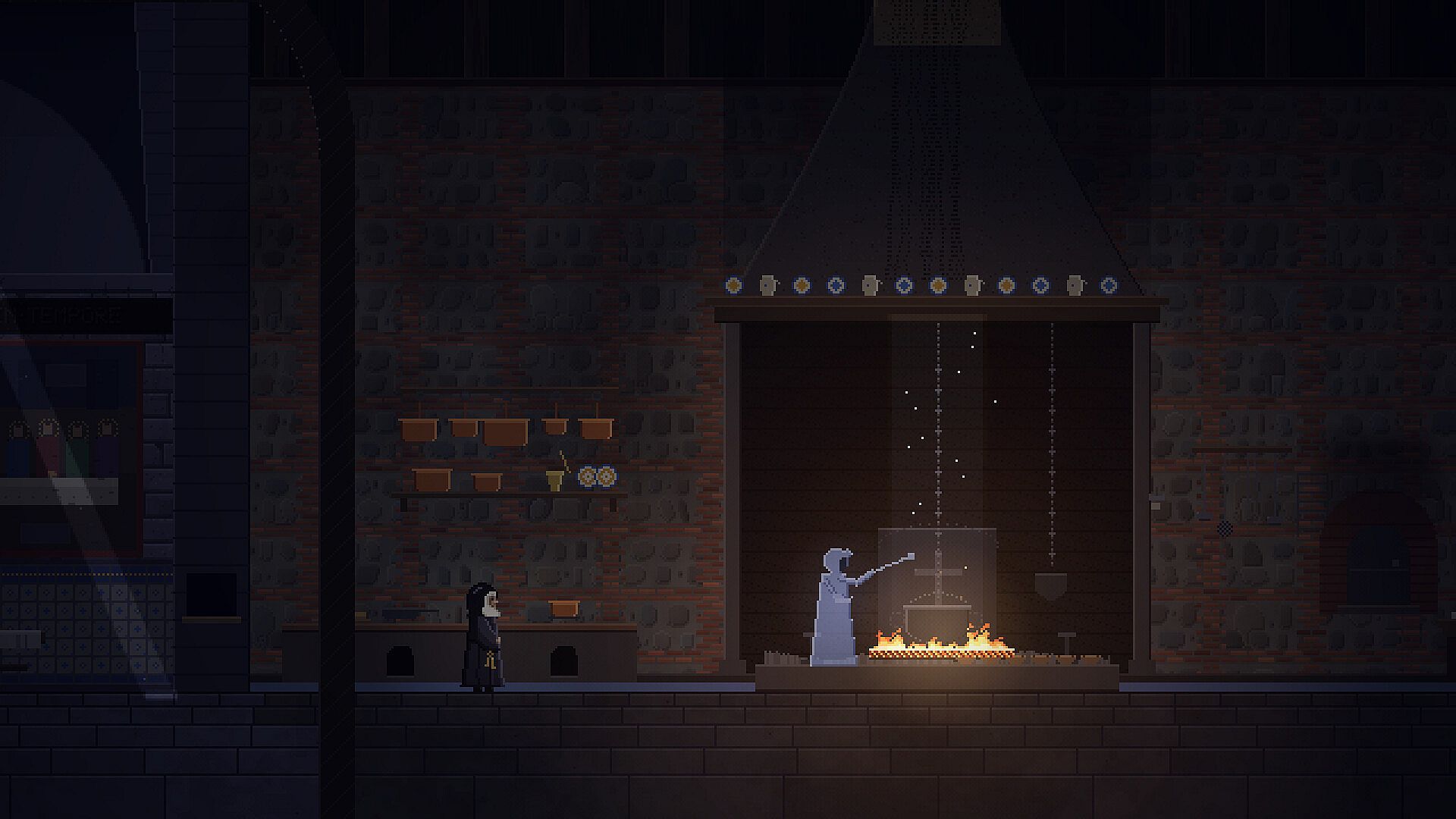
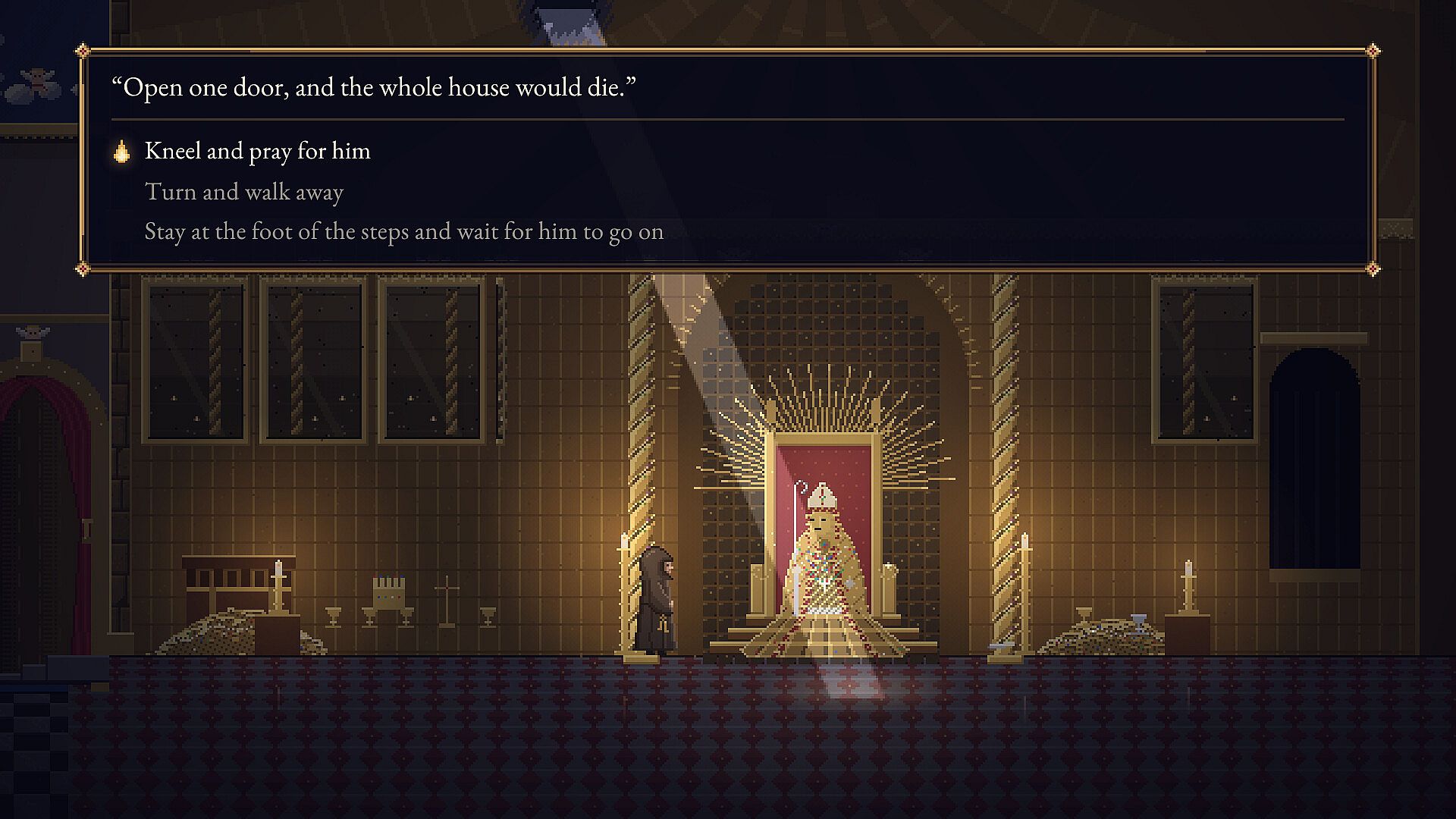
The core loop centers on completing the fourteen Works of Mercy across the monastery. Seven works involve physical actions performed with the hands, such as lighting a fire, carrying water, or taking down a bricked-up wall. These tasks rely on cause and effect, where each completed action changes the environment and triggers a name to appear as the bell tolls once. The remaining seven works are handled through words in conversations that last three rounds each, where the kindest reply is not always the correct one. The house itself reveals layers built over centuries, from Roman stones and a Moorish cistern in the lower levels to a Romanesque crypt, Gothic nave, Renaissance cloisters, and a Baroque sacristy above. Music responds directly to player actions, adding instruments like guitar and frame drum when a kitchen fire is lit, while old chants play on viols, harp, organ, and cornett throughout the night. There are no enemies, timers, or failure states, allowing every puzzle and interaction to unfold through observation and consequence.
Game Modes
Caritas Nocturna offers a single continuous play session structured around the one long night. Players can choose to experience the story as either a brother or a sister, with the same core sequence of mercy works guiding progress from midnight until dawn. The focus remains on a linear yet reactive narrative path where actions and dialogue choices determine the order and outcome of events without branching into separate modes or competitive elements.
The Monastery and Its History
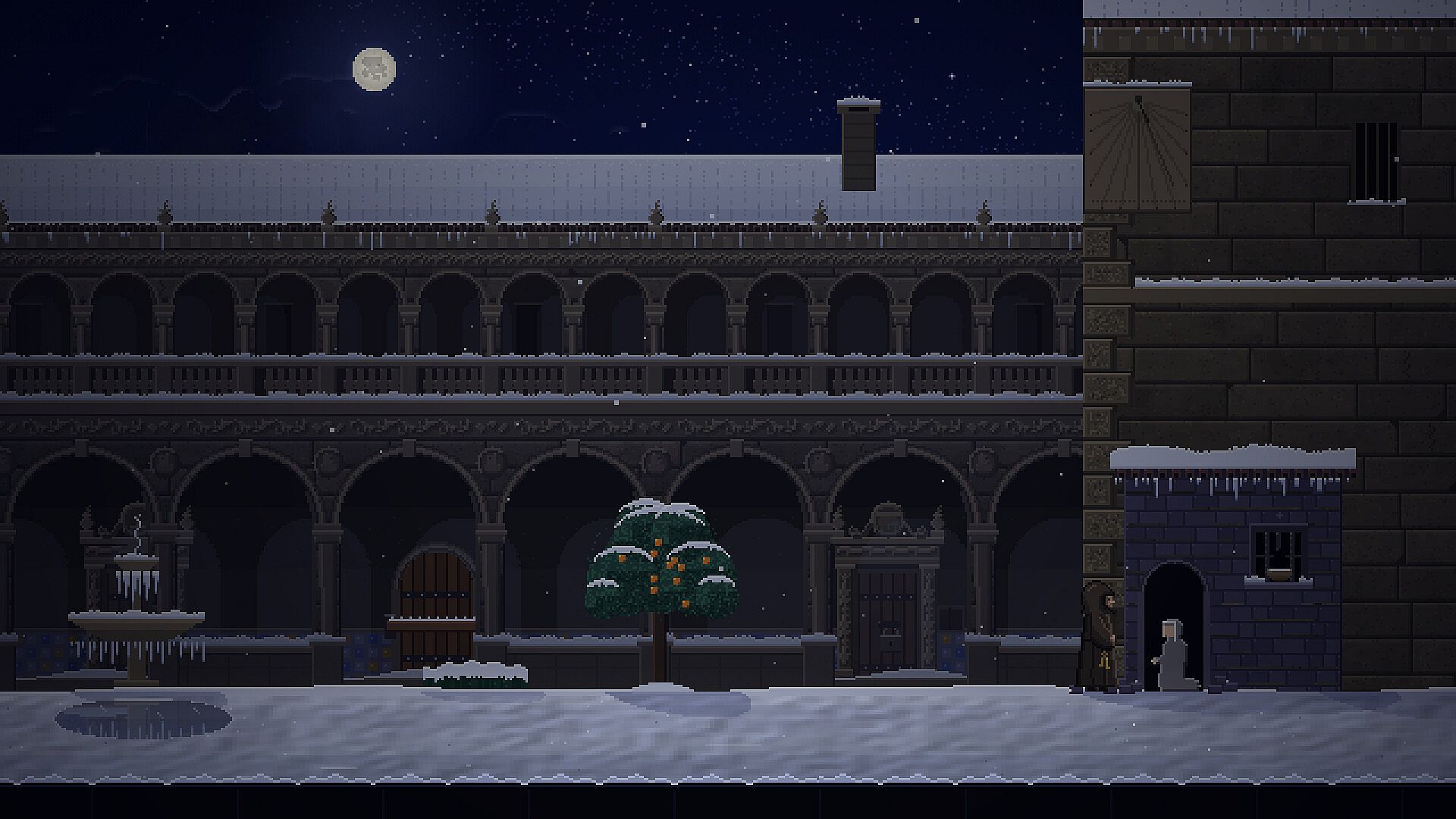
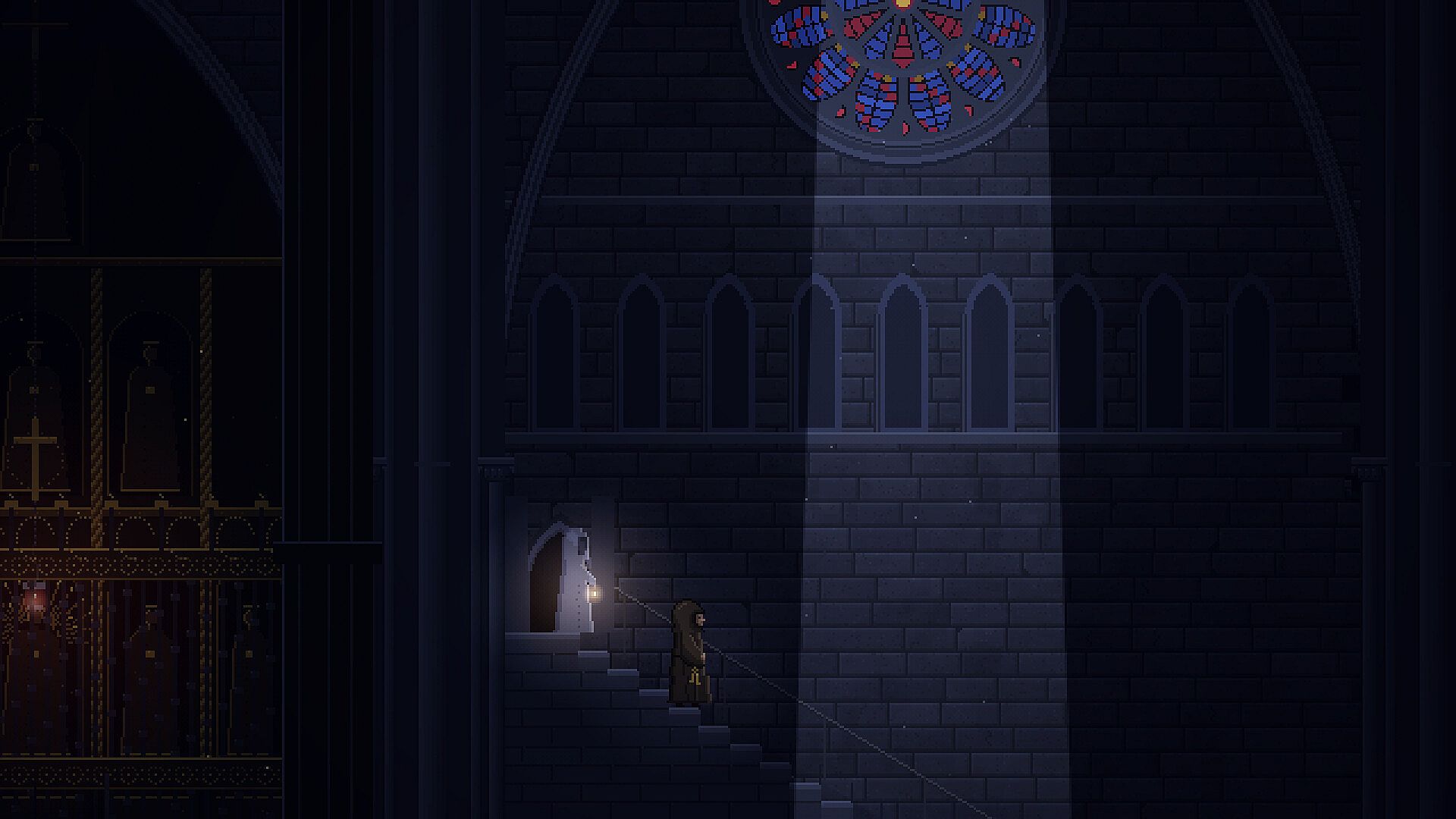
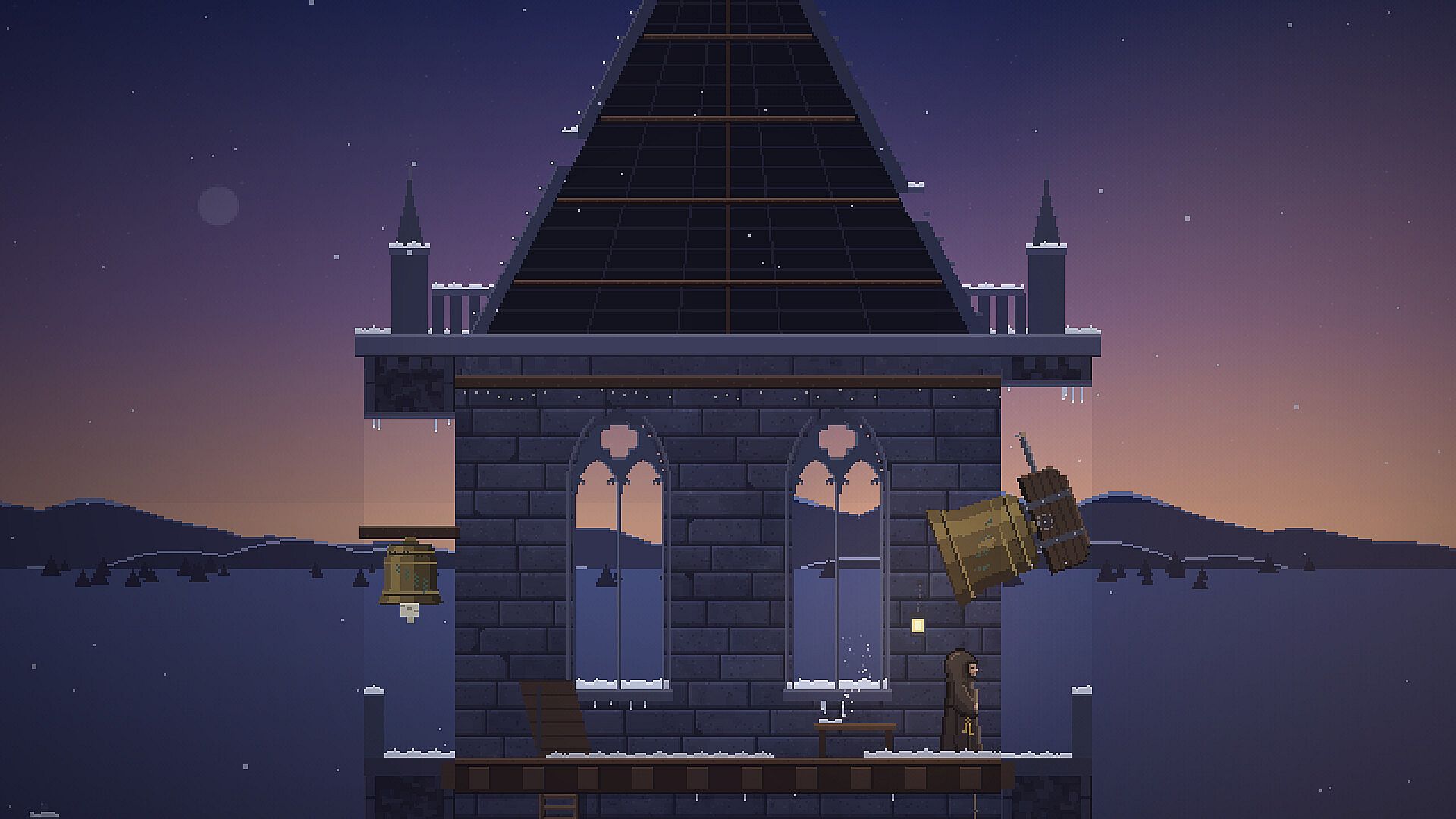
The setting forms a central part of the experience, with the monastery appearing dark and isolated under heavy snow. Every door stays shut, and knocks go unanswered at the start. Inhabitants wait throughout the building: a brother writes by candlelight in the library, a traveler sits before a cold stove in the guest house, and others linger in expectation of mercy. Deeper exploration reveals the architectural history embedded in the structure, creating a sense of time layered into the stone and rooms. The absence of singing leaves the space filled only with the sounds of the instruments that respond to the porter's deeds.
Is It Worth Playing?
Caritas Nocturna suits players who enjoy thoughtful, non-violent adventure games built around narrative interaction and environmental storytelling. The absence of combat or time pressure creates space for deliberate pacing and attention to detail in both physical tasks and dialogue choices. Those seeking a short, focused single-player experience that rewards observation and cause-and-effect mechanics will find the one-night structure engaging from start to finish. The game stands as a quiet indie title that prioritizes atmosphere and the weight of small acts over traditional action or progression systems.