


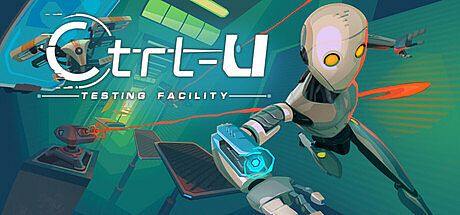


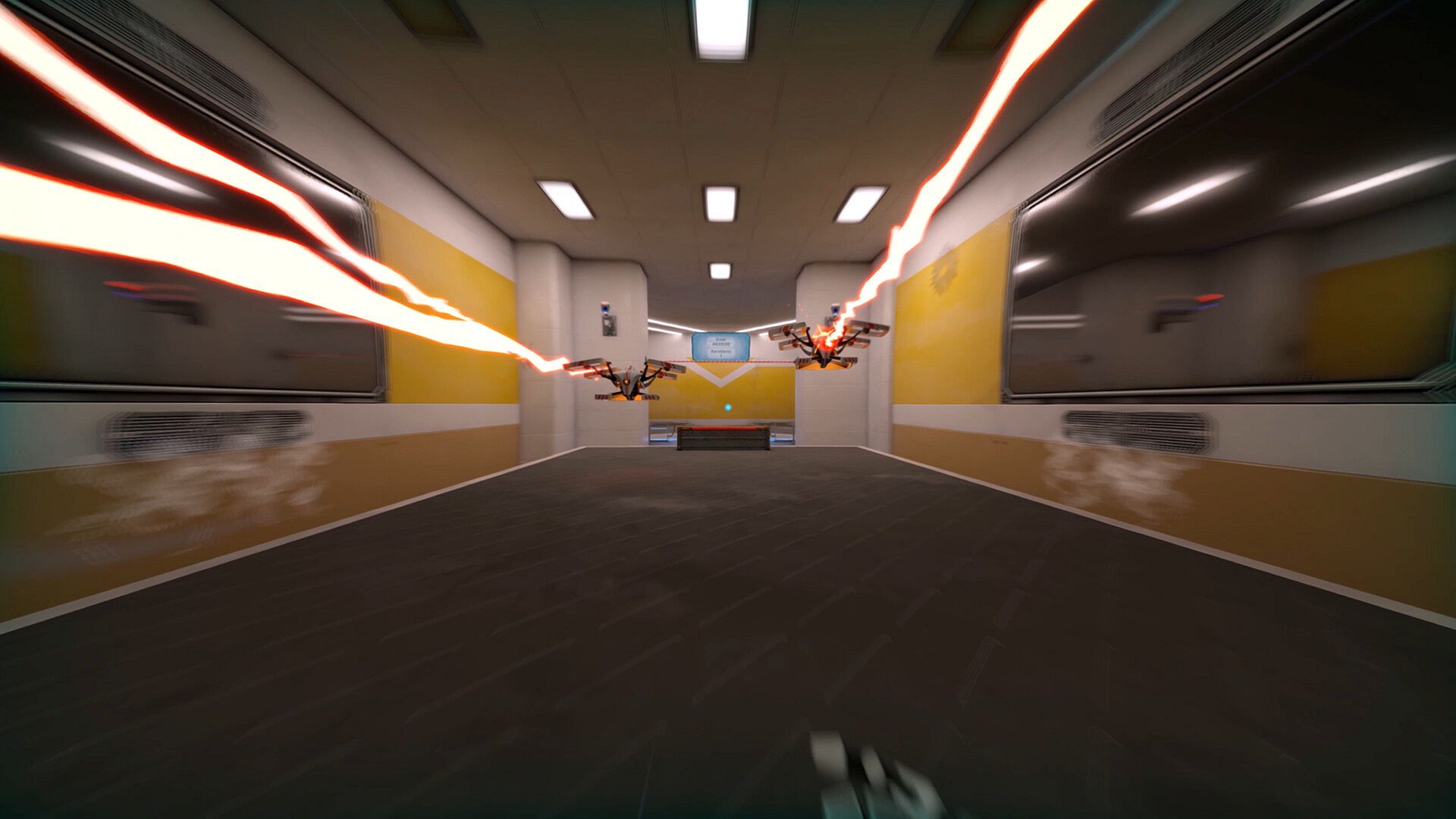
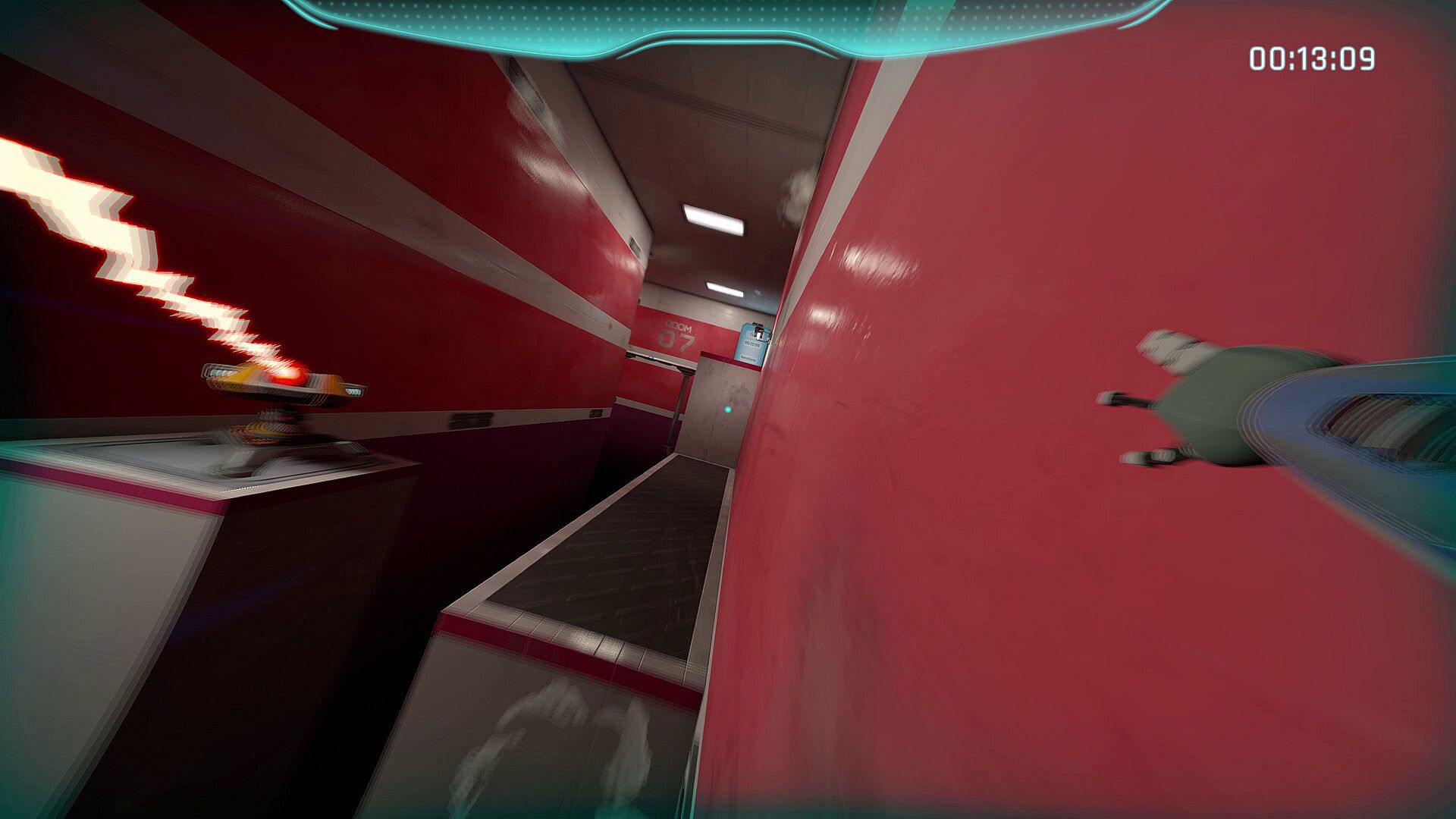
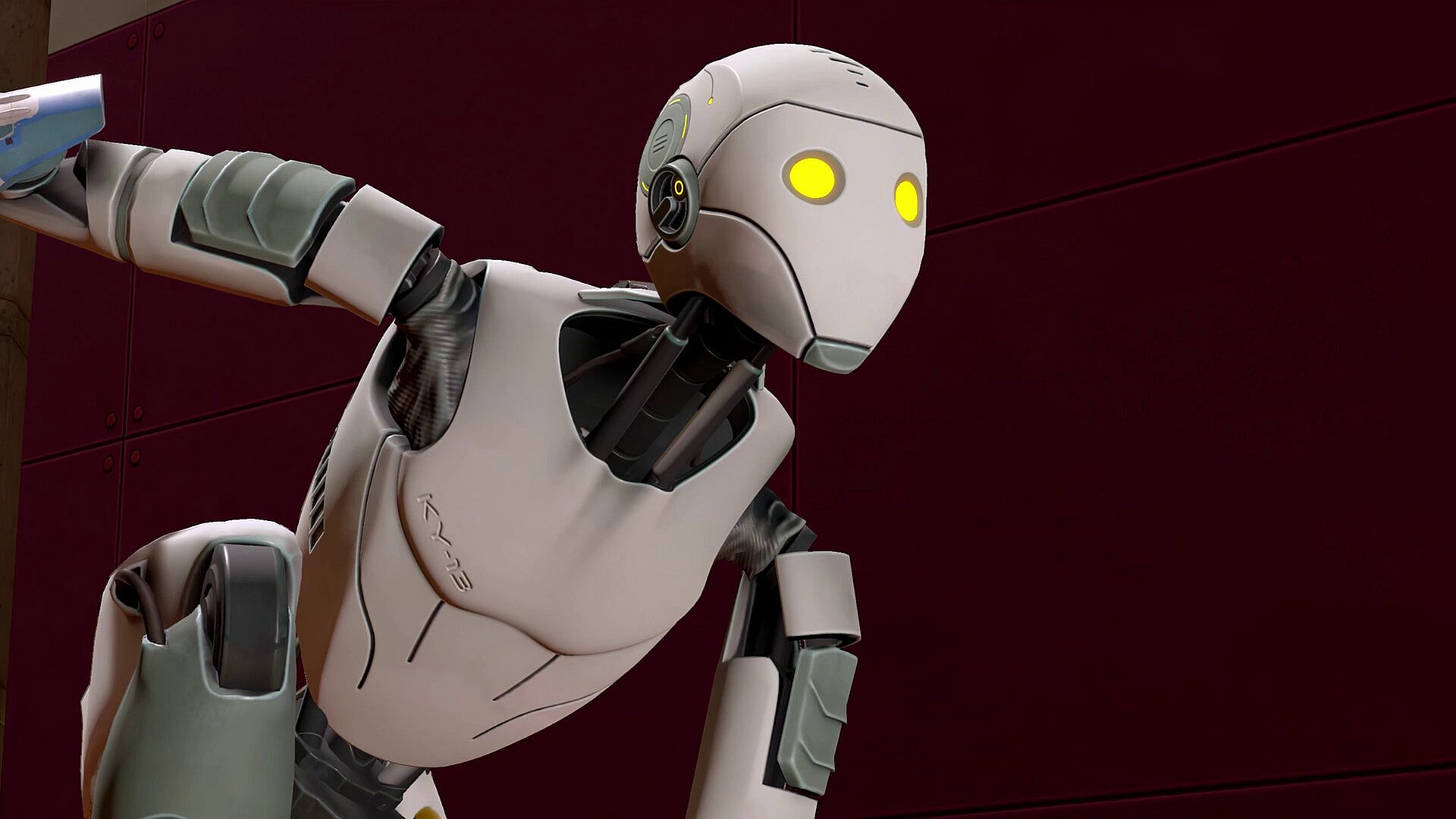
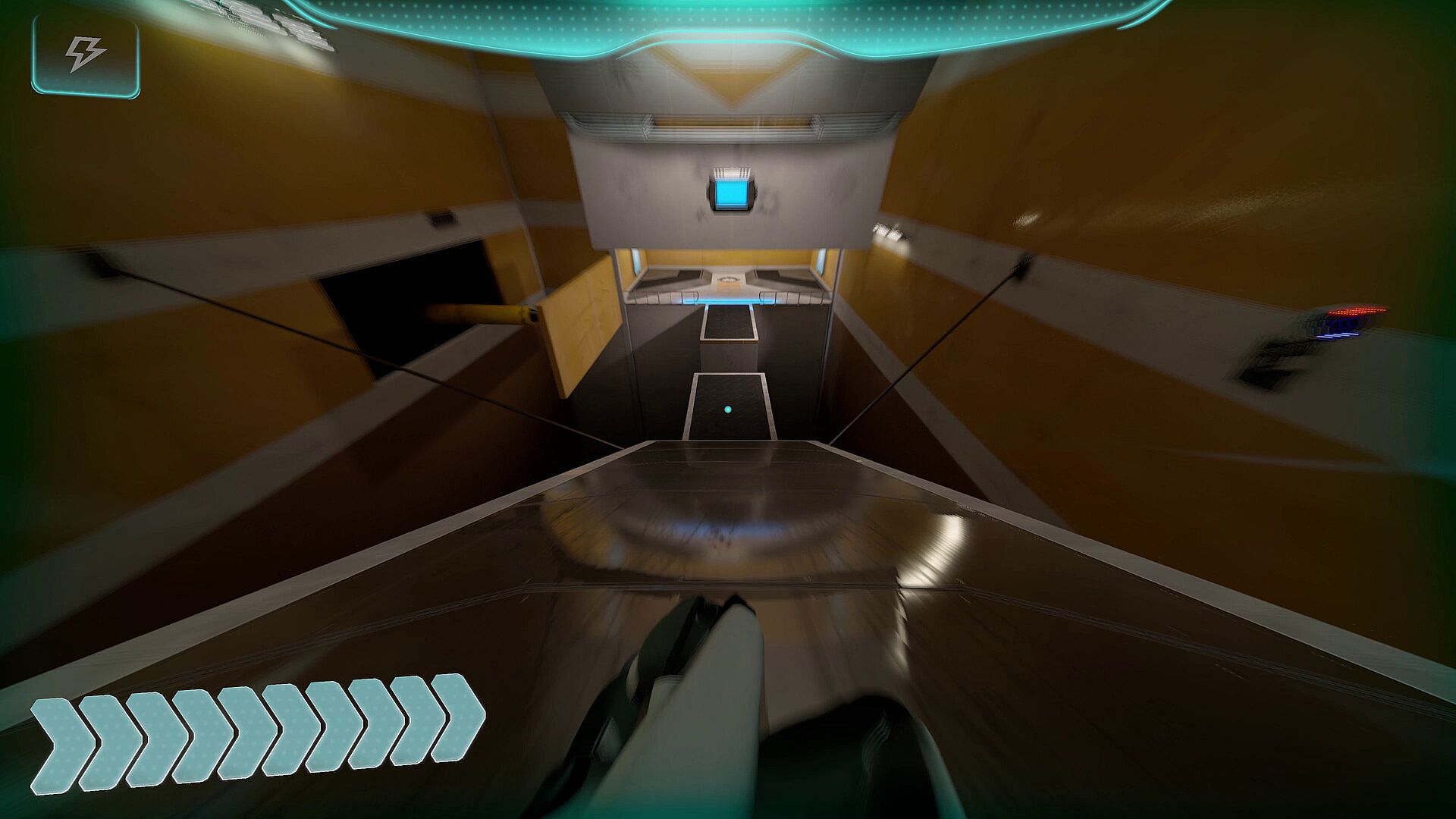
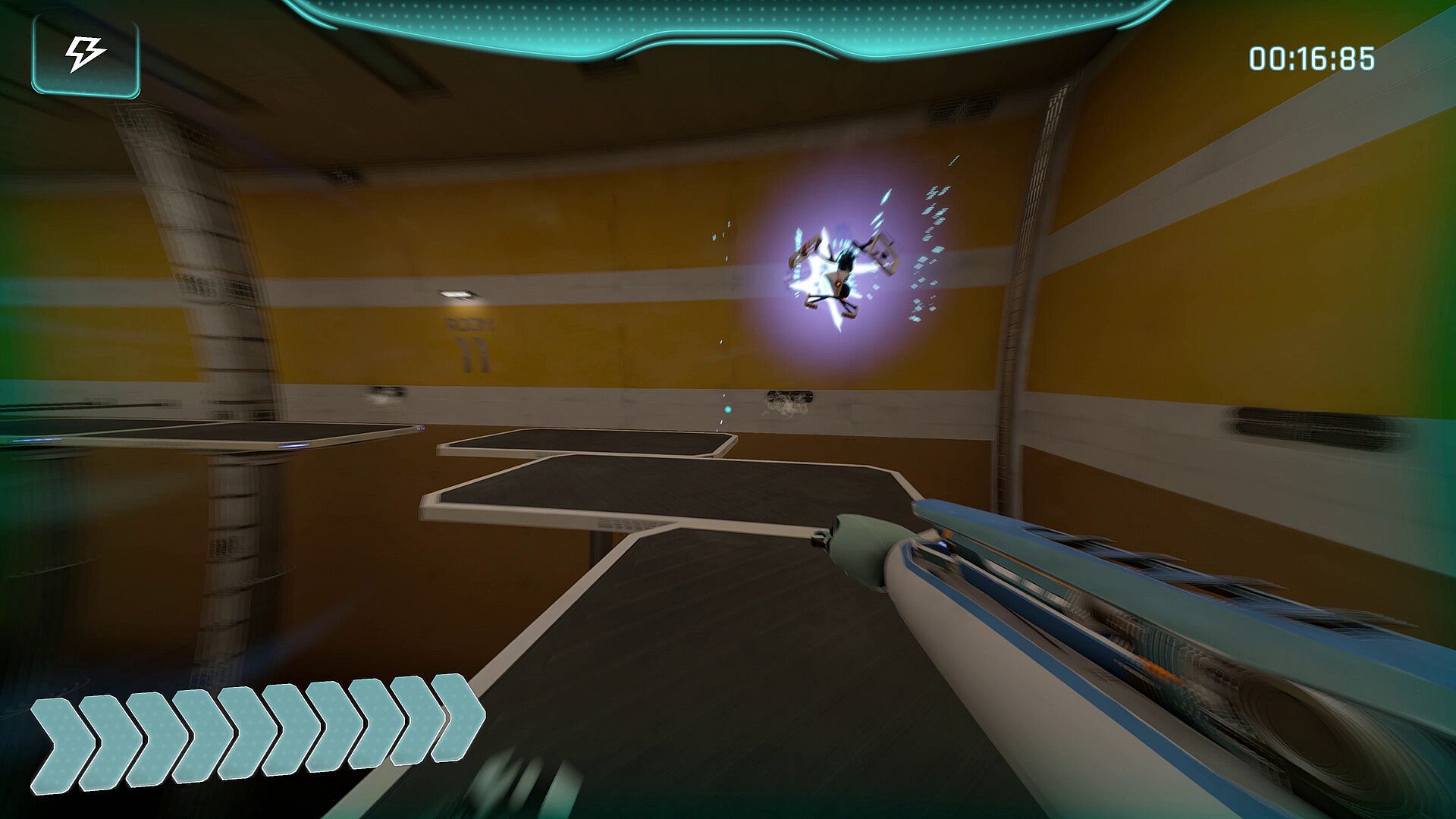
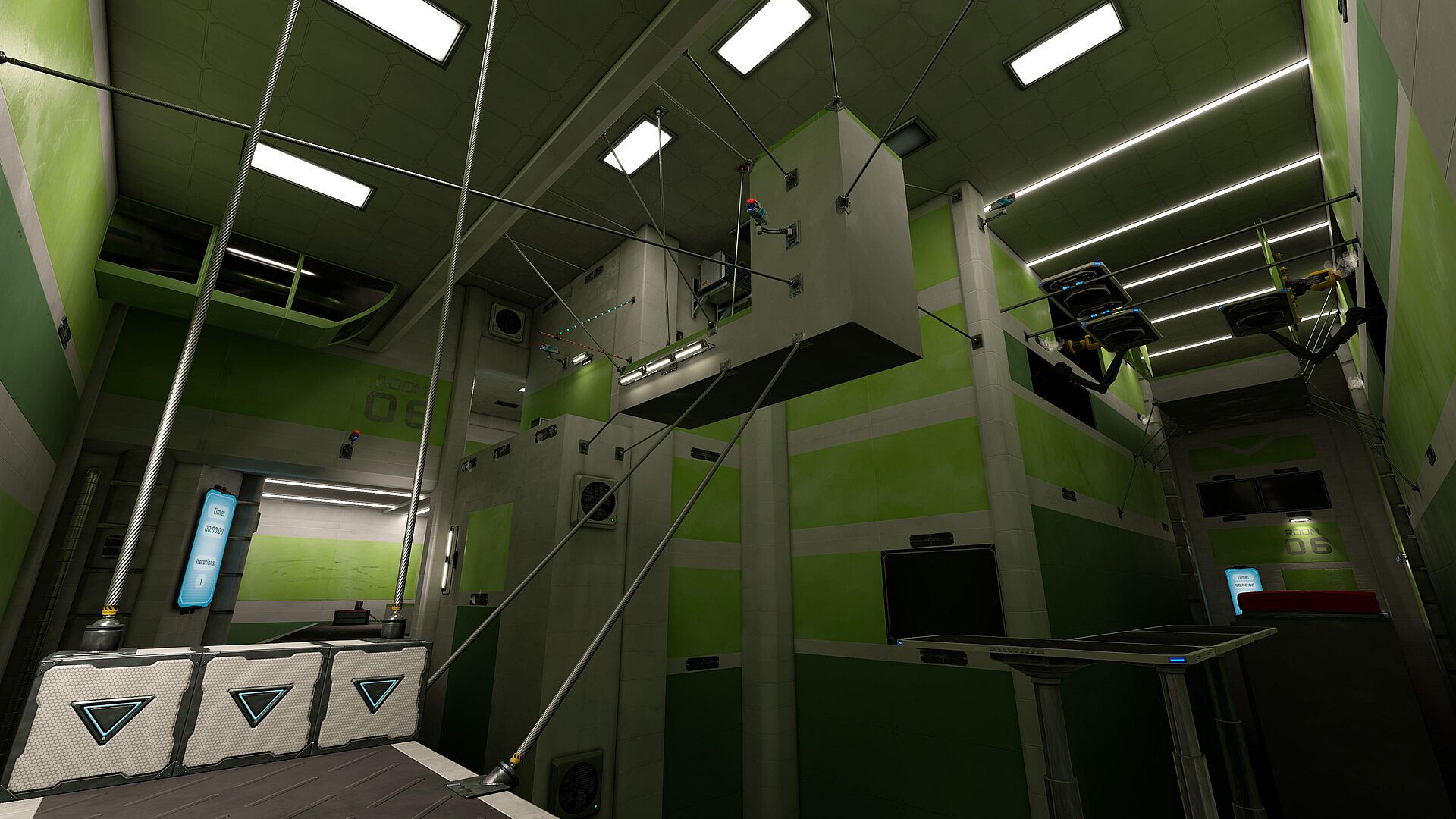
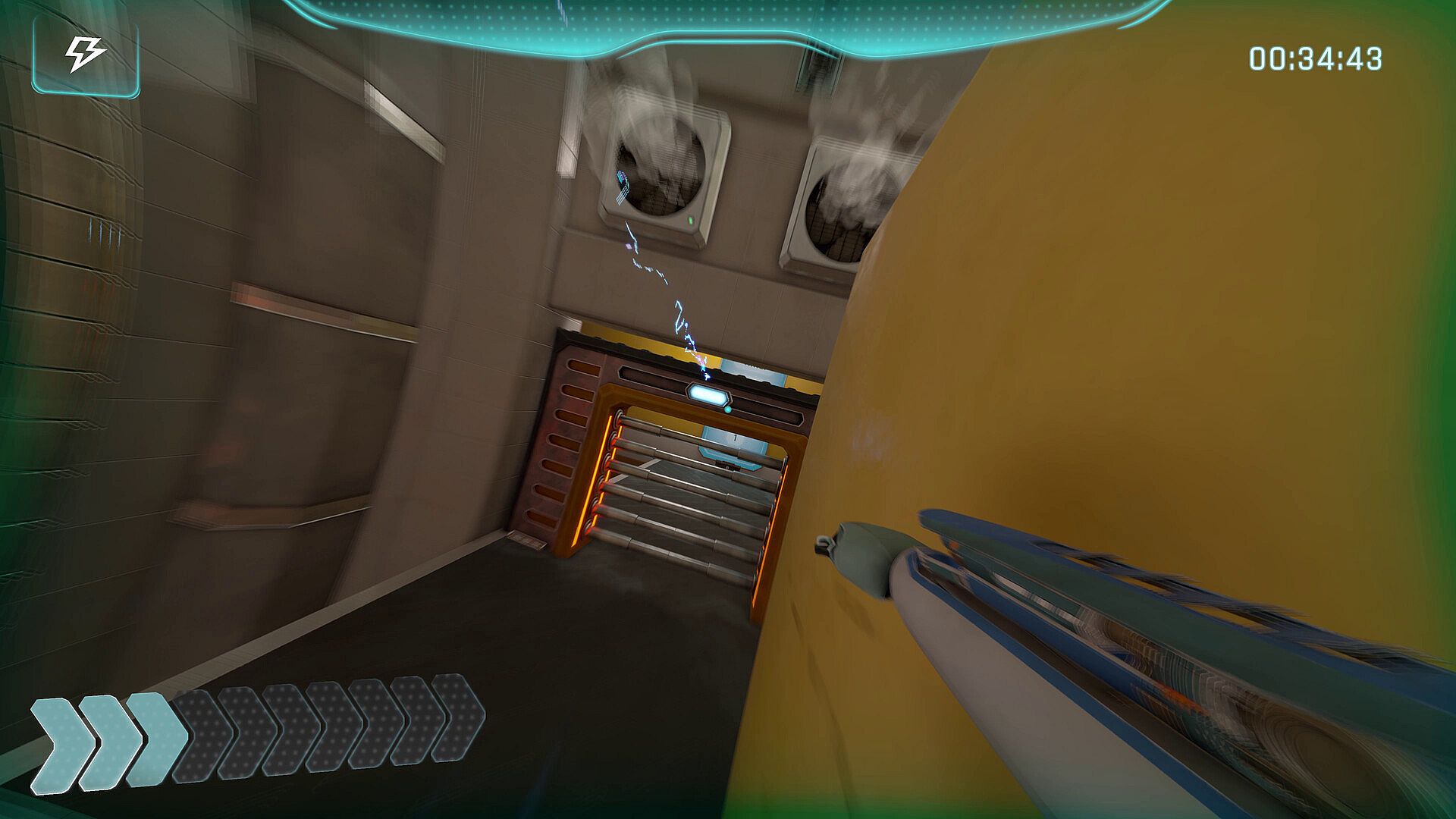
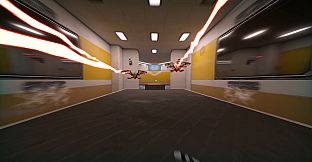
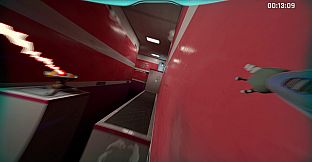
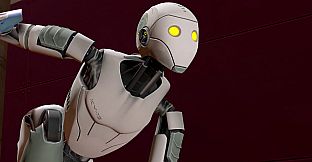
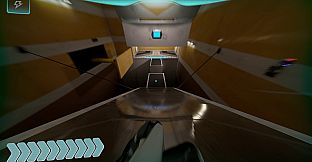
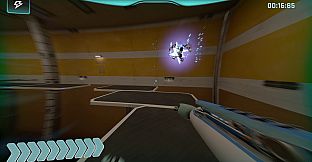
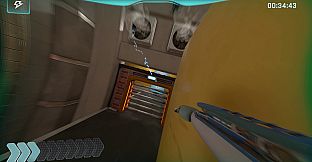
CTRL-U: Testing Facility is a single-player action indie adventure game that puts players in control of a prototype android built for speed and precision. This fast-paced platform parkour FPS emphasizes movement as the core loop, with shooting and tool use integrated into time trial challenges set inside a controlled testing environment.
Gameplay
The experience centers on running, jumping, and maintaining momentum through obstacle-filled courses while engaging enemies and environmental hazards. Speed directly influences survival and resource management, as reaching maximum velocity triggers a Flow state that recharges the android's battery and lowers the risk of incoming damage. A modular emitter built into the robotic arm handles multiple tasks, from activating switches and opening routes to neutralizing threats, though careful aiming avoids unintended interference with critical systems.
Processor boost provides a temporary slowdown of time, allowing tighter control during complex sequences of jumps and shots. Battery conservation becomes essential, since overuse drains reserves without natural replenishment in the sterile test chambers. Each run encourages refinement of movement patterns, with the goal of shaving seconds off previous attempts through smoother navigation and efficient enemy clears.
Game Modes
Core play revolves around a series of test courses designed as time trials. Players navigate increasingly demanding layouts filled with platforms, narrow beams, moving elements, and hostile units, aiming to complete every segment in the shortest possible duration. Improvement comes from repeated attempts that build familiarity with layouts and optimize paths, with no separate multiplayer or cooperative options available.
The structure supports focused practice on individual segments or full runs, pushing the K-Series prototype through varied challenges that test agility, timing, and combat efficiency under pressure. Success metrics track completion times, rewarding consistent performance across multiple attempts.
Setting and Progression
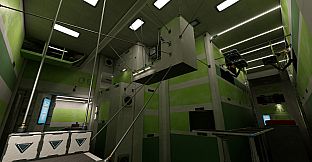
Trenton Fluidics serves as the backdrop, presenting a clinical industrial facility stripped of unnecessary features to isolate the android's capabilities. The narrative frames the player as the flagship product of an advanced robotics program, with progression tied to mastering the prototype's systems rather than traditional leveling. Environmental interactions highlight the emitter's versatility while underscoring the risks of misdirected use in sensitive areas.
Hand-painted visuals combined with realistic lighting create a distinctive look that emphasizes functional spaces over decorative detail. The single-player campaign focuses on internal evolution of the android through repeated testing, revealing more about its design limits and potential as runs accumulate.
Is It Worth Playing?
This title targets players who enjoy high-speed movement shooters and precision platforming in a single-player format. Its emphasis on chaining fluid motion with targeted shooting and tool deployment creates a tight feedback loop suited to those who value personal best times and iterative improvement. As an upcoming release with a playtest option available, it offers early insight into mechanics that reward practice and spatial awareness without additional content layers at launch.
Fans of indie action experiences built around momentum and resource timing will find the core systems align closely with that preference. The absence of confirmed post-launch updates or community metrics at this stage means expectations should center on the verified parkour FPS foundation rather than expanded features.












