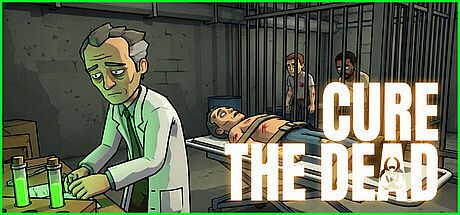


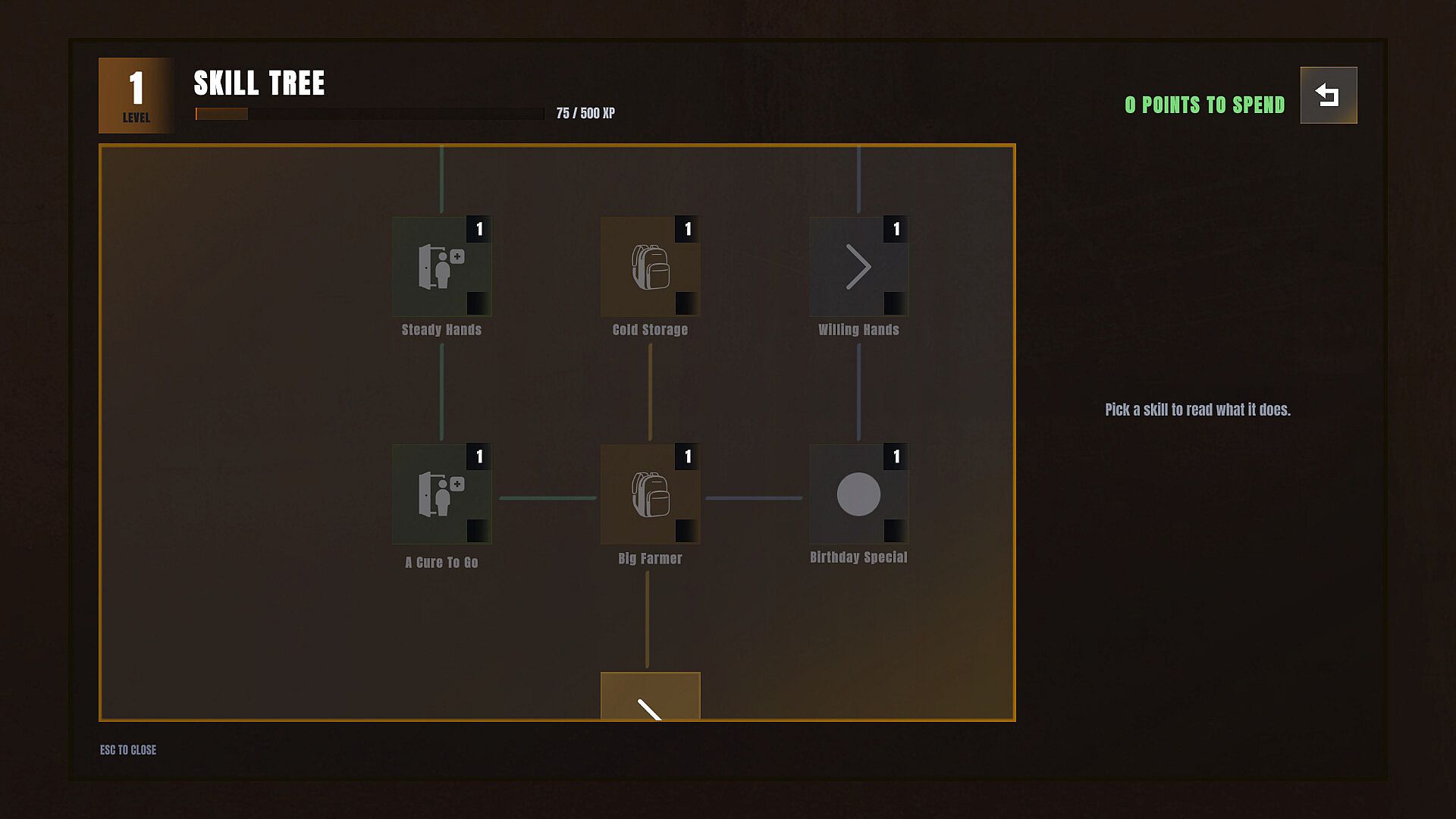
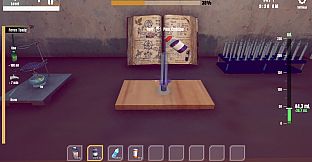
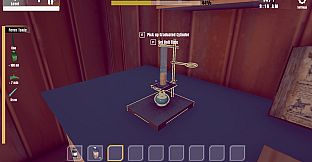

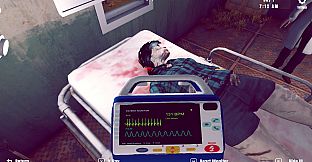
Cure The Dead is a single player simulation game that blends precise remedy crafting with colony management in a post-apocalyptic setting. Players diagnose the infected, prepare cures through hands-on chemistry at a workbench, and maintain a struggling village of survivors across changing seasons. The experience emphasizes careful resource decisions and physical crafting rather than automated systems or menus.
Gameplay
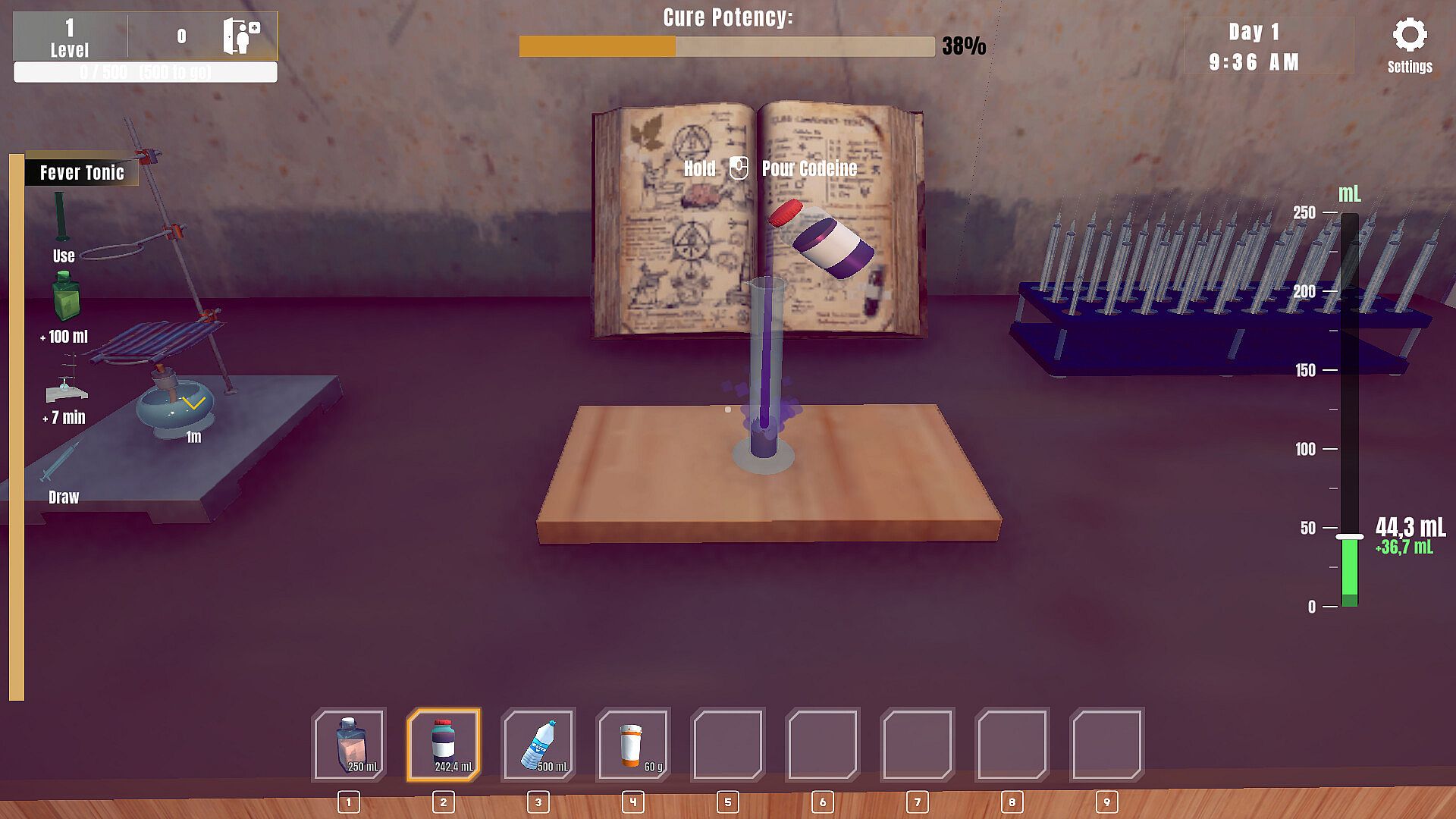
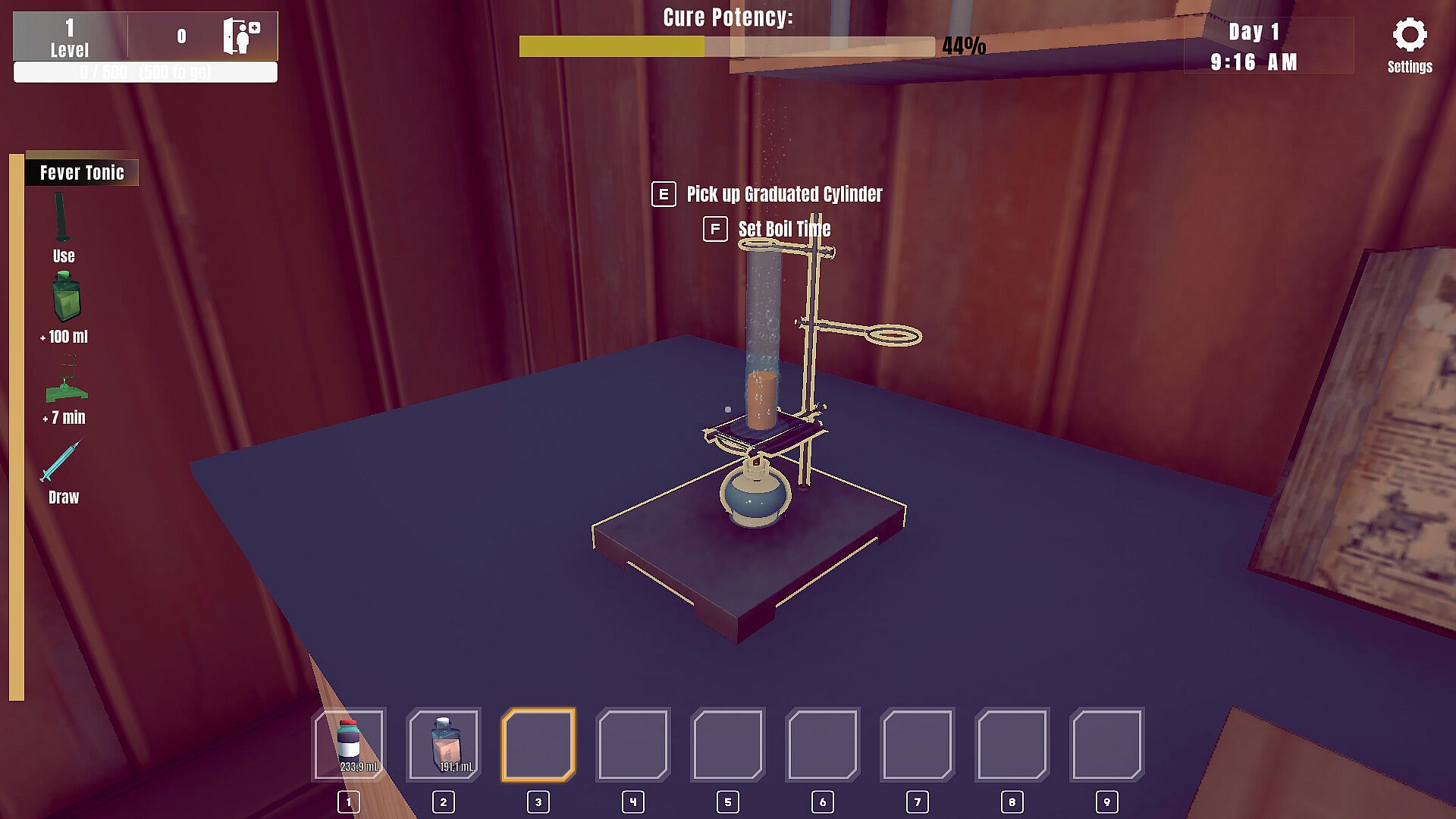
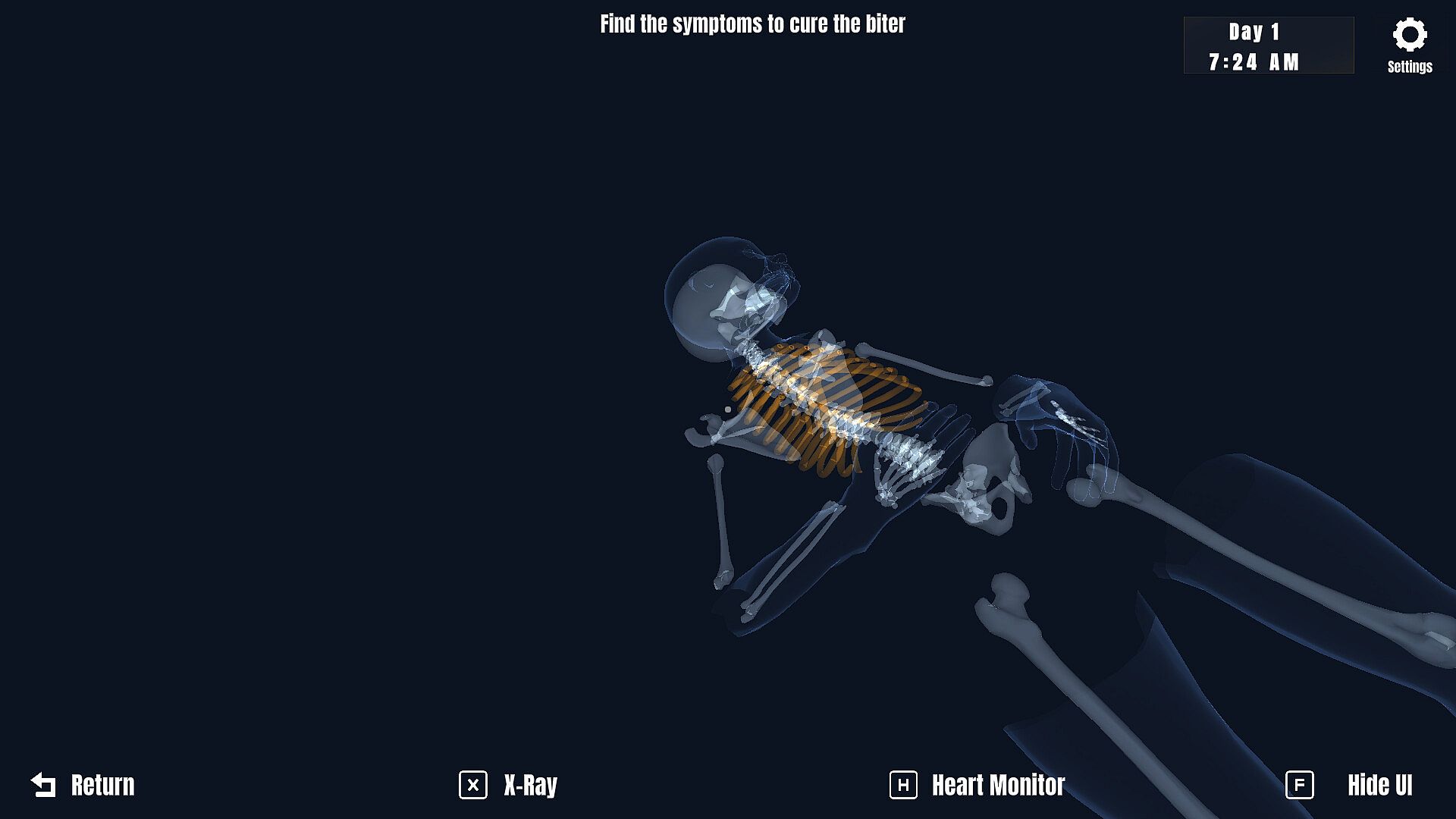
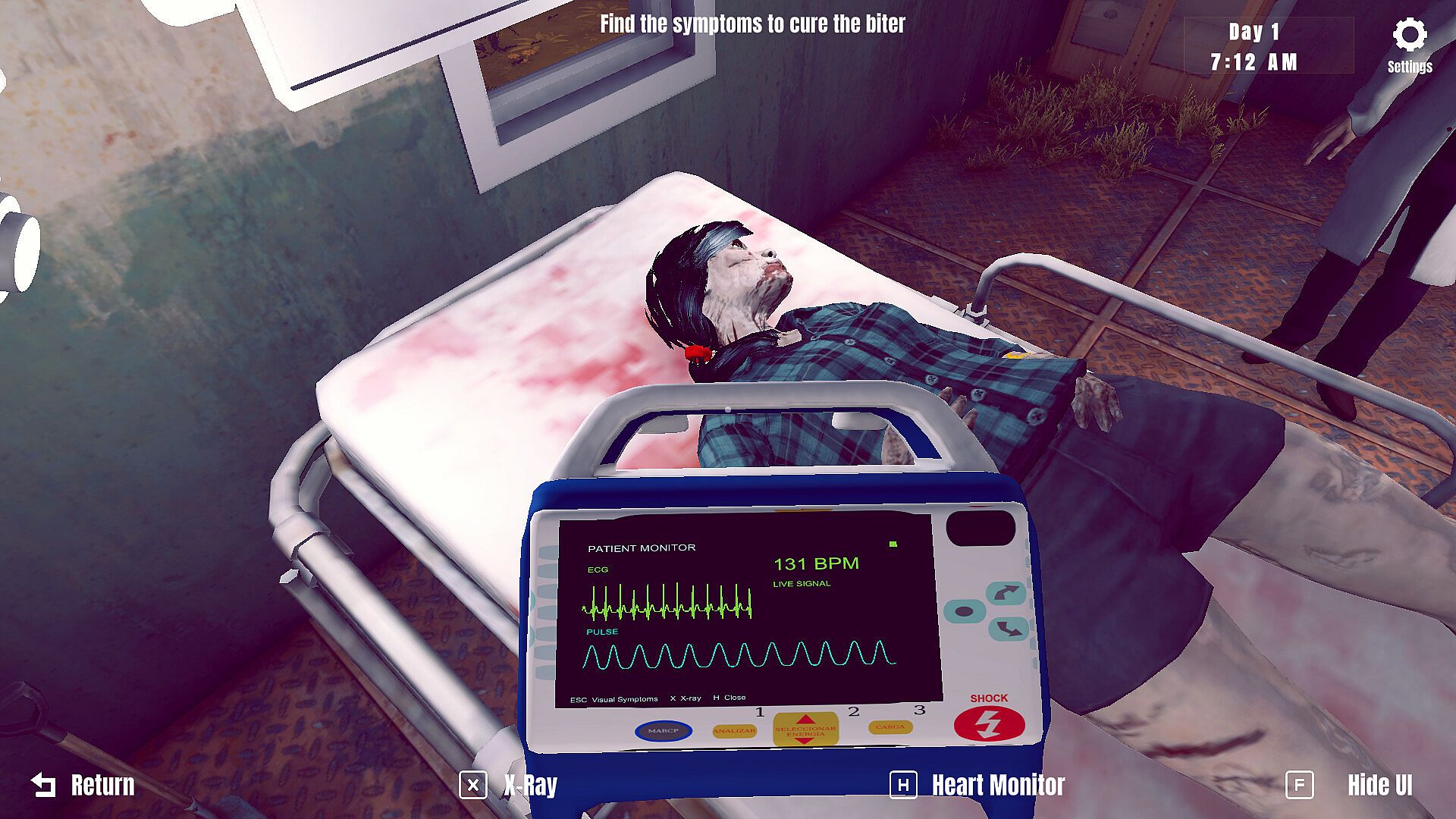
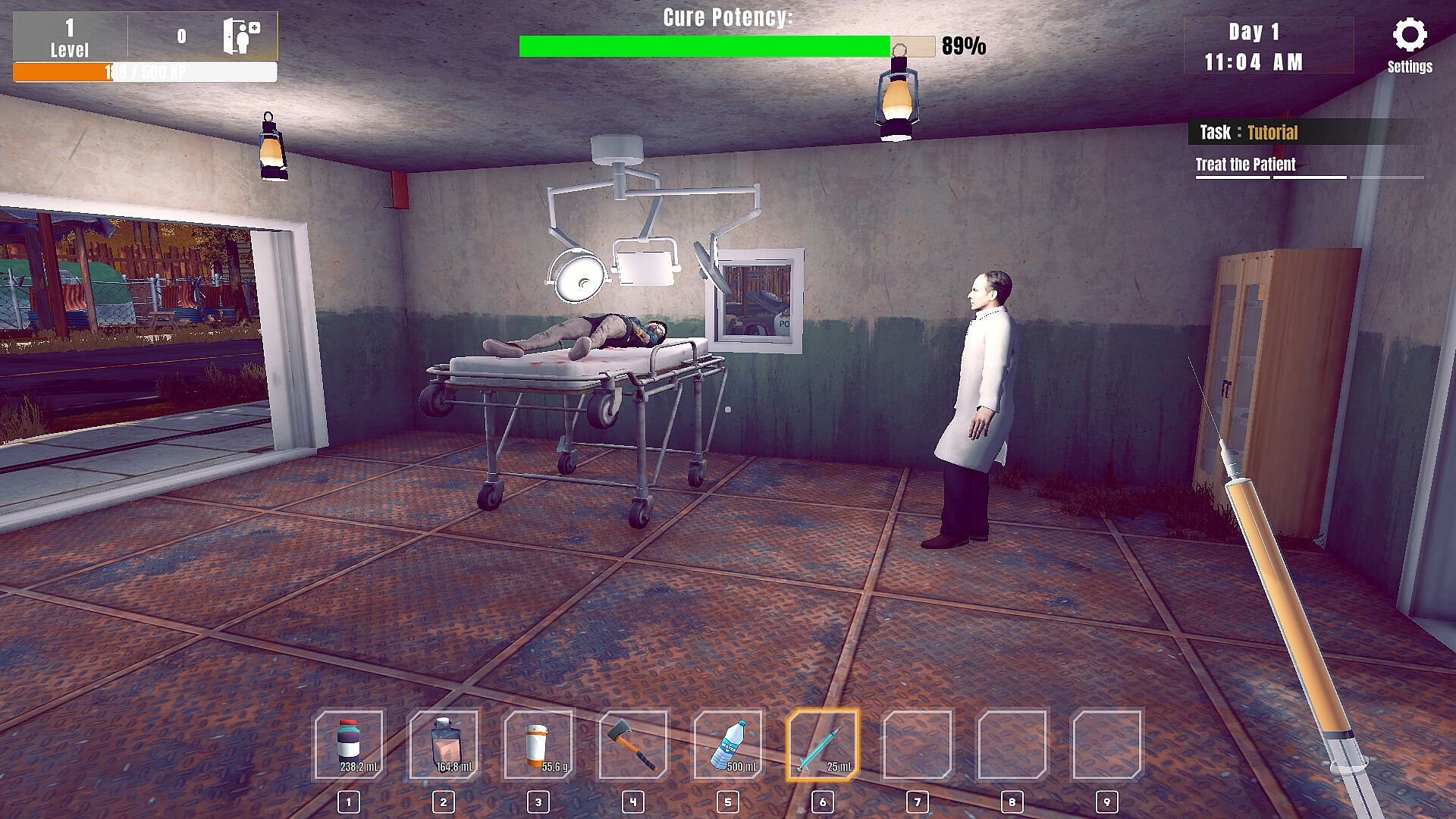
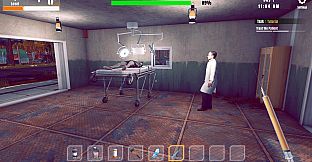
The core loop centers on receiving infected patients each day and determining their condition through diagnosis. Once assessed, the player moves to the workbench to mix remedies manually. Glassware is arranged on the bench, powders are measured by the gram, and liquids are poured by the millilitre. Reactions are observed in real time as colors shift, and incorrect proportions become apparent only when the cure is tested on the patient. Successful cures allow survivors to enter the village workforce, while failures require further decisions at the bedside.
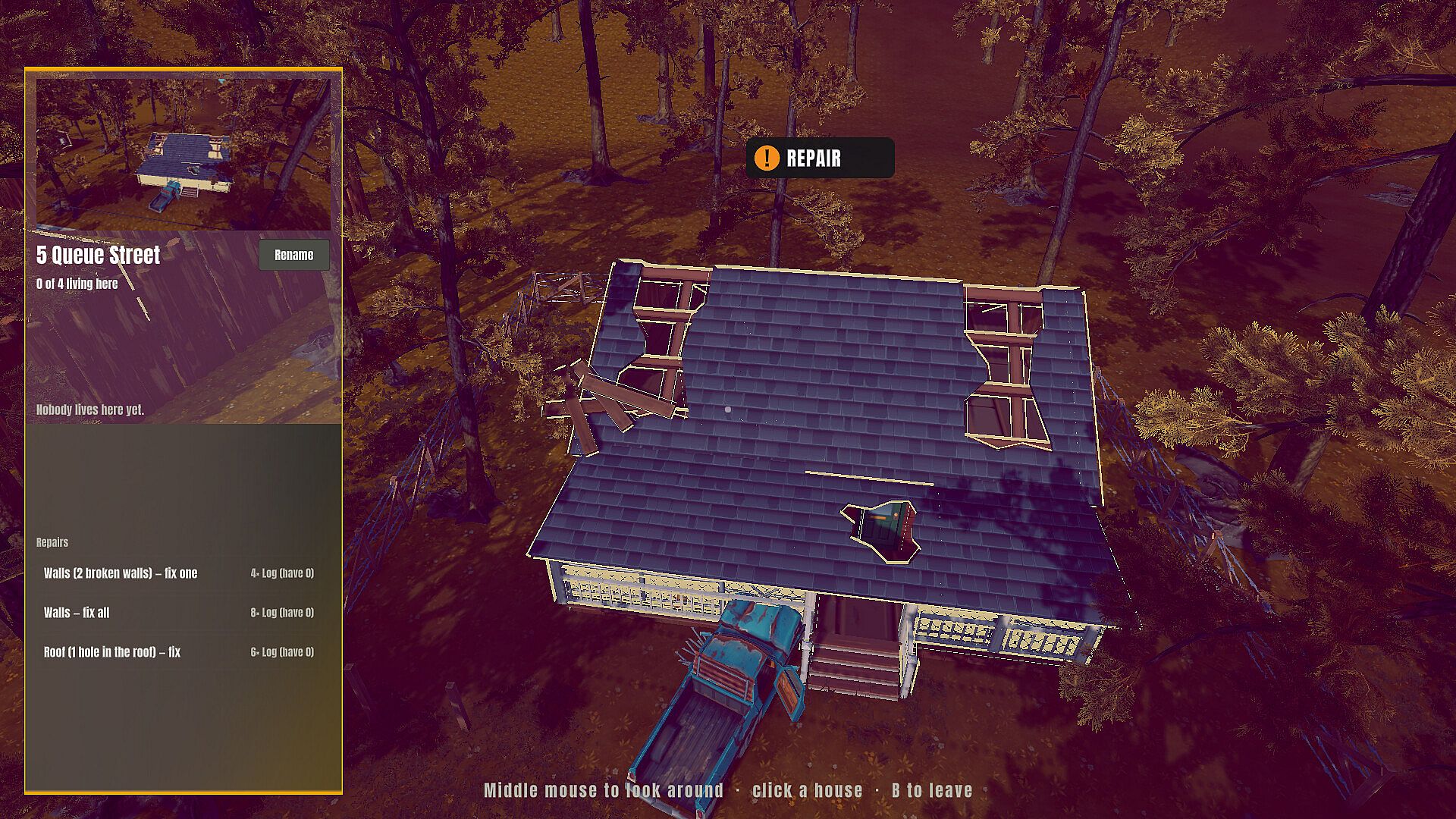
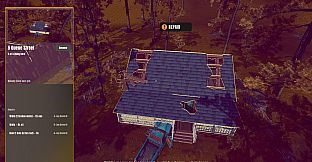
Outside the ward, attention turns to the settlement itself. Houses must be repaired to restore living space and productivity for residents. Walls require ongoing maintenance to hold against external threats. Crops planted in one season determine available compounds for the next, linking agricultural choices directly to crafting options. Survivors perform jobs that sustain the group through weather shifts and seasonal changes, creating a closed loop where village condition affects overall stability.
Every action carries tangible consequences. Overlooking a repair can reduce output from workers, while a poorly mixed cure might lead to relapse inside the walls. The systems reward precision in measurement and foresight in planning rather than rapid clicking or menu navigation.
Game Modes
The game operates entirely in single player. There are no separate modes listed beyond the integrated simulation experience that combines patient care, crafting, and village upkeep in one continuous session. Progression occurs through repeated daily cycles of diagnosis and crafting, with village development serving as the long-term focus. No multiplayer, competitive, or co-operative variants appear in the available details.
Village Management and Survival Elements
Survivors who receive cures contribute labor that supports food production and infrastructure. Houses restored through repairs provide both shelter and work assignments, directly tying building efforts to resource flow. Seasonal cycles influence crop yields and the availability of natural compounds for remedies, forcing players to balance immediate crafting needs against future supply. Damage to walls or structures accumulates over time, requiring consistent attention to prevent larger breakdowns. The interplay between patient outcomes and village health forms the central tension, as each cured individual adds to the population that must then be fed and housed.
Is It Worth Playing?
Cure The Dead remains in development with a planned Early Access release in November 2026. The described systems offer a focused single player experience for those interested in deliberate crafting mechanics and interconnected simulation layers. The absence of automated progress bars or preset recipes places emphasis on player skill at the bench, while village tasks add layers of ongoing maintenance and seasonal planning. With no user reviews available yet and content still expanding, the title suits players comfortable with early-stage titles who value precise, hands-on systems over polished narratives or multiple play styles. Those drawn to strategy and simulation genres may find the core loop rewarding once the game reaches a more complete state.