

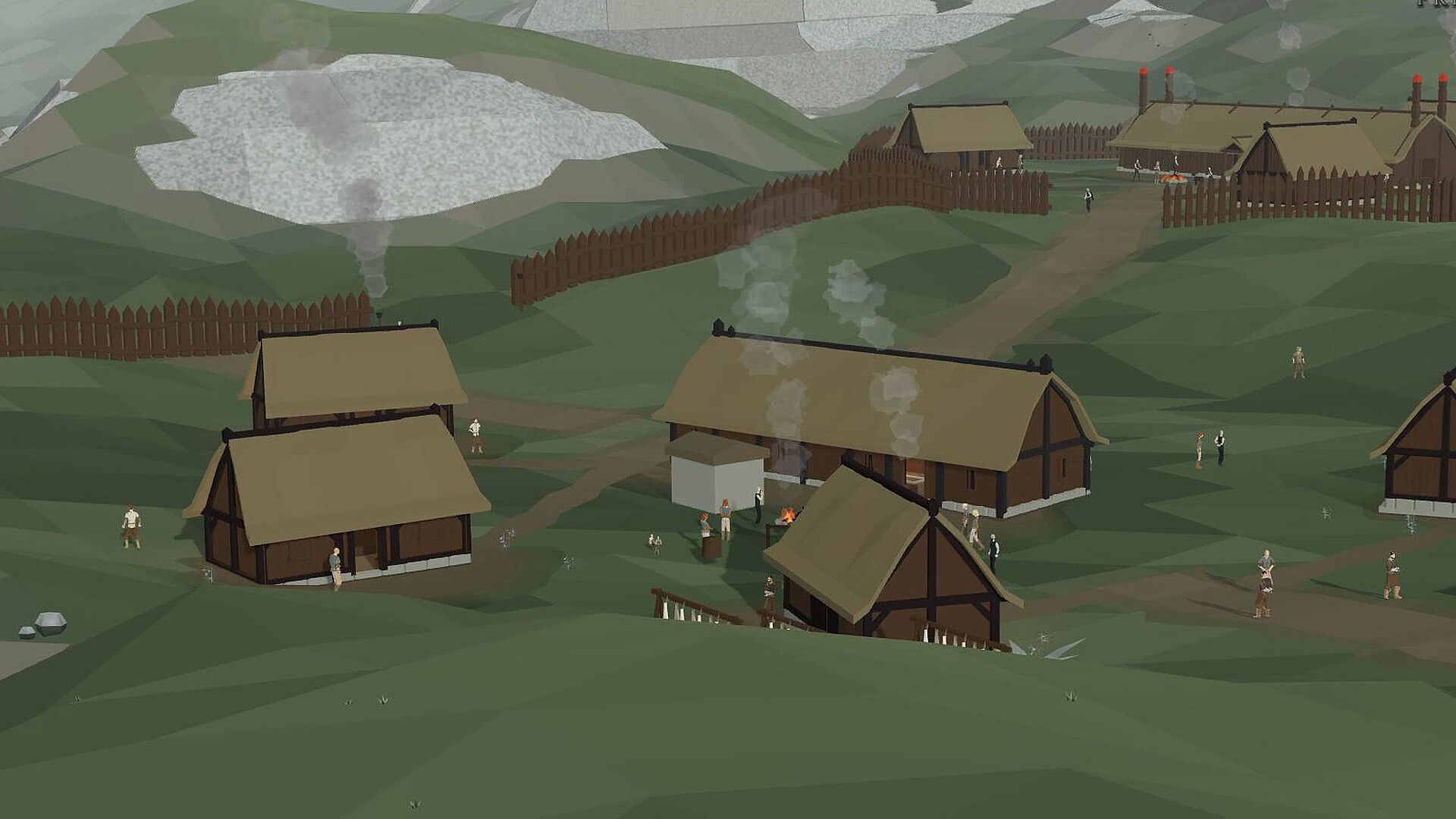
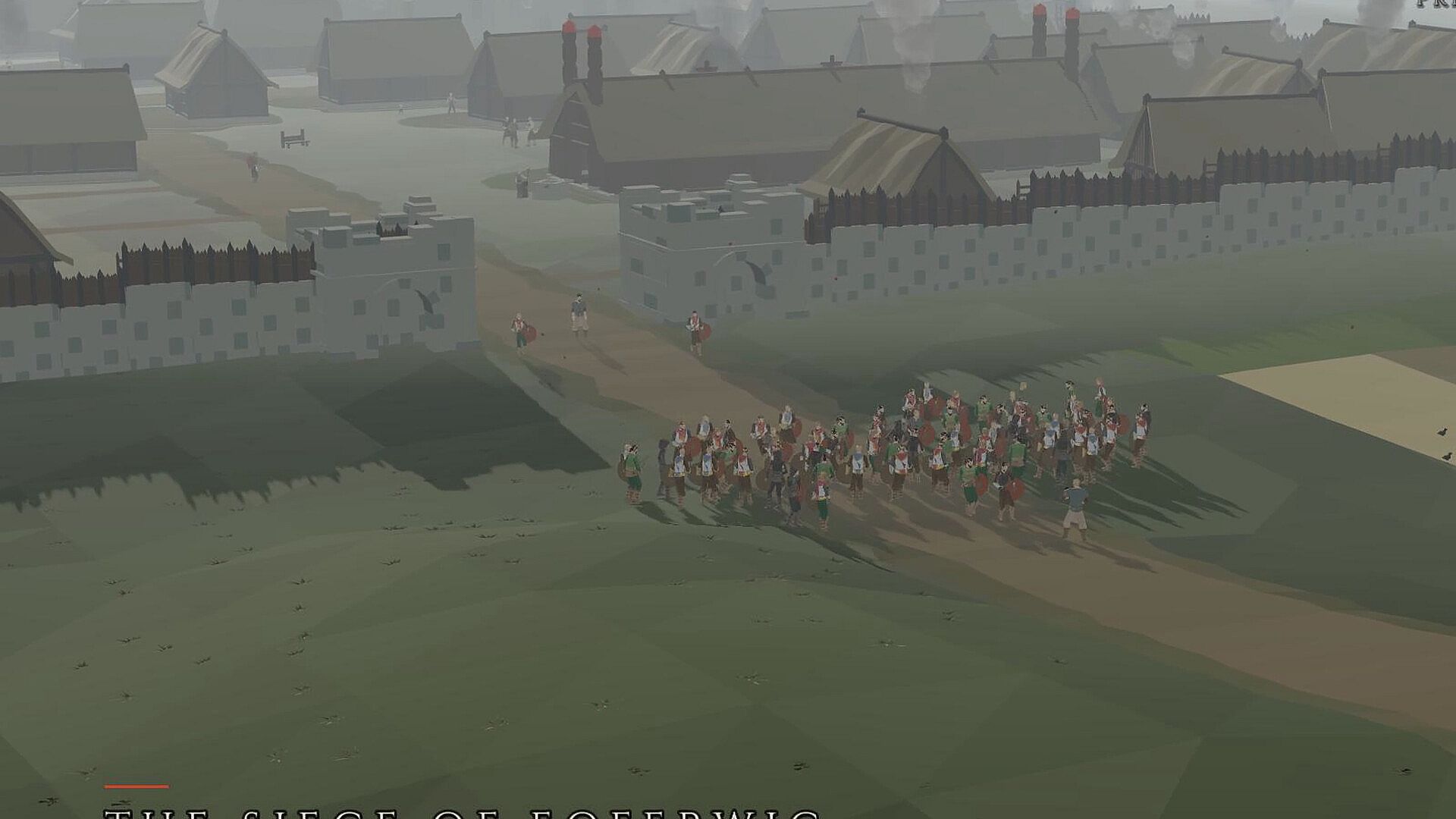
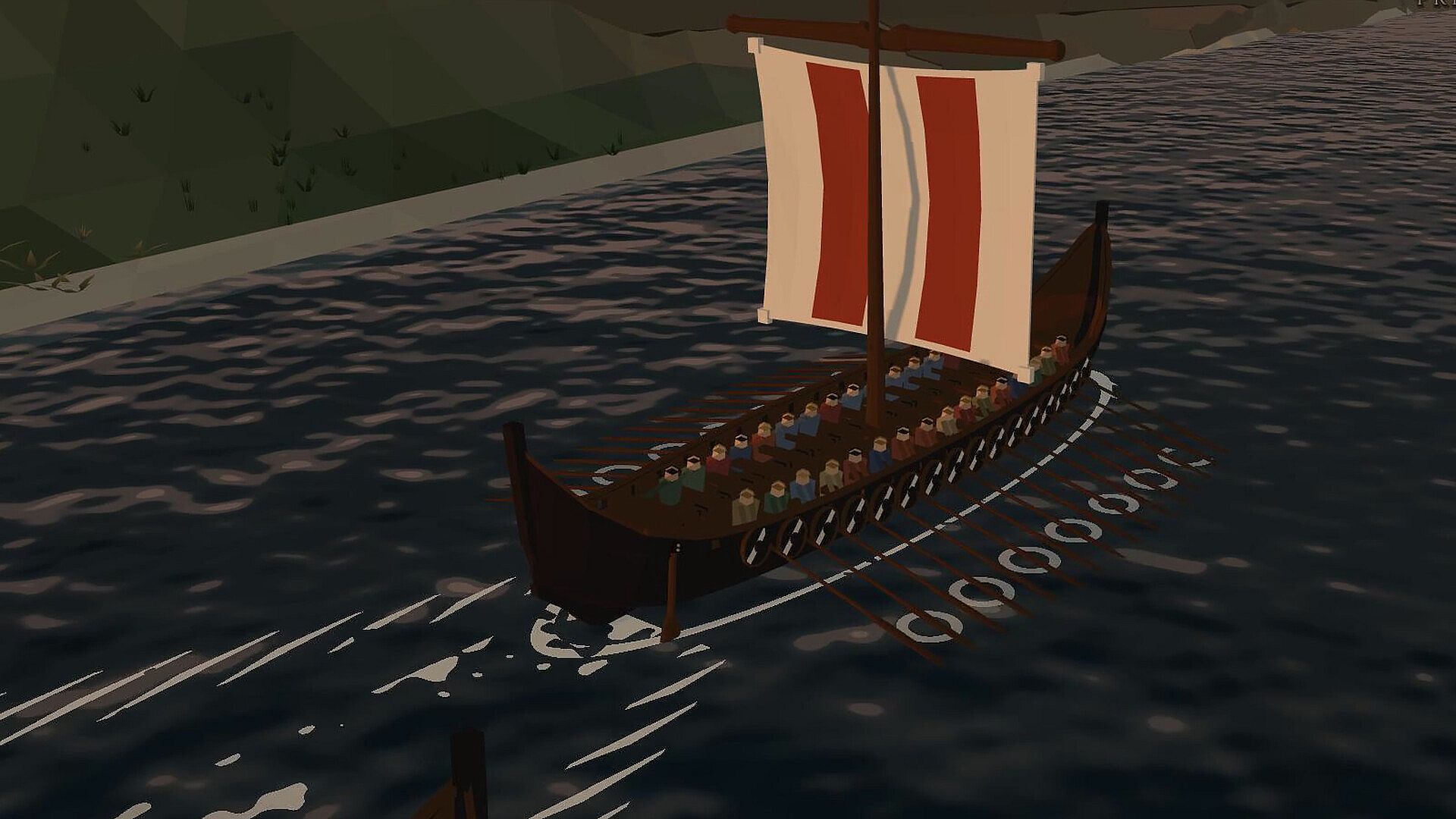

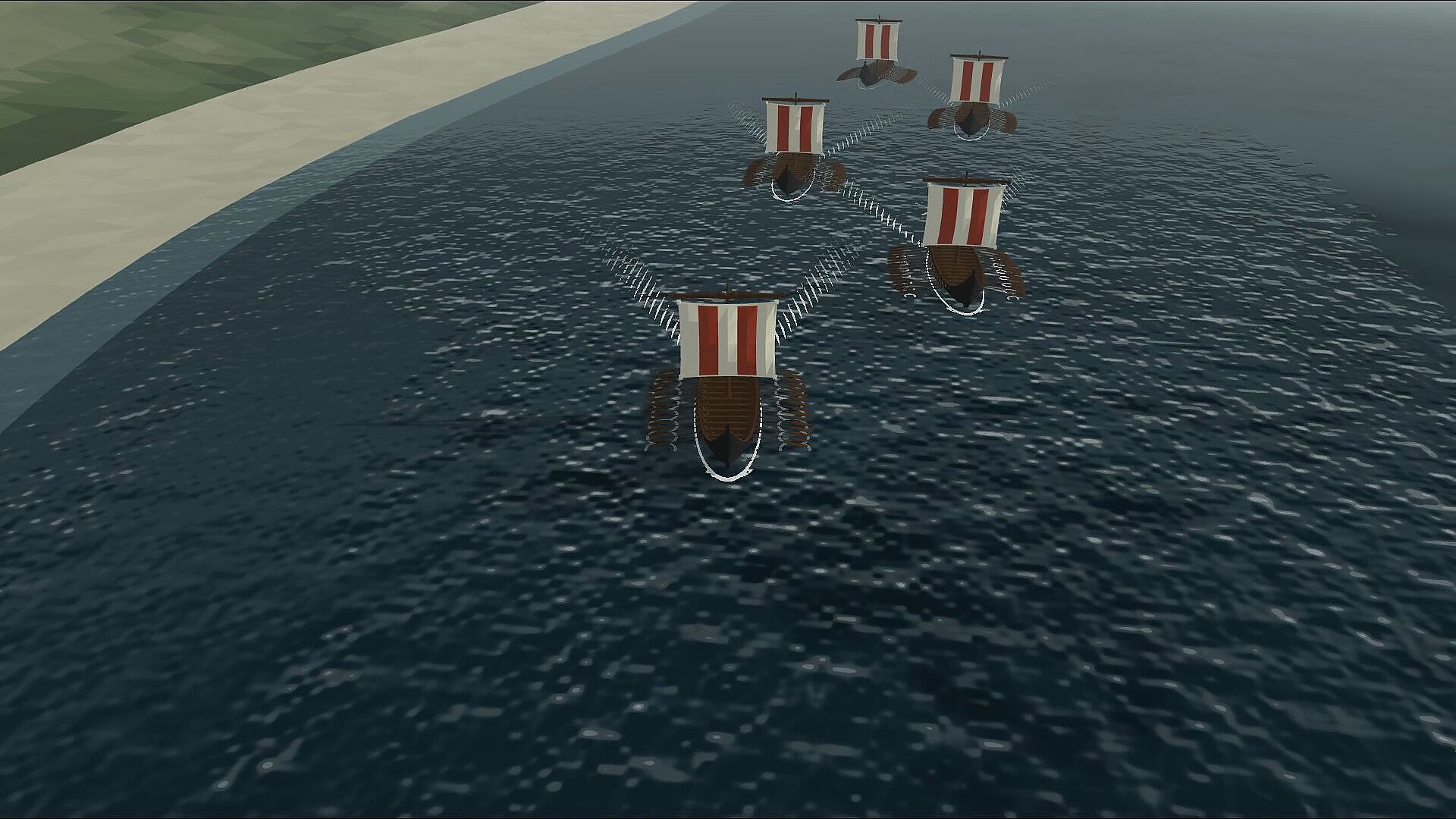
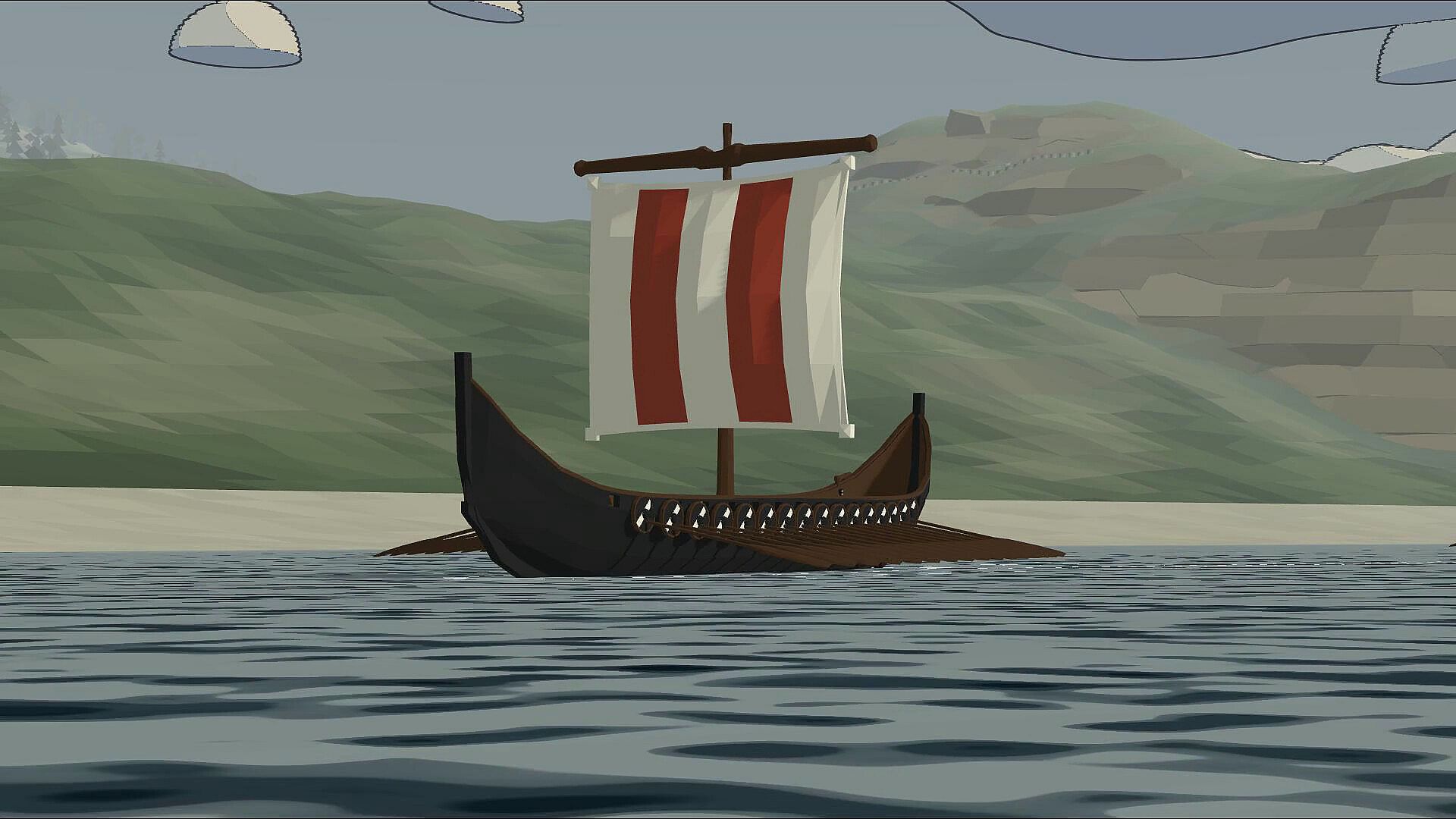
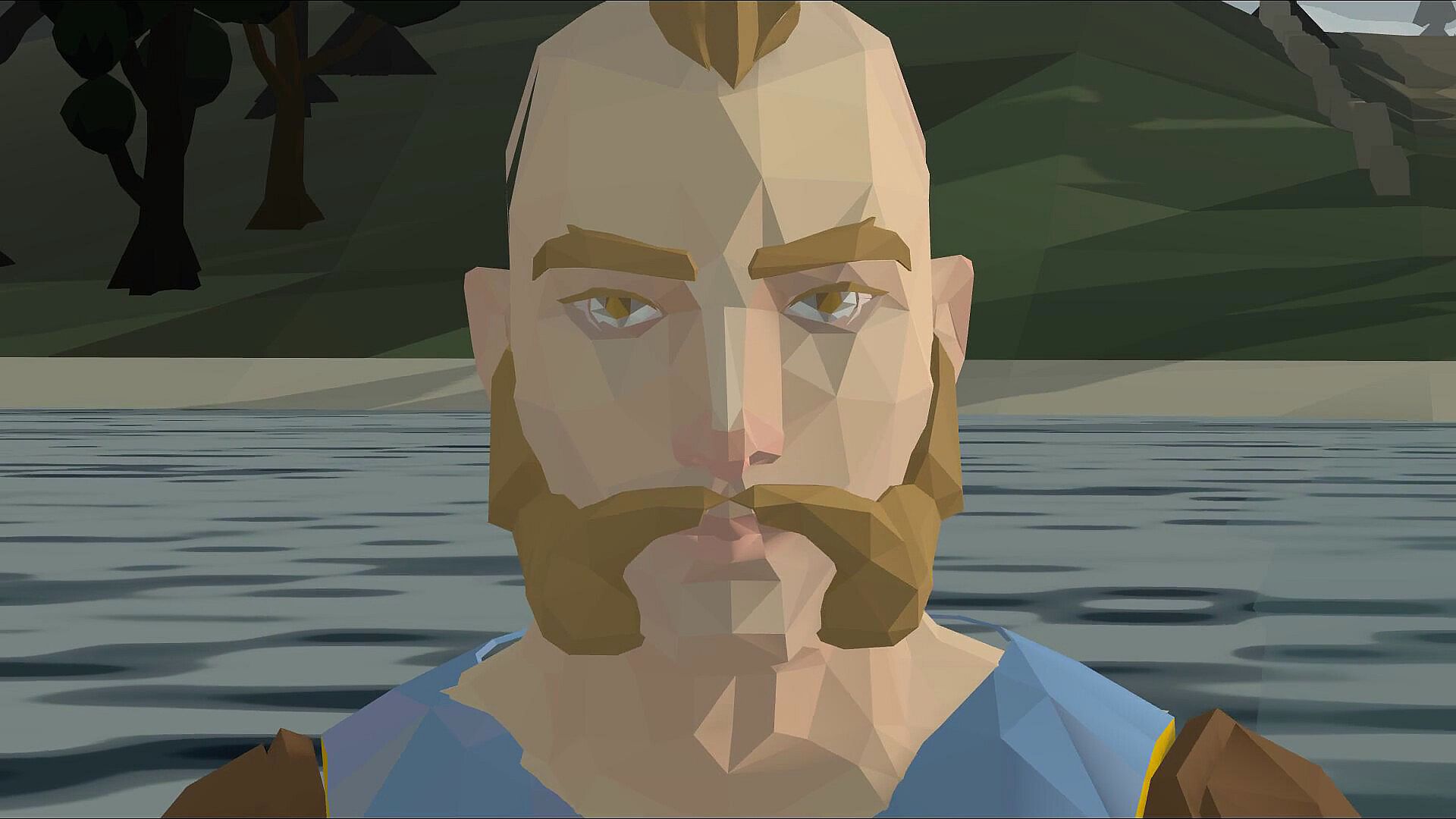
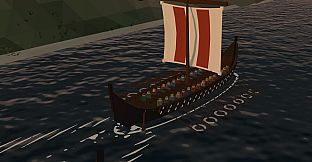
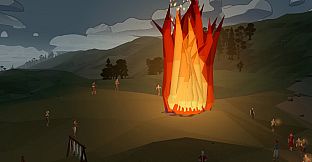

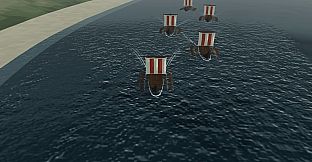
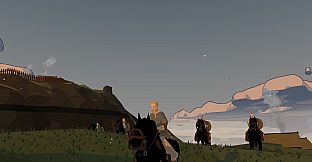
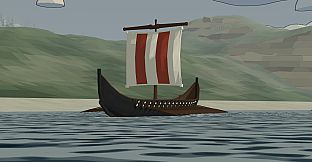
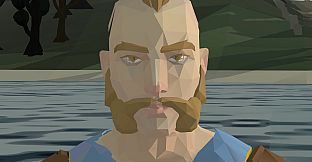
Danelaw is an action, indie, RPG and adventure game set on PC during the Viking invasions of ninth-century England. Players begin as the lowest member of a Danish war-band landing at the Tyne in Northumbria amid the Great Heathen Army and work to rise through raids, battles, oaths and personal choices until they rule the north. The experience blends directional melee combat, large-scale battles and a reactive open world that follows the calendar of 866 AD.
Gameplay
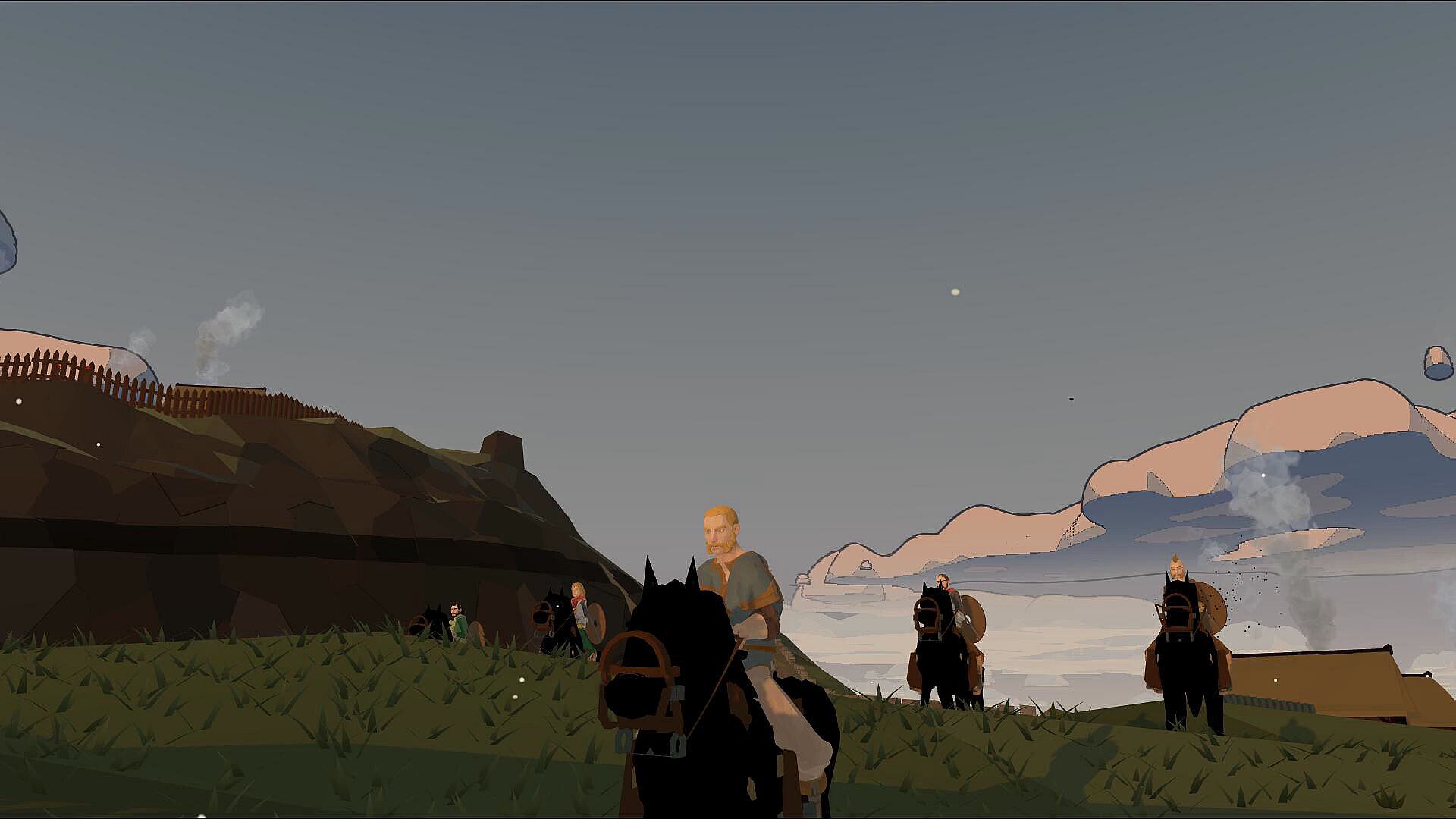
Combat centers on stamina management and precise directional attacks with sword, axe, spear and shield. Strikes can target high or low, while parries, ripostes and guard breaks reward timing and positioning. A spear can sweep legs from beneath a shield wall, and a Dane axe delivers heavy blows that stagger opponents. Players stand in shield walls during clashes involving hundreds of fighters, charge on horseback and fire arrows from the saddle. Each weapon behaves according to its historical properties rather than abstract stats.
The world itself reacts to the player. Seven distinct war-bands roam the map, each led by its own lord, war-leaders and champions. These groups hold moots, conduct raids and remember past interactions. Sparing a foe, shaming him, ransoming him or accepting his oath carries lasting consequences. A warrior left for dead may return later under a new name, bringing kin seeking wergild. Towns and steadings operate on daily routines, with residents responding to the player's growing reputation and summoning guards when theft occurs.
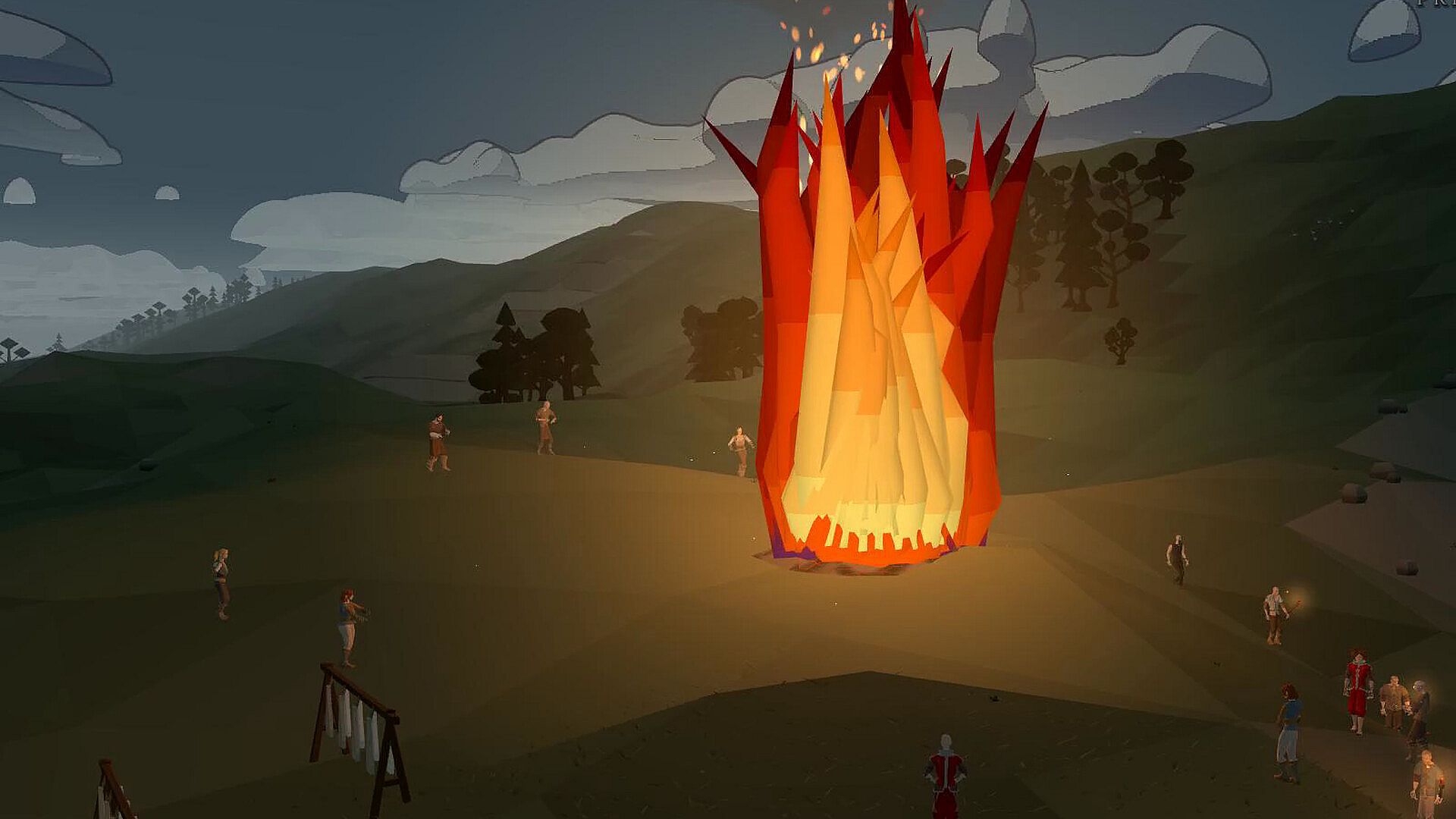
Travel occurs without loading screens between locations such as Eoferwic and the Roman Wall. Seasons, weather and celestial events match the real year 866, bringing harvest festivals, midsummer fires, winter snow and the northern lights. Feasts in rival halls can shift suddenly into ambushes with barred doors and hidden blades.
Game Modes
A structured story campaign unfolds across four acts. Players follow a personal saga of rising power while completing quests that range from treasure hunts to heroic deeds. Companions retain memories of fallen allies, adding continuity to relationships formed during the journey.
After the campaign concludes, open play begins. Players manage holds, settle disputes, collect tribute, arrange marriages and raise heirs. The same living world persists, allowing continued raids, alliances and feuds at the player's pace.
Online co-op supports up to three additional players in the same story and world. Friends can fight together in battles, participate in raids and even join ceremonies such as marriages at the hall. Progress and world state remain shared across the group.
World and Factions
Northumbria in 866 serves as the primary setting, with travel routes passing through towns, steadings, moors and dales. The seven war-bands function as persistent factions whose leaders and champions track the player's actions across sessions. Their responses range from renewed hostility to offers of alliance depending on prior choices. This system creates branching outcomes without traditional quest markers, as reputation influences both opportunities and threats.
Is It Worth Playing?
Danelaw targets players who enjoy deliberate melee combat, consequence-driven interactions and a historically grounded open world. The stamina-based directional system and large battles reward skill and awareness, while the reactive war-bands and seasonal world provide ongoing variety in single-player or small-group sessions. Because the title remains in active development with pre-alpha footage available, interested players should follow official channels for the latest progress before committing. Those drawn to Viking-era action RPGs with meaningful choices and co-operative options will find the core loop distinctive once the game reaches a more polished state.