


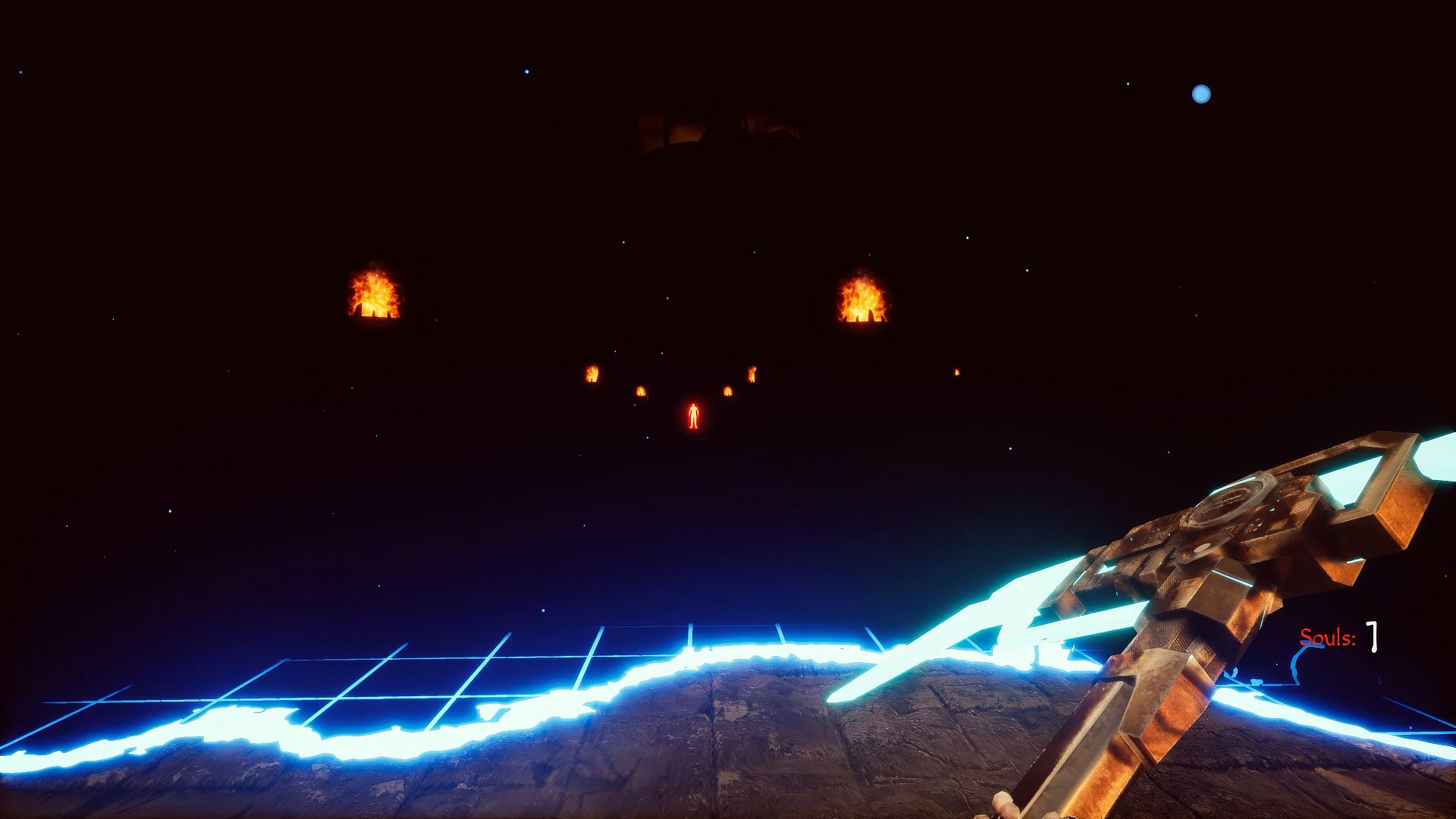



Death Simulator is an action RPG simulation game set on Xbox Series consoles and PC. Players take on the role of Death's newest hire in a corporate afterlife where daily quotas drive the collection of souls from a world that sees 200,000 deaths each day. The experience blends precise timing mechanics with supernatural combat and progression systems that reward consistent performance under pressure.
Gameplay
The core loop centers on meeting strict collection targets before timers expire. Each soul carries its own countdown, and failure to act in time creates escalating problems that demand immediate attention. Players equip spectral chain hooks to pull distant targets, a bow for long-range precision shots through obstacles or in motion, and hell gates for direct transport of collected souls. These tools support a mix of careful planning and reactive adjustments when targets attempt to flee.
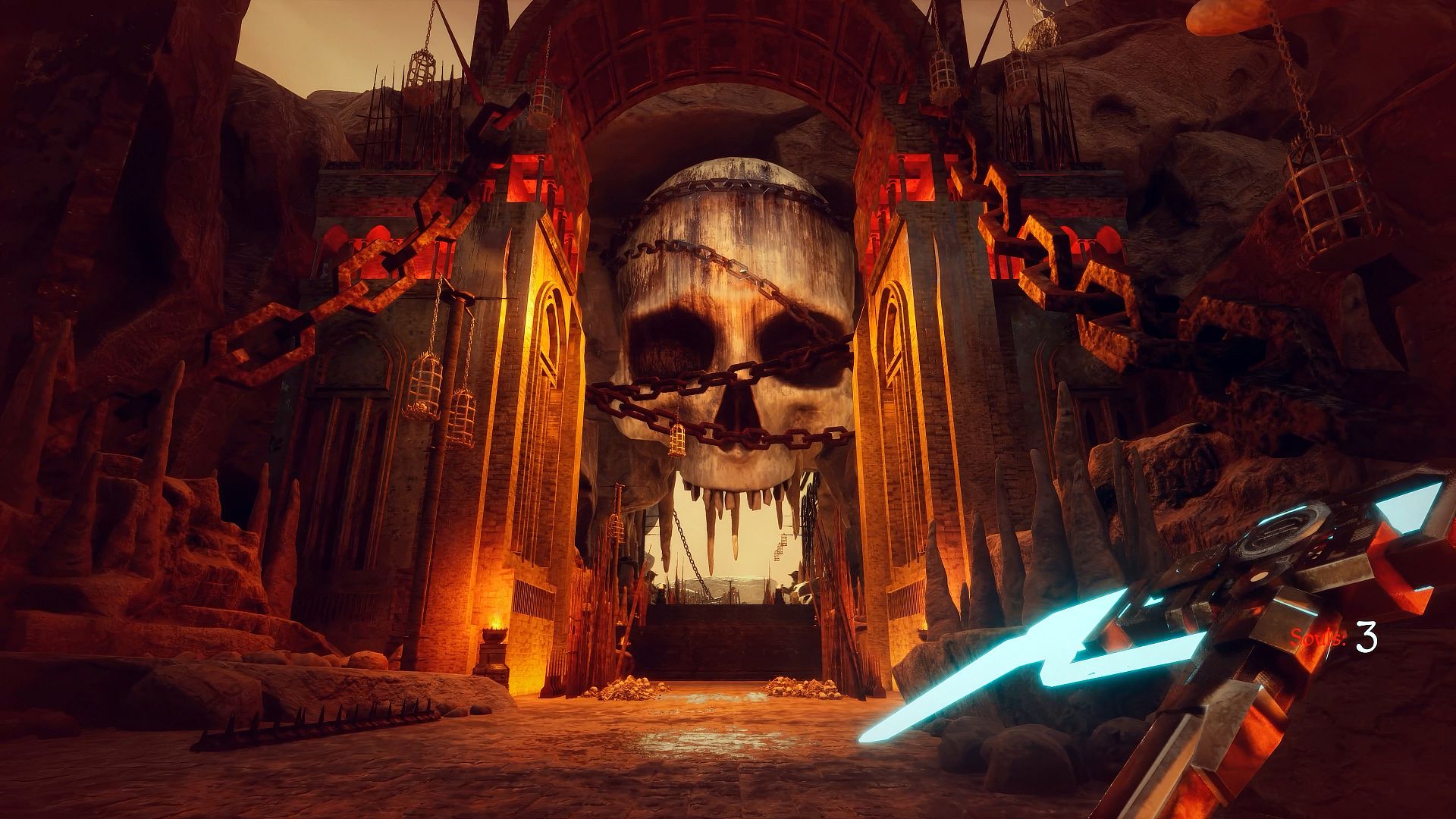
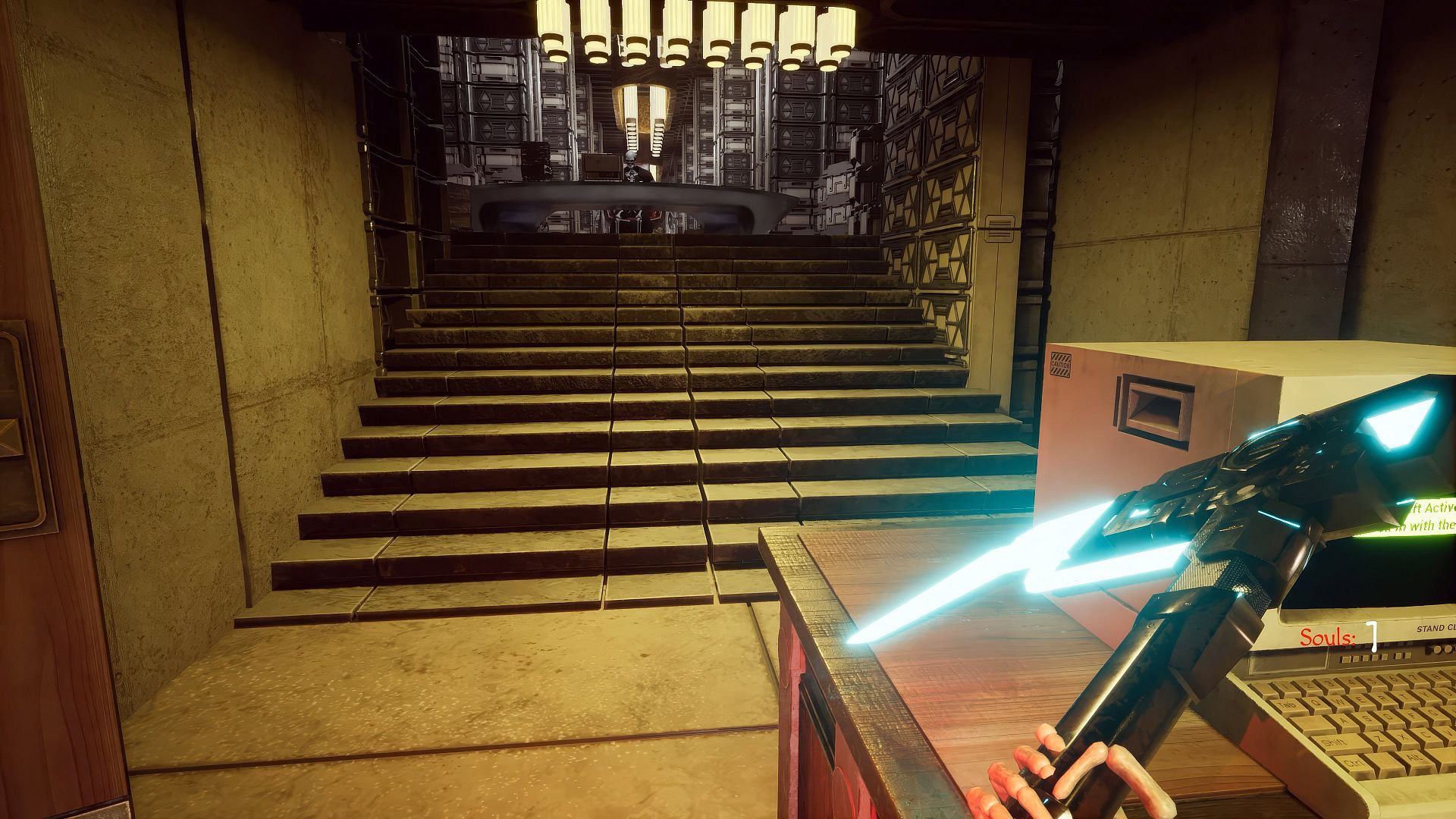
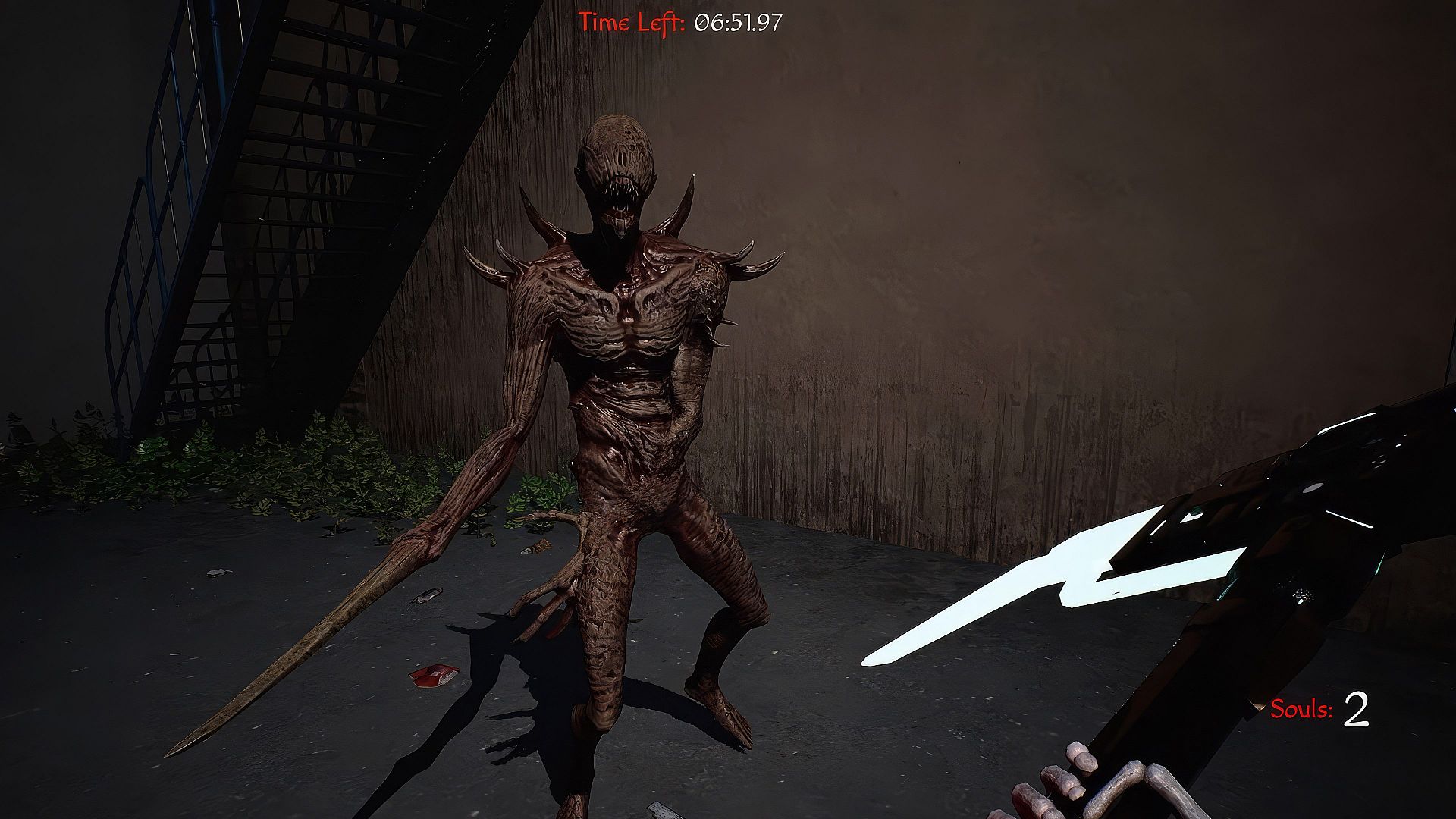
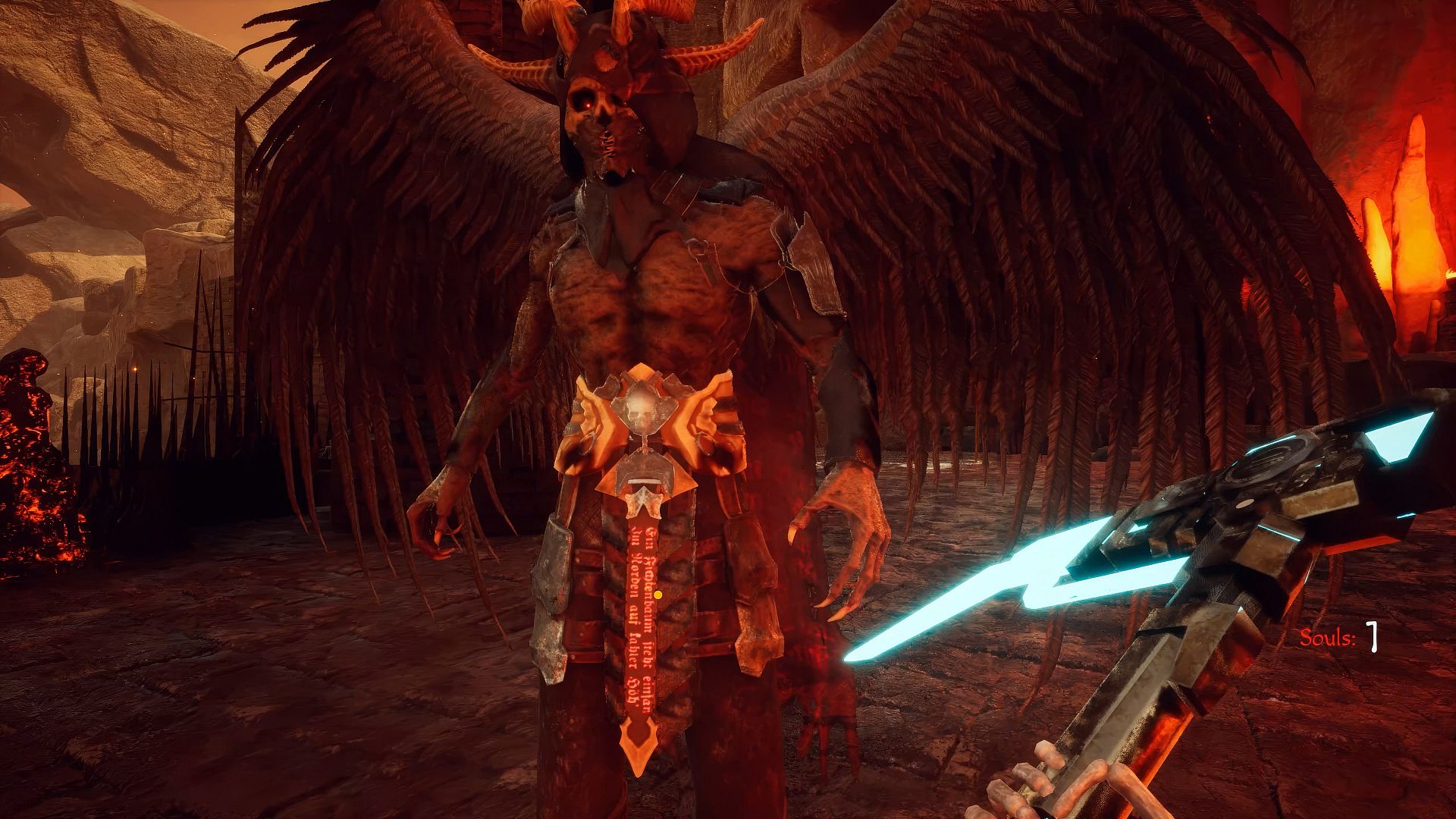
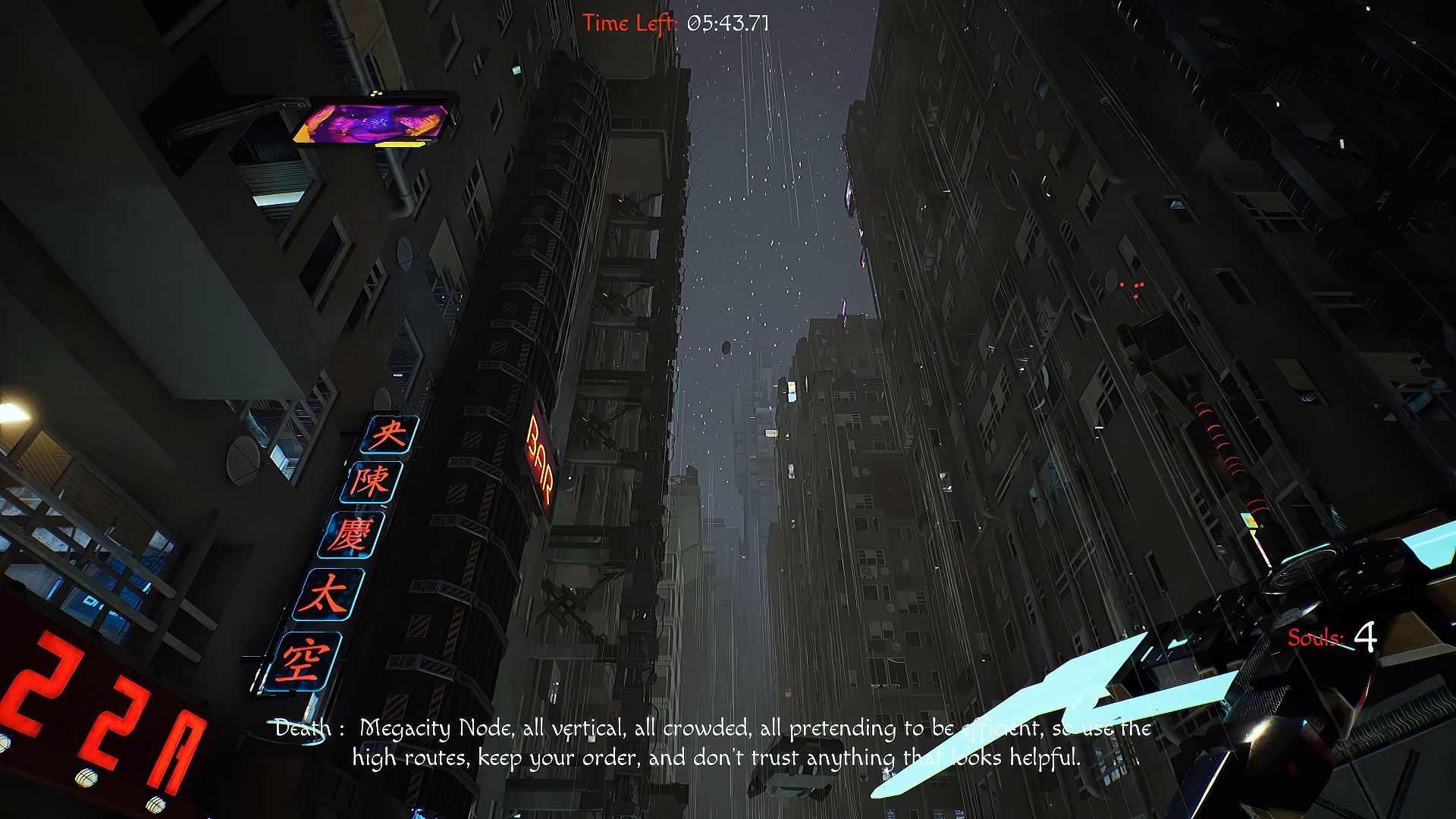
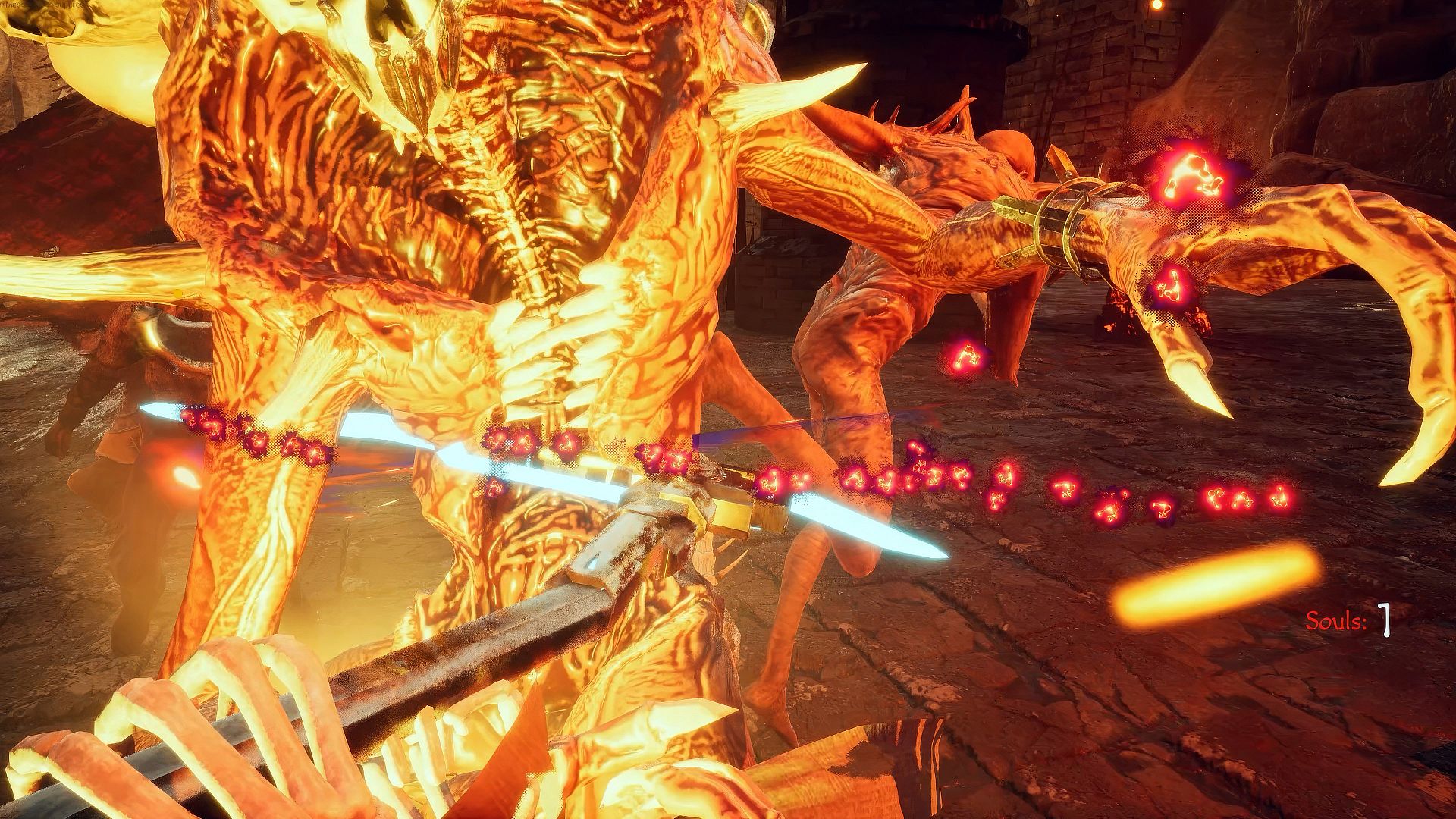
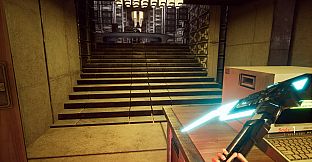
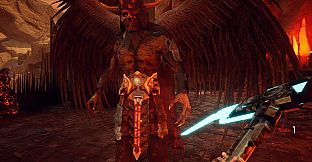
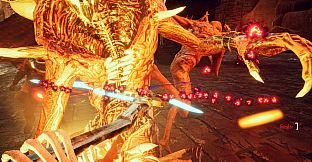
Combat arises naturally when souls resist. Panic-driven entities trigger chases across urban environments, while corrupted spirits generate distortion zones that alter surroundings and spawn additional threats. First-person perspective emphasizes the physical feel of the scythe and the auditory cues from escaping targets. Progression occurs through corporate ranks, unlocking improved capabilities as quotas are consistently cleared. Unreal Engine 5 powers detailed cityscapes that transition into otherworldly combat spaces during intense sequences.
Game Modes
The game operates as a single-player experience focused on sequential shifts that build in complexity. Each shift requires quota fulfillment while handling interference from resistant souls and environmental hazards. Success advances the player through the hierarchy, introducing new tools and challenges without branching into separate multiplayer formats. The structure emphasizes personal performance metrics and adaptive strategies rather than competitive or cooperative elements.
Key Mechanics and Progression
Timing precision determines outcomes during collections, with split-second decisions separating clean extractions from chaotic fallout. Dynamic encounters range from rooftop pursuits to contained supernatural arenas where waves of entities must be managed. Corporate advancement provides tangible upgrades that alter how players approach later shifts. Visual and audio design reinforces immersion through photorealistic urban settings that warp under corruption effects and subtle sound layers that highlight soul movements.
Resistant souls introduce variety by forcing players to switch between ranged sniping, hook-based retrieval, and portal deployment. Some events involve possessed hosts that require containment before collection can resume. These systems create a feedback loop where early efficiency reduces later complications, encouraging mastery of each tool's strengths.
Is It Worth Playing?
Death Simulator suits players who enjoy first-person action combined with simulation-style quota management and supernatural themes. The shift-based structure offers a clear sense of progression through 16 numbered stages plus a finale, rewarding those who refine their collection techniques over repeated attempts. Availability on Xbox Series and PC makes it accessible to a broad audience interested in Unreal Engine 5-powered visuals and intense reaping sequences. Those drawn to corporate satire mixed with horror elements will find the premise and mechanics align closely with the described experience. Early indicators point to a focused single-player campaign without additional modes or live-service features at launch.