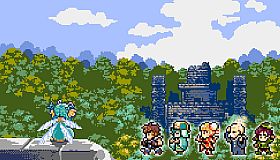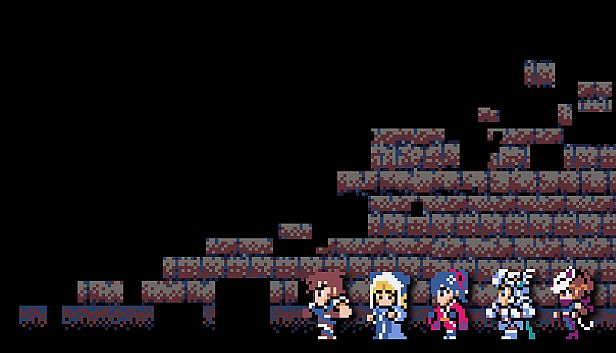


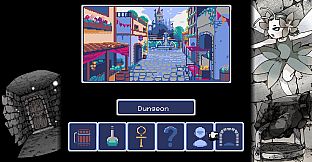
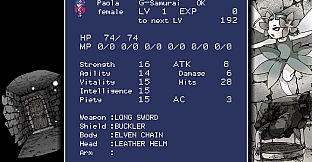
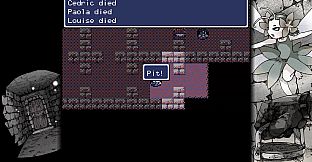
Dungeon Antiqua is an indie dungeon crawl RPG available on Xbox Series consoles and PC. It draws direct inspiration from classic titles of the 1980s and 1990s, blending the grid-based exploration and party management of Wizardry with the visual style and combat pacing of early Final Fantasy games. Players create a party of adventurers and repeatedly enter procedurally generated dungeons to fight enemies, gather resources, and strengthen their characters through repeated runs.
Gameplay
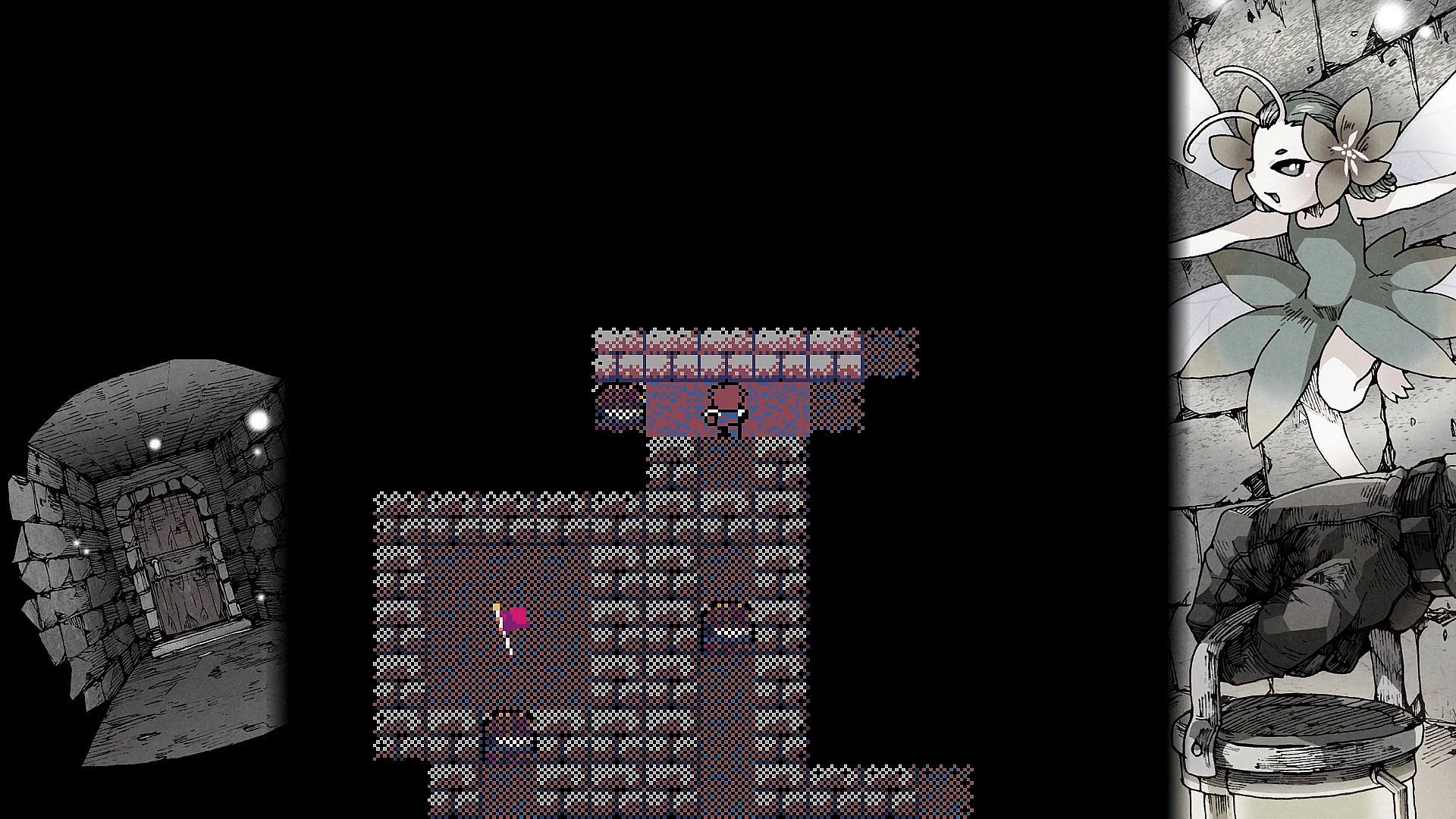
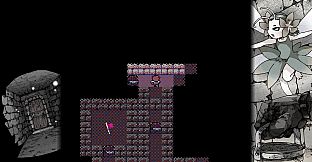
The core loop centers on exploration and combat within 2D dungeons. Maps reveal themselves gradually based on each character's line of sight, creating a sense of discovery as fog lifts with every step forward. Movement and encounters feel responsive thanks to updated controls that keep the action brisk while preserving the deliberate pace of older dungeon crawlers.
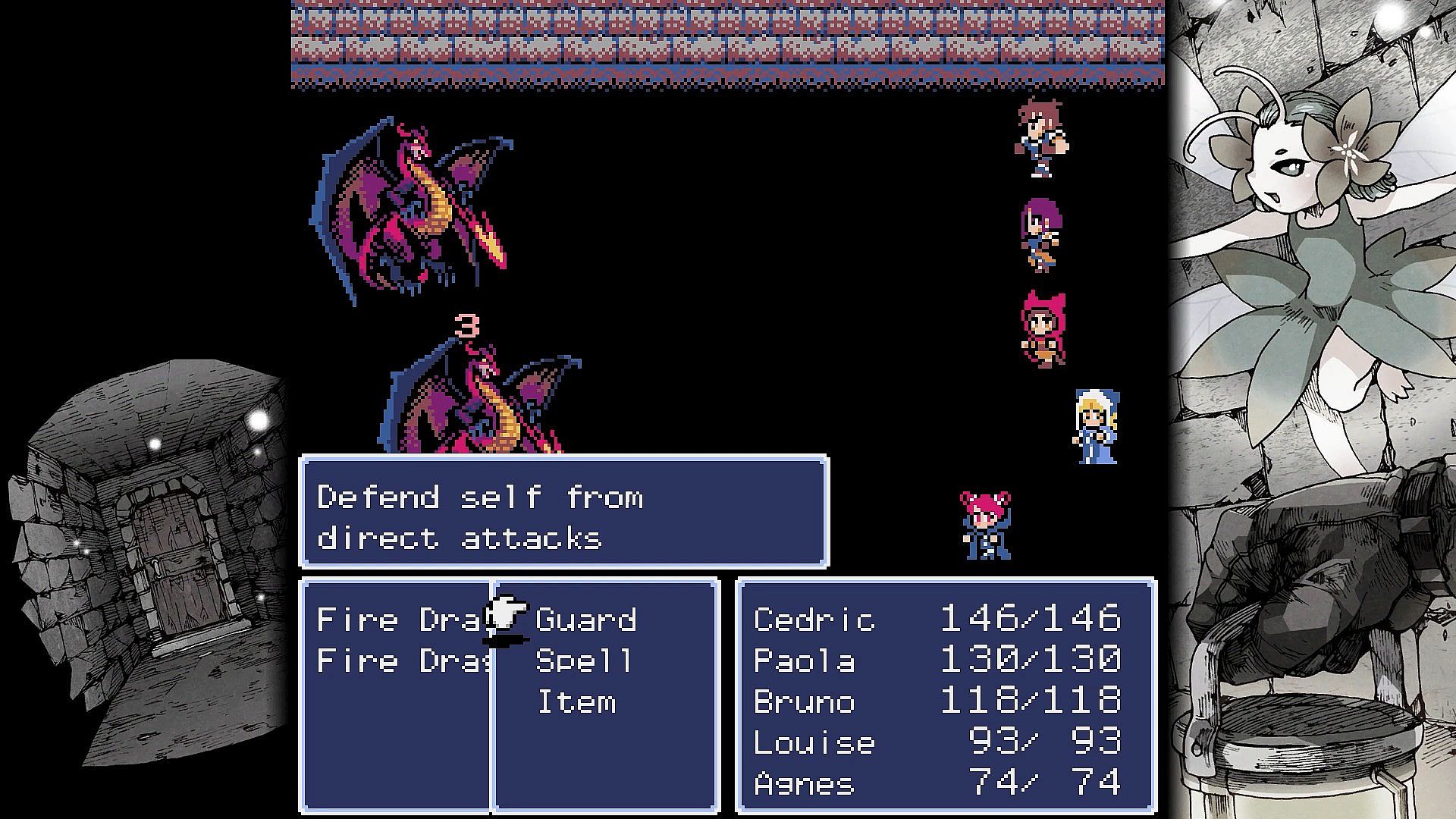
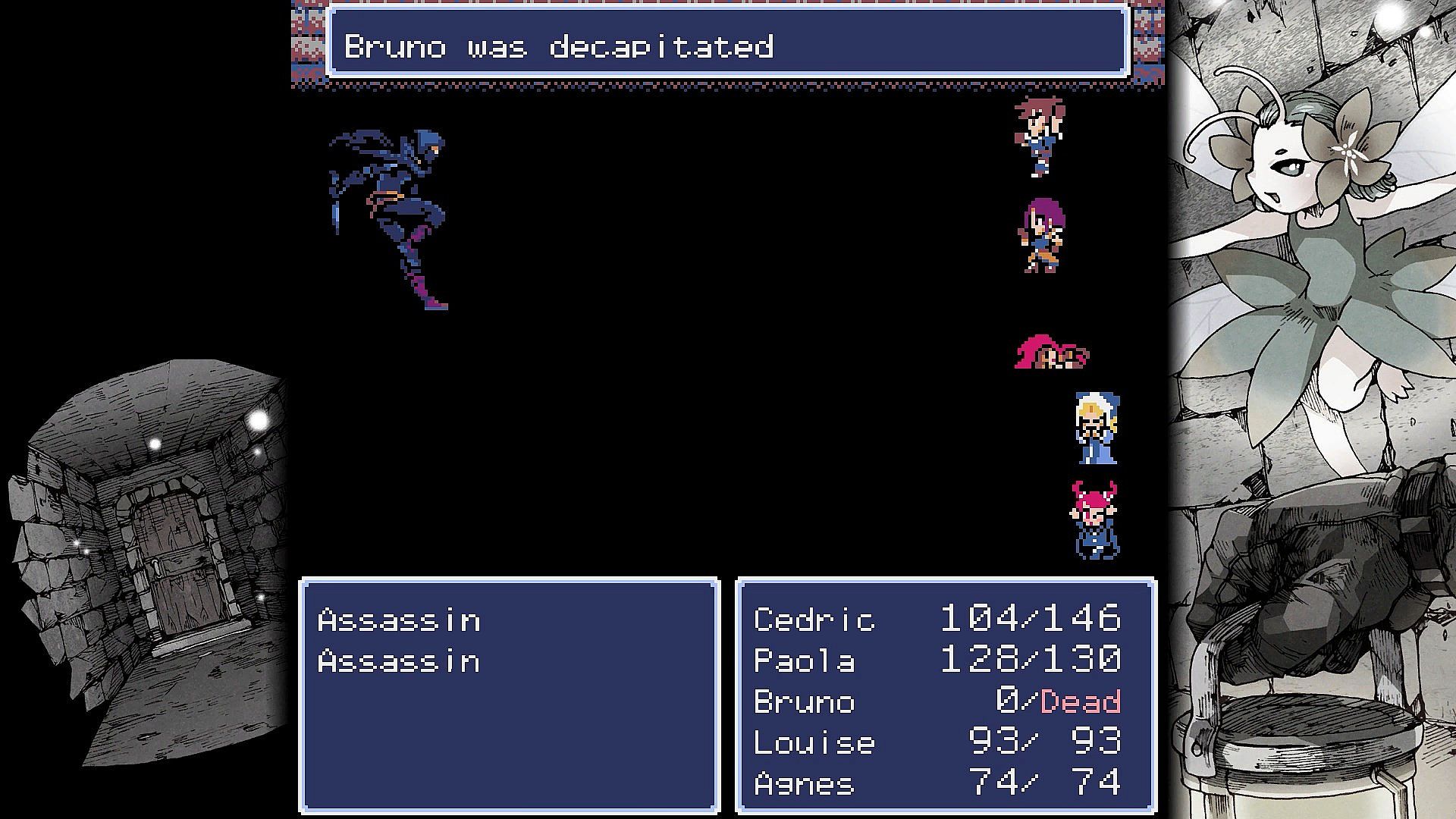
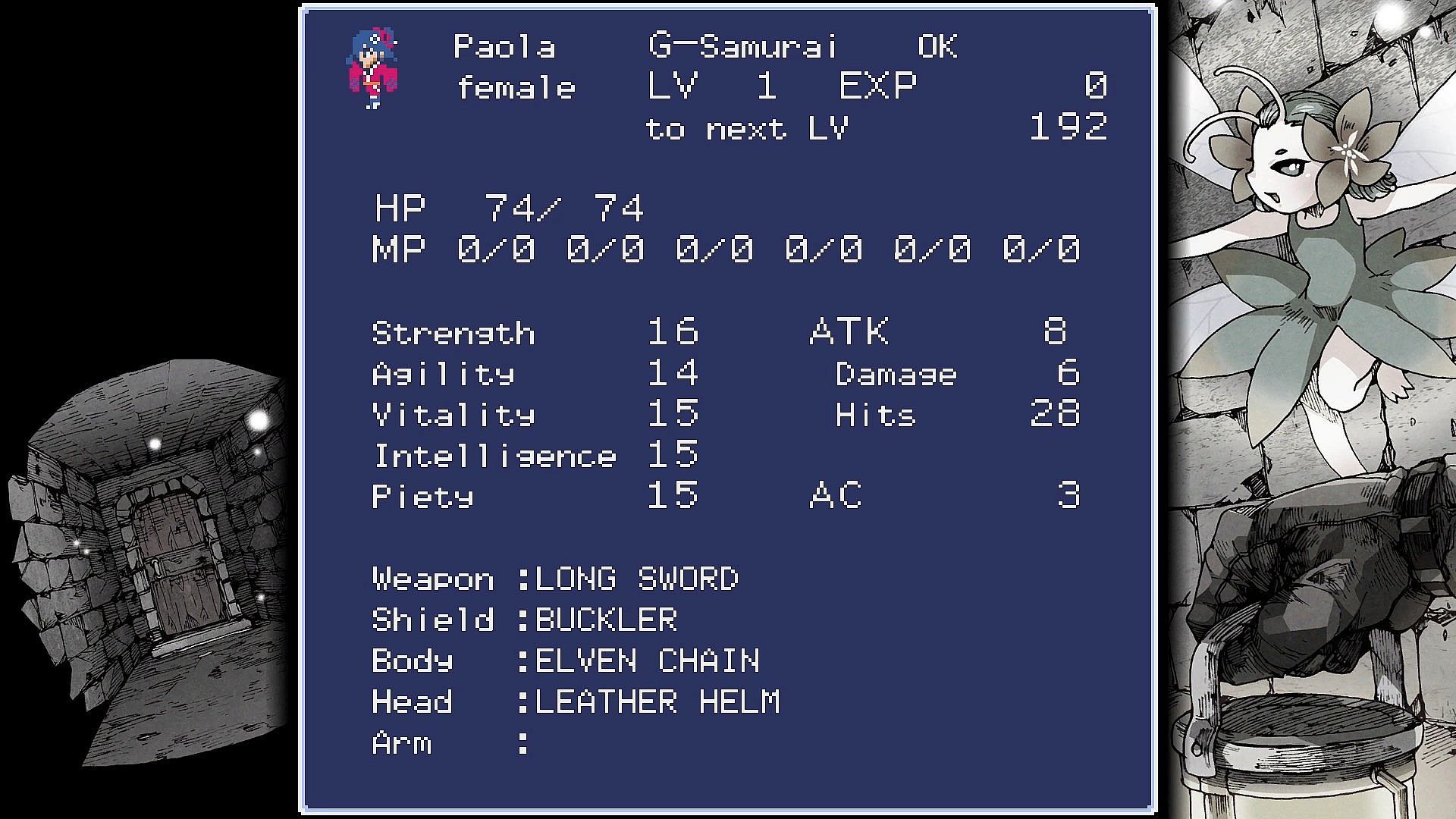
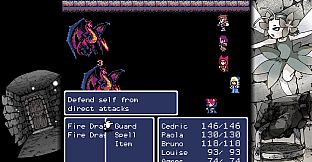
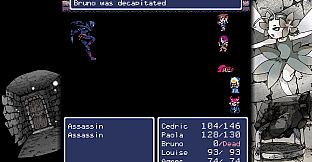
Character progression relies on a selection of professions that players assign freely when forming parties. Different job combinations alter combat effectiveness, allowing experimentation across runs without rigid class restrictions. Encounters occur in side-view battles that mix physical attacks with magic, and the system includes modern quality-of-life features such as intelligent auto-attack options to reduce repetitive inputs during longer sessions.
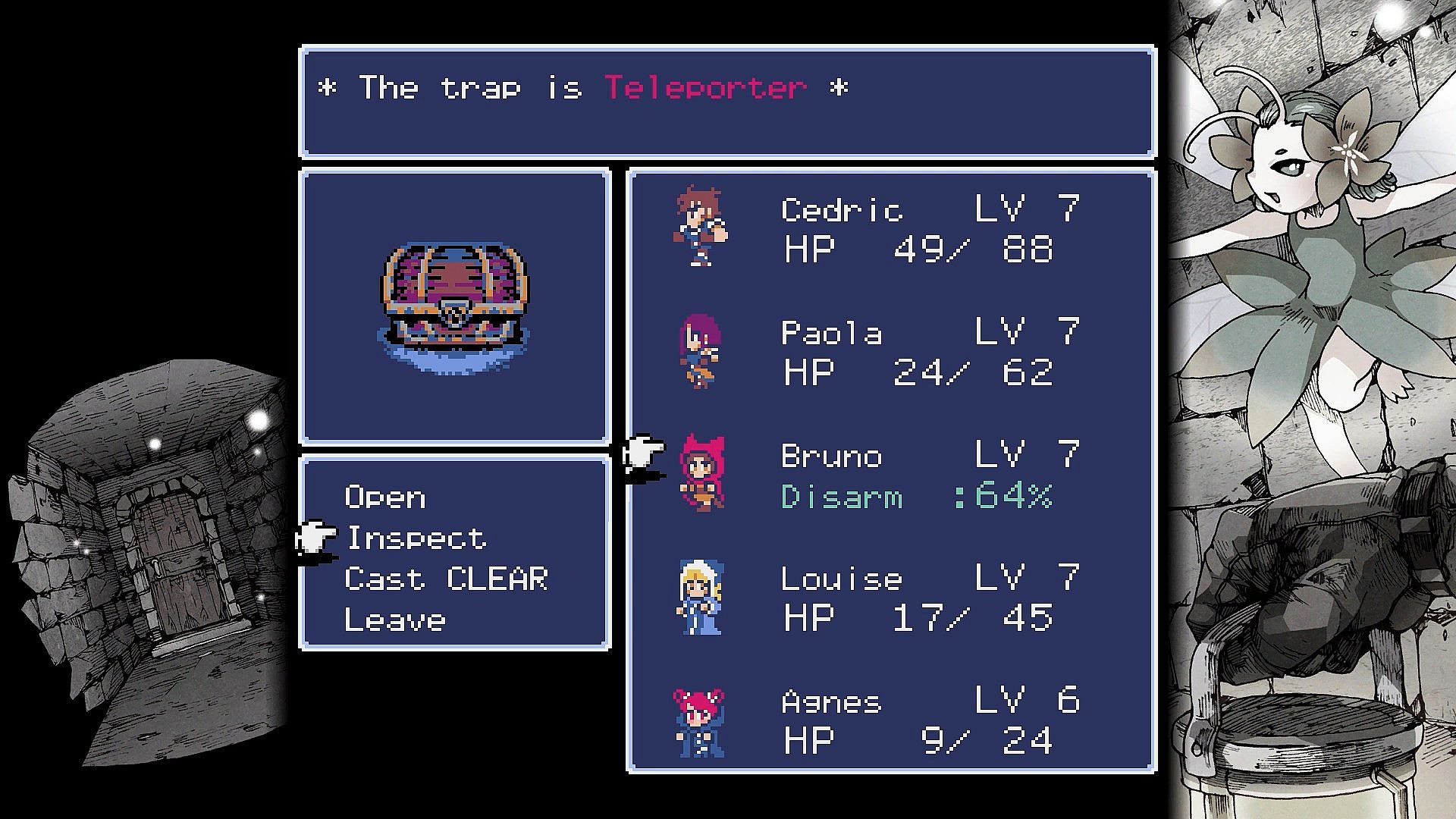
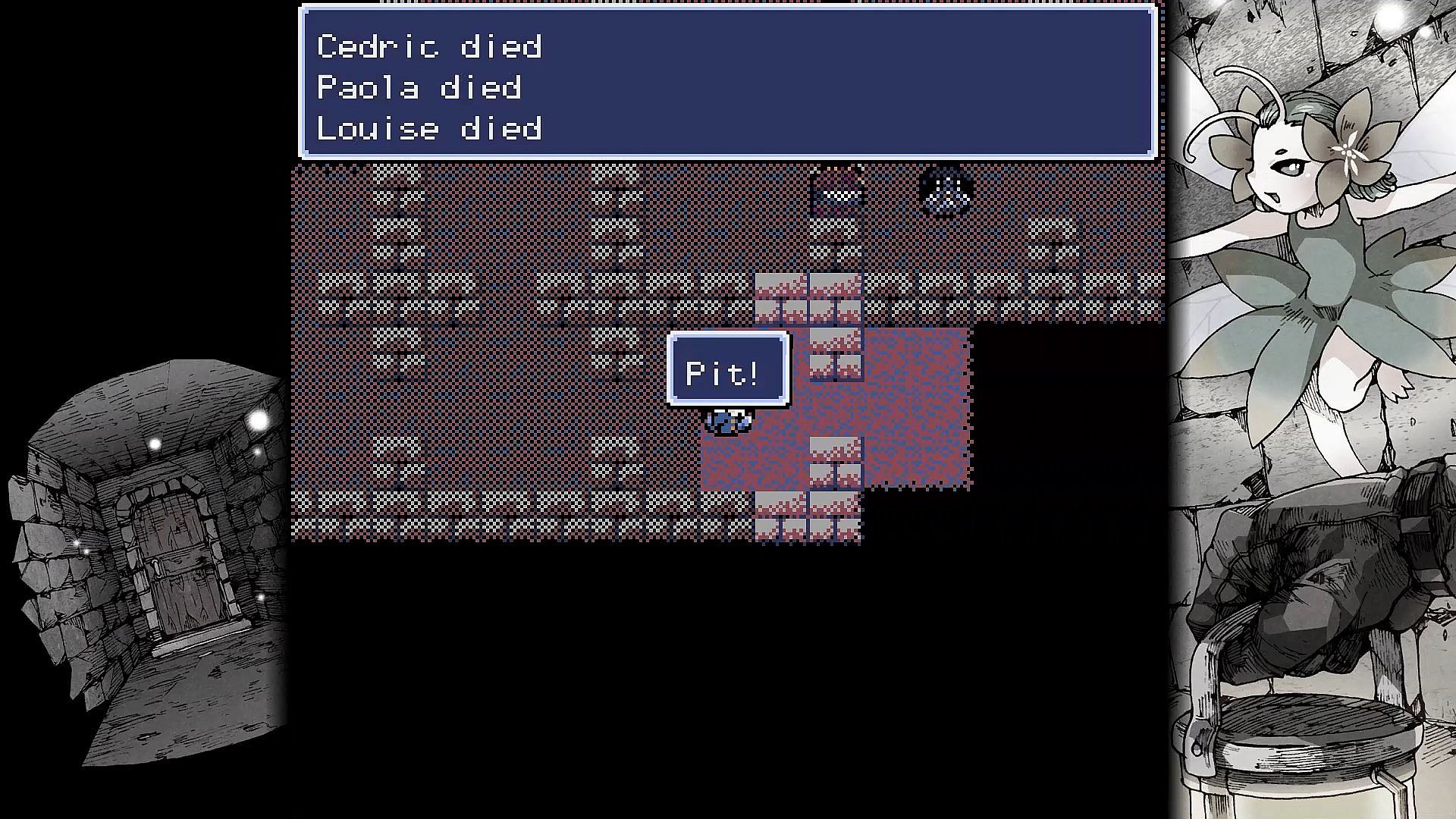
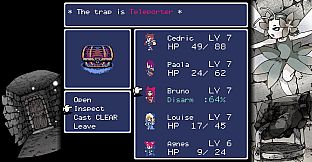
Progression stays tightly focused on dungeon delving. There are no extended cutscenes or linear story segments to interrupt the flow, so every session advances the party through deeper floors, tougher enemies, and better equipment found during exploration. Traps and environmental hazards add tension, while the procedural map generation ensures layouts shift between attempts.
Game Modes
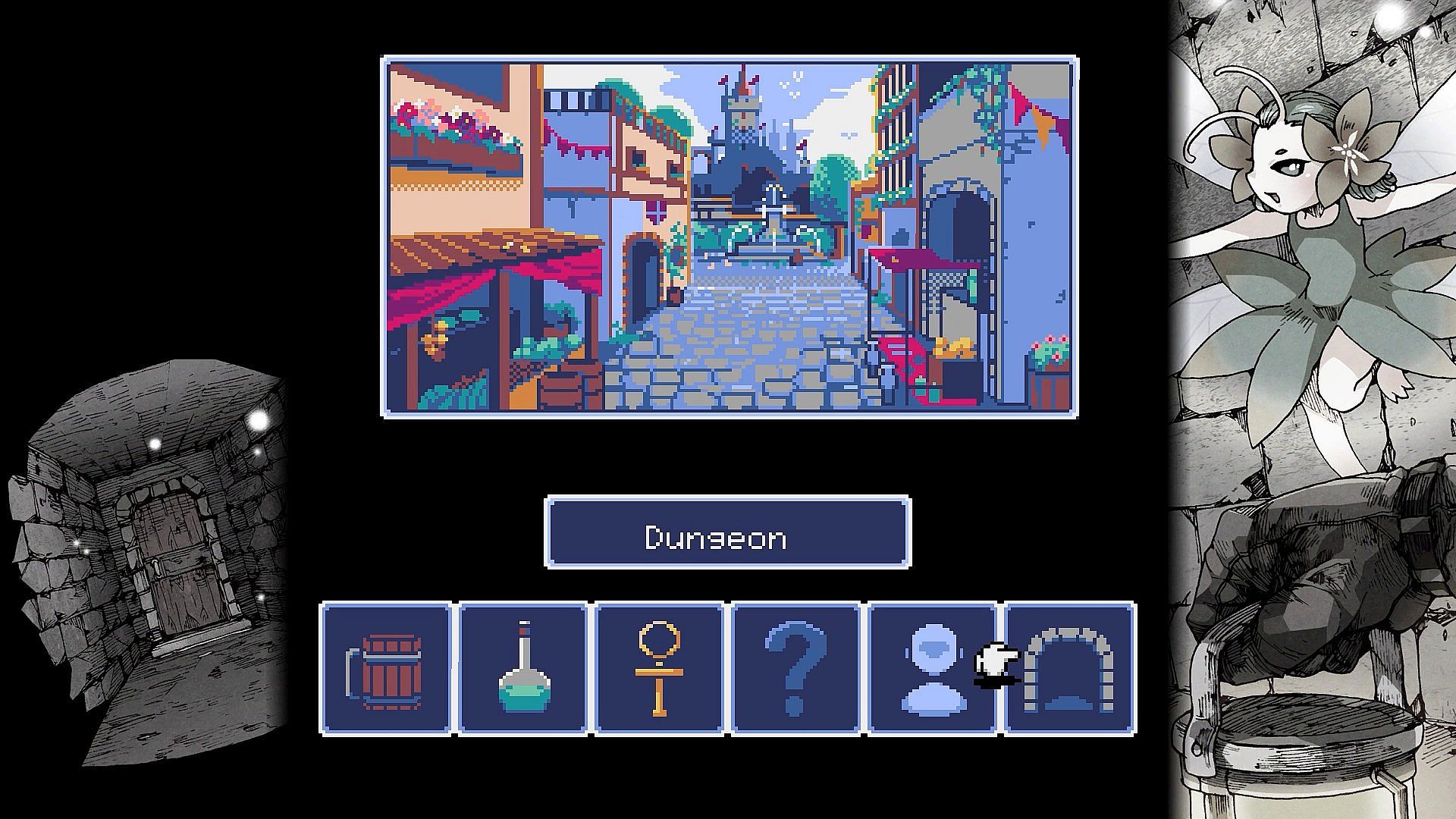
Dungeon Antiqua operates as a single-player experience built around repeated dungeon runs. The primary activity involves entering generated maps, clearing encounters, and returning to town to rest and re-equip before the next attempt. Party composition serves as the main variable, with players able to swap professions and alignments to create fresh challenges on subsequent playthroughs.
Post-game content extends the core loop by offering additional dungeon layers and tougher enemy placements that reward optimized parties. This structure supports short, focused sessions or longer grinding periods without requiring constant commitment, and the absence of branching narratives keeps attention on mechanical mastery and exploration efficiency.
Visuals and Audio
The presentation uses crisp pixel art that evokes the 8-bit and 16-bit eras without direct copies of specific games. Environments and character sprites maintain a clean, readable style suited to the top-down map view and side-view battles. Sound design features chiptune tracks that capture the melodic and rhythmic qualities of 1980s and 1990s RPG soundtracks, providing atmospheric support during exploration and combat without overwhelming the gameplay.
These elements combine to create a cohesive retro aesthetic that feels familiar yet refreshed through modern presentation tweaks, such as smooth scrolling and clear UI elements that aid navigation in the expanding maps.
Is It Worth Playing?
Dungeon Antiqua suits players who enjoy classic dungeon crawlers and seek a compact experience they can complete in a handful of hours while still offering reasons to return. Its short main campaign length, combined with procedural maps and flexible party building, delivers consistent variety without excessive length or complexity. The game runs on Xbox Series consoles and PC, making it accessible for those with either platform.
Reception among retro RPG enthusiasts highlights its balance of nostalgic mechanics with comfortable modern controls and the lack of filler content. Those who appreciate focused exploration, job experimentation, and bite-sized sessions will find it aligns well with their preferences. The title remains a straightforward purchase for fans of the genre who want a new take on familiar systems rather than a lengthy epic.