


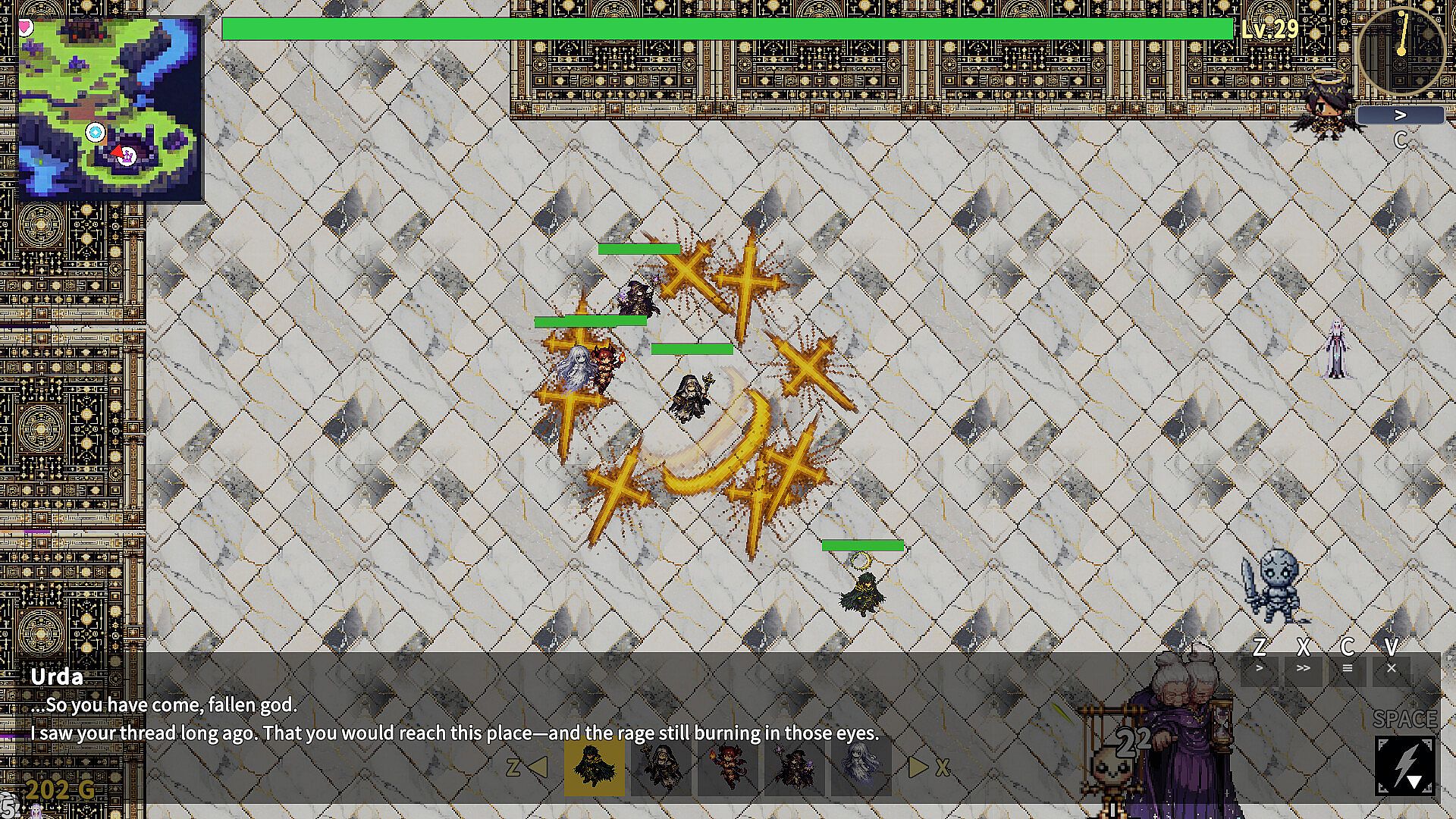
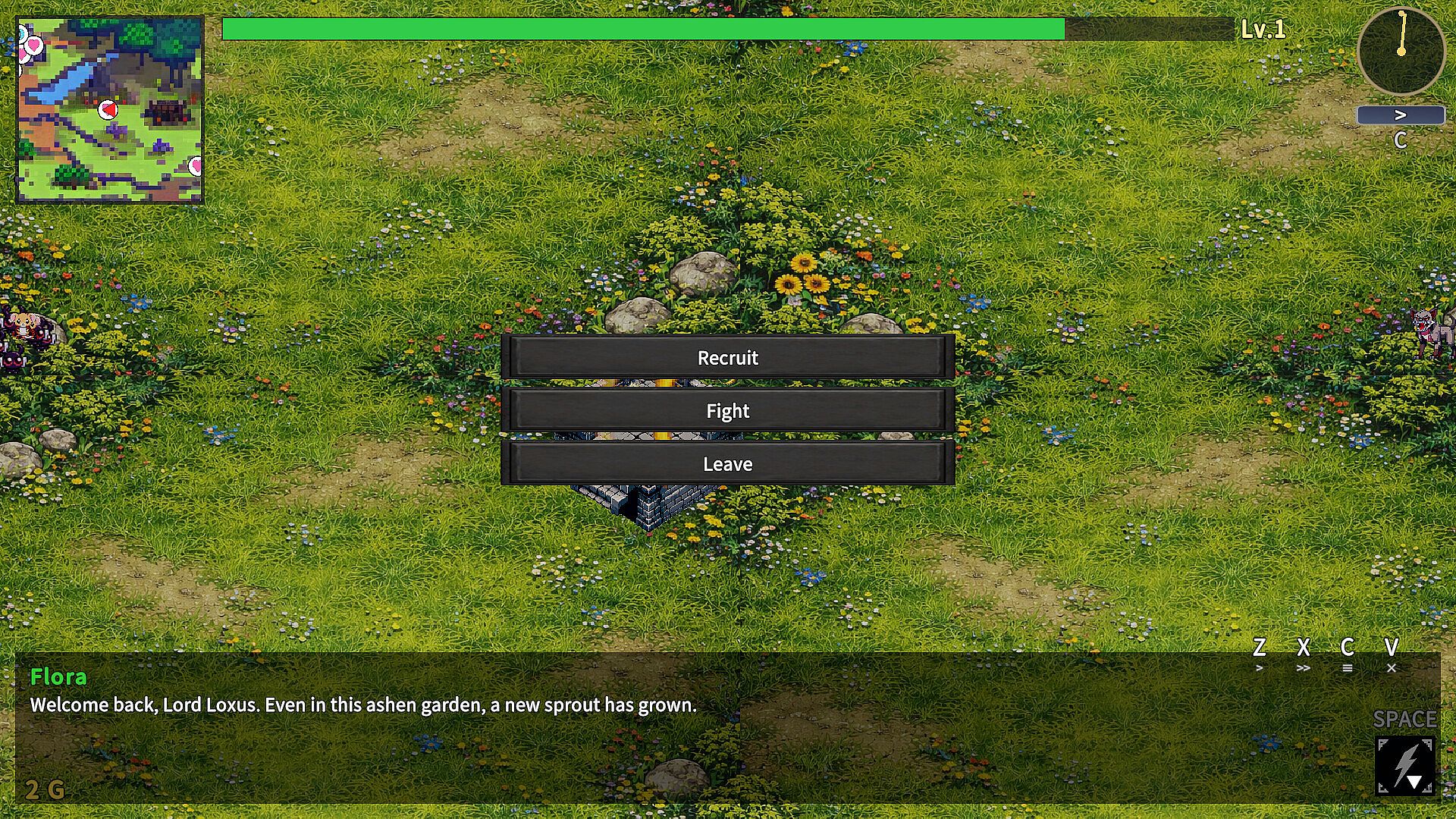
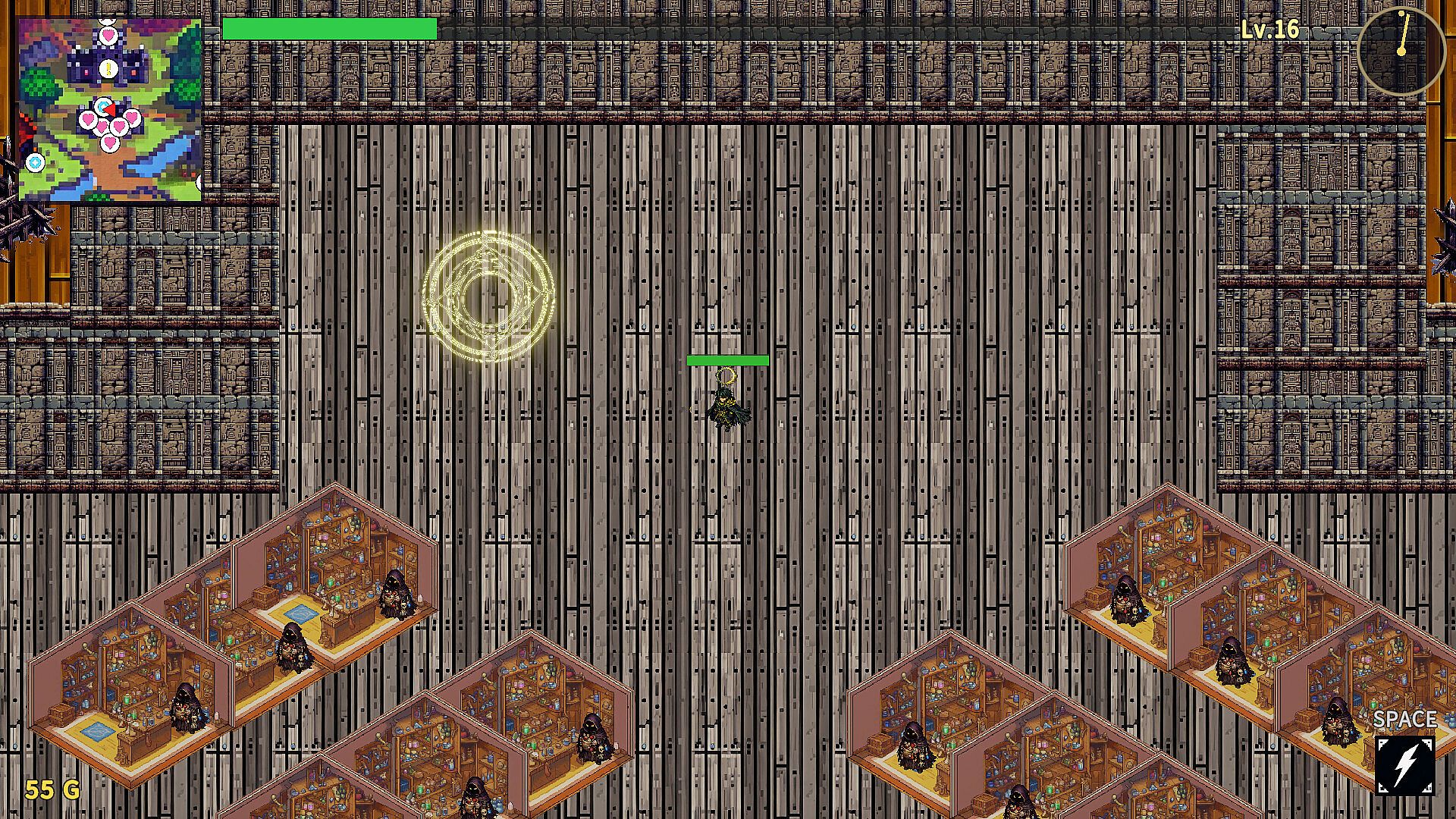
Eclipse Renegade est un action-RPG roguelite de survie en vue top-down, situé dans un royaume infernal où le joueur incarne Loxus, un dieu déchu en quête de vengeance contre les divinités qui l'ont trahi. Le titre mêle des combats de horde rythmés à des systèmes de progression permanents et des choix narratifs qui influencent plusieurs fins. Conçu pour PC avec une prise en charge complète des manettes, il privilégie des sessions brèves et intenses où les armes tirent automatiquement, laissant le joueur se concentrer sur ses déplacements et le développement de son personnage.
Gameplay
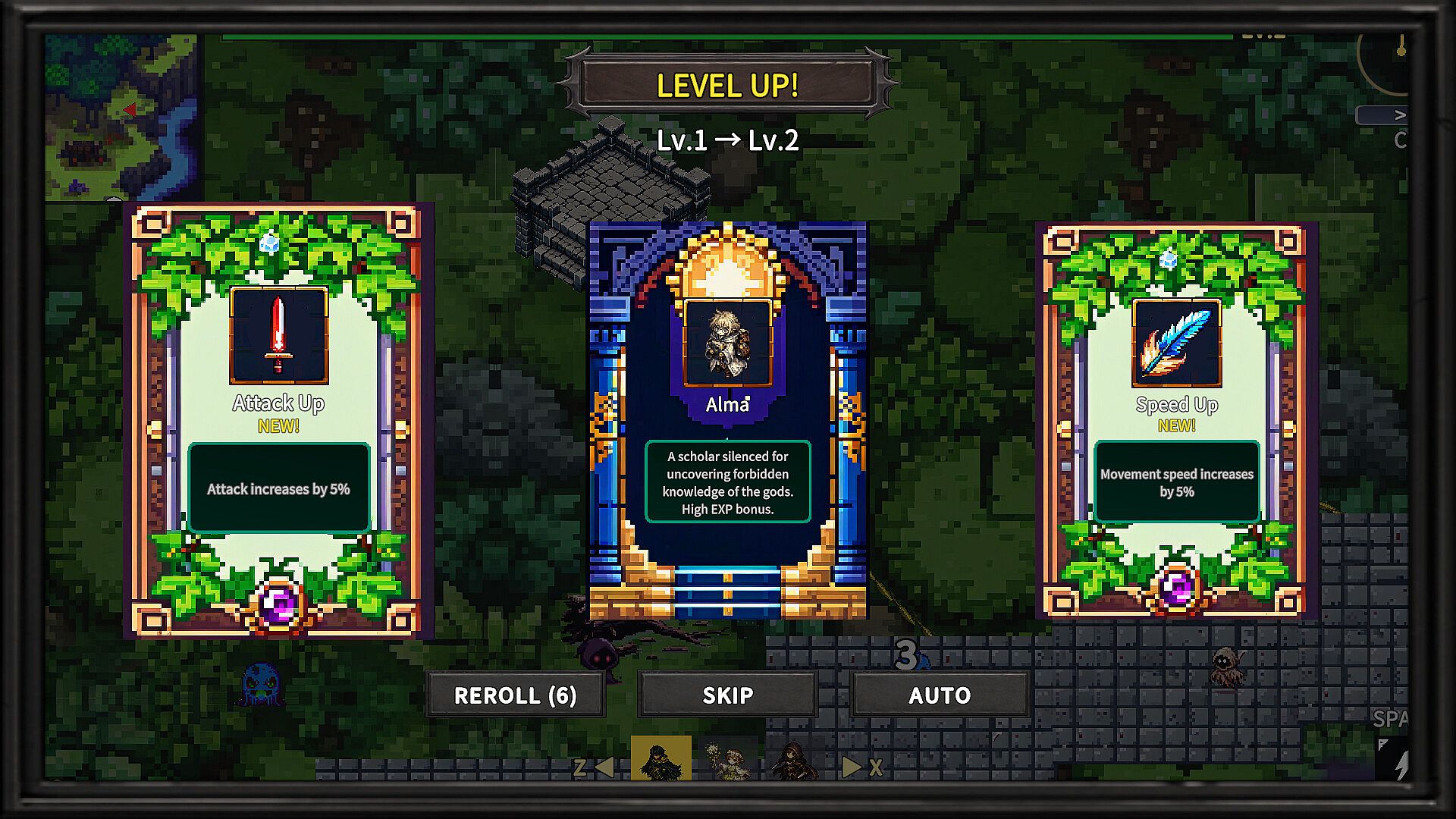
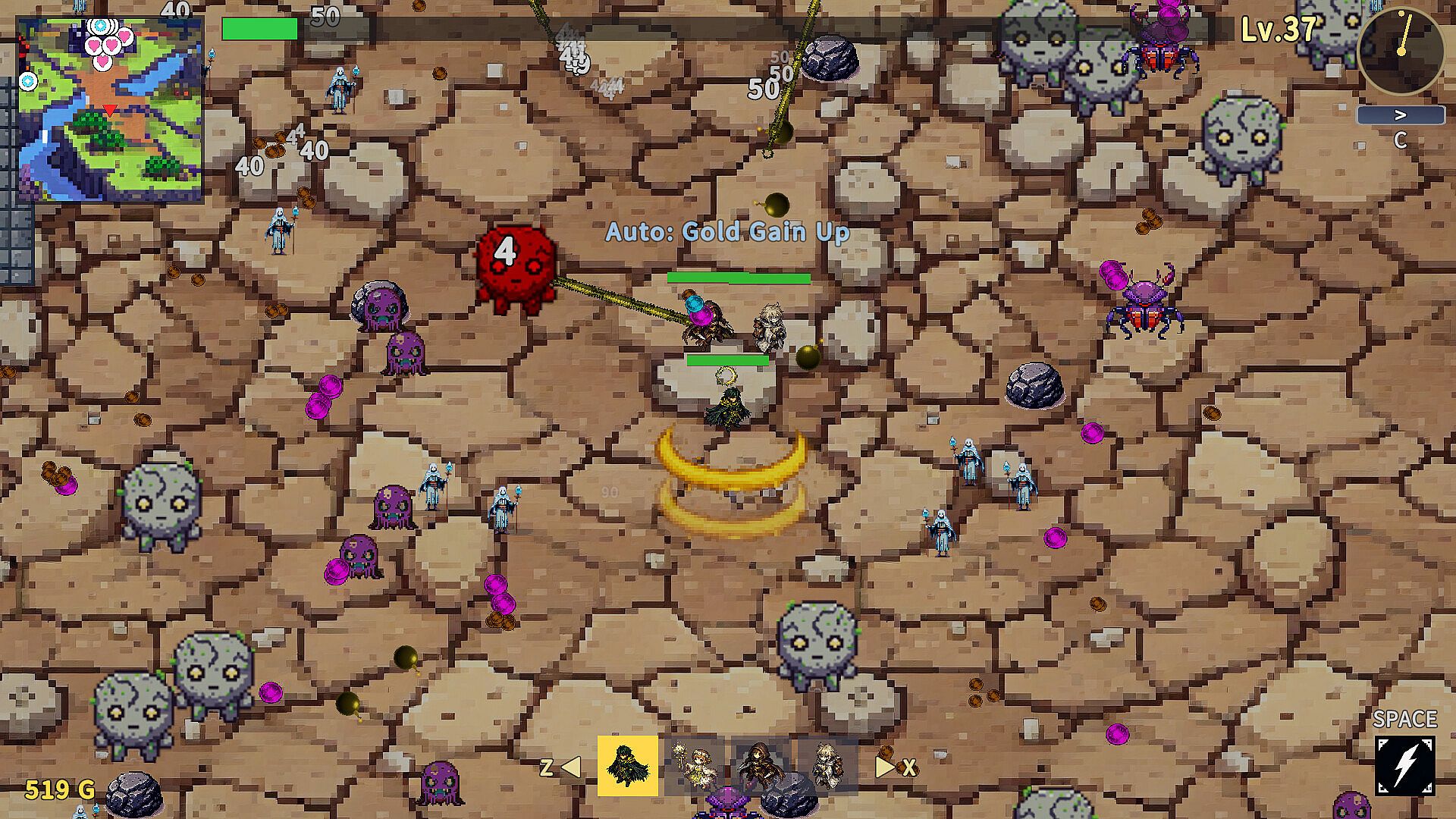
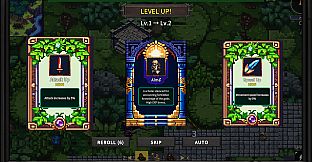
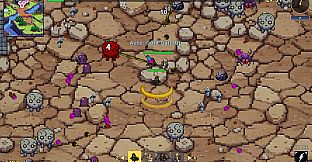
Le combat repose sur un tir automatique qui cible l'ennemi le plus proche, obligeant le joueur à gérer ses déplacements dans des arènes surpeuplées pouvant accueillir jusqu'à 1 000 adversaires simultanément. Chaque run dure exactement 30 minutes avant que l'événement Eclipse ne mette fin à la partie, incitant à décider stratégiquement du moment où extraire ses ressources. À chaque montée de niveau, trois cartes de compétences sont proposées, parfois accompagnées de recrues potentielles qui modifient la dynamique de l'équipe en cours de partie.
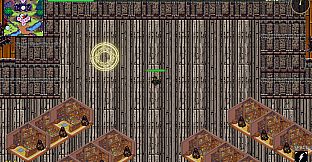
L'exploration couvre 19 zones interconnectées formant un enfer continu. Il est possible de marchander avec des marchands et des membres du clergé, où la compatibilité des compagnons influe sur les résultats, ou de relever des épreuves qui font apparaître des hordes infinies en échange d'Awakening Orbs. Chaque compagnon est lié à des vendettas contre des boss précis, ajoutant des objectifs ciblés en dehors du parcours principal. Les alliés tombés au combat peuvent être ramenés sous forme de cercueils à racheter dans les églises, tandis que les coffres de terrain appelés Vessels permettent d'augmenter la taille du groupe jusqu'à 12.
Douze personnages au total, le protagoniste et onze compagnons, sont interchangeables en combat. Chacun évolue sur quatre paliers grâce aux Awakening Orbs, remplaçant entièrement son arme à chaque palier pour un total de 48 formes distinctes. Des optimisations techniques assurent une fluidité même avec des densités d'ennemis élevées.
Game Modes
L'expérience principale repose sur des runs roguelite qui réinitialisent niveaux, compétences et compagnons à chaque tentative, tout en conservant quatre systèmes de progression indépendants. Les Souls servent de monnaie pour onze améliorations permanentes couvrant la vie, les dégâts, les charges d'esquive et même la vitesse du jeu. Les Awakening Orbs permettent l'évolution spécifique de chaque personnage. Les déblocages par dialogue augmentent la fréquence d'apparition des compagnons sauvés lors des runs suivantes. Les Vessels offrent une augmentation unique de la taille du groupe qui persiste entre les parties.
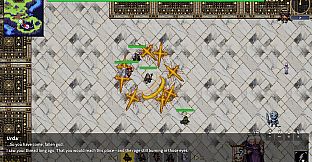
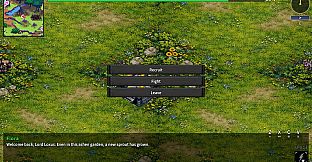
Le recrutement propose deux voies distinctes qui influencent directement les fins. La Résonance consiste à convaincre les compagnons en révélant les mensonges divins. La Domination exige de les vaincre en duel, les transformant en alliés temporaires liés à un cercueil qui ignorent la limite de groupe mais n'offrent pas de déblocages permanents. Ces choix déterminent l'une des trois conclusions possibles après avoir vaincu le boss final : la Porte de Lumière Miséricordieuse pour une équipe entièrement volontaire, le Trône des Chaînes Noires pour une équipe constituée uniquement par la force, ou l'Errance sur la Lune Éclipsée pour une approche mixte.
Après la première victoire, le joueur descend dans des niveaux plus profonds où les ennemis gagnent en puissance, mais où les plafonds d'améliorations permanentes augmentent également, prolongeant indéfiniment la boucle. La structure favorise les tentatives répétées avec un report significatif de progression, sans mode multijoueur ni formats alternatifs.
Progression and Exploration
Quatre axes de progression fonctionnent indépendamment, permettant d'avancer dans n'importe quelle combinaison même si l'un d'eux est en retard. Les Souls financent des améliorations générales entre les runs. Les Awakening Orbs renforcent les pics de puissance individuels. Les déblocages élargissent le vivier de recrues selon les succès de dialogue antérieurs. Les Vessels augmentent la capacité maximale grâce aux découvertes en exploration.
Au-delà du combat, le monde continu incite à cartographier minutieusement pour obtenir des builds plus puissants. Les épreuves récompensent en orbes via des défis d'endurance. La négociation enrichit les interactions avec les vendeurs. Les 27 boss comprennent 23 rencontres de niveau intermédiaire, trois Déesses du Destin et le dieu suprême Wodas comme cible ultime.
Is It Worth Playing?
Eclipse Renegade s'adresse aux amateurs d'action de type survivor cherchant une profondeur roguelite et des fins narratives multiples. Sa durée de run de 30 minutes convient aux joueurs qui préfèrent des sessions concentrées sans engagement prolongé, tandis que les quatre systèmes permanents assurent une progression régulière d'une tentative à l'autre. Les mécaniques de compagnons introduisent des choix significatifs entre persuasion et domination qui influencent à la fois le combat et les fins.
Avec 30 succès, six langues prises en charge et un focus solo, le jeu attire ceux qui aiment optimiser des builds autour du combat automatique et de l'exploration. En tant que titre à venir sans retours de joueurs disponibles, sa valeur dépendra de la concrétisation des systèmes décrits. L'accent mis sur les performances techniques pour les affrontements à grande échelle et la compatibilité manette le rend accessible à un large public d'amateurs d'action-RPG.