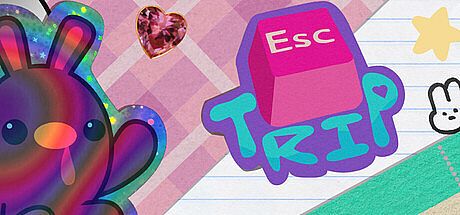


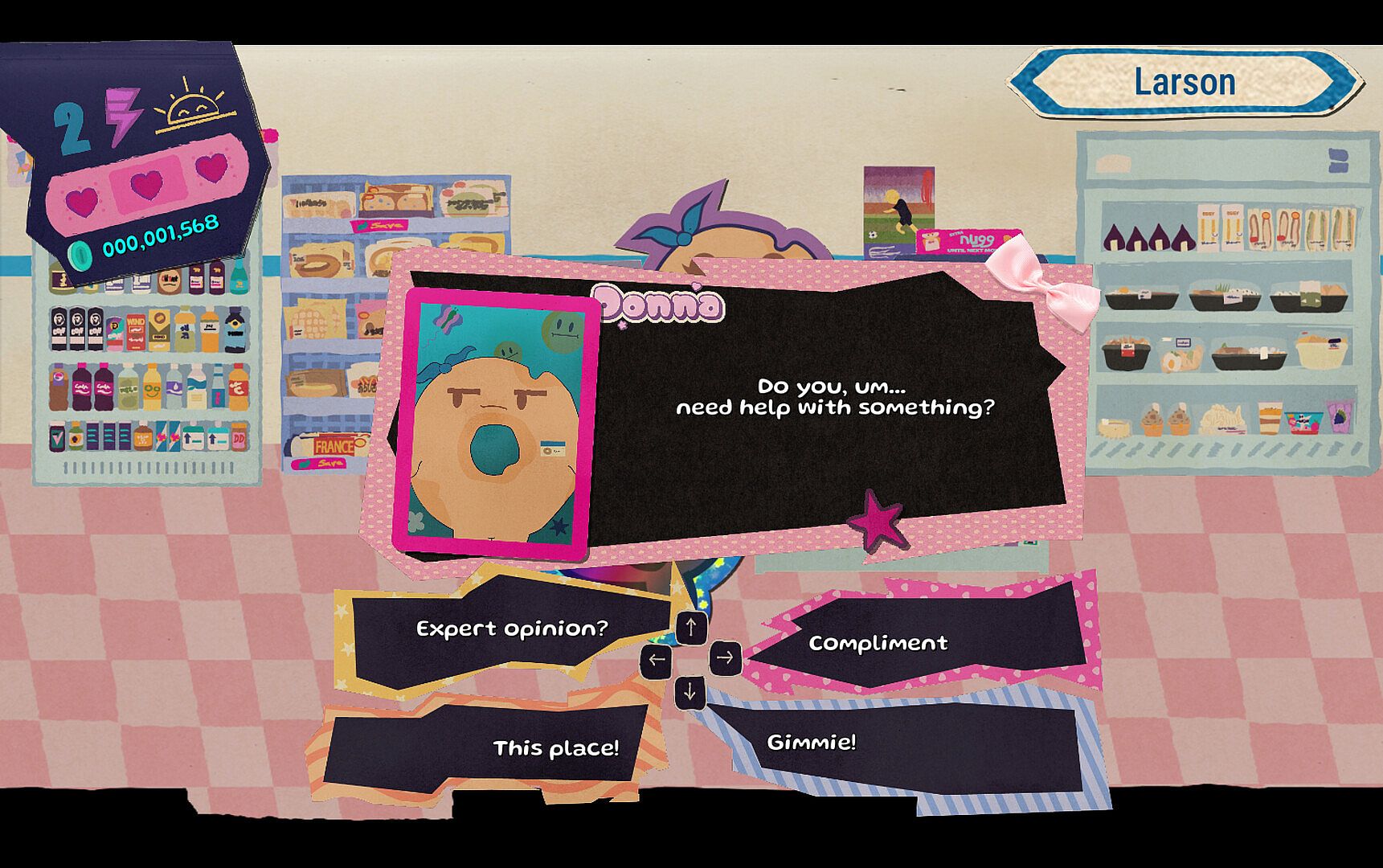
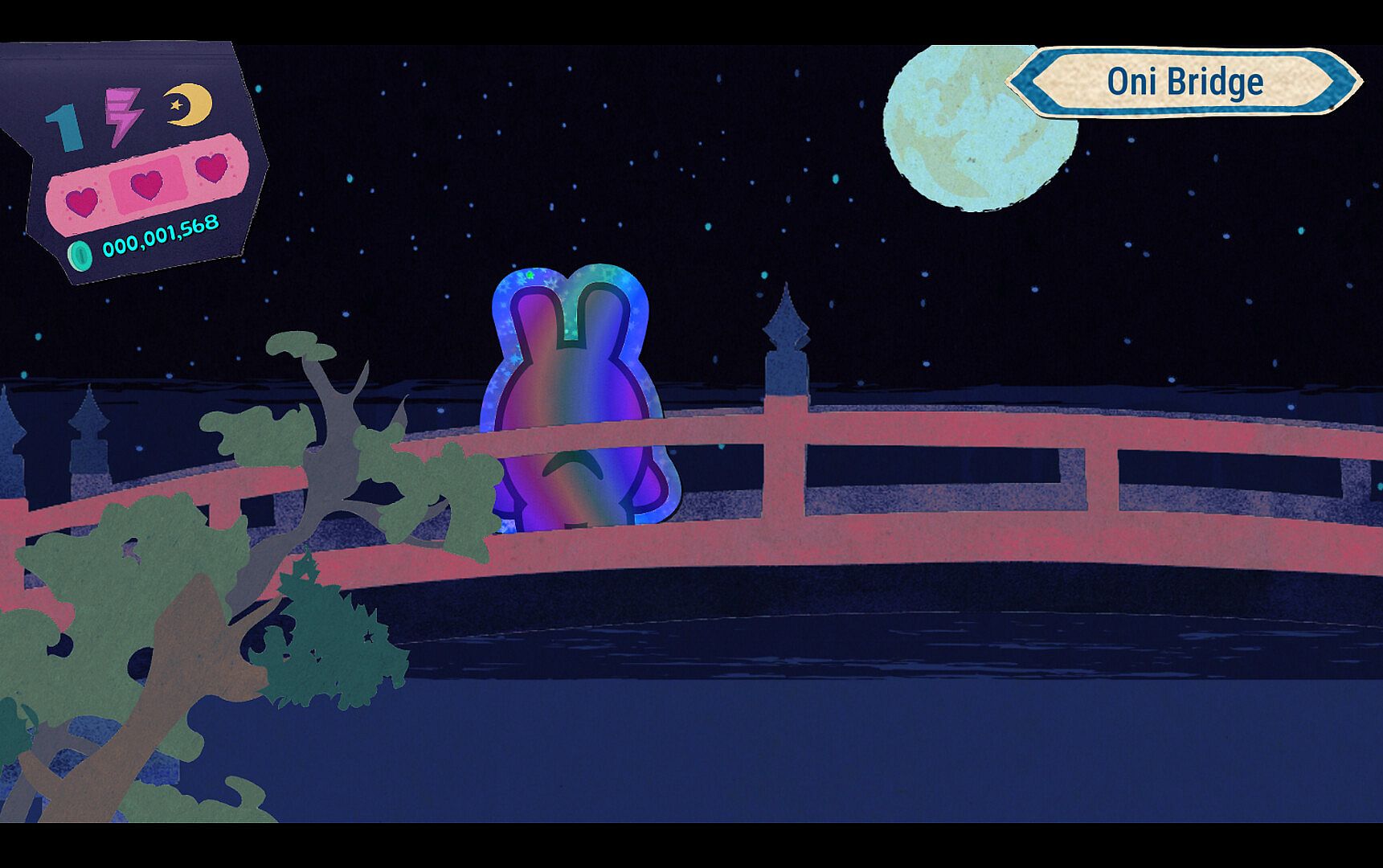
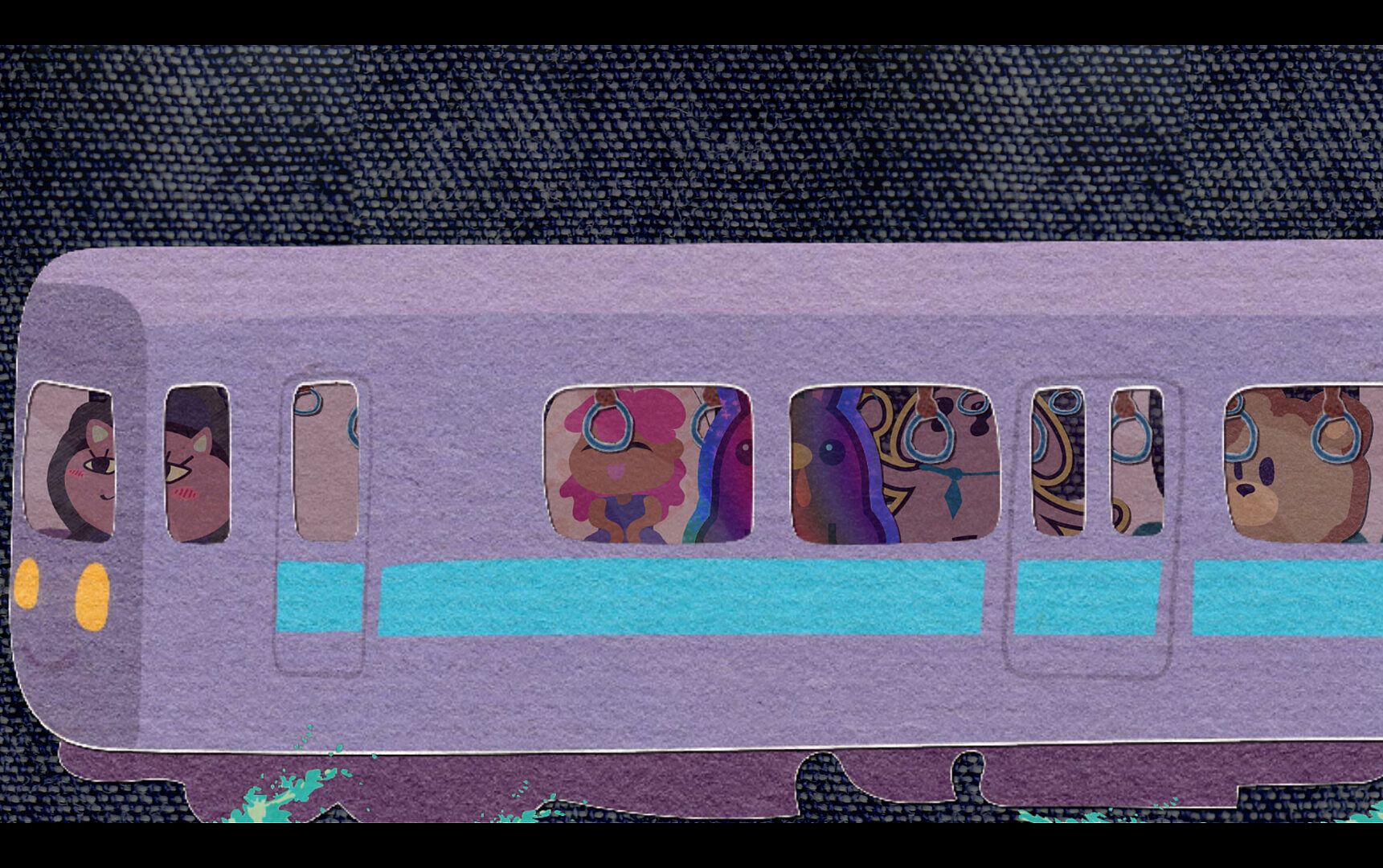
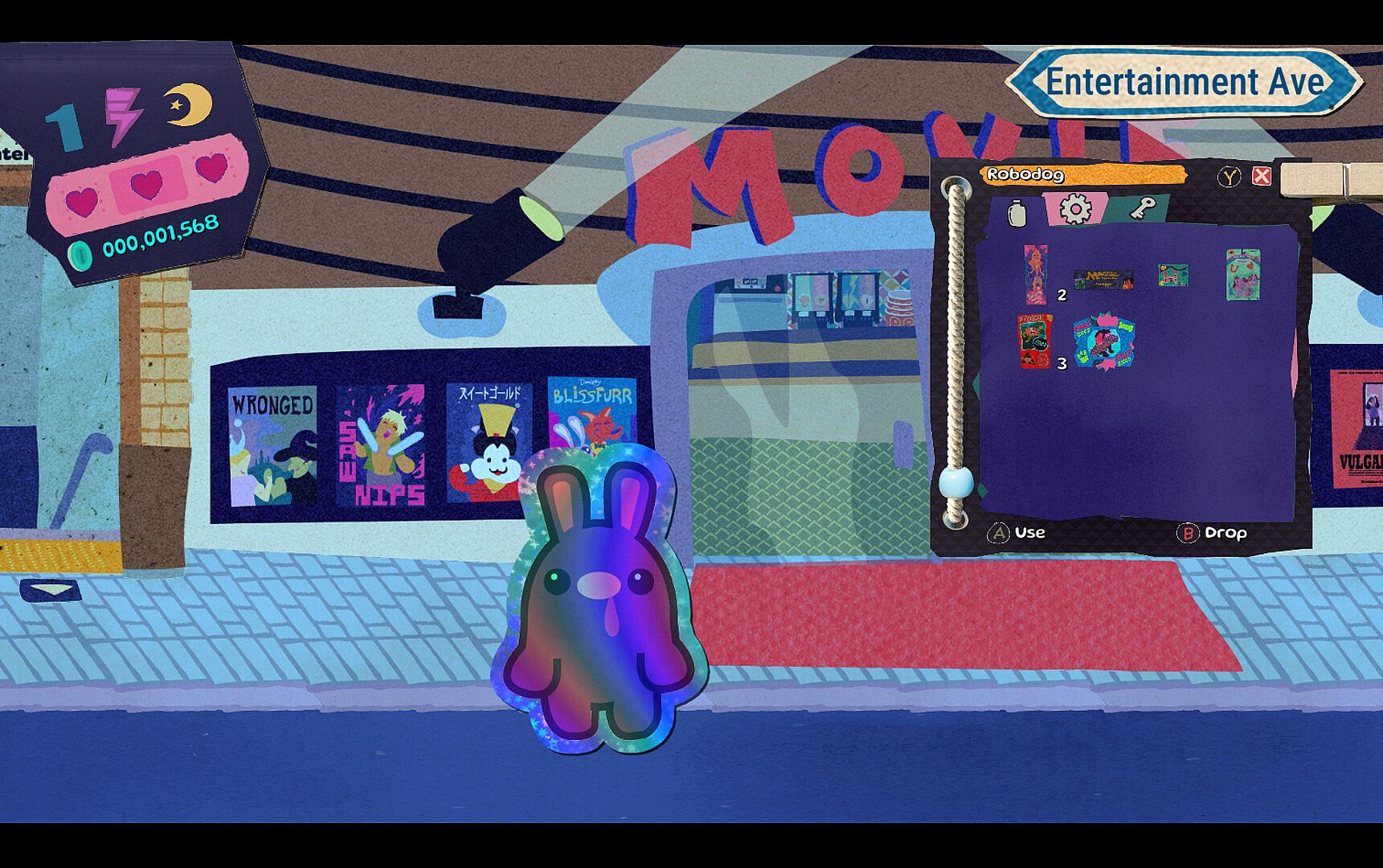
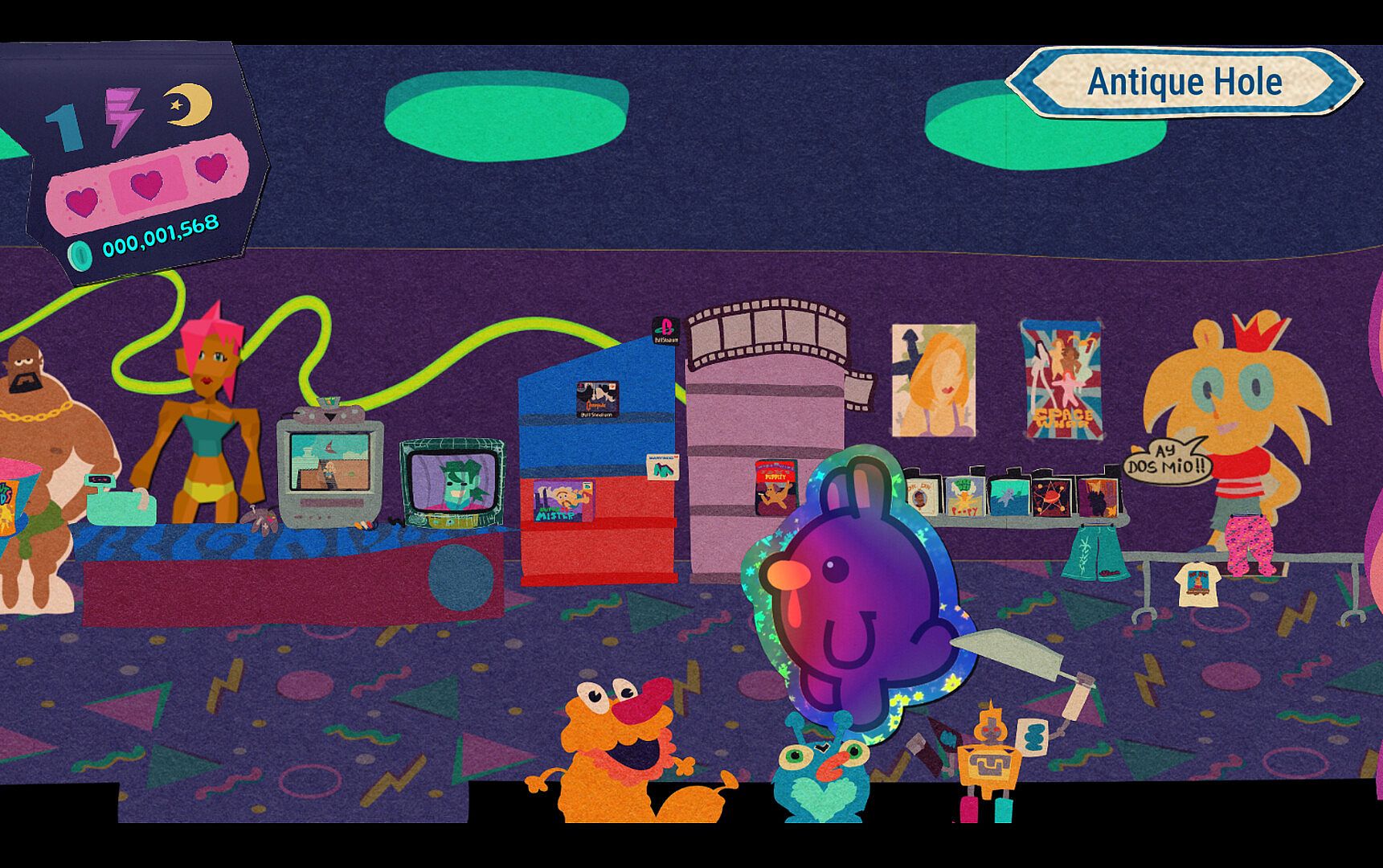
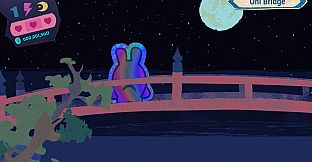
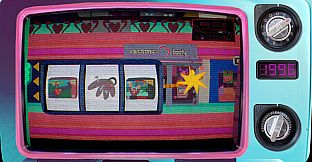
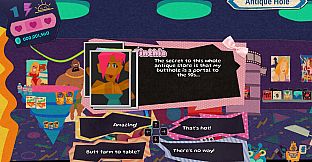
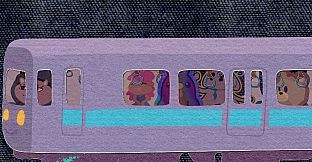
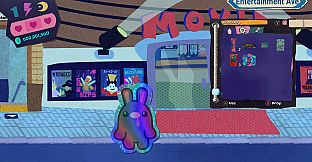
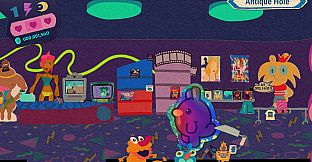
Esc Trip est un jeu d'action RPG indépendant et casual sur PC dans lequel le joueur incarne Jun lors d'un séjour spontané d'une semaine au Japon. L'expérience repose sur une simulation de vacances non linéaire centrée sur des choix quotidiens, sans objectif imposé ni progression linéaire. Le joueur décide librement comment occuper ses matinées, après-midi et soirées en combinant activités détendues et options plus imprévisibles, le tout présenté dans un style visuel inspiré d'un scrapbook de stickers.
Gameplay
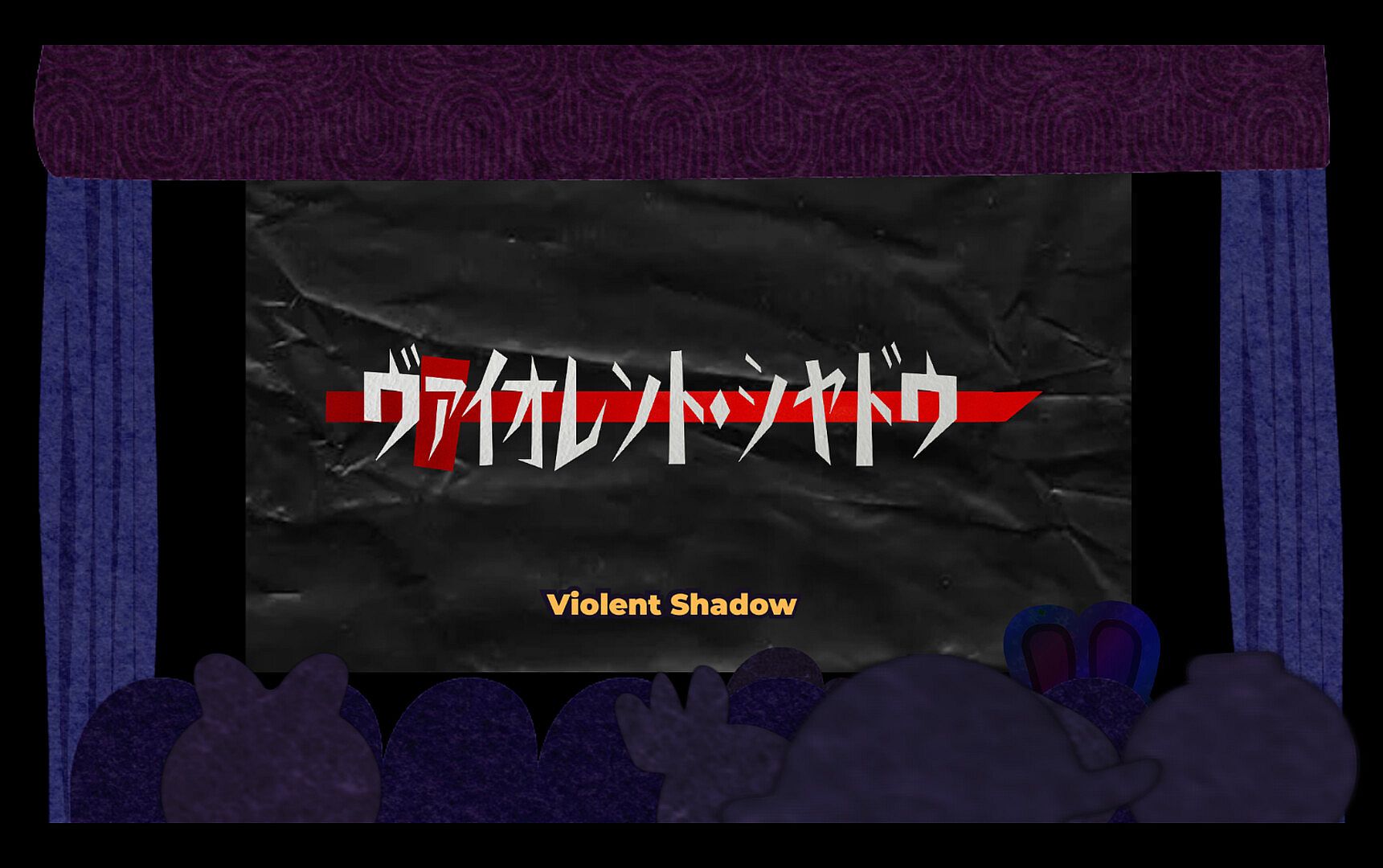
Le cœur du jeu consiste à gérer son temps sur les trois moments de la journée tout en explorant la ville et en interagissant avec ses habitants. Jun commence sans argent ni plan précis, chaque décision influençant le déroulement de la semaine. Les activités vont des rencontres et des relations à la collecte d'objets, en passant par le visionnage de films ou la pratique de loisirs locaux comme le surf. Le système incite à l'expérimentation, car rien n'impose une direction particulière et les conséquences négatives restent facultatives.
Il est possible de passer une semaine sans aucun conflit en privilégiant des occupations positives ou neutres. Aider les habitants ou simplement se promener suffit à remplir son emploi du temps sans pression. L'esthétique renforce cette liberté grâce à des visuels légers qui suivent la progression comme un scrapbook personnel, rendant chaque session unique plutôt que directive.
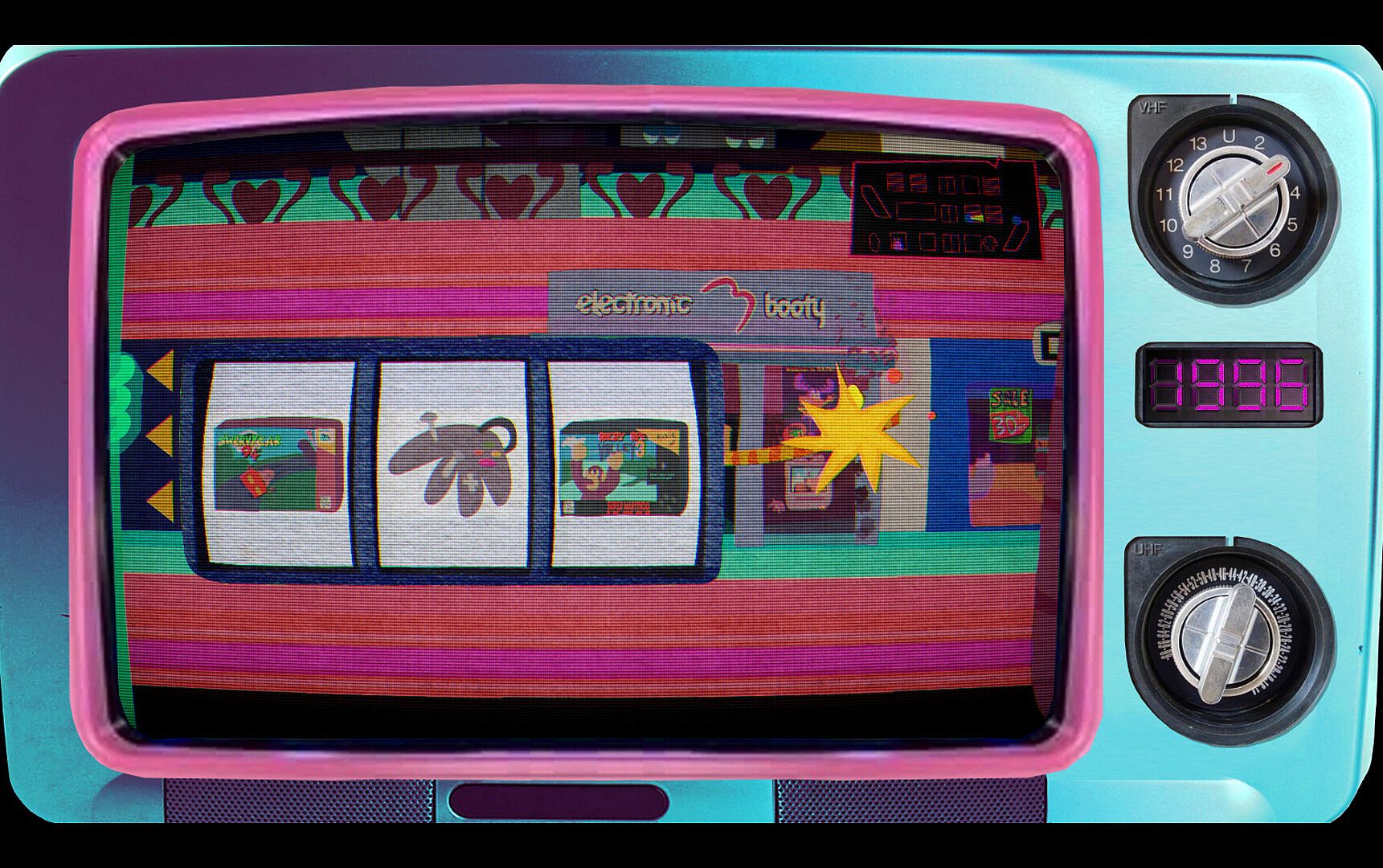
Des chemins plus risqués existent pour ceux qui recherchent le contraste. Ils incluent des confrontations dans des quartiers difficiles, des parties de jeu d'argent ou des défis inattendus comme un tournoi de combat ou des descentes à grande vitesse sur des surfaces glissantes. Le jeu enregistre ces choix tout au long de la semaine, laissant l'histoire émerger de l'équilibre entre décisions prudentes et imprudentes.
Game Modes
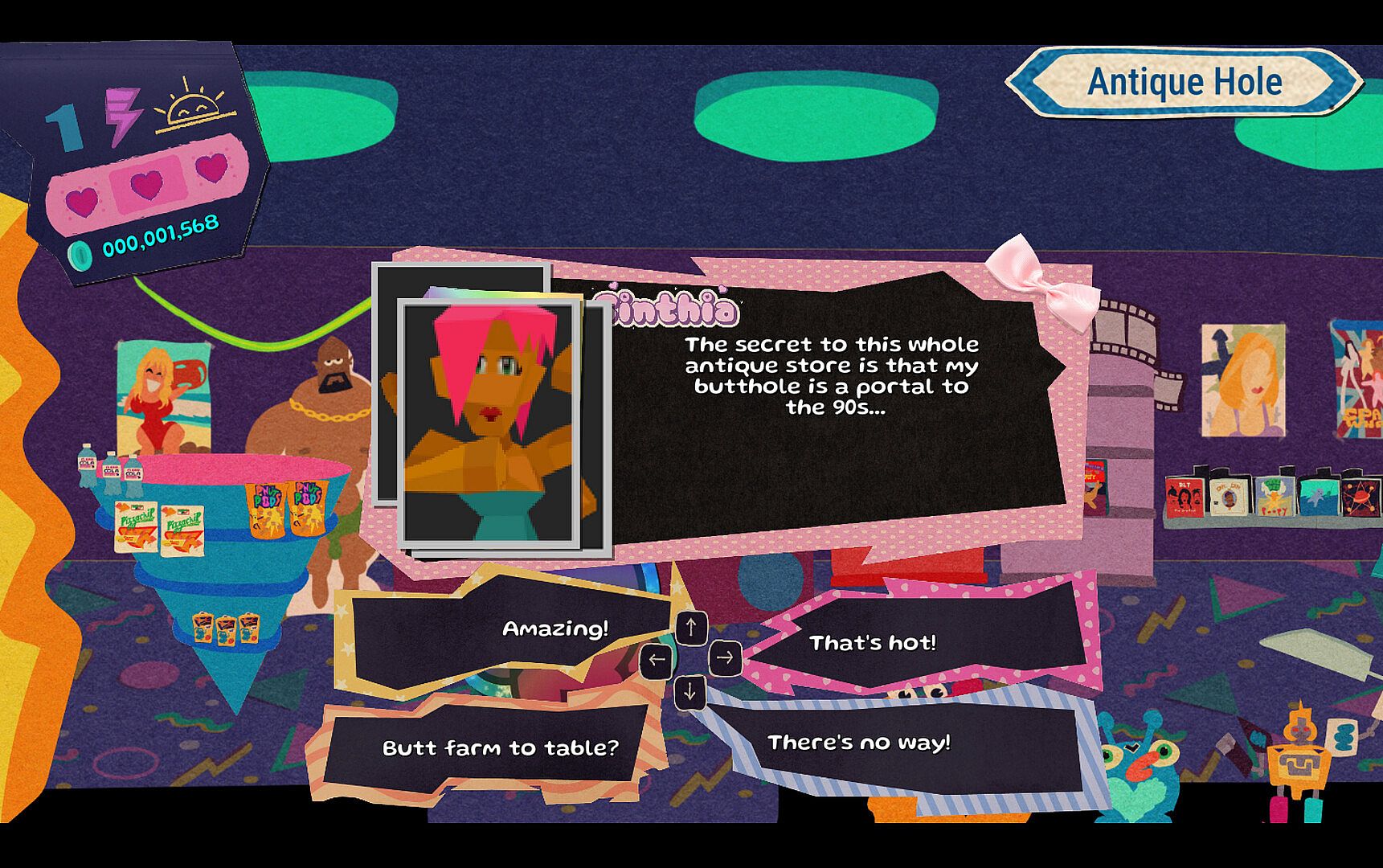
Esc Trip ne propose pas de modes distincts au sens traditionnel. Une seule expérience continue s'adapte selon la façon dont le joueur répartit son temps et choisit ses compagnons ou ses activités en solitaire. Une approche privilégie une semaine sereine et sans enjeu à travers des rencontres sociales, des divertissements et des tâches utiles. Une autre penche vers le désordre avec insultes, bagarres ou détours par des portails qui font basculer le ton vers l'absurde.
La structure jour-nuit crée naturellement de la variété sans modes supplémentaires. Les matinées peuvent être consacrées à la planification ou à une exploration légère, les après-midi à des interactions plus approfondies ou à des événements, et les soirées à la vie nocturne ou à des sorties plus risquées. Le joueur peut recommencer la semaine plusieurs fois pour tester différents équilibres entre routines calmes et choix énergiques, le tout dans le même cadre.
Story and Player Freedom
Une trame narrative légère existe, mais elle se construit entièrement à partir de l'emploi du temps et des relations du joueur. Passer du temps avec certains personnages peut mener à des amitiés ou à une romance, tandis que les activités solitaires créent un autre type de parcours personnel. Le jeu évite les quêtes obligatoires, laissant la semaine ressembler à des vacances ouvertes plutôt qu'à une liste de tâches.
Cette liberté s'étend également au ton. Certaines sessions restent entièrement positives, sans violence ni tension, tandis que d'autres embrassent le chaos à travers des arrestations, des expulsions ou des événements étranges. La présentation en scrapbook de stickers consigne ces moments sans jugement, offrant au joueur un résumé visuel de son chemin unique.
Is It Worth Playing?
Esc Trip convient aux joueurs qui apprécient les expériences solo ouvertes où les choix personnels influencent le résultat plus qu'une intrigue fixe. Ceux qui aiment combiner une simulation sociale détendue avec des éléments occasionnels absurdes ou risqués trouveront la structure gratifiante. L'absence d'objectifs obligatoires en fait un jeu idéal pour des sessions courtes ou longues, selon la portion de la semaine que le joueur souhaite vivre en une fois.
Parce qu'il propose à la fois des options paisibles et perturbatrices sans en imposer aucune, le jeu s'adresse à un large éventail de préférences dans l'espace indie action RPG adventure casual. Les joueurs qui valorisent la rejouabilité à travers différents modes de vie plutôt que des systèmes compétitifs ou de vastes campagnes apprécieront probablement le concept d'une semaine au Japon. La version actuelle fonctionne de manière autonome, sans contenu additionnel nécessaire pour explorer l'ensemble des choix possibles.