


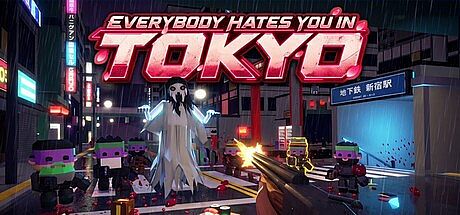


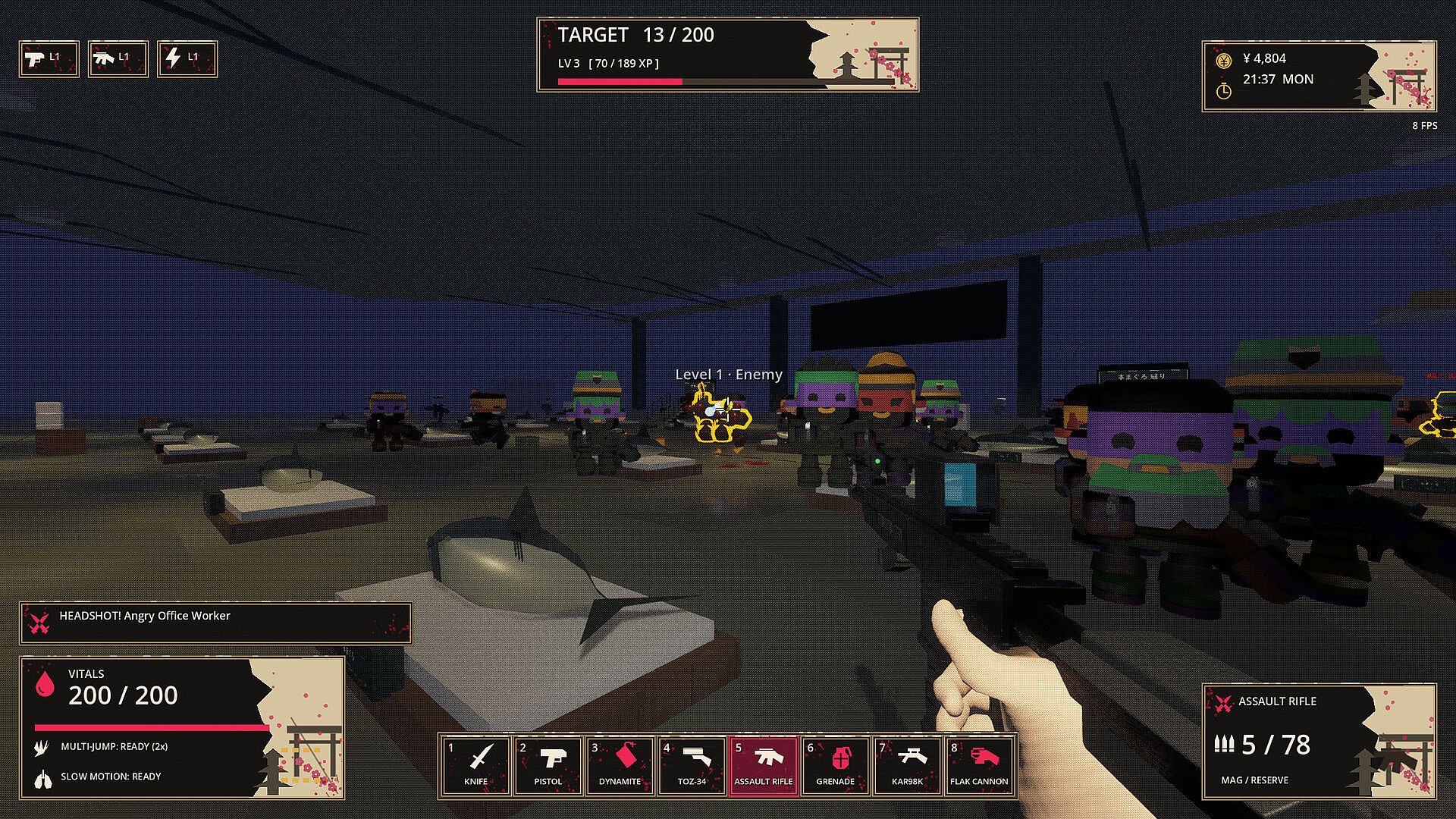
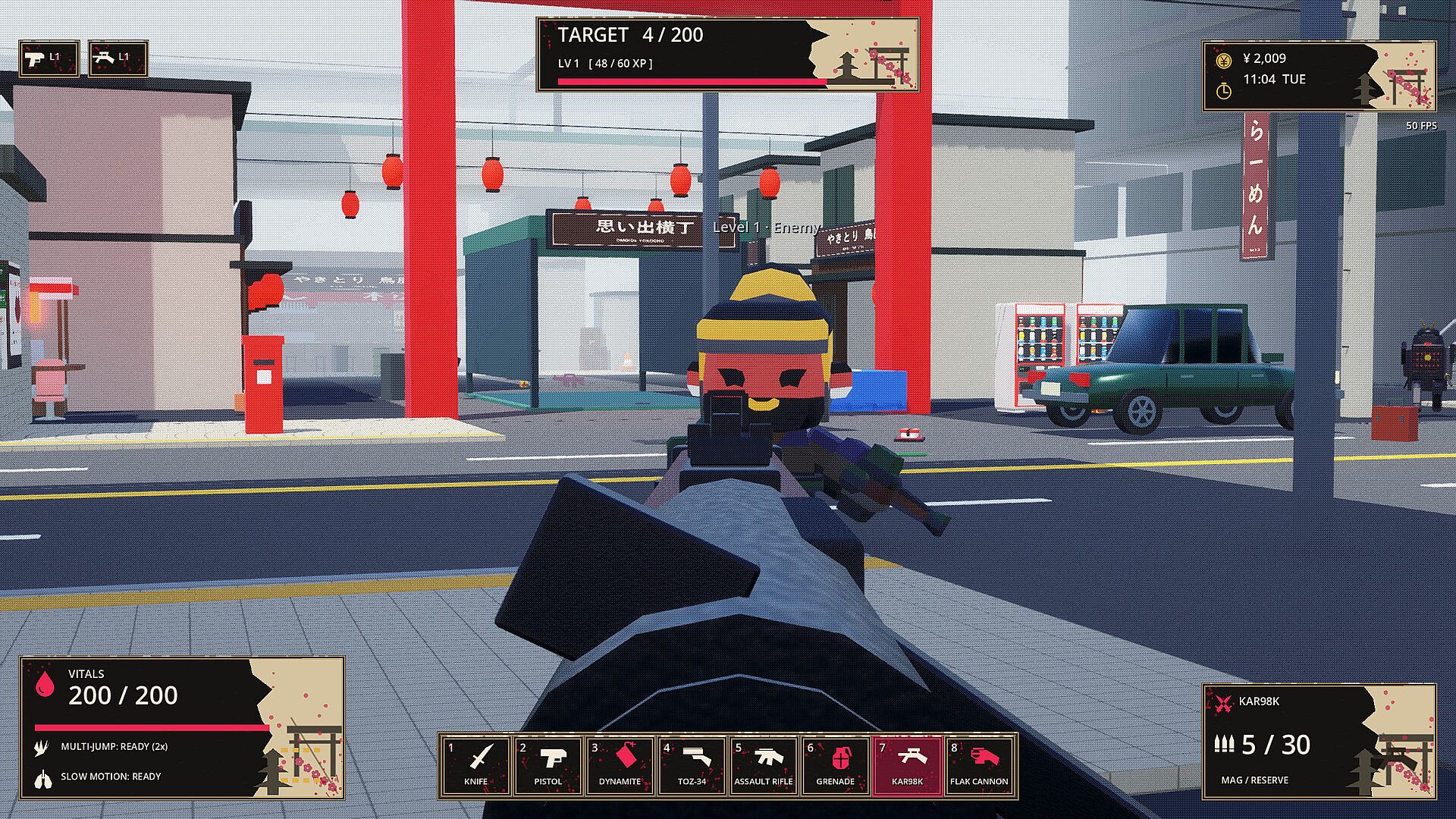
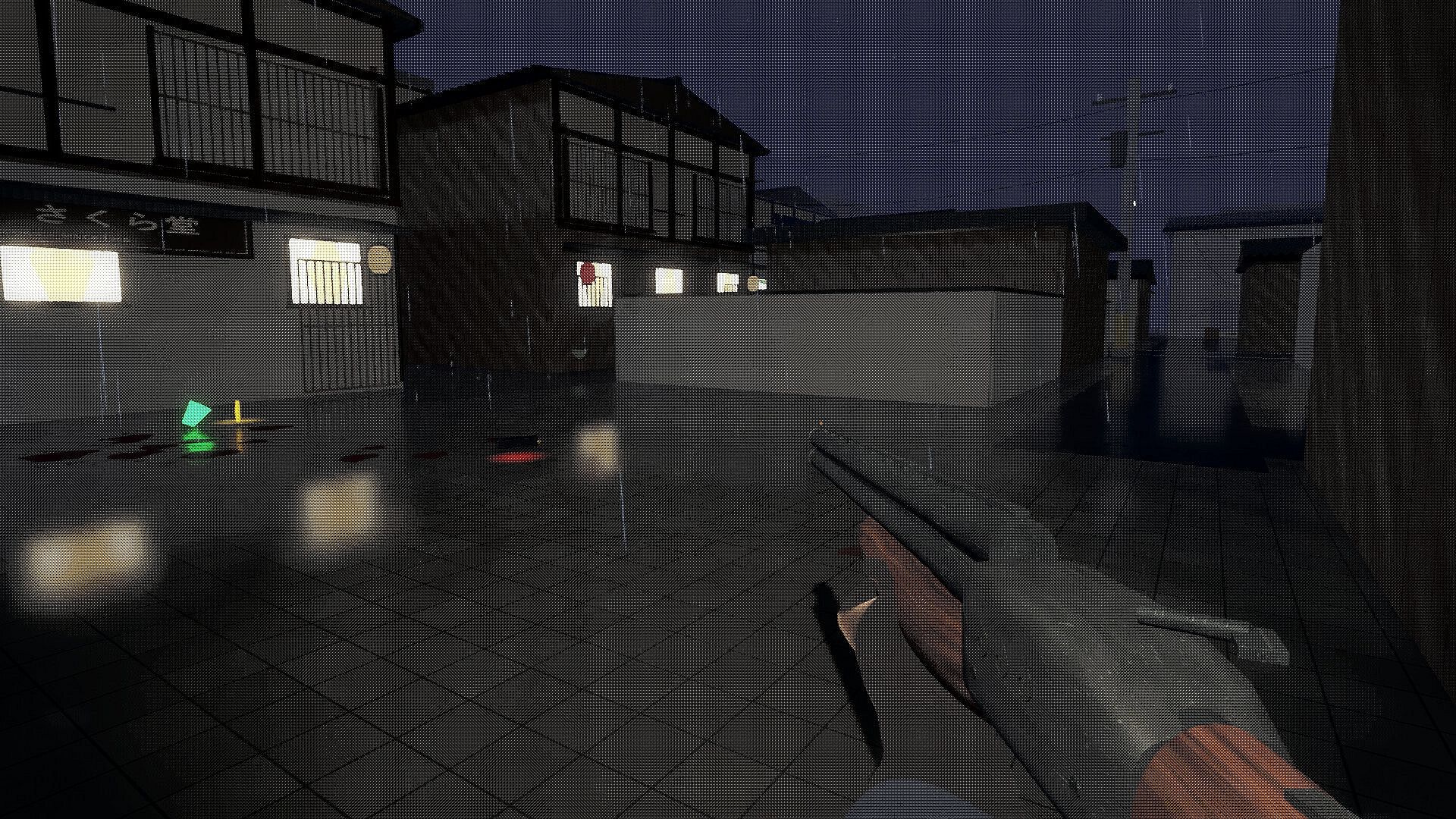
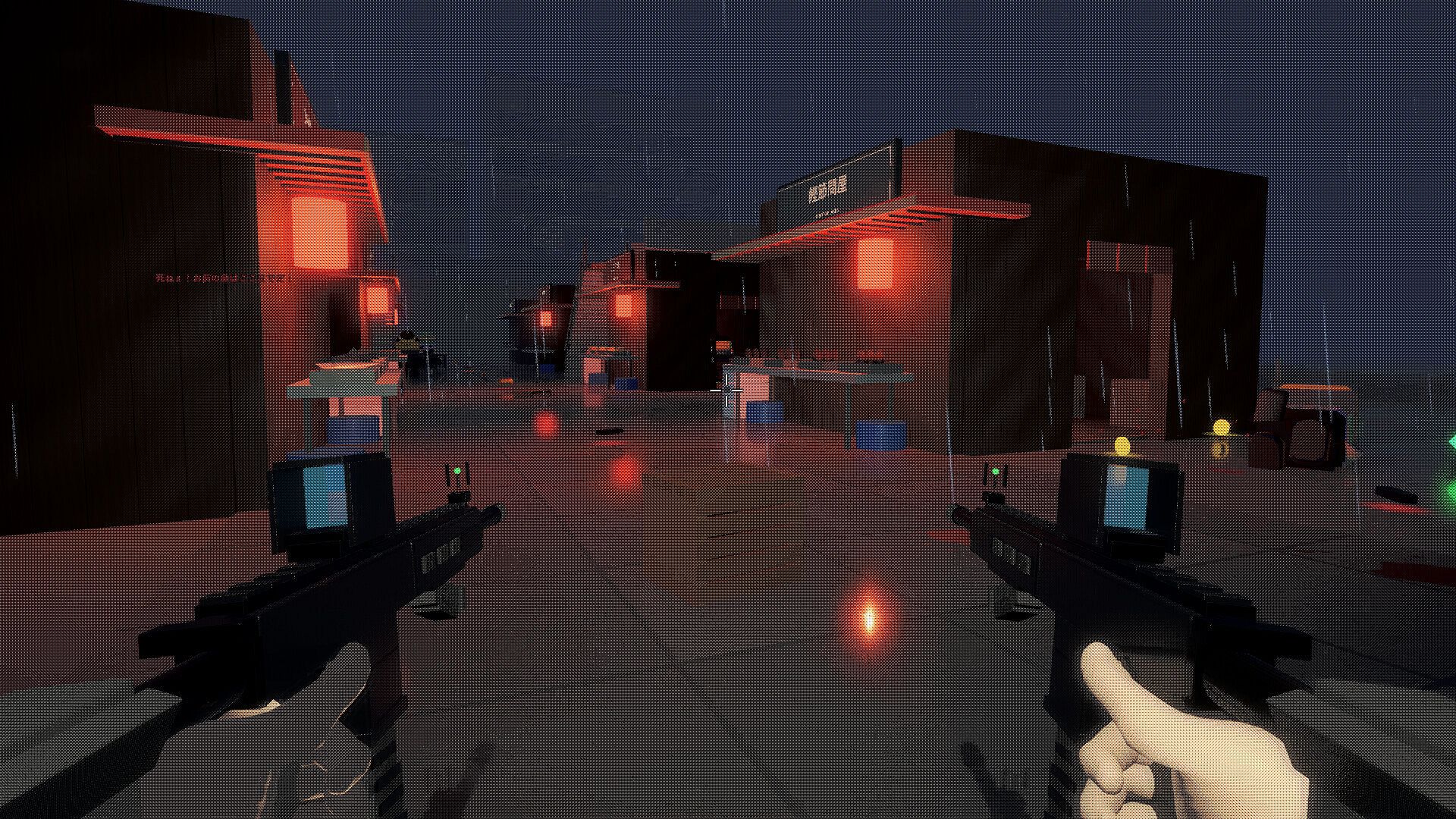
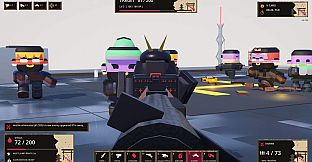
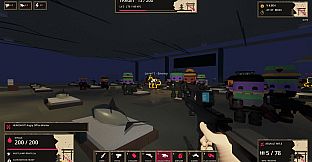
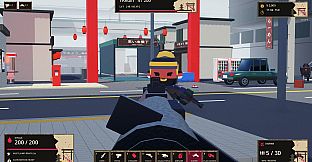
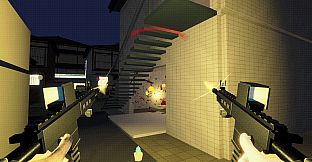
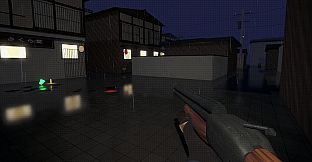
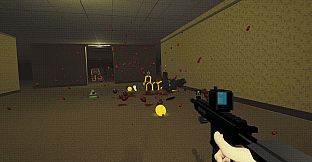
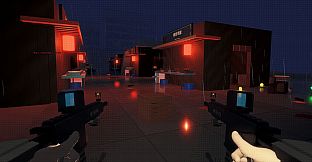
Everybody Hates You in TOKYO is a retro action FPS for PC that drops players into a 1990s version of the Japanese capital where every resident and creature seems determined to end the visit early. The neon-lit streets and crowded avenues serve as the backdrop for nonstop shooting against salarymen, street thugs, ninjas, samurai, vengeful spirits, and stranger threats that appear as stages progress.
Gameplay
The core loop centers on fast movement and heavy firepower across sixteen distinct arenas. Players sprint through packed streets, double-jump over obstacles, wall-run along surfaces, and wall-jump to reach new paths while leaning around corners for precise shots. Standing still invites trouble, so chaining movement with gunfire keeps the action flowing against waves of enemies.
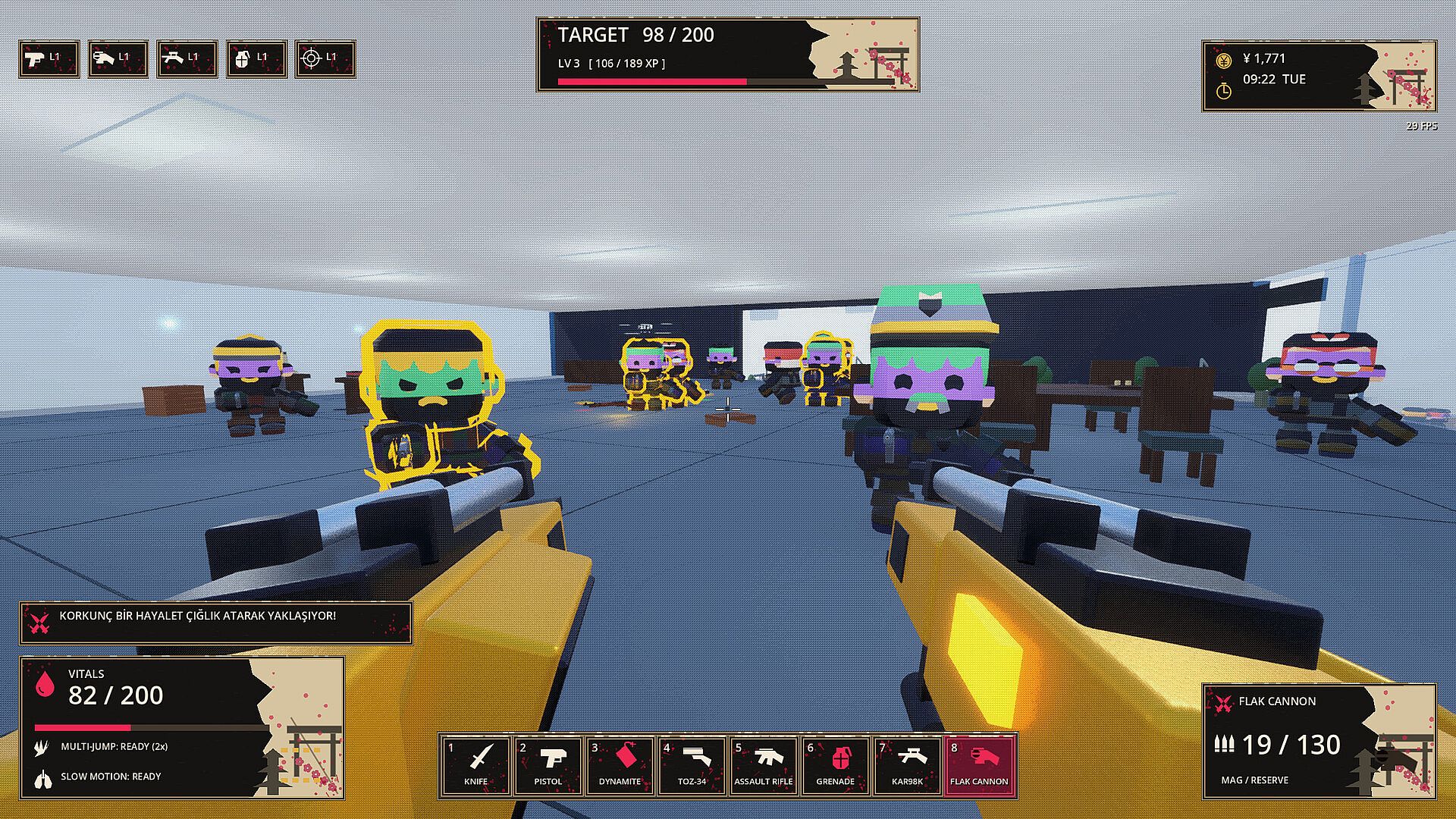
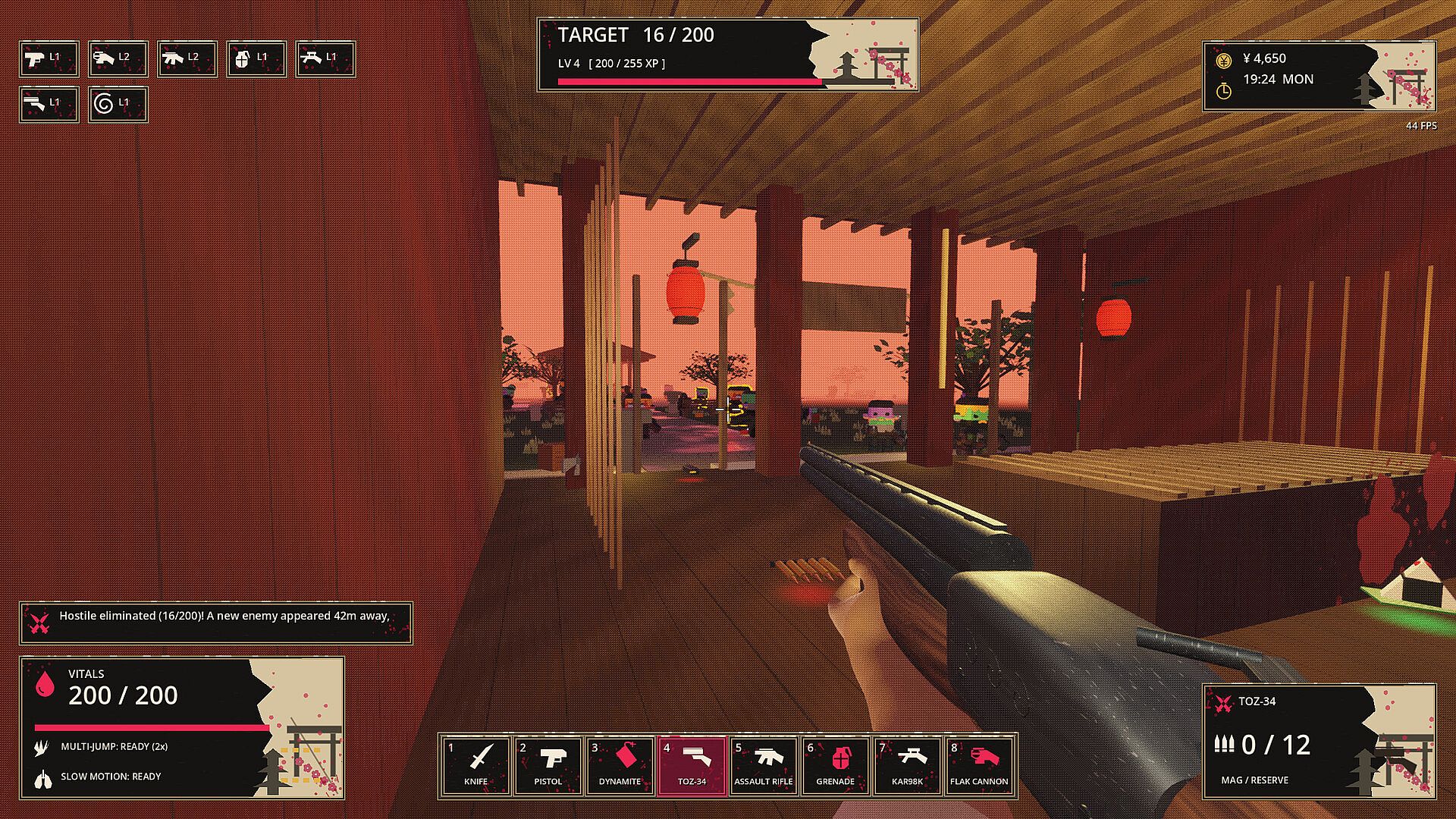
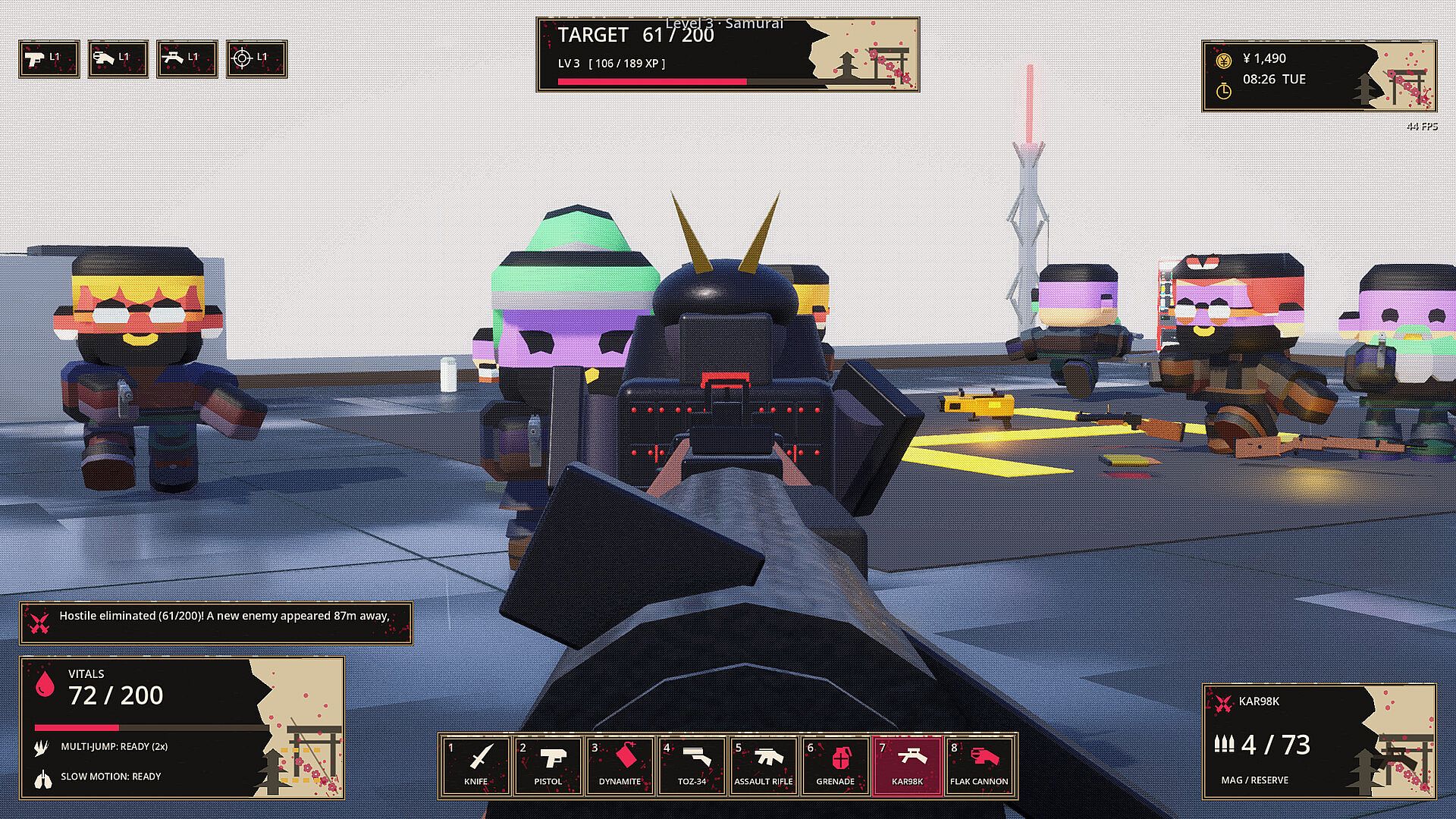
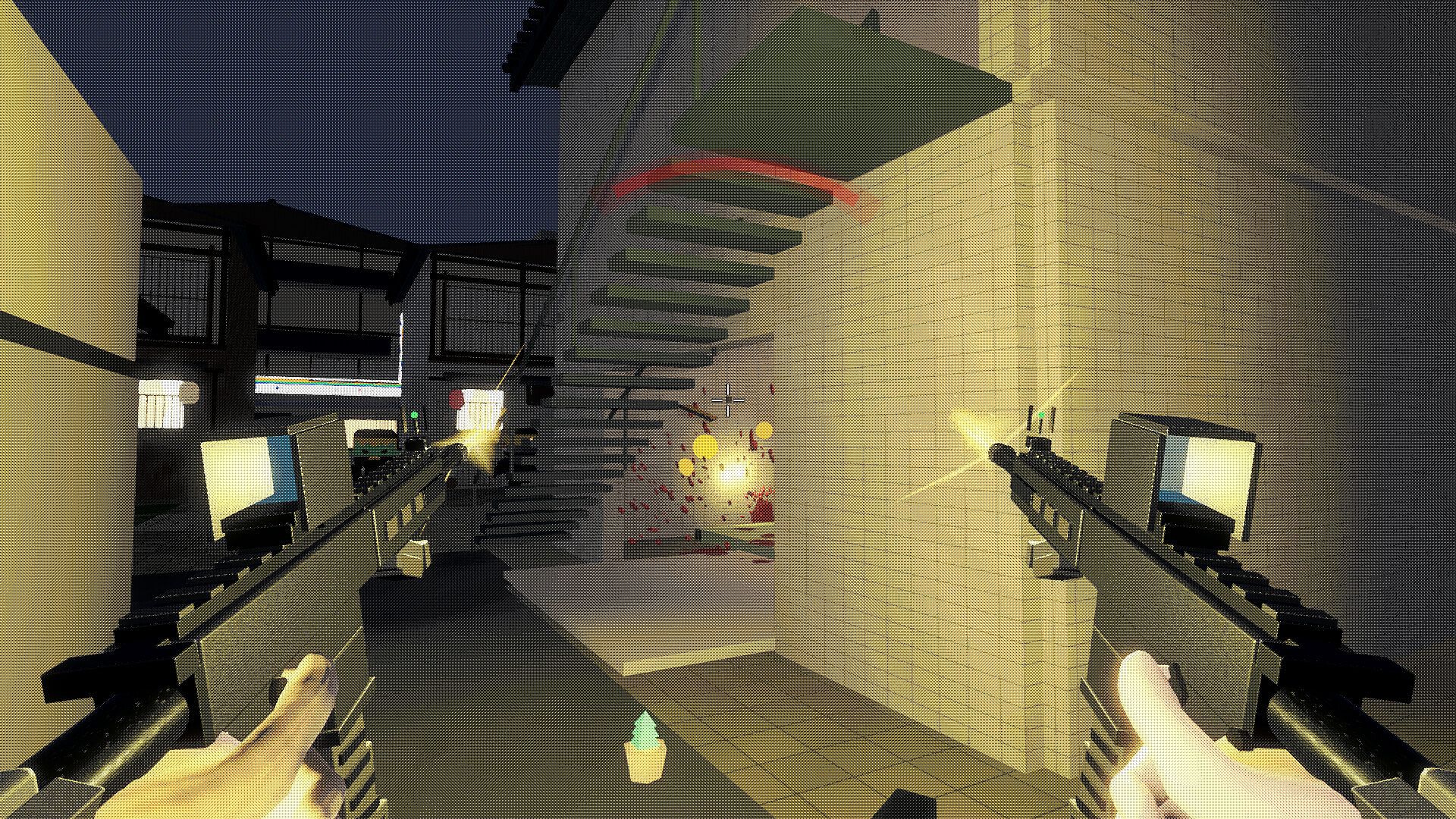
Eight weapon slots allow carrying a varied loadout that includes a double-barrel shotgun for close-range power, dual pistols and assault rifles for sustained fire, a flak cannon that spreads shrapnel, a grenade launcher for explosive solutions, the Kar98k bolt-action rifle for long-range precision, sticks of dynamite, and a tactical knife for close encounters or when ammunition runs low. Impacts feel chunky, bodies fly from physics-driven hits, and reload animations add to the satisfying rhythm.
Defeating enemies grants experience, cash, and upgrade opportunities during combat. Choices focus on increasing damage output, gun speed, projectile count, health, movement speed, armor, and ammunition capacity. Weapon-specific upgrades encourage experimentation with combinations. Between stages, yen can be spent on permanent improvements that carry into future runs, turning each visit to Tokyo more destructive than the last.
Game Modes
The game supports solo play for those who prefer to handle the chaos alone or online co-op for two players who want to share the destruction. In co-op, teams push through the same arenas against increasingly hostile groups while coordinating movement and firepower. Solo runs keep all the glory but face the full enemy pressure without backup.
Accessibility options include a Kid Mode that replaces supernatural enemies with human ones, adds extra health, and enables automatic reloading. Separate sliders adjust blood effects, visual fidelity, retro presentation filters, and performance settings to match different hardware and preferences.
Arenas and Progression
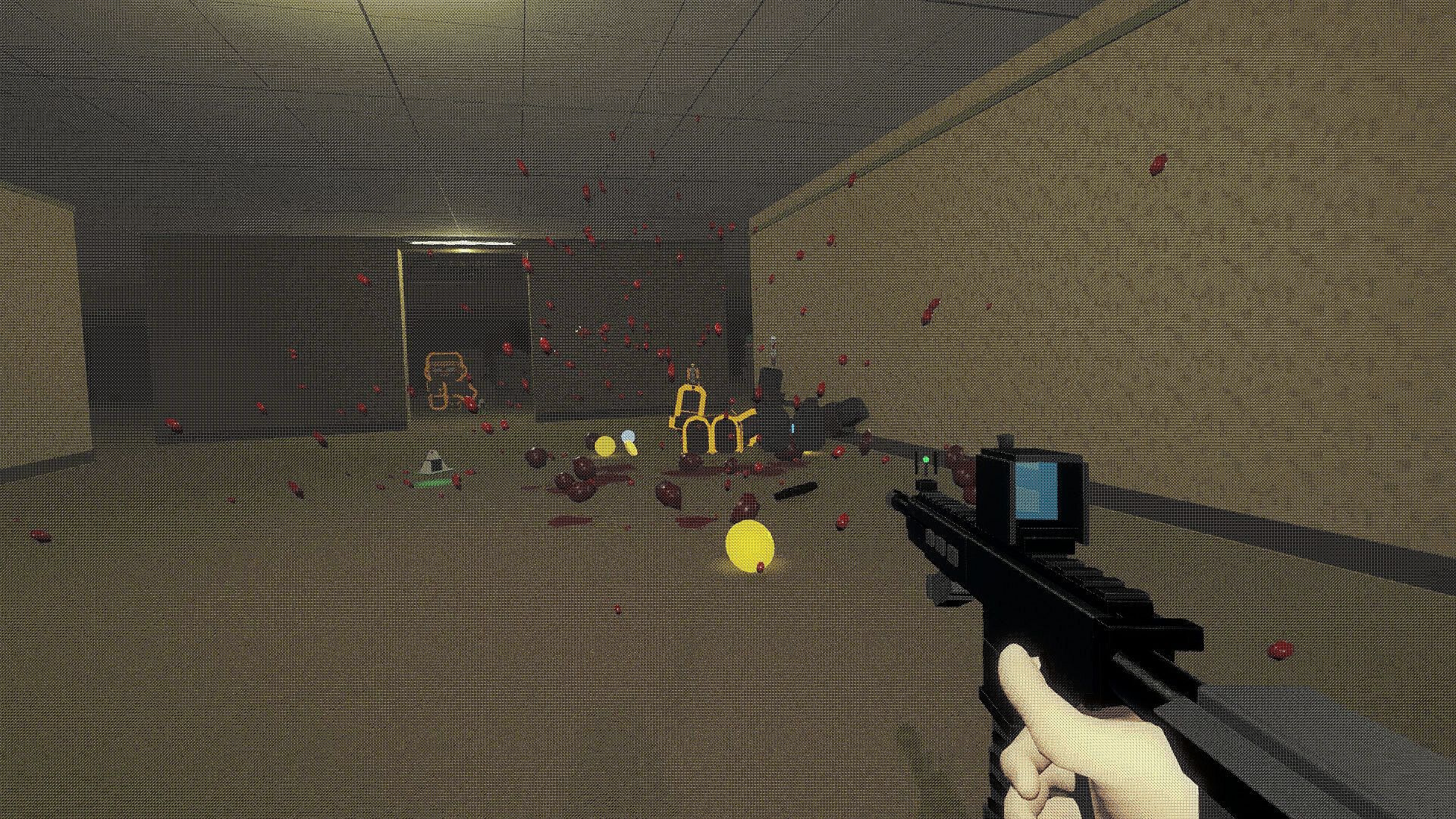
Each completed stage unlocks the next destination on a tour that starts grounded in real 1990s Tokyo locations and grows stranger. Early arenas feature Shinjuku neon, Shibuya Crossing crowds, Akihabara electronics districts, rooftops, shopping malls, fish markets, bamboo forests, and snow-covered villages. Later stages introduce haunted towns, impossible architecture, endless yellow corridors, and eventually the depths of Hell itself.
Progression ties directly to clearing these arenas. Experience and resources from one stage feed upgrades that make the next more manageable, while the permanent yen purchases build a stronger baseline for repeated attempts or co-op sessions.
Is It Worth Playing?
Players who enjoy fast retro FPS experiences with strong emphasis on movement and arsenal variety will find a focused loop here. The sixteen arenas provide clear variety in layout and atmosphere, and the upgrade system rewards experimentation without requiring long setup times. Co-op adds a layer for shared runs, while solo remains fully viable. Options like Kid Mode and adjustable visuals make the game approachable for different skill levels and hardware. Those seeking deliberate pacing or narrative depth may want to look elsewhere, but the title delivers on its promise of violent, movement-driven action through a neon-soaked setting that escalates into the surreal.












