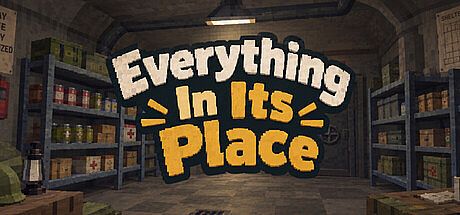


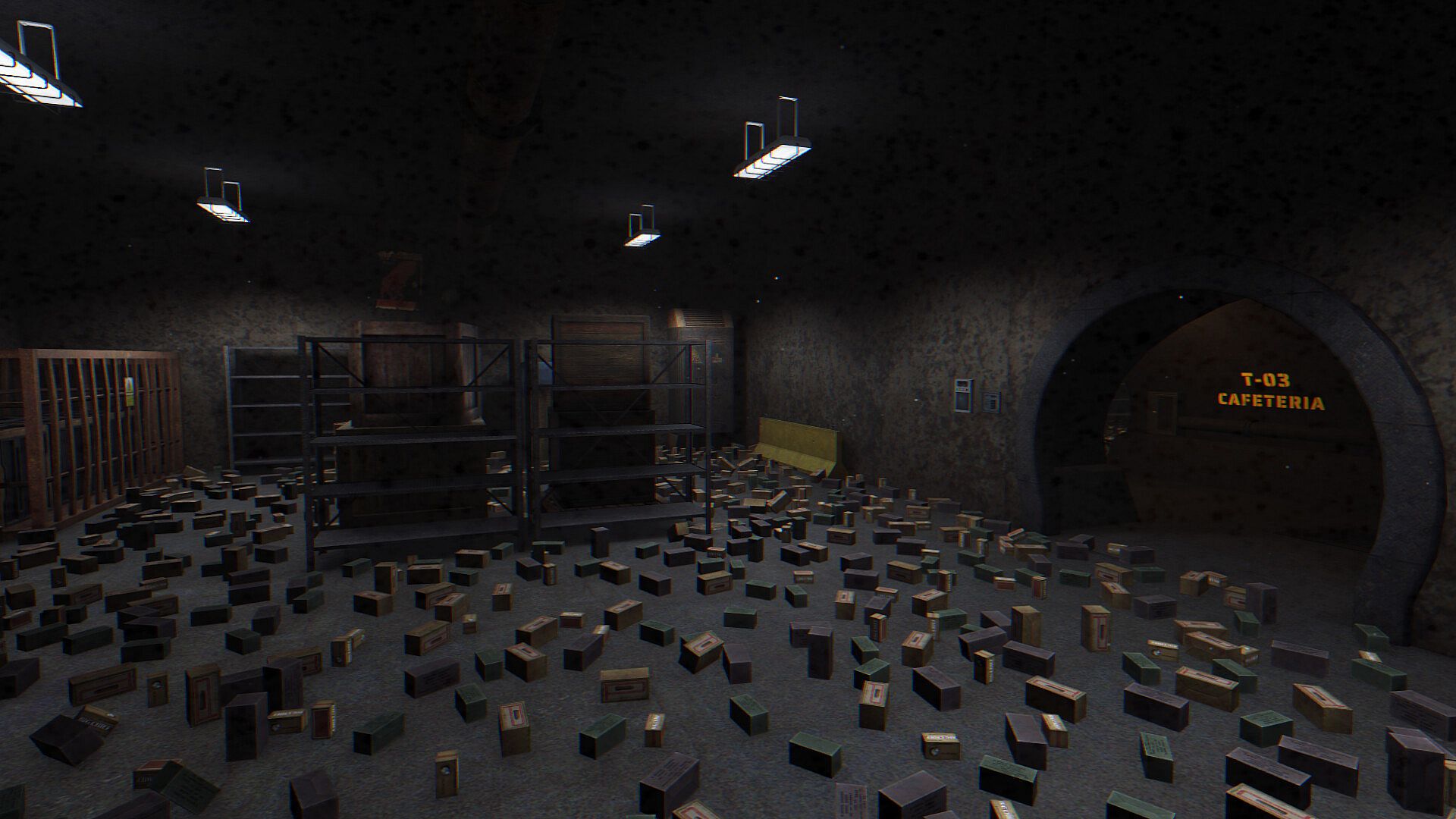

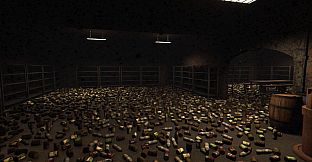
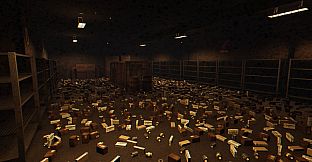
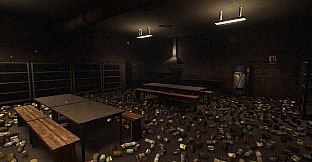
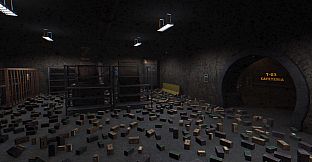
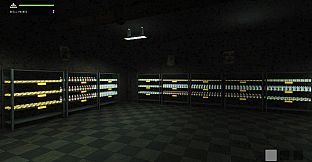

Everything In Its Place is a casual simulation game focused on methodical organization in a post-conflict shelter setting. Players restore order to scattered supplies across multiple rooms without any timers, combat, or external threats, emphasizing careful placement and gradual efficiency gains.
Gameplay
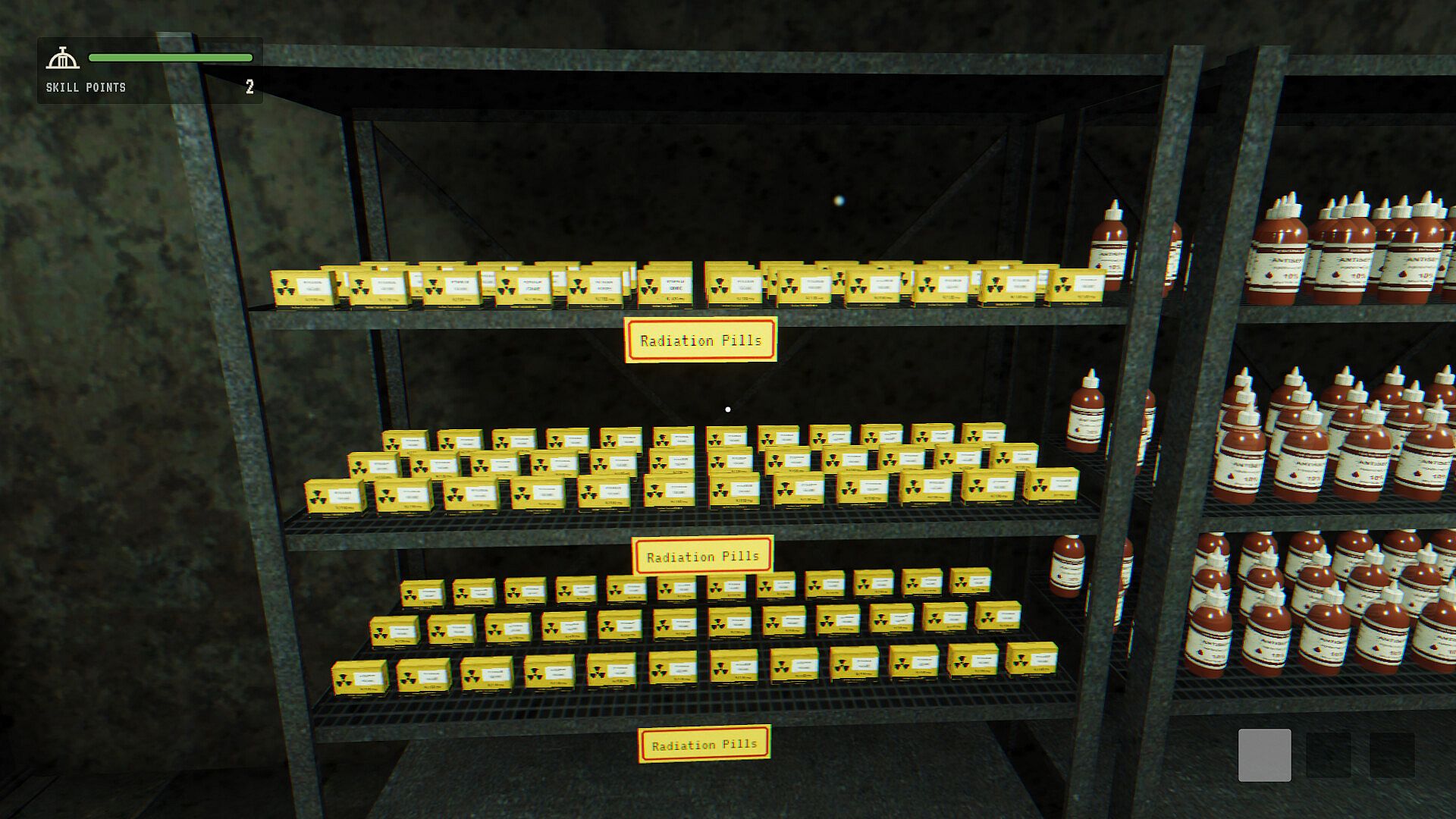
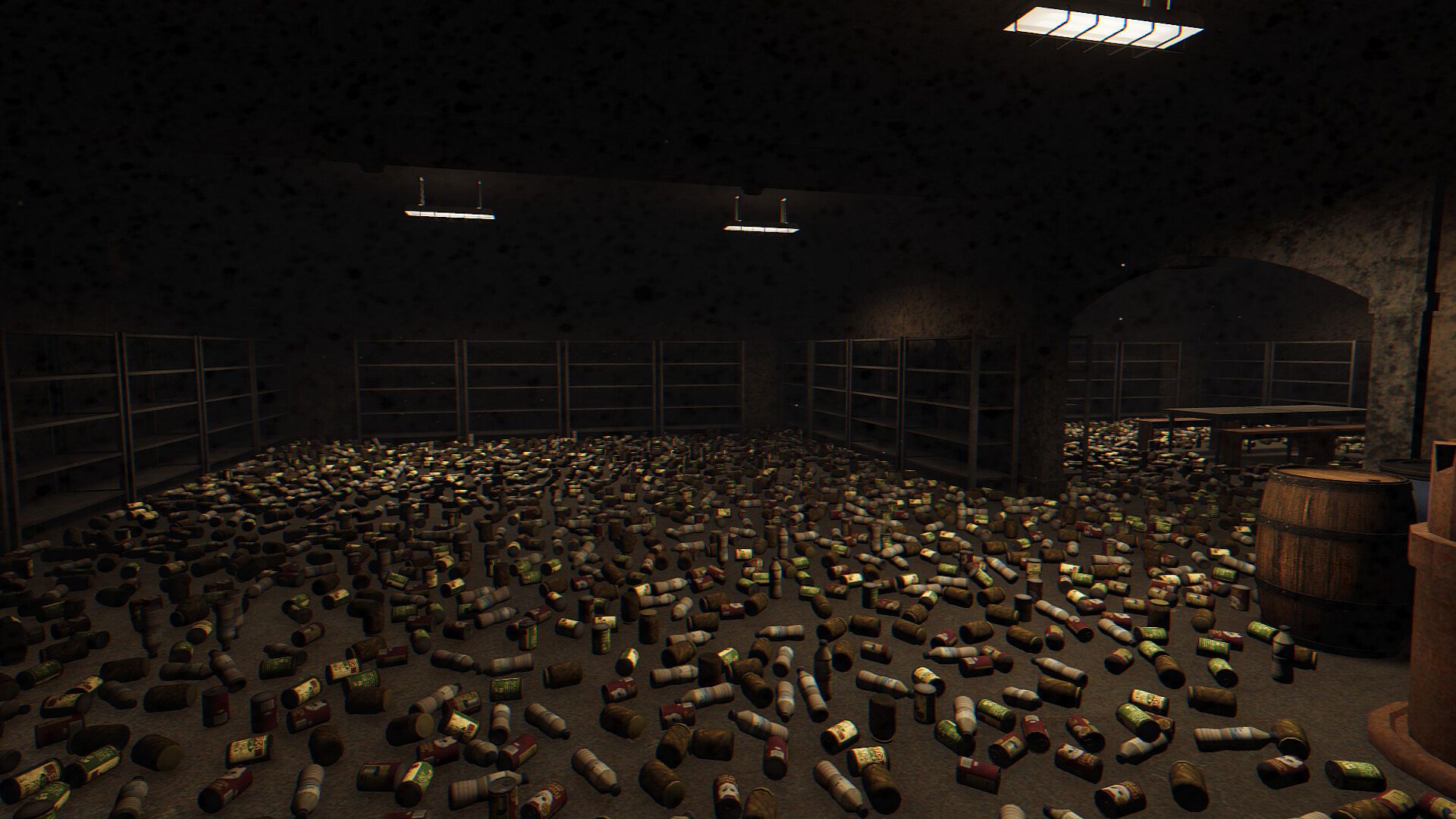
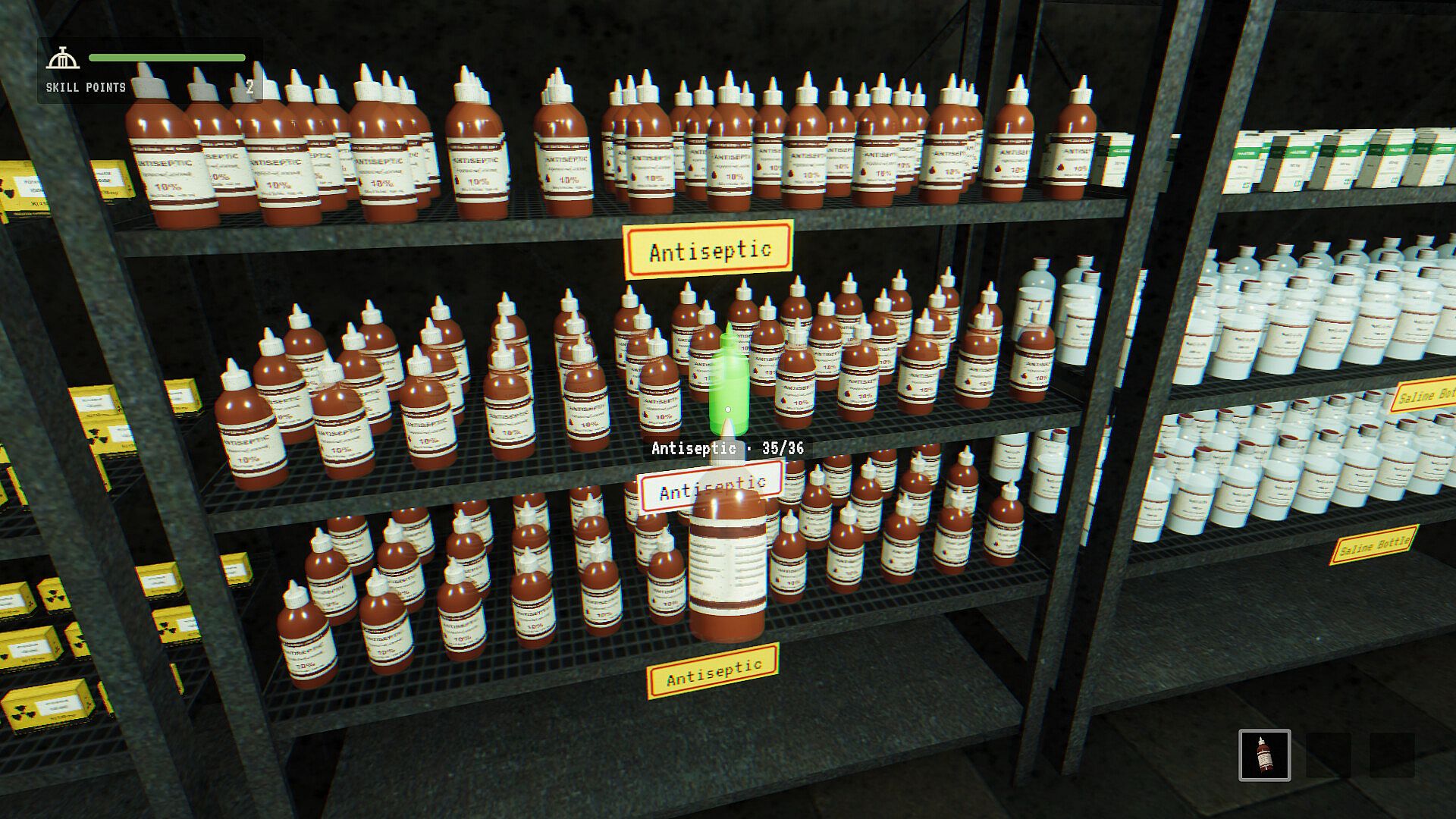
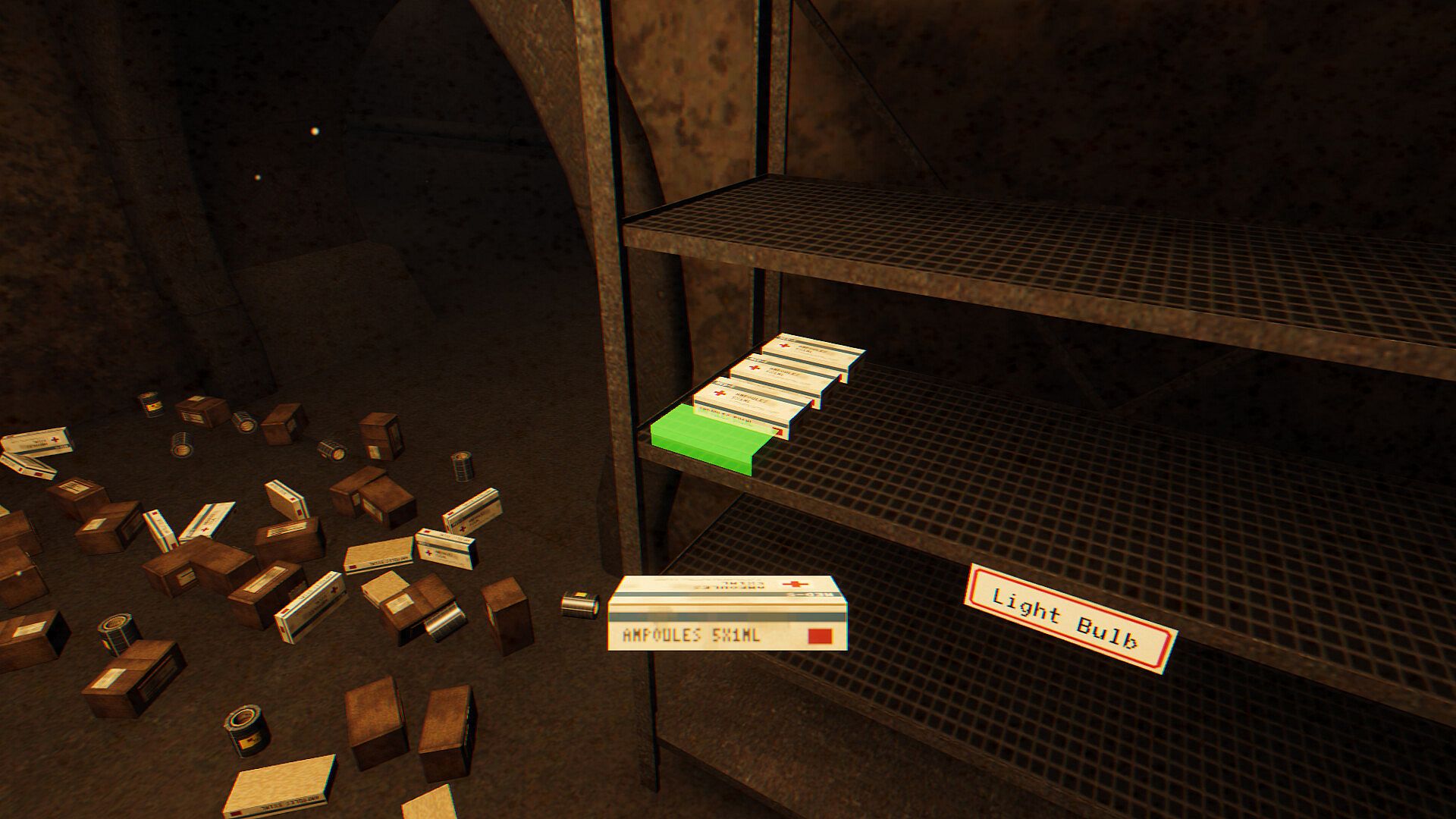
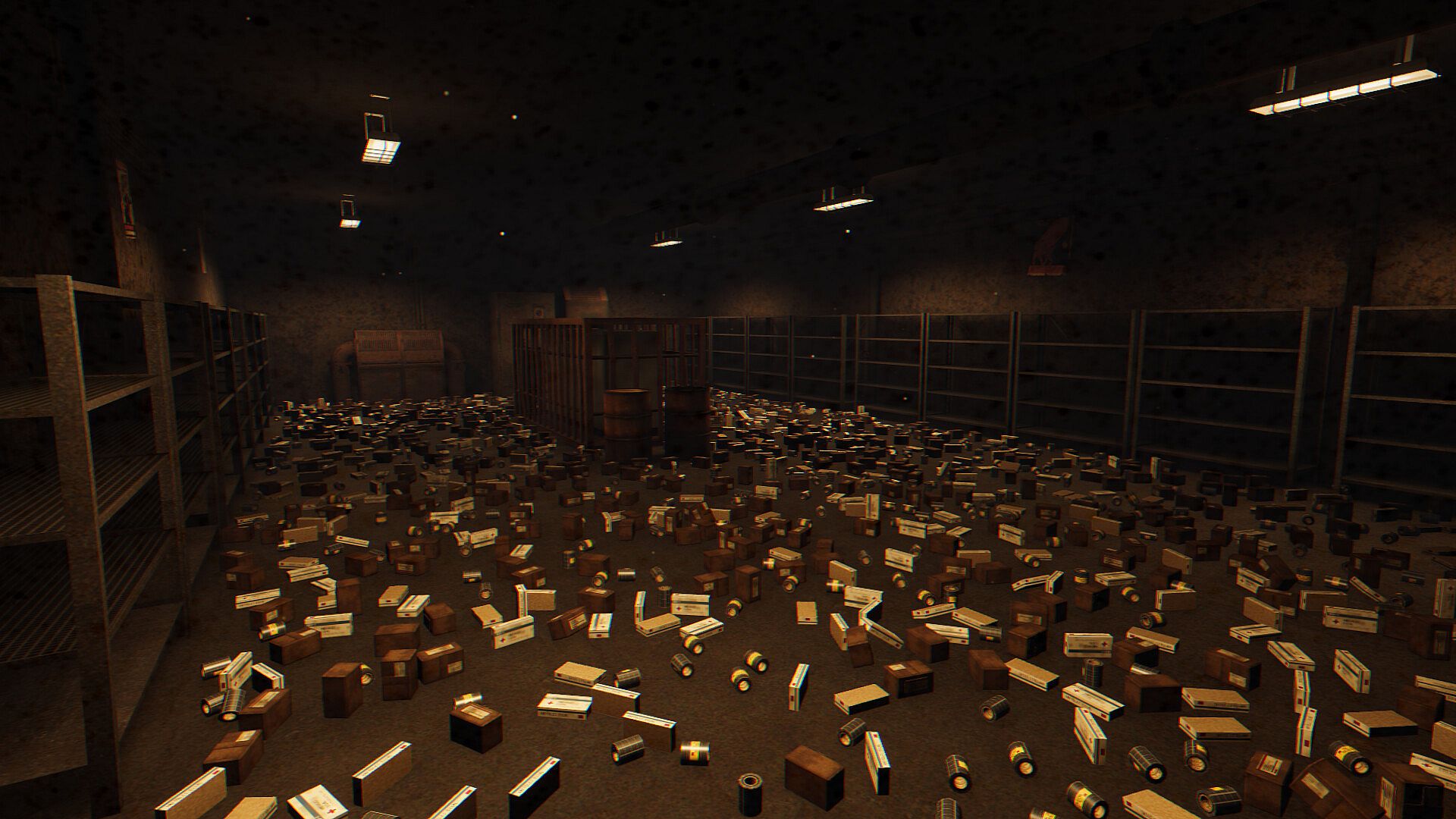
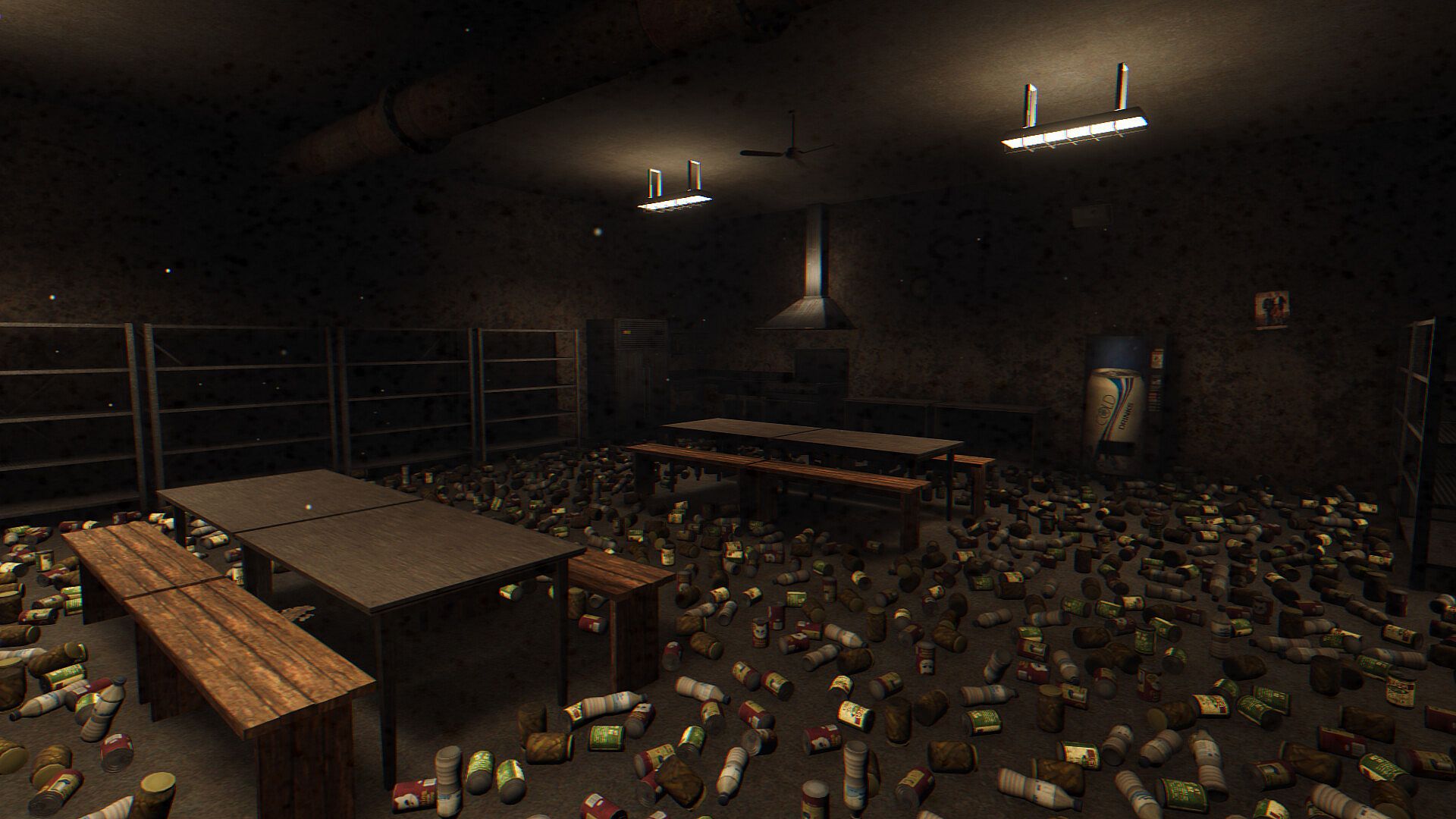
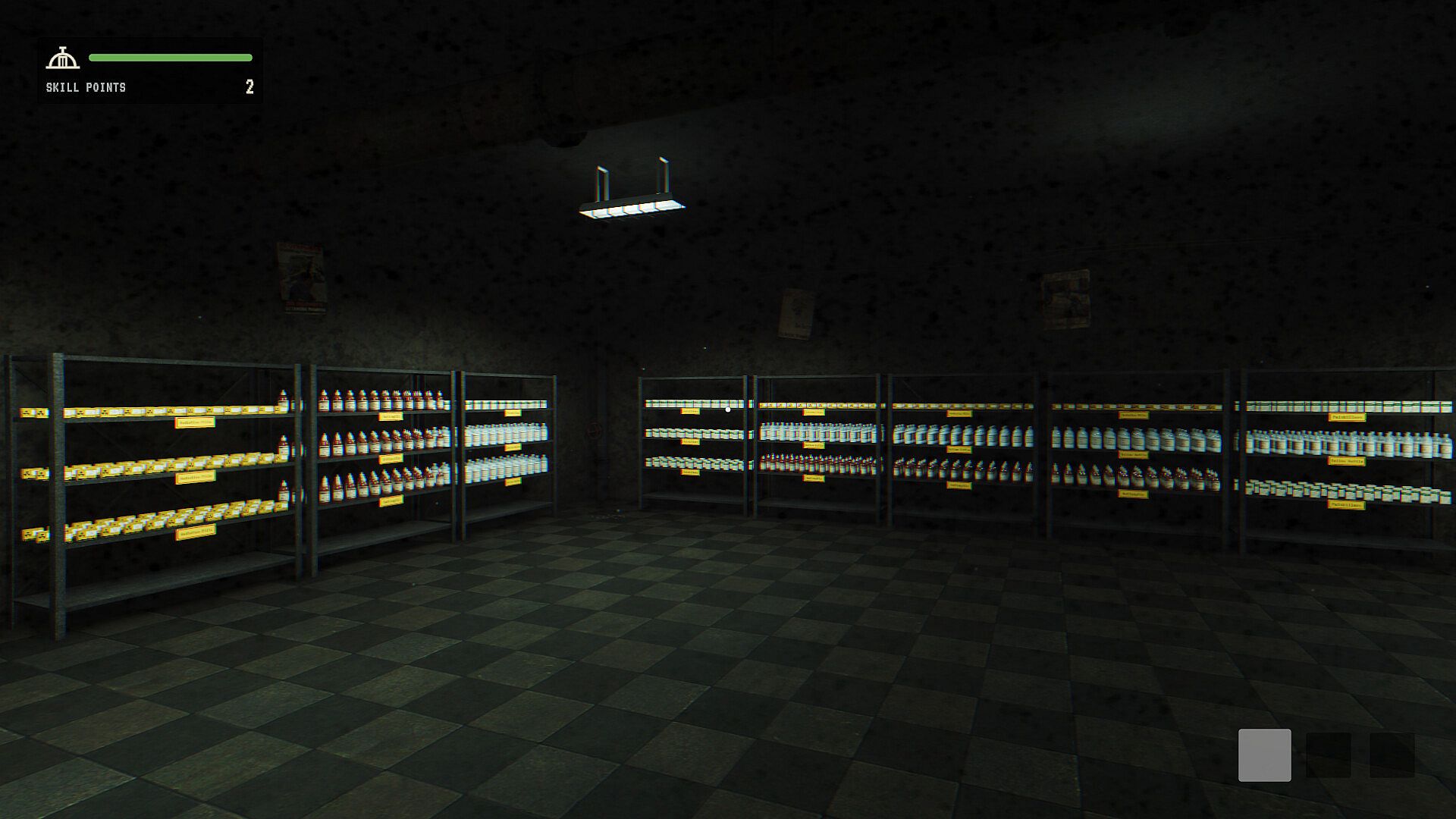
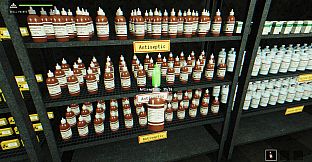
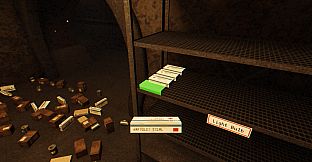
The core loop centers on collecting items from floors, shelves, and corners before returning each one to its designated spot. Supplies include painkillers, radiation pills, and spare parts, with labeled shelves guiding placement. Familiarity with item categories speeds up the process over time, as repeated exposure reduces search time for correct locations.
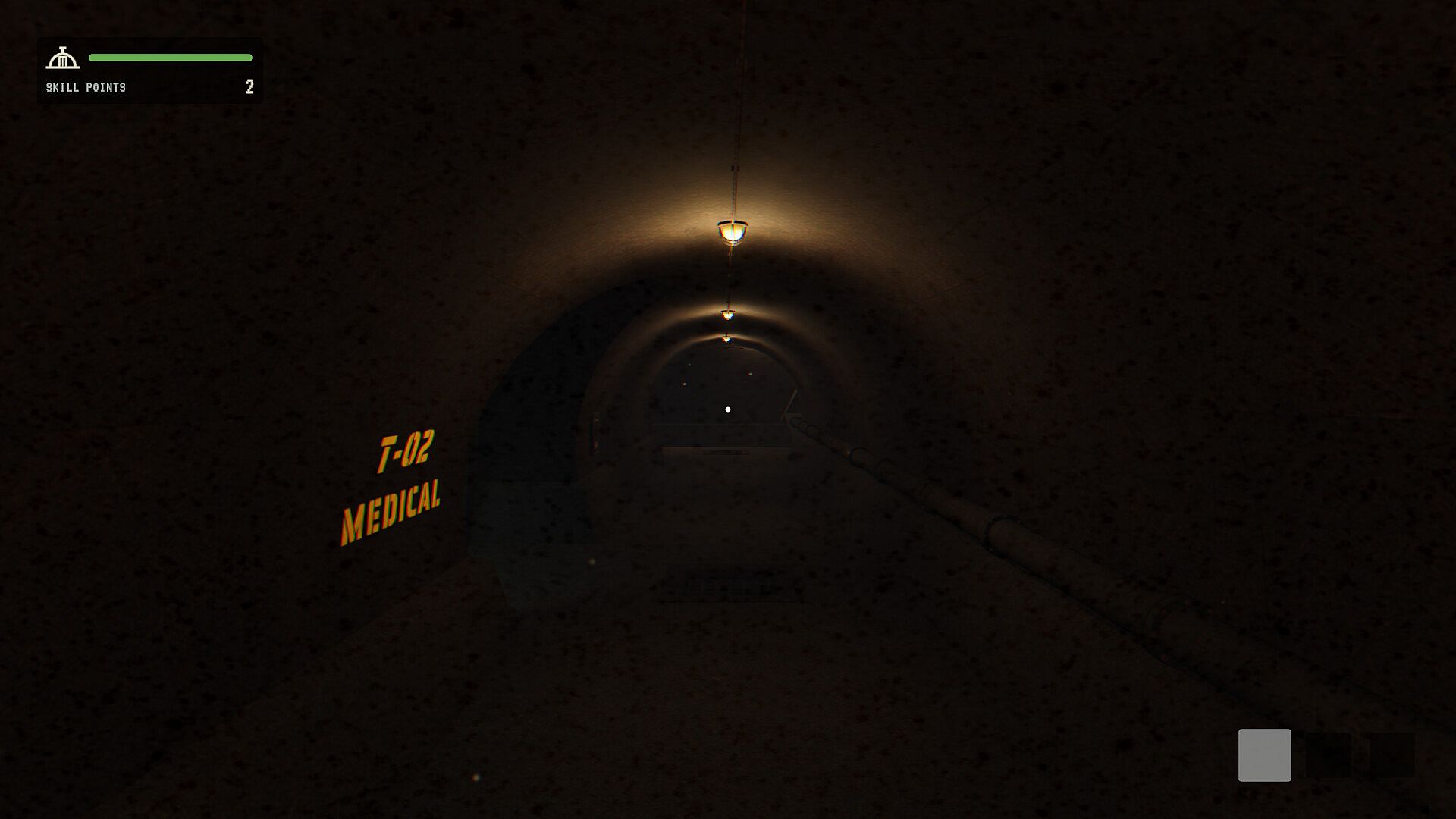
Progression moves sequentially through rooms in a large shelter. Completing one area unlocks the next, revealing the full scale of the space only after initial sections are cleared. Each shelf tracks its own progress with counters showing placed versus remaining items, providing constant feedback on completion status.
Skill upgrades become available after finishing shelves. Points earned allow increases in carrying capacity, movement speed, and reach distance. These improvements are spent at an in-shelter computer terminal, letting players tailor their approach to inventory management and navigation without altering the fundamental task of sorting.
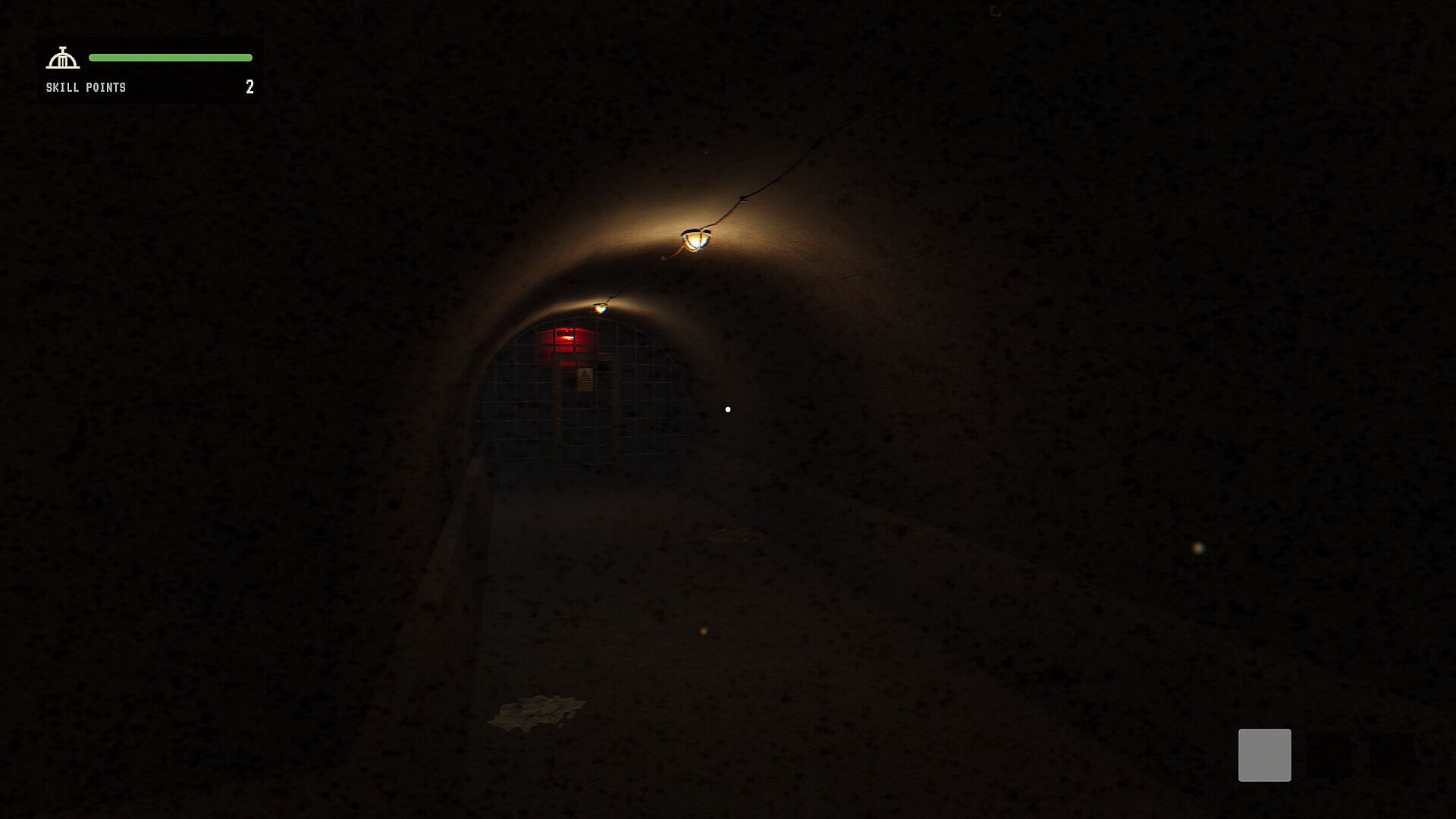
Atmosphere plays a key role through subtle environmental audio like ventilation hums, flickering lights, and distant muffled sounds from above. The experience remains solitary and unhurried, with no pursuit mechanics or time limits to interrupt the steady rhythm of collection and placement.
Game Modes
The game operates entirely in a single-player format with no multiplayer options or separate modes. All activity follows the linear room-by-room structure, where each completed section opens access to further areas while maintaining the same organizational focus throughout.
Skill point allocation at the terminal offers the only form of customization, allowing different pacing based on chosen upgrades. This system supports varied personal strategies for handling the total of 6,336 items without introducing distinct game variants or competitive elements.
Progression and Upgrades
Room completion serves as the primary advancement metric. Early areas introduce basic sorting, while later sections expand in size and item variety, testing accumulated knowledge of supply categories. Counters on every shelf maintain visibility into overall progress across the shelter.
Upgrades directly influence daily workflow efficiency. Greater carrying capacity reduces trips between collection points and shelves, faster movement shortens traversal times, and extended reach minimizes climbing or stretching actions. Players decide upgrade priorities based on their preferred pace and item-handling habits.
Is It Worth Playing?
This title suits players who enjoy deliberate, low-pressure simulation experiences centered on sorting and categorization. The absence of urgency or failure states makes it accessible for those seeking a meditative activity rather than challenge-driven gameplay.
With its focus on a single, consistent loop and incremental improvements through skill points, the game appeals to fans of organization mechanics in a contained environment. As a single-player experience still listed as coming soon, it offers a straightforward commitment for anyone drawn to quiet, methodical tasks without additional layers like story branches or external systems.
Those who value precise placement and steady accumulation of efficiency will find the described systems align closely with that preference. The total item count and room-based structure provide a clear endpoint for completionists while allowing flexible pacing for more casual sessions.