

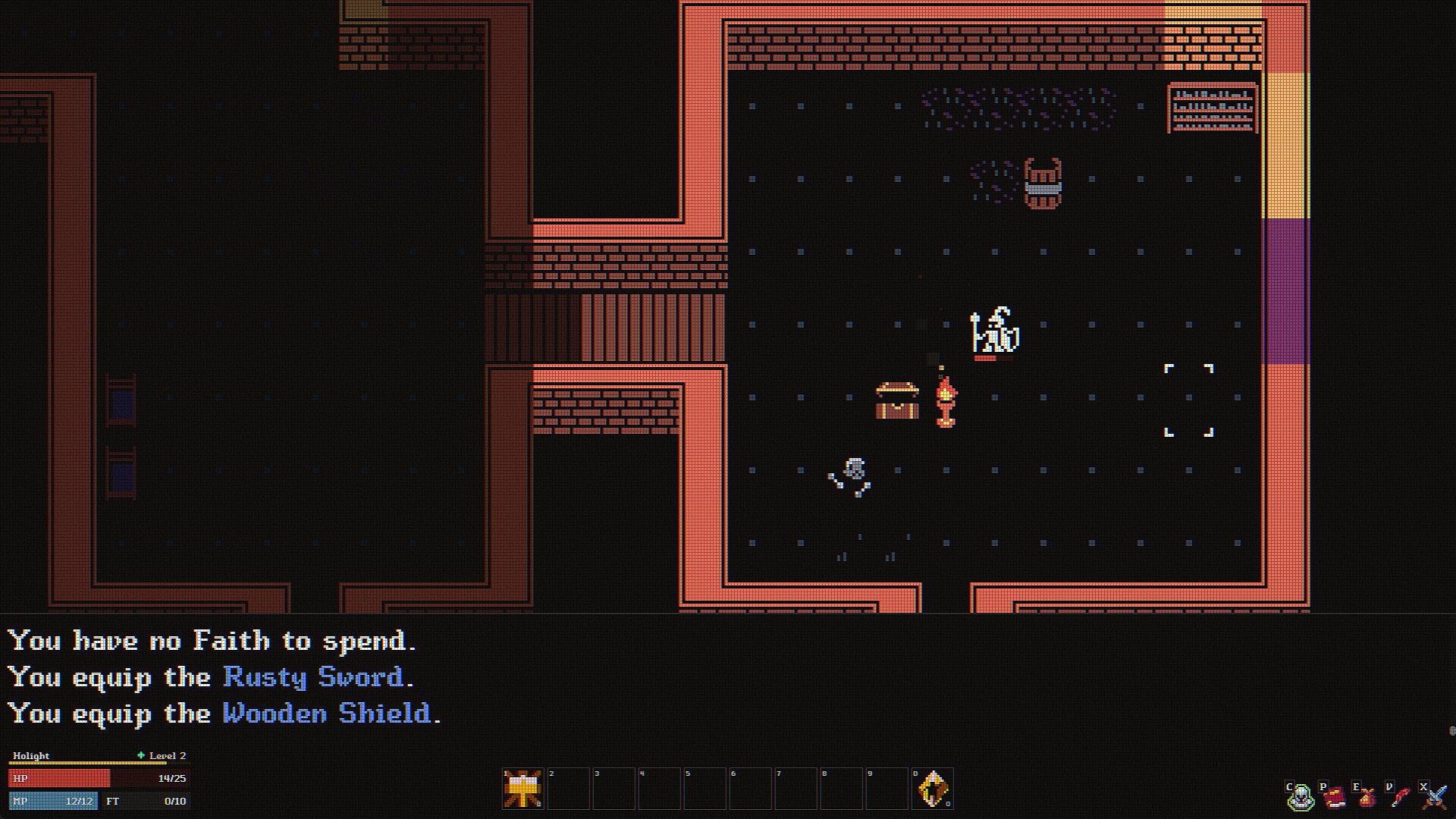
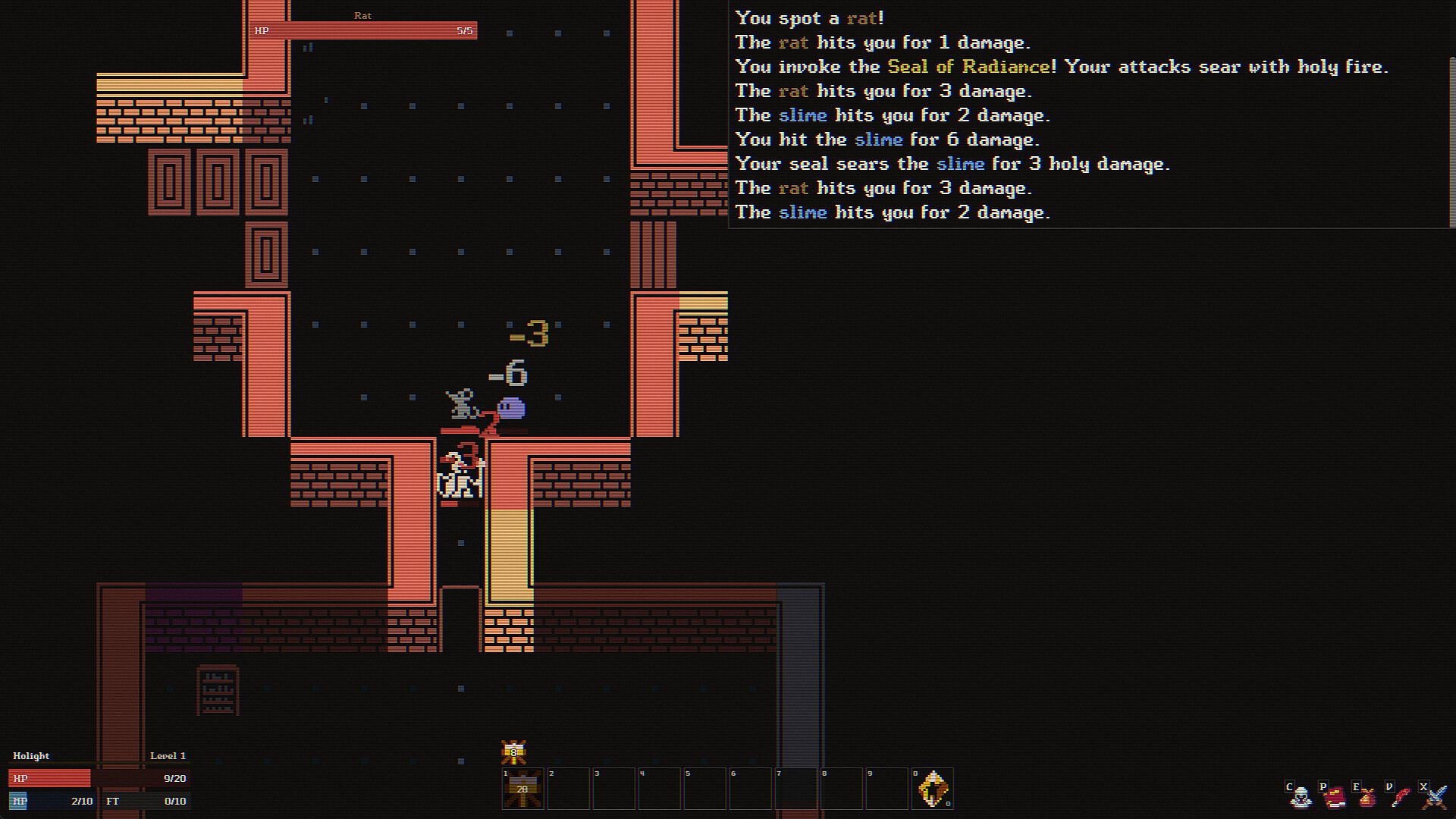
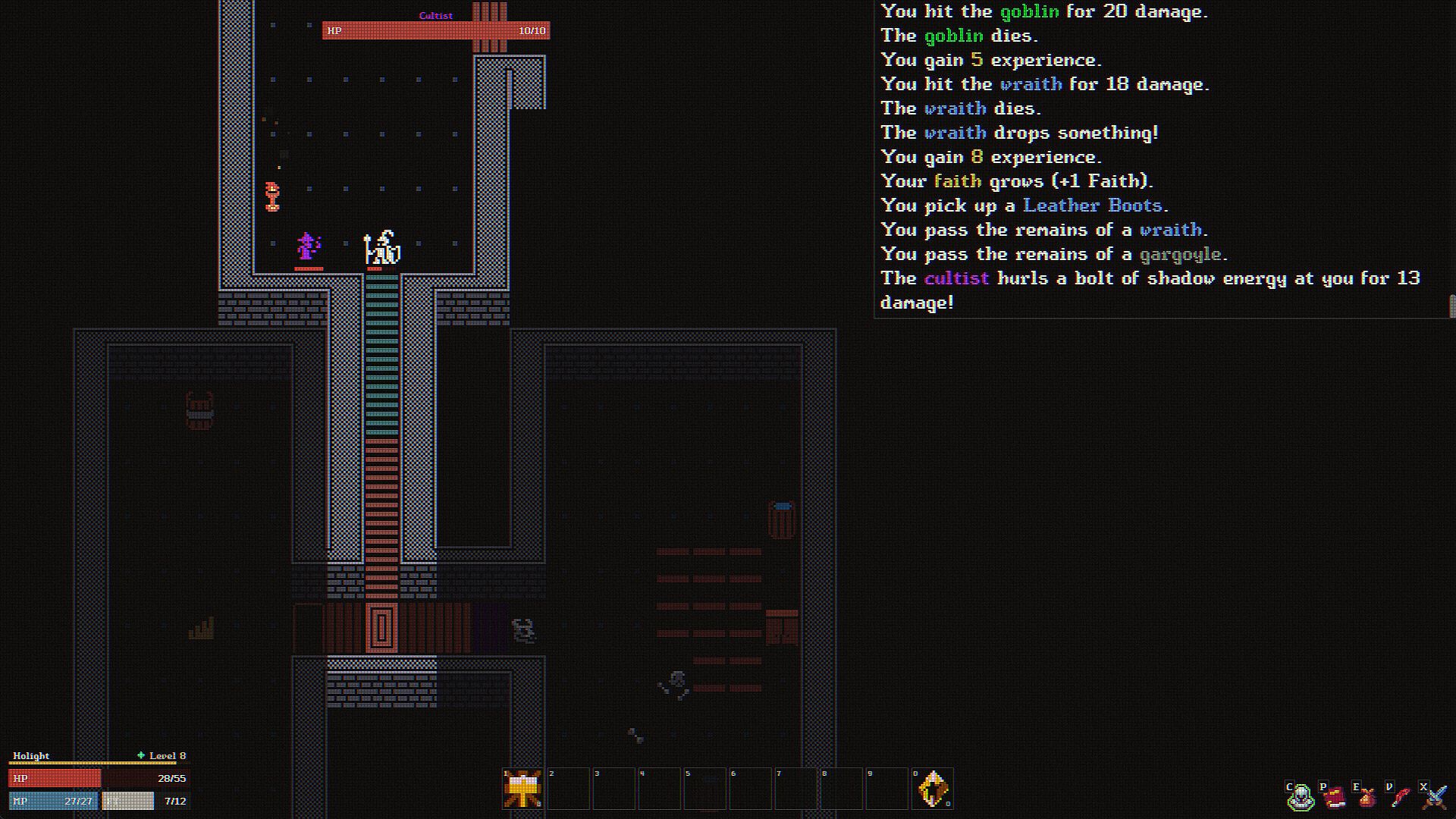
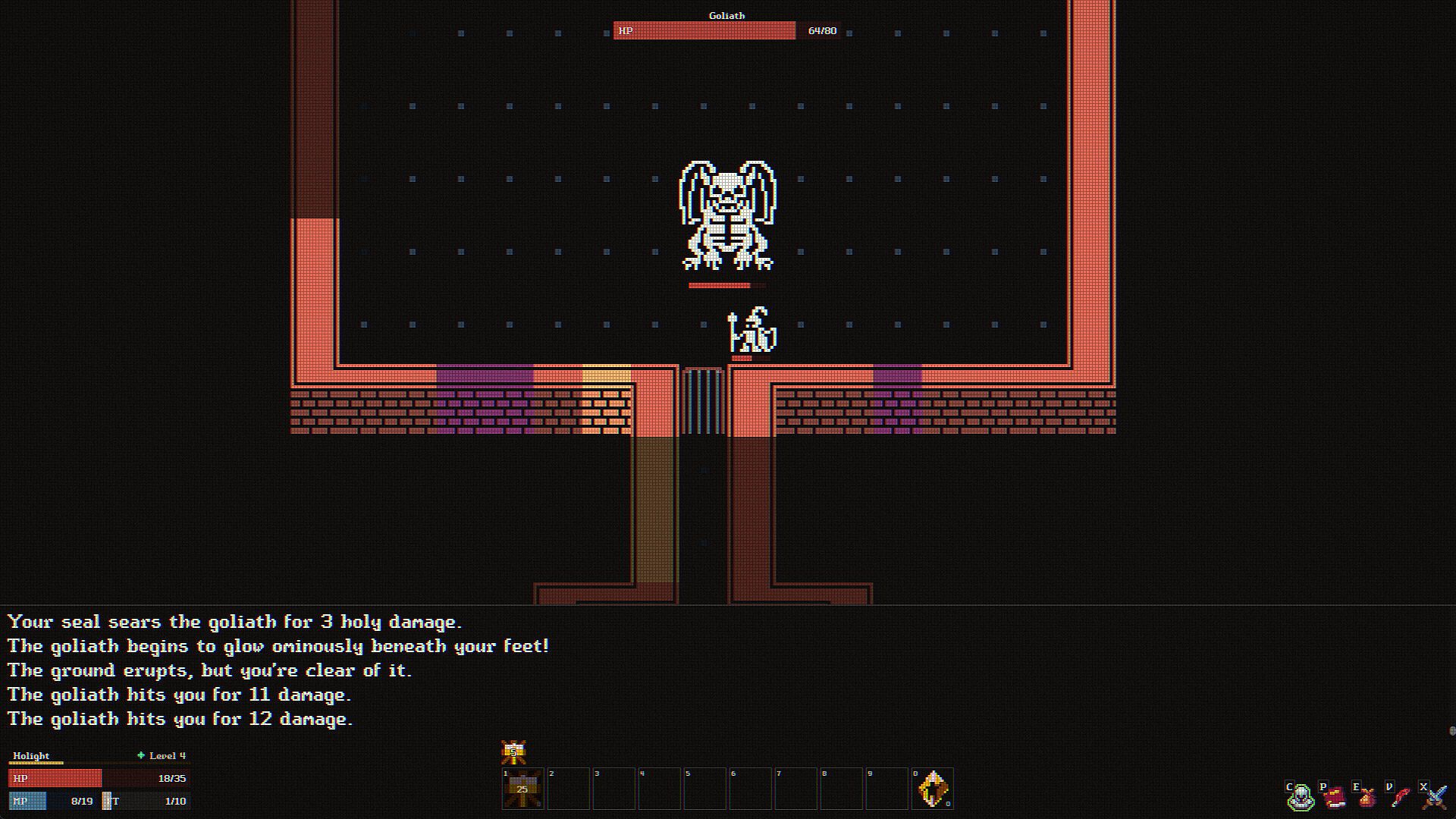
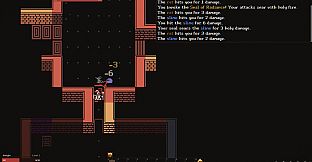
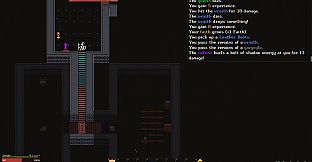
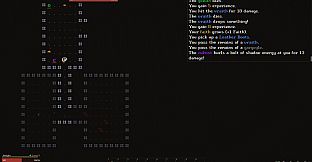
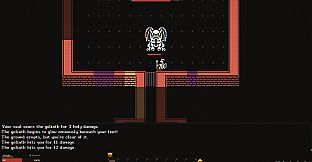
Faithfarer: The Cathedral is a traditional turn-based roguelike RPG available in Early Access on PC. Players descend into a cathedral filled with tactical challenges, procedural layouts mixed with hand-crafted rooms, and a Faith system that influences combat and exploration decisions. The game emphasizes positioning, resource management, and class-specific rules rather than real-time action or broad open-world elements.
Gameplay
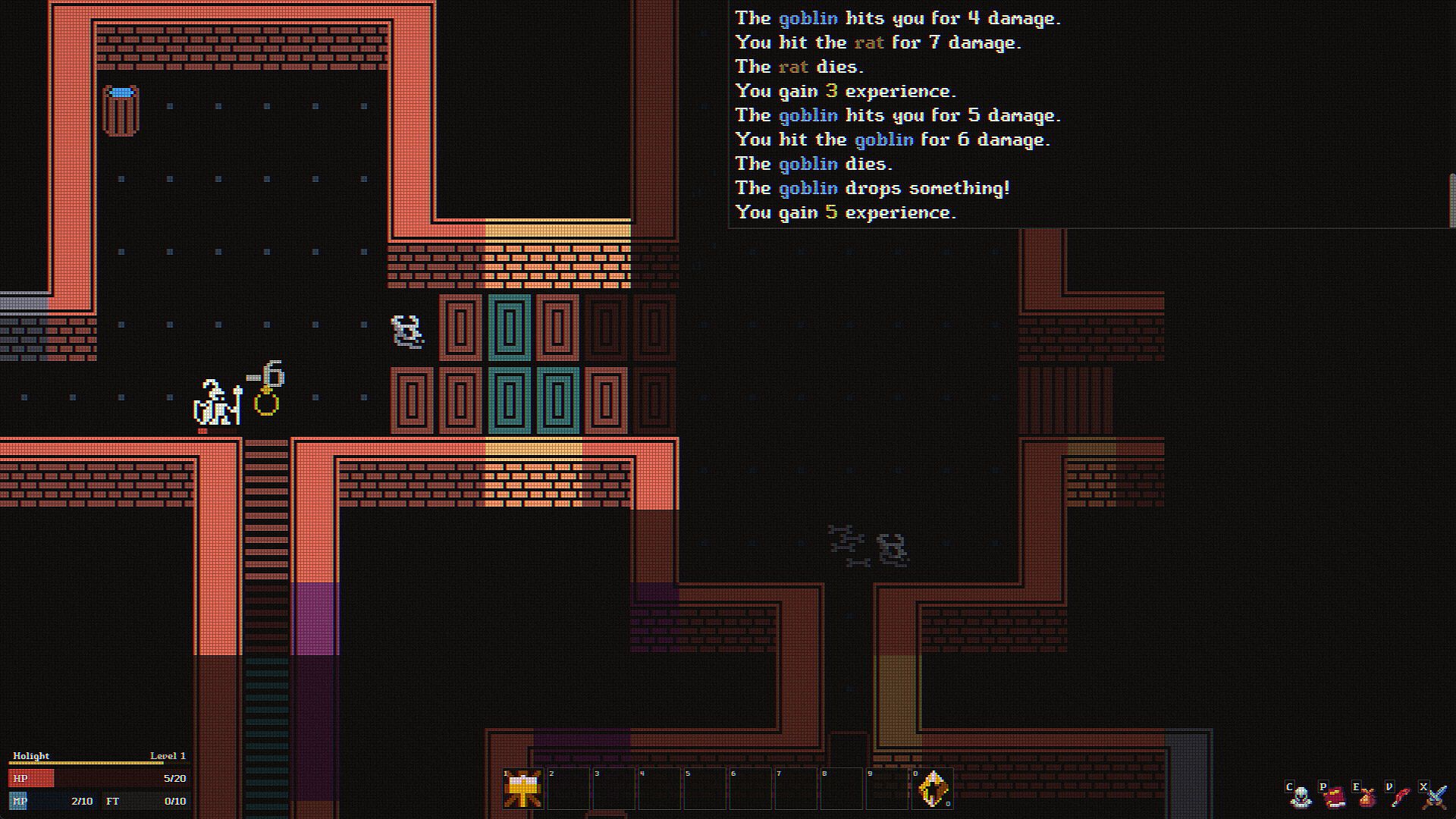
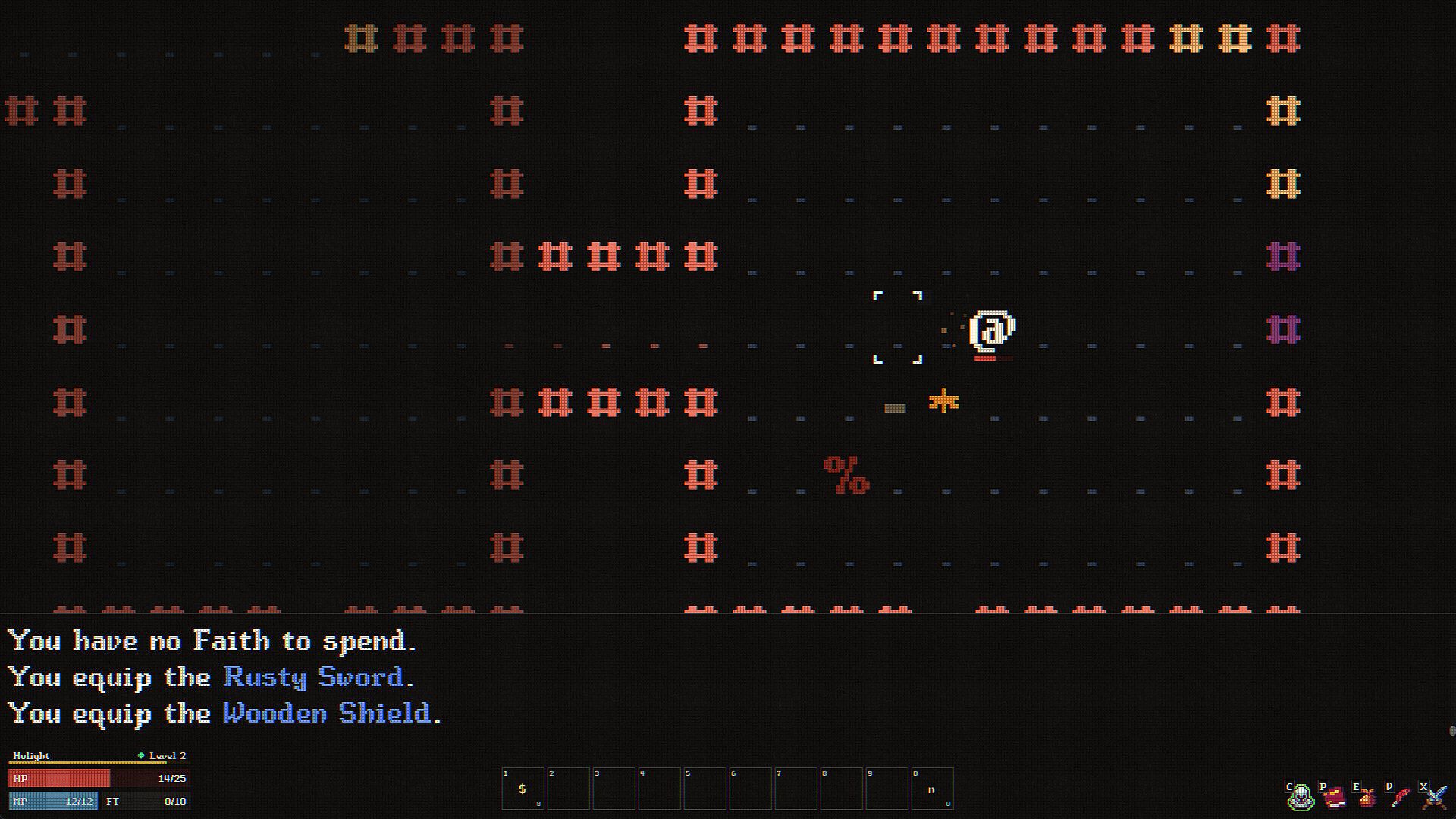
Combat unfolds one turn at a time, with the player acting before the dungeon responds through enemy movements and environmental changes. Positioning determines success more than raw power, as every decision carries weight in tight corridors and open chambers. Dungeons generate new layouts on each run while incorporating fixed rooms that introduce consistent surprises and secrets. Visibility remains limited to the player's line of sight, and explored areas stay mapped for future reference.
Loot arrives through gear with rarity tiers and meaningful stat differences. Weapons carry enchantments that apply poison, fire, frost, or curses on contact. An eight-slot equipment system encourages careful choices, while altars scattered throughout the dungeon allow Faith expenditure for potential upgrades. The Faith system ties directly into both combat effectiveness and exploration options, rewarding players who balance risk and devotion.
Eight classes each operate under distinct rules, most without relying on mana. The Barbarian grows stronger as fights intensify. The Thief excels in stealth approaches. The Monk relies on unarmed strikes and builds momentum toward decisive finishing moves. The Paladin selects between offensive seals and defensive ones. The Priest can shift toward darker methods that cost health instead of standard resources. The Cleric focuses on holding ground to draw enemies inward. The Mage manipulates elemental forces like fire, frost, and lightning. A final class unlocks only after completing the main content.
Game Modes
The primary experience centers on reaching a defined ending within the Cathedral. Success places the run on a high score board and locks that character from further main progression. From there, players may continue the same character into endless mode, which features its own separate high score board focused on survival duration rather than completion.
Seven distinct bosses appear across runs, each designed as a unique encounter instead of scaled versions of standard enemies. Additional bosses are planned for future updates. Procedural generation ensures varied paths, while hand-placed rooms provide reliable landmarks and challenges that reward repeated attempts.
Controls and Accessibility
Full mouse support includes click-to-move, click-to-attack, and hover indicators that preview action outcomes. Quality-of-life options such as auto-explore, smart melee toggles, and auto-travel to known stairs reduce repetitive tasks while preserving player agency. A hold-key reveal function displays all visible monsters, items, and chests at once. Accessibility settings remain disabled by default and can be enabled individually.
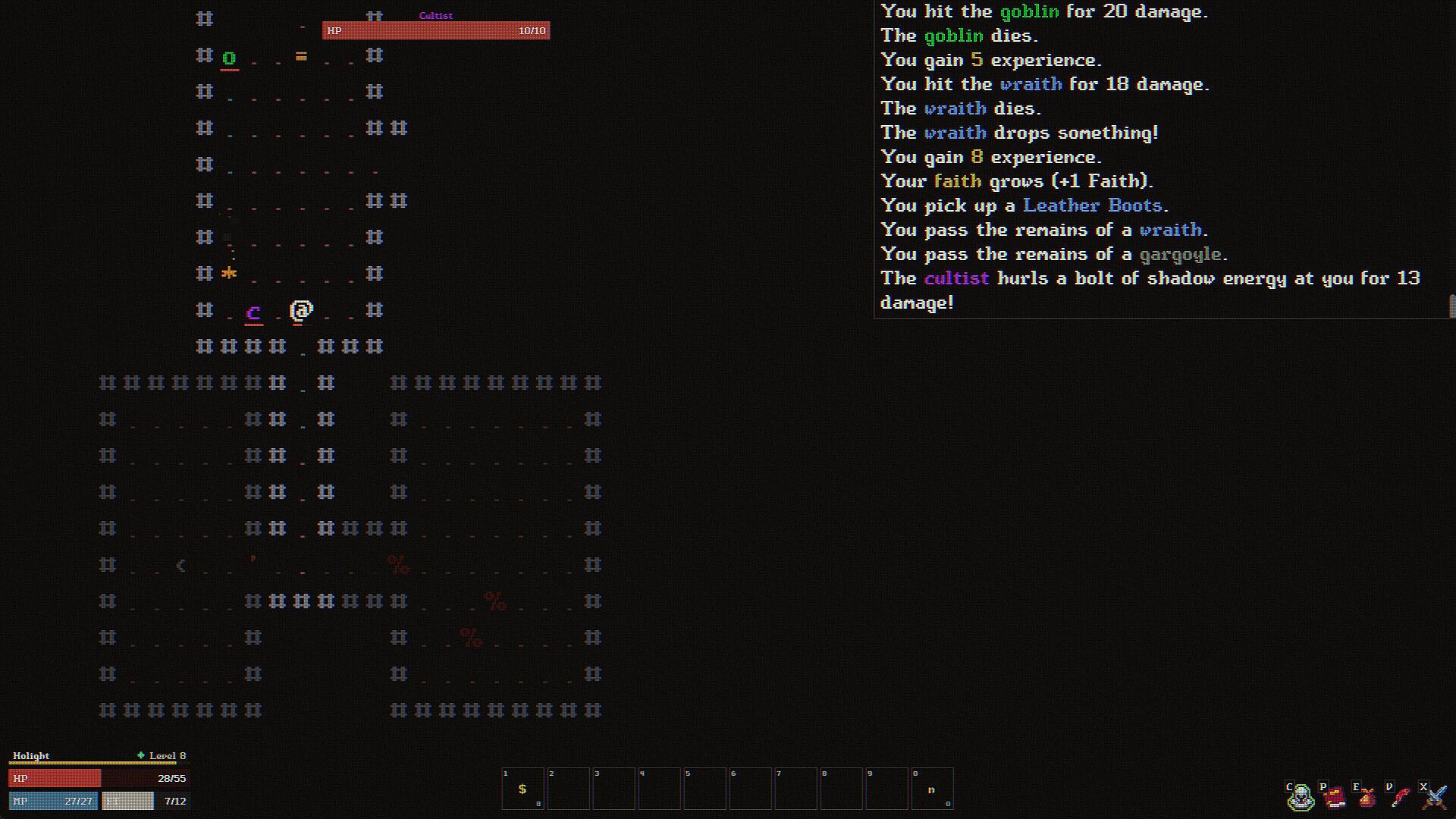
Complete gamepad support covers every menu and action, with button icons that match specific controllers including Xbox, PlayStation, Switch, and Steam Deck layouts. Rebinding works independently for keyboard and gamepad inputs. Visual options allow switching between classic ASCII rendering and a dedicated sprite tileset at any moment, alongside color palette swaps, retro filters, and a pixel font toggle.
Is It Worth Playing?
Faithfarer: The Cathedral suits players who prefer deliberate, turn-based roguelikes with strong emphasis on tactics, class variety, and meaningful progression systems. The combination of procedural dungeons, fixed encounters, and the dual ending-plus-endless structure provides clear goals alongside extended play potential. Early Access status means the core loop and features described are present, with additional bosses and refinements expected. Those who enjoy managing Faith across combat and exploration, experimenting with eight distinct classes, and tuning controls or visuals to personal preference will find substantial depth here. The game rewards careful planning over speed or reflexes, making it a solid choice for fans of classic roguelike design on PC with controller flexibility.