

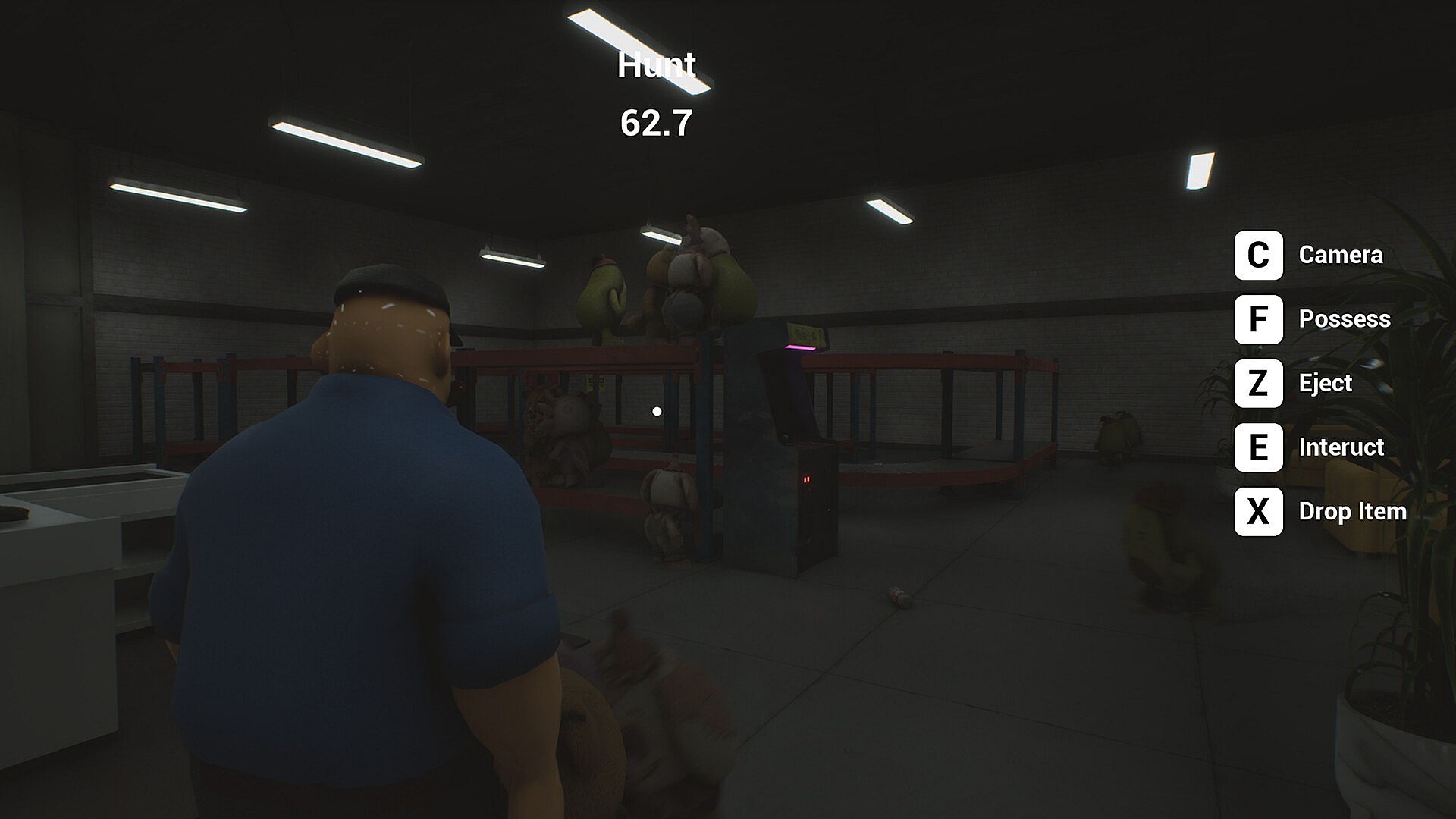
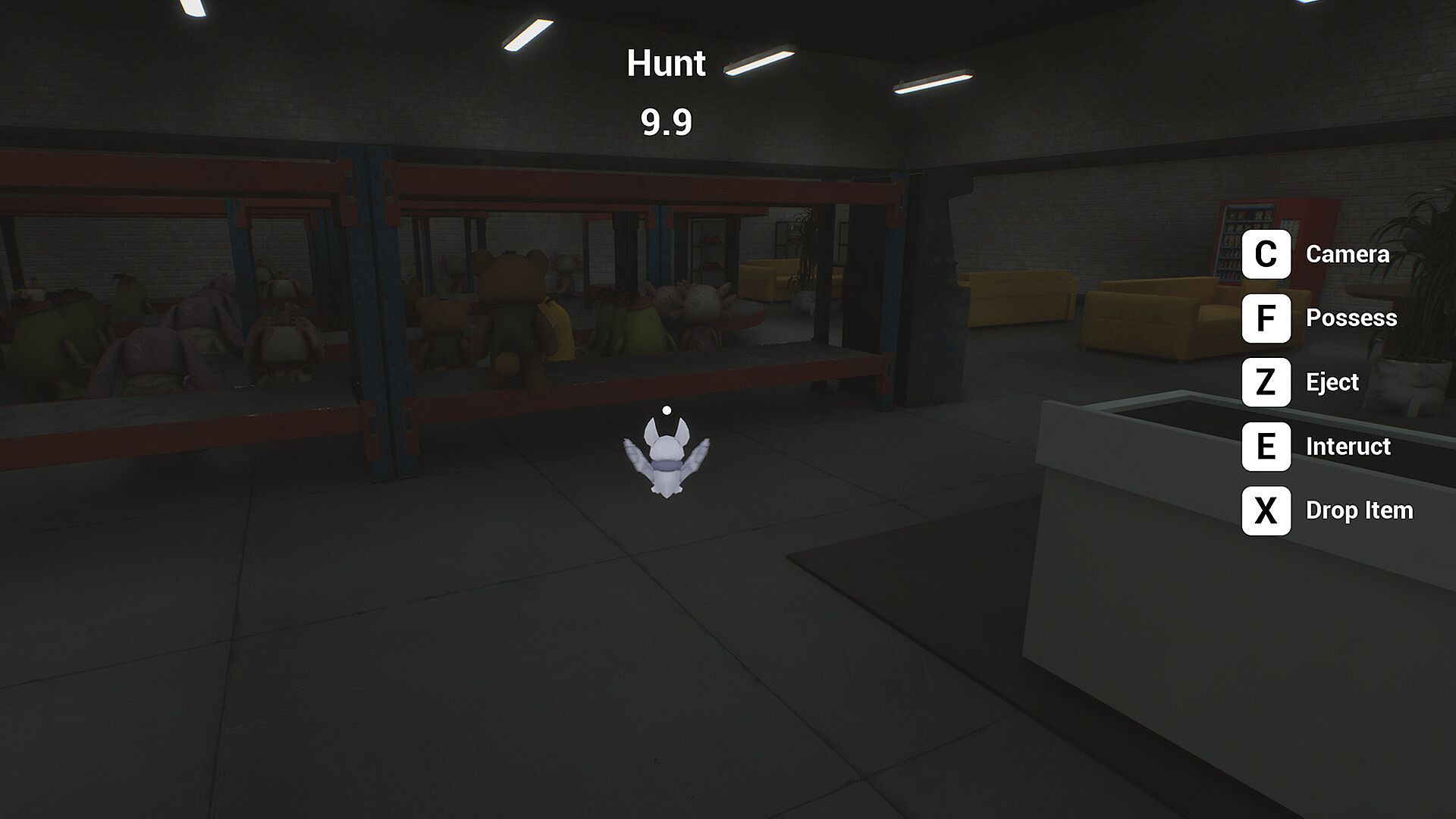
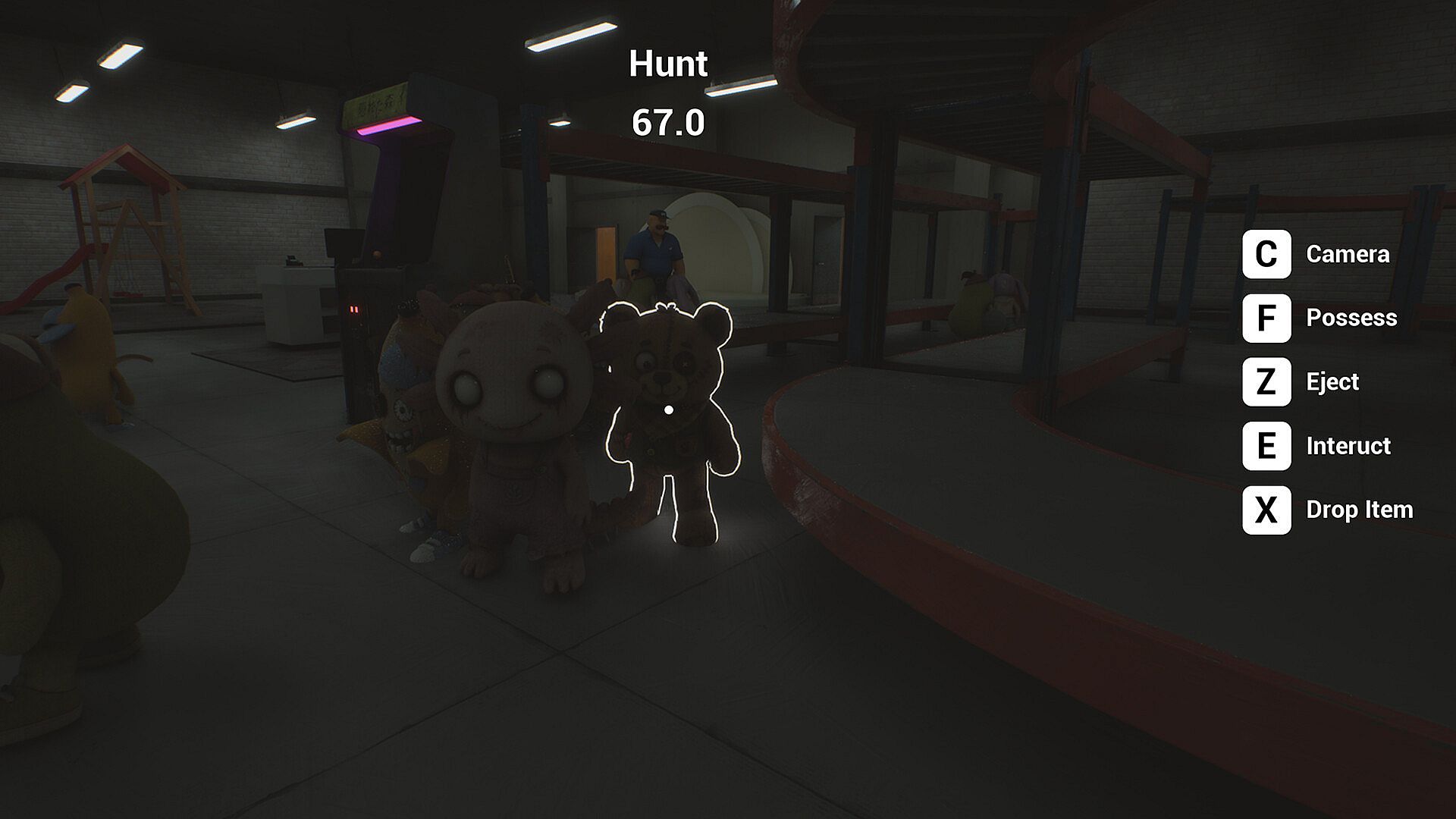
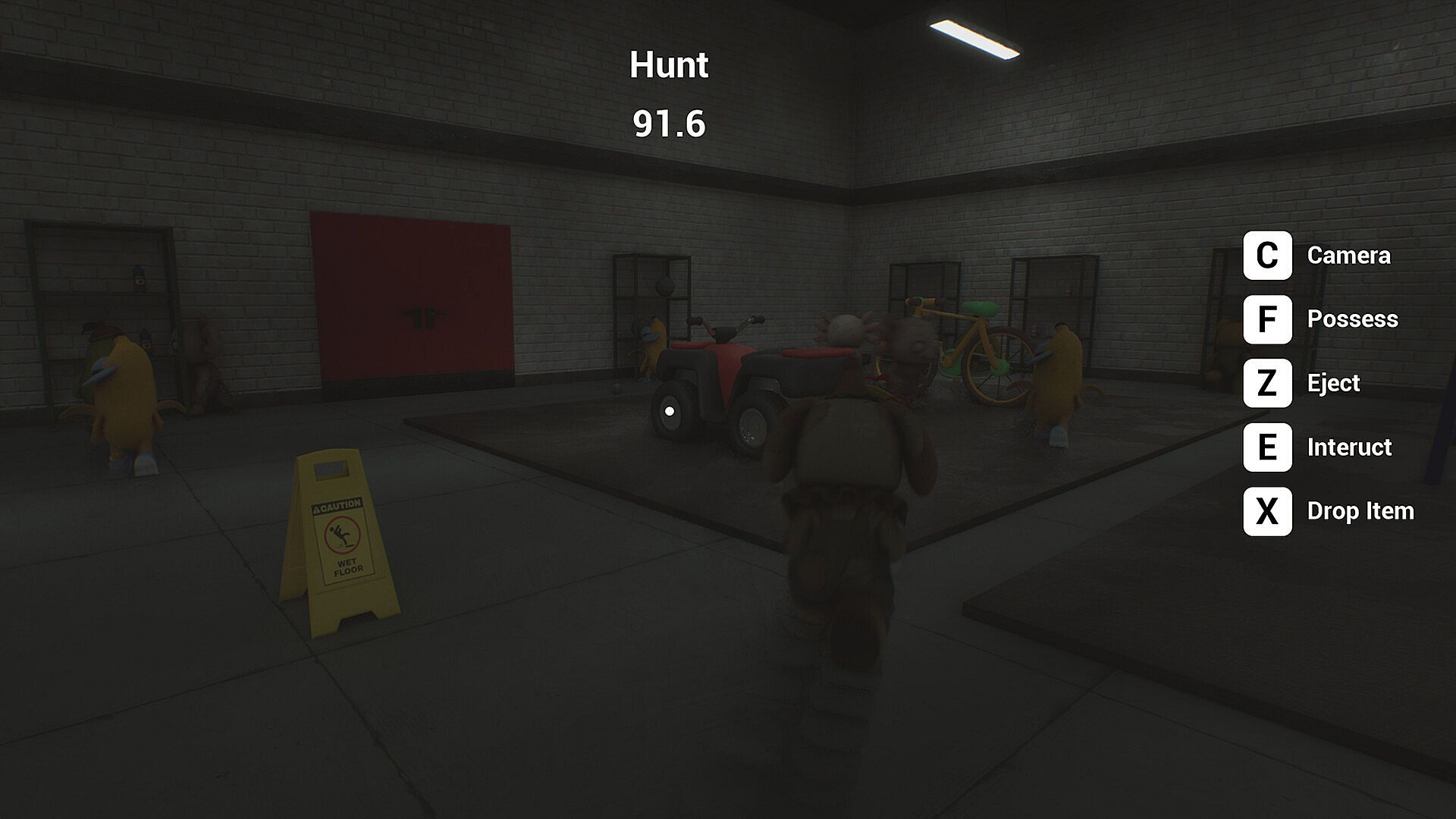
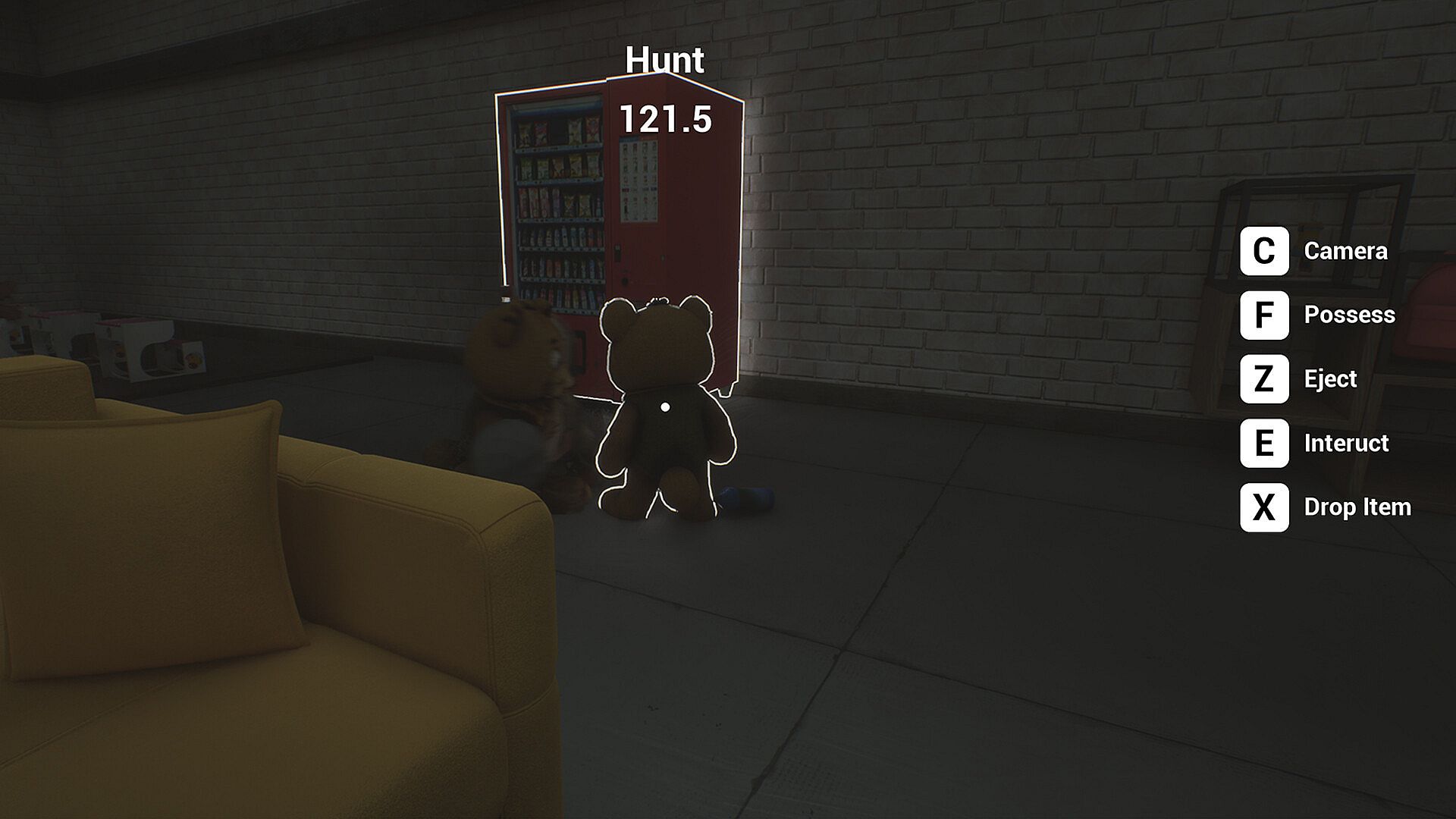
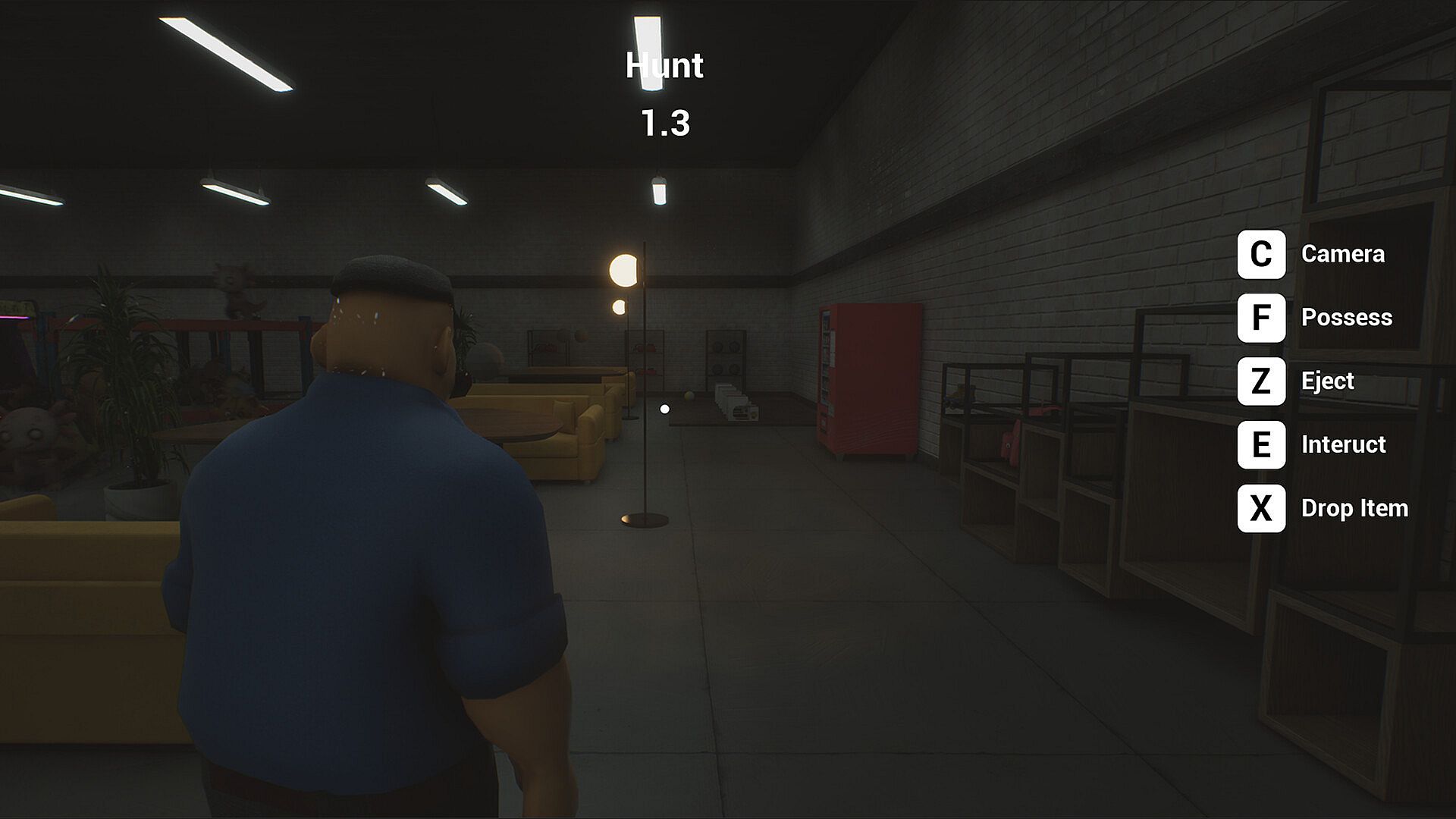
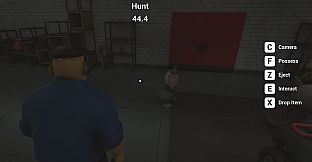
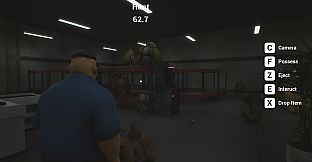
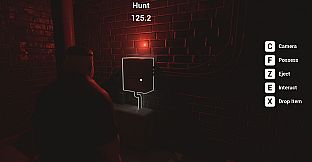
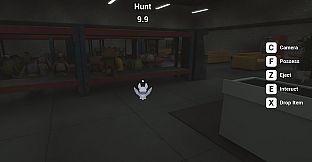
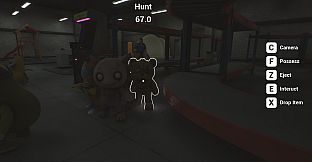
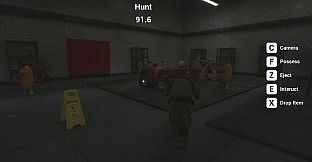
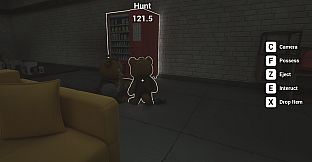
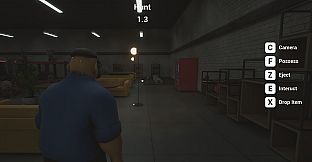
Fakeouts est un jeu multijoueur asymétrique de cache-cache qui se déroule dans un magasin de jouets en panne, peuplé de peluches intelligentes. Les joueurs incarnent soit des Mimics, soit des agents de sécurité, dans des parties courtes et chaotiques sur PC. L'un des camps doit se fondre parmi les jouets contrôlés par l'IA, tandis que l'autre observe et teste les comportements pour démasquer les intrus.
Gameplay
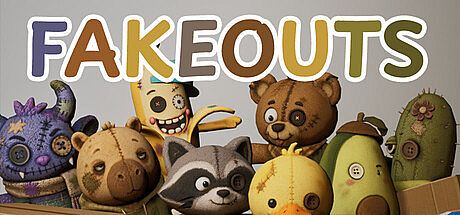
Les Mimics peuvent posséder presque n'importe quelle peluche du magasin : ours, lapins, bananes ou avocats ambulants. Ils doivent reproduire les programmes comportementaux des jouets pendant un diagnostic d'urgence, qu'il s'agisse de déambuler, de suivre les visiteurs, de danser, d'interagir avec des objets, de se regrouper ou de rester immobiles. Leur réussite repose sur l'observation de la foule et l'ajustement constant de leurs mouvements pour passer inaperçus.
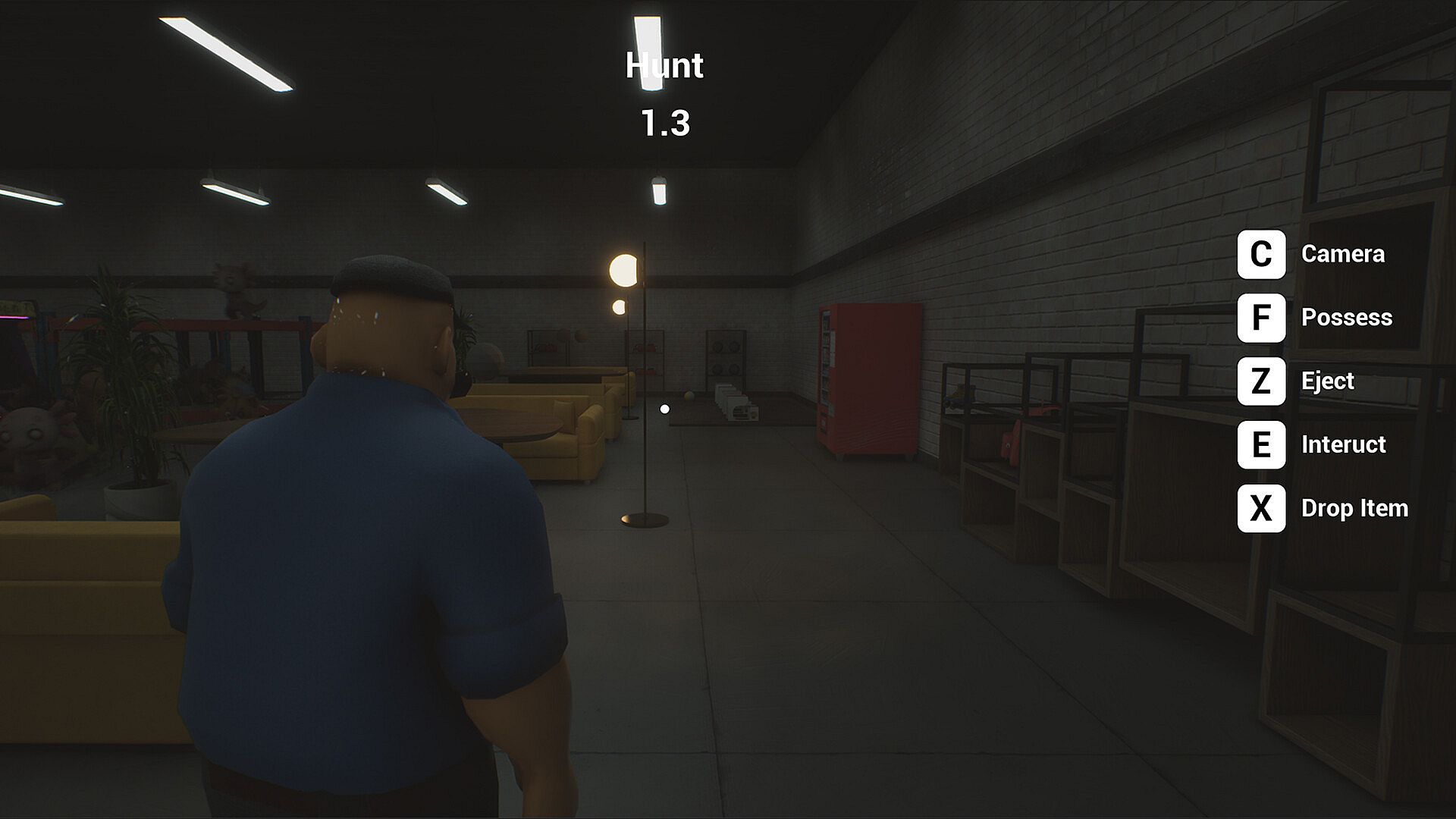
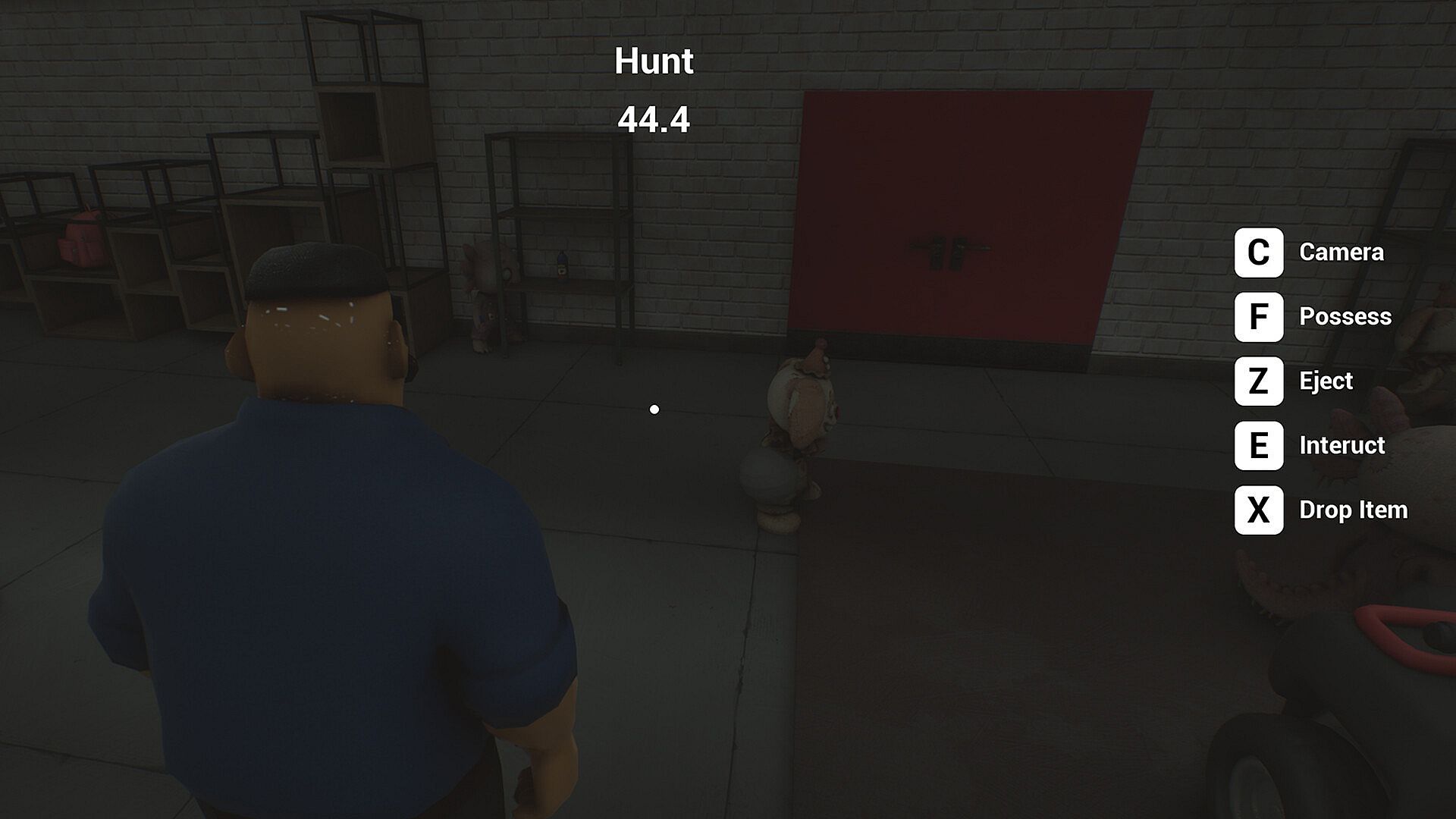
Les agents de sécurité surveillent les caméras, repèrent les anomalies et interviennent en cas d'incident. Ils peuvent déclencher eux-mêmes des comportements en manipulant des objets ou des systèmes interactifs, transformant l'environnement en outil de détection. Les Mimics peuvent abandonner un corps compromis pour en posséder un autre, mais ils restent vulnérables pendant le changement.
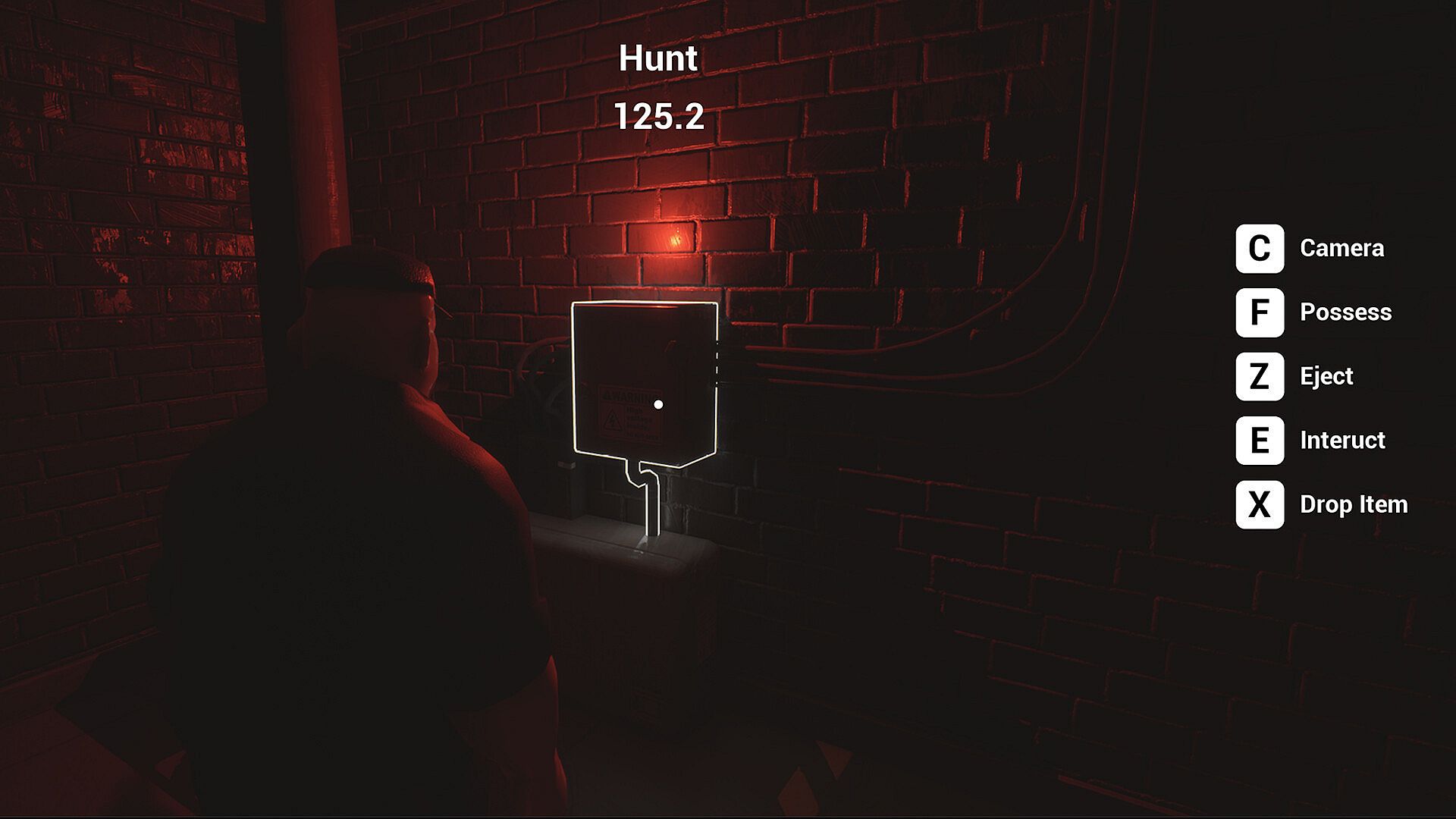
Chaque camp interagit avec les systèmes du magasin. Les Mimics créent des diversions en activant la musique, en déplaçant des objets ou en déclenchant des démonstrations. Ils peuvent aussi saboter caméras, alimentation ou commandes pour créer des angles morts. Les agents de sécurité enquêtent sur ces incidents tout en coordonnant leurs actions avec un partenaire.
Game Modes
Le jeu propose un mode principal centré sur le diagnostic d'urgence. Chaque partie commence par une phase de préparation où les Mimics choisissent leur premier corps et les agents de sécurité prennent connaissance des lieux. Le diagnostic s'active ensuite et les jouets suivent des protocoles changeants. Les agents de sécurité gagnent en capturant tous les Mimics avant la fin du temps imparti. Les Mimics remportent la partie si au moins l'un d'entre eux reste caché à l'issue du diagnostic.
La coordination est essentielle des deux côtés. Un Mimic peut attirer l'attention par des sabotages ou des diversions pendant qu'un autre change de corps ou se repositionne. Les duos de sécurité doivent décider quand se séparer pour enquêter sans laisser des zones stratégiques sans surveillance. L'environnement favorise les interactions émergentes plutôt que les événements scriptés, car les jouets réagissent aux mêmes systèmes que les joueurs.
Key Mechanics and Systems
La possession permet aux Mimics de changer de corps en cours de partie, mais ils restent exposés quelques instants hors d'un jouet. Le sabotage a des conséquences physiques que les agents de sécurité doivent gérer, transformant chaque système endommagé en piège ou en diversion potentielle. Les distractions systémiques naissent des interactions entre objets, systèmes musicaux et zones de démonstration, sans passer par des menus.
Les tests de sécurité reposent sur des modifications volontaires de la situation, comme déplacer des présentoirs interactifs ou activer des équipements pour observer la réaction de la foule. Des comportements inhabituels peuvent révéler des Mimics qui passaient inaperçus lors d'une observation passive. La disposition du magasin, avec ses rayonnages, ses zones de démonstration et ses objets transportables, influence les lignes de vue et les possibilités de dissimulation ou de poursuite.
Is It Worth Playing?
Fakeouts s'adresse aux joueurs qui apprécient les expériences multijoueurs asymétriques axées sur l'observation, la tromperie et l'interaction avec l'environnement. La durée courte des parties maintient un rythme soutenu, tandis que le mélange d'imitation, de sabotage et d'enquête renouvelle les rounds. Ceux qui préfèrent le combat direct ou les longues campagnes risquent de trouver la structure de cache-cache moins adaptée.
Le jeu encourage le jeu en équipe dans les deux camps et récompense l'apprentissage des comportements de l'IA au fil des parties. Son échelle indépendante et son accent sur le gameplay systémique en font un titre de niche, idéal pour des groupes en quête de sessions chaotiques et rejouables plutôt que de systèmes de progression à grande échelle.