

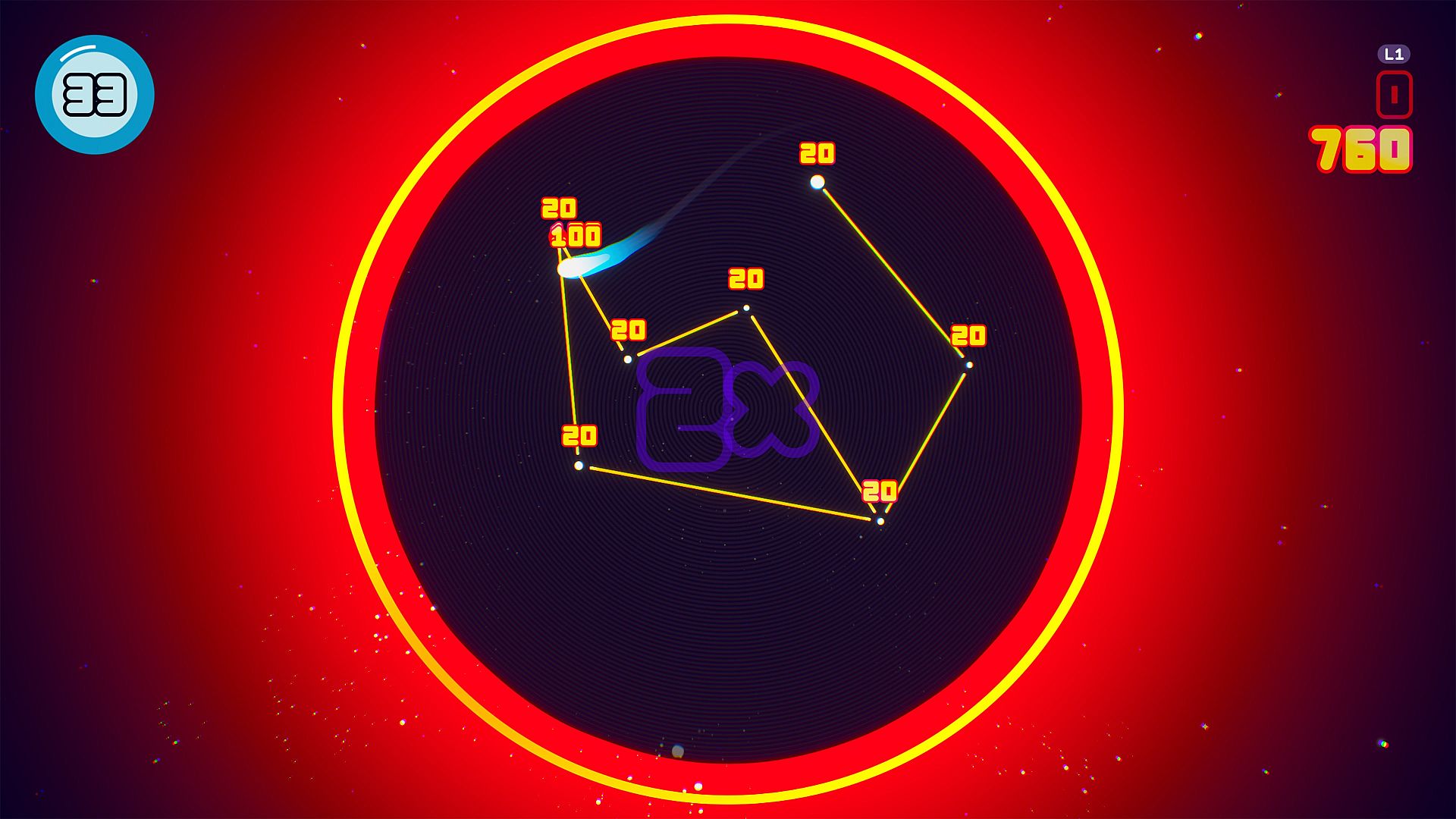
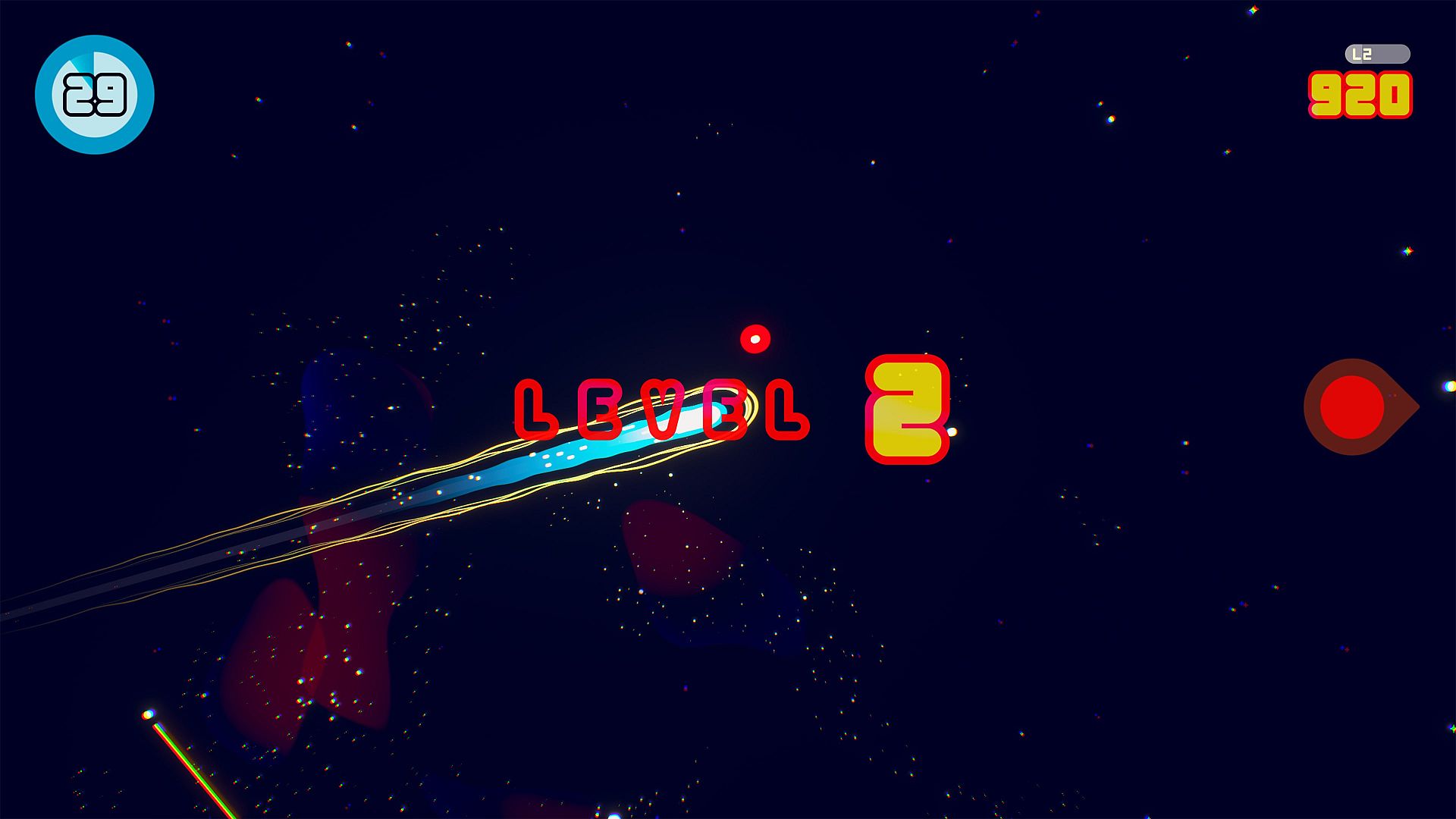

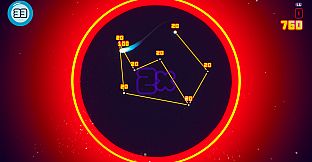
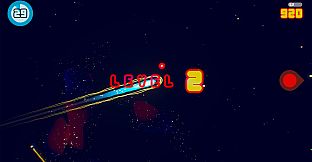
Faraway is a single-player indie arcade puzzle game developed for the PlayStation 5 and other platforms. In this minimalist experience, players guide a shooting star through procedurally generated space, connecting stars to form constellations that harvest energy and prolong survival while building score. The game emphasizes flowing controls and expressive play over complex systems, making it approachable for casual sessions yet deep enough for extended mastery.
Gameplay
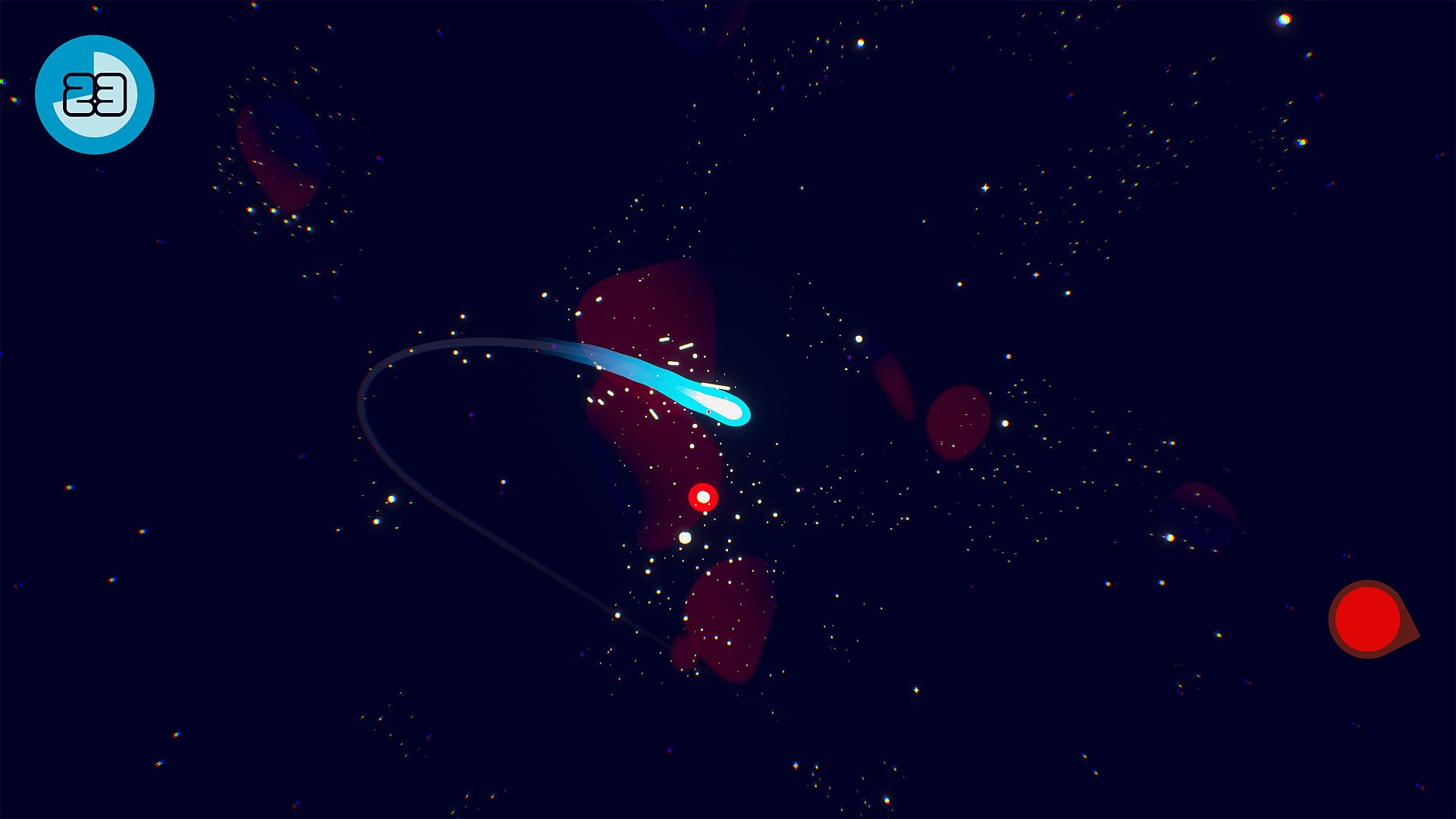
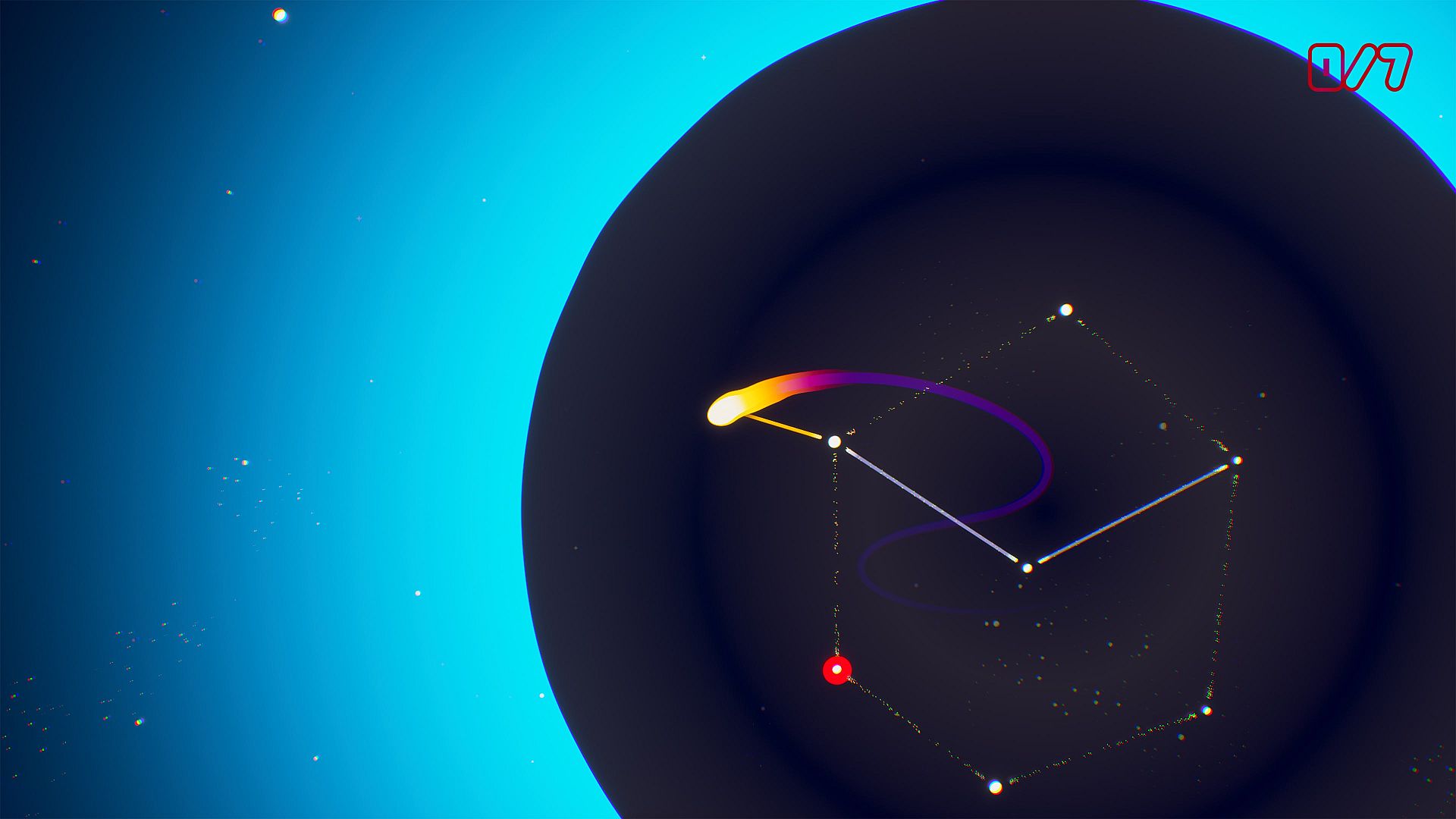
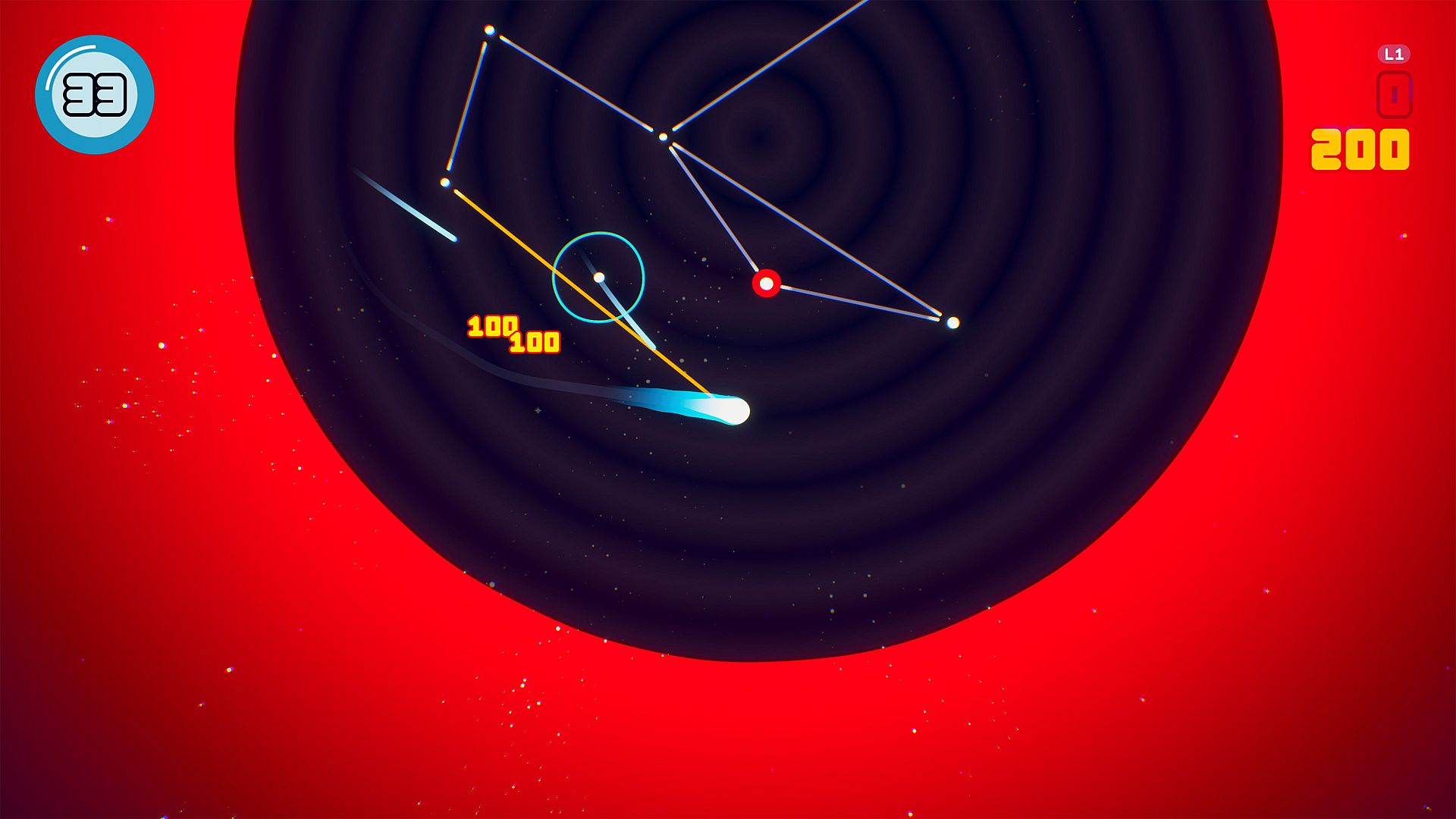
Core mechanics revolve around momentum and connection. The shooting star moves continuously through a star field that generates in real time based on player performance. Controls focus on swinging and slingshotting around stars using simple inputs to weave an energy string. Connecting stars recharges the limited lifespan and adds points, with freedom to shape patterns in any configuration. Advanced techniques such as loops provide extra energy and scoring opportunities, rewarding risk and precision. Every session begins from a blank state, with the environment adapting to skill level so that faster travel and higher scores unlock more demanding regions of space. Visuals and audio generate entirely in real time, creating an immersive audiovisual loop that supports repeated play without repetition in the underlying rules.
Game Modes
The primary experience centers on the endless core mode, where procedural generation creates unique runs each time. Players aim to extend survival as long as possible while climbing leaderboards through higher scores and deeper progression into challenging space regions. Complementing this are 16 handcrafted puzzle stages. These discrete levels encourage players to experiment with mechanics in new contexts, uncover advanced techniques, and refine skills that transfer back to the endless mode. The puzzle stages maintain the same core connection and momentum systems but present fixed challenges that promote deliberate rethinking of approaches.
Development Background
Created single-handedly by Steph Thirion over more than a decade, Faraway draws from the designer's prior work on the cult title Eliss. The project prioritizes elegant minimalism, with all elements from code to music handled by one person. This long development cycle allowed refinement of the one-button style controls and real-time generation systems into a cohesive package focused on discovery and long-term engagement rather than narrative or multiplayer elements.
Who It Appeals To
Faraway suits players interested in arcade-style survival loops combined with puzzle-like pattern creation. Its casual accessibility stems from straightforward rules and responsive movement, while the mastery curve attracts those who enjoy refining techniques over many sessions. The absence of combat, factions, or story branches keeps focus squarely on spatial awareness and creative constellation building in a serene yet demanding cosmic setting.
Is It Worth Playing?
Faraway releases on November 5 for the PlayStation 5 alongside other platforms. Its verified features center on the endless core mode and the set of 16 puzzle stages, both built around the same constellation-forming loop. The game offers no free modes or trials confirmed at this stage, and player reception data remains unavailable prior to launch. Those drawn to minimalist arcade puzzles with procedural depth and a focus on personal improvement will find a strong match in its design. The emphasis on flowing controls and performance-based world generation provides a distinctive single-player experience that rewards consistent practice without relying on external progression systems.