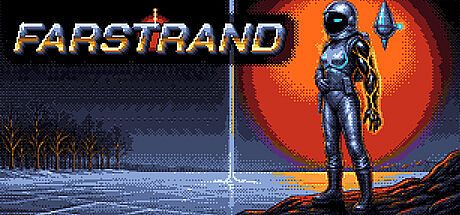


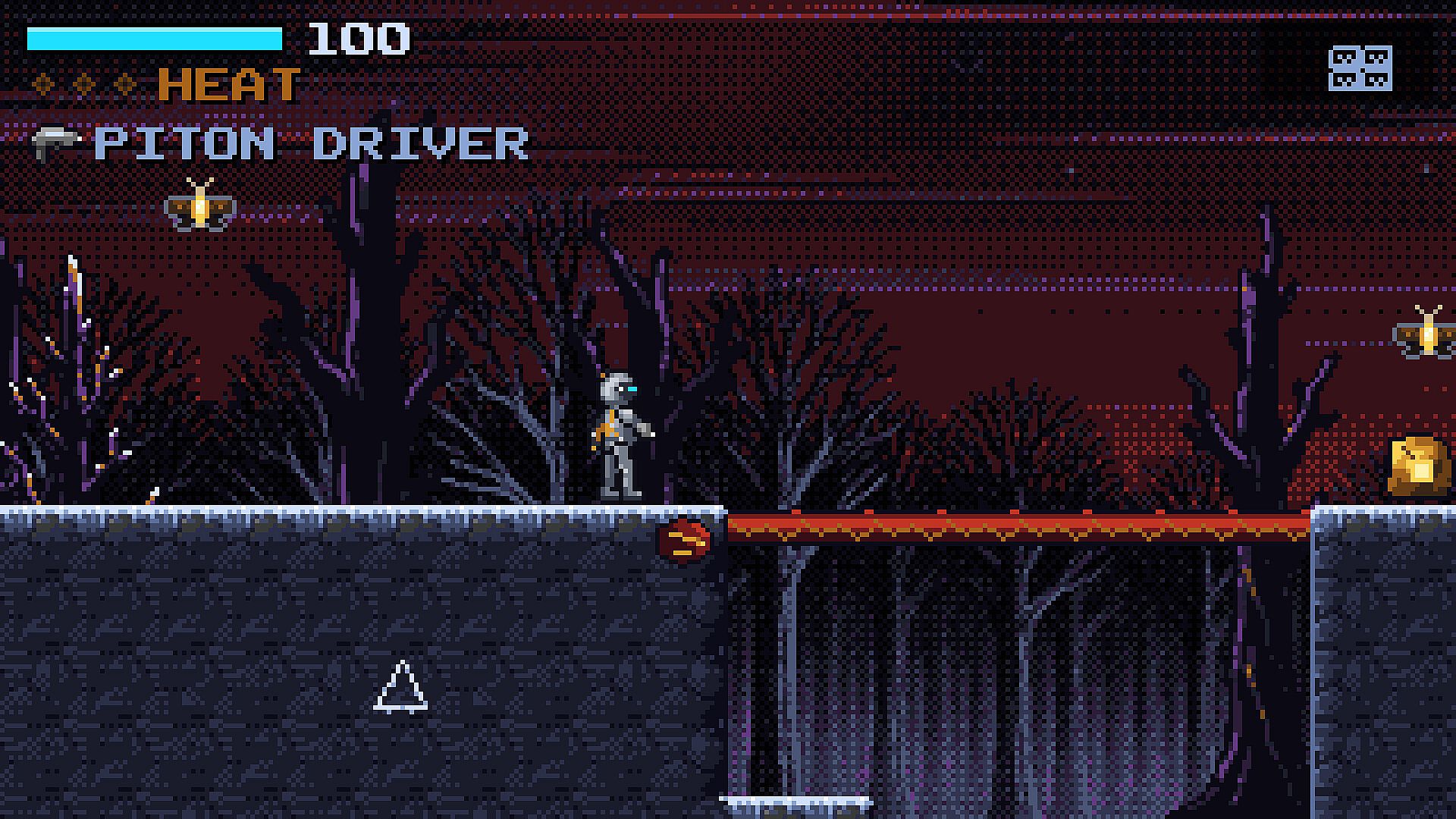
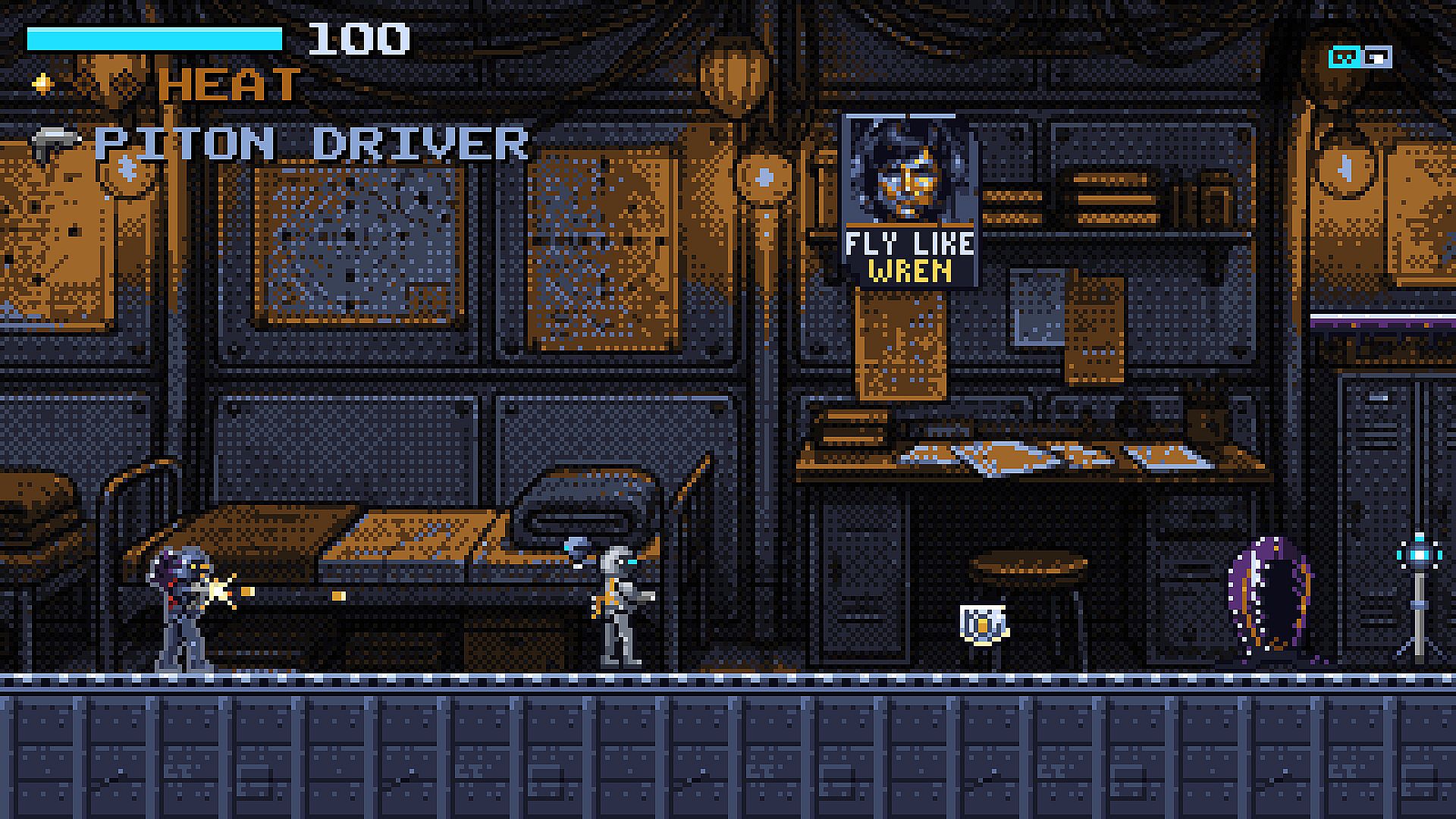
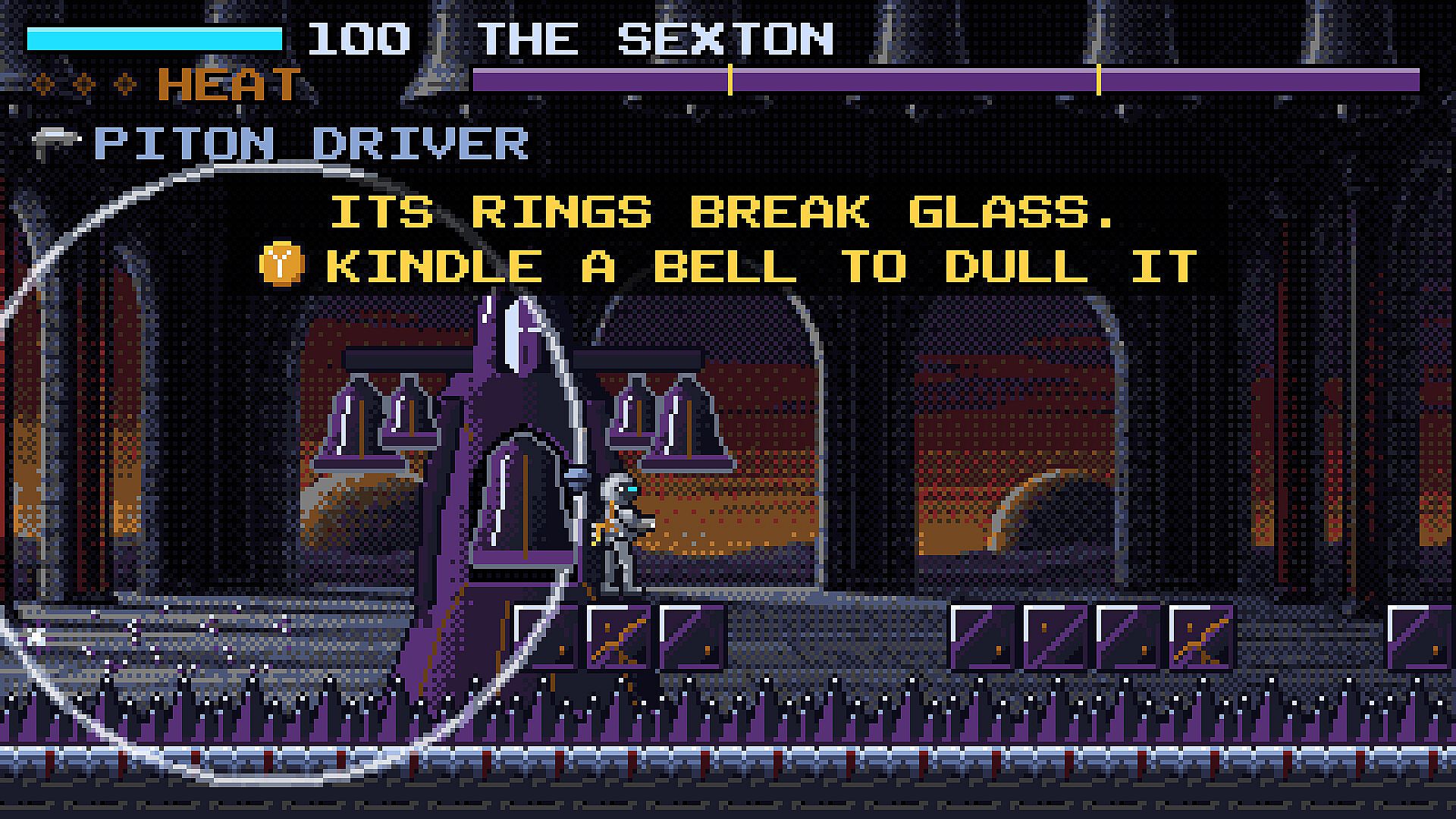
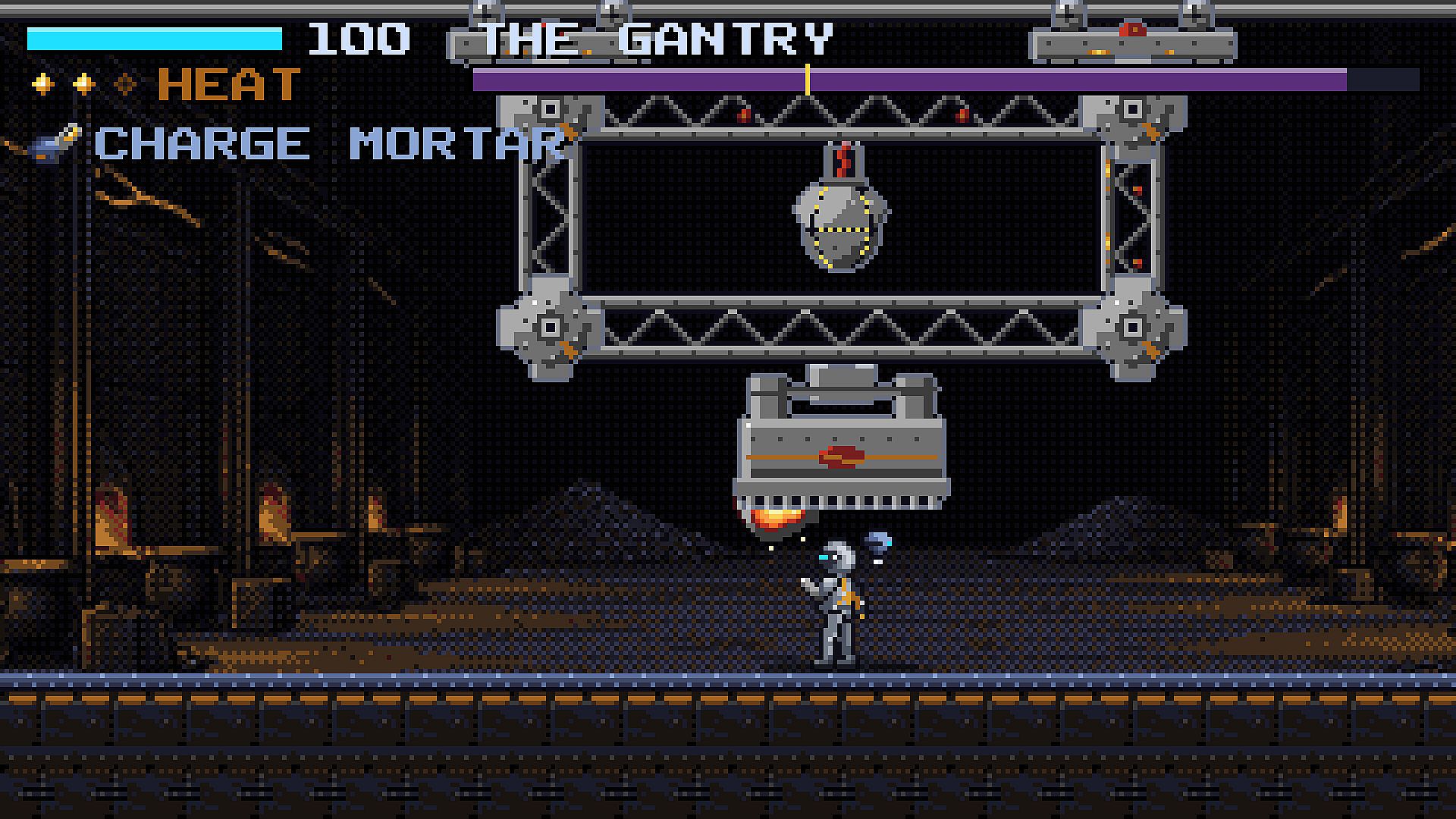
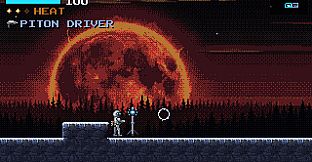
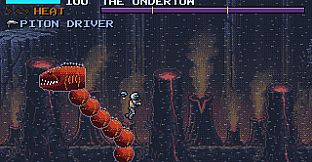
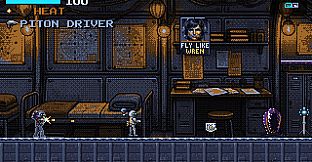
Farstrand is a single-player action, indie, and adventure metroidvania set on PC. Players control cartographer Hesper Lind as she explores six alien worlds connected by frozen strands of alien material after a catastrophic event left the region in decline. The game emphasizes exploration, environmental manipulation through a unique prosthetic arm, and combat that adapts to changing enemy states in a dense, hand-crafted map.
Gameplay
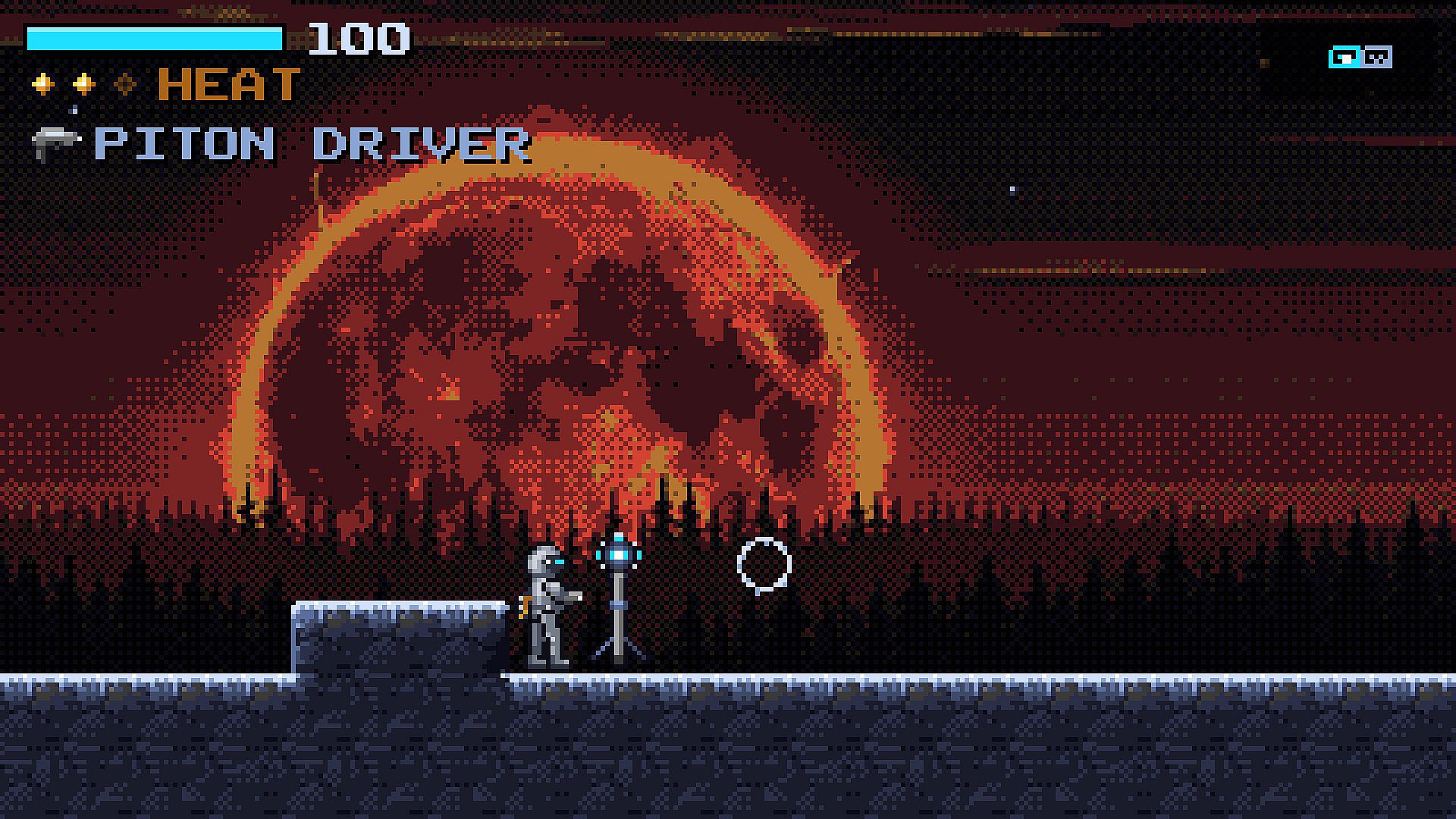
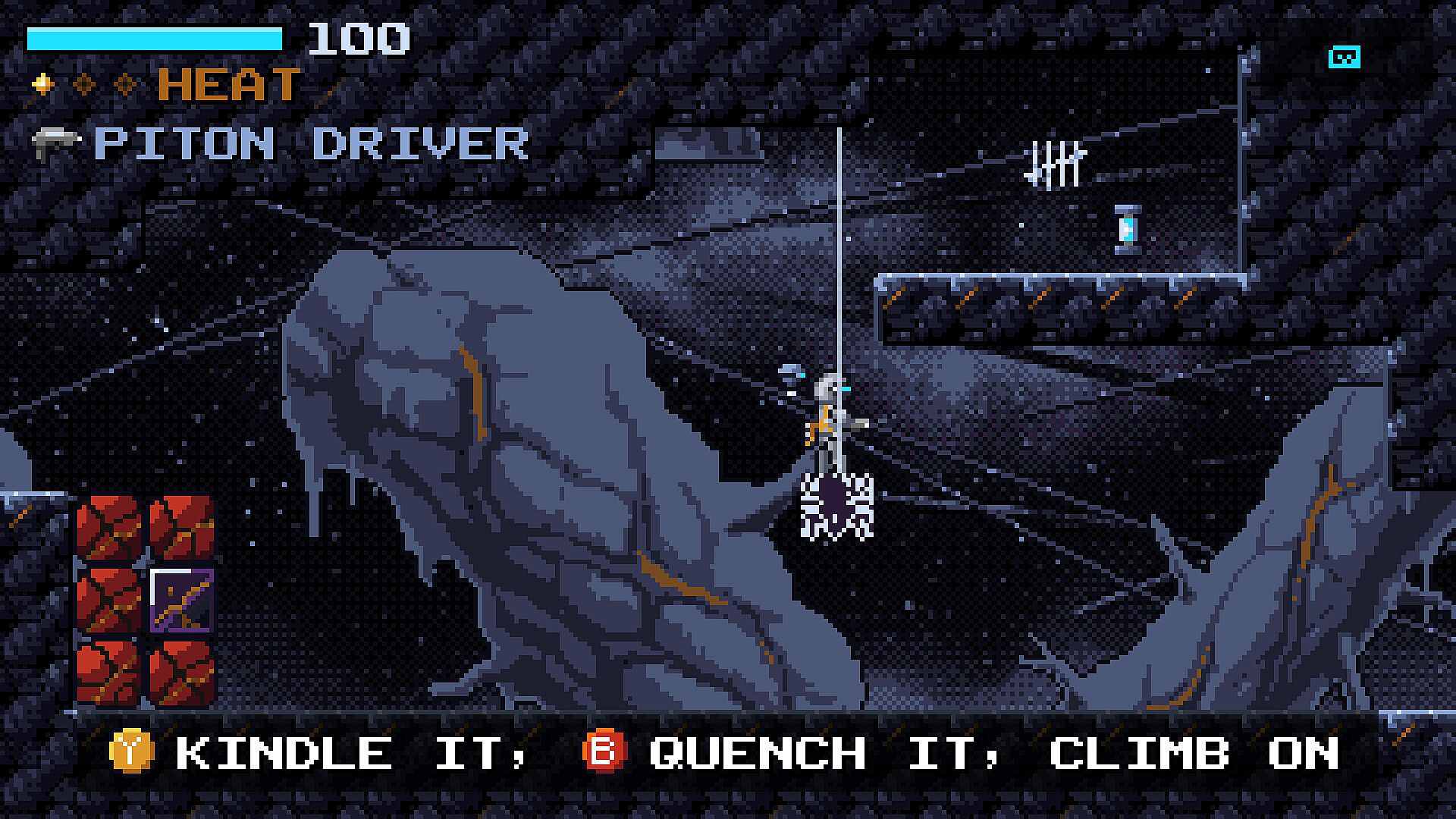
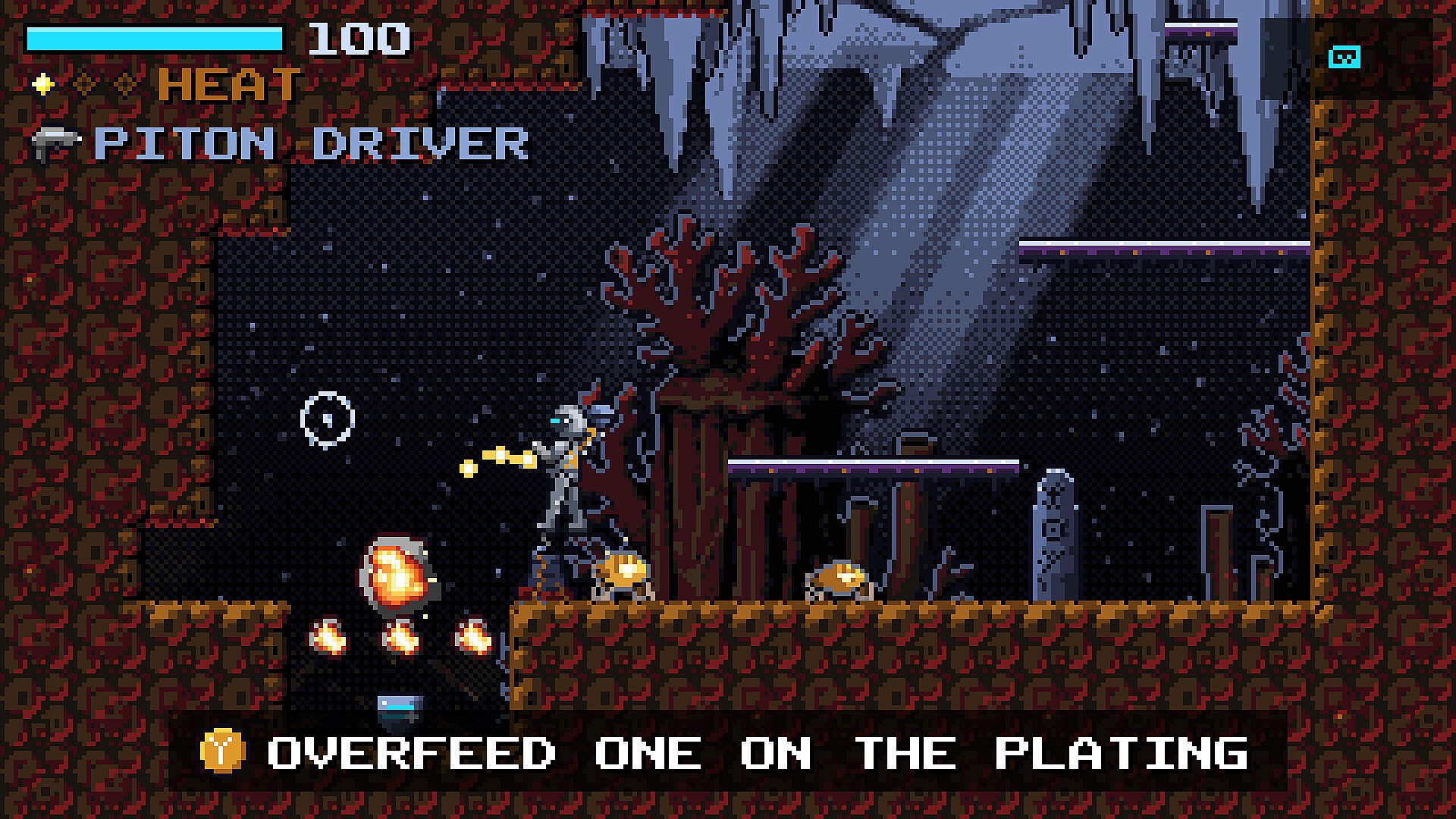
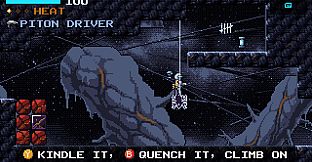
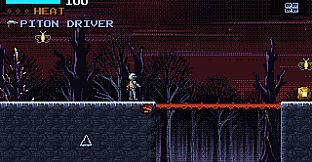
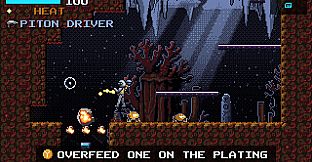
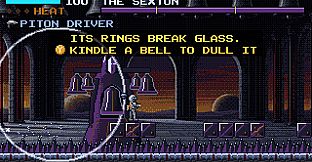
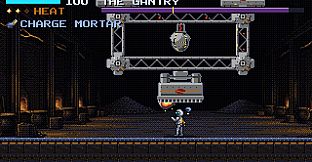
The core loop revolves around traversal, puzzle-solving, and combat in interconnected areas across six distinct worlds. Hesper begins on Halm, a cold planet under a red sun covered in glass forests and remnants of prior civilizations. Progress involves using the Graft, a black glass arm veined with gold that manipulates heat in the hive material known as umberflesh. This tool quenches heat to freeze enemies or structures into temporary platforms and brittle targets, or kindles it to accelerate foes temporarily or grow bridges from buds. Overfeeding sunfed targets causes explosive bursts that can launch the player or damage nearby threats.
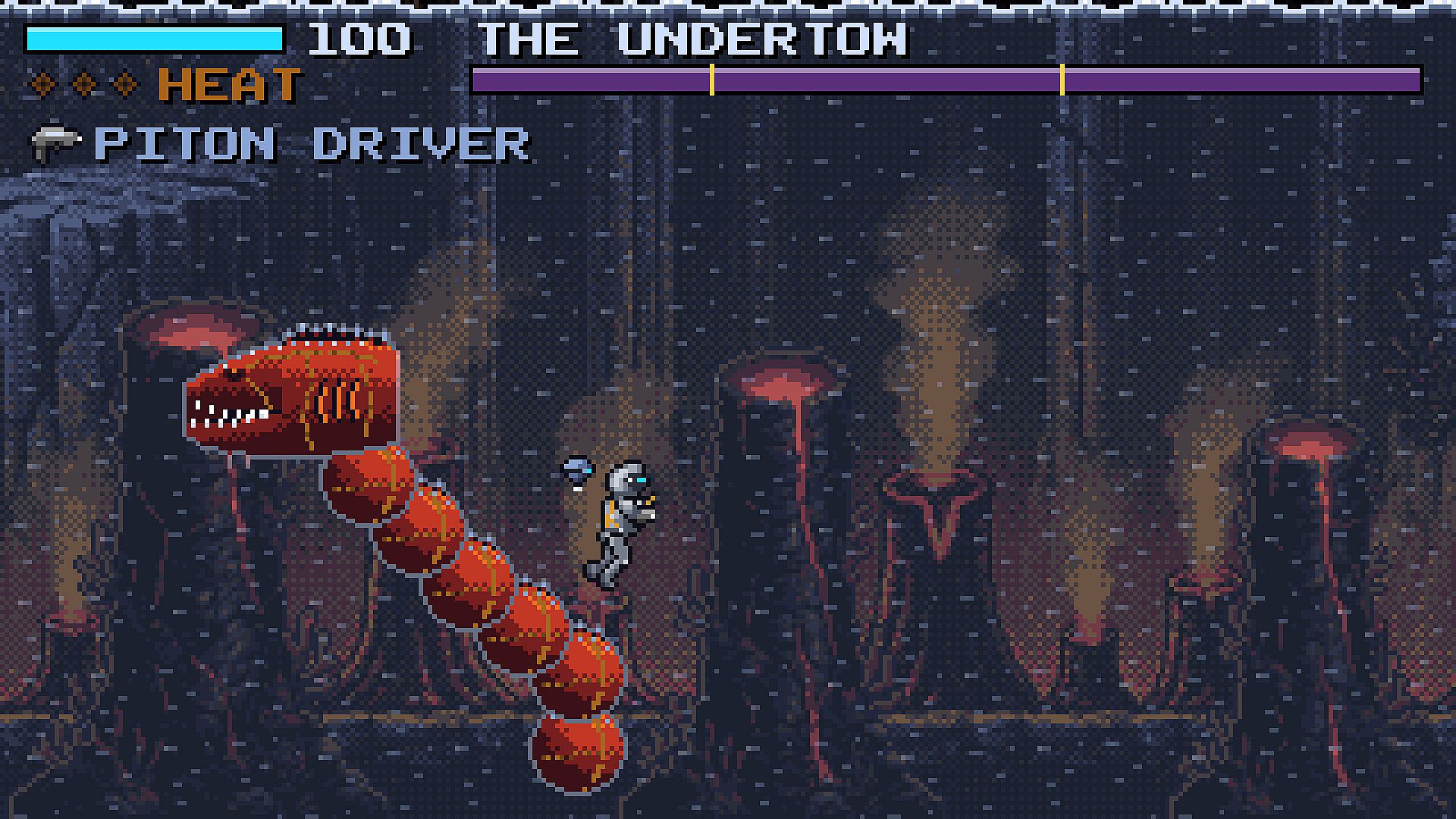
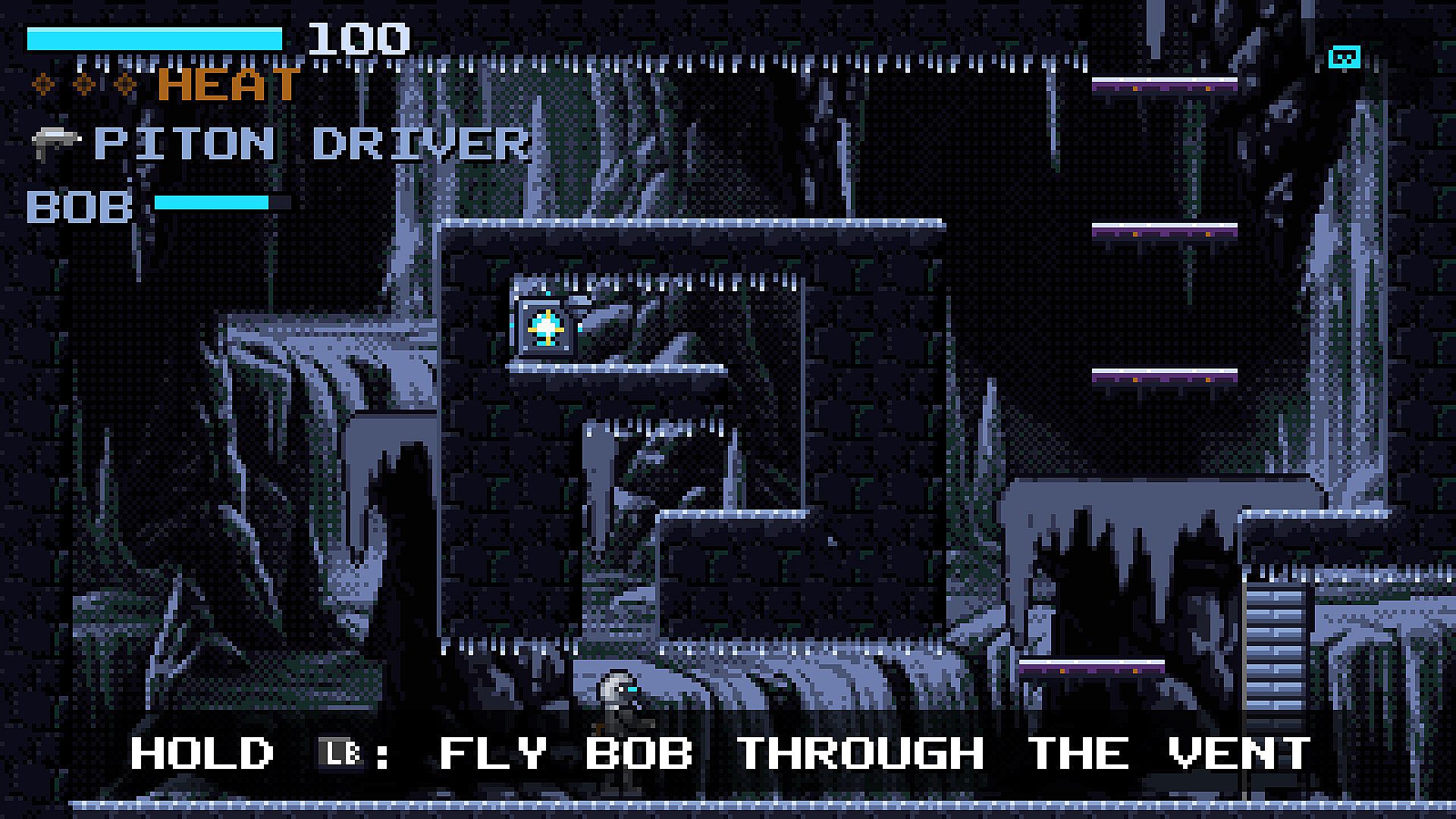
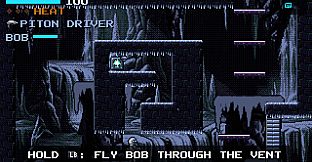
Combat integrates nine guns divided into kinetic, beam, and blast damage types, selected via a weapon wheel. Material states altered by the Graft dictate effective weapons, such as kinetic guns excelling against frozen targets while blasts handle plated surfaces. A survey drone named Bob assists by scanning for hidden paths, activating distant switches, and eventually swapping positions with Hesper. The hand-drawn map records explored rooms in pencil until resting at beacons, where details ink in permanently, and old scratched marks provide optional guidance that players can disable.
Platforming includes modern conveniences like coyote time and full control remapping, while the visual style uses 320 by 180 resolution with 32 colors and tracker music for a deliberate 1990s aesthetic. Death returns the player to the last beacon without losing collected items or map progress. The Graft holds limited heat capacity that expands with upgrades, forcing strategic management of quenching and kindling across encounters and environmental puzzles.
Game Modes
Farstrand offers three difficulty settings: Story, Normal, and Hard. These adjust overall challenge without altering core mechanics. Four optional assists can be toggled individually at any time, covering reduced damage taken, enhanced boss telegraphs, fewer environmental hazards, and increased healing drops. The experience remains strictly single-player with no multiplayer components or additional modes confirmed.
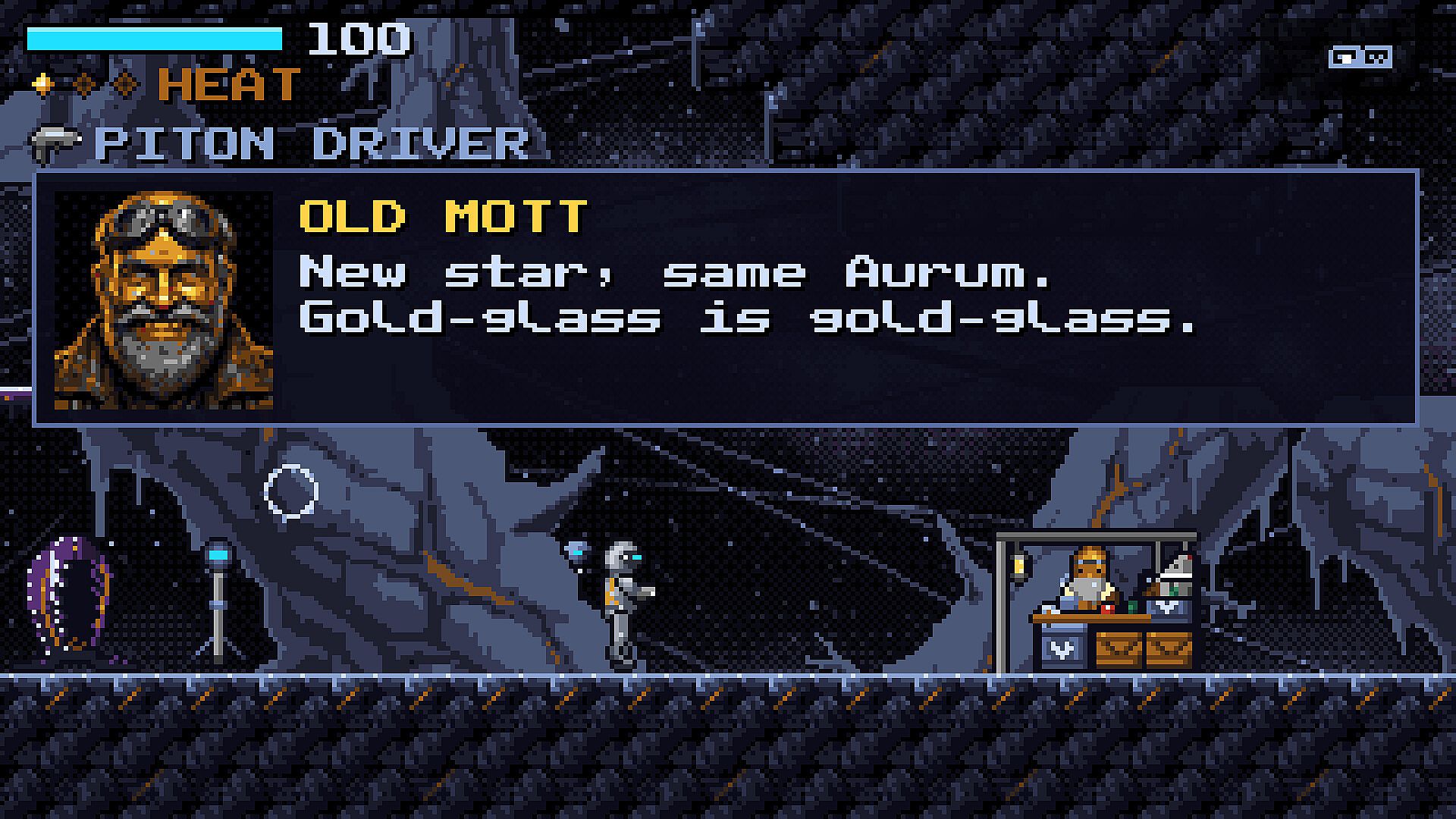
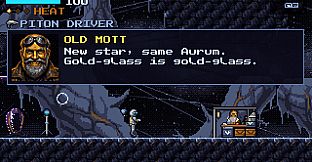
Exploration centers on the Knot as a central hub linking the six worlds, each featuring unique biomes and a Herald entity tied to the hive. Players return to the hub repeatedly while uncovering secrets, trading with the merchant Old Mott for upgrades using Aurum currency, and piecing together narrative elements through environmental storytelling and limited dialogue.
Worlds and Exploration
Six worlds form the backbone of progression, each with its own environmental hazards and secrets. Halm features glass forests over ancient cities. The Knot serves as the tangled hub containing a suspended frigate. Verrin holds an ocean beneath thick ice warmed by thermal vents. Carcanet consists of foundry structures shaped by the hive. Sunder burns under a white star with sunfed life everywhere. Ninth Light stacks dead planets beneath a young sun. Each world contains a Herald that players interact with, alongside the Worn, massive glass entities that offer limited aid in preserving the cold strands.
Navigation relies on the strands themselves, which preserve recordings from prior events and connect distant locations. Survey beacons act as checkpoints and map anchors, encouraging thorough mapping of real room layouts rather than abstract grids.
Is It Worth Playing?
Farstrand targets players who enjoy deliberate metroidvania design with strong emphasis on a single transformative tool and adaptive combat. Its retro presentation paired with responsive controls and persistent map progress suits those seeking focused exploration without excessive punishment. The game remains in a pre-release state with a demo available, and no player reviews or update history exist yet. Those drawn to pixel-art sci-fi adventures featuring heat-based mechanics, drone assistance, and hub-based world travel will find the described systems align closely with classic genre strengths updated for modern accessibility. Availability on PC includes full controller support optimized for handheld play at native scaling.