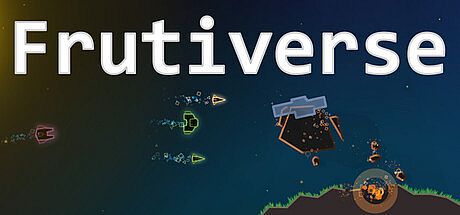


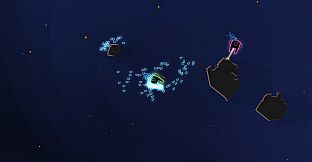
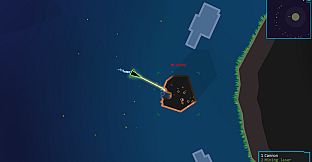
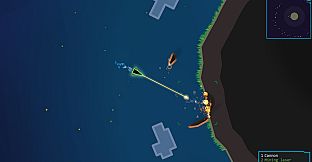
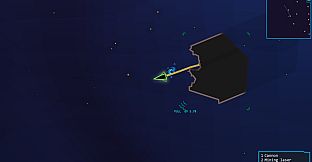
Frutiverse is a 2D space combat simulation game in the action, indie, and simulation genres for PC. Set in a fractured universe populated by rival civilizations of sentient fruit, the title places players in command of ships amid lingering tensions between factions such as the Pears and the Plums. The story begins after a great war over a scarce energy resource left by extinct beings known as the Ancients, with a fragile peace holding in most systems while remote areas remain volatile.
Gameplay
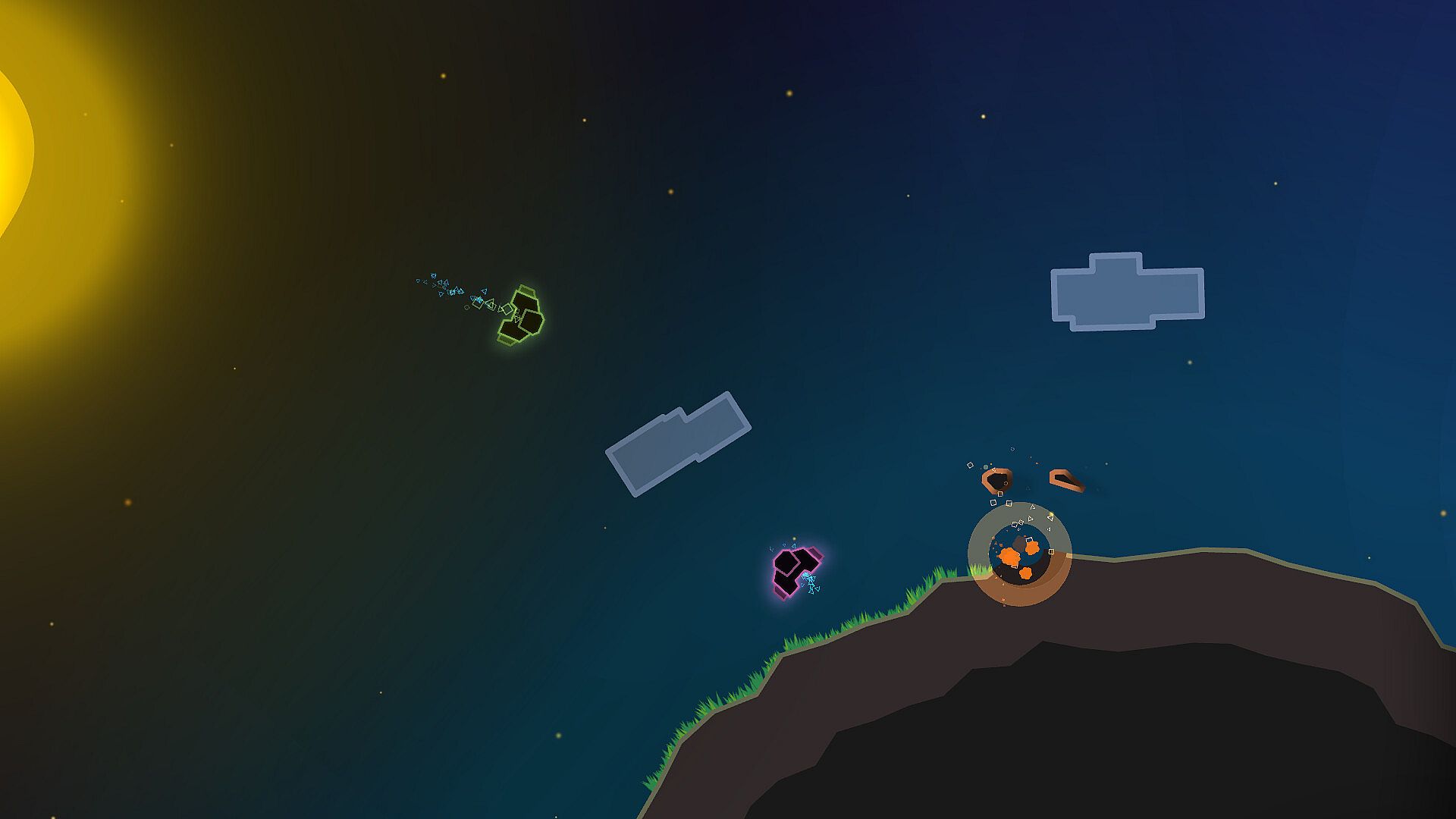
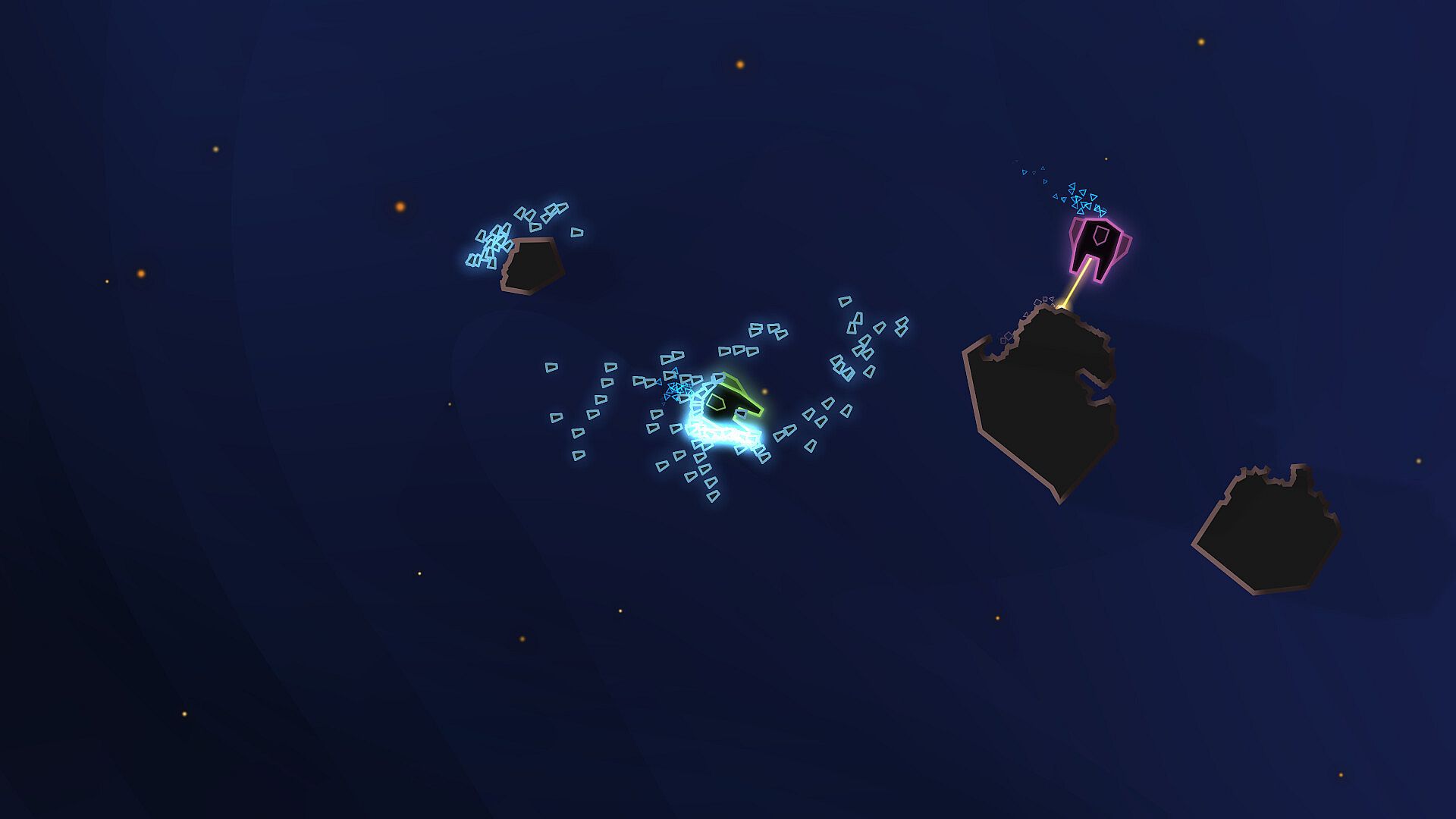
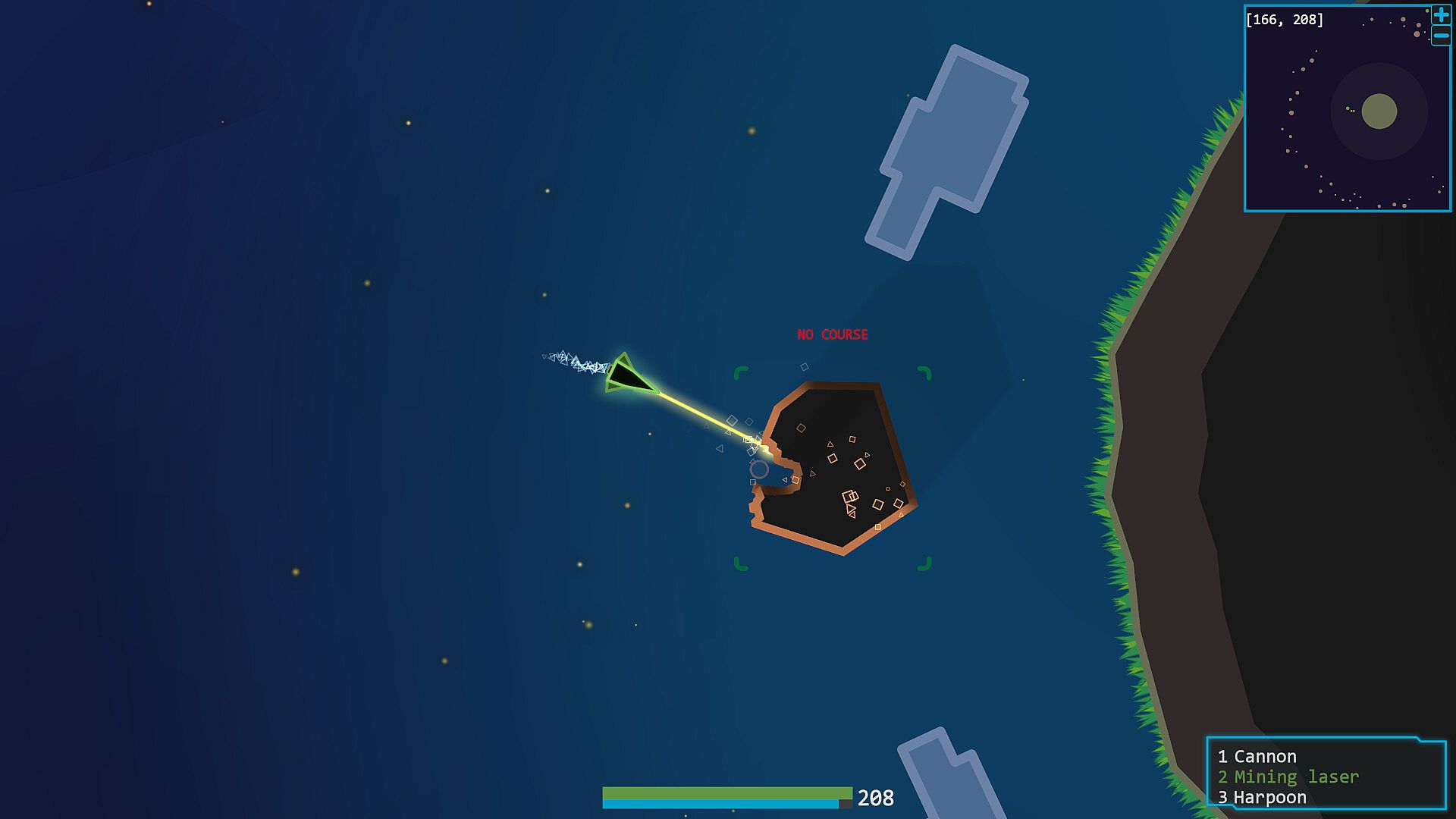
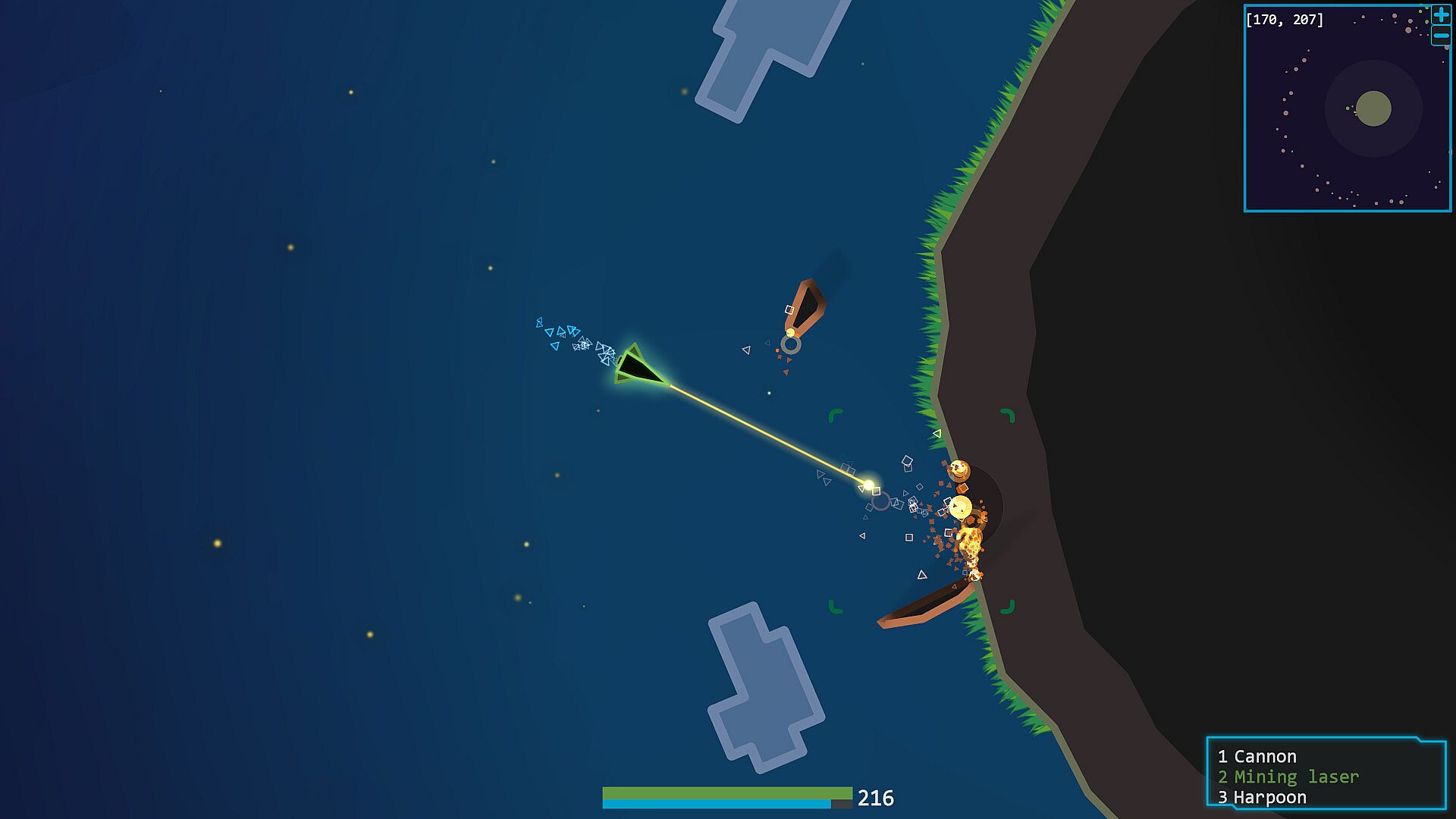
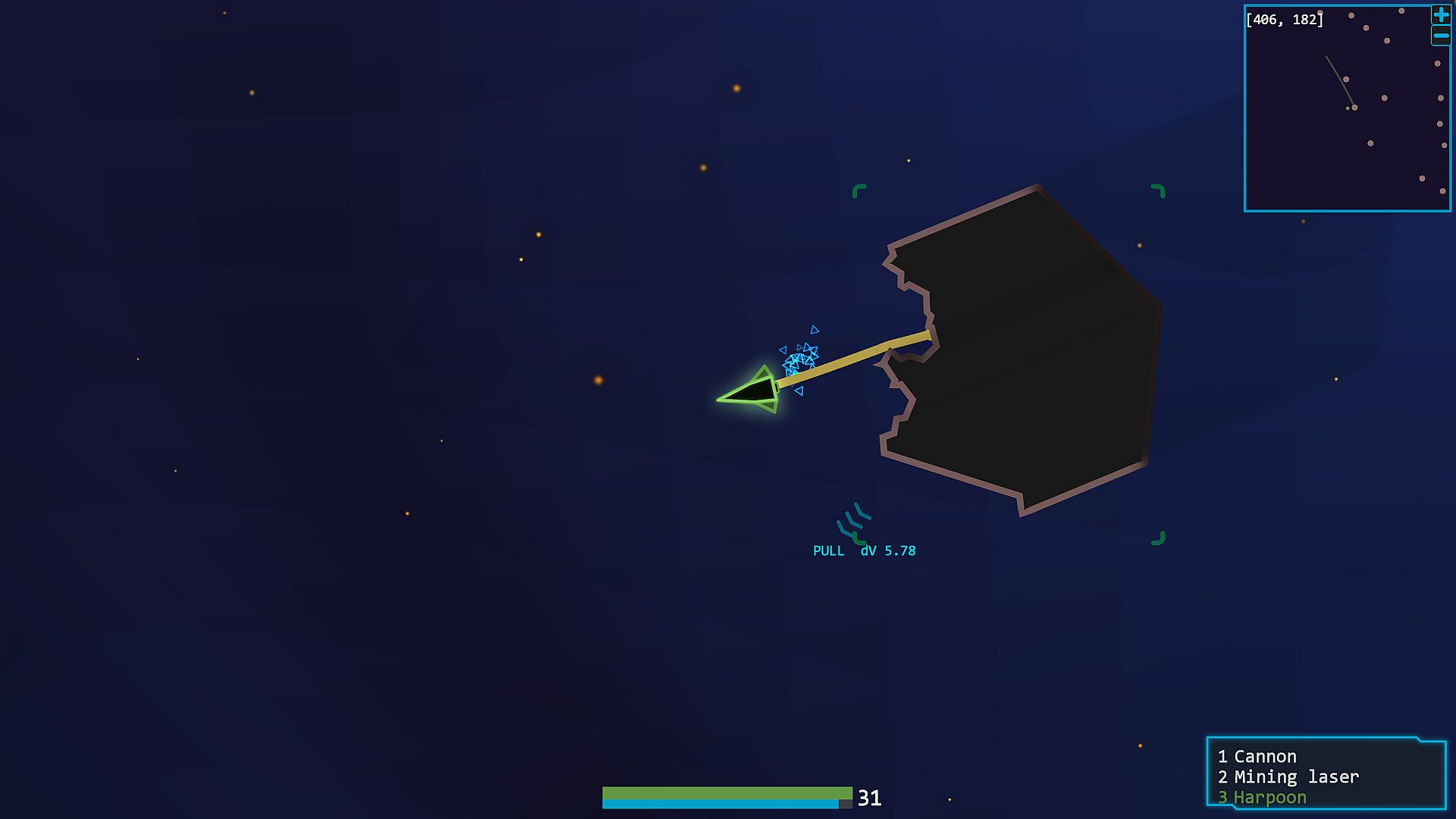
Core gameplay revolves around realistic orbital physics and gravitational interactions. Every object in the simulated solar system responds to gravitational forces, so small changes to debris in stable orbits can trigger chain reactions across the entire system. Players manipulate trajectories to redirect massive space debris toward targets rather than relying on conventional weapons. Atmosphere layers provide limited protection to planets, yet sufficiently large debris can penetrate and carve craters into the surface. Overheating occurs when ships or objects move too quickly through planetary atmospheres, adding another layer of risk during maneuvers. Every object remains fully destructible, including the option to push items into the sun for complete removal. Natural threats appear even during routine activities such as mining, requiring constant awareness of the environment.
Ships transition seamlessly between orbital space and planetary surfaces. Fighters focus on attacking, escorting, and intercepting threats, while heavier hauler ships specialize in repositioning debris for strategic collisions. Debris carries no ownership, meaning a miscalculated redirect can loop back and damage the originating team. These mechanics emphasize coordination and foresight over direct firepower.
Game Modes
Planet Siege serves as the primary game mode. Two teams of five compete in real-time orbital battles within compact systems governed by the same physics rules. Each side protects its own destructible planet while attempting to reduce the enemy world to dust through debris impacts. Weapons can eliminate opposing ships, but only sustained debris strikes destroy planets. Players coordinate redirects, intercept incoming threats, and protect teammates setting up attacks. The mode highlights the reactive nature of the physics system, where one action can produce unintended consequences for either side.
Development notes indicate plans for additional features such as skirmish modes with base destruction and expanded multiplayer support, though Planet Siege remains the focus for the initial release.
Setting and Mechanics
The background involves ancient conflicts that nearly exhausted the energy source sustaining fruit civilizations. Rebuilding continues under an uneasy truce, yet hostility lingers in frontier systems. Players enter this environment as ship commanders who can engage in resource fights, trade at stations, and influence the surrounding system through their actions. Physics simulation extends to sun interactions and long-term orbital stability, with visual and behavioral improvements added during development to enhance realism. Destructible layers on planets allow progressive damage that alters the battlefield over time.
Is It Worth Playing?
Frutiverse targets players who enjoy physics-driven simulations and team-based strategy in a 2D space setting. The emphasis on gravity manipulation, debris redirection, and environmental destruction creates a distinctive loop where planning and adaptation determine outcomes more than raw combat skill. With Planet Siege positioned as the launch mode, the experience suits those interested in coordinated 5v5 matches that reward precise trajectory control and awareness of chain reactions. The project remains in active development, with ongoing refinements to AI behaviors, planet destruction visuals, and orbital stability. Availability depends on future release timing, but the core systems already demonstrate a focused approach to simulation gameplay that stands apart from conventional space combat titles.