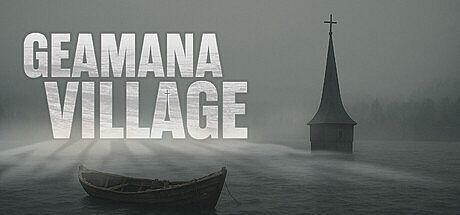



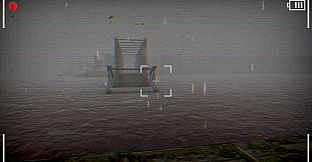
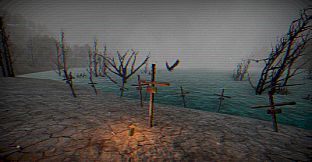
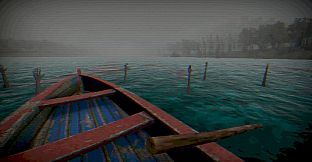
Geamana Village is a single-player indie simulation and adventure game that places players in the role of a former journalist investigating the aftermath of an environmental disaster. Set in a flooded Romanian village, the experience centers on slow exploration, evidence gathering, and personal interactions in a quiet, haunting environment shaped by real historical events from 1977.
Gameplay
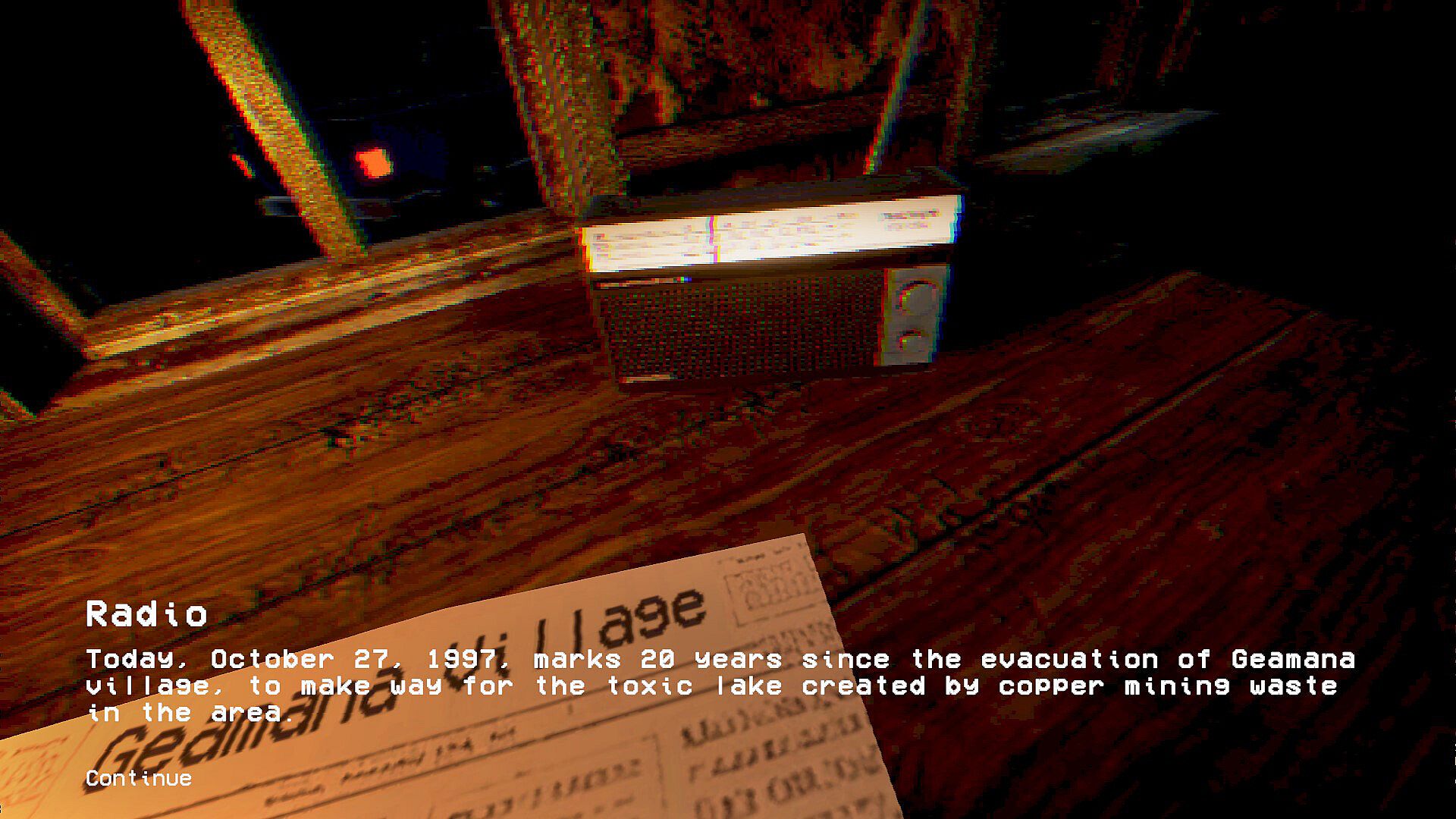
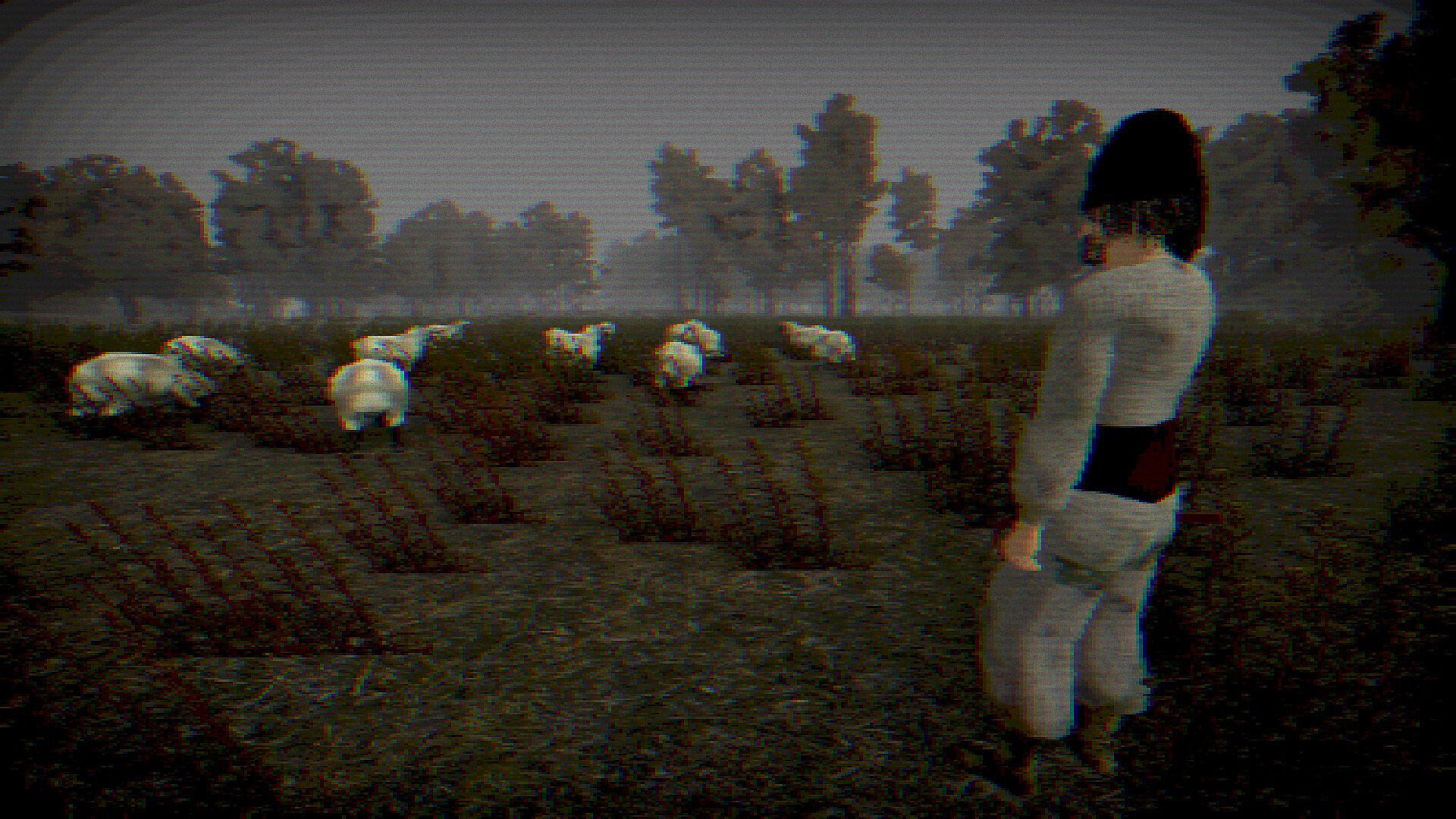
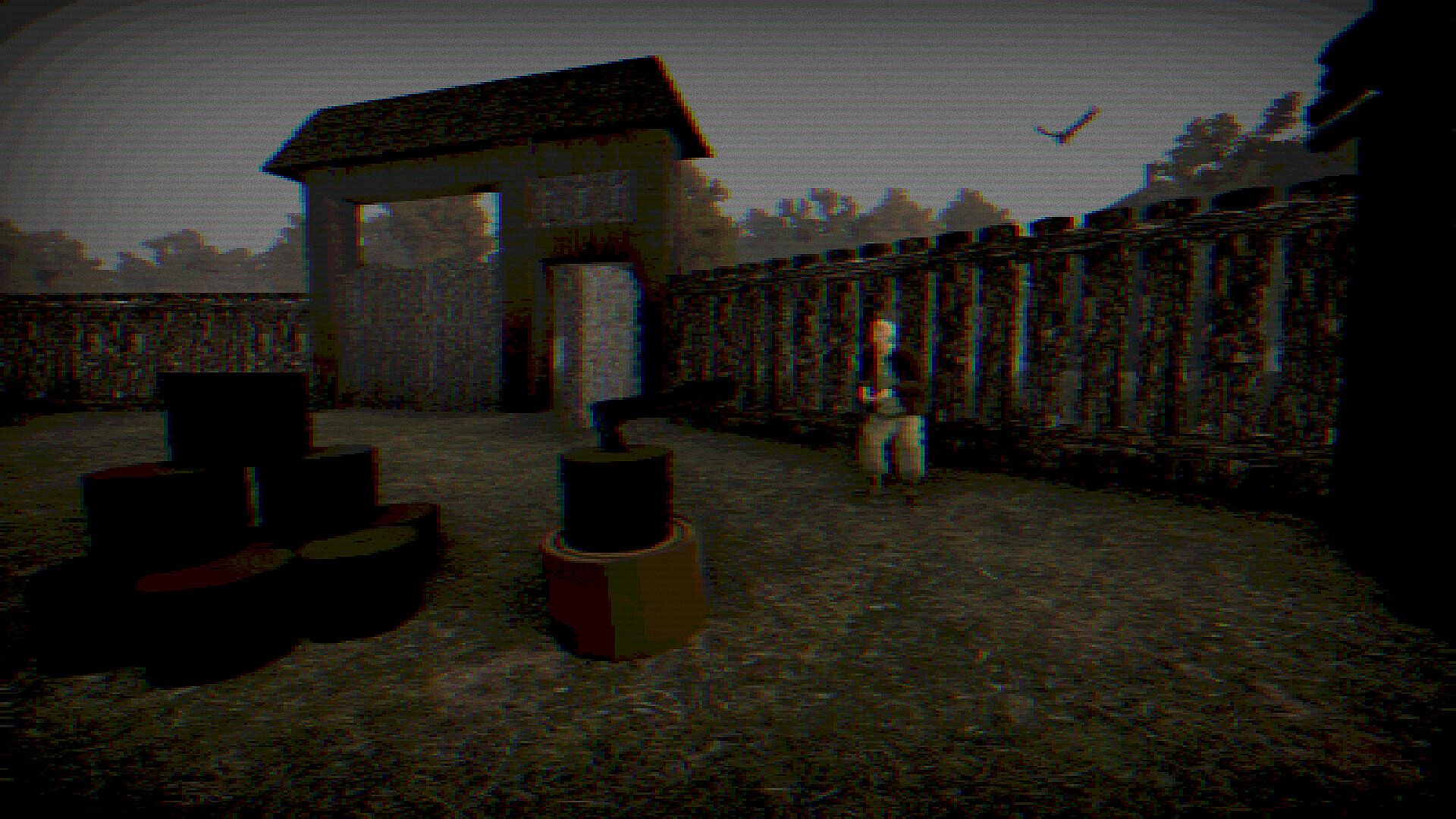
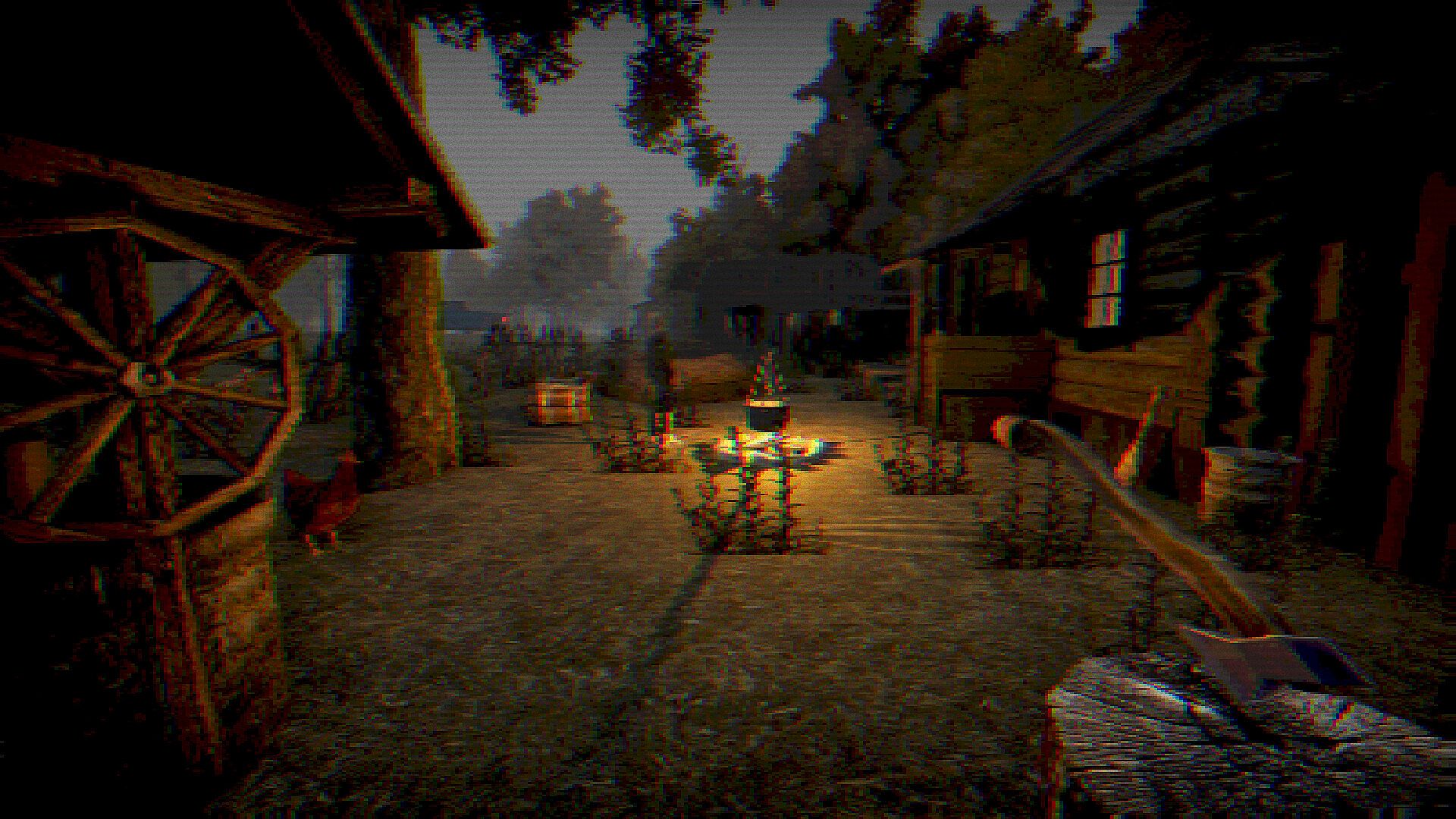
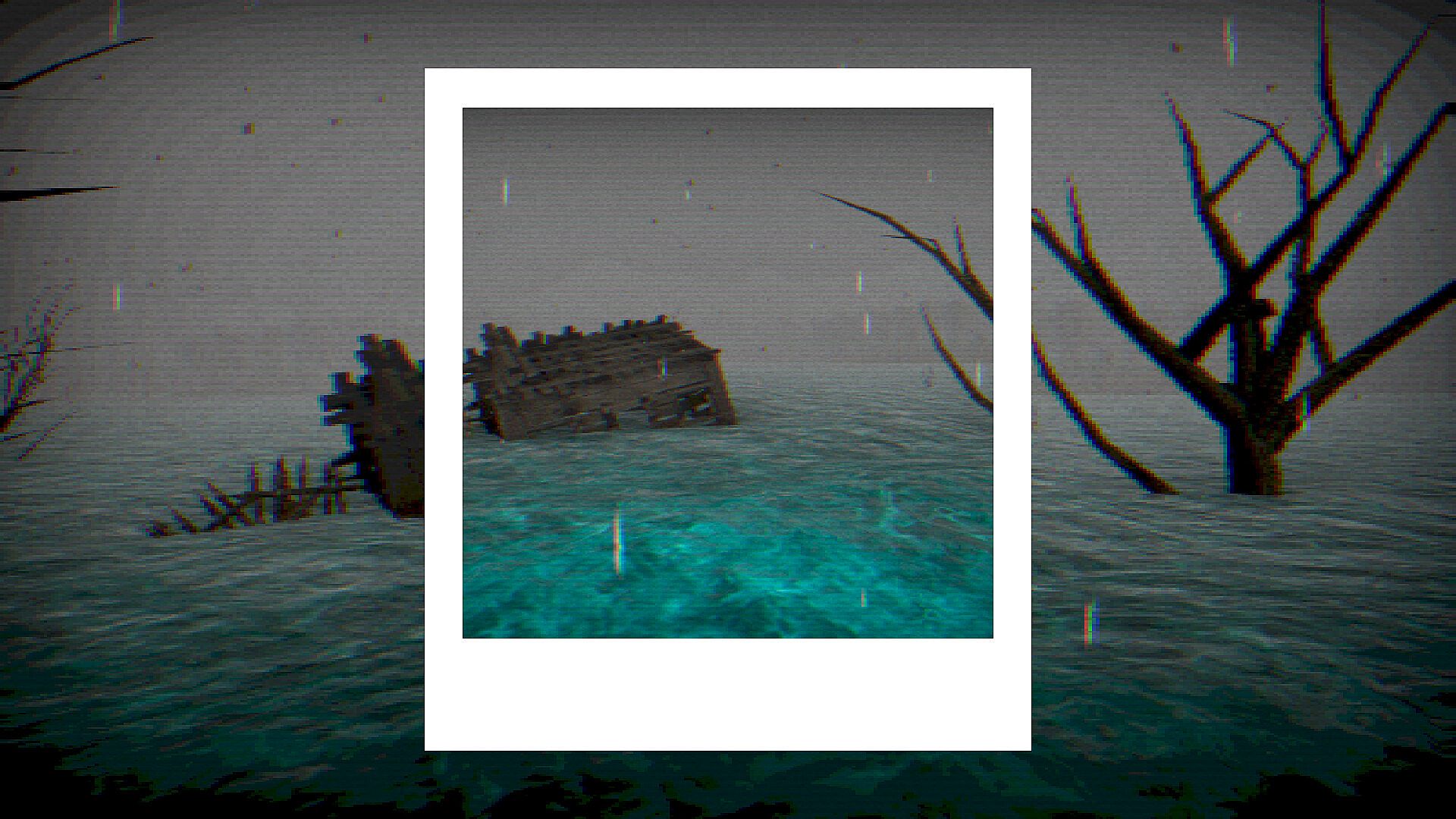
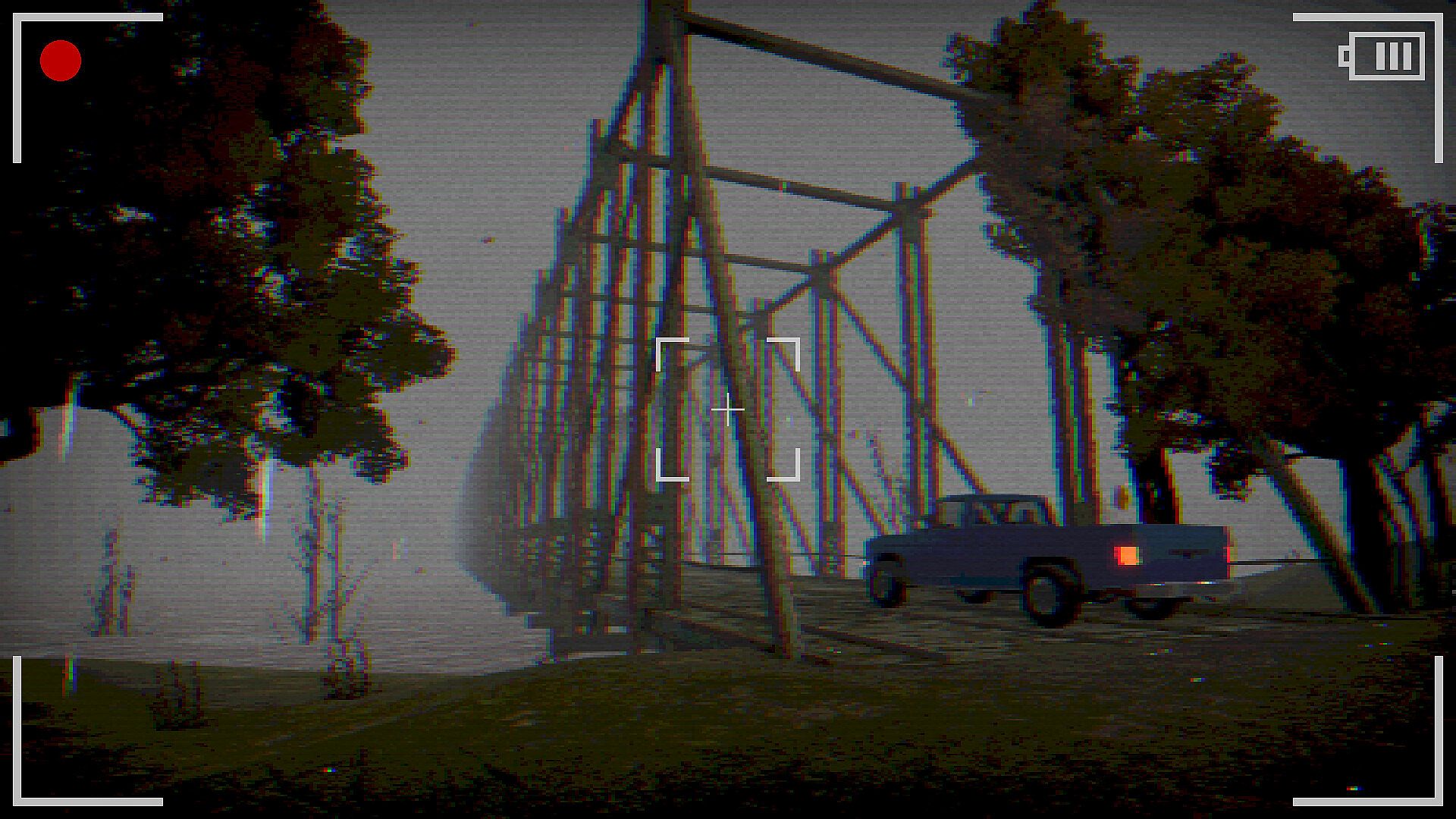
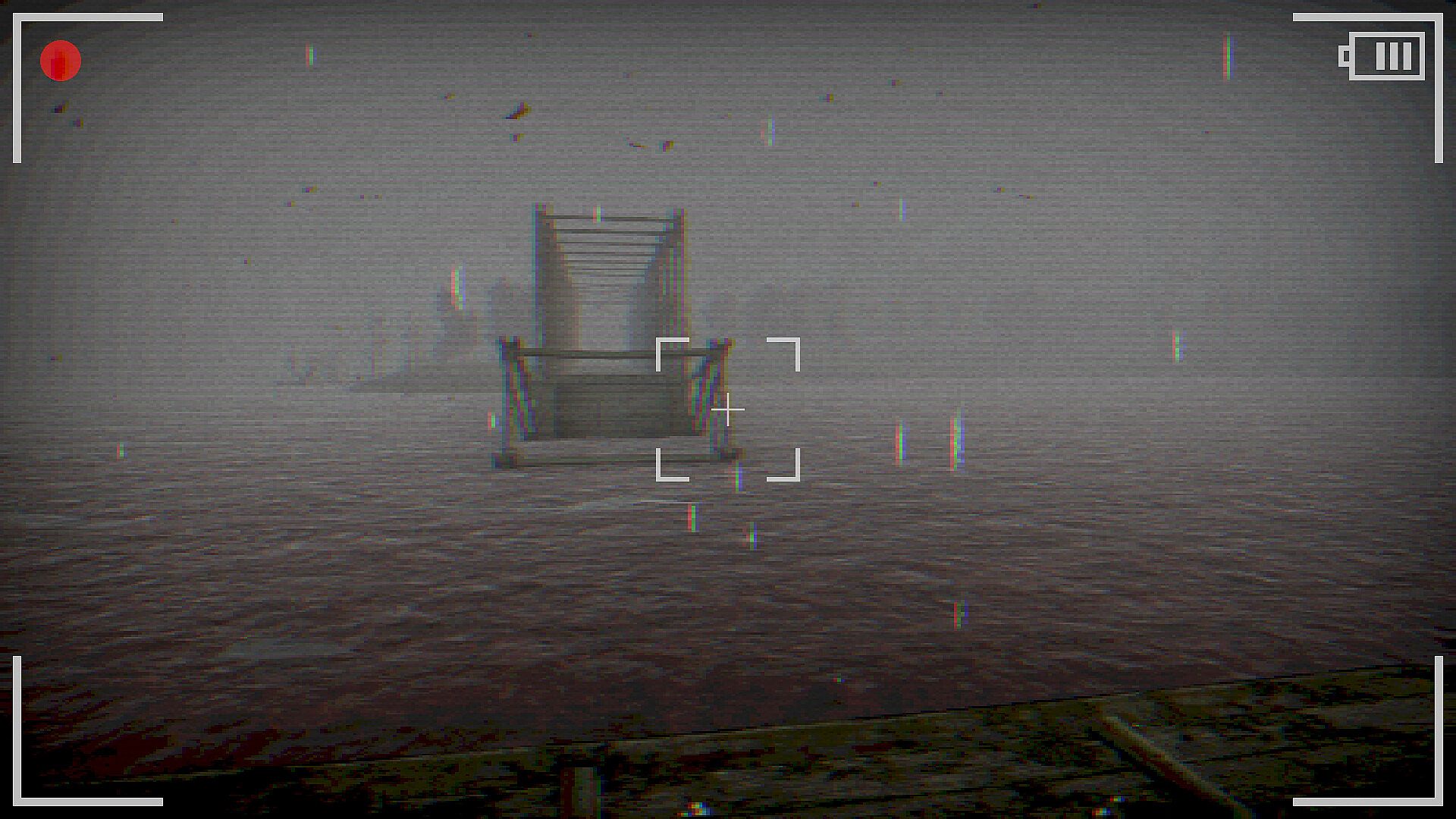
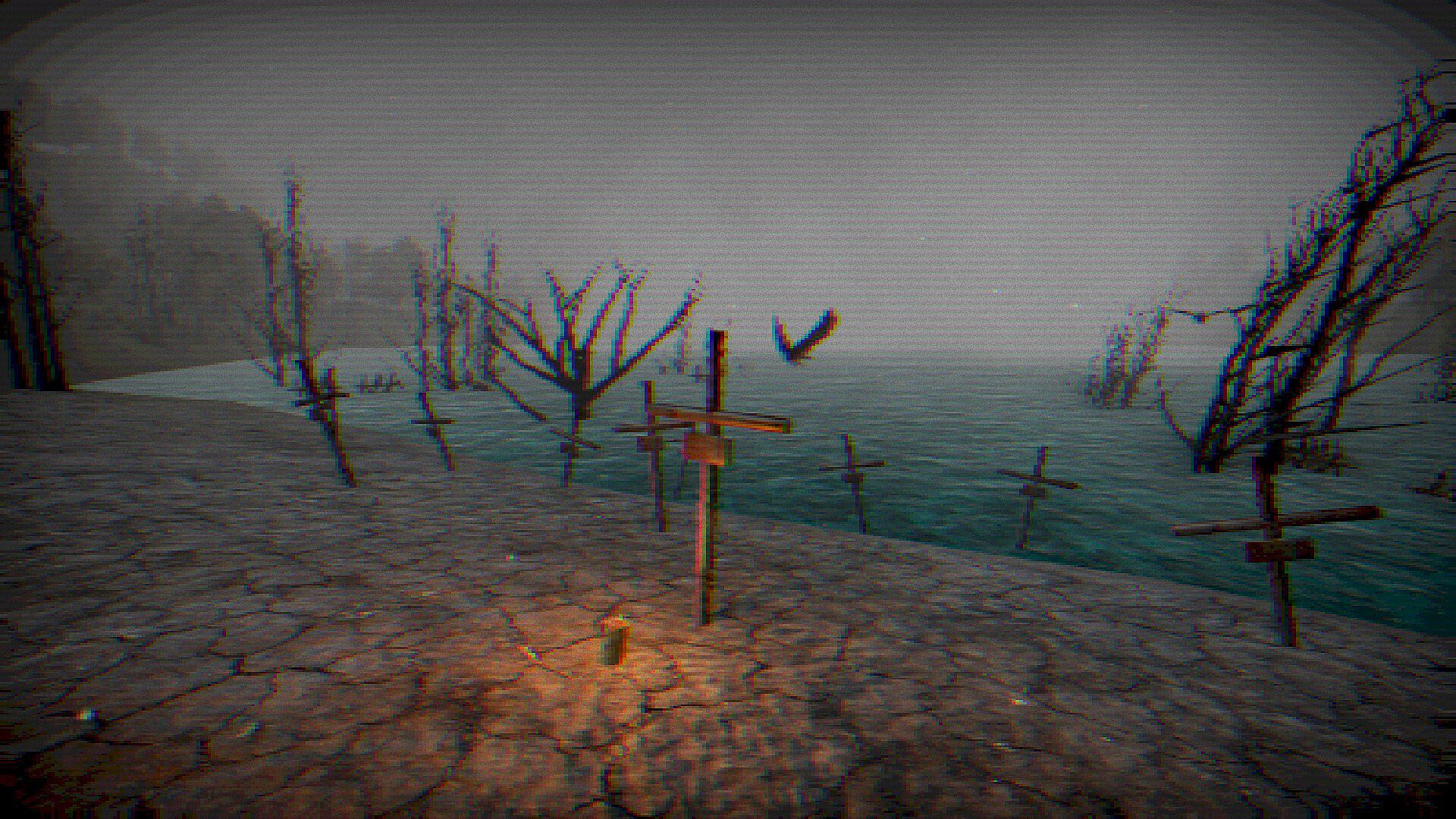
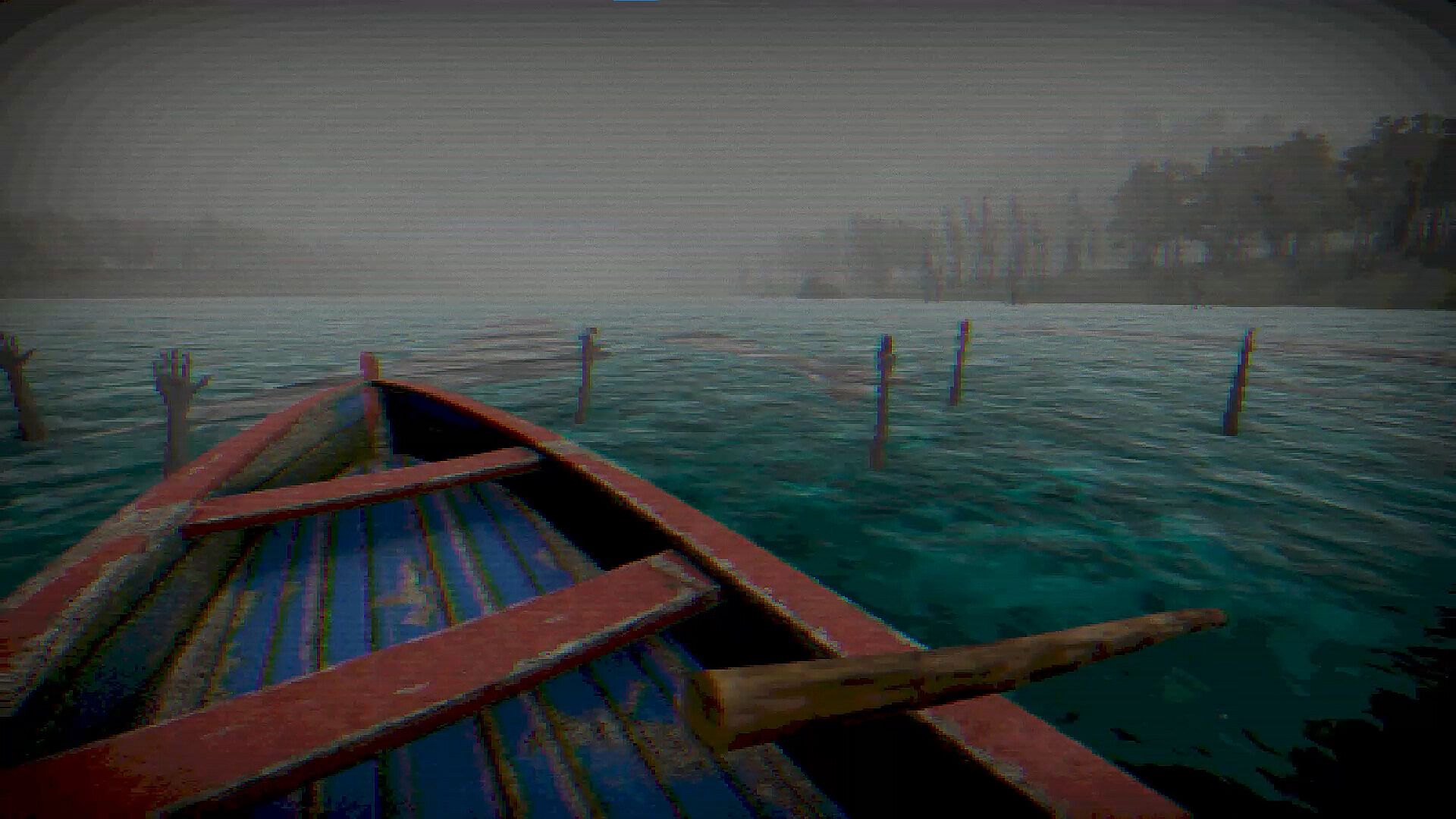
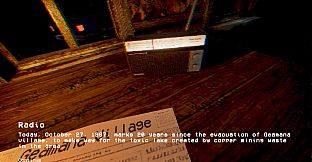
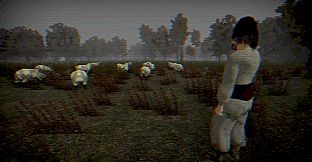
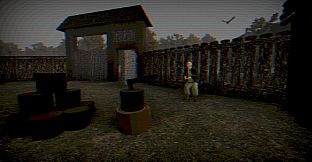
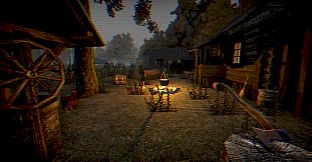
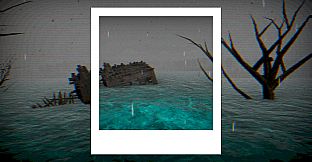
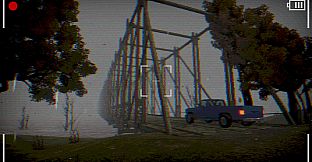
Players control Moloce Arcip, who arrives twenty years after toxic mining waste submerged most of the valley. Movement occurs on foot through scattered homes and along roads that circle the polluted lake, with an option to drive a vehicle that features basic physics and a radio offering music and talk segments. The core loop involves examining abandoned interiors for scattered documents, personal notes, and official reports that piece together the village's past. A camera serves as the primary tool for documentation, where each shot captures details of ruins, sludge, and lingering traces that might otherwise go unnoticed. Conversations with the handful of remaining residents require building rapport through minor errands, after which conflicting accounts emerge that force players to weigh what seems credible. Progress feels deliberate, with no timers or combat, allowing time to absorb the atmosphere of empty streets and the distant church spire rising from the water.
Game Modes
Geamana Village offers only a single-player campaign with no multiplayer options or separate modes. The entire experience unfolds as one continuous investigative narrative where choices in trust-building and evidence interpretation influence how stories unfold. Three endings exist, with the final one allowing players to compose their own article summary that receives an in-game rating based on the details collected. Exploration remains open within the available areas, though the layout follows a main road around the lake with limited off-path options and checkpoint-based respawns after vehicle incidents.
Story and Setting
The narrative draws directly from the real flooding of Geamana village in Romania's Apuseni Mountains, where communist-era mining operations released untreated waste without warning. Families either fled or stayed despite the danger, leaving behind homes now partially submerged. In the game, twenty years later, the player documents what survives through photography, interviews, and recovered paperwork. Conflicting testimonies from locals highlight how memory and survival shape different versions of the same events, creating a layered picture of loss and resilience without dramatic cutscenes or exposition dumps.
Is It Worth Playing?
Geamana Village suits players who enjoy deliberate, atmospheric single-player experiences focused on exploration and quiet storytelling rather than action or puzzles with strict solutions. Steam reviews stand at mostly positive based on dozens of user ratings, praising the authentic mood and the weight given to small details. A free demo lets interested players sample the early sections before committing. The game runs on modest hardware with Windows and Linux support, includes Steam achievements, and has received post-launch language updates. Those seeking fast-paced gameplay or large-scale environments may find the limited scope and measured pace less engaging, while fans of walking-simulator style investigations will appreciate the focused tribute to a real place and its people.