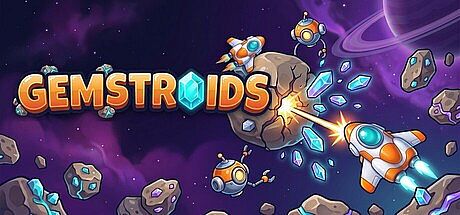


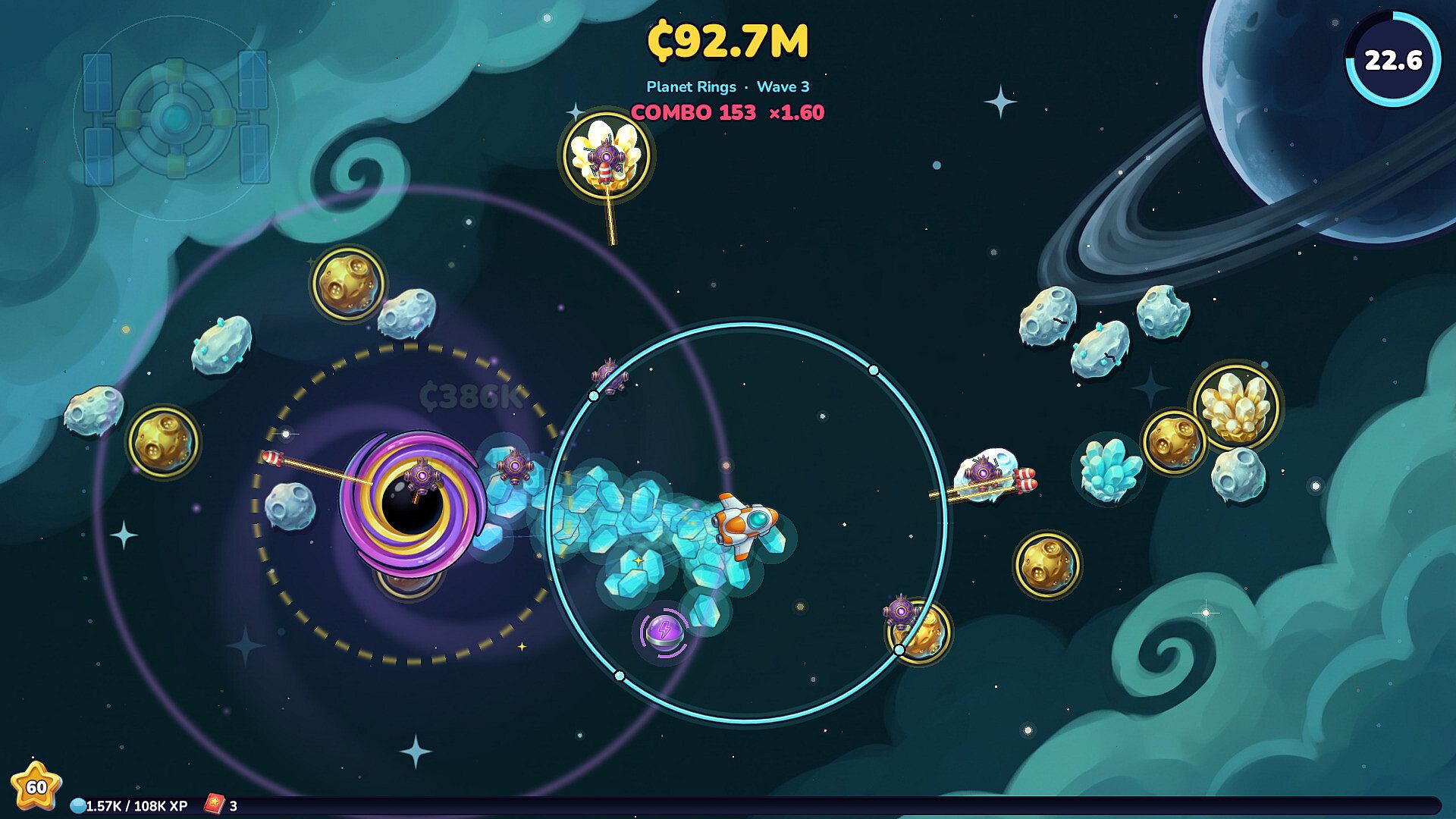
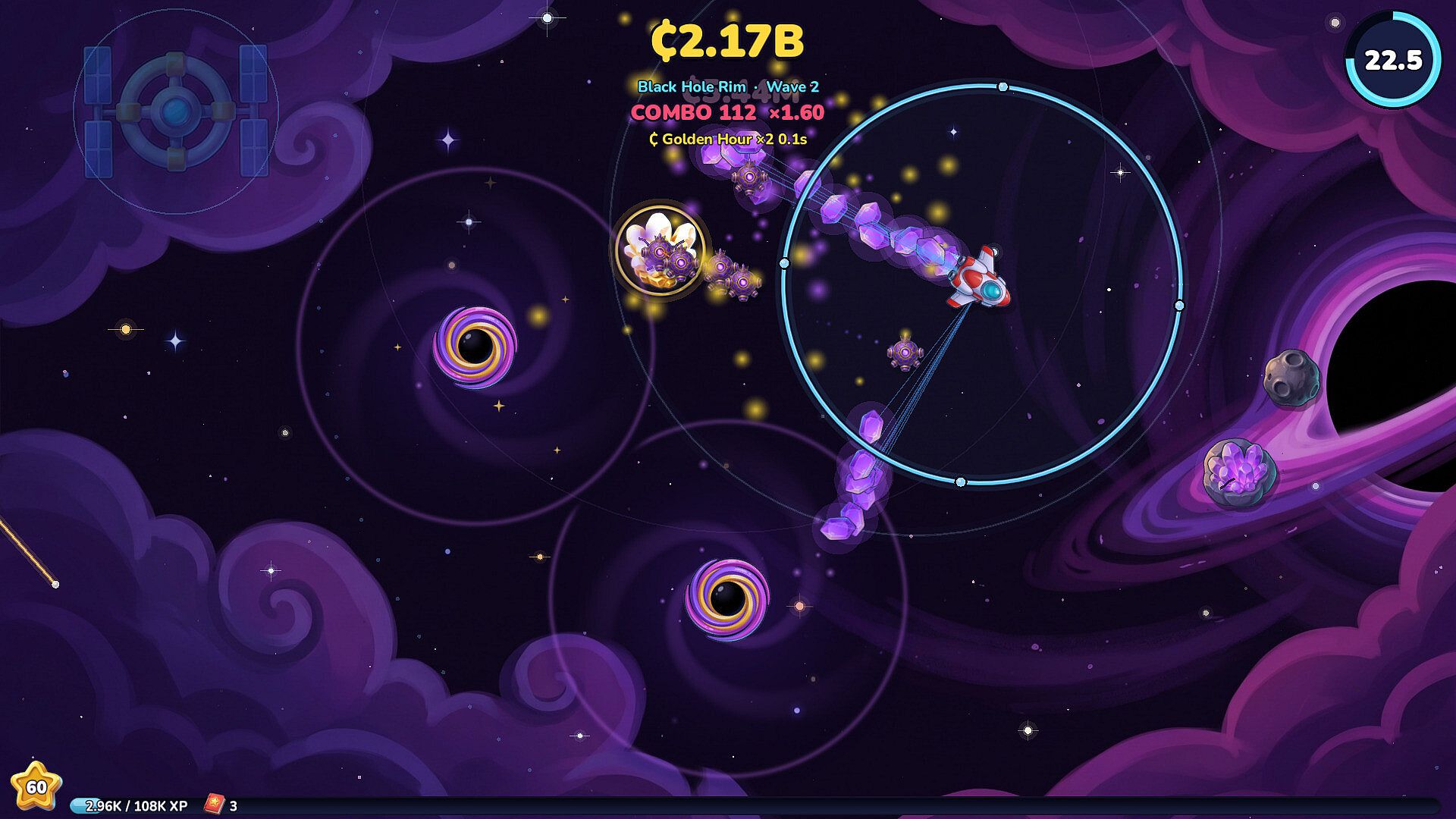
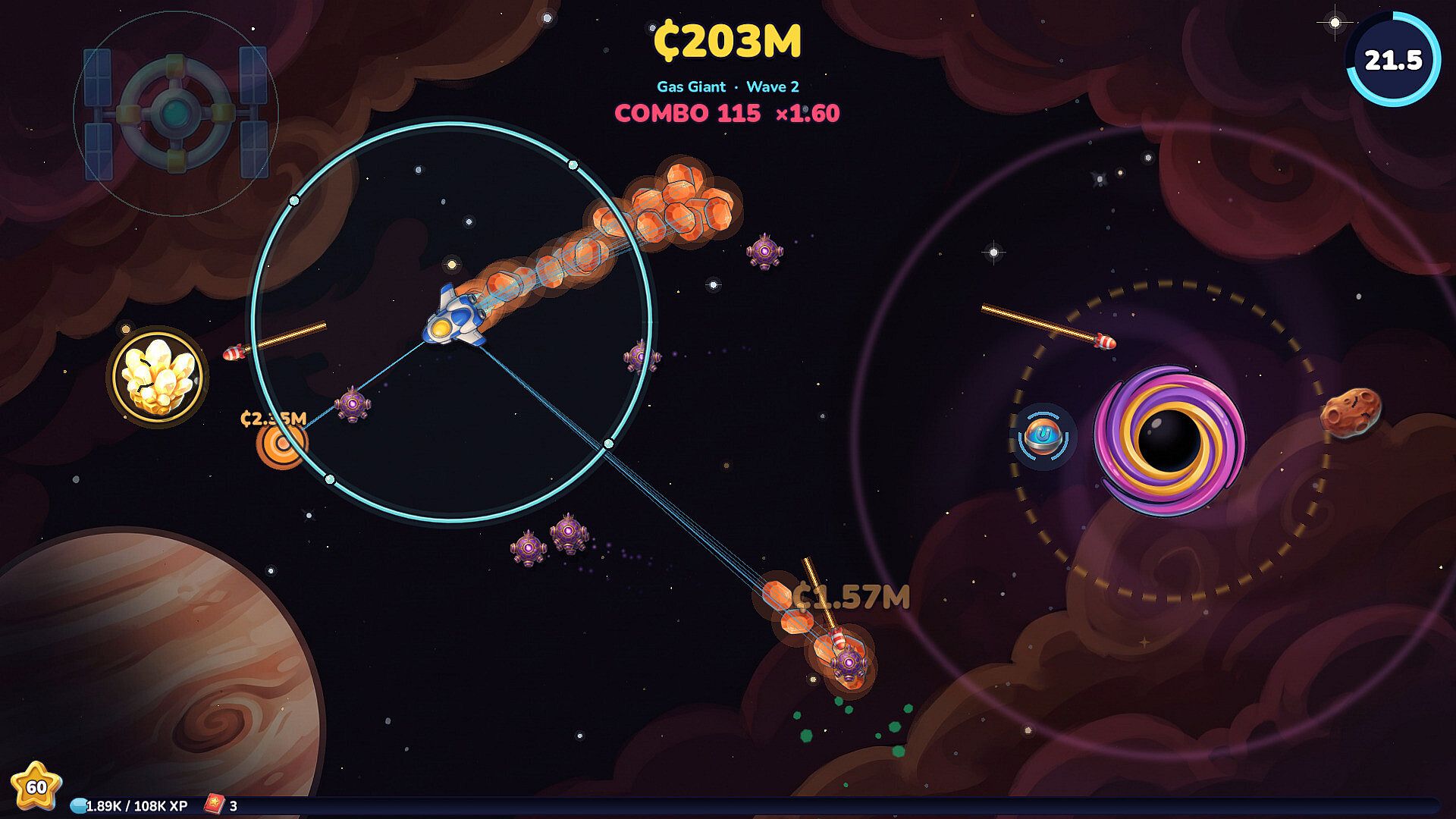
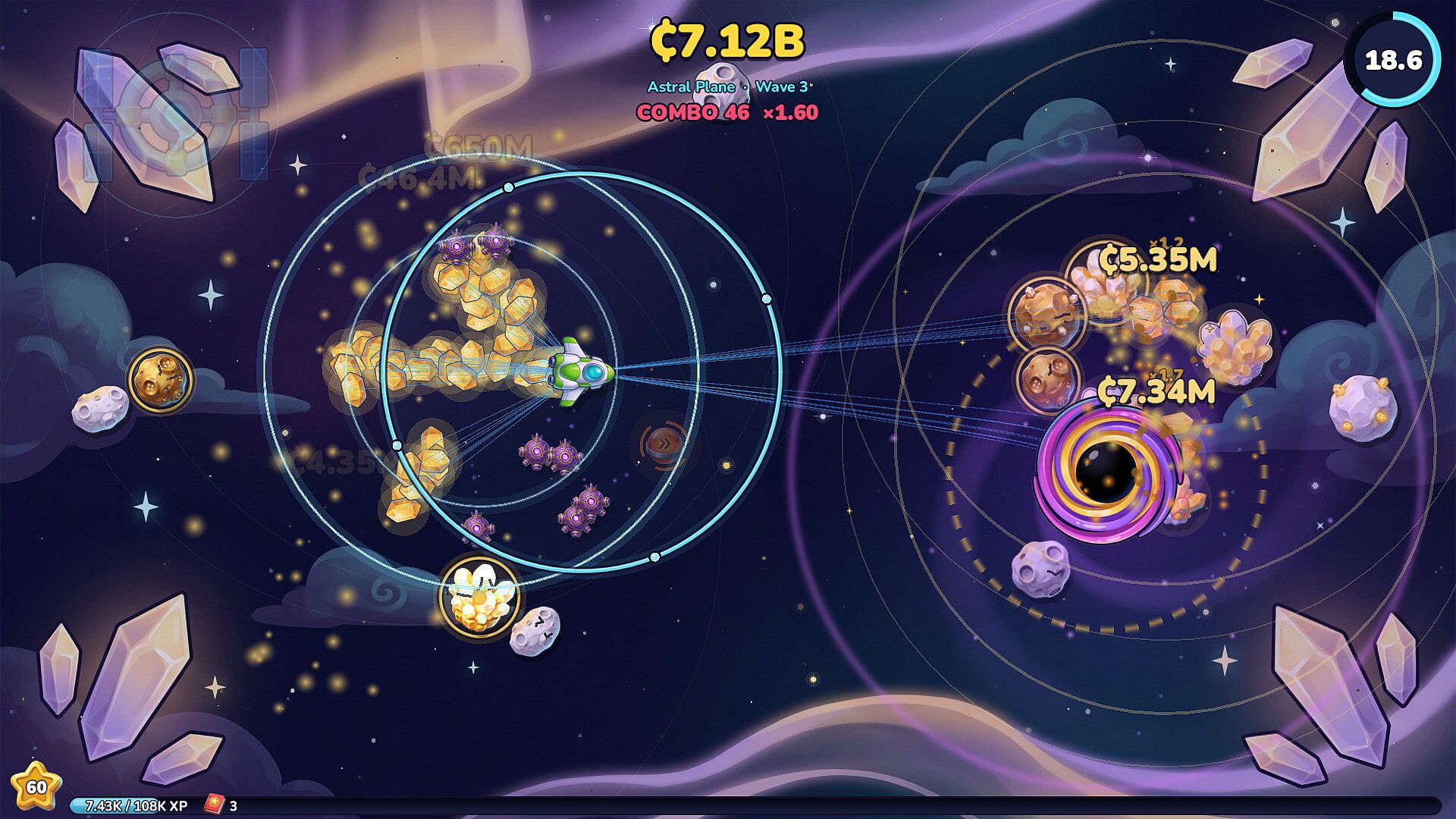
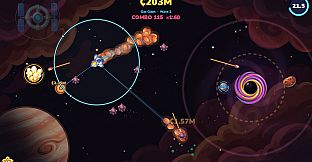
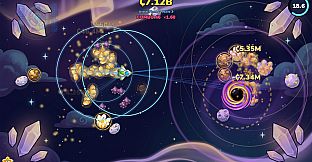
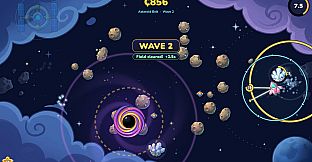
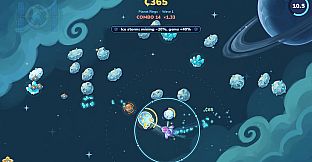

Gemstroids is a casual single-player incremental mining game set in space. Players pilot a small mining ship across asteroid fields, steering while automated lasers target rocks within a mining ring. Cracked rocks release gems that the ship's tractor beam collects for immediate credit sales. Early sessions stay brief, but upgrades extend them as the ship improves between runs.
Gameplay
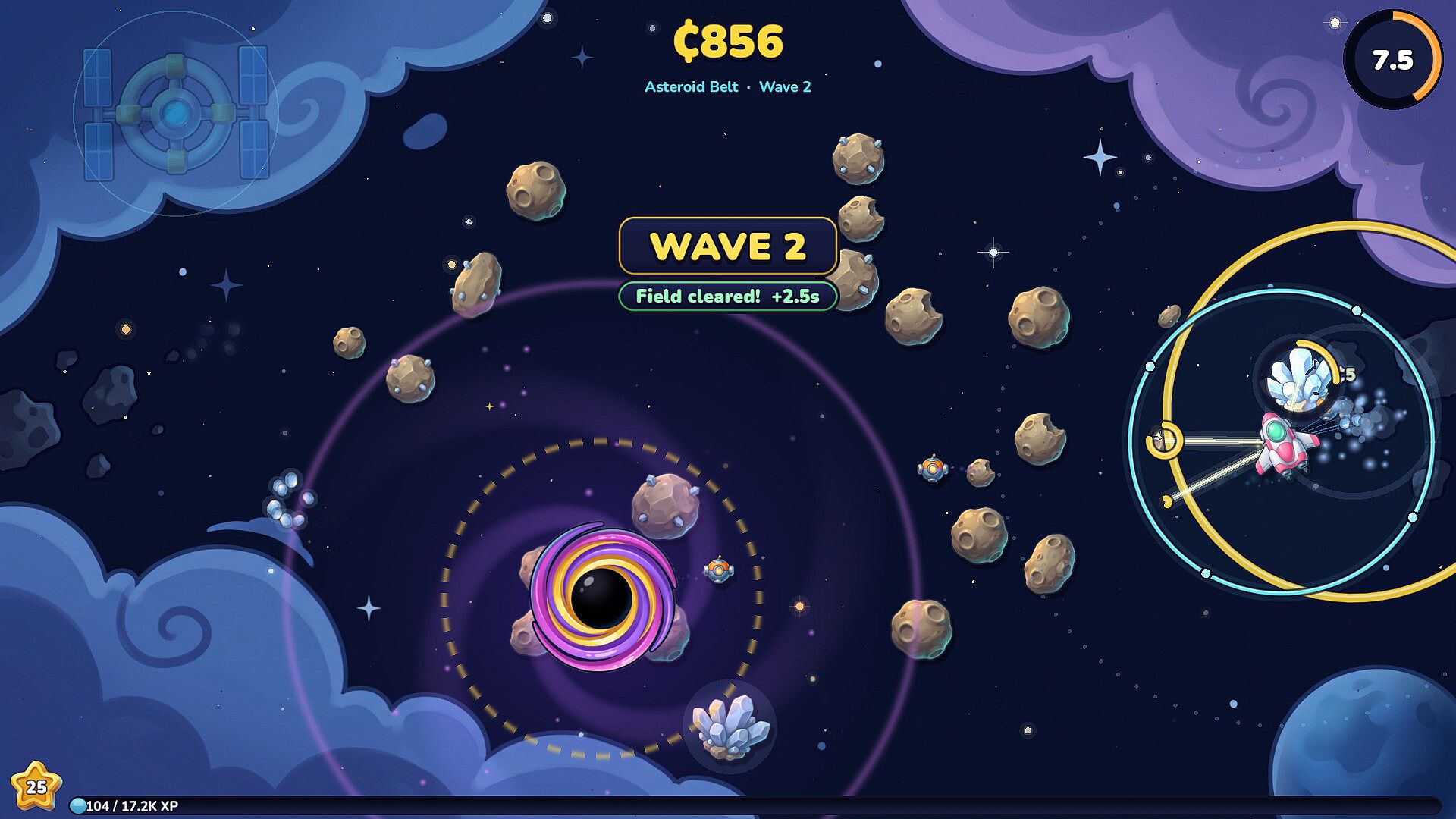
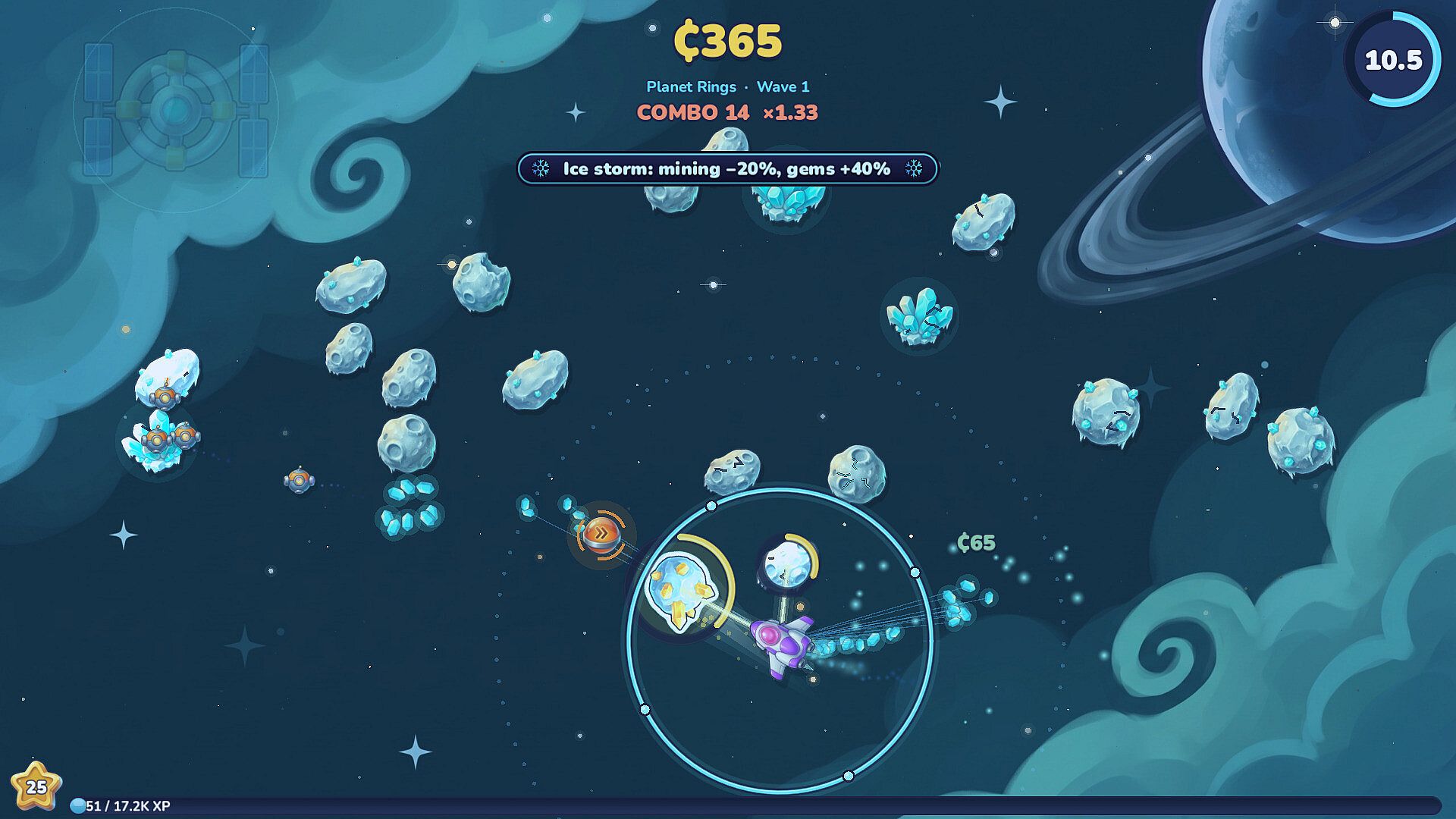
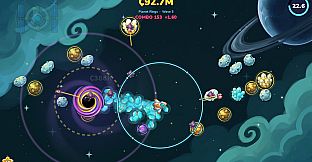
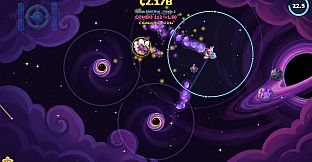
The core loop centers on clearing asteroid fields wave by wave. Each wave arrives after the previous one ends, bringing tougher rocks that yield higher-value gems and extra time on the clock. A Motherlode rock appears every few waves as a high-value target. Quick successive breaks build a combo multiplier for greater rewards. Power-ups appear during runs, comets can be chased for bonuses, and mining near black holes increases gem value at the risk of losing a portion of collected gems if the ship falls in.
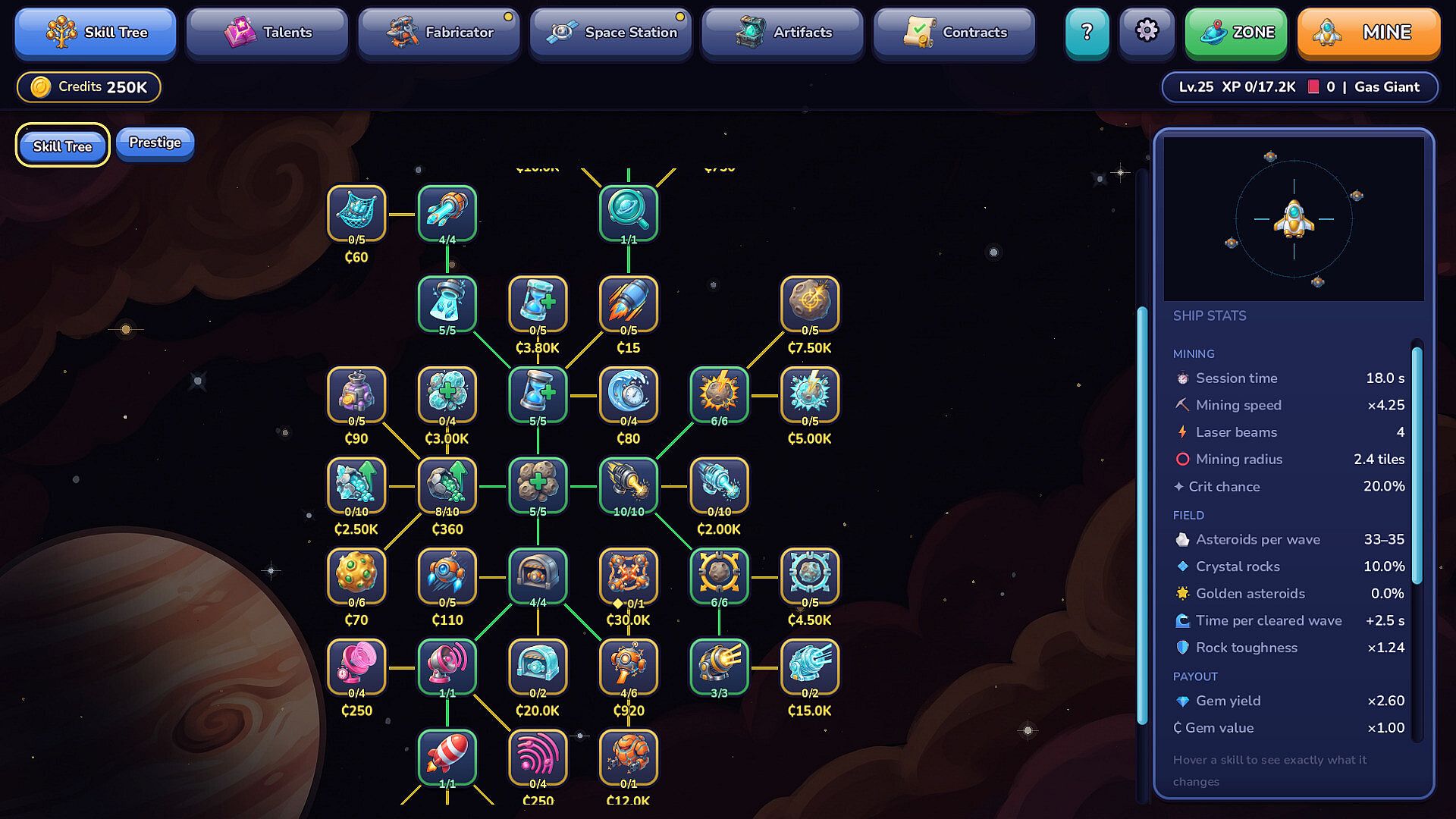
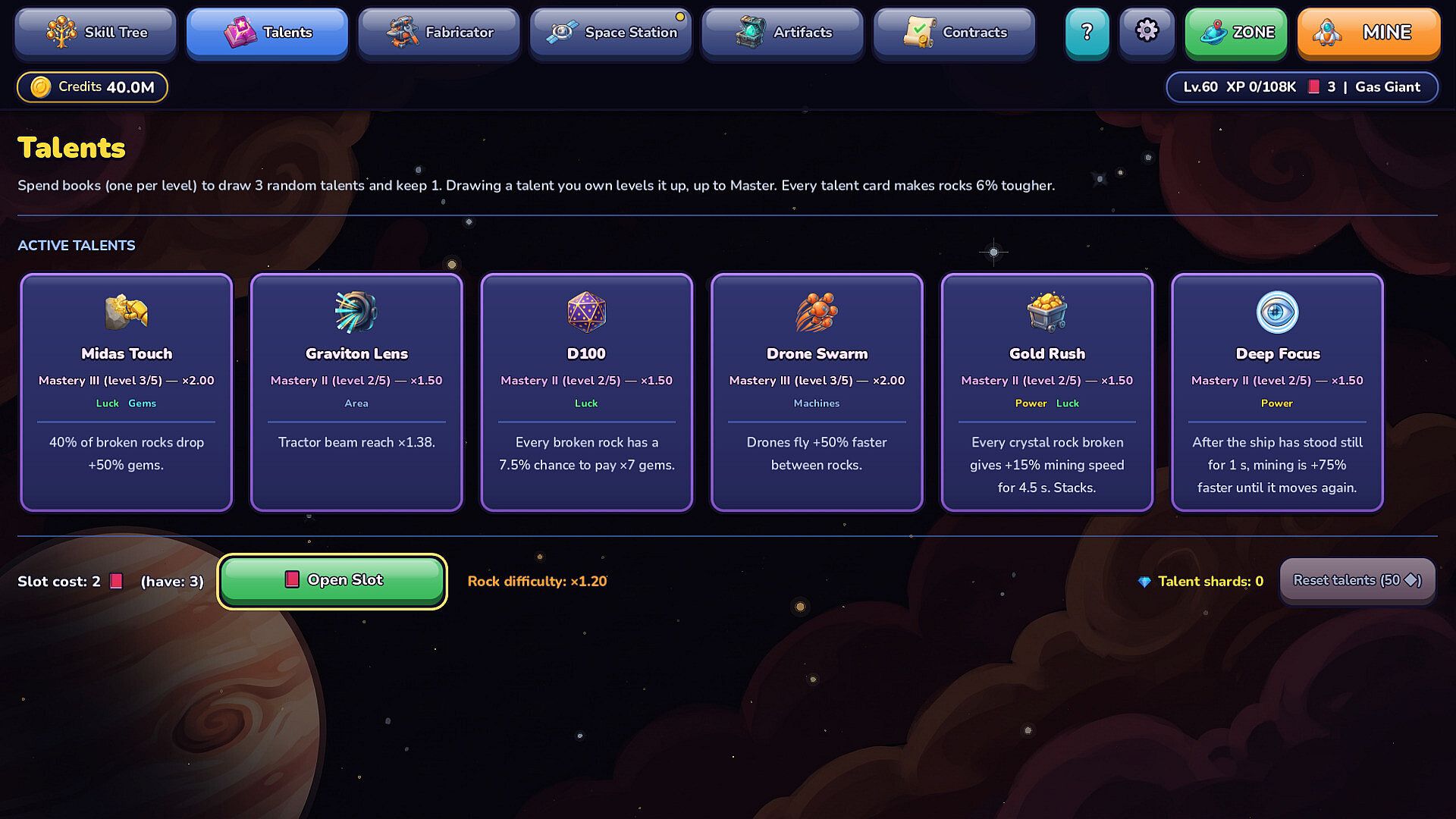
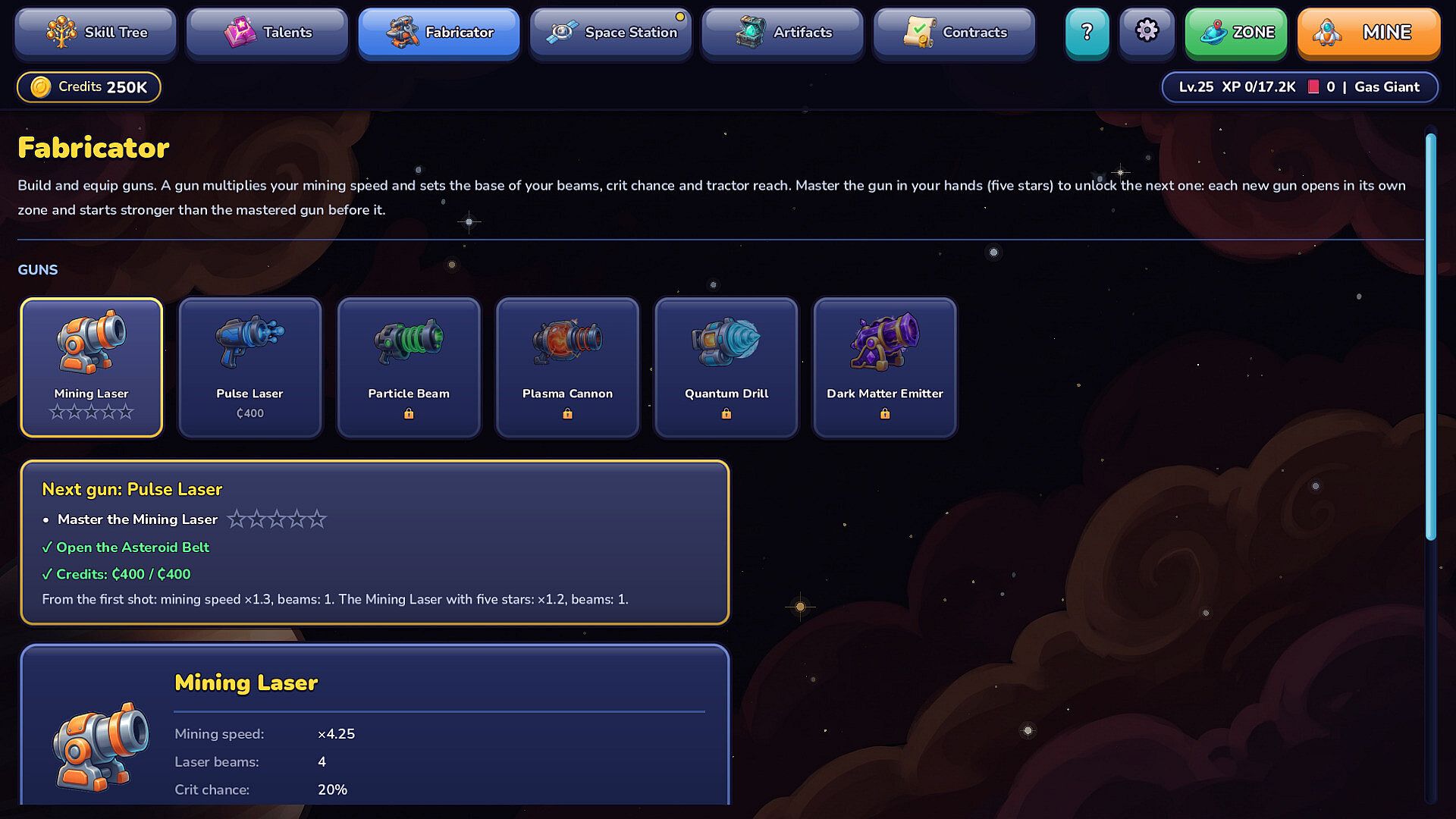
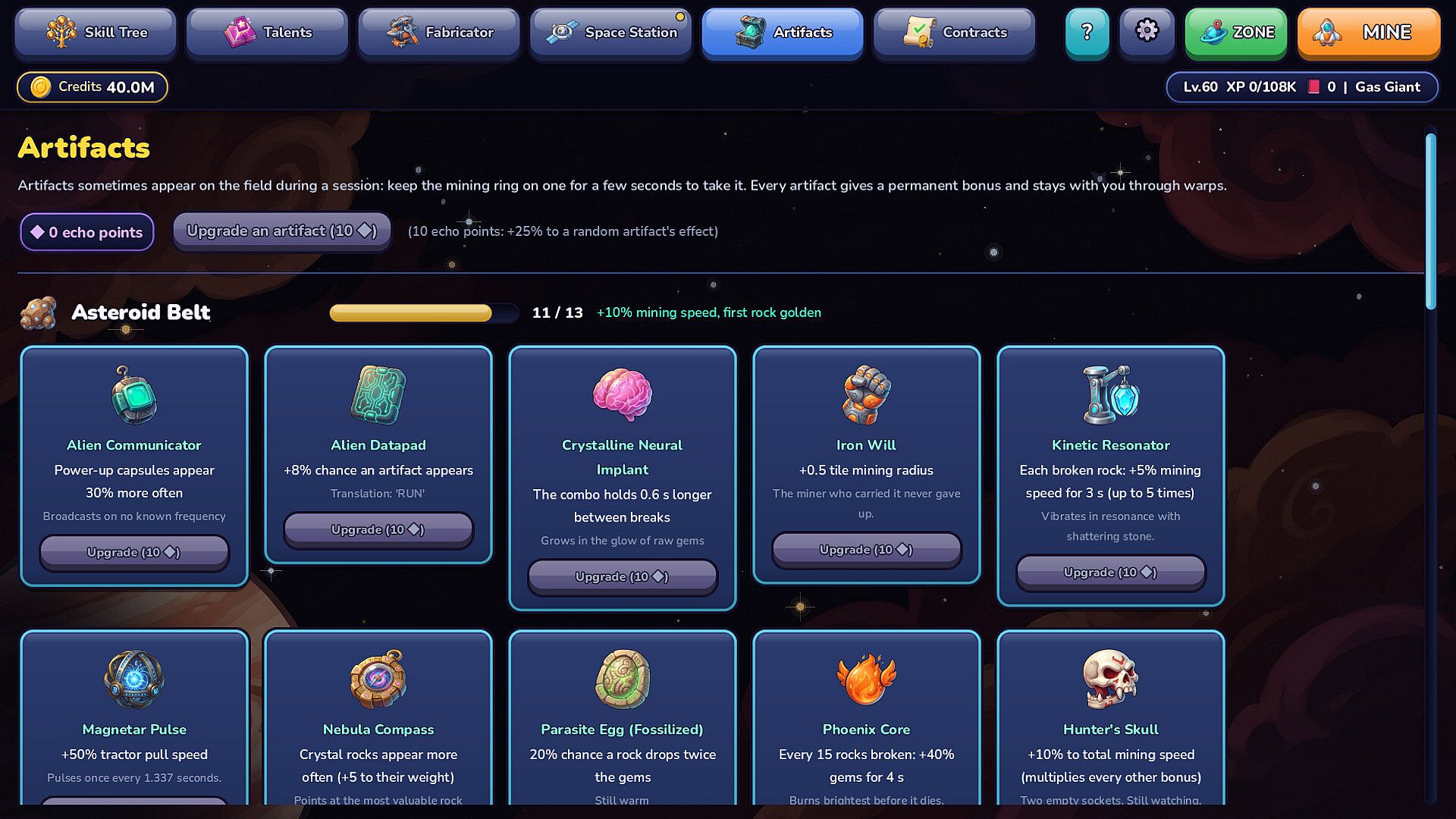
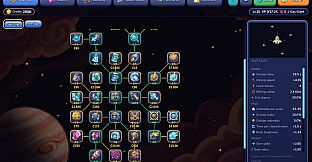
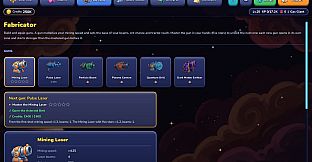
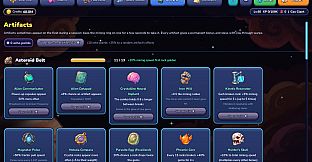
Between sessions, players invest credits into permanent upgrades. A skill tree offers more than 60 skills across four branches, with keystones that alter run behavior and limit each run to a small number of selections. Talents arrive as books earned per level; players draw cards and retain one, with duplicates raising mastery levels. Guns begin with the basic Mining Laser and progress through stronger options unlocked by mastery. Artifacts scattered across fields provide lasting bonuses once collected. Supporting tools include drones, sonar, and torpedoes that assist with mining.
Progression moves through five zones, each with distinct gem types and environmental twists. The Asteroid Belt yields Lunite, followed by the Planet Rings, the Gas Giant, and the Black Hole Rim. The final Astral Plane serves as an endgame area focused on Astral Echo. Each zone introduces mechanics such as ice storms, gas clouds, or gravity wells, paired with skills that convert those hazards into advantages. Reaching the Black Hole Rim unlocks warping, which restarts the run in exchange for void shards that permanently boost gem value and unlock prestige skills. Anomalies chosen before a run further modify shard earnings. The Astral Forge uses endgame resources for upgrades that persist across warps.
Game Modes
Gemstroids structures play around session-based runs that scale in length and difficulty. Standard runs involve clearing successive waves in a chosen zone, with the option to push deeper for richer rewards. Warping introduces a prestige layer where players restart for shards and anomalies that reshape the next attempt. Contracts provide additional objectives, some hidden, that reward completion with credits or other benefits. The space station accumulates credits passively while the player is away, supporting steady advancement without constant play.
No separate competitive or cooperative modes exist. All activity remains single-player, focused on personal progression through runs, upgrades, and zone exploration. The system encourages repeated short to medium sessions that build toward longer, more complex attempts as the miner strengthens.
Progression and Features
Five gem types correspond to the zones, increasing in value from Lunite onward. Dozens of artifacts group into zone sets that grant collection bonuses. The talent system emphasizes repeated draws to raise mastery, while the gun line rewards focused use of each weapon. Prestige skills and Astral Forge upgrades provide long-term power that carries through every warp. An in-game guide, tutorials, and hover hints support new players, and the interface supports 18 languages.
The game runs on PC with cross-platform compatibility noted for Windows, macOS, and Linux. Minimum specifications remain modest, centering on basic hardware and mouse input, while recommended setups target smoother performance at 1080p.
Is It Worth Playing?
Gemstroids targets players who enjoy incremental progression and relaxed resource collection without timers or pressure. The session-based structure suits short play periods that gradually expand, while the skill tree, talents, and zone progression add layers of decision-making. With a Q2 2027 release date and no user reviews available yet, the game remains in development. Those drawn to casual space-mining loops with roguelite elements in the form of run restarts and persistent upgrades may find the systems rewarding once it launches. Availability will be through standard PC digital storefronts, and the passive station feature supports players who step away between sessions.