

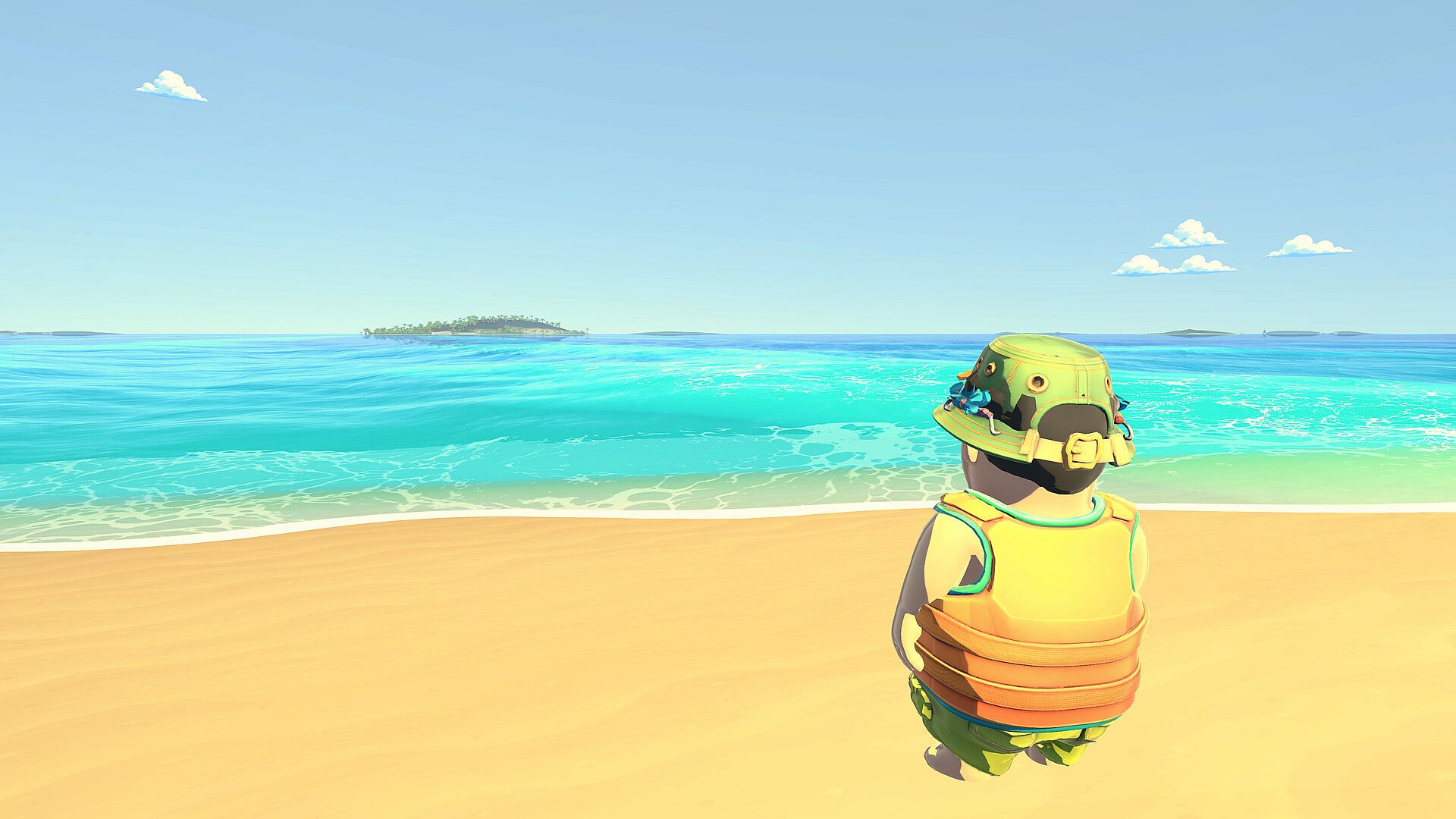
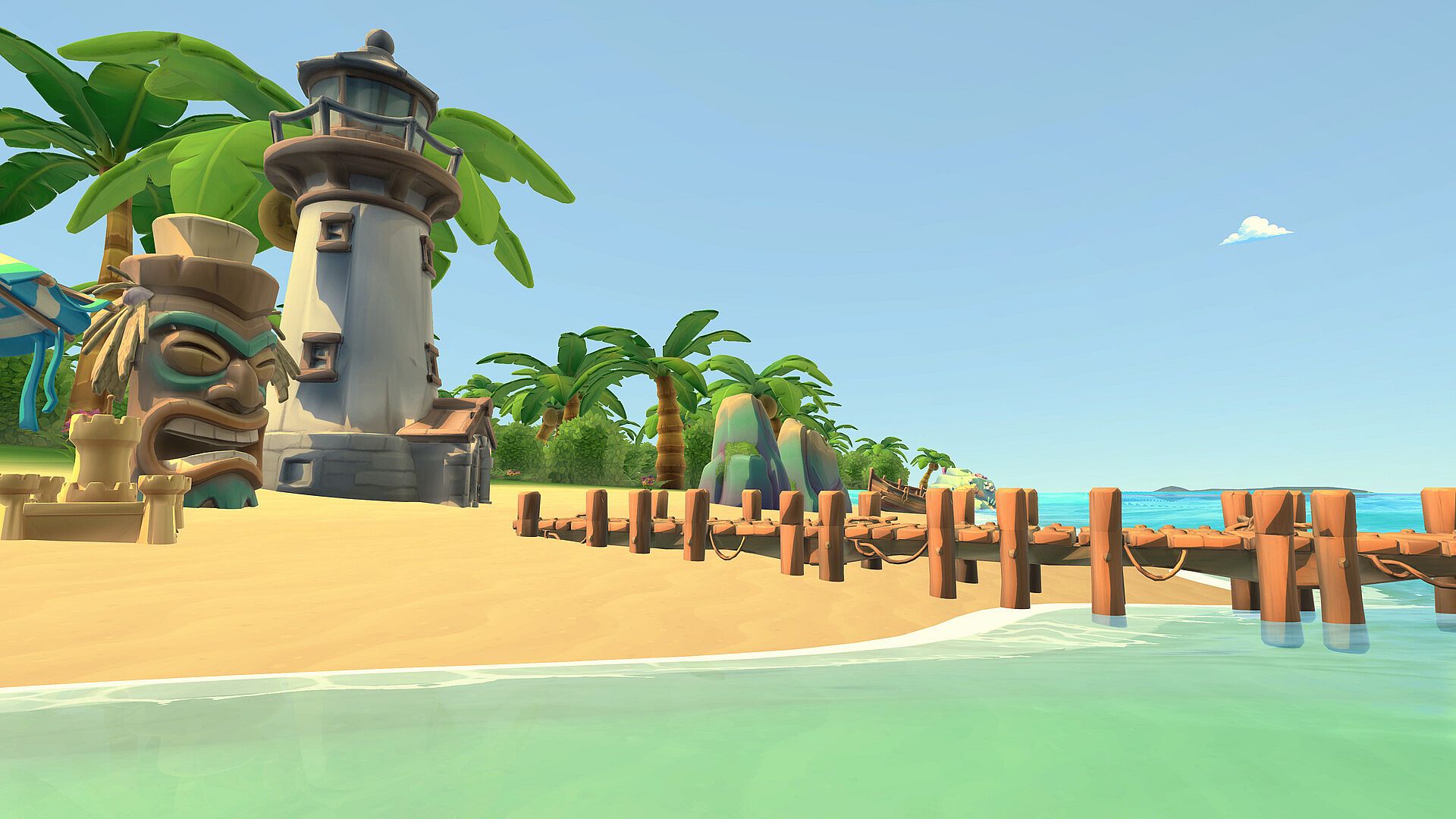
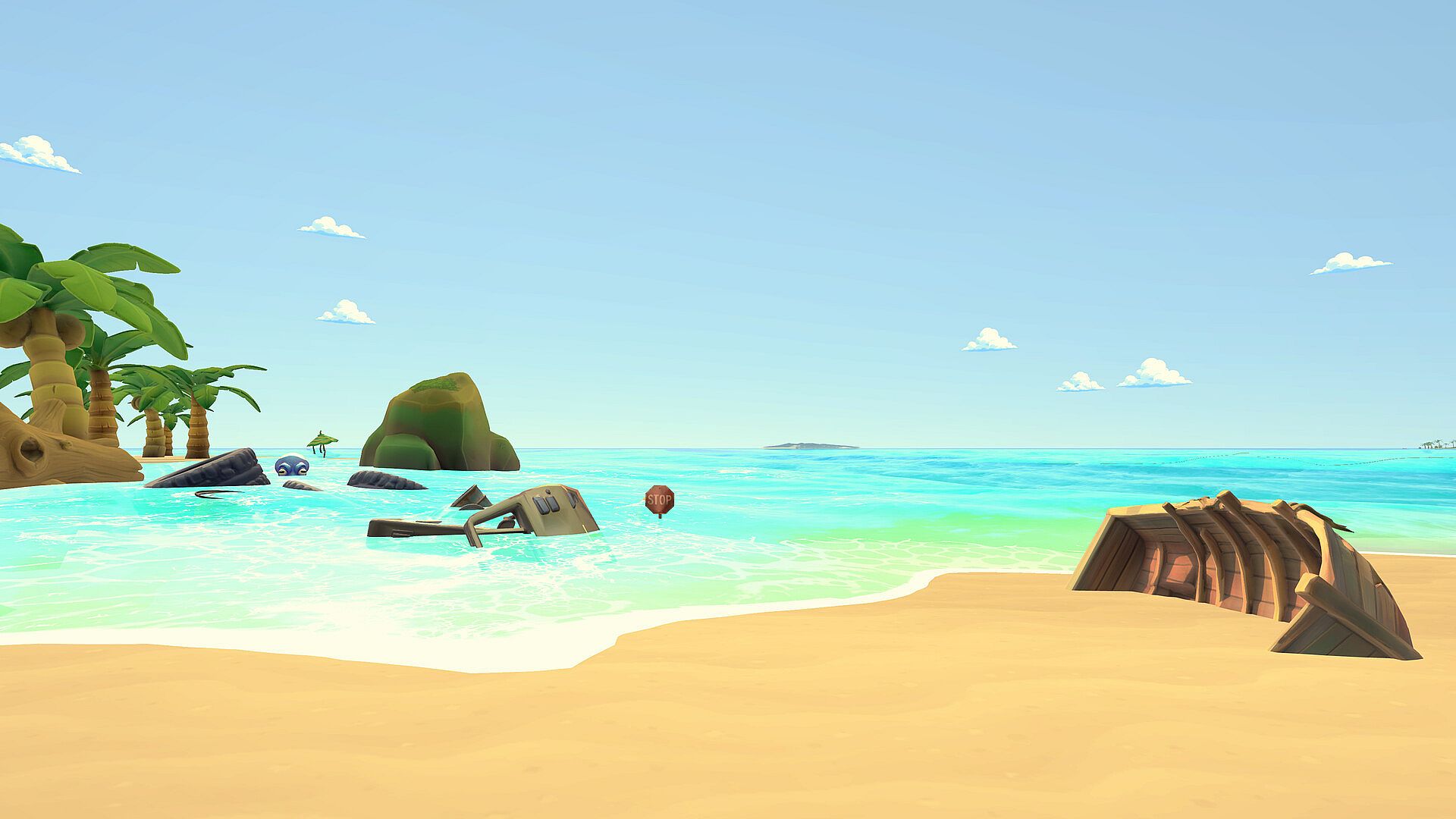
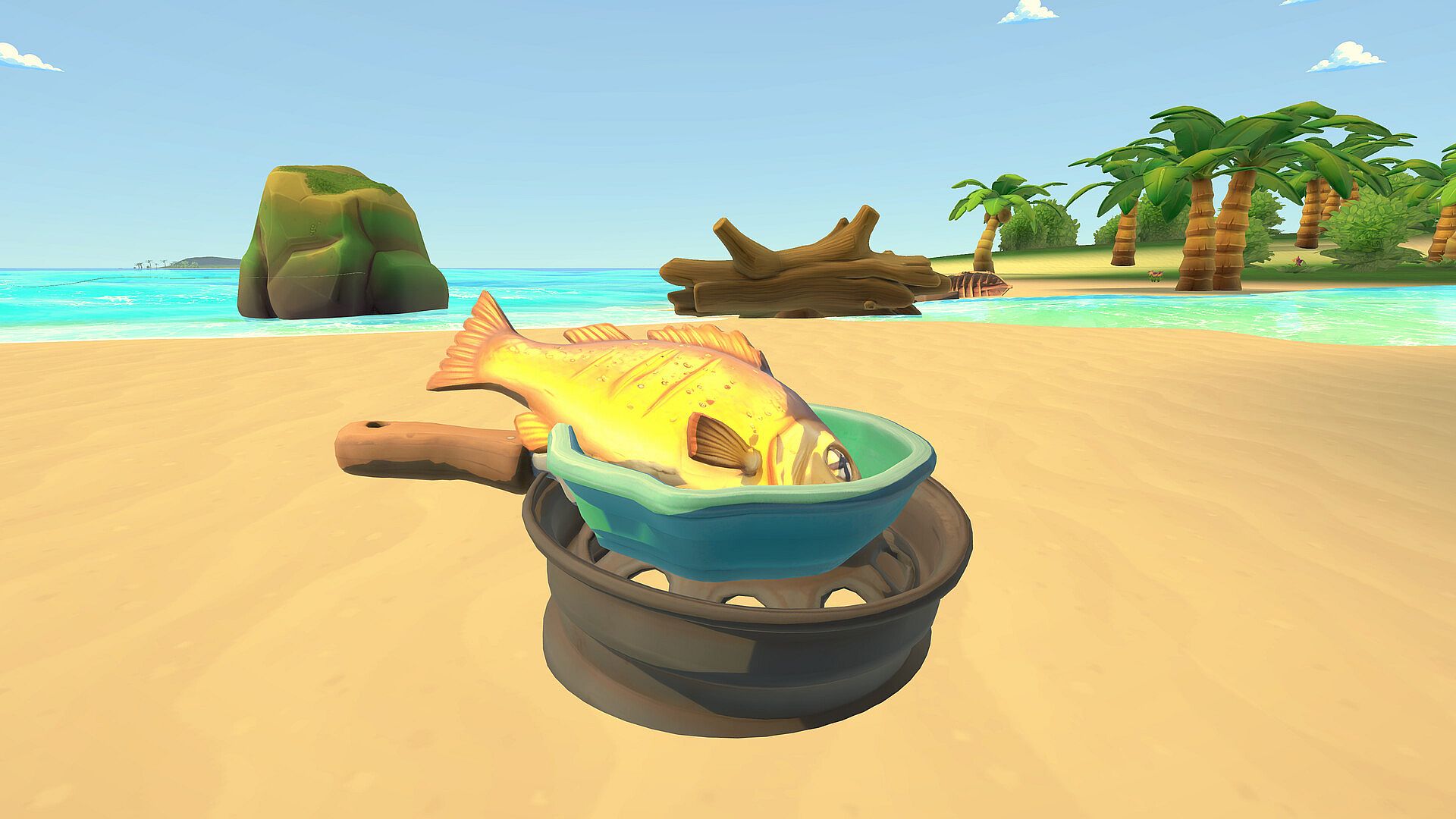
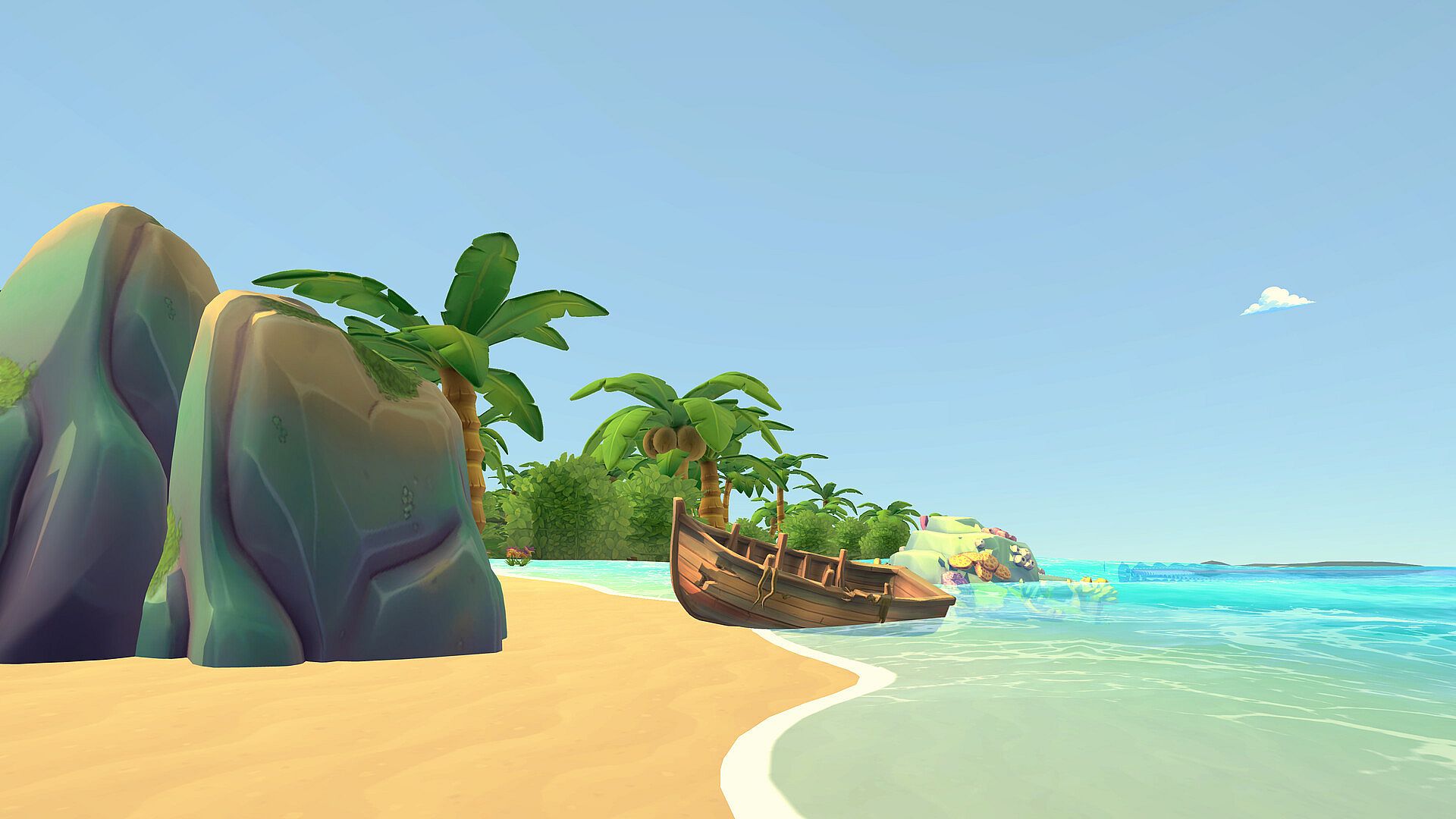
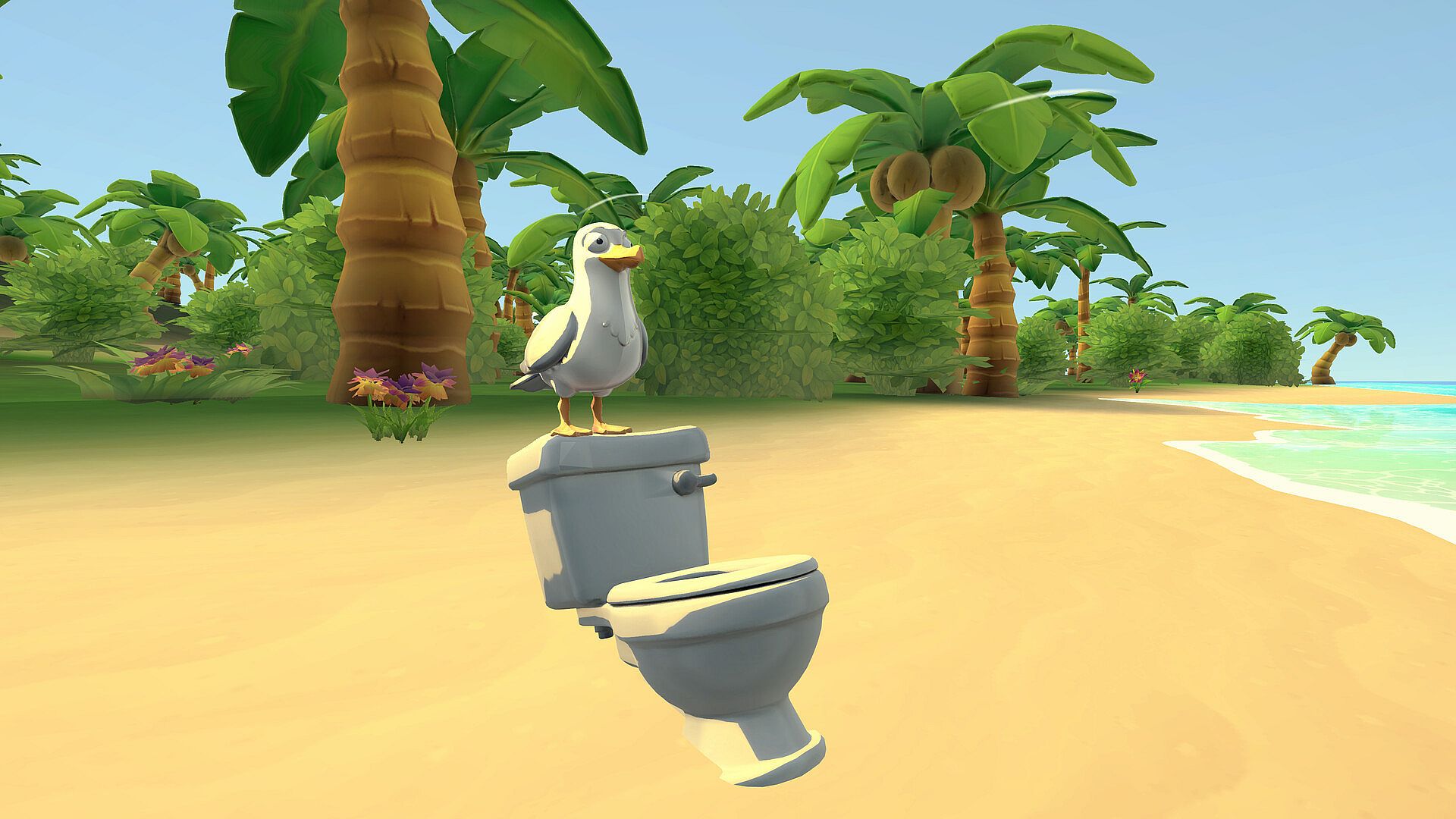
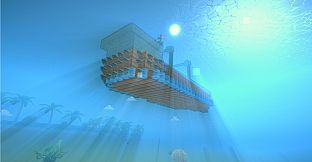
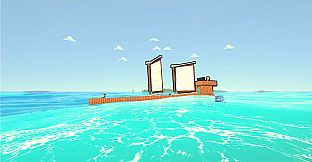
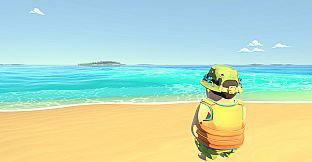
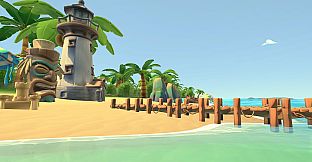
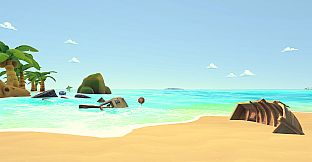
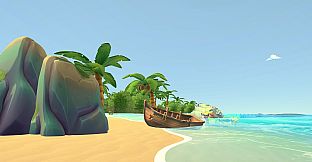
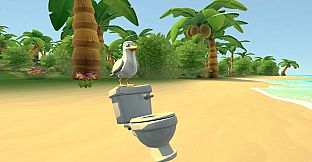
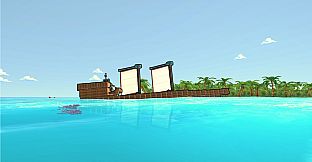
Get In Da Boat places players in an action, simulation, and adventure title centered on survival at sea. Stranded with up to three friends in a procedurally generated ocean, participants scavenge materials to assemble vessels from scattered debris while fending off raiders and managing daily needs like food and repairs. The experience emphasizes creative construction and realistic physics that dictate how every addition or loss affects movement and stability.
Gameplay
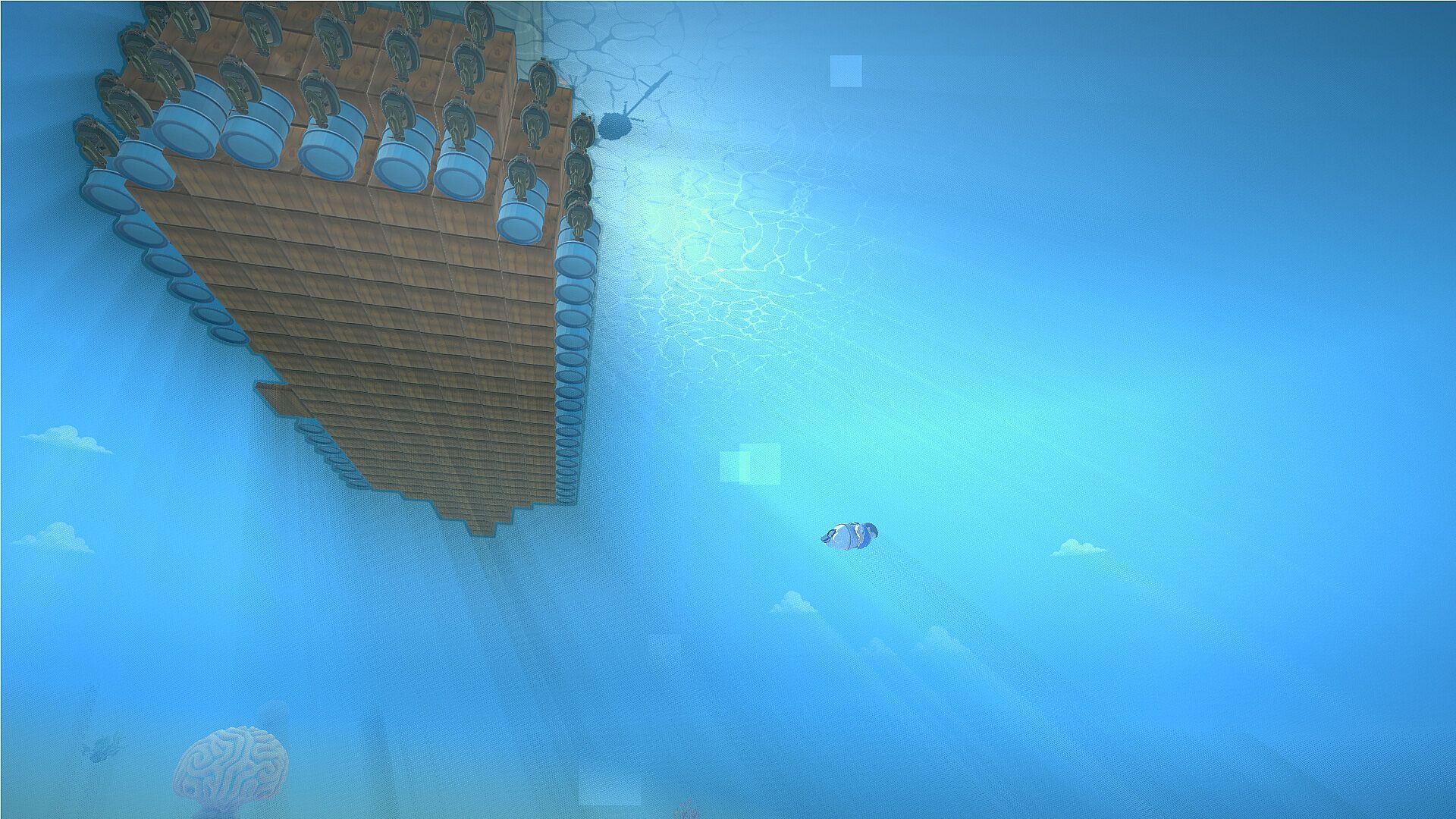
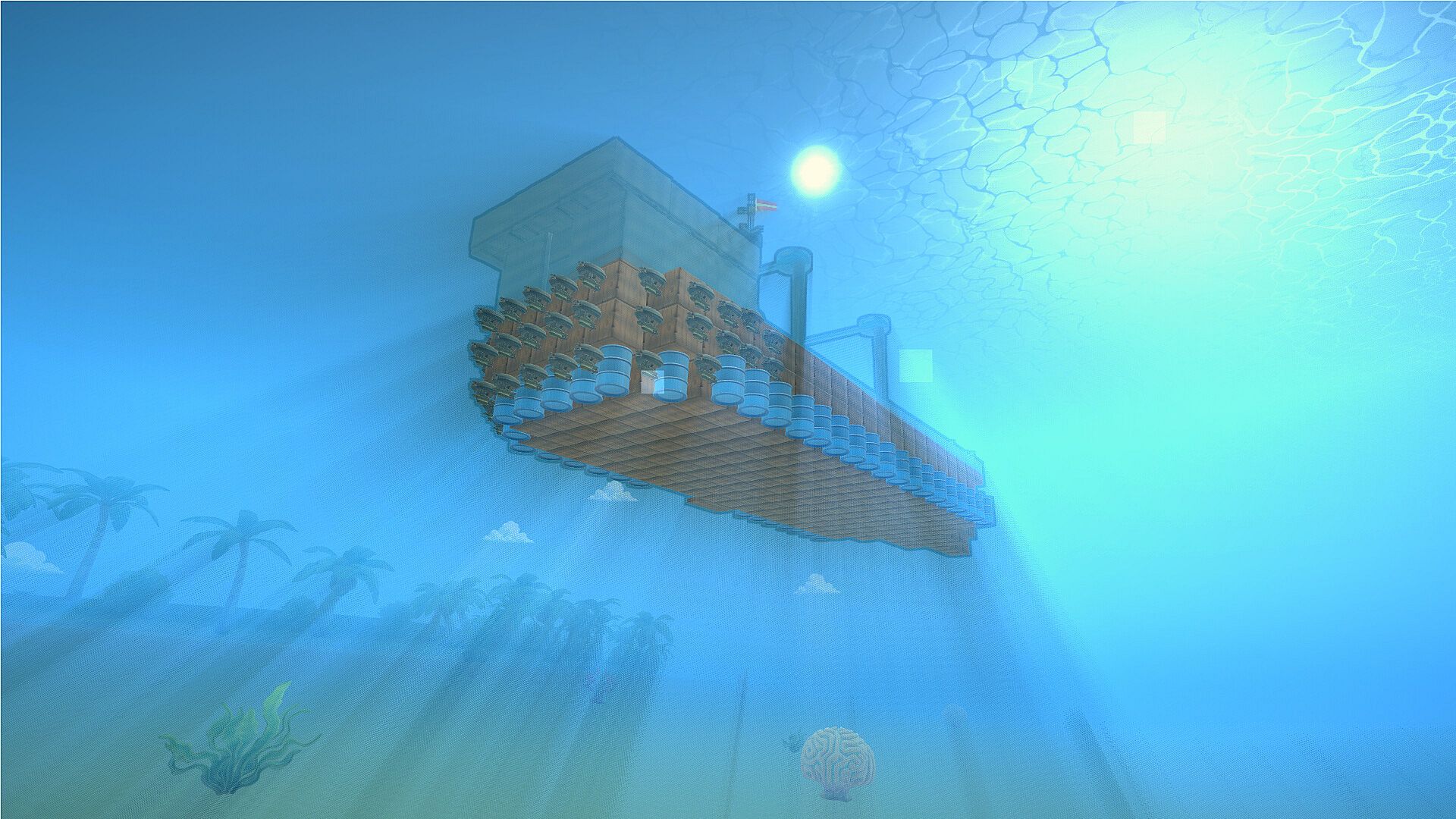
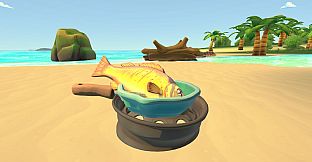
Core systems revolve around a fully physics-driven vessel simulation. Each block placed or removed alters weight distribution, balance, buoyancy, drag, and inertia, which in turn changes how the ship handles waves and turns. Dynamic water interacts with sealed compartments and individual components, so damage from combat or collisions can flood sections and shift performance in real time. Players explore islands and abandoned settlements to gather scrap, tools, weapons, and provisions. Cooking meals sustains the crew, while crafting turns raw finds into useful additions like engines, cannons, or defensive structures. Proximity chat supports coordination during chaotic moments when one person patches the hull, another mans weapons, and a third prepares food.
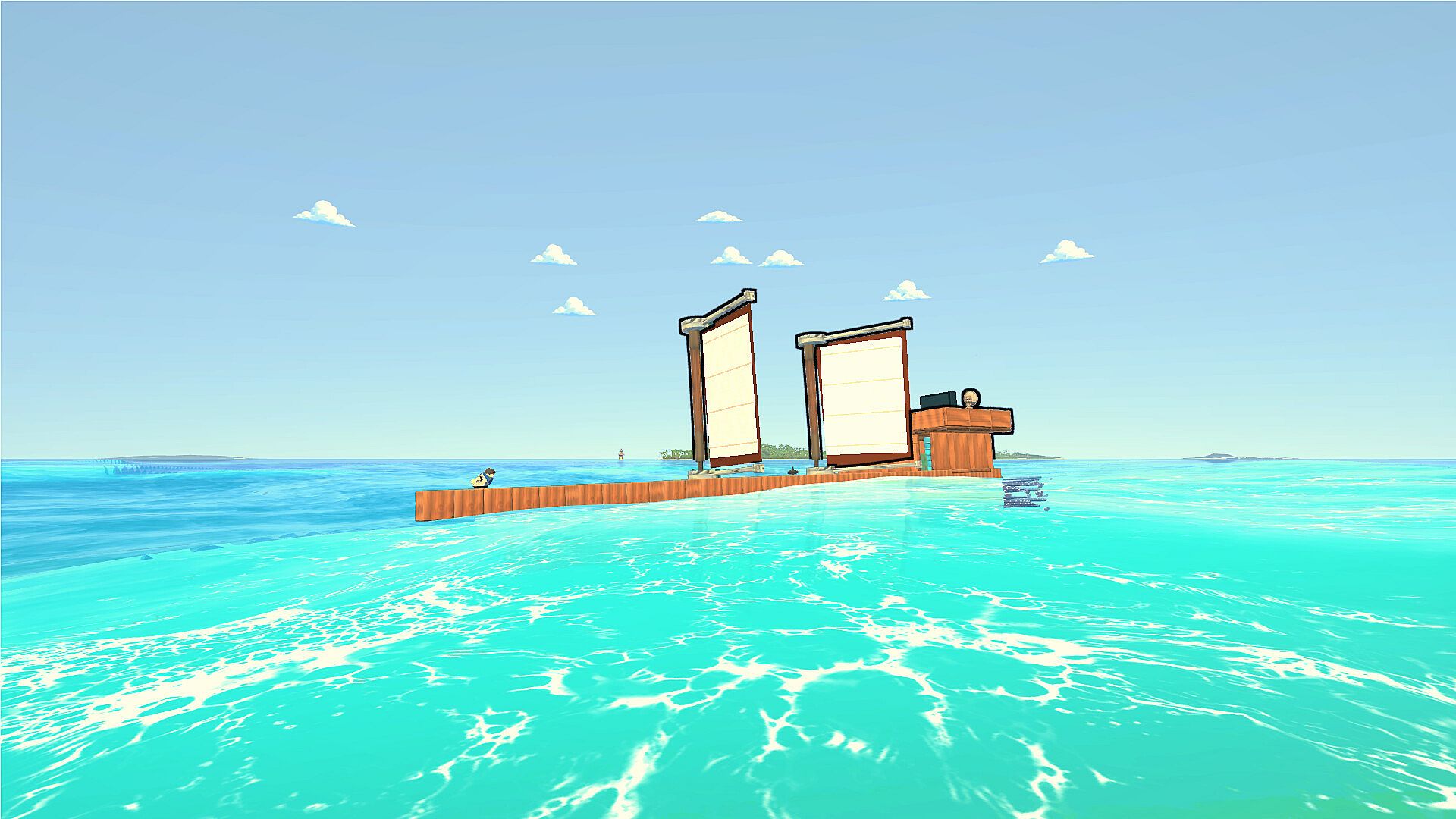
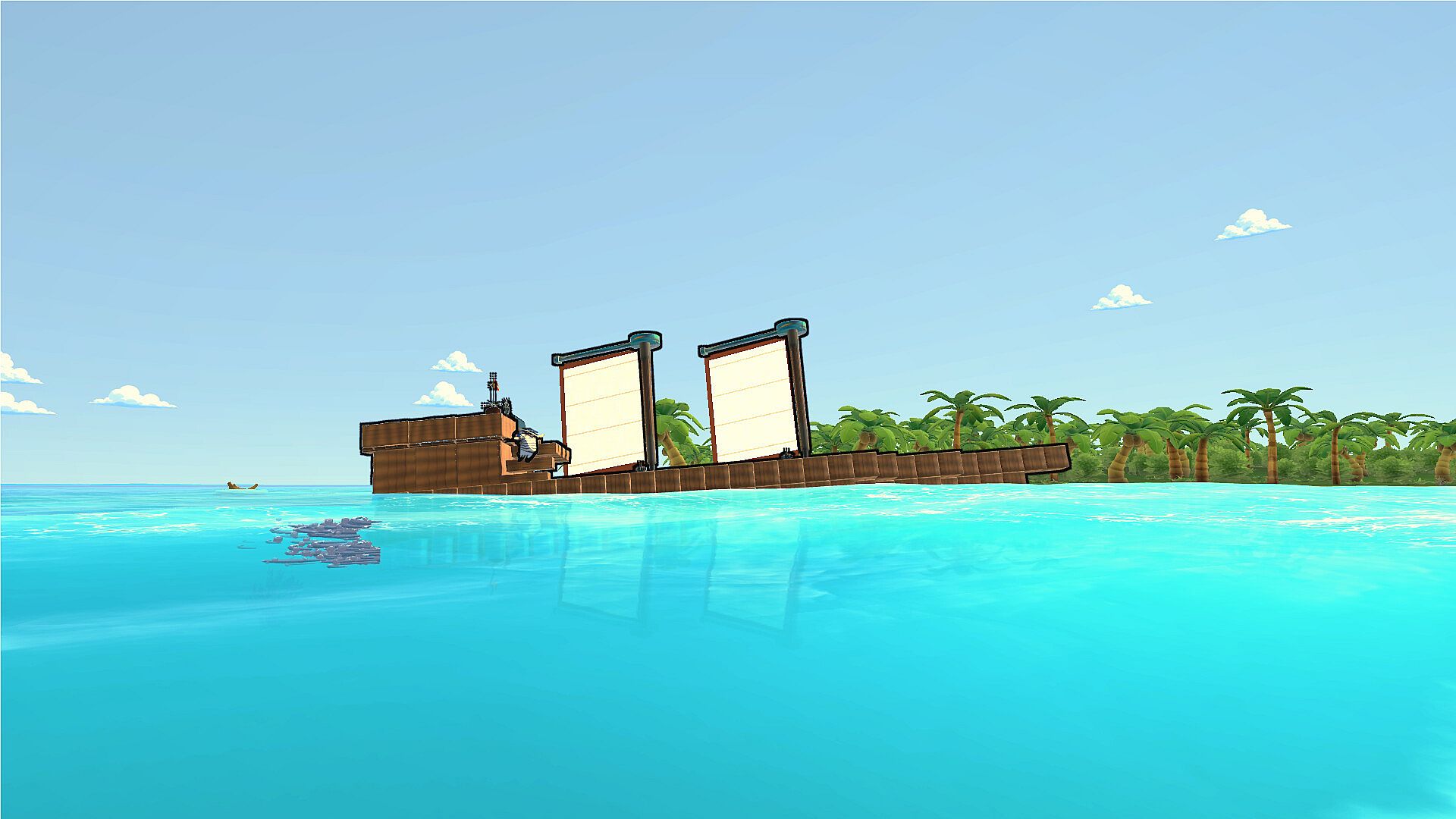
Building starts from a basic raft and expands freely. Walls, floors, sails of any shape, furniture, and armaments slot into position without preset templates. The result can range from a compact scout craft to an oversized warship or even an unwieldy floating platform. Every choice carries consequences for speed, stability, and combat effectiveness, encouraging experimentation across multiple voyages.
Game Modes
The game centers on online co-op for up to four players. Everyone shares the same vessel and must divide labor across repairs, navigation, combat, and resource management. Sessions blend exploration of the open ocean with island landings, material collection, and occasional clashes against hostile raiders. No dedicated single-player campaign or competitive versus modes appear in the available details, keeping focus on collaborative survival and ship maintenance.
Ship Construction and Physics
Construction operates without restrictions beyond what materials players locate. Sails can be arranged in custom configurations, engines positioned for optimal thrust, and defensive elements layered wherever space allows. The physics model tracks buoyancy and drag on a per-piece basis, so adding heavy cannons to one side requires counterbalancing elsewhere to prevent listing. Water simulation means leaks spread through damaged compartments, forcing quick decisions on patching versus continued movement. These mechanics turn every voyage into a test of both creativity and quick thinking when storms or enemy fire compromise the structure.
Is It Worth Playing?
Players drawn to open-ended building combined with co-op survival will find the core loop rewarding. The emphasis on physics and freeform assembly creates varied outcomes across play sessions, while the need to scavenge, cook, and defend the vessel adds ongoing tension. Those who enjoy chaotic group coordination and iterative ship design stand to gain the most from repeated voyages. Limited public information exists on long-term updates or community size at this stage, so interest should center on the described systems rather than expectations of frequent seasonal content. The title suits groups comfortable with emergent mishaps and collaborative problem-solving in a persistent ocean setting.