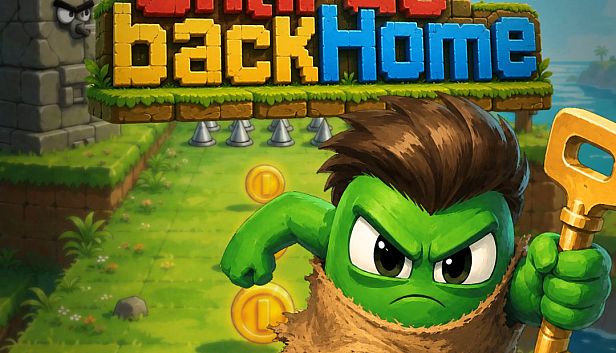


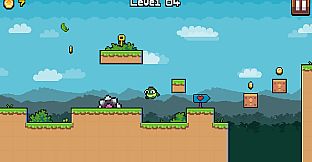
Gnardo back Home is a precision platformer built for players who value tight controls and deliberate movement. Available on Xbox One and Xbox Series consoles, the game places you in control of a reluctant protagonist navigating a series of demanding stages filled with hazards that test timing and spatial awareness.
Gameplay
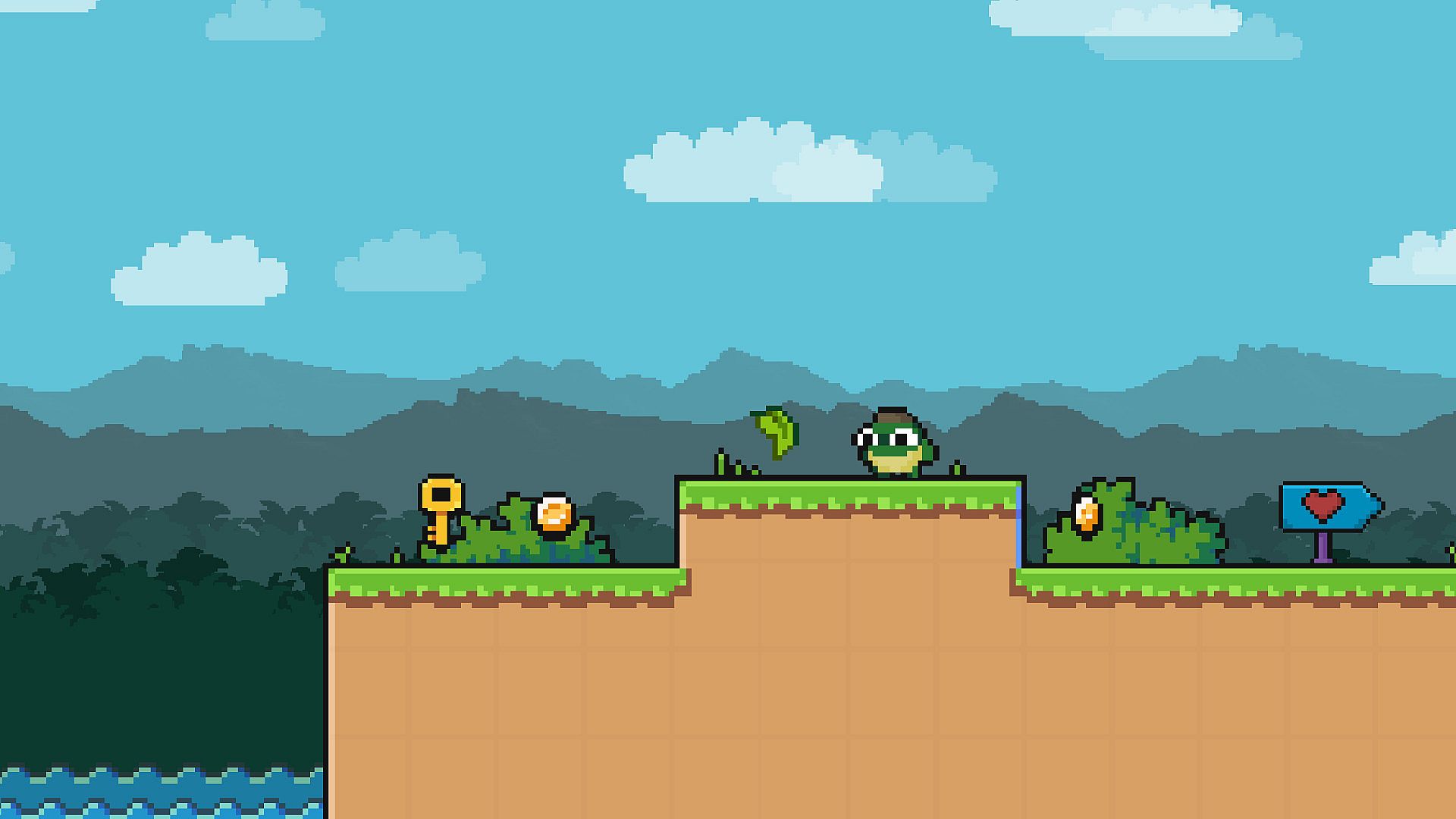
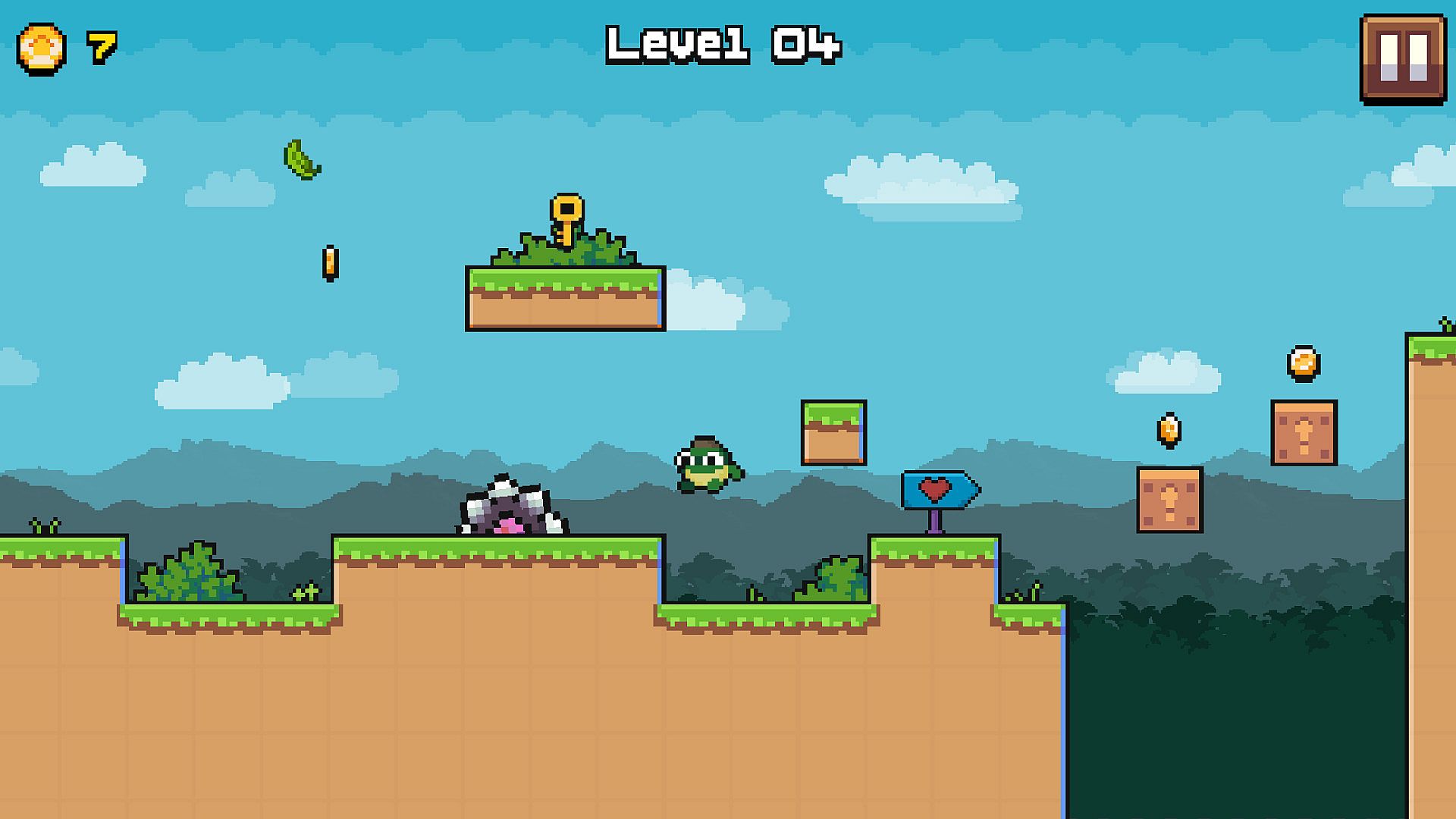
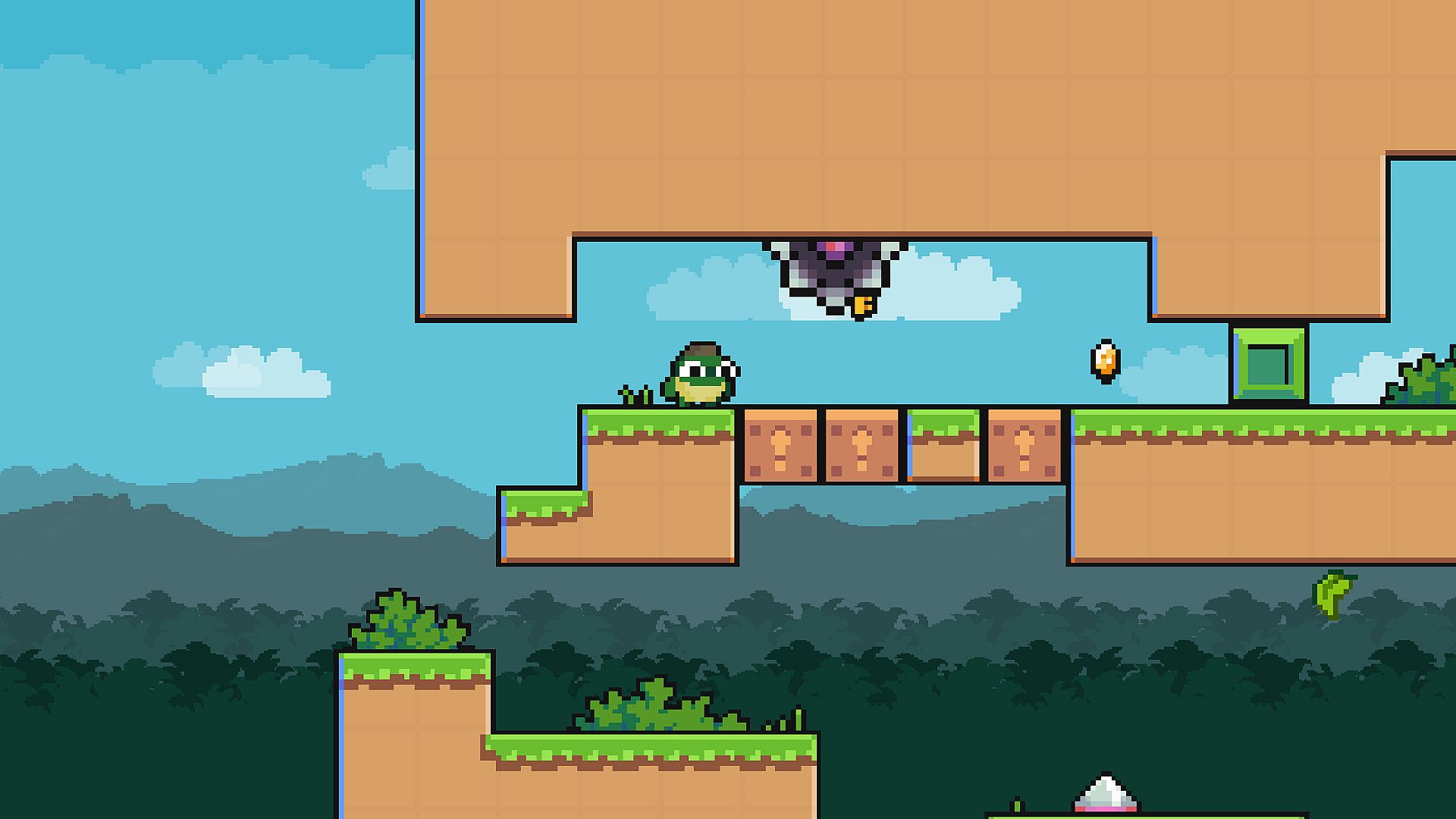
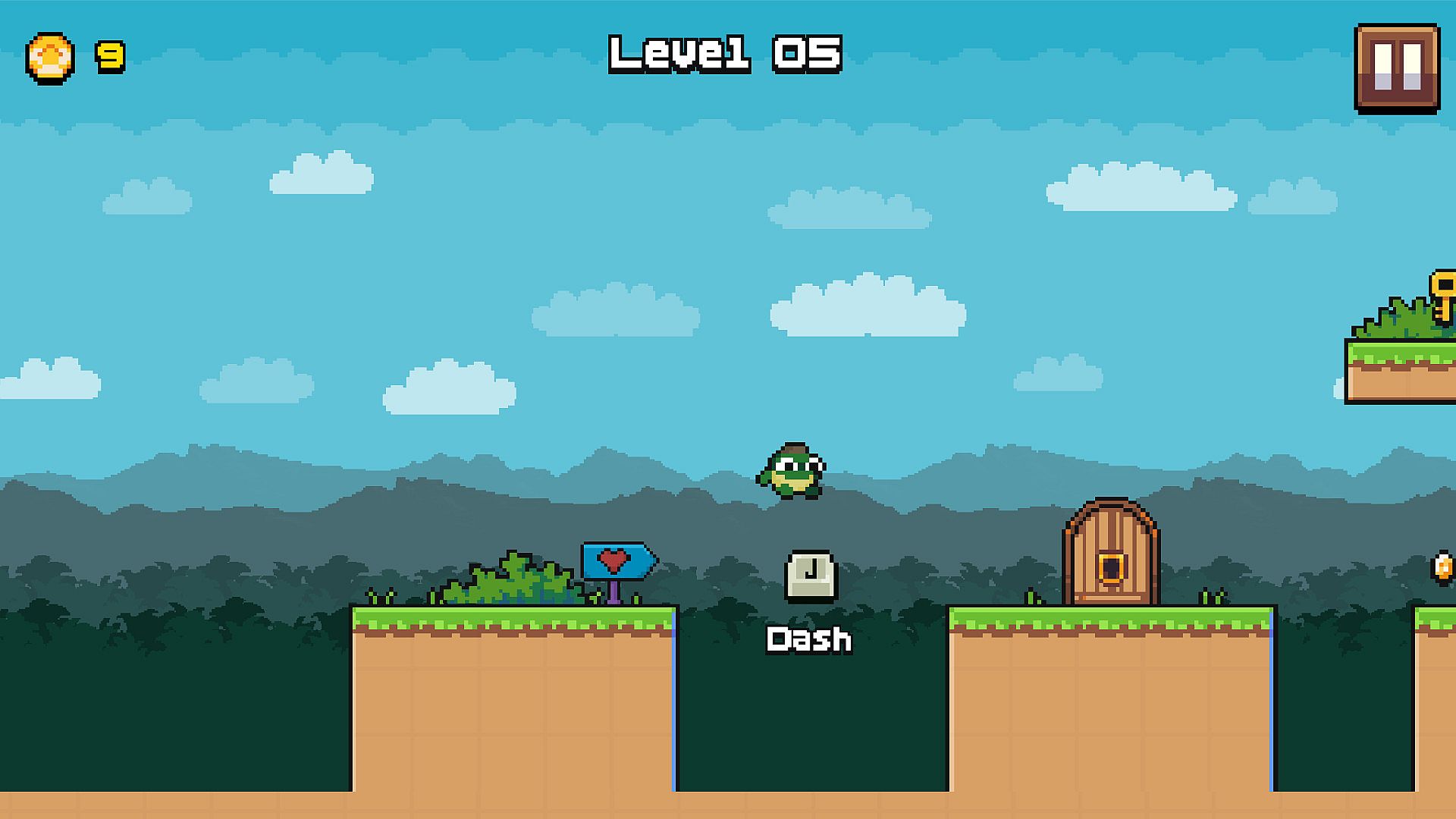
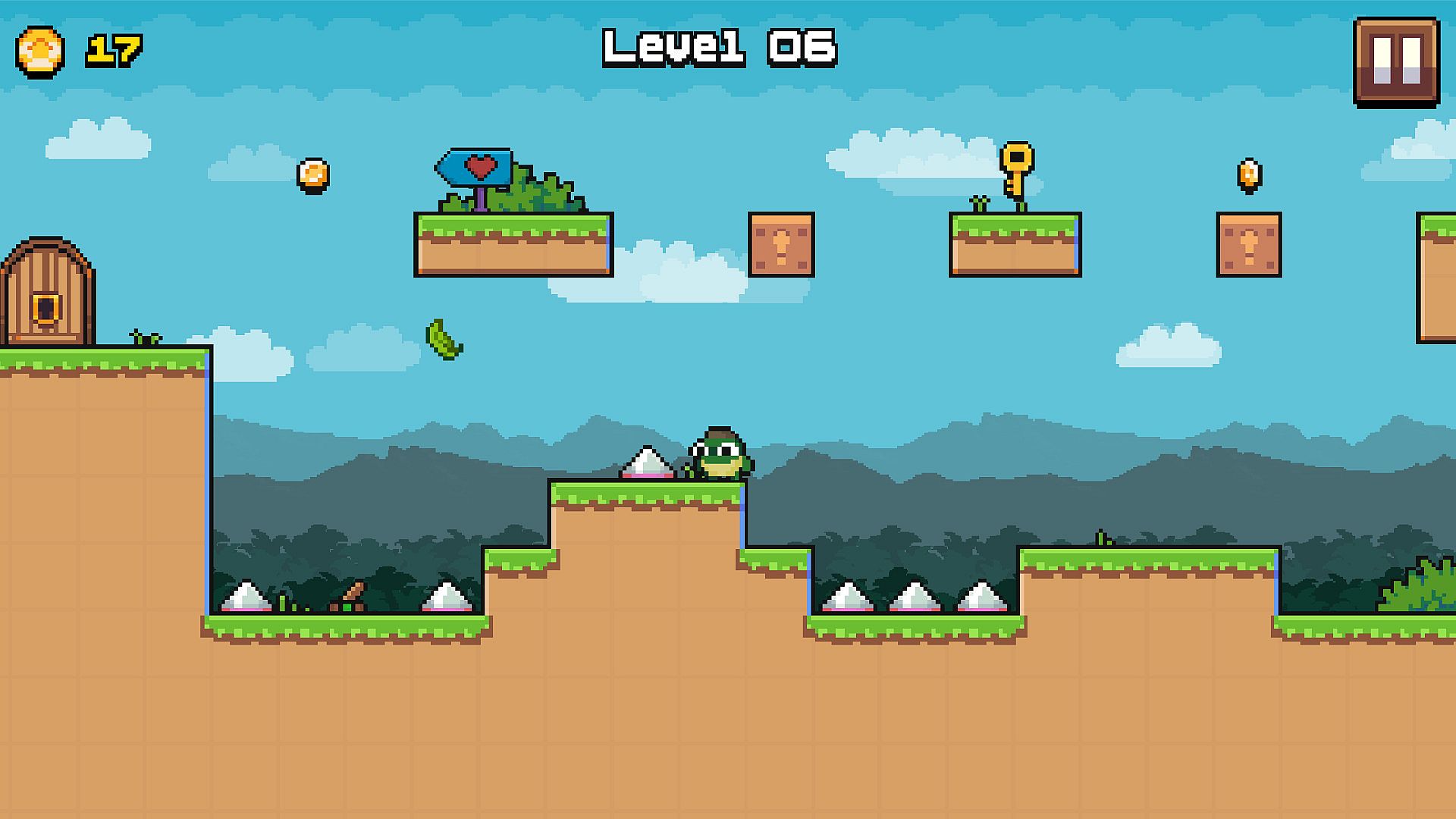
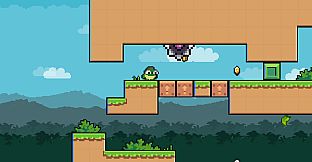
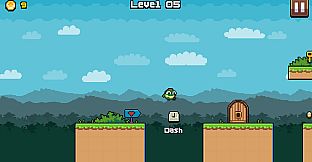
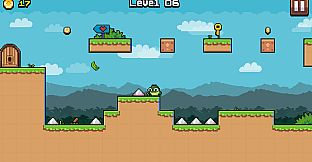
The core loop centers on guiding Gnardo through handcrafted environments where each decision carries weight. Spikes line paths, floors collapse underfoot, platforms shift positions, and doors require keys retrieved from distant locations within the same stage. The always-available dash mechanic serves as the key tool for traversal, allowing players to bridge gaps or adjust trajectories mid-movement.
Progression occurs across forty levels that gradually introduce greater complexity. Early stages focus on basic jumps and obstacle avoidance, while later ones layer in false floors, levers that must be triggered in sequence, and falling blocks that restrict options once activated. The absence of a dedicated tutorial means every new element appears within the level itself, encouraging observation and repeated attempts until the solution becomes clear.
Optional coins scattered throughout stages reward side exploration and risk assessment without altering the main path. Skilled players can chain dashes and jumps for faster completions, while those preferring a measured approach can pause between actions to map out routes. Full controller support on Xbox hardware ensures precise input response during critical moments.
Game Modes
Gnardo back Home operates as a single-player title with no separate multiplayer components or alternate modes. The entire experience unfolds through the sequence of forty levels, where the objective remains consistent: reach the exit while managing the obstacles present in each stage.
Difficulty scales naturally through environmental design rather than explicit settings or separate difficulty selections. Players advance by completing levels in order, with each new challenge building directly on mechanics introduced earlier. This structure keeps the focus on mastery of movement and timing within a unified campaign.
Level Design and Progression
Stages emphasize variety in obstacle combinations to maintain engagement across the full set of levels. Collapsing floors demand quick reactions, moving platforms require synchronized timing with the dash, and key hunts force backtracking that integrates with the overall layout. The design avoids pop-up instructions, relying instead on visual cues and trial-based learning to communicate rules.
As players advance, the density of hazards increases, creating situations where impatience leads to immediate failure and careful planning yields consistent success. The dash remains the constant variable that can simplify or complicate any given sequence depending on how it is applied.
Is It Worth Playing?
Gnardo back Home suits players who enjoy precision platformers that prioritize control and observation over story or additional systems. The forty levels provide a self-contained challenge that rewards persistence and pattern recognition without external guidance.
Those drawn to games where every jump must be intentional will find the mechanics consistent and the progression satisfying. The title launched recently on Xbox platforms, and its straightforward structure makes it accessible for short sessions or extended attempts at mastery. If the appeal of a grumpy protagonist navigating spikes and shifting platforms aligns with your preferences for focused platforming, the game delivers a direct test of skill in that genre.