

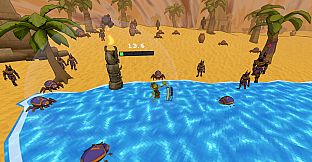
Go Next! est un jeu d'action et d'aventure indépendant sur PC qui associe la survie face à des hordes à un parkour précis. Les joueurs évoluent dans des environnements générés aléatoirement tout en laissant les armes automatiques gérer les ennemis, pour se concentrer uniquement sur le positionnement et la mobilité à travers neuf mondes distincts.
Gameplay
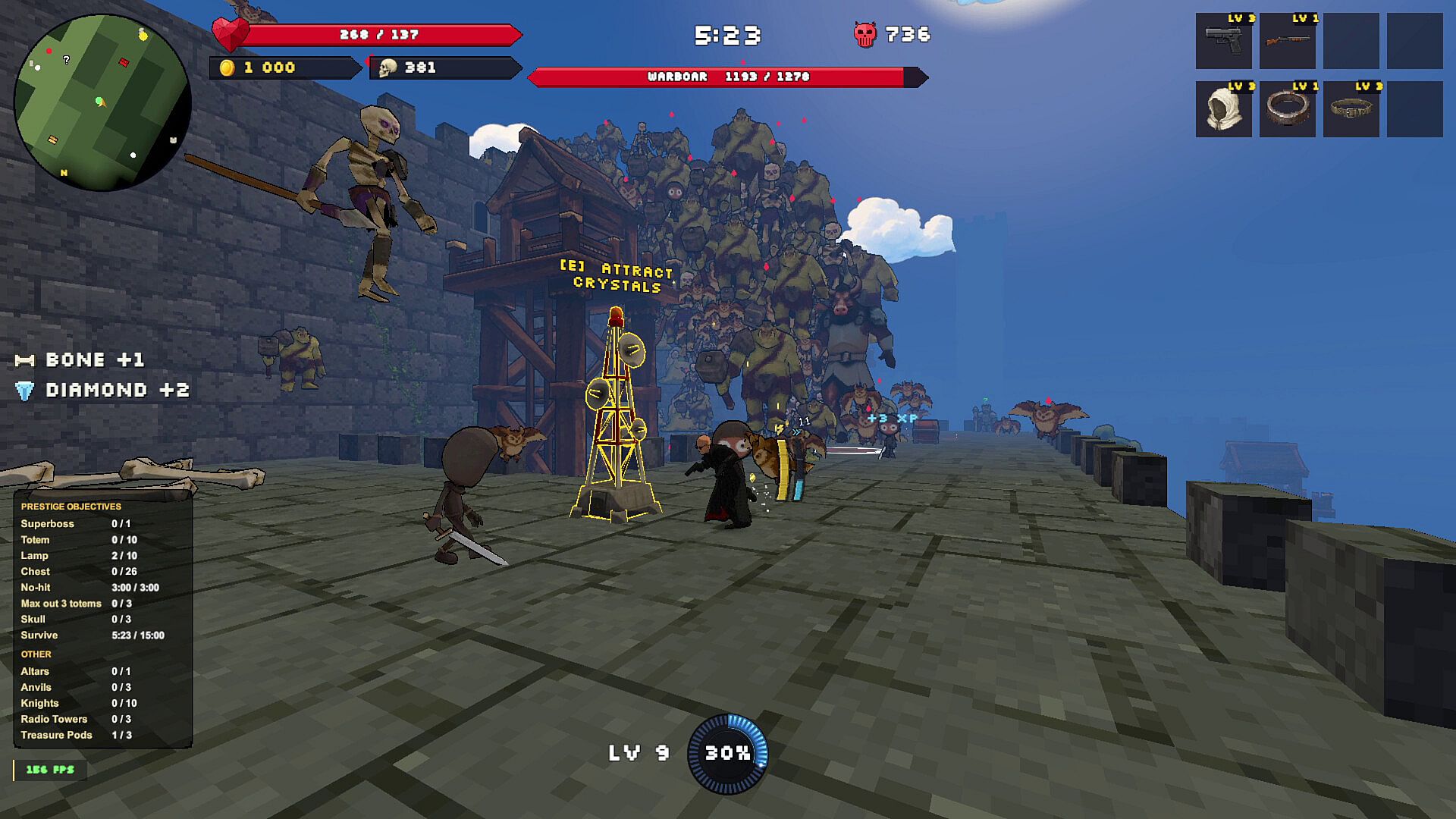
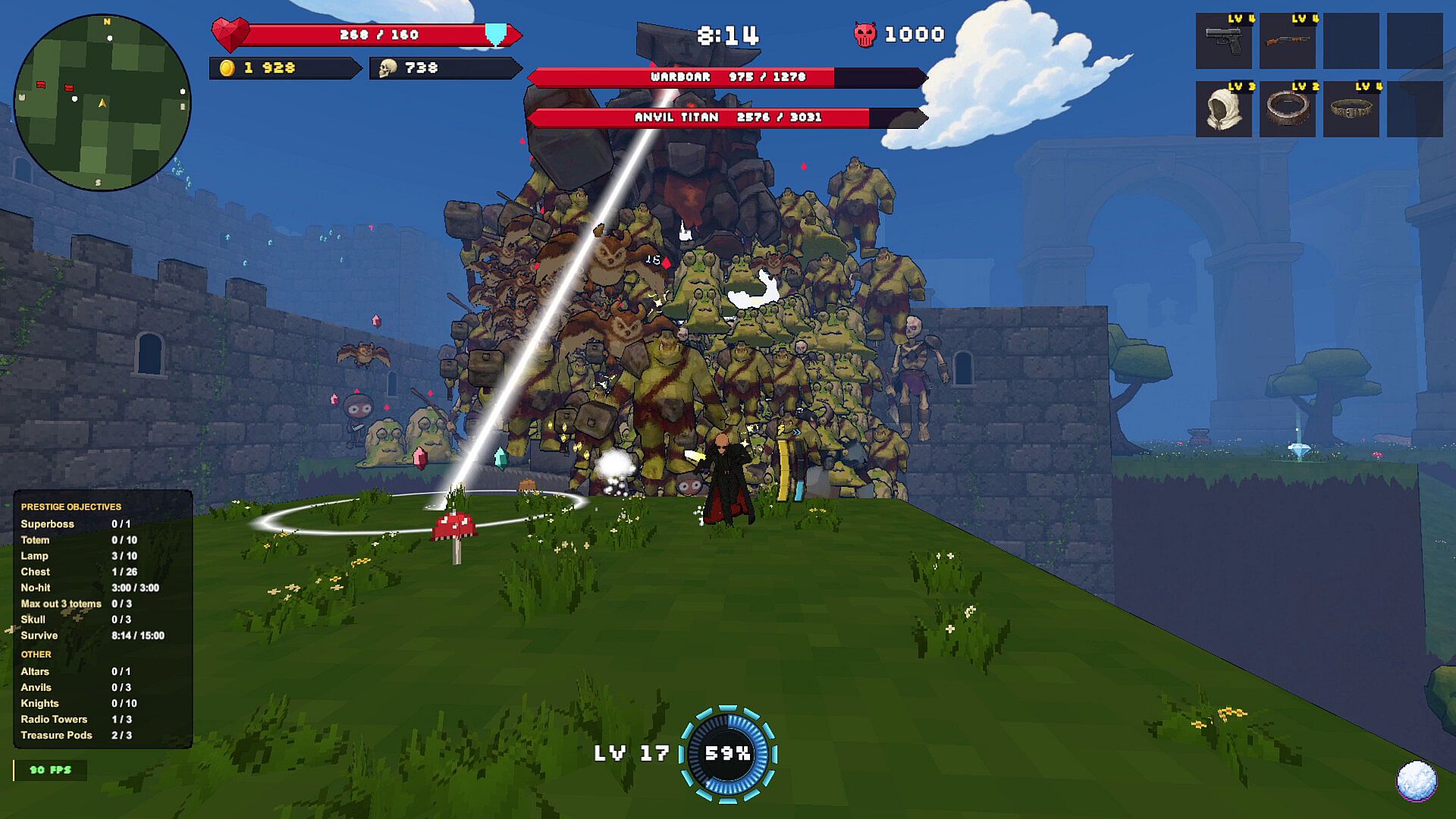
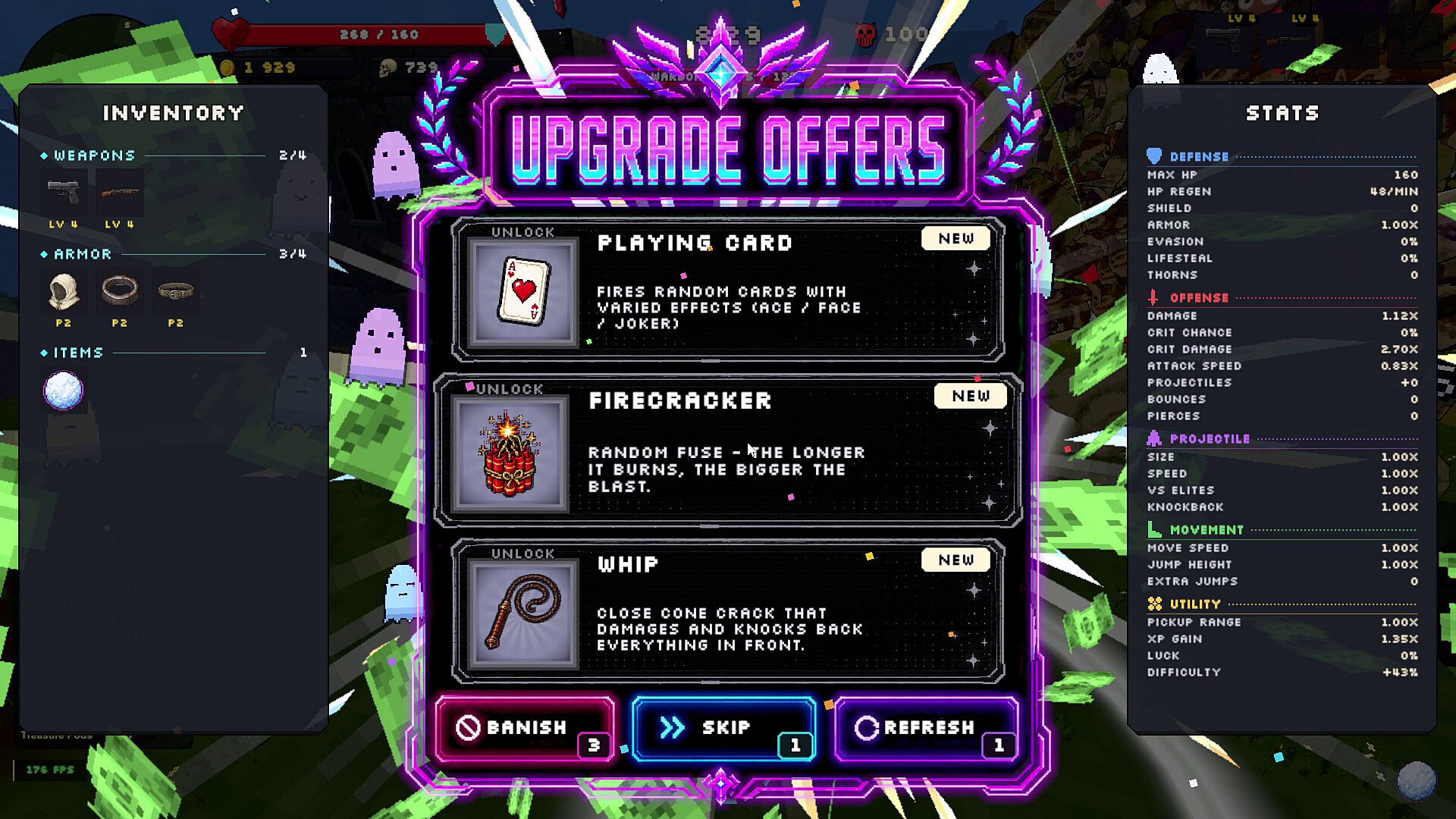
Le principe repose sur la survie aux vagues de monstres en maîtrisant le mouvement plutôt que la visée. Les armes tirent seules, laissant le joueur enchaîner des wall-runs, des escalades, des dashes, des slides, des doubles sauts et des piqués aériens. L'élan se transmet entre les actions, transformant les murs en trajectoires et les espaces ouverts en opportunités d'esquive à haute vitesse. La collecte de ressources permet de progresser dans l'arbre de compétences et de débloquer des améliorations de mobilité ou de défense. Neuf armures et plus de cent objets offrent une grande variété d'approches, chaque monde imposant un terrain qui récompense la fluidité des déplacements plutôt que la défense statique.
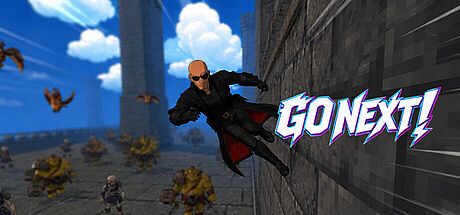
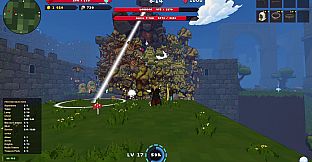
Le parkour s'intègre directement à la survie : les remparts des forteresses deviennent des parcours de wall-run, les canyons exigent des enchaînements de bunny hops, et les boss créent des fenêtres pour des piqués aériens. Rester immobile met fin à la partie en quelques secondes, ce qui rend le repositionnement constant essentiel. Le système invite à expérimenter des enchaînements de manœuvres pour distancer la horde tout en récupérant des améliorations.
Game Modes
Go Next! est une expérience solo de survie face aux hordes. Chaque session consiste à traverser des vagues de monstres dans l'un des neuf mondes, le temps de survie constituant l'objectif principal. Les classements Steam permettent de comparer ses performances avec celles des autres joueurs. Aucun mode multijoueur n'est proposé, afin de mettre l'accent sur la maîtrise individuelle du mouvement et des choix de build à chaque tentative.
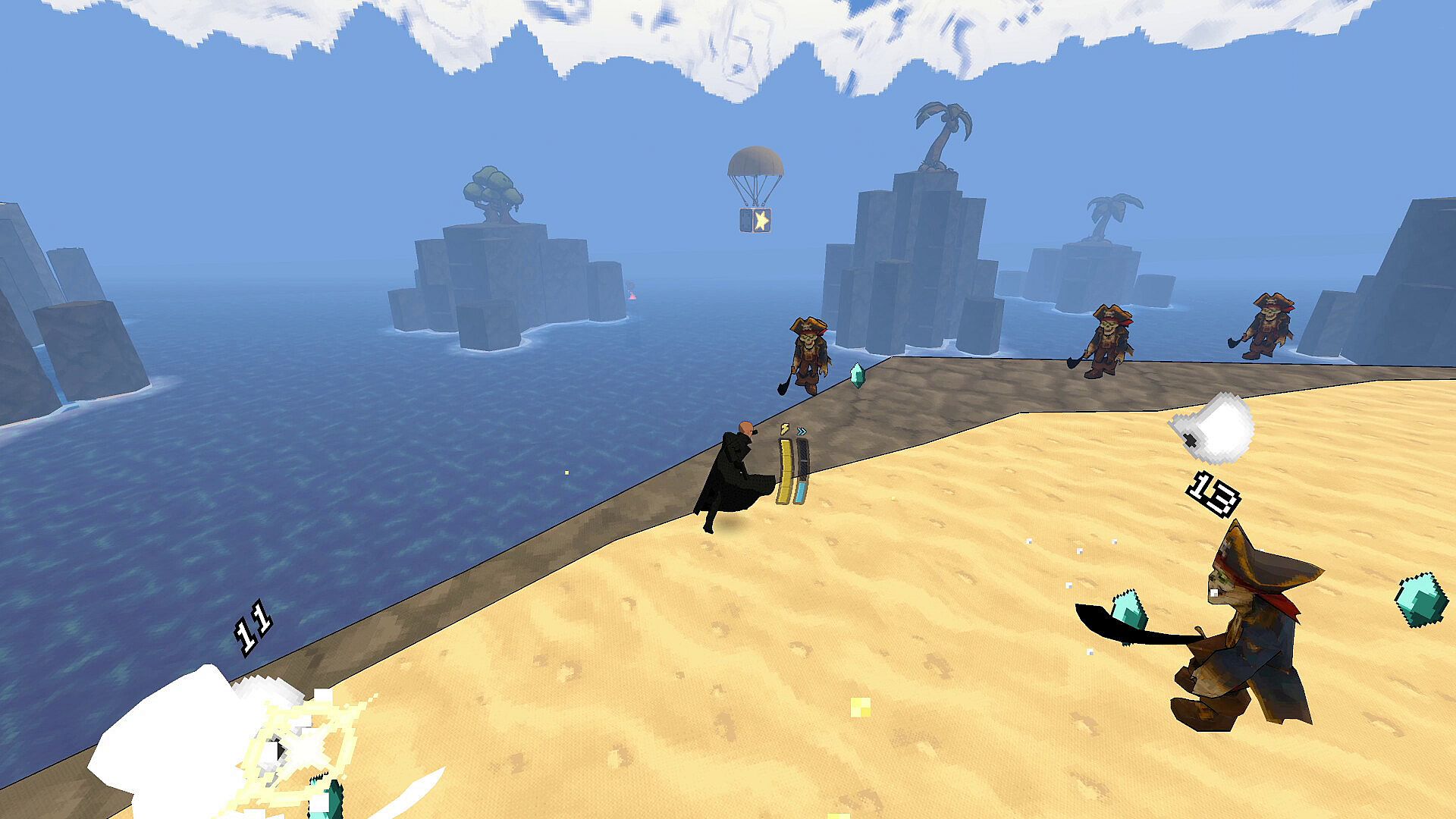
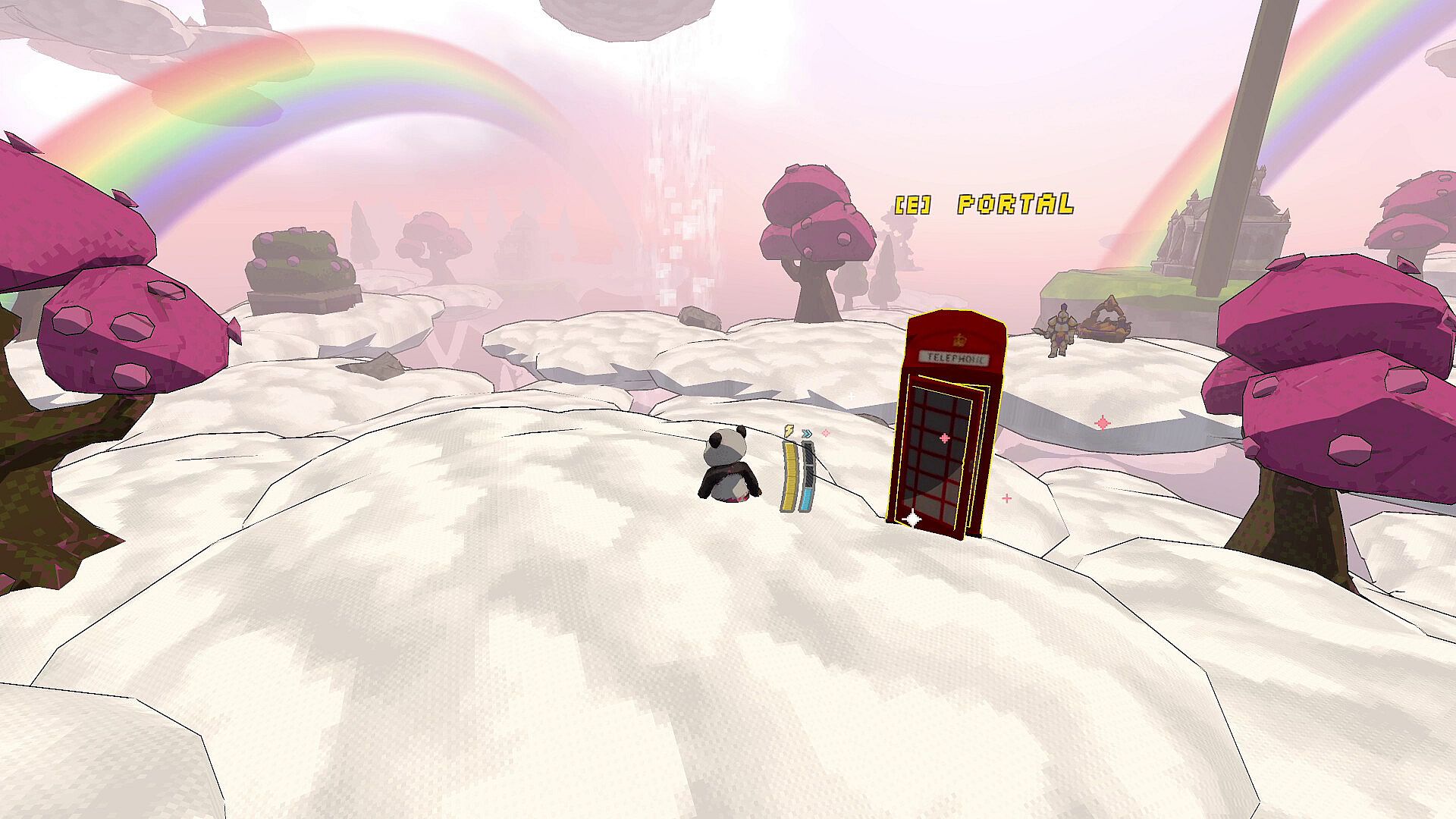
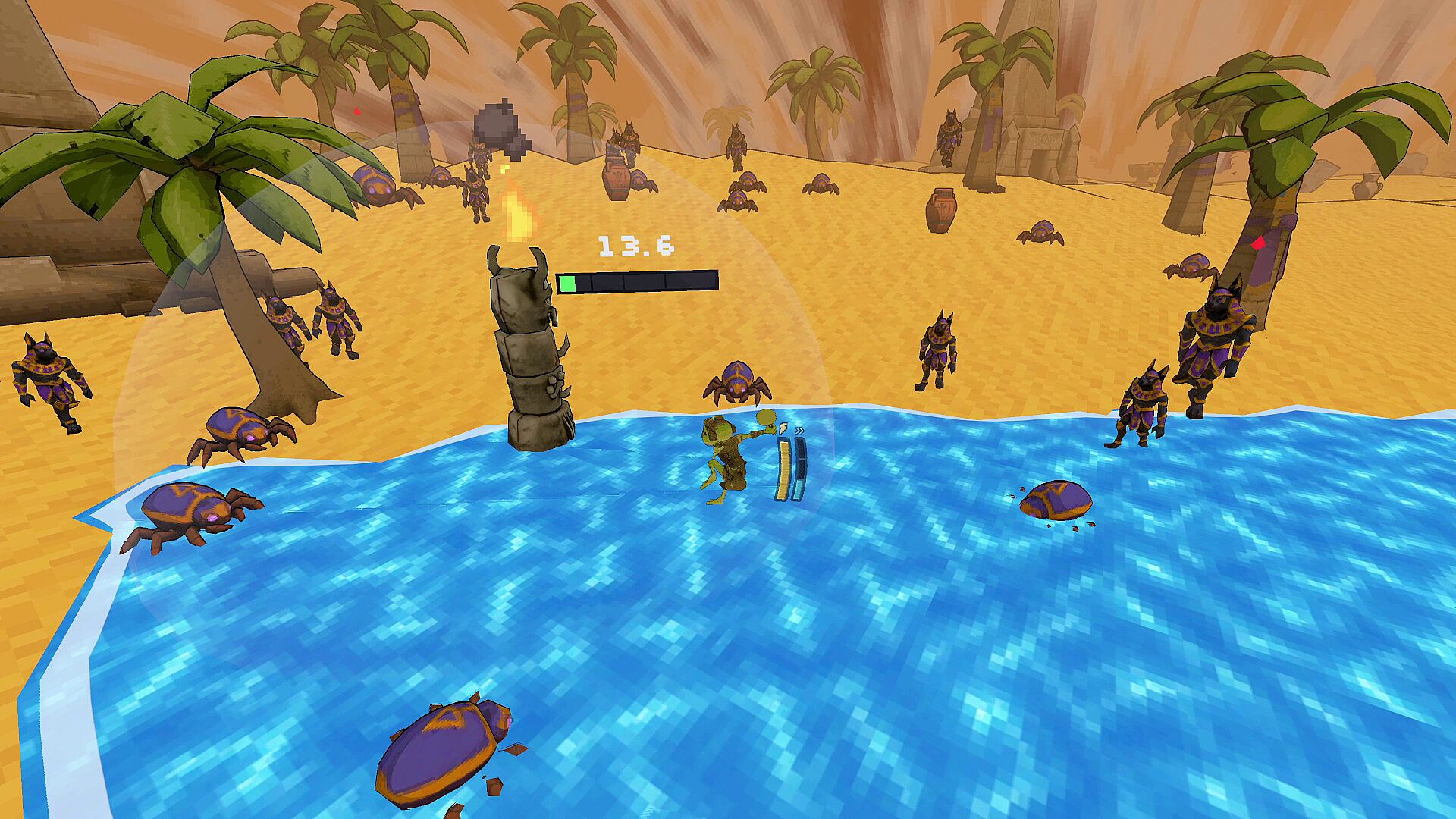
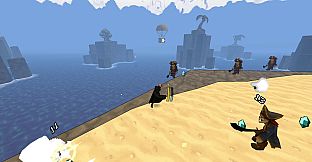
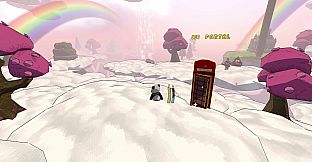
La diversité des mondes encourage les rejouées. Chaque environnement modifie la façon dont les enchaînements de mouvement s'articulent, des sections verticales des forteresses aux sauts en série dans les canyons. La collecte de ressources et le développement de l'arbre de compétences s'effectuent au fil de la partie, influençant la stratégie face aux vagues suivantes sans modifier la structure solo fondamentale.
Progression and Systems
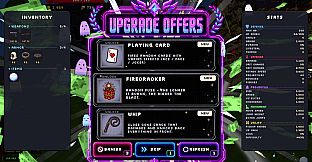
La montée en niveau s'effectue grâce aux ressources ramassées pendant les vagues, débloquant des nœuds de compétences qui modifient la vitesse de déplacement, les temps de recharge ou les capacités défensives. Les armures changent les statistiques de départ ou confèrent des effets passifs, tandis que l'importante sélection d'objets permet d'adopter différentes stratégies de survie. Le comportement des armes automatiques reste inchangé, les améliorations portant donc sur le positionnement et le timing des capacités plutôt que sur l'intervention directe du joueur dans les combats.
Les neuf mondes constituent des terrains d'expérimentation pour ces systèmes. Les différences de relief obligent à adapter les enchaînements de dashes et de slides, ou à intégrer des piqués aériens dans des séquences plus longues. Cette conception récompense les joueurs qui considèrent le mouvement comme l'outil principal pour esquiver et progresser face à des groupes d'ennemis de plus en plus denses.
Is It Worth Playing?
Go Next! s'adresse aux joueurs qui apprécient la survie face aux hordes mais souhaitent remplacer la visée et la navigation classiques par le mouvement. L'accent mis sur les enchaînements de parkour dans des mondes variés propose une approche renouvelée pour ceux qui recherchent des runs basés sur la dextérité plutôt que sur la défense passive. Avec une sortie prévue en octobre 2026 et l'absence de critiques disponibles pour l'instant, l'intérêt dépendra de l'envie de sessions solo centrées sur la mobilité et l'expérimentation de builds. Les classements Steam offriront une motivation continue pour optimiser les temps de survie une fois le jeu disponible. Les amateurs de jeux d'action indépendants dotés d'une mécanique de déplacement solide trouveront dans les systèmes proposés une correspondance directe avec cette description.