

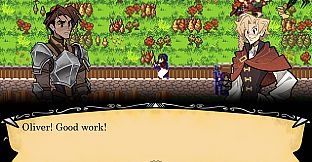
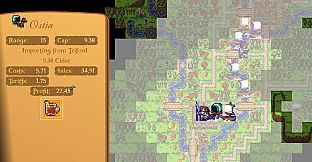
Gravitas: Noblesse Oblige is a strategy game set on PC that places players in command of August, a figure navigating the fractured city-states of a former empire after the Hunter's truce ends. The experience centers on a turn-based narrative campaign that requires careful management of economics, diplomacy, politics, and military forces to pursue personal ambitions amid competing city-states and lingering imperial legacies.
Gameplay
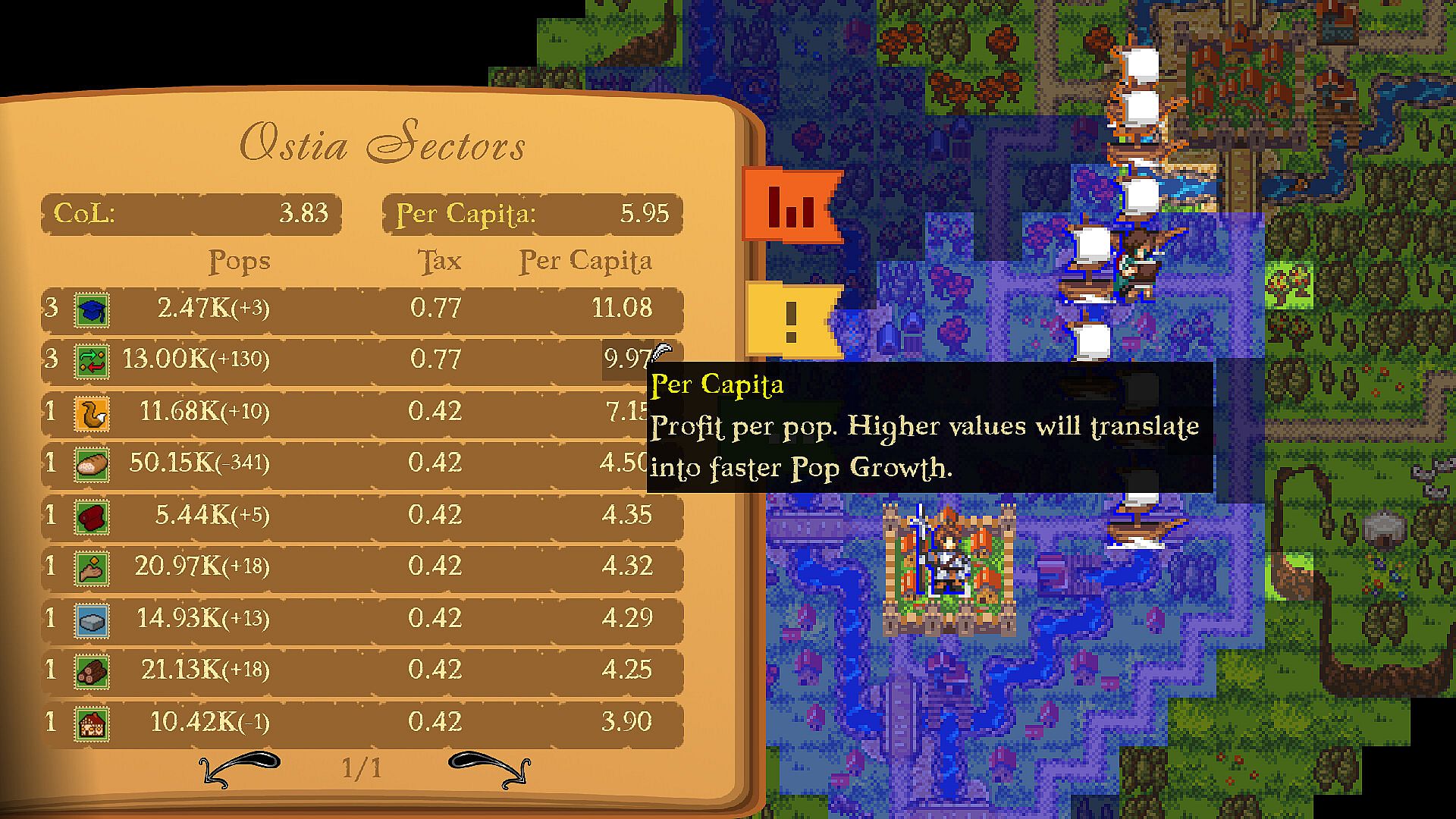
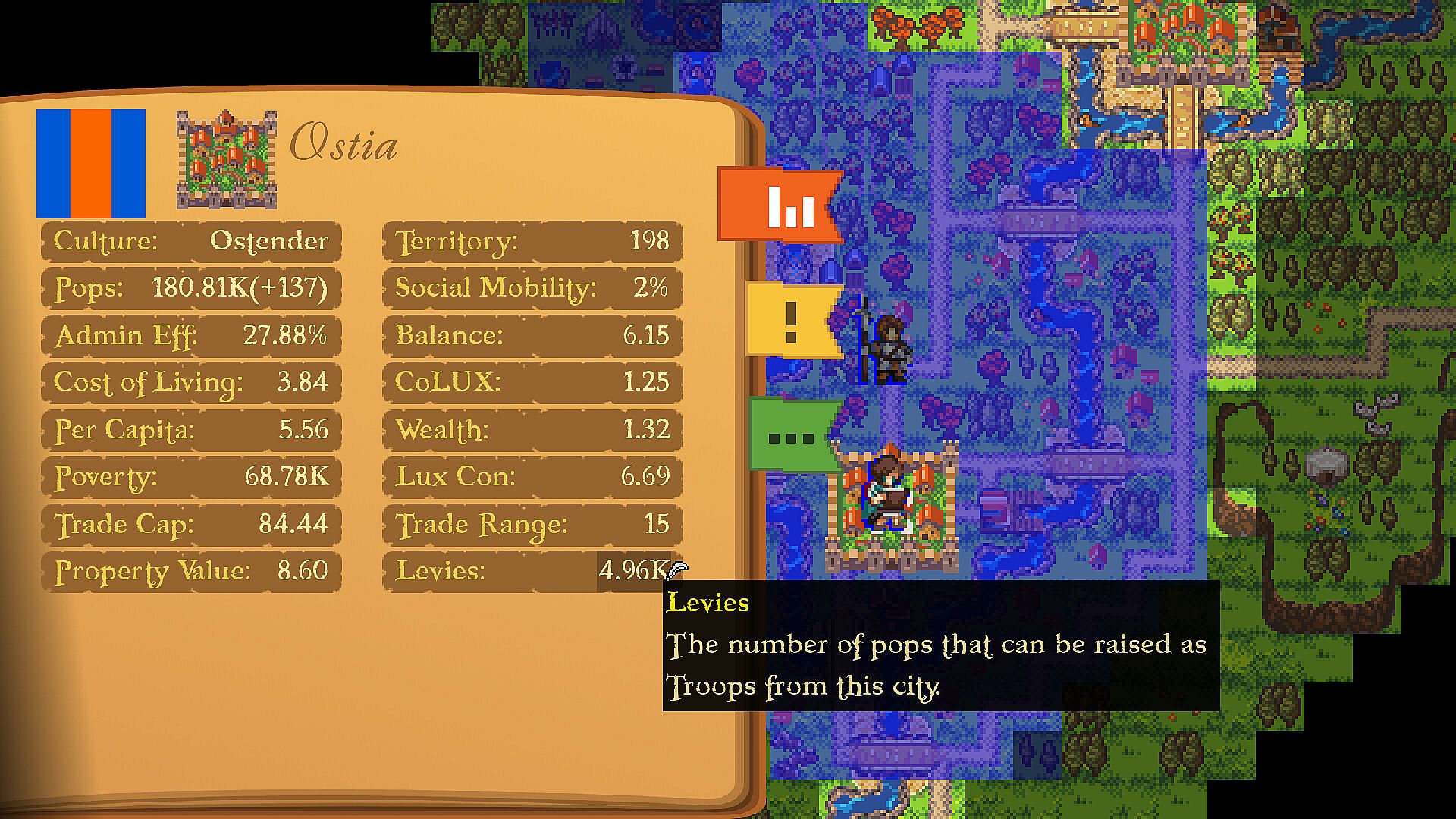
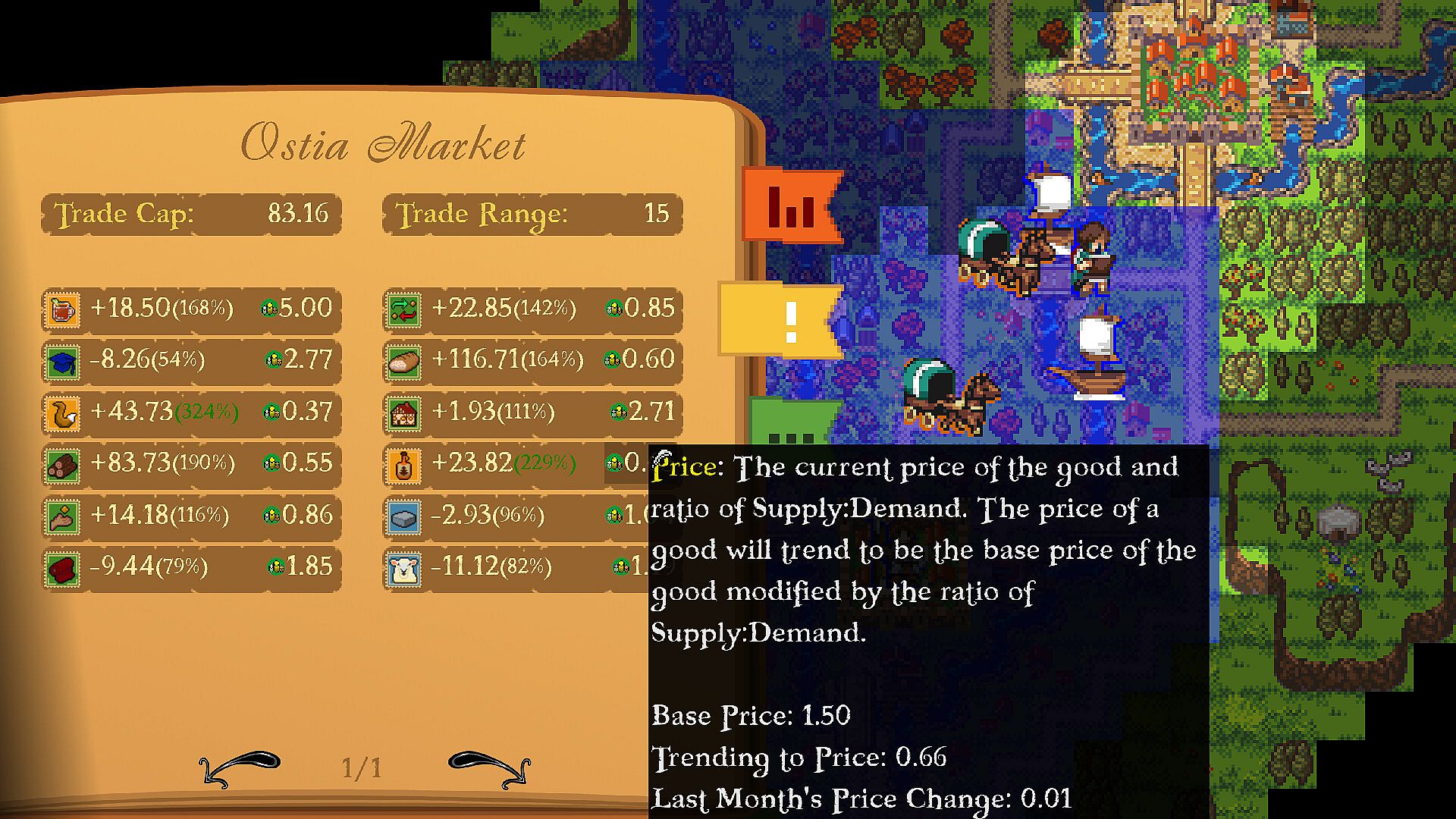
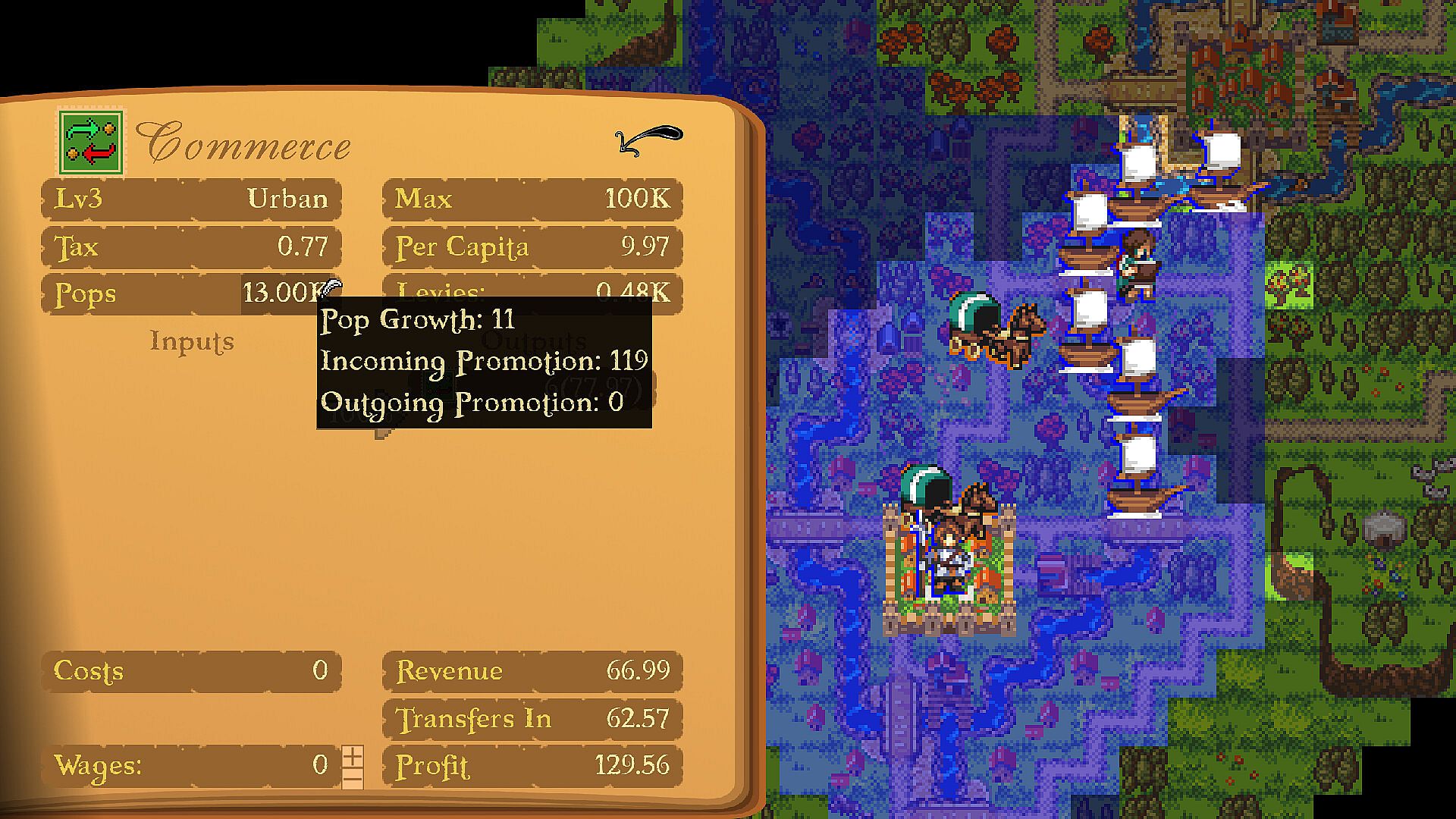
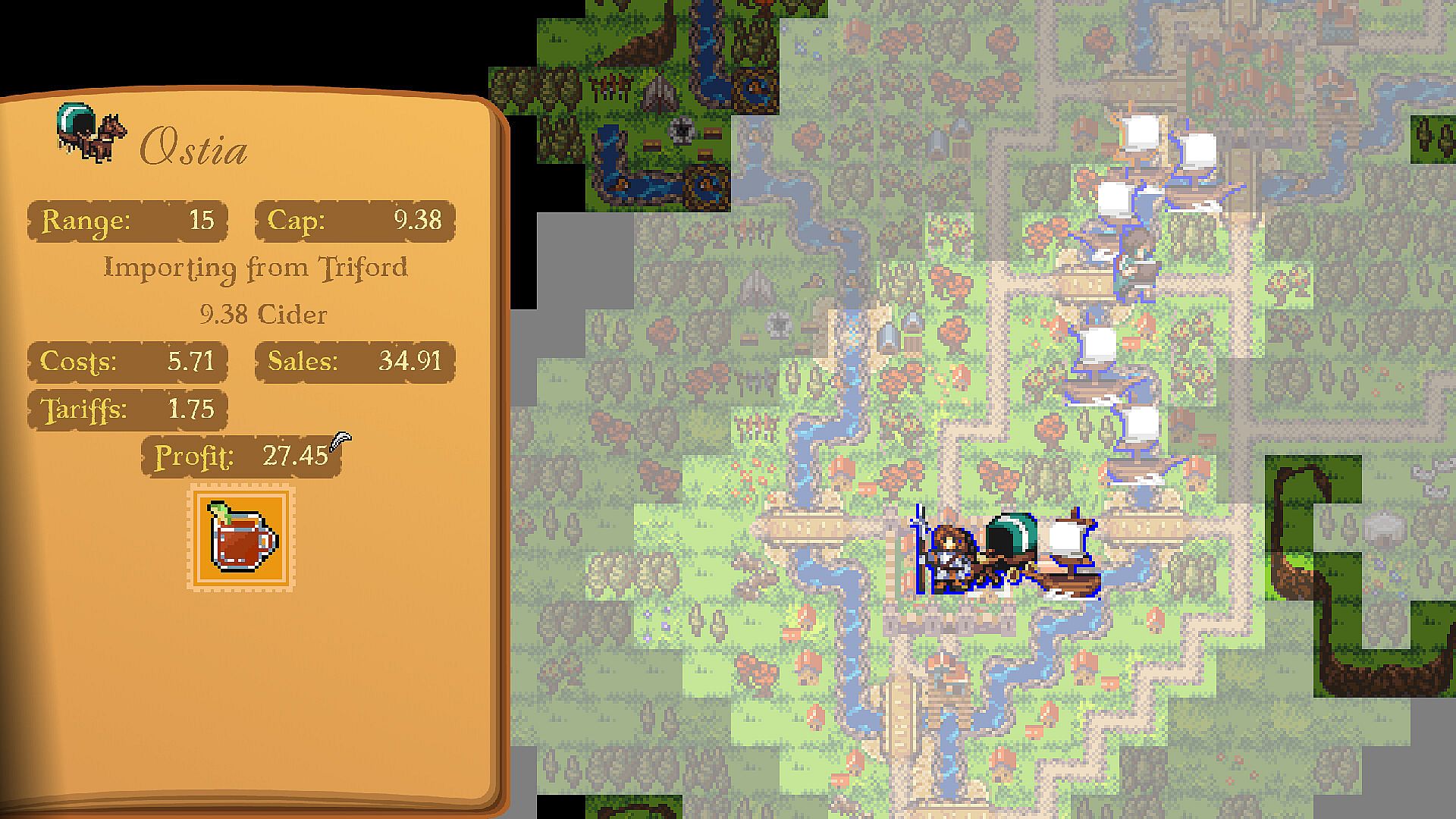
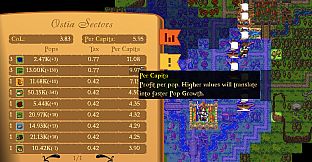
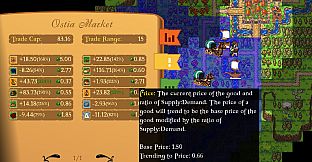
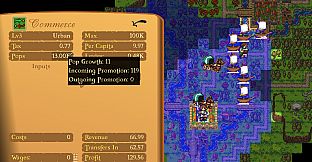
The core loop revolves around overseeing a simulated economy and trade network while directing armies on a campaign map. Cities consist of sectors that generate goods to satisfy population needs, with supply and demand directly affecting prices and creating trade opportunities across markets. Players adjust trade priorities to issue buy and sell orders that support chosen industries, while public works investments enhance urban output. Importing food can accelerate population growth at the risk of angering local farmers, and emphasizing exports pleases tradesmen but raises local prices and reduces spending power.
Politics add another layer through the Royal Diet, where factions voice support for policies. Concessions to one group can alienate others, and prolonged neglect risks organized opposition or outright revolt. The inherited manorial system relies on the aristocracy for tax collection, legal rulings, and local administration, though efforts to centralize power introduce instability.
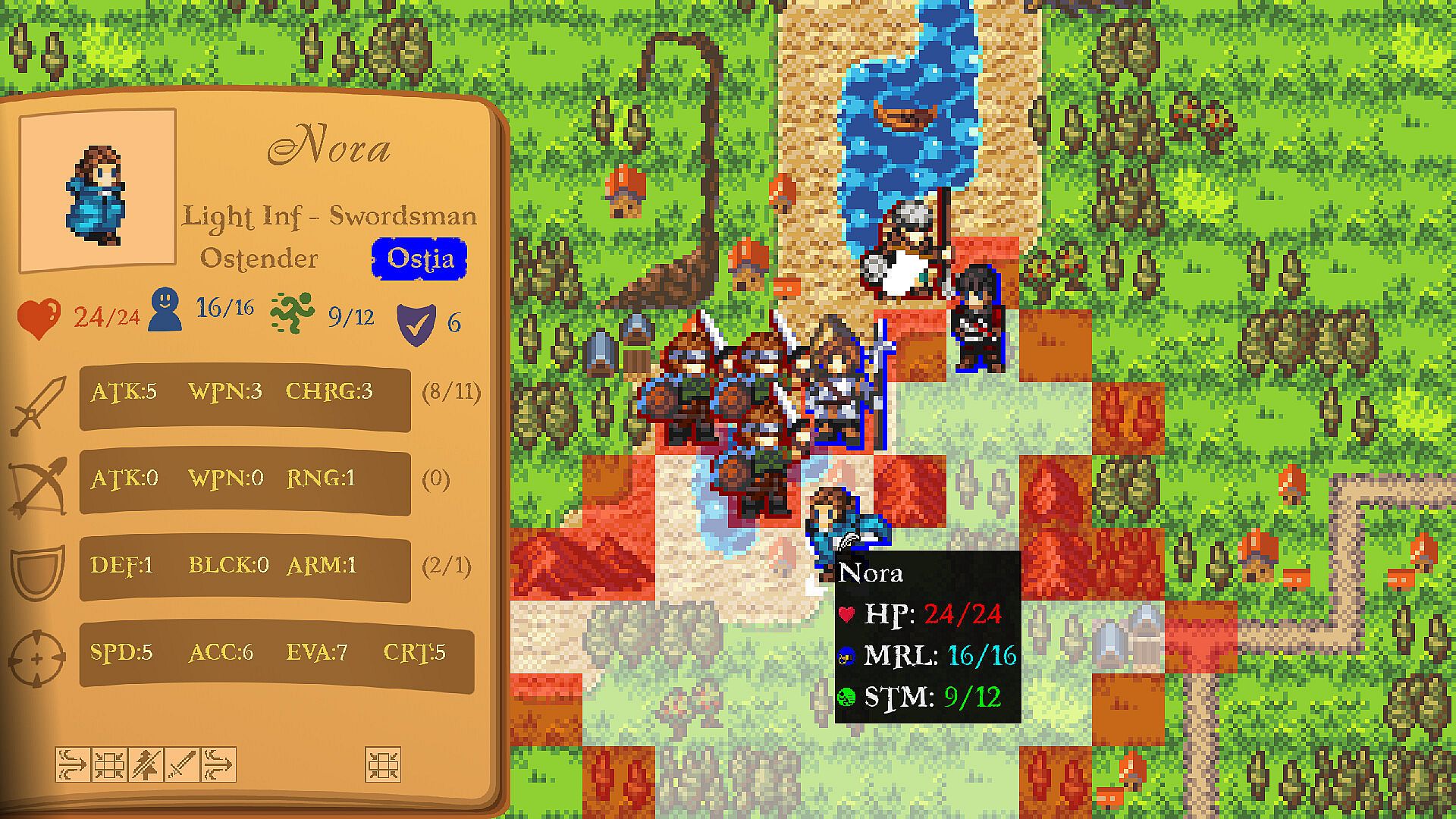
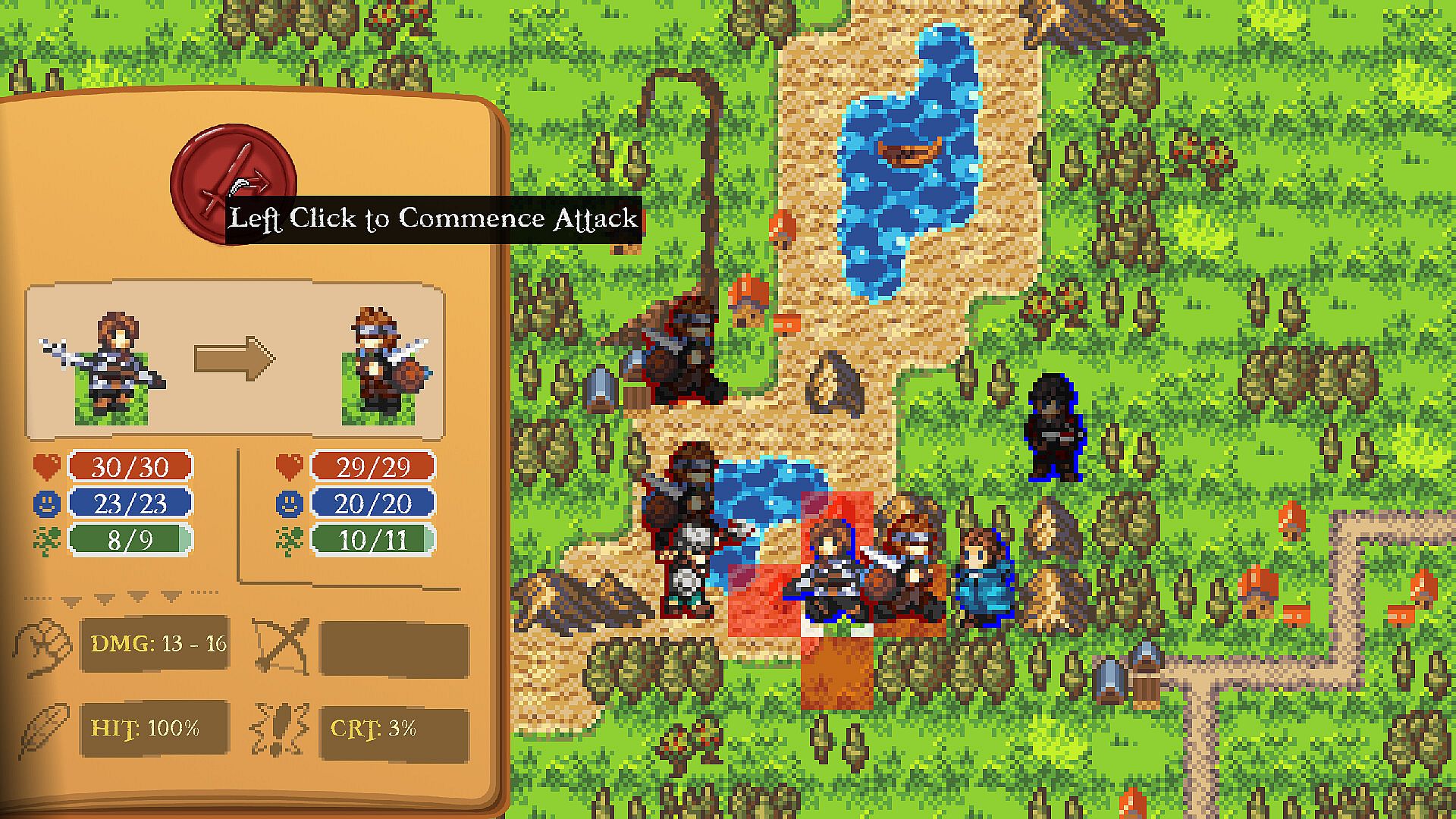
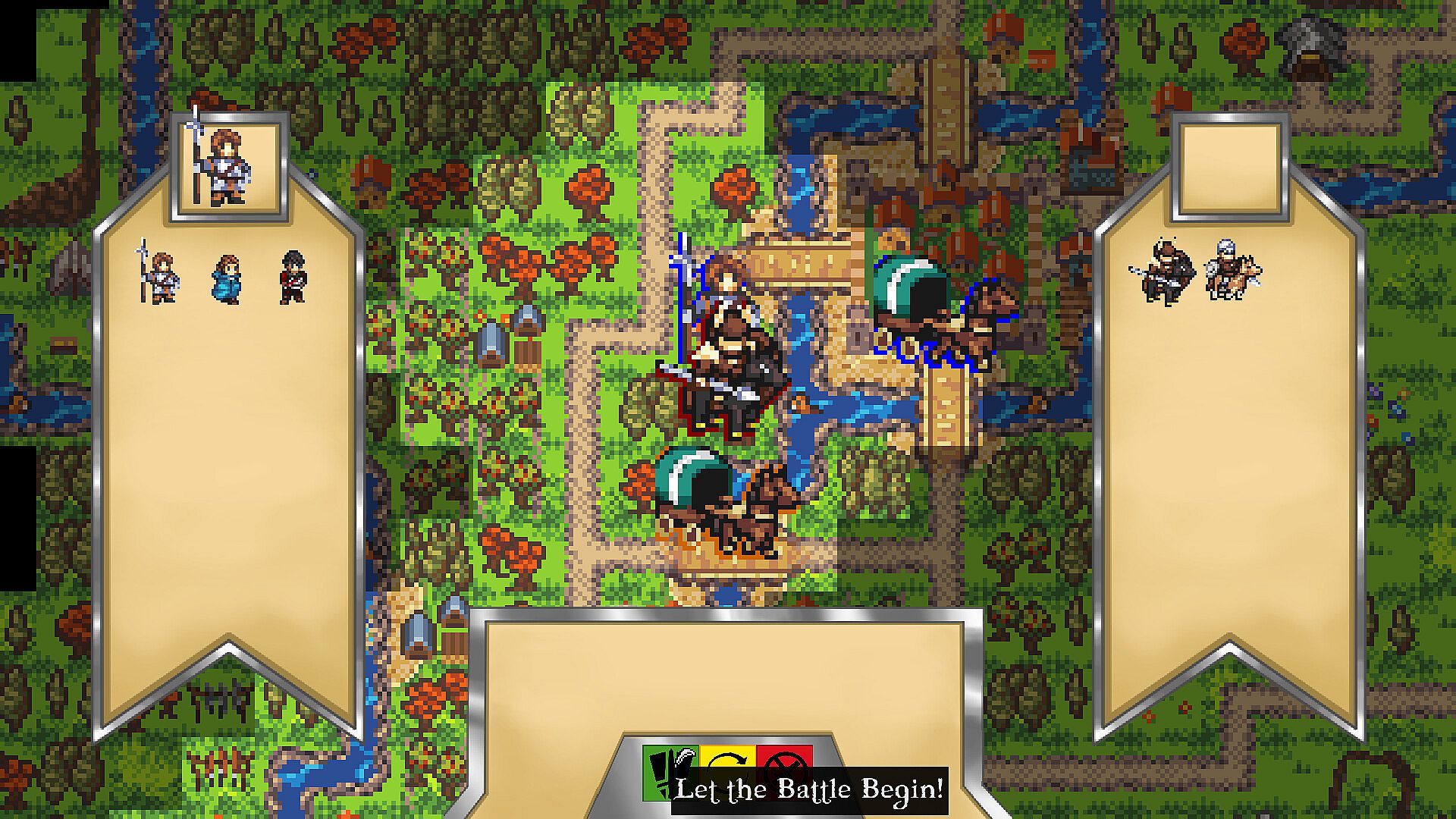
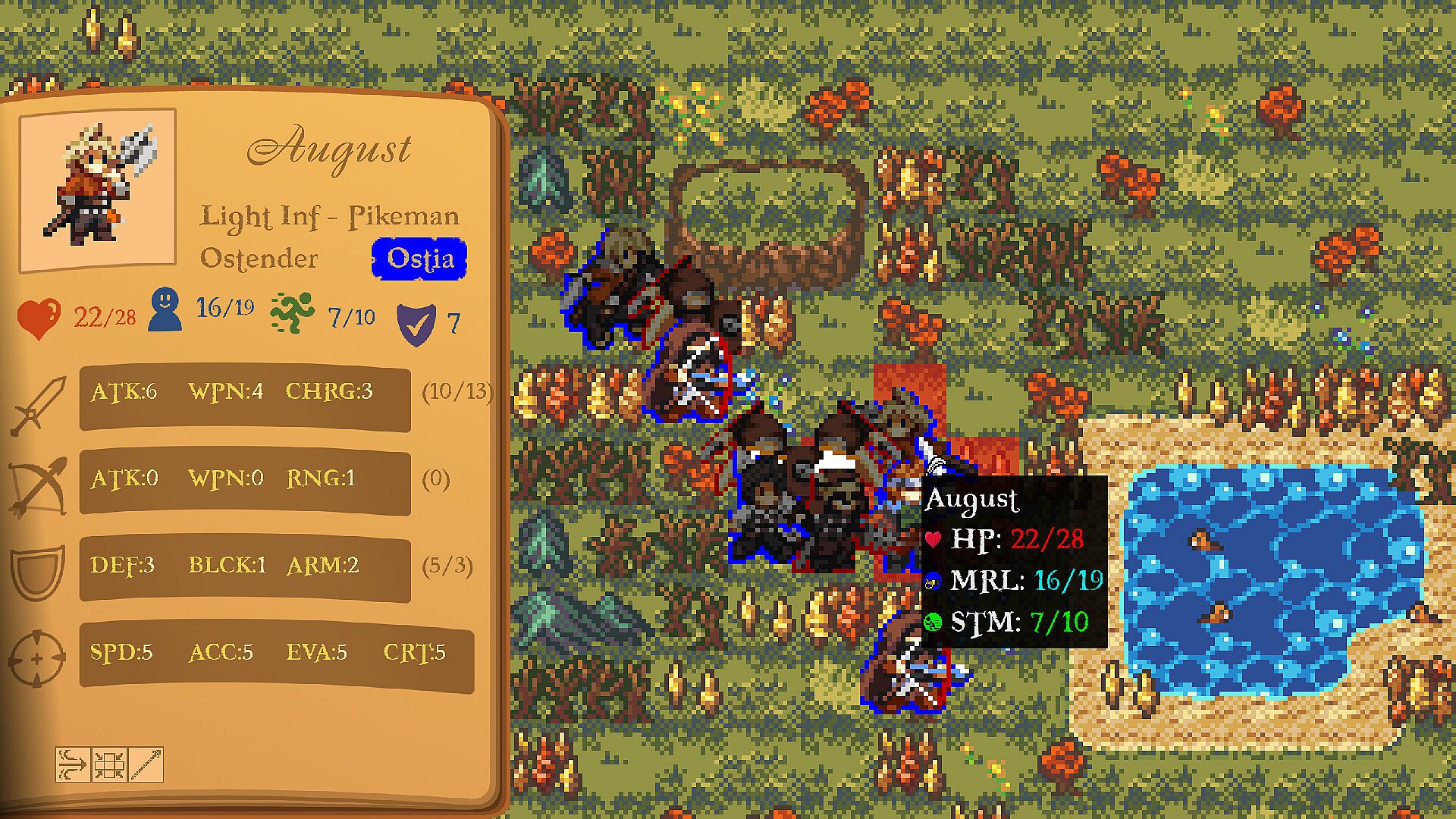
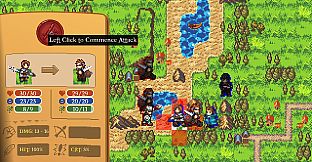
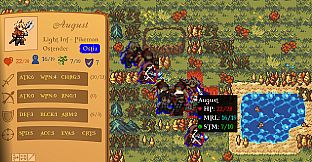
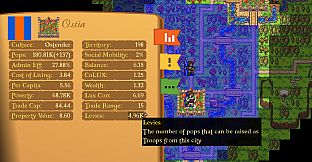
Recruitment draws levies from the population, with troop types shaped by local culture. Each unit requires specific resources such as arms, horses, or leather, plus ongoing supplies once deployed. Sieges demand escorted supply trains to prevent attrition, and winter conditions limit viable campaign timing. Tactical encounters unfold on a grid where turns alternate, emphasizing positioning for flanks and screens. Troops carry unique ability combinations that demand familiarity with both friendly and enemy compositions.
Game Modes
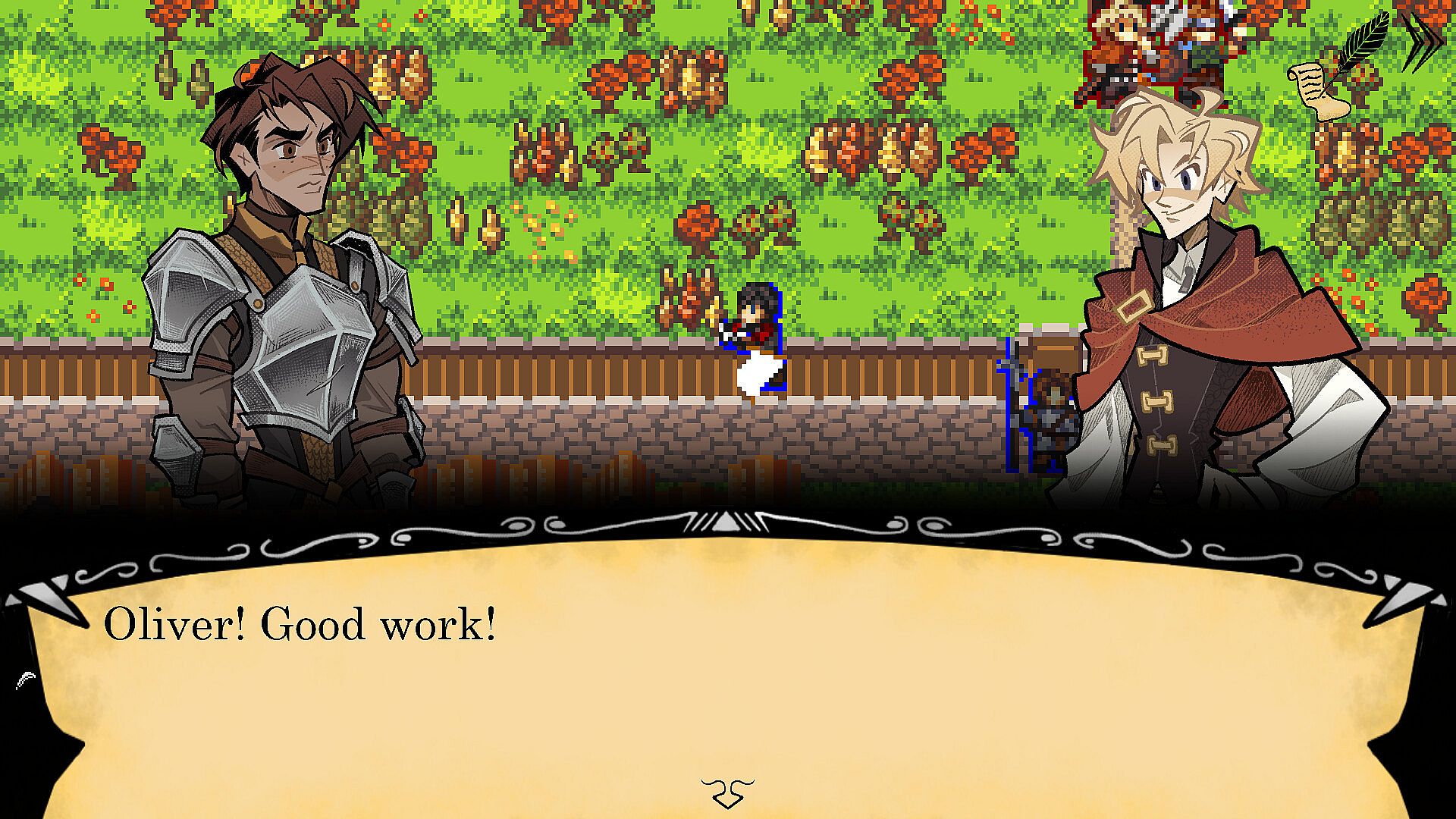
The primary experience unfolds through the strategic turn-based narrative campaign. Success hinges on completing August's ambitions, though the structure supports extended play by attempting to fulfill every character's ambitions within one run, known as the Golden Run. This optional challenge tests mastery of the interconnected systems without altering the fundamental campaign framework.
No separate multiplayer or additional named modes appear in the design. All activity remains focused on the single-player campaign map, city administration, and grid-based battles that arise from strategic decisions.
Strategic Systems and Challenges
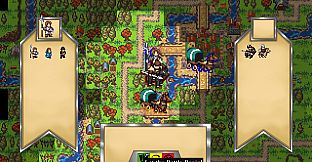
Logistics form a central pillar, as amateurs discuss tactics while professionals study supply lines. Armies and supply trains must be maneuvered across the map, with cities administered through policies that maintain money, supplies, and manpower. Cultural differences in recruited troops influence battlefield performance, requiring players to match unit abilities to specific threats.
Cost of living metrics track how affordable staples like food and housing affect poverty levels and the risk of banditry. Shifting focus toward industrial or luxury goods can raise incomes but demands balanced trade priorities to avoid shortages. Every decision carries visible consequences for population stability and faction relations.
Is It Worth Playing?
Gravitas: Noblesse Oblige suits players who enjoy deep strategy simulations that blend economic modeling, political maneuvering, and tactical combat without relying on real-time action. The emphasis on logistics, trade networks, and cultural troop variations creates a layered experience where small choices in city sectors or supply routing influence larger campaign outcomes. Those drawn to narrative-driven campaigns with branching ambitions and the optional Golden Run challenge will find substantial replay value in testing different policy and military approaches. The game's focus on responsibility for troop losses and faction tensions adds weight to decisions, rewarding methodical planning over quick resolutions.