

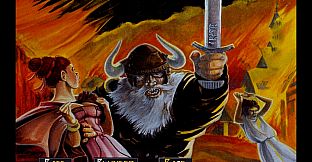
Hammer of the Gods Classic is a turn-based strategy game set in a Norse fantasy version of Viking Age Europe. Players lead one of four races across a map of coastal settlements and inland strongholds, balancing raids, conquest, diplomacy, and a series of quests granted by the Norse gods. The core objective centers on climbing a hierarchy of divine tasks until completing Odin's final quest, at which point the player earns the title of Hammer of the Gods. Empire expansion serves as a means to this end rather than the sole focus, with honor among rival Viking factions remaining a constant consideration.
Gameplay
Each campaign begins with the selection of a race and its associated family of gods. Humans, elves, trolls, and dwarves each field distinct military units and pursue different paths through the god tree. Humans emphasize magic weapons and berserkers, elves favor population growth and archery, trolls build large armies, and dwarves accumulate gold. The shared map supports exploration of a historical Europe layout or a randomly generated world, with settlements ranging from small hamlets to fortified cities.
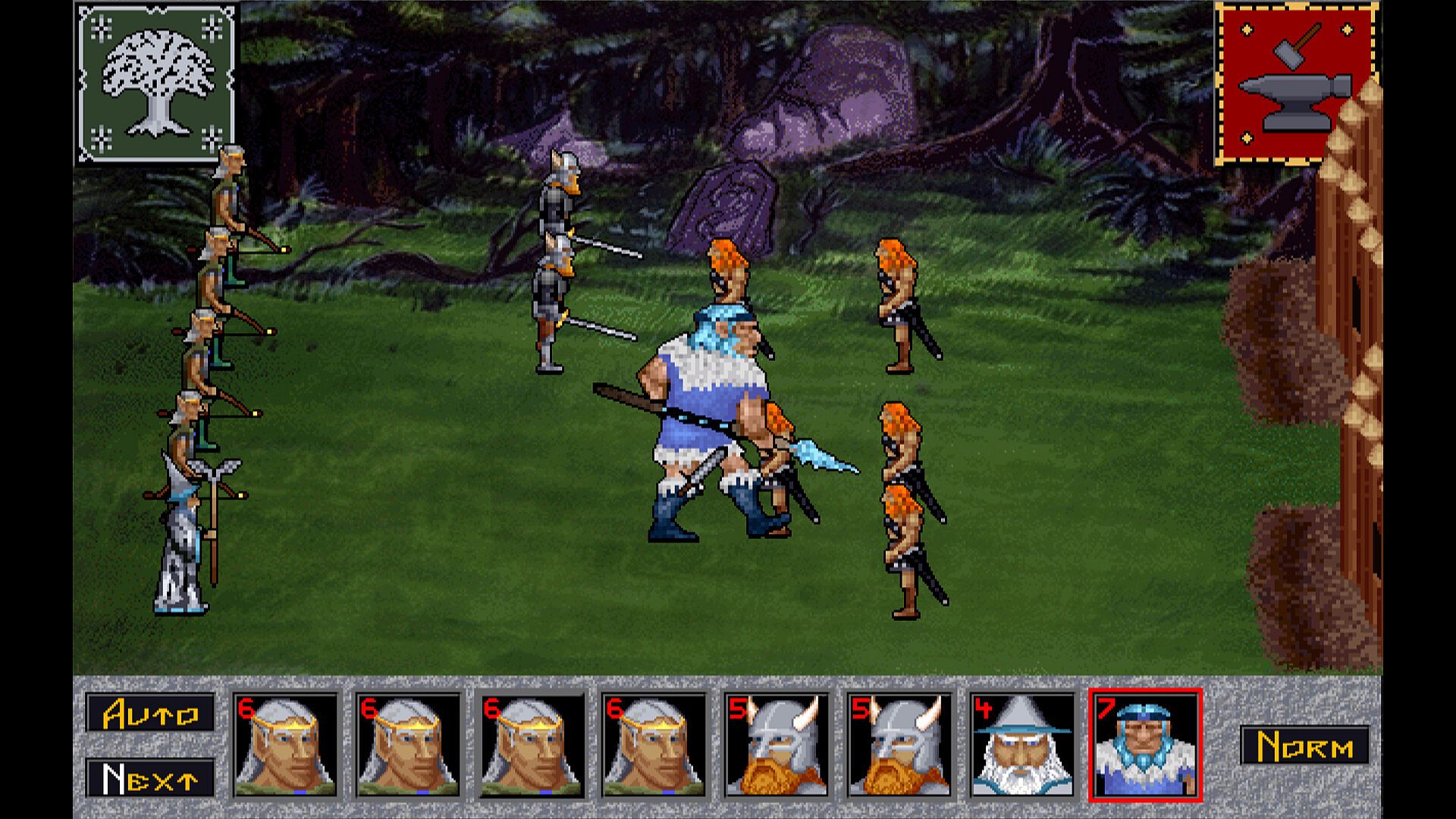
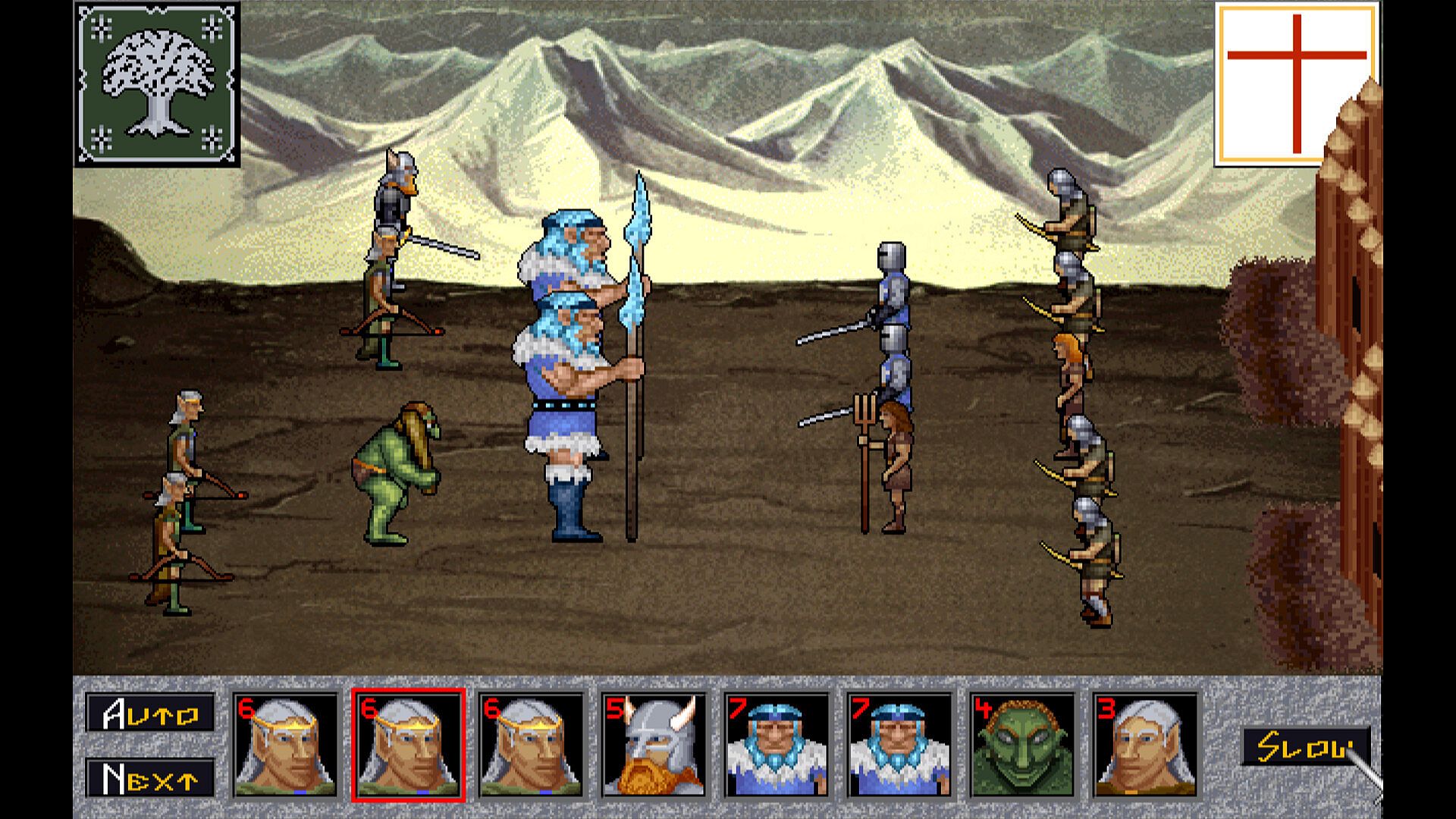
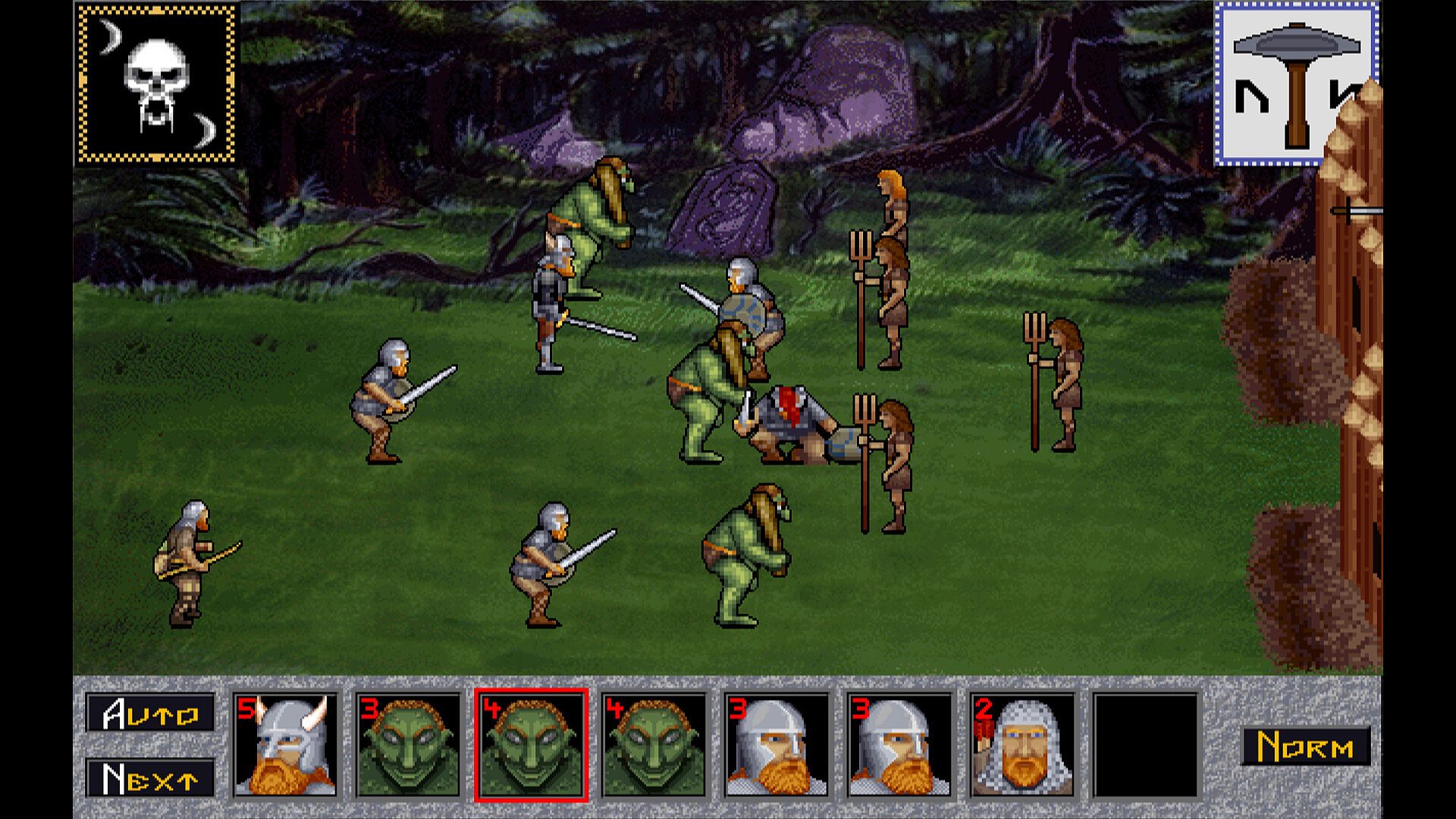
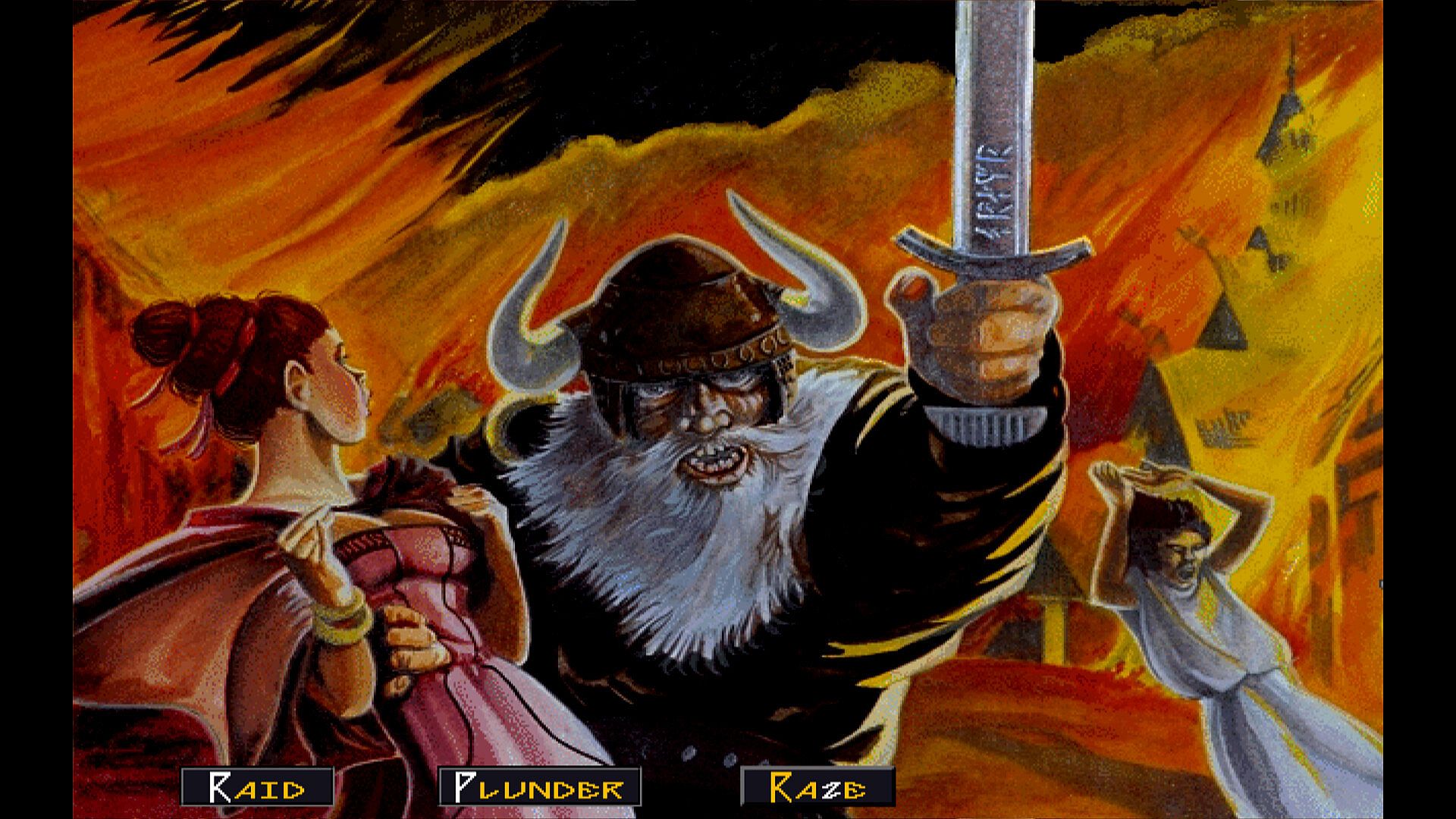
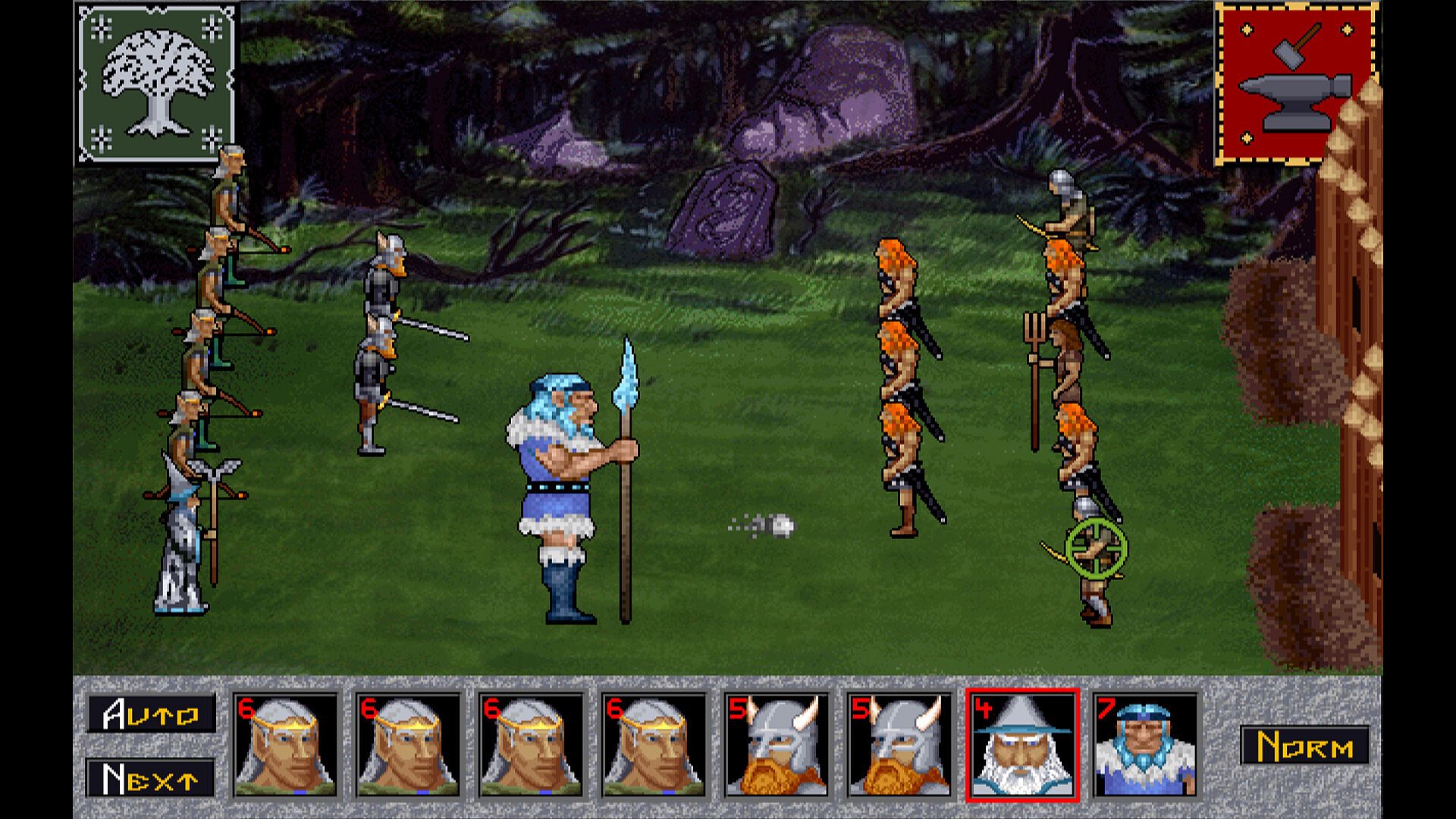
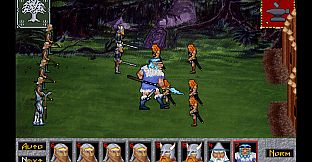
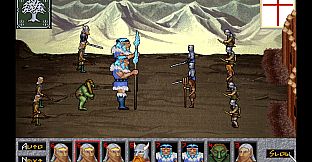
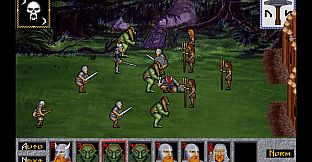
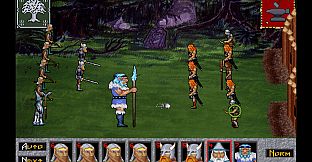
Turns progress through phases that include receiving reports, selecting the next quest, moving armies, resolving combat, handling diplomacy, and reviewing completed objectives. Raiding coastal villages provides quick resources, while conquering cities allows players to link them with roads and protect them with castles. Diplomacy options range from peace treaties and trade agreements to declarations of war. Combat unfolds in a tactical view where unit types, positioning, and terrain influence outcomes, with heroes and special creatures joining standard fighters and archers.
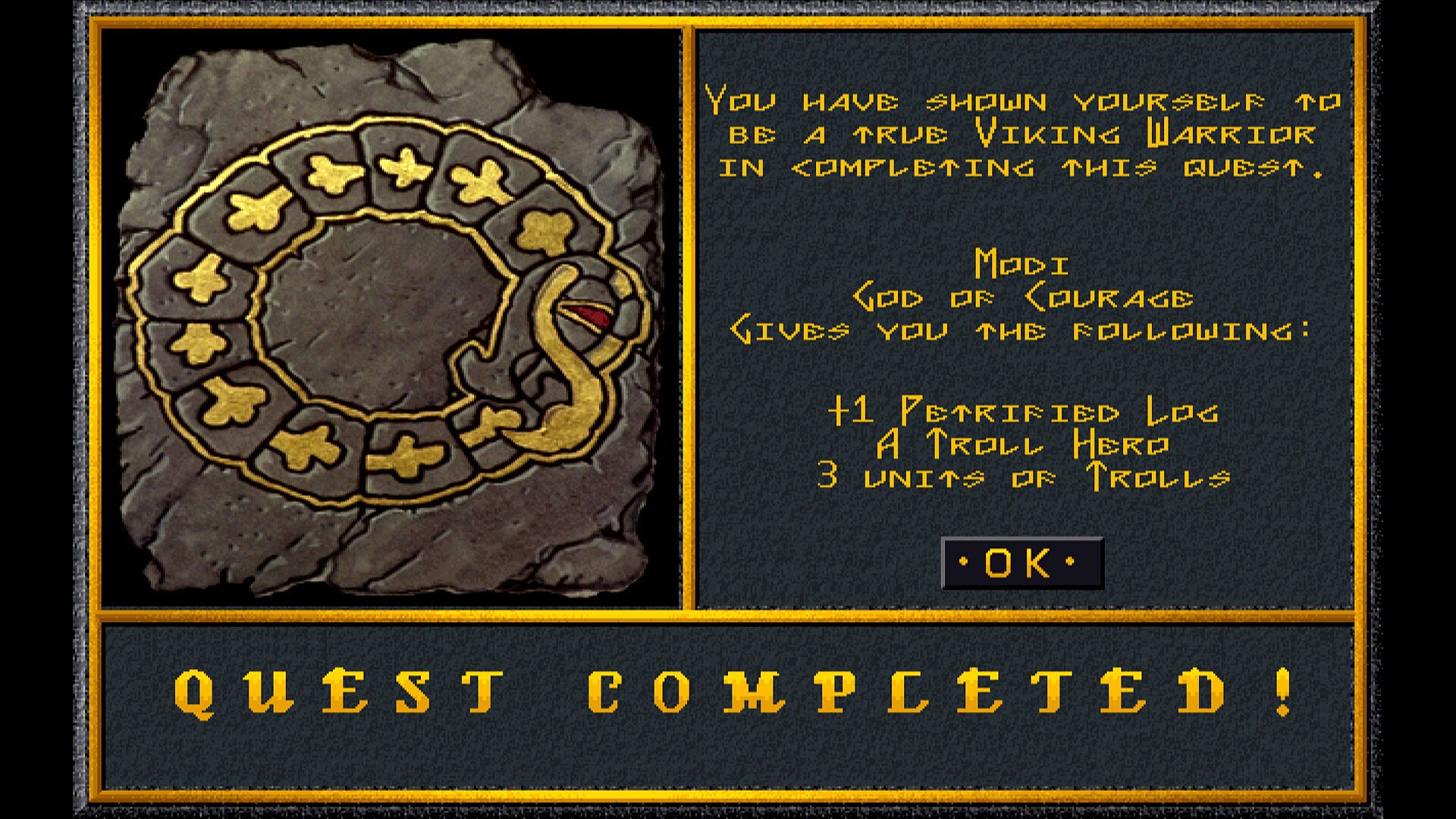
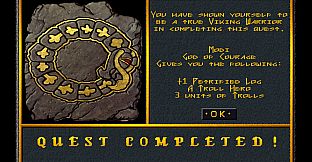
Quests form the central progression system. Lower-tier tasks might involve raiding a monastery or arranging a marriage to a god, while higher ones demand defeating dragons, conquering multiple towns, or amassing specific resources. Completing these advances the player up the god tree toward Odin's ultimate challenge. Maintaining positive relations with other Viking factions affects available options and long-term stability.
Game Modes
Campaign length options shape the experience from the outset. A tutorial scenario introduces core systems. The short mode requires completing twenty quests of any tier to claim victory. The full-length campaign demands finishing the entire god hierarchy, culminating in Odin's quest. Multiplayer supports up to four participants through network play, serial connections, or play-by-email, allowing human opponents to replace or join the artificial intelligence.
Map selection further customizes each session. The historic representation of Viking Age Europe provides fixed geography and starting positions, while random maps generate new layouts for repeated playthroughs. Difficulty settings range from easy to impossible, with additional toggles for elements such as sea storms or sea creatures.
Strategic Layers and Faction Differences
Resource management revolves around gold generated by controlled settlements and plunder from raids. Players recruit units, construct infrastructure, and decide when to push for new conquests or consolidate holdings. The four races alter unit rosters and quest priorities, encouraging different approaches: one faction might prioritize rapid expansion and population control, while another focuses on military might or treasure hoarding. Special units and quest rewards introduce variety, including magical creatures that supplement standard forces.
Exploration reveals the map gradually, with rough approximations marking unknown areas. Naval movement carries risks and rewards, particularly for coastal operations. Late-game sessions often see multiple factions competing for the same high-value targets, making diplomatic timing and army positioning decisive.
Is It Worth Playing?
Hammer of the Gods Classic appeals to players who enjoy classic turn-based strategy with a strong emphasis on quest progression and thematic flavor over pure territorial domination. Its tactical combat system and god-driven objectives set it apart from many contemporaries, offering replay value through different race choices and map types. The game remains available on PC through digital re-releases that preserve the original experience with modern compatibility support.
Those drawn to Norse mythology, deliberate pacing, and the satisfaction of climbing a quest hierarchy will find a distinctive campaign structure. Sessions reward careful planning around raids, alliances, and divine favor, though the age of the title means some interface and balance elements reflect 1990s design conventions. For fans of the genre seeking an alternative to more expansion-focused titles, the combination of tactical battles and narrative-driven goals provides a focused, self-contained experience.