

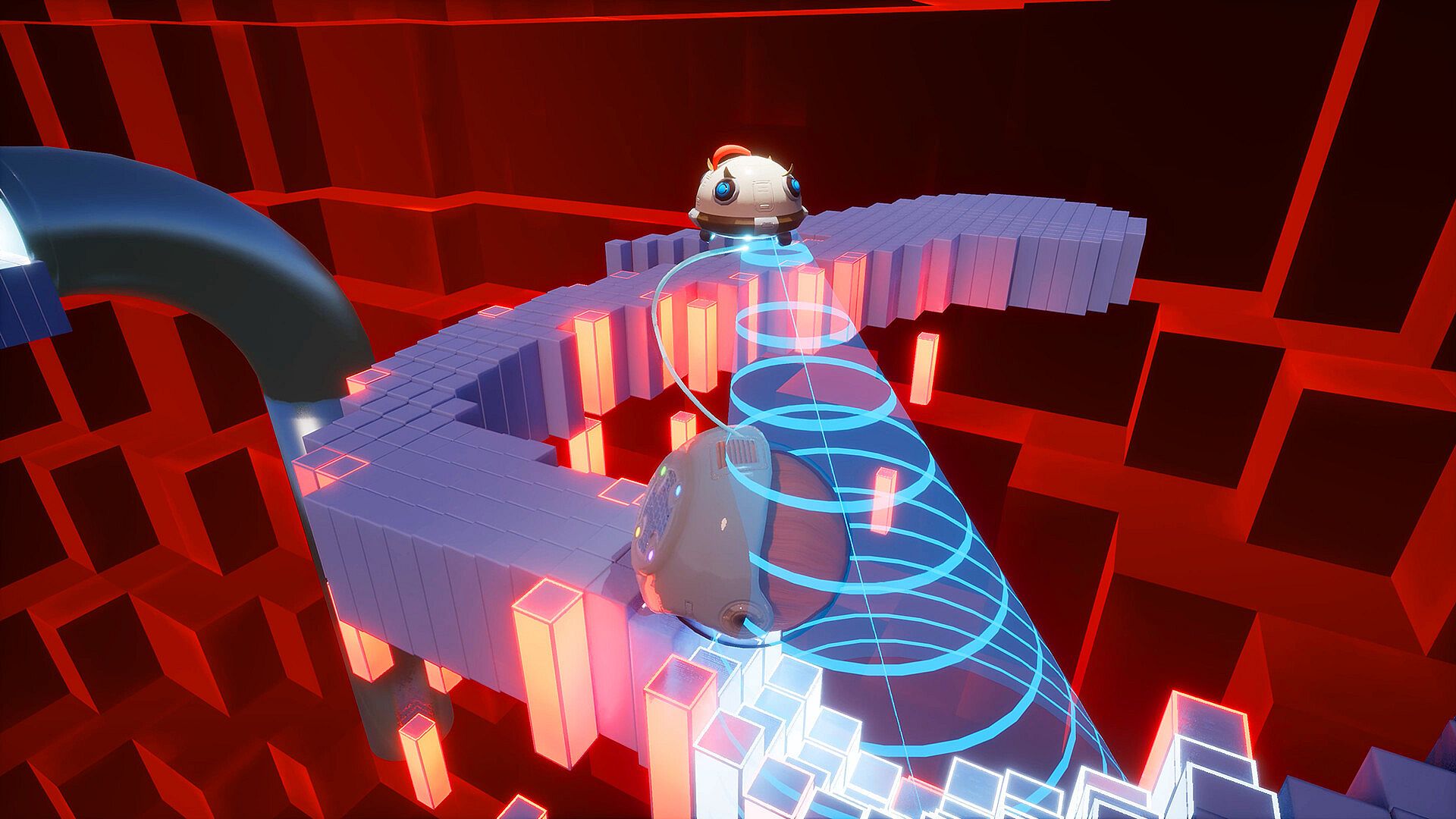
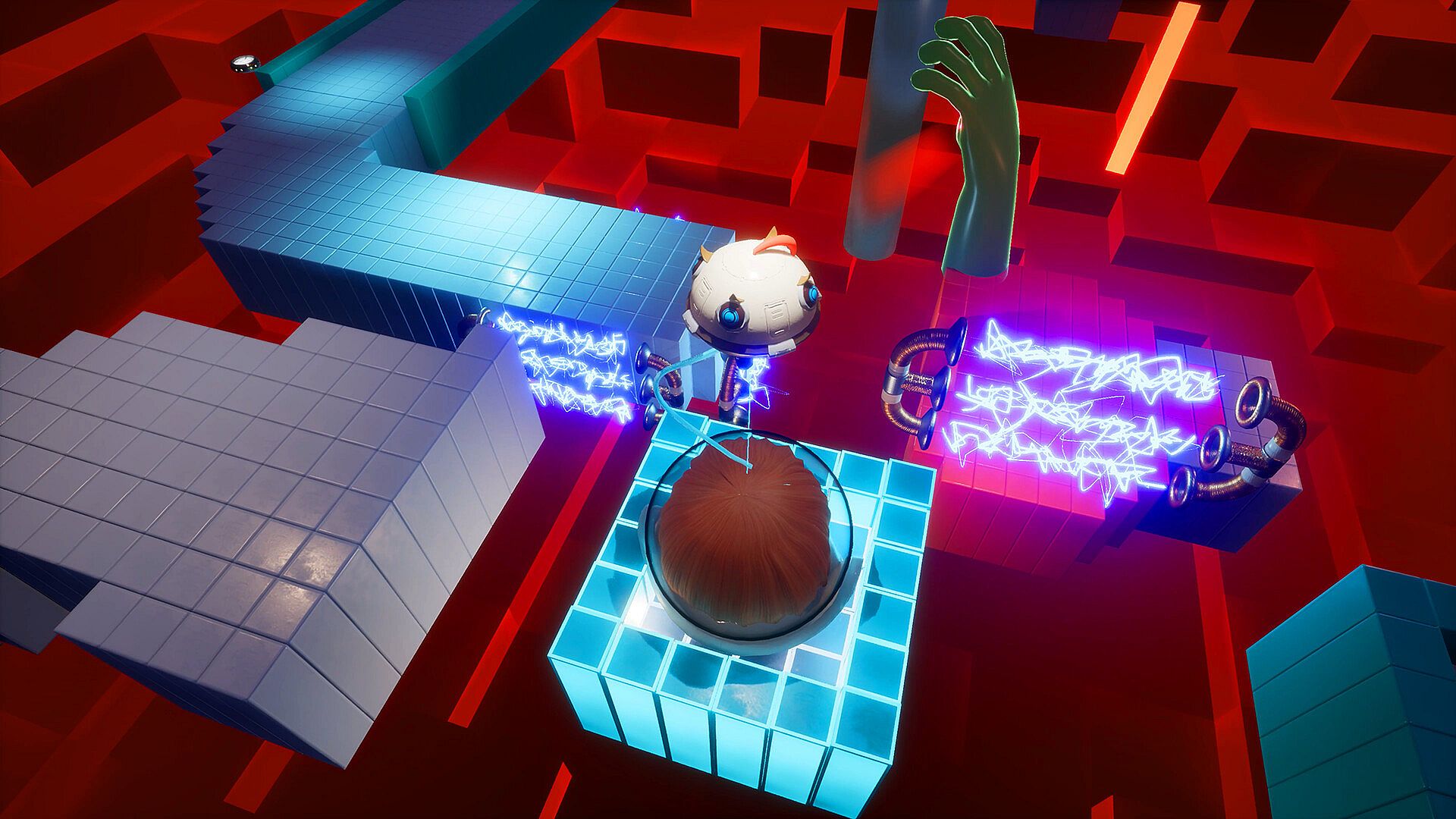
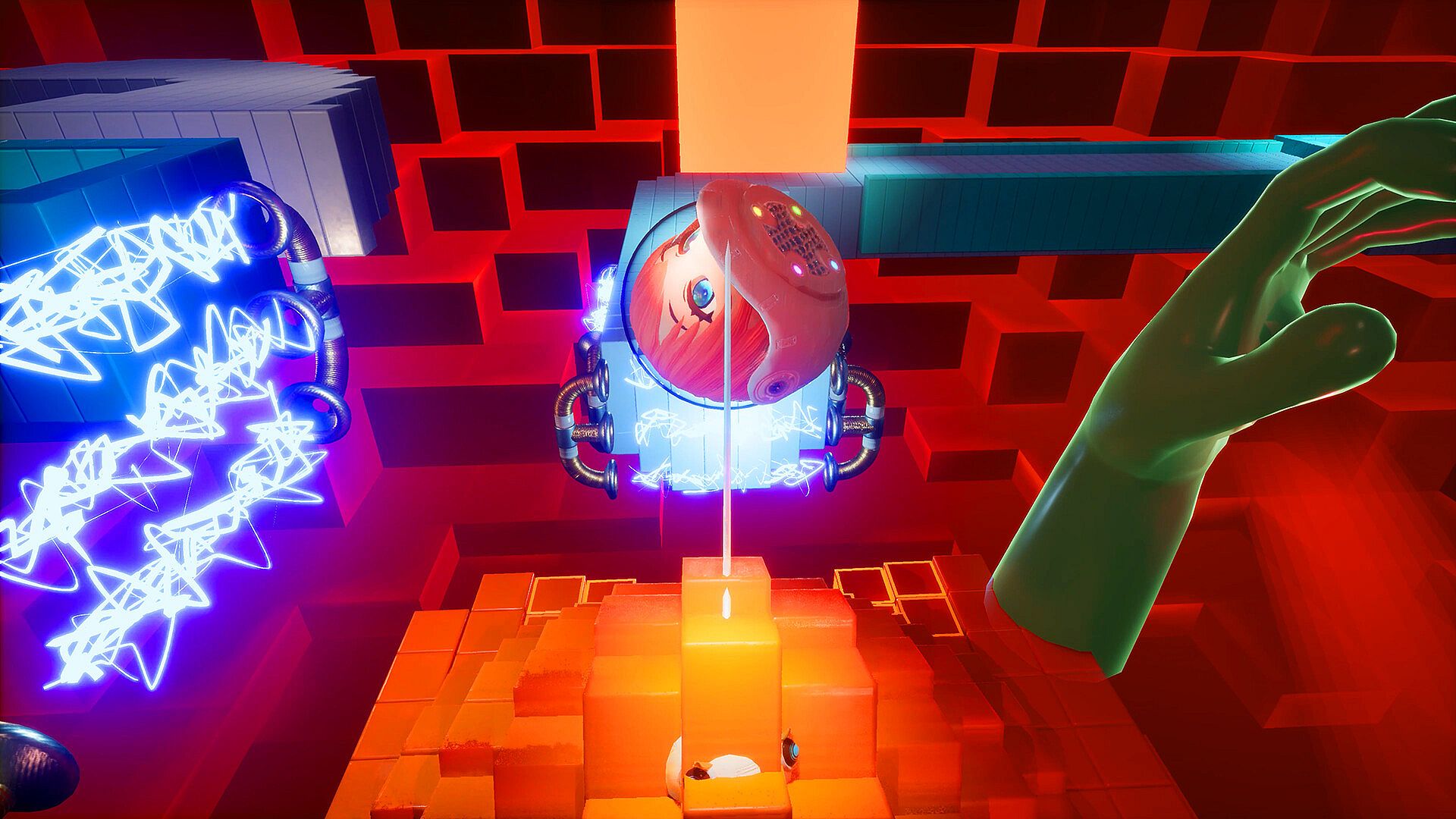
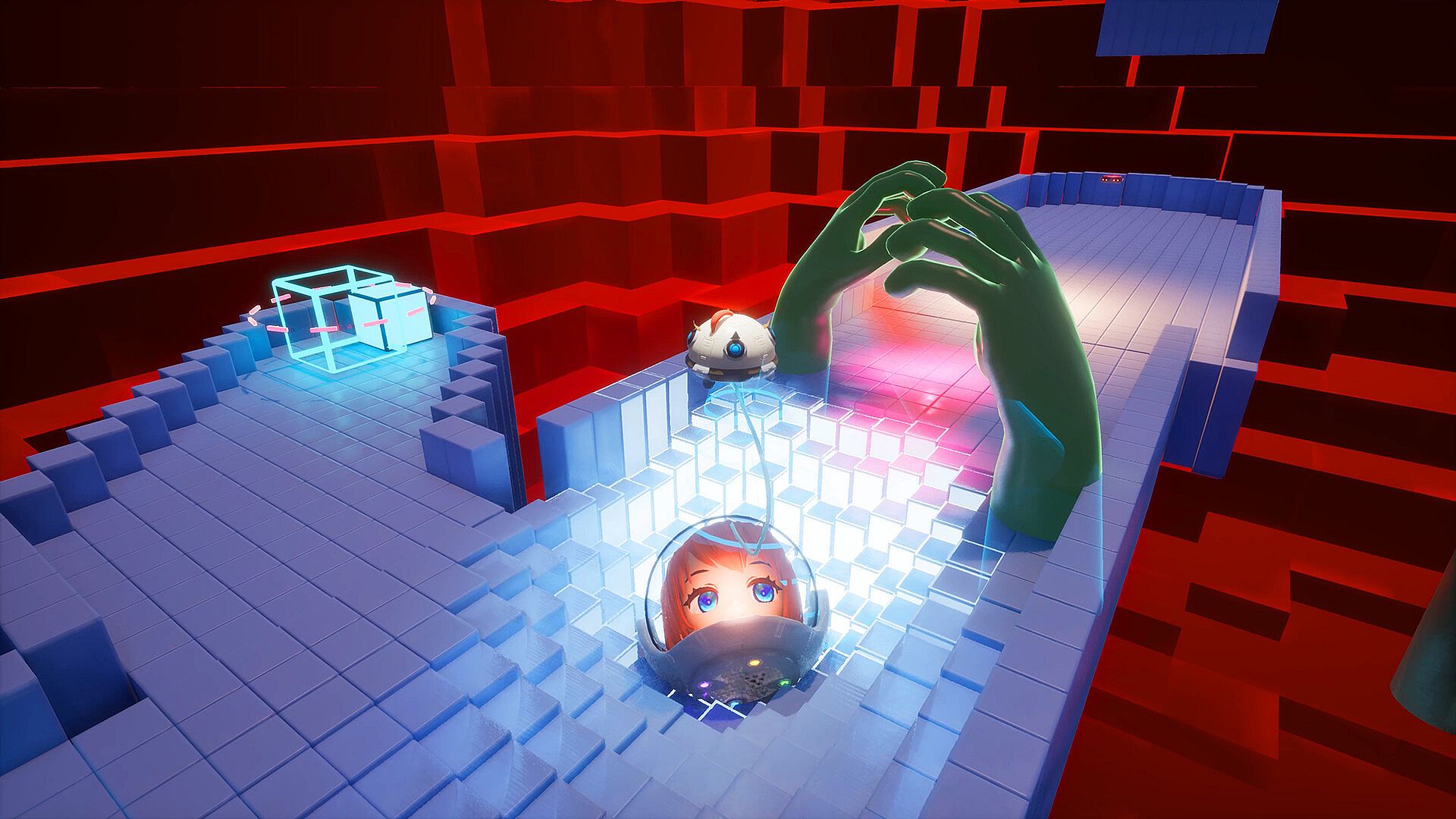
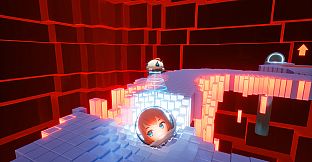
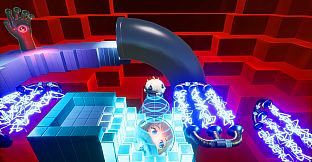
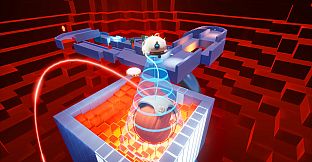
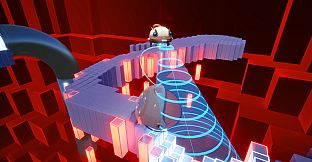
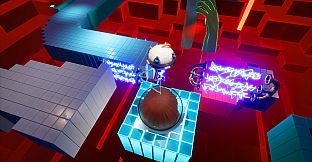
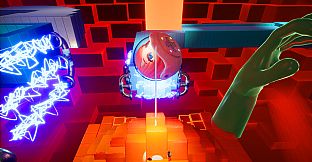
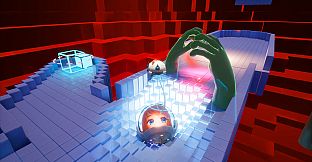
HEAD FIRST, ROLL OUT! is a physics-driven 3D action game for PC in which players guide a rolling head through obstacle-filled stages by shaping the floor rather than directing the head itself.
Gameplay
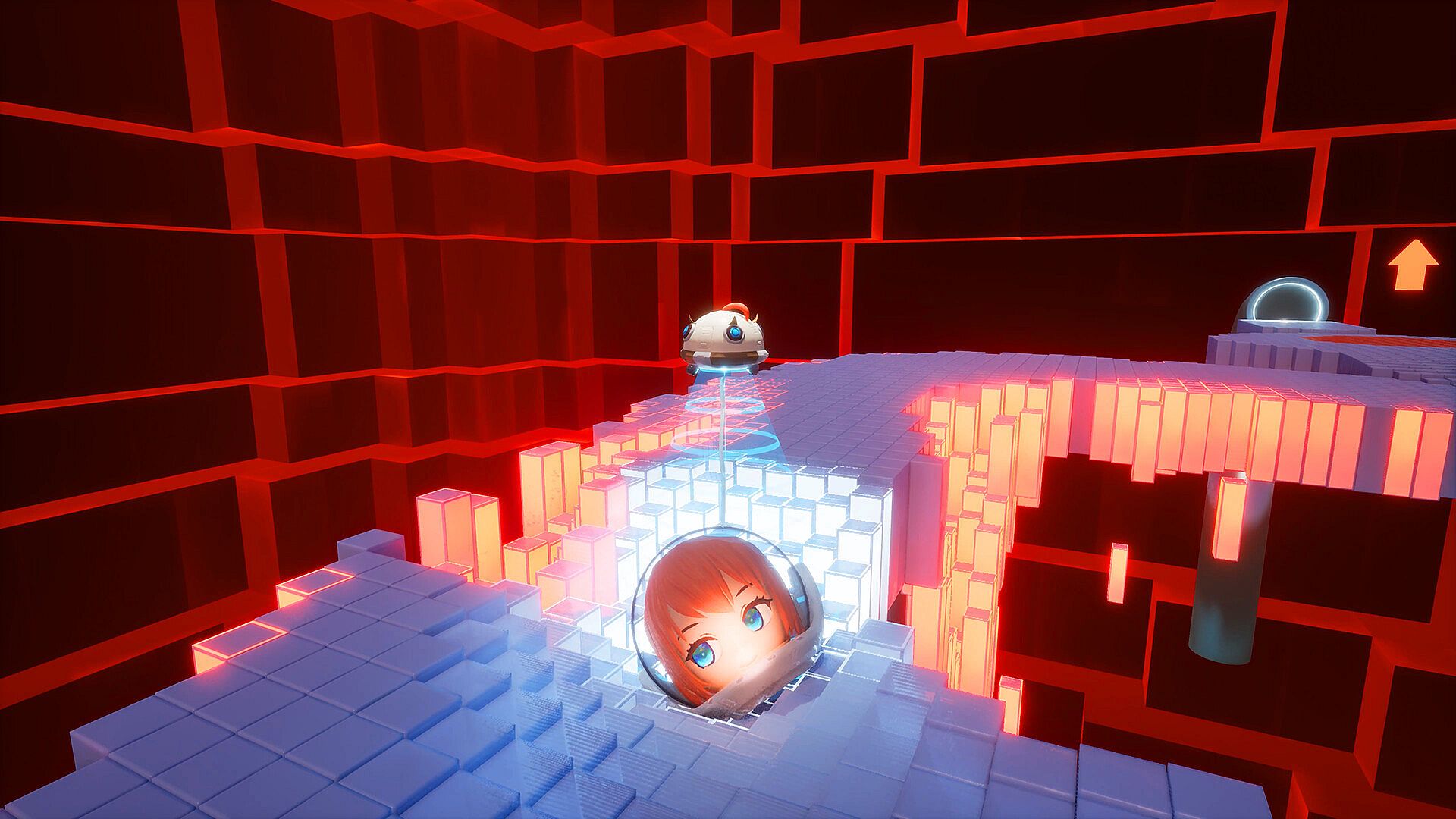
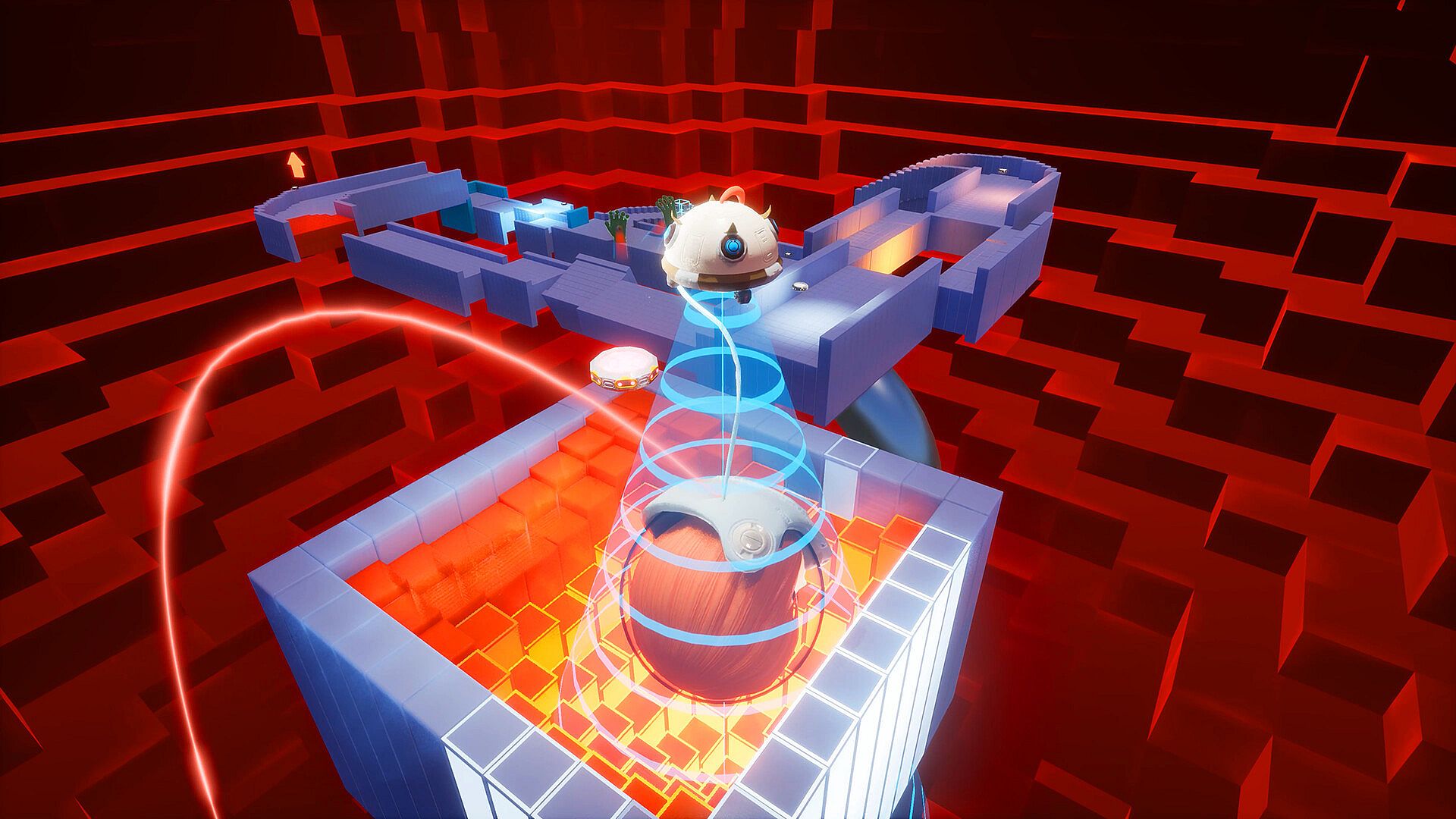
The core loop centers on denting the ground to form slopes that harness gravity and momentum. Steep angles accelerate the head forward, while shallower ones allow precise adjustments for navigating tight spaces or elevated sections. Timing plays a key role as players react to shifting terrain, gaps, and barriers that appear across each course.
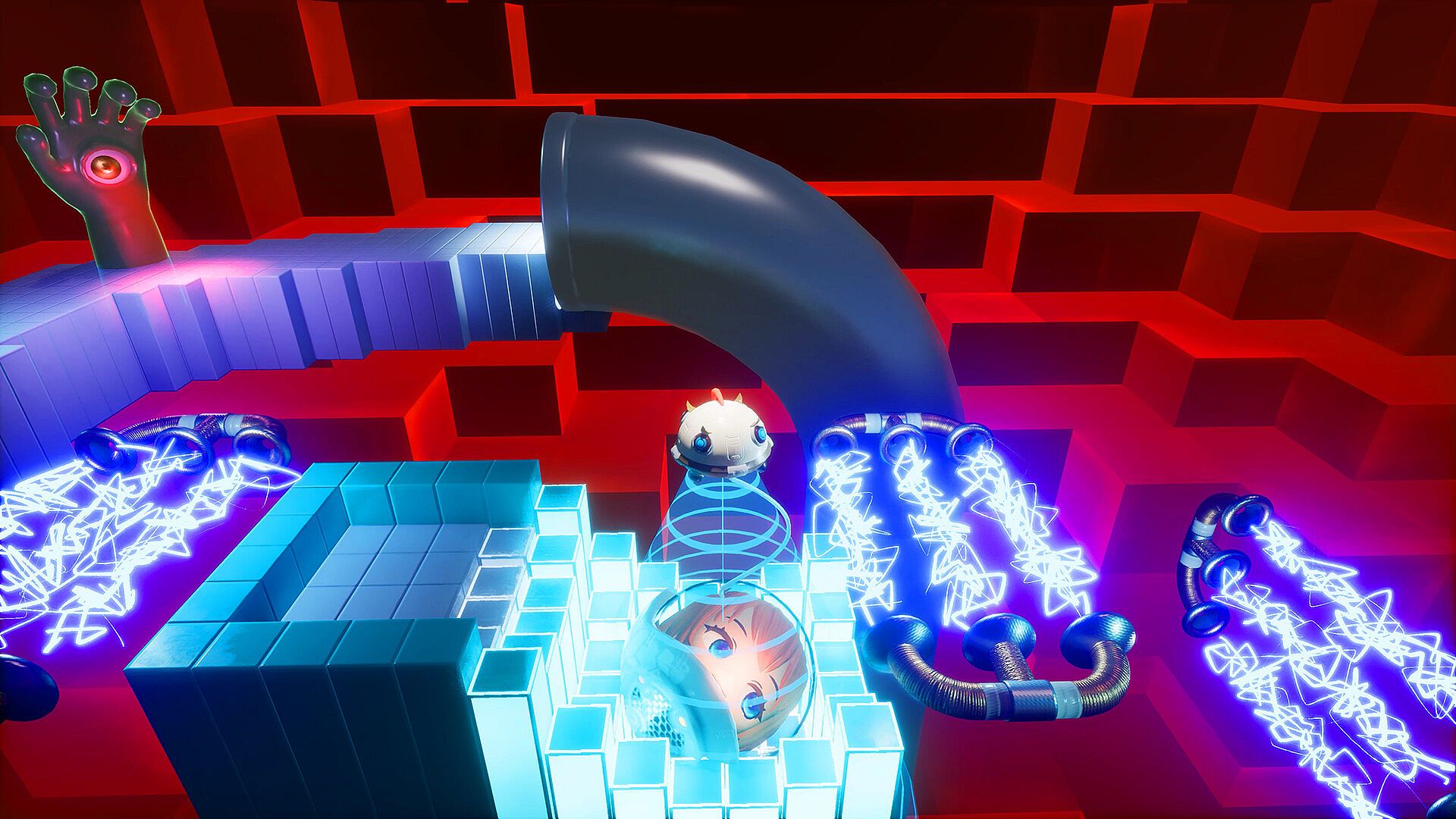
Stages feature a mix of hazards and interactive elements. Players launch the head off edges for distance, slip beneath low obstacles, and maintain speed to clear sections that demand quick decisions. Objects scattered throughout levels can be pushed or rolled into position to form bridges, trigger switches, or open new paths, turning some segments into spatial reasoning tasks alongside pure execution challenges.
Controls remain straightforward, focused on floor manipulation, yet the interplay of speed, gravity, and surface angles creates depth. Different routes emerge depending on whether a player prioritizes careful angle adjustments or aggressive momentum building, and recovery from imperfect rolls often leads to discovering alternate approaches.
Game Modes
The game operates entirely in single-player format with a series of distinct stages. Each stage presents its own combination of obstacles, mechanisms, and layout variations that test the same fundamental mechanics in fresh contexts. Some emphasize tight precision on narrow platforms, while others reward building and sustaining higher speeds through longer drops and open areas.
Progression moves from basic slope creation to more layered scenarios that incorporate moving objects and environmental interactions. No separate multiplayer or competitive formats appear in the available details, keeping the focus on individual mastery of the physics systems across sequential challenges.
Core Mechanics and Progression
Physics governs every element, from the head's trajectory to how carried or pushed items behave when released. Players experiment with slope timing and positioning to influence outcomes, sometimes solving small environmental puzzles to reach otherwise inaccessible goals. The absence of direct head control shifts attention entirely to terrain shaping and anticipating how momentum will carry the character forward.
Stages build complexity gradually, introducing new hazards and object types that force adaptation. Success depends on reading the environment quickly and adjusting slopes in real time rather than following preset paths. This creates a loop of trial, adjustment, and refinement that rewards repeated attempts on individual stages.
Is It Worth Playing?
The game suits players who enjoy momentum-based challenges and physics interaction over direct character control. Its single-player stage structure delivers focused sessions centered on learning and refining one core system across varied layouts. With no reviews available yet and the title still listed as coming soon, reception remains unknown, but the described mechanics point to an experience for those drawn to precise, gravity-driven navigation rather than combat or narrative elements.
Availability is limited to PC through standard digital storefronts once released. The straightforward controls paired with deepening physics demands make it accessible for short play sessions while offering room for deeper route optimization on tougher stages.