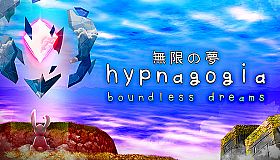


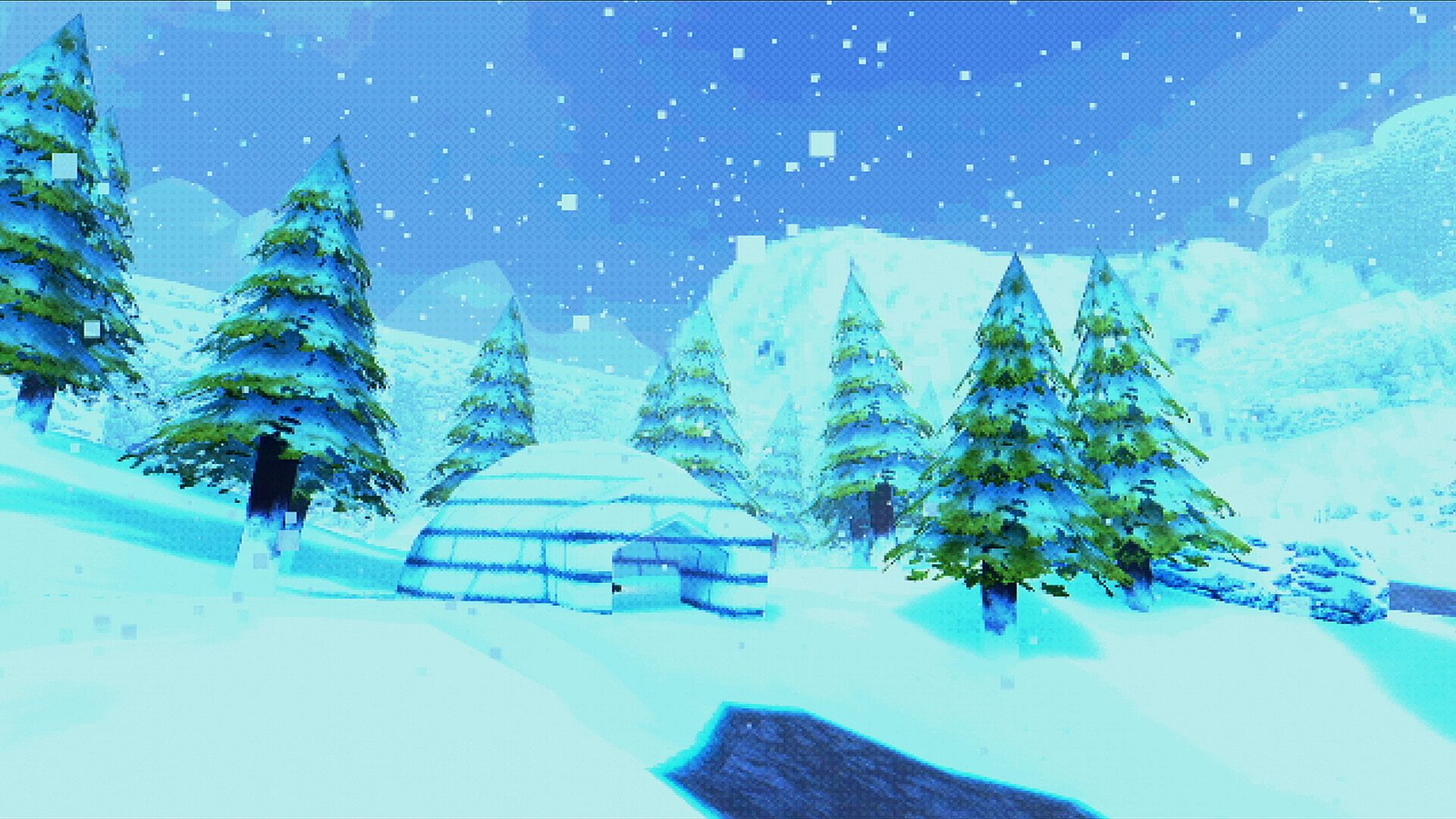
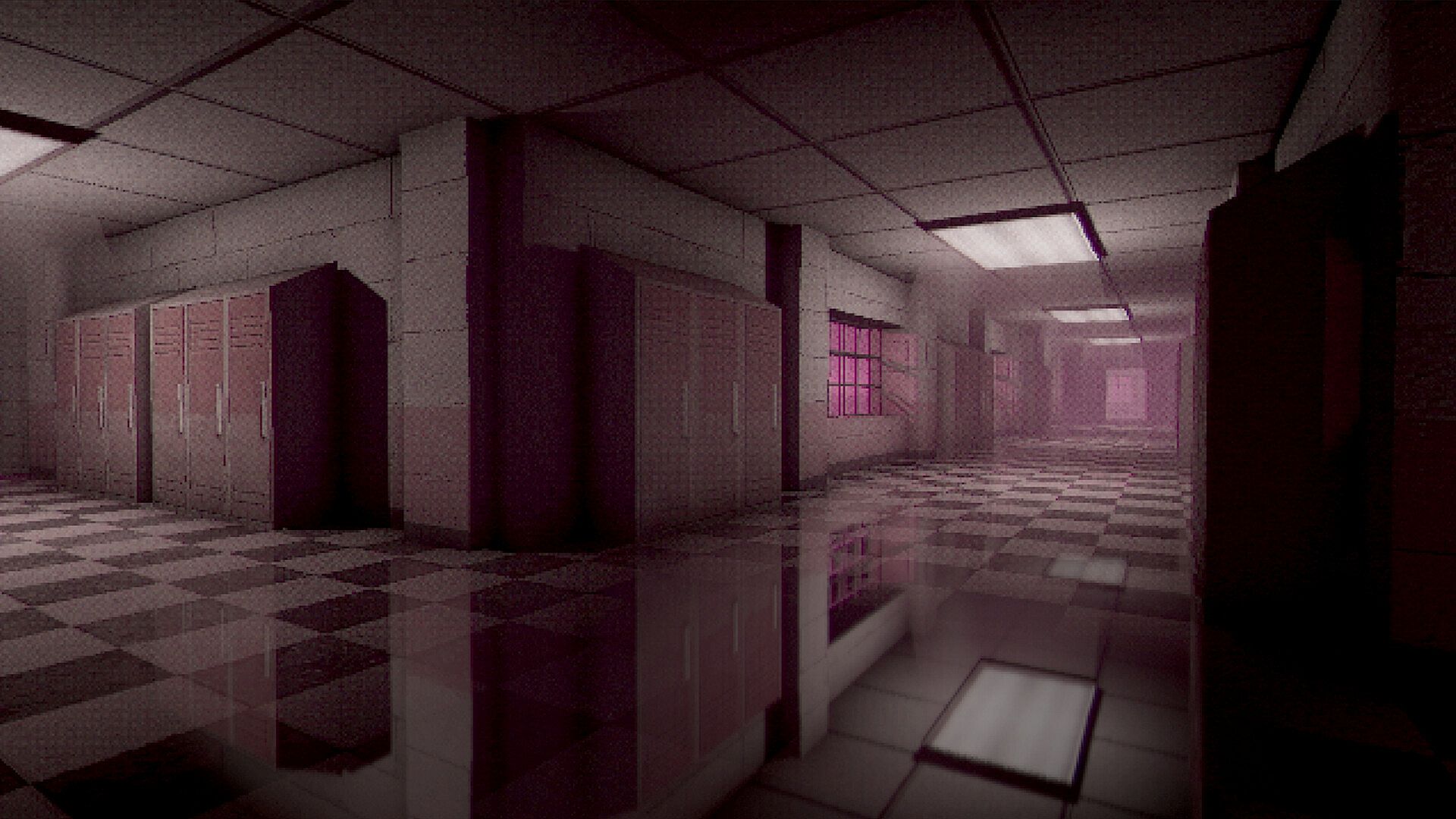

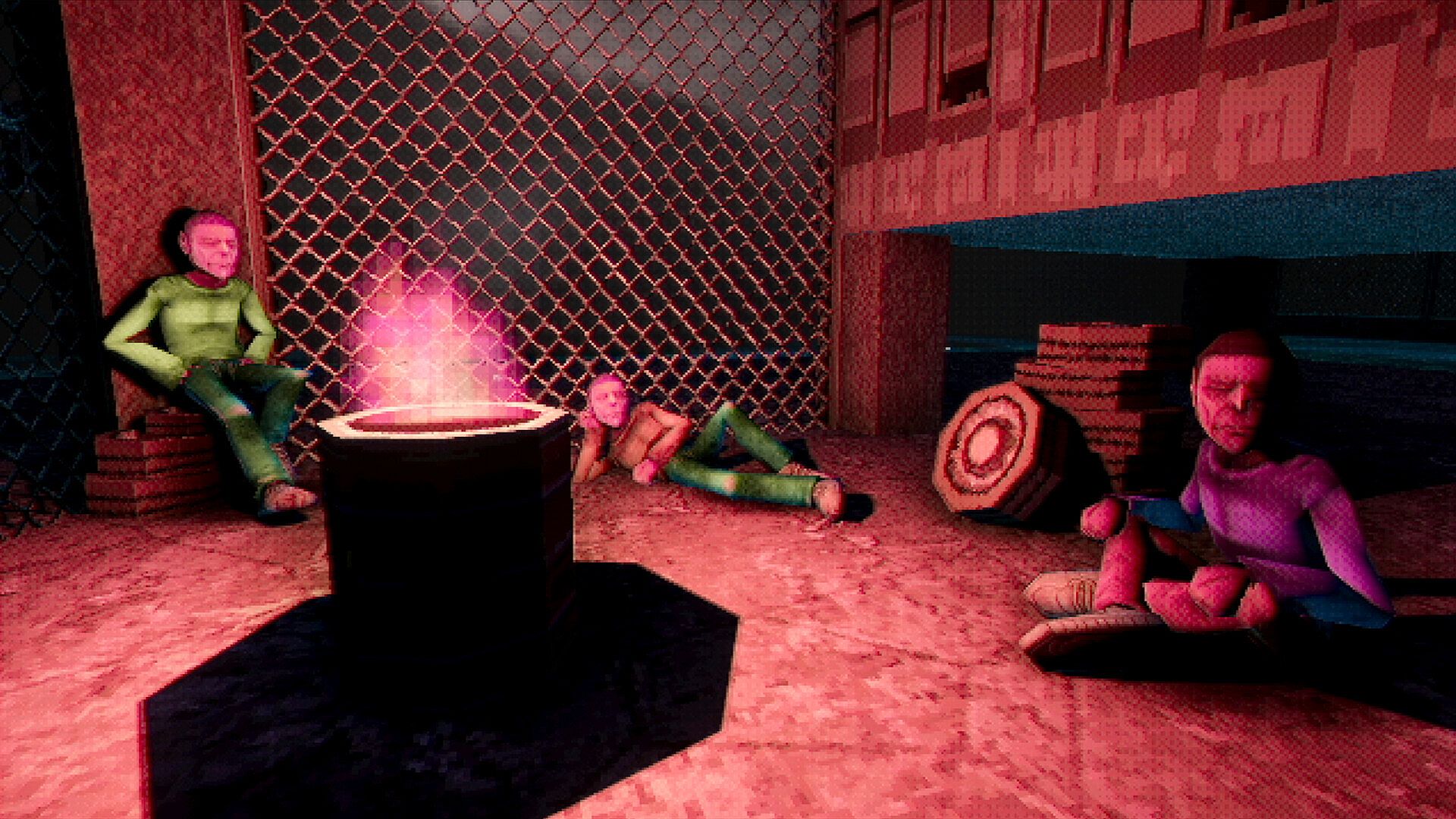
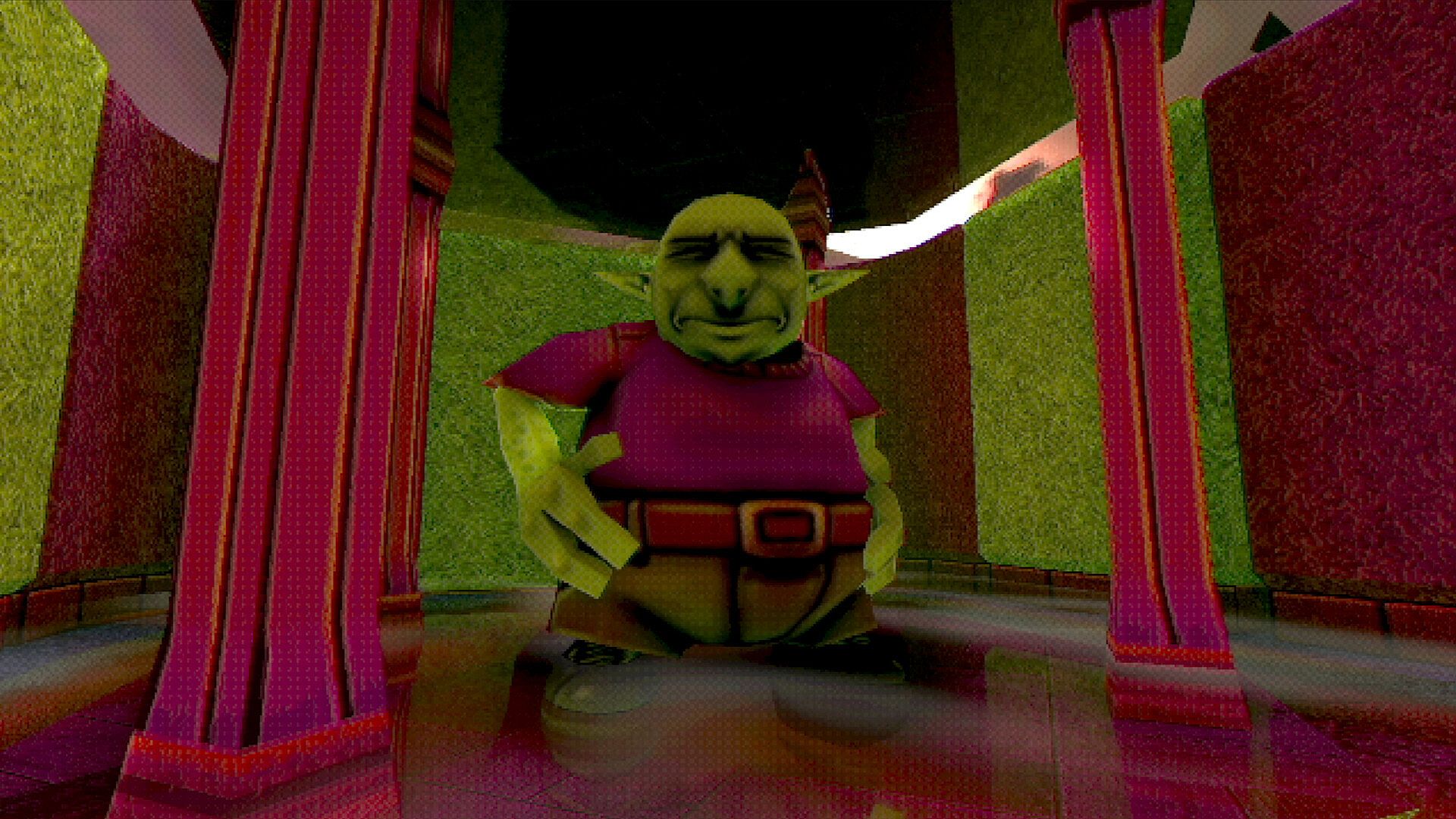
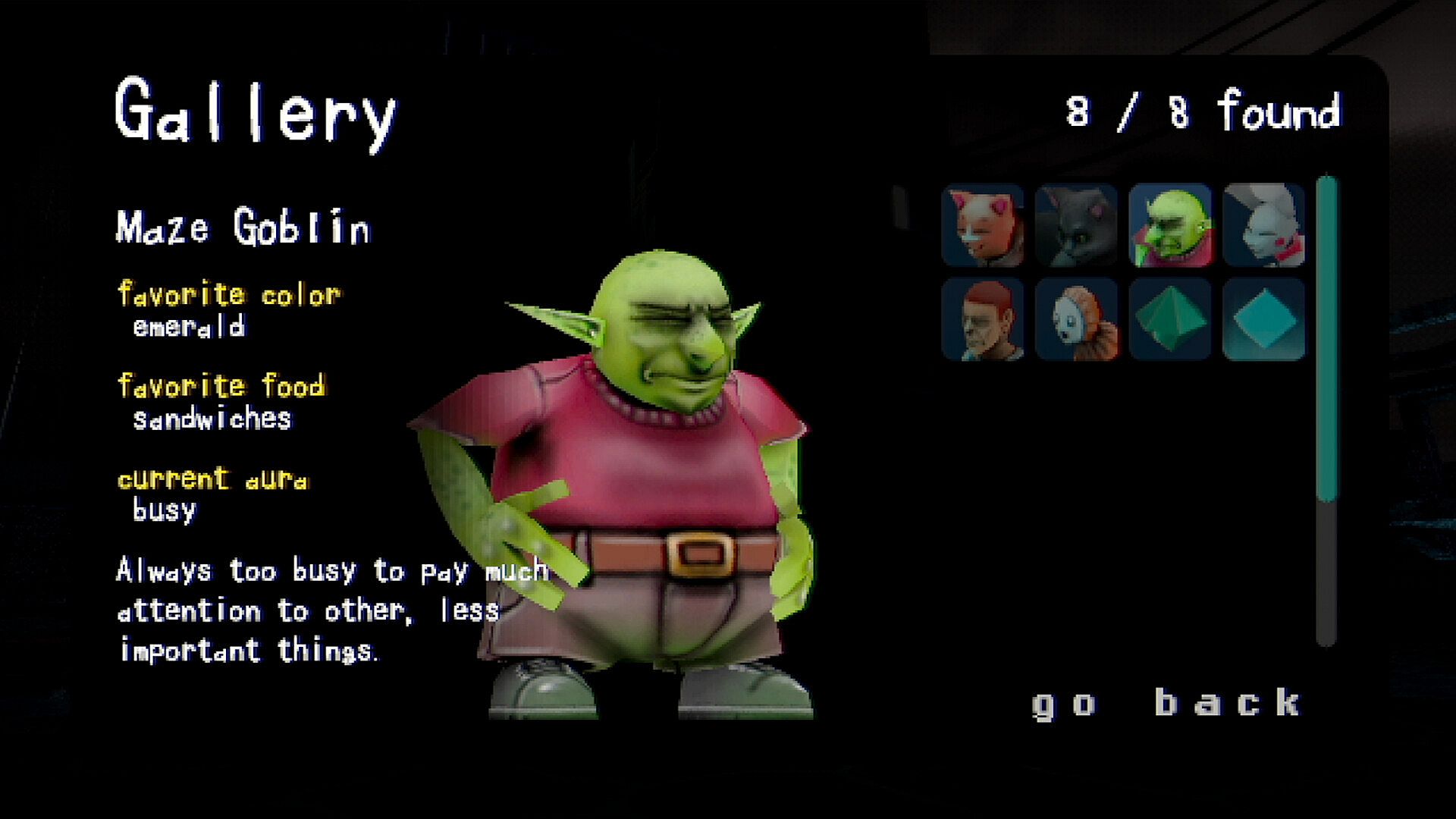
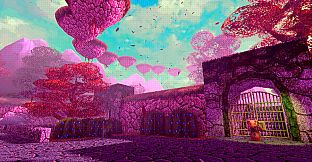
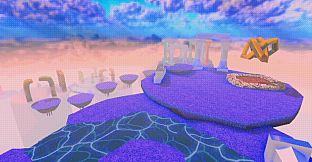
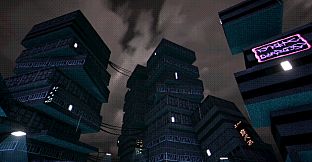

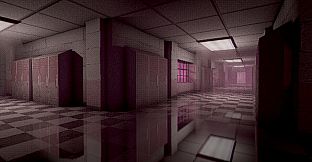

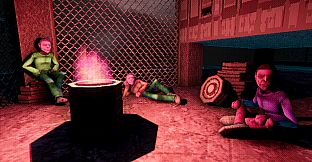
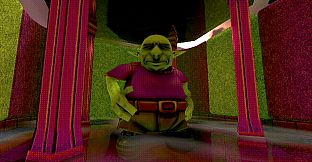
Hypnagogia¹ 催眠術 is an indie casual adventure game centered on first-person exploration through surreal dreamscapes on PC. Players move at a deliberate pace through hand-crafted environments drawn from real recorded dreams, interacting with characters and objects while collecting ethereal crystals to progress toward awakening.
Gameplay
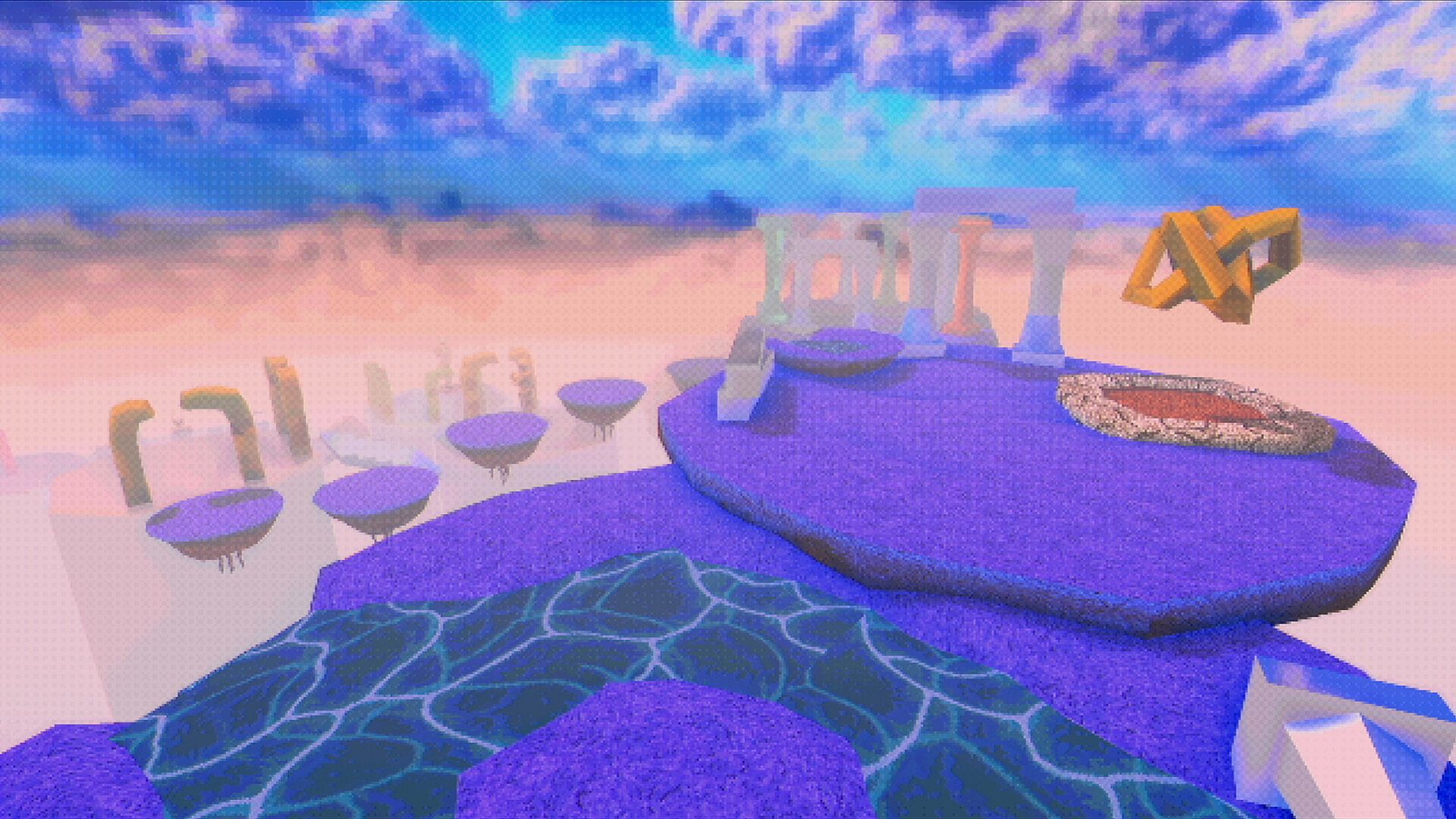
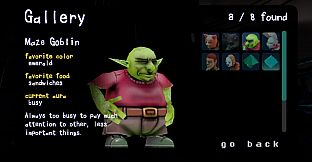
The core loop revolves around wandering surreal vignettes that shift in tone from bright and whimsical to unsettling and nightmarish. Movement emphasizes observation over speed, with players looking around, breathing in the atmosphere, and walking through layered dream spaces. Platforming sections require careful navigation of floating platforms or uneven terrain, while quests typically involve speaking with dream inhabitants, retrieving specific items, and returning them to unlock paths or crystals. A gallery system lets players catalog hundreds of unique objects, people, and creatures encountered across the worlds, each accompanied by distinct descriptions that add layers of detail to the experience.
Progression follows a hub structure where Gogi, the magical guardian, oversees transitions between realms. Each world draws directly from documented dreams, with origins noted in-game for added context. The expanded version includes larger explorable areas, additional dialogue options, improved visual effects, reworked character interactions, and support for saving and loading progress. Configurable settings allow adjustments for comfort during longer sessions in these atmospheric environments.
Game Modes
Hypnagogia¹ 催眠術 operates as a single-player experience with no multiplayer components or separate competitive modes. The primary structure guides players through a sequence of distinct dream worlds in a linear yet open-ended fashion within each vignette. Exploration serves as the central activity, blending light platforming challenges with conversational quests and object collection. There are no timed trials, score-based challenges, or alternate difficulty settings that alter the fundamental pace; instead, the game maintains a consistent focus on absorption and discovery across its spectrum of cheerful, neutral, and sinister settings.
World Exploration and Atmosphere
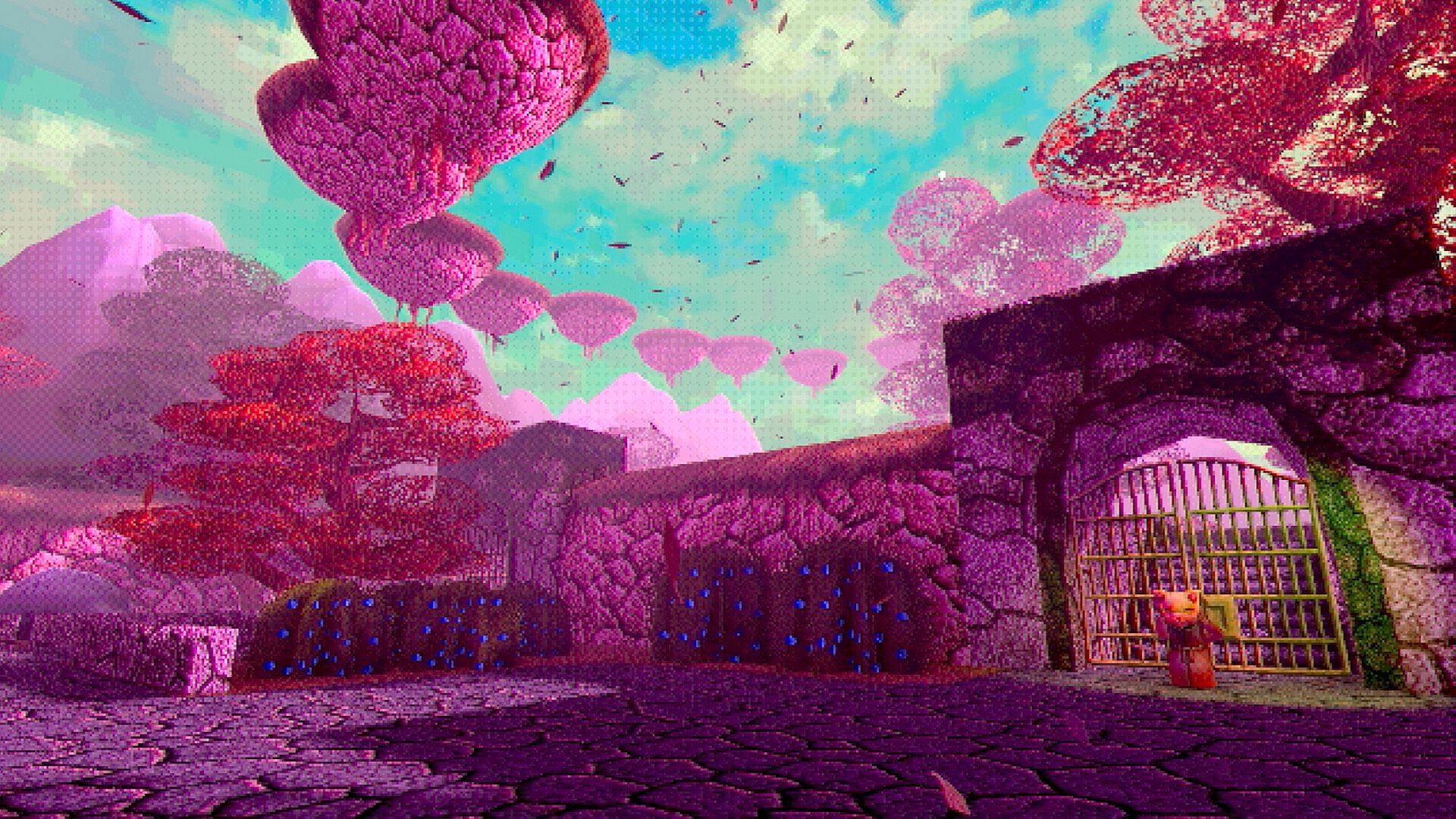
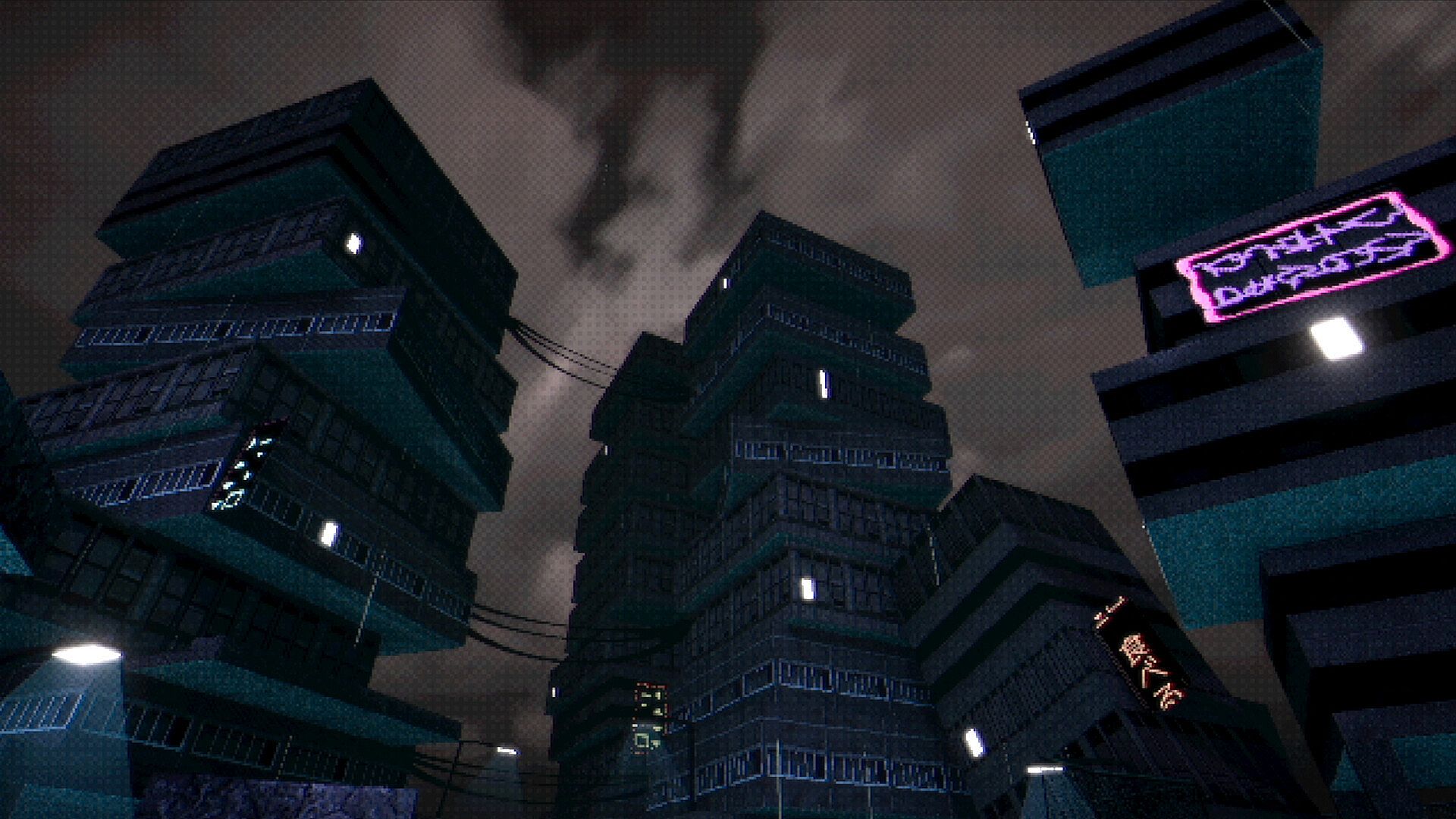
Each realm presents a self-contained scenario inspired by actual dreams, ranging from a relaxing garden temple populated by cats to an underwater quarry filled with deep-sea creatures or a bustling city inhabited by eccentric figures. Players catalog findings for the in-game gallery while uncovering subtle narratives through dialogue. The visual style draws from late-90s polygonal aesthetics, creating a nostalgic yet distinctive look that enhances the dreamlike quality. Influences from titles like LSD: Dream Emulator and Klonoa shape the surreal transitions, while darker elements echo tones found in Silent Hill or Final Fantasy 7 without direct replication.
The narrative frames the journey as a descent into personal dreams that gradually warp into something more threatening. Gogi assists in maintaining the sanctity of these spaces, but the player must navigate deepening layers to find an exit. This structure rewards patient observation, with many details emerging only through repeated visits or careful inspection of the surroundings.
Is It Worth Playing?
Reception for Hypnagogia¹ 催眠術 highlights its strength in evoking atmosphere and emotional resonance through short, focused sessions averaging around one hour for the main path. Players frequently note the unique appeal of its retro-inspired visuals, original music per world, and the way it captures the essence of shifting dream states from wonder to unease. The simple mechanics support this emphasis on presence rather than complex systems, making it suitable for those seeking a relaxed yet thought-provoking adventure.
Feedback points to the game's brevity as both an asset and a potential limitation, with some appreciating the lack of filler while others mention occasional repetition in quest structures. Positive comments center on the gallery feature, character interactions, and the progression from lighthearted to sinister tones. It appeals most to fans of exploration-driven indie adventures who value mood and thematic consistency over high-stakes action or lengthy campaigns. The expanded features from the original game jam version improve accessibility without changing the intimate scale of the experience.