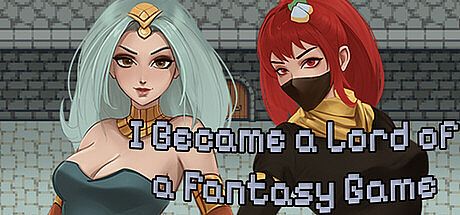












I Became a Lord of a Fantasy Game is a strategy RPG set on PC that places players in the role of a transmigrated villain tasked with saving a doomed city from orc invasion. The core loop combines city management with tactical combat and character relationships, drawing on the protagonist's prior knowledge of the game's world to alter its predetermined outcome.
Gameplay
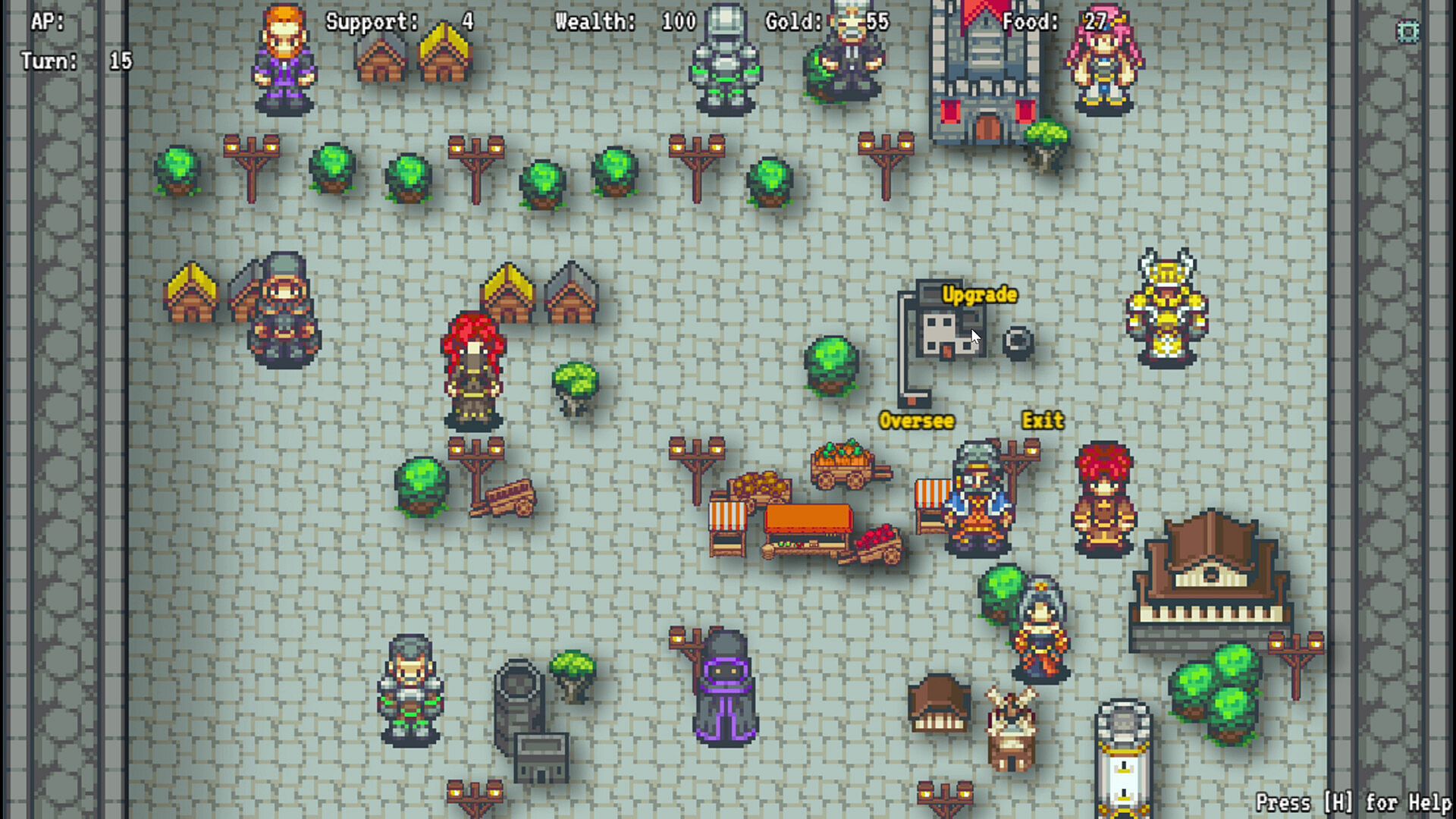
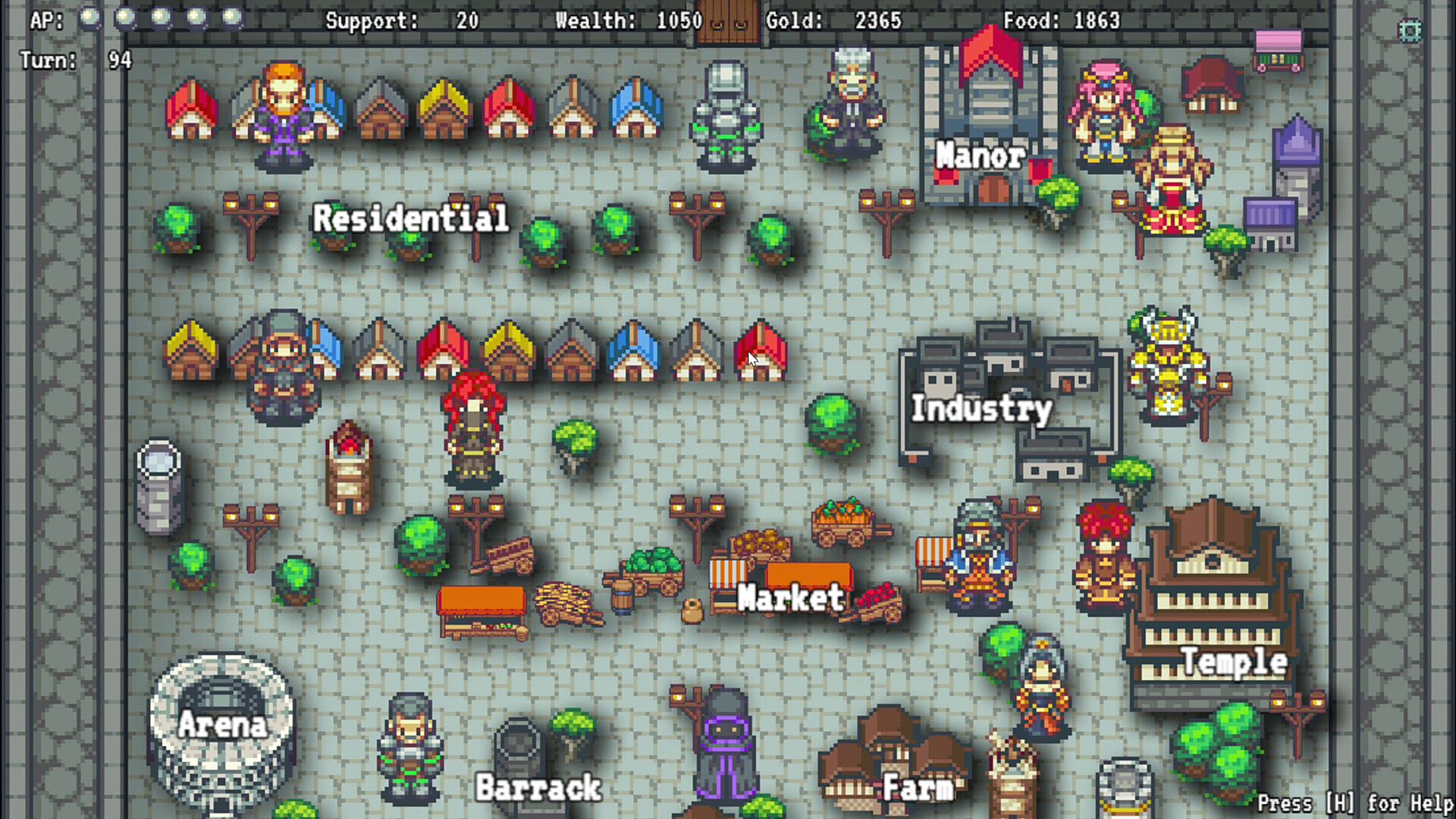
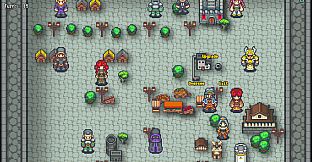
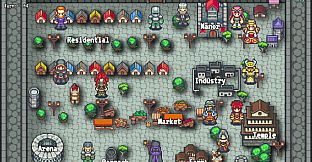
Players begin by taking control of a mismanaged and corrupt city on the brink of capture. Resource allocation and facility upgrades form the foundation of progress, as improvements to production buildings increase income and unlock access to better equipment and skills. These upgrades directly influence combat effectiveness by expanding options for troop preparation and personal abilities.
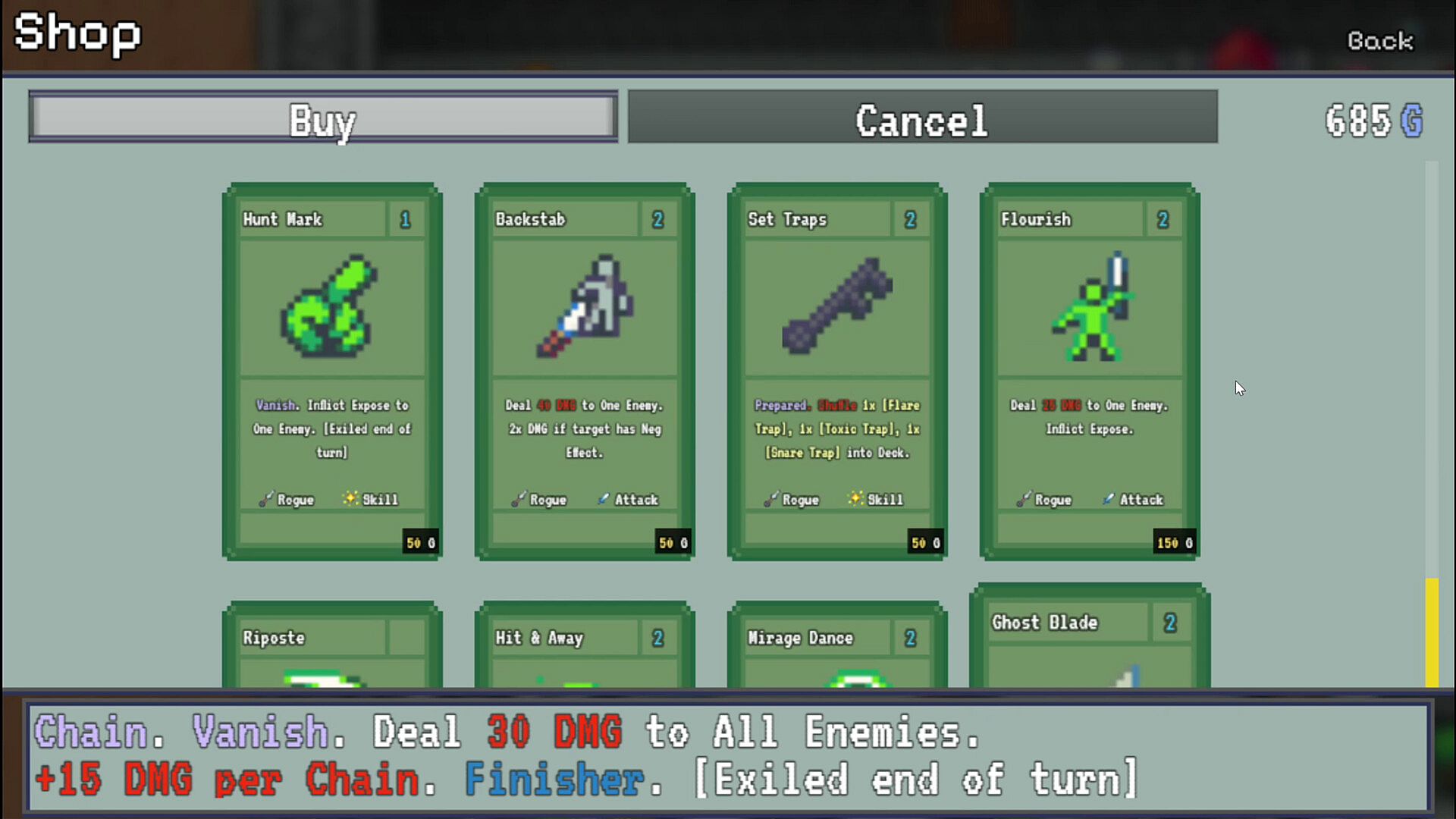
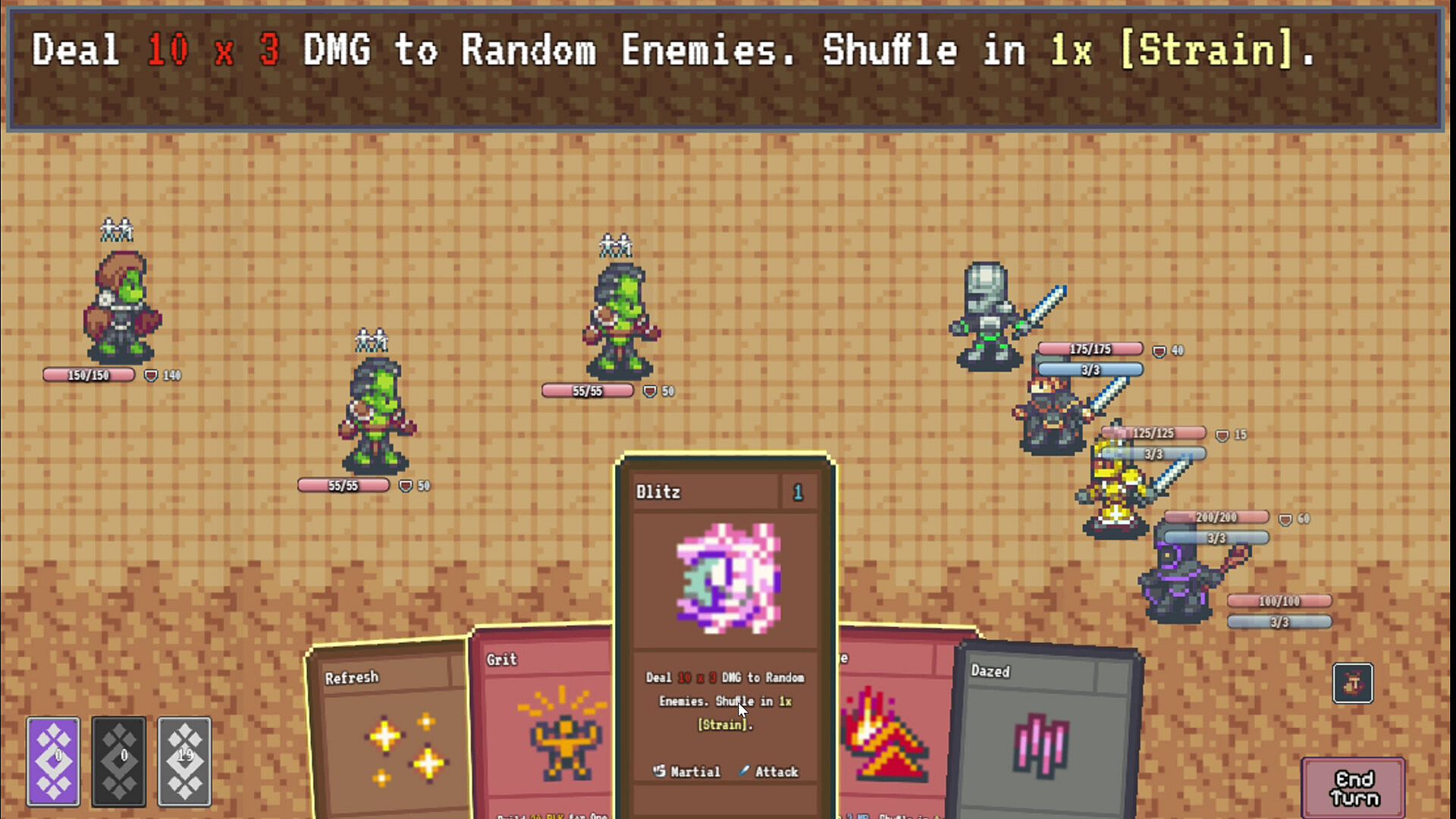
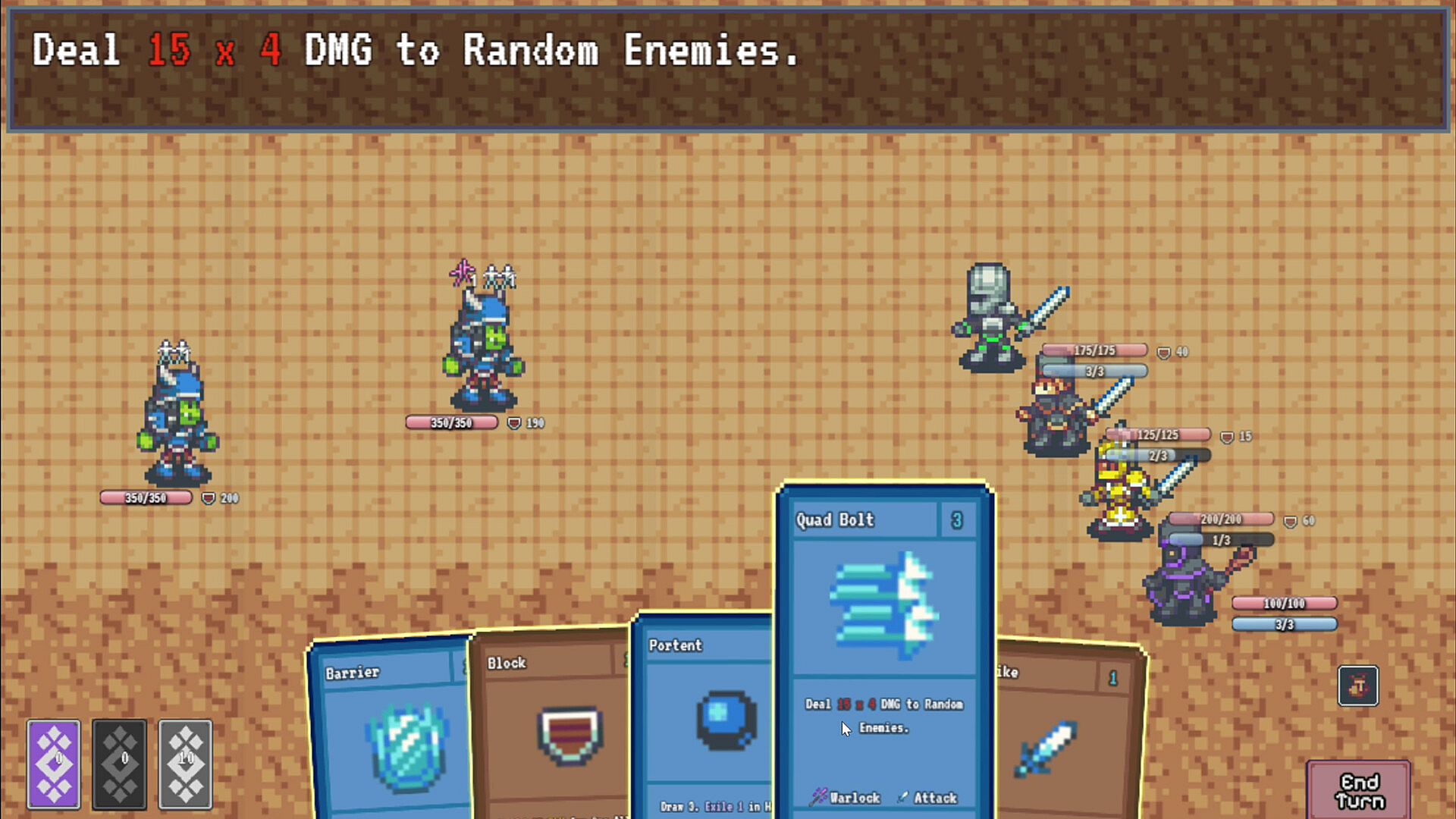
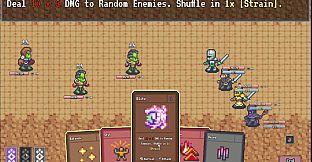
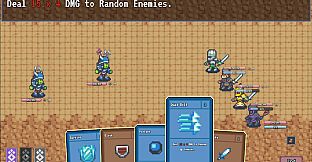
Defense against periodic orc attacks relies on turn-based card battles featuring a party of four. Each turn draws cards from a customizable deck rather than relying on fixed skills, requiring careful planning around available options. Equipment purchases and new card acquisitions allow deck evolution, emphasizing strategic choices in positioning, timing, and resource use during fights. The system blends standard JRPG combat structures with the variability of card draws to reward thoughtful adaptation over rote repetition.
City protection efforts also advance romantic storylines with several key characters. Interactions with a skeptical knightess, a betrayed sorceress fiancee, a hired assassin, and an ambitious princess develop based on management decisions and battle performance, adding layers of narrative consequence to resource and combat choices.
Game Modes
The experience centers on integrated single-player systems rather than separate modes. City management occupies the primary focus, where players balance upgrades, production, and defense preparations in an ongoing loop. Combat occurs as needed during orc assaults, shifting into the card-based battle system for resolution. Romance progression ties into both management success and combat outcomes, creating interconnected progression paths without distinct standalone modes.
Deck building and equipment management serve as persistent systems across sessions, allowing incremental refinement of combat capabilities alongside city development. This structure supports extended play through repeated cycles of investment, defense, and relationship advancement.
Story and Setting
The narrative follows an isekai premise where the player awakens as a minor villain in a fantasy world previously experienced as a video game. Knowledge of upcoming events guides decisions to avert the city's fall to orcs while navigating internal corruption. The setting features monsters, magic, and political intrigue that influence both management challenges and battle encounters.
Character interactions expand the scope beyond pure strategy, as romantic elements reward effective leadership with deeper story branches. These relationships evolve through gameplay actions, providing motivation and additional stakes for city upgrades and defensive successes.
Is It Worth Playing?
This title suits players who enjoy strategy RPGs that merge city-building elements with turn-based tactical combat and light narrative choices. The card-draw mechanic in battles introduces variability that rewards deck experimentation and adaptation, while city upgrades create tangible links between management and combat power. Romance threads add personal investment without overshadowing the core loops.
Those seeking straightforward single-player experiences with clear progression through upgrades and deck refinement will find consistent engagement. The game avoids multiplayer components, focusing instead on solo management of threats and relationships in a contained fantasy scenario. Availability on PC makes it accessible for extended sessions centered on optimization and defense planning.