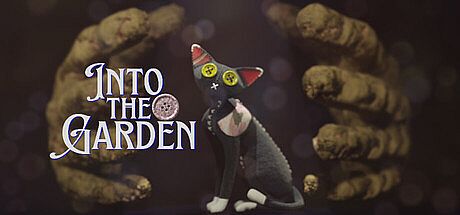


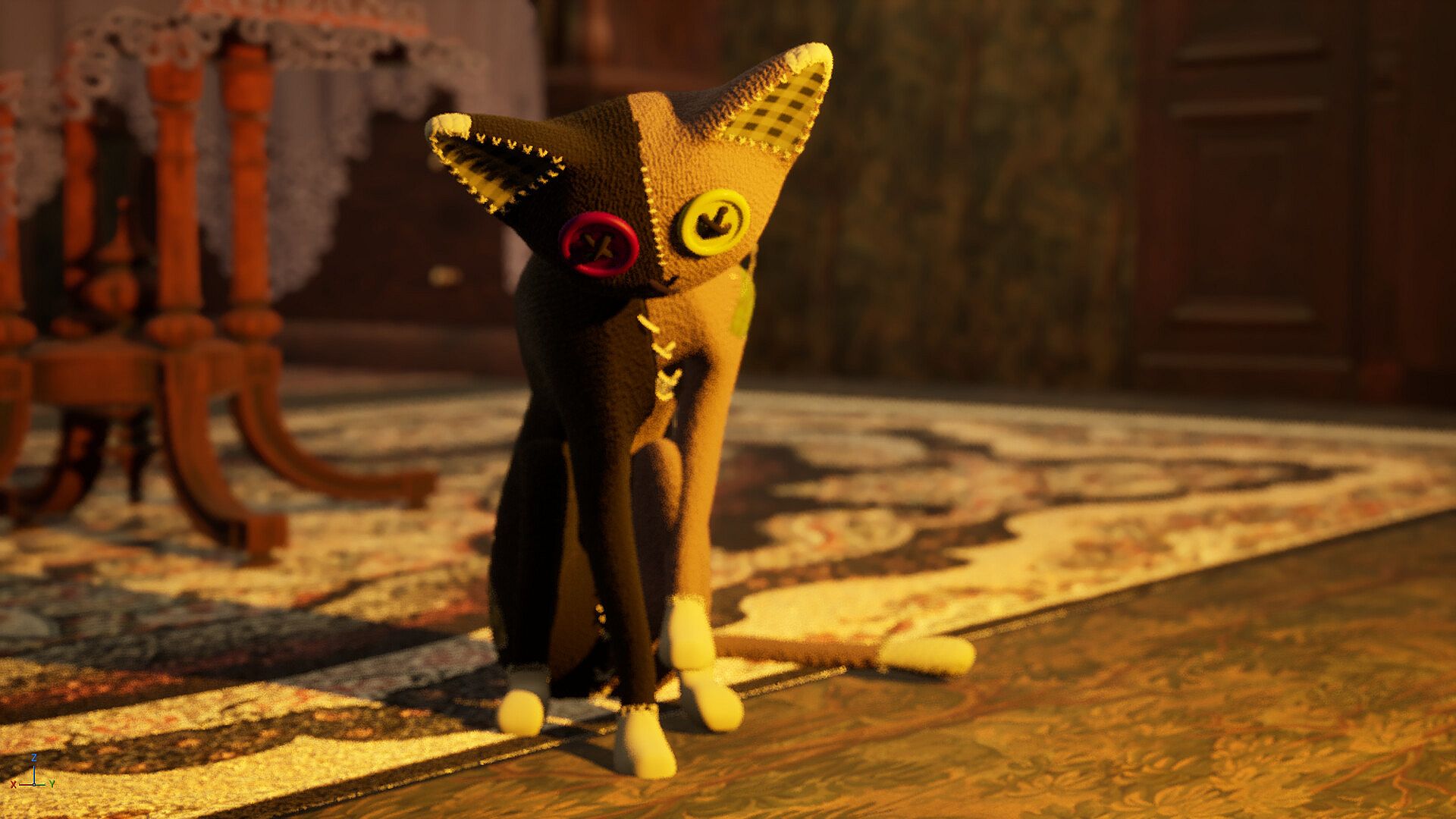
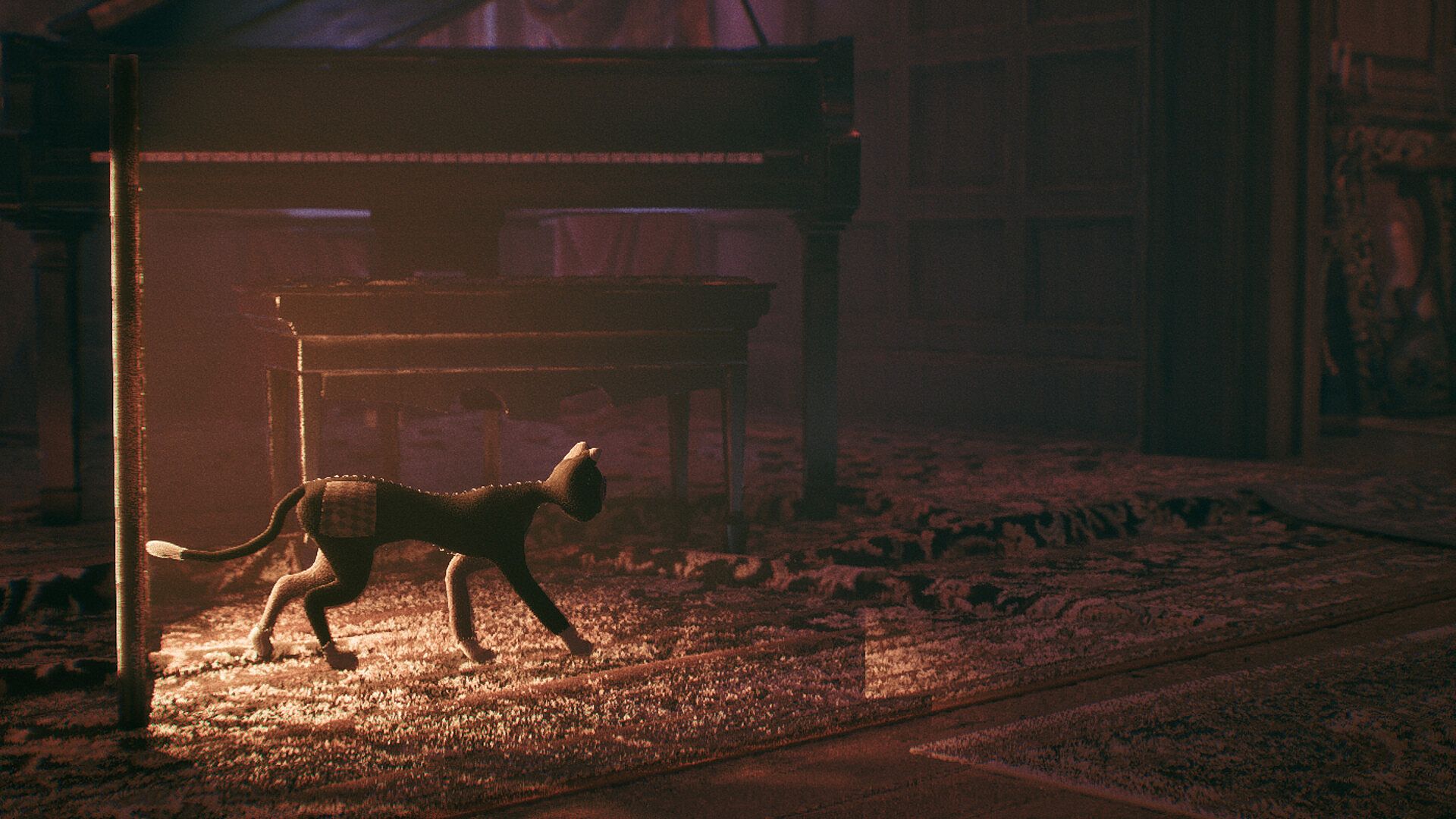
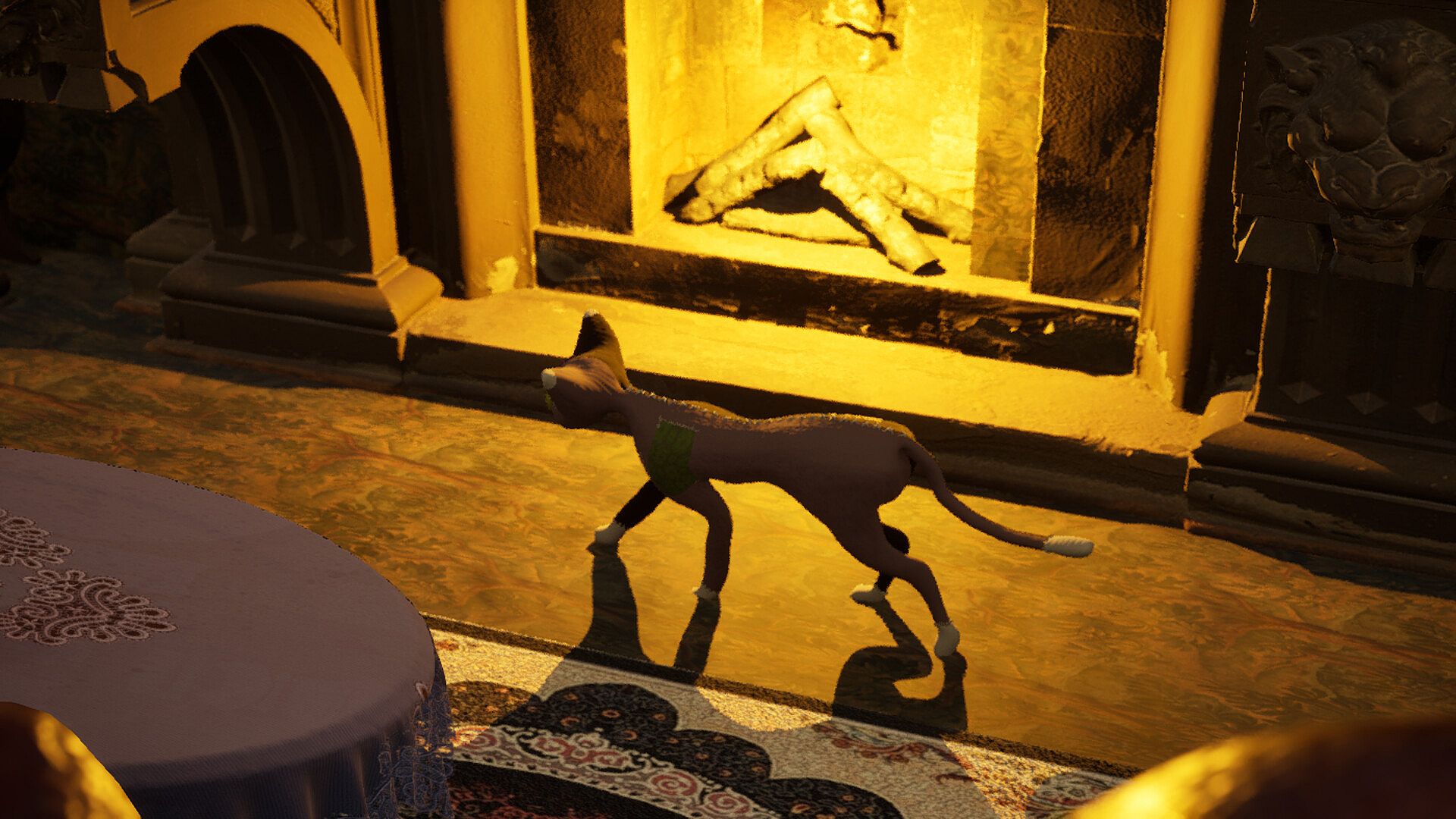
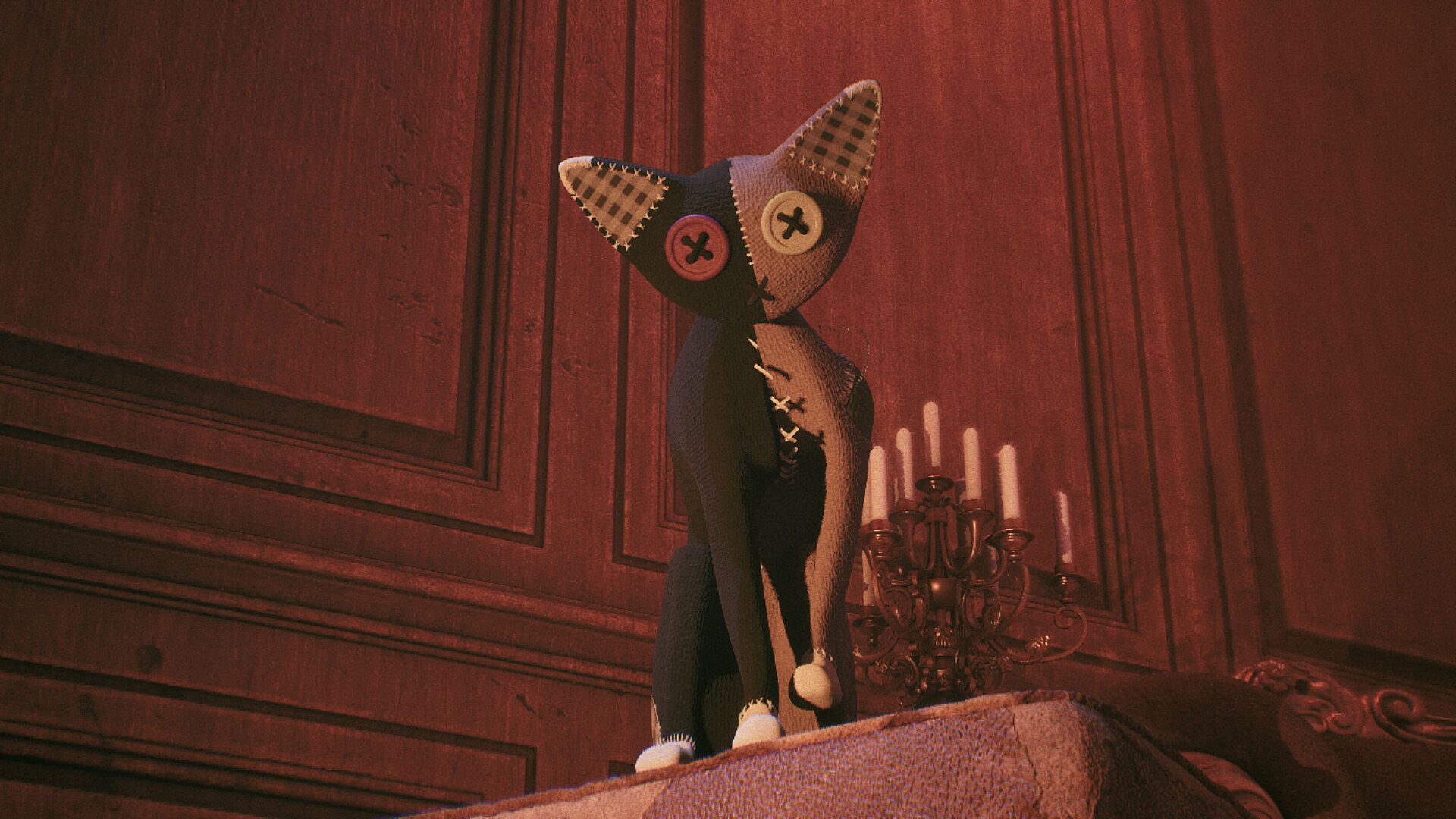
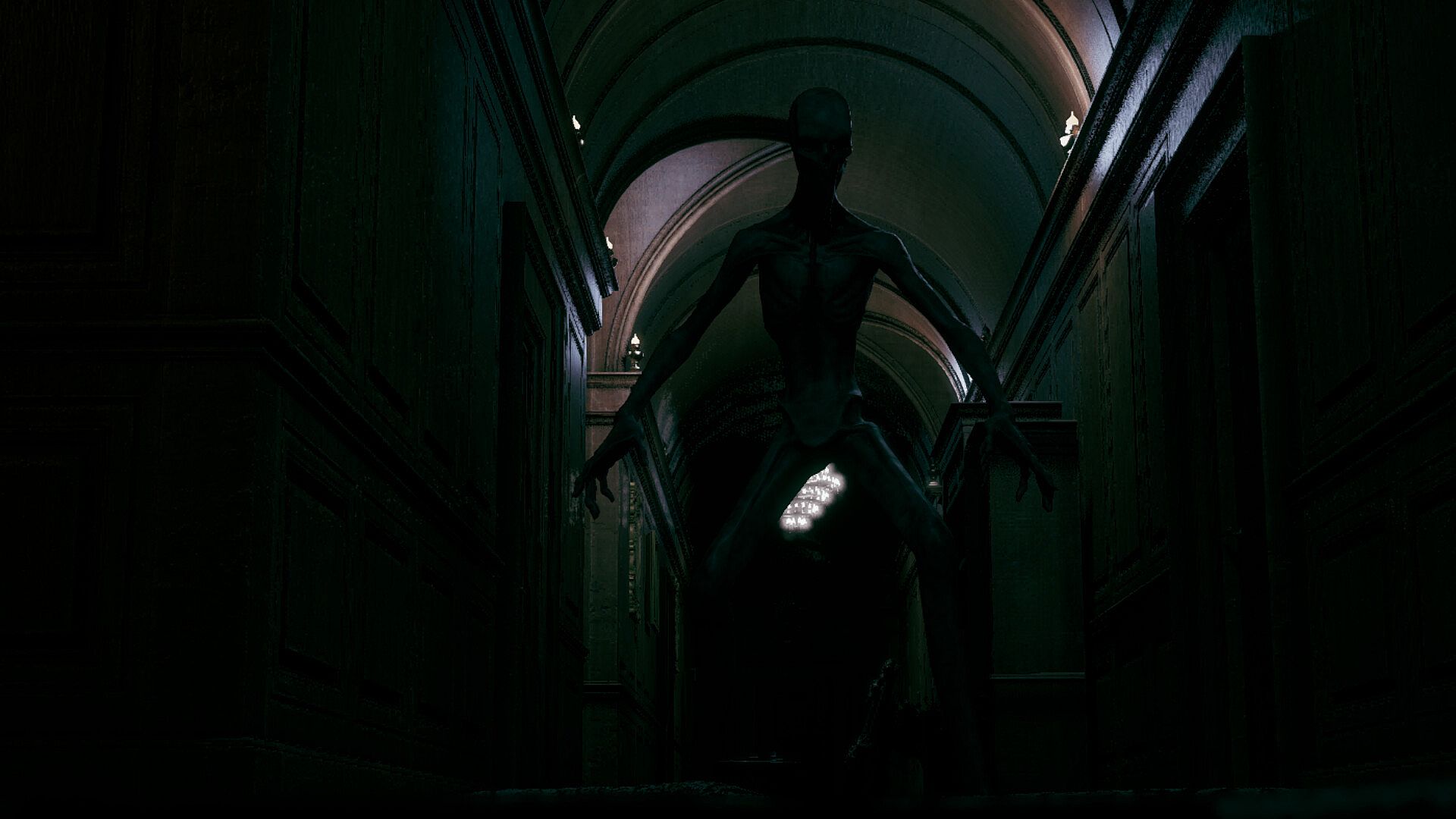
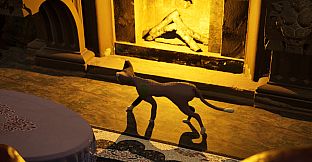
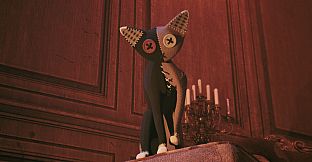
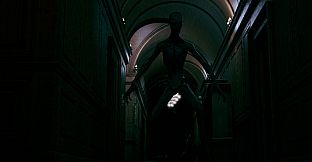
Into The Garden is a single player action adventure indie game that places players in control of a button eyed cat doll navigating a decaying manor suspended in supernatural limbo. Time behaves unpredictably, with rain falling upward and clocks running backward, while a blind marionette known as the Toymaker stalks the halls. The experience blends puzzle solving, stealth, and body swapping mechanics across a compact, atmospheric world built around perspective bending and possession.
Gameplay
The core loop centers on exploration and survival within the eerie manor. Players move through interconnected rooms while avoiding detection by the Toymaker, whose sewn shut eyes leave him reliant on acute hearing. Any loud noise or clumsy movement risks drawing his attention and ending the attempt. Standing mirrors serve as real time portals that reveal adjacent spaces, allowing players to step through the glass and alter their viewpoint to reach otherwise inaccessible areas or rearrange the environment for puzzle solutions.
Framed paintings function as gateways to pocket worlds that capture distorted fragments of memory. These contained spaces introduce altered physics and visual tricks that demand careful observation and creative use of the environment. The standout system involves transferring the player soul between abandoned toys scattered throughout the manor. Starting as the agile cat doll, players can inhabit heavier forms such as a bear to break through weakened floors or shift heavy objects, then abandon the shell when its utility ends. Empty toys lose their button eyed glow once vacated, reinforcing the temporary nature of each possession.
Game Modes
The game operates entirely in single player. Progression follows a linear path through the manor that incorporates the mirror portals, painted worlds, stealth sequences, and soul transfers as integrated tools rather than separate modes. No additional multiplayer or alternate play styles have been detailed beyond this focused single player structure.
Atmosphere and Setting
The manor itself acts as a living antagonist, constantly shifting to trap the player. Visual cues such as reversed time elements and the lifeless gray eyes of discarded toys build a consistent sense of unease. Sound design plays a critical role, with footsteps and object interactions serving as both puzzle elements and threats. The combination of these systems creates a deliberate pace where observation and timing outweigh speed or combat.
Is It Worth Playing?
Players who enjoy deliberate puzzle adventure games with stealth and transformation mechanics will find the described systems align closely with that preference. The single player focus and emphasis on perspective shifts and possession offer a distinct approach to exploration without reliance on combat or resource management. Since the title remains unreleased with a to be announced date and no reviews available, any assessment rests on how well the core mechanics appeal to individual tastes in atmospheric indie adventures. Those drawn to quiet tension and inventive traversal should monitor future updates for release confirmation.