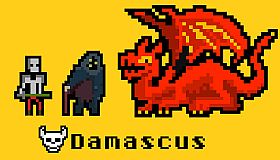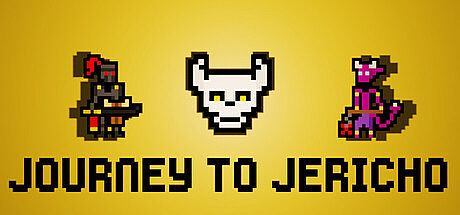


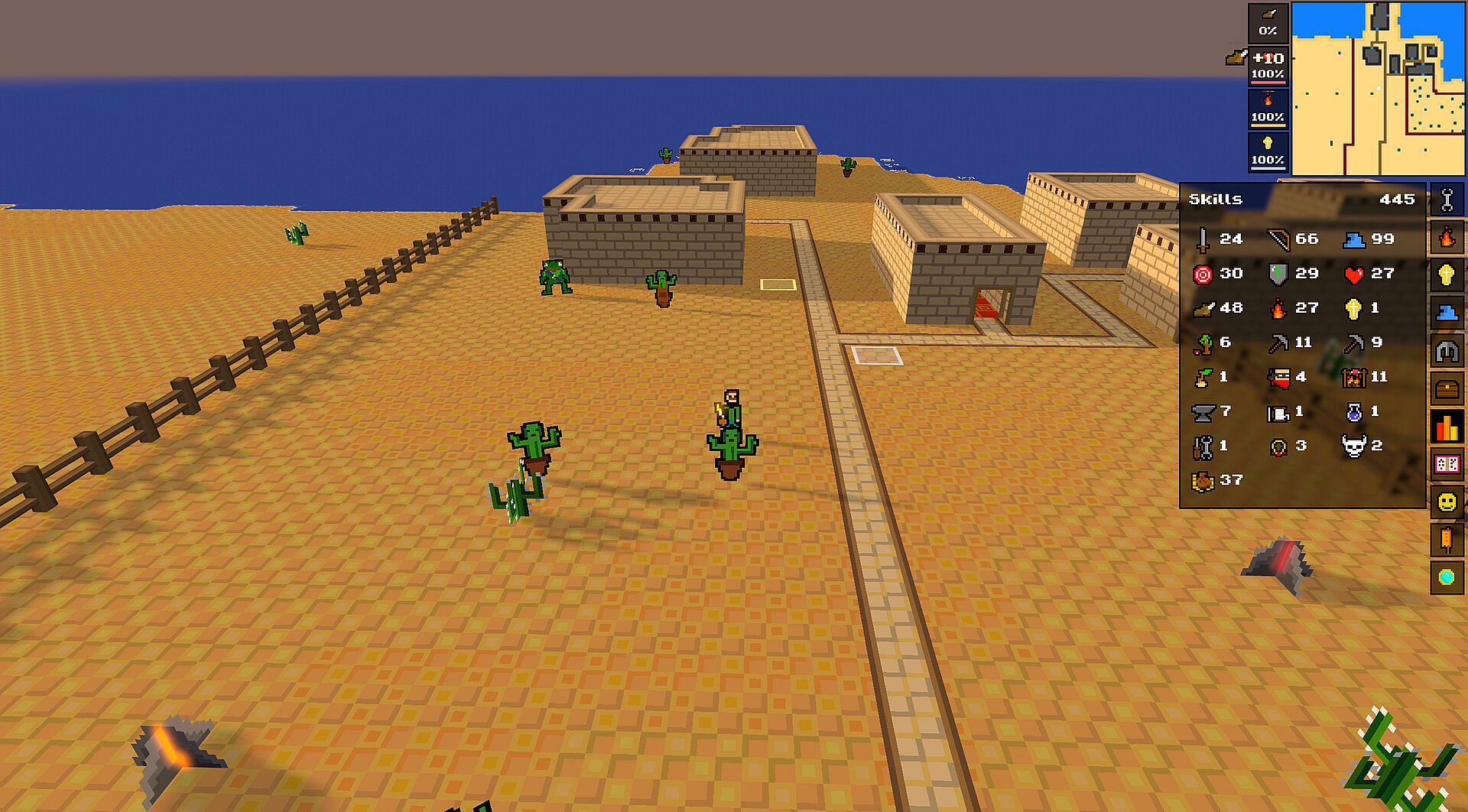
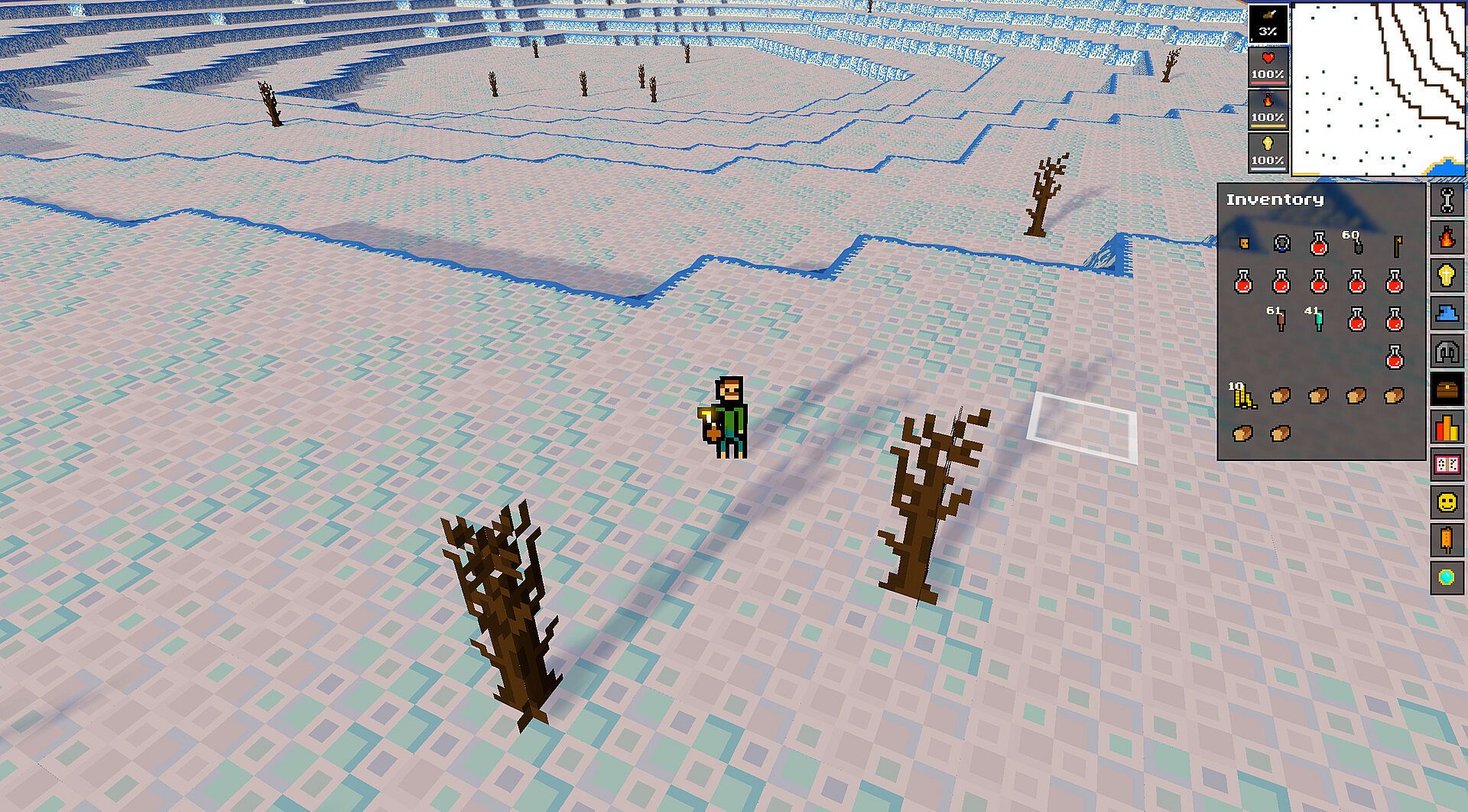
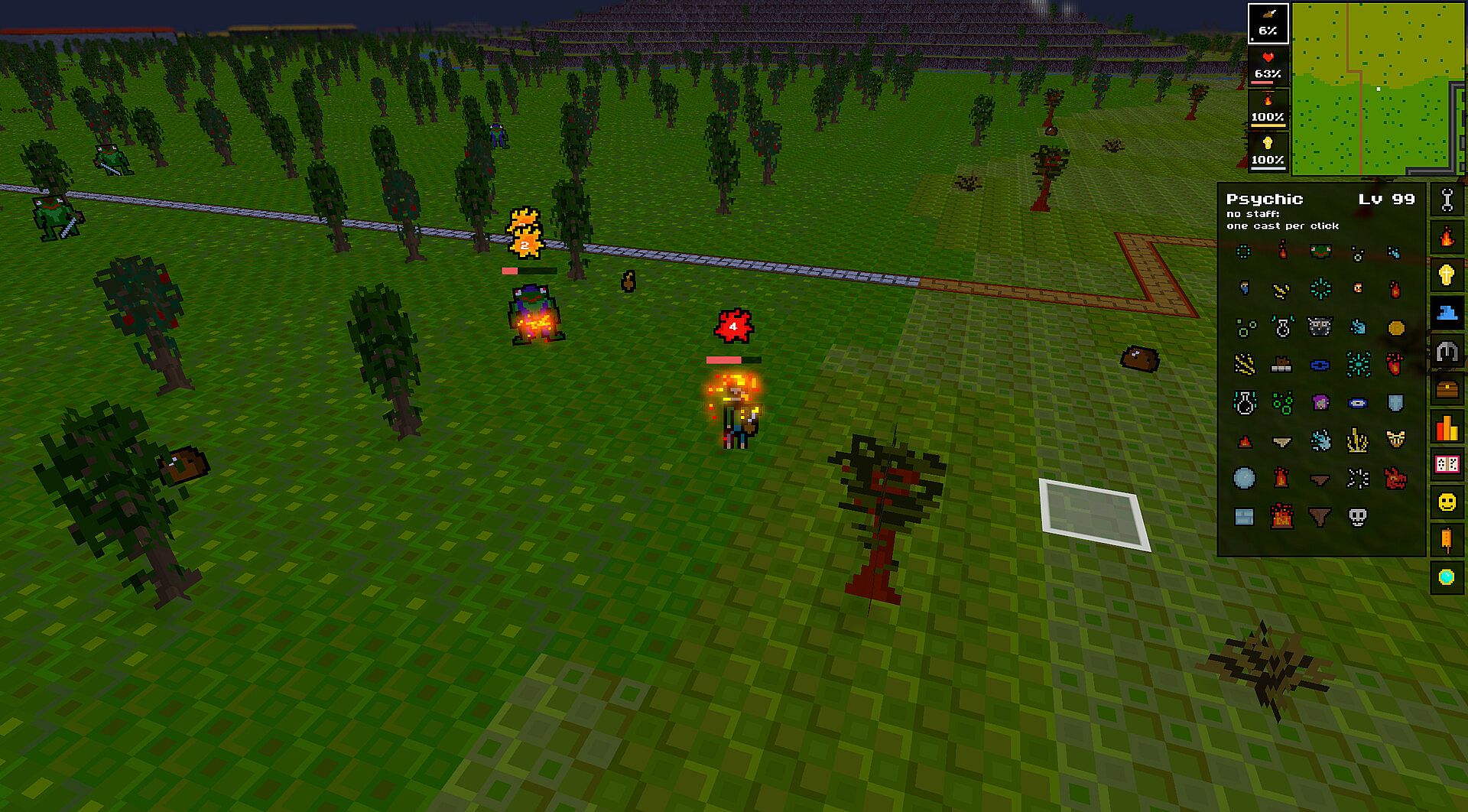
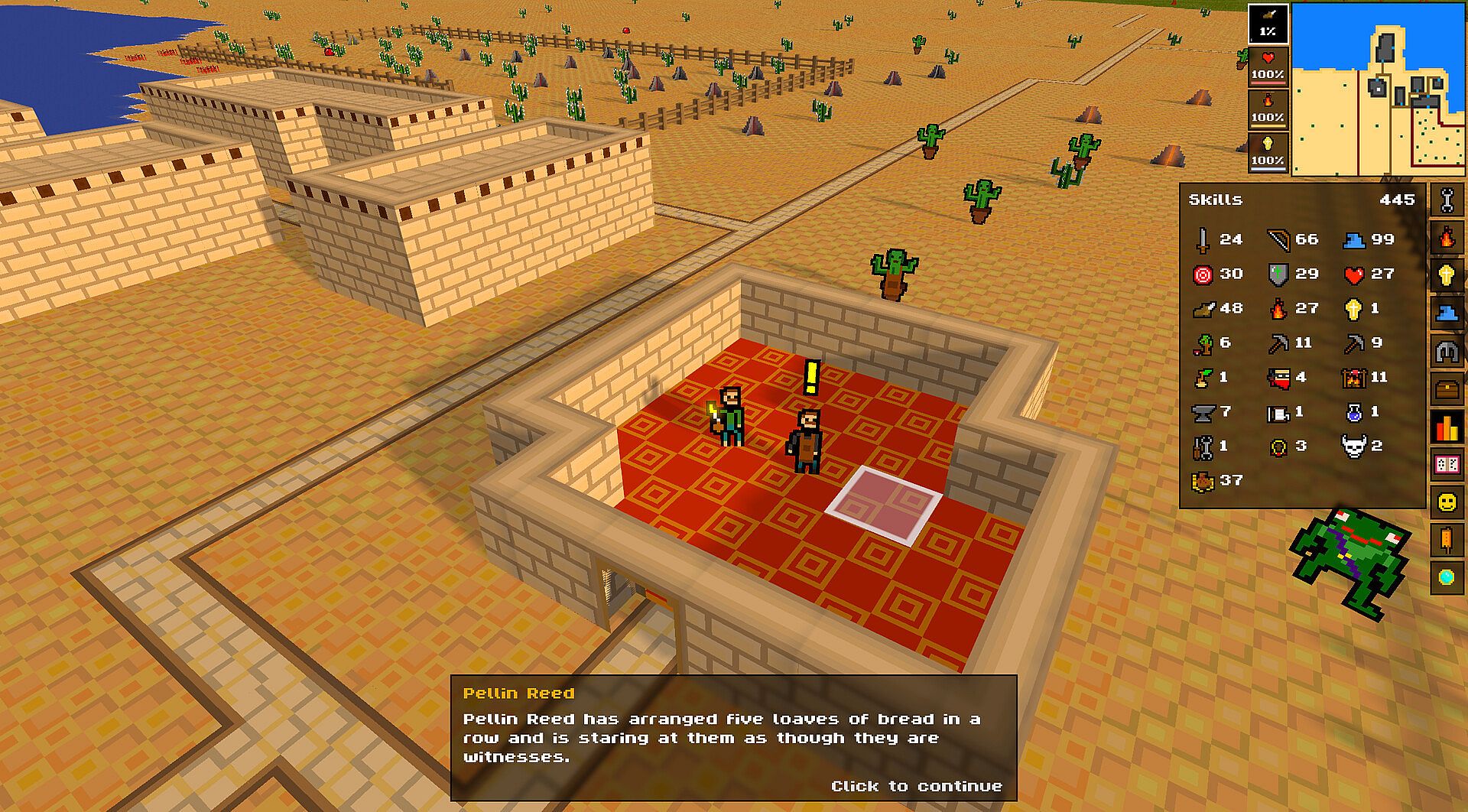
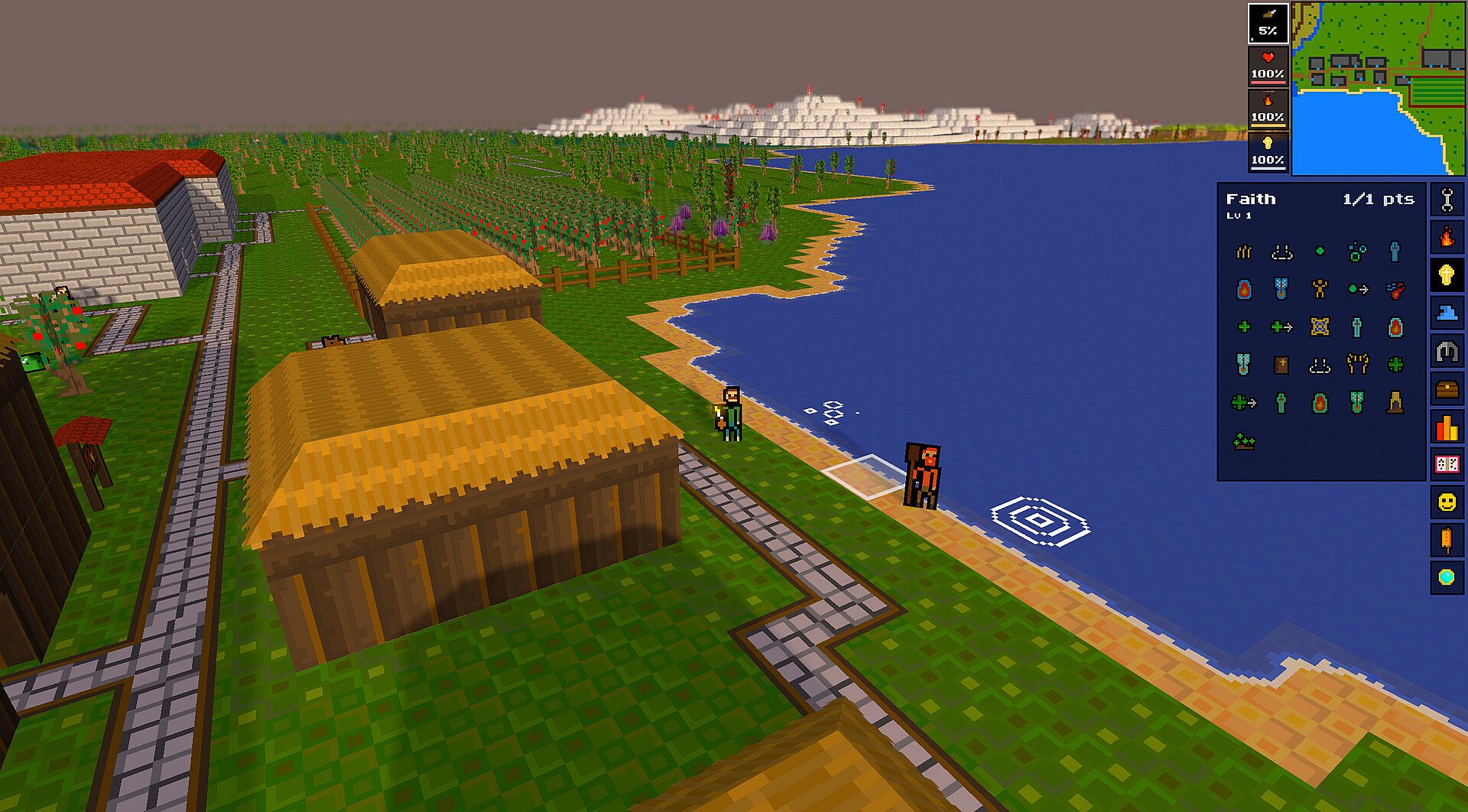
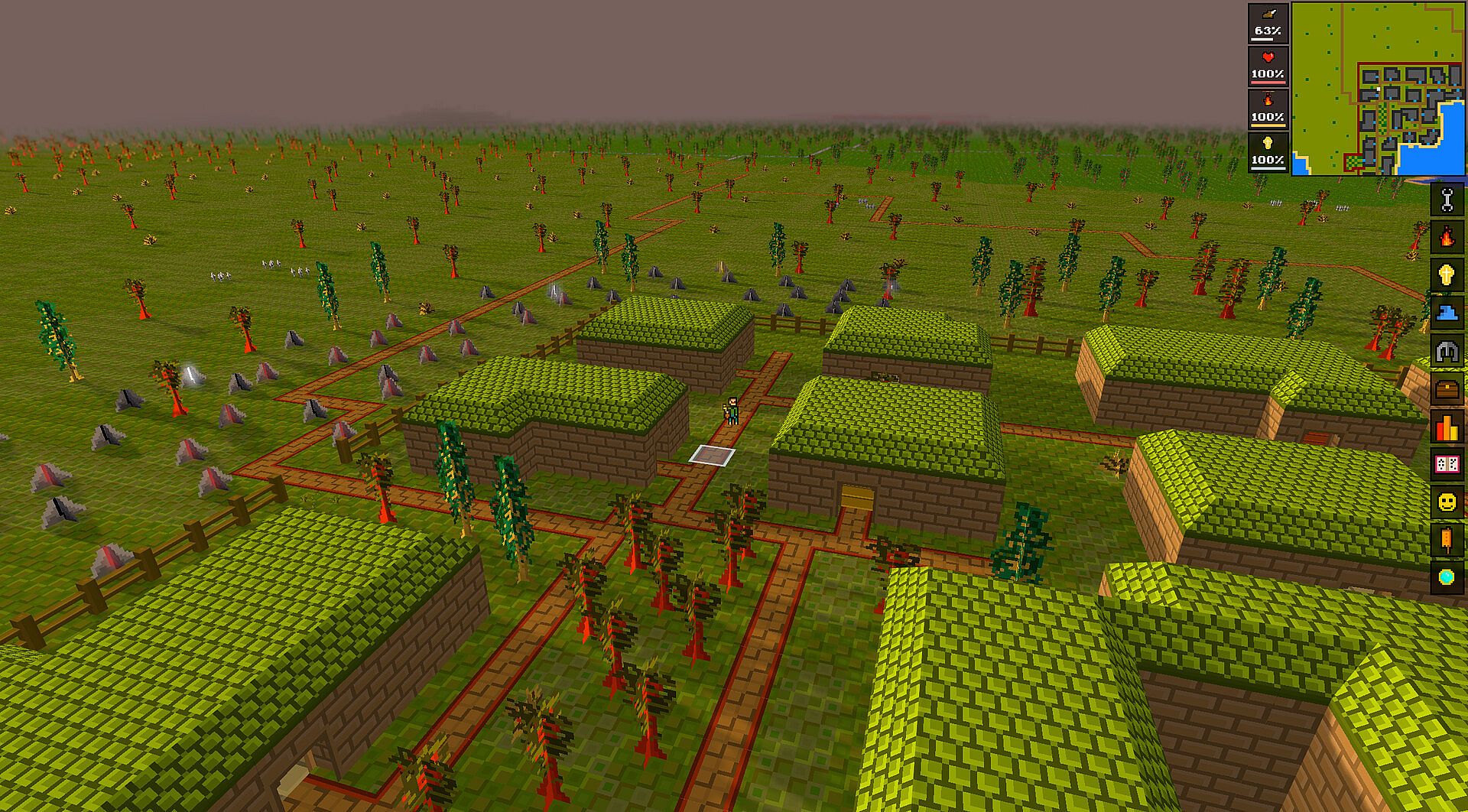
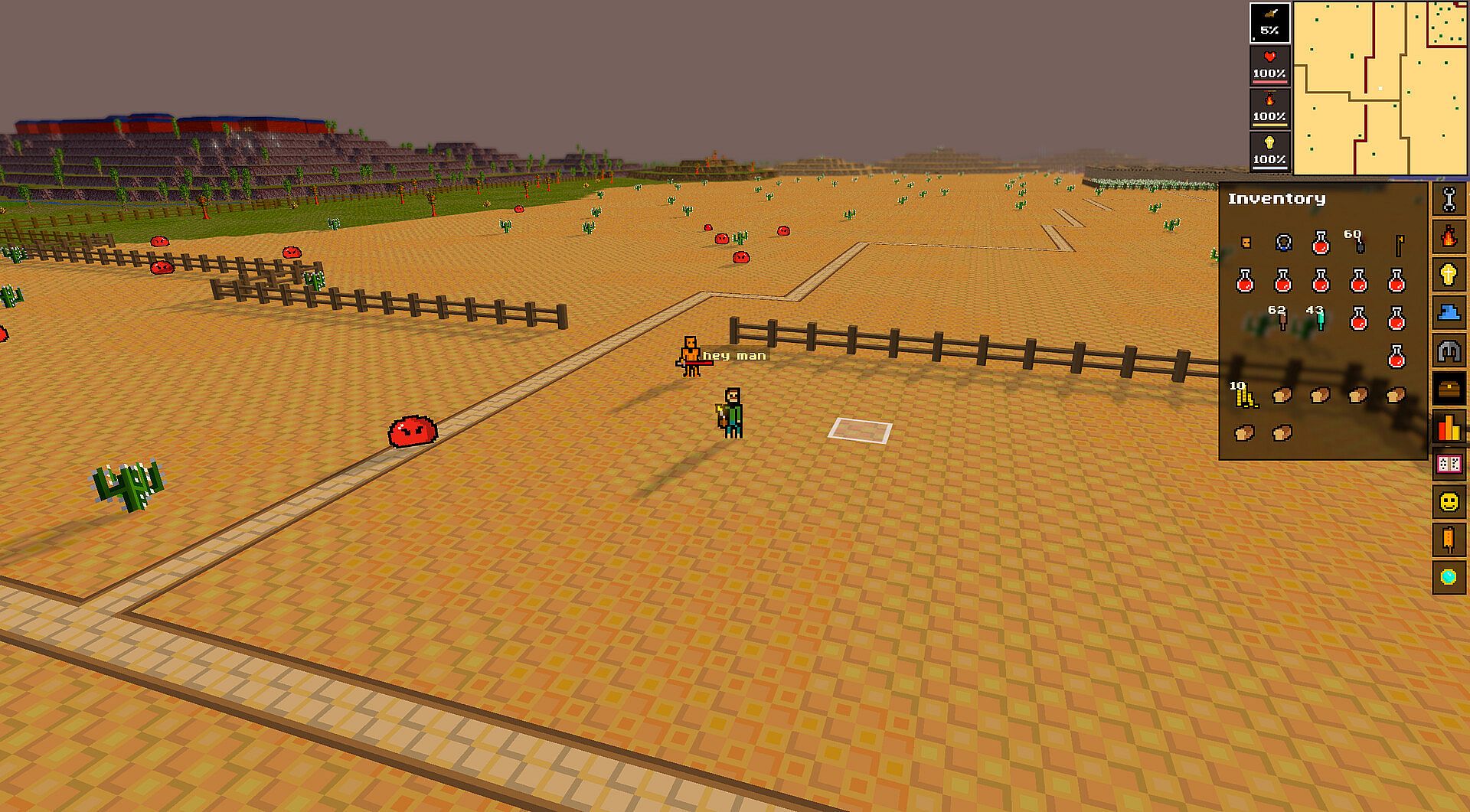
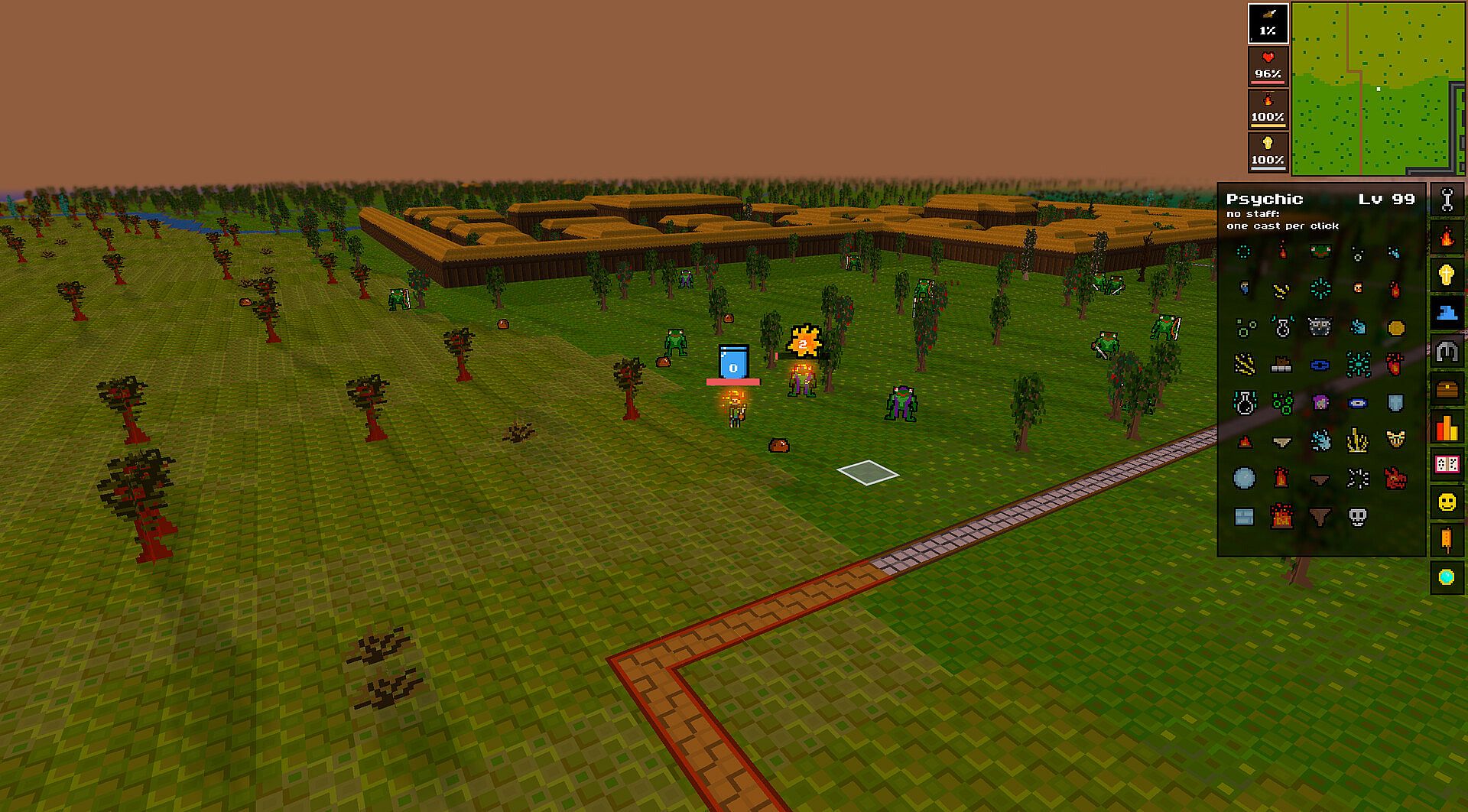
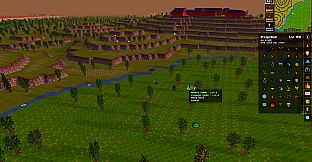
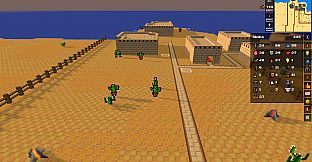
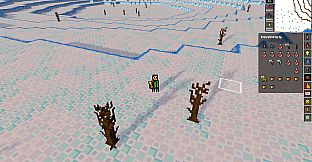
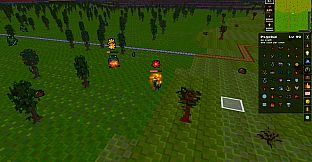
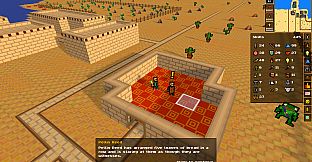
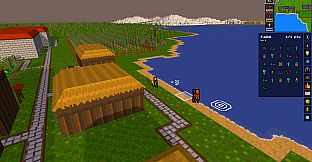
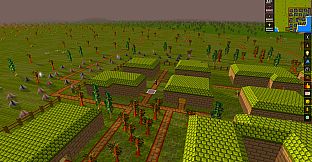
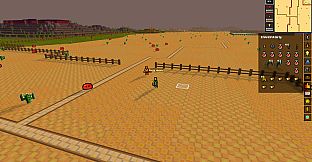
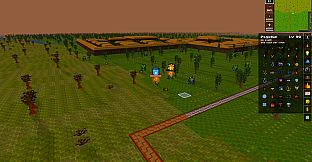
Journey to Jericho is an old-school click-to-move MMORPG set on PC that combines action, indie, RPG, and massively multiplayer elements. Players begin after death in the afterlife continent of Damascus, starting with empty pockets and facing a long progression path where every level, item, and personal development comes from direct effort rather than preset paths.
Gameplay
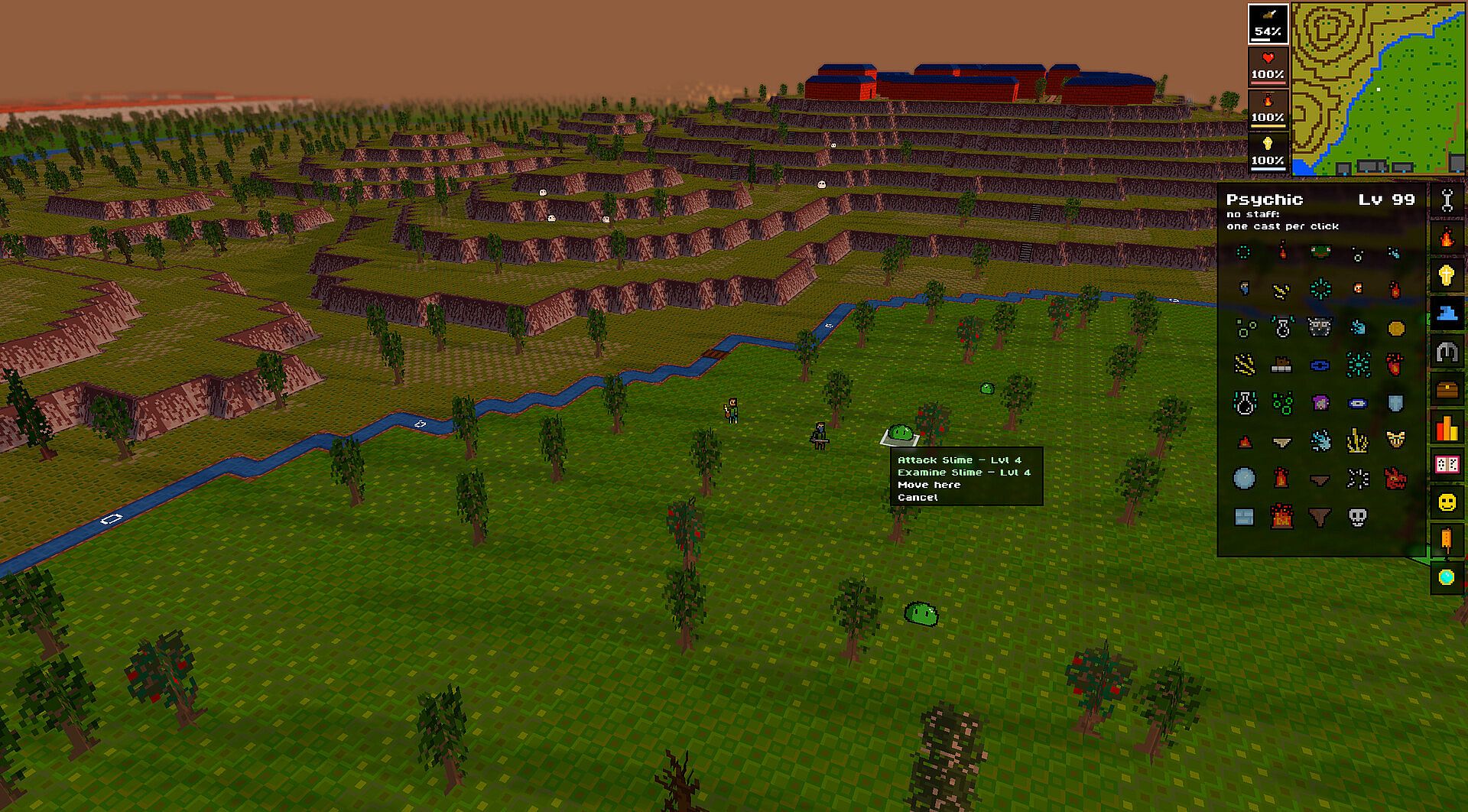
The core loop centers on training 22 skills without any class restrictions. Players develop melee, ranging, or psychic combat styles supported by accuracy, defense, health, and stamina attributes. These receive boosts from faith prayers for protection and healing or destruction curses for rage, lifesteal, and blood shields. Gathering covers mining ores up to damascus steel, cutting trees from oak to baobab, fishing in rivers and oceans, hunting, and foraging mushrooms. Production skills include metalwork, crafting, cooking, chemistry, mechanics, and jewellery to create gear and supplies. Farming allows growing crops, trees, and livestock on personal patches, while thieving targets market stalls and careless pockets.
Psychic abilities add mobility and control options such as blinking across battlefields, converting items to coin, turning invisible, reflecting enemy attacks, igniting ground, creating mud to slow foes, and raising walls. Boss encounters feature changing attack rotations tied to health thresholds, with visible telegraphs for poison, fire, and ice effects that demand precise positioning whether fighting alone or with others. Death carries consequences through scavenger guilds that collect belongings into a death chest requiring a fee for recovery, with repeated deaths before payment resulting in permanent loss.
Game Modes
Progression mixes questing with branching dialogue options, contract boards from guildwork systems that build reputation, and travel between ports with teleportation across continents. Exploration spans towns, cities, wilderness areas, islands, and further regions beyond Damascus. PvP occurs in designated zones where non-party players can attack, leading to direct item loss without a recovery chest. The economy runs entirely through player actions including face-to-face trades, haggling at shops, and listings on a shared grand exchange auction house accessible across all worlds.
Combat supports both solo attempts and group efforts against bosses and threats. Skill training remains open-ended, allowing focus on combat, production, or support abilities as preferred. Server hopping works freely since characters persist across every world, enabling play with friends on different instances without starting over.
Progression and Systems
Two power systems shape combat outcomes. Destruction draws from sacrificed loot at altars to enable aggressive effects, while faith comes from shrine prayers for defensive and restorative benefits, with the option to train both. The custom engine built specifically for this title handles all mechanics from the ground up. Character persistence across servers removes barriers to grouping, and the world includes layered activities from resource collection to reputation building that keep daily play varied without relying on timed events or external seasons.
Is It Worth Playing?
This title suits players who prefer skill-based progression without class locks, meaningful risk in death and PvP, and a fully player-driven economy. The freedom to mix combat styles, production skills, and power choices creates long-term engagement for those who enjoy earning every advantage through consistent play. High-stakes zones and boss mechanics reward preparation and awareness, while the afterlife setting and custom systems provide a distinct experience within the MMORPG genre. Availability on PC makes it accessible for those seeking an unguided, effort-driven multiplayer world rather than guided narratives or frequent content drops.