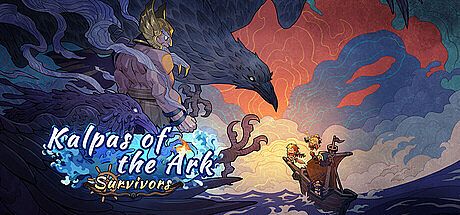


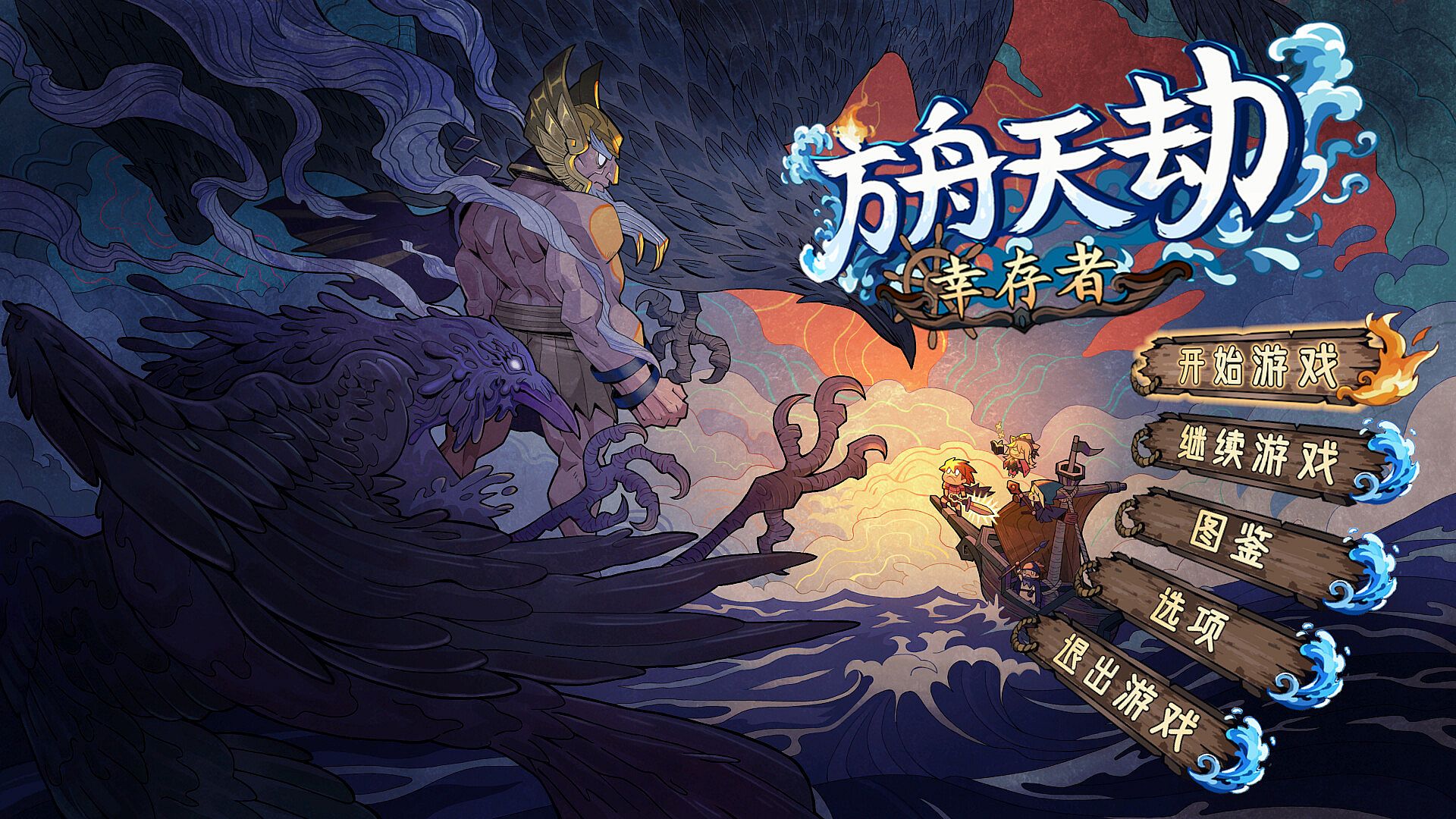
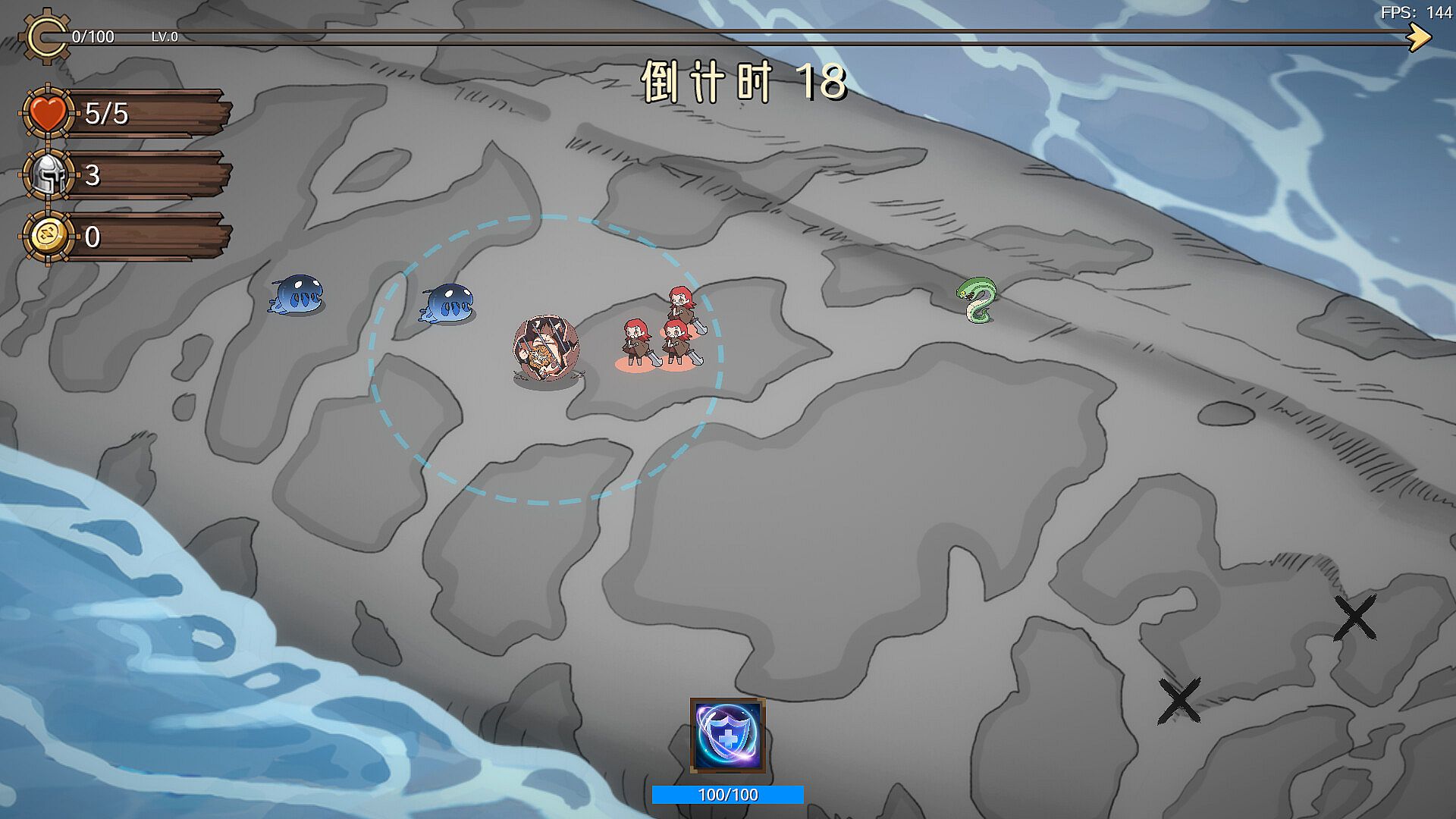
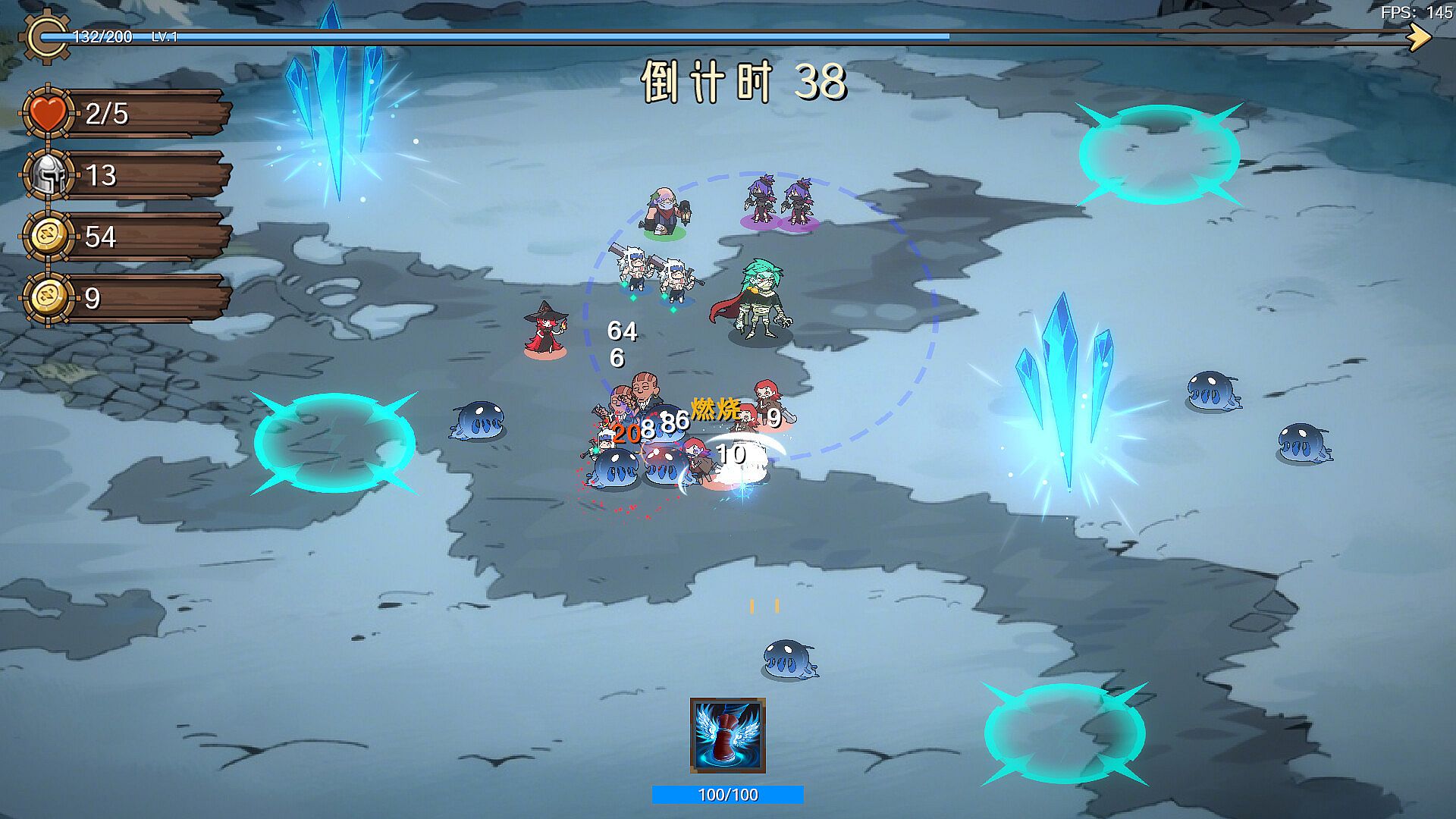
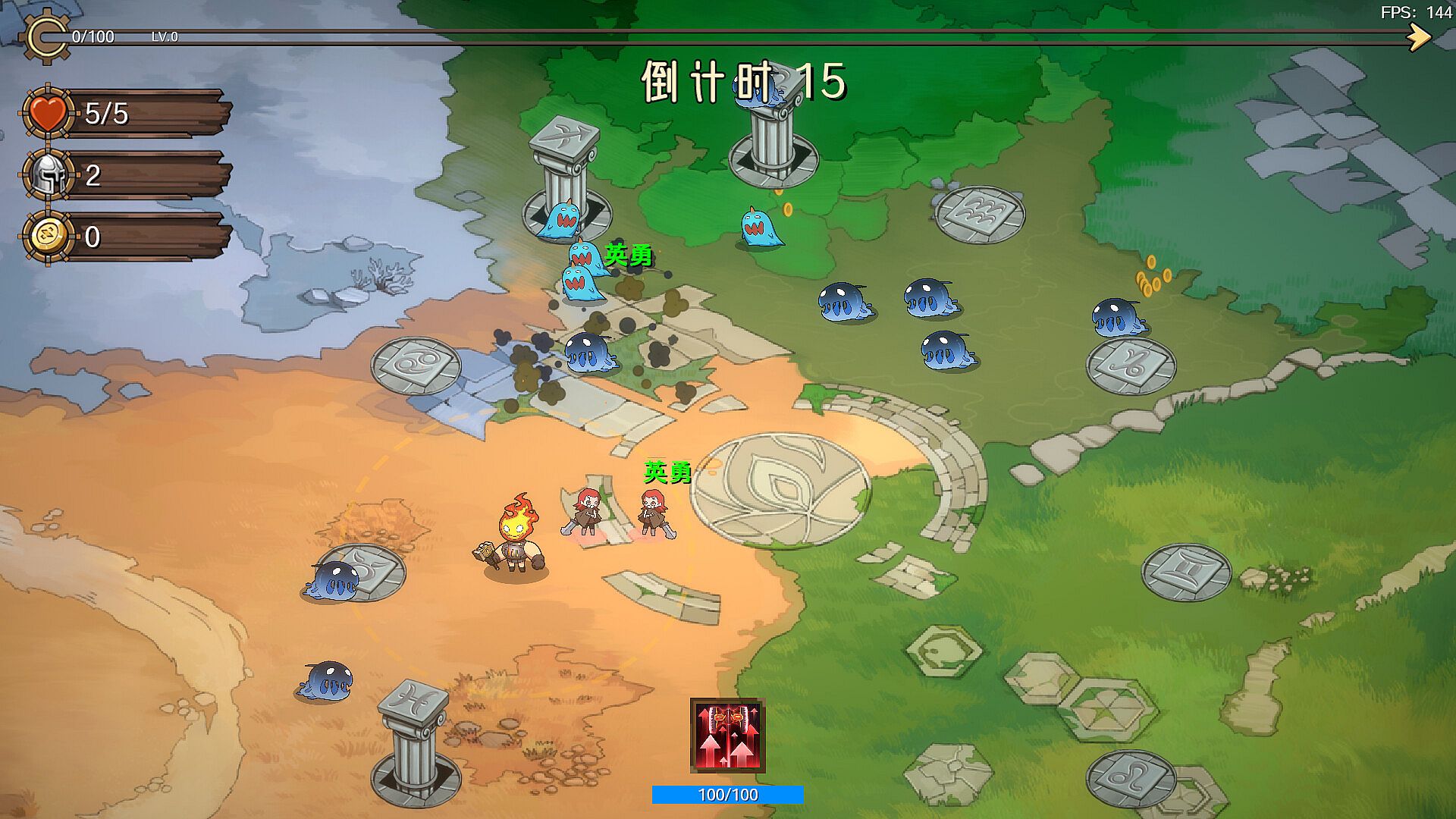
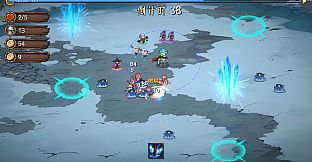
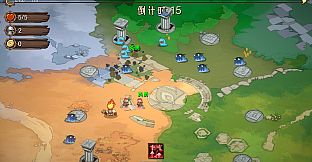
Kalpas of the Ark: Survivors est un jeu d'action casual solo pour PC qui inverse la mécanique du bullet-hell. Le joueur incarne le héros de l'humanité et guide des survivants à travers un archipel né des fragments de royaumes célestes après la guerre des dieux. Le cœur du gameplay repose sur le recrutement et la gestion de légions qui orbitent autour du héros, attaquent automatiquement les ennemis tandis que le joueur déclenche en temps réel les capacités du héros.
Gameplay
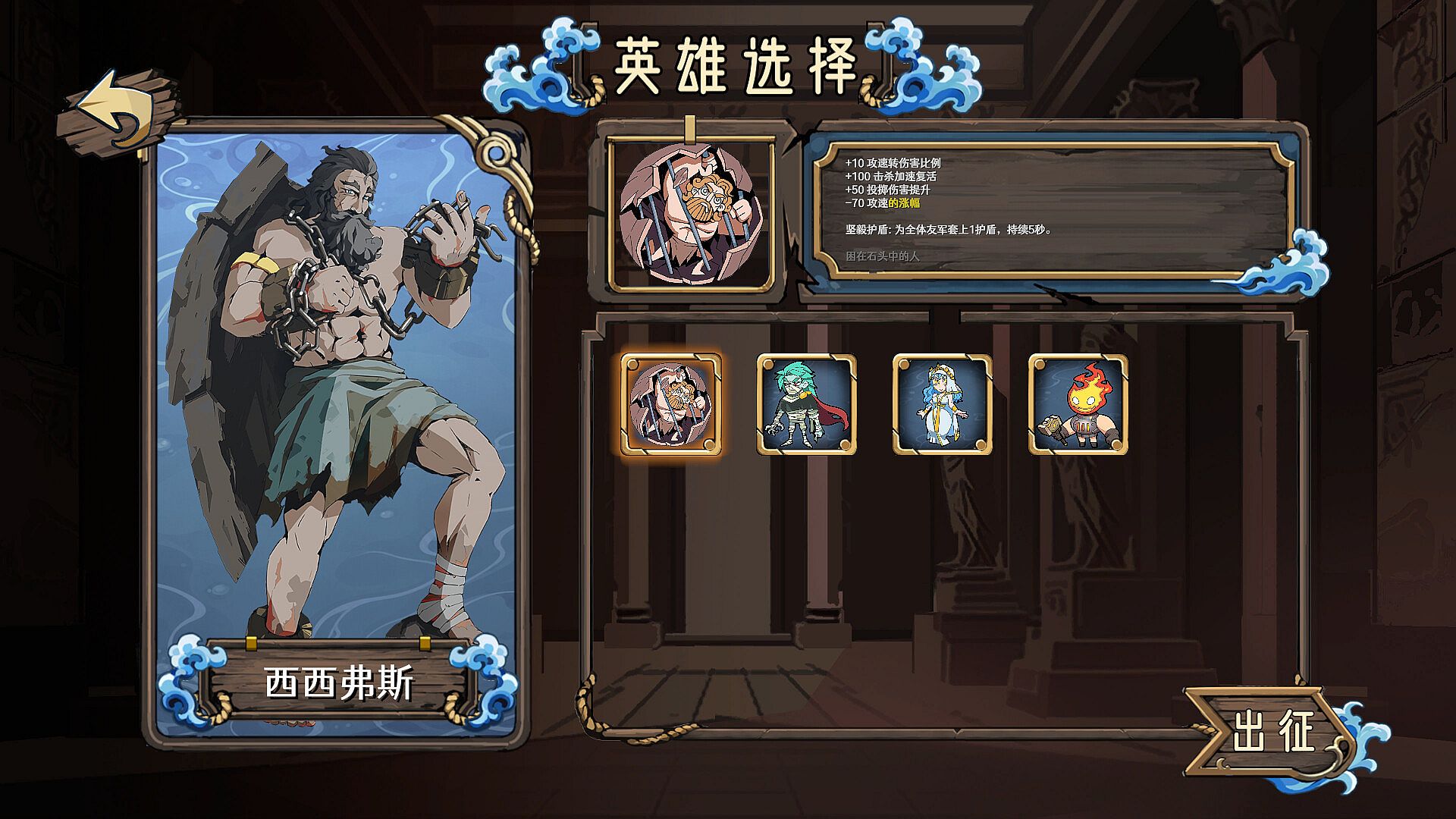
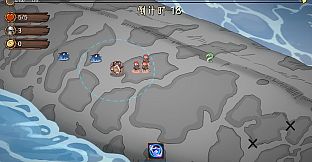
Chaque partie se déroule sur quatre îles, chacune composée de cinq niveaux. Les unités des légions forment autour du héros un cercle à la fois défensif et offensif, repérant les menaces sans intervention directe du joueur. Près de cinquante légions uniques proposent des aptitudes spéciales variées, permettant de tester des combinaisons adaptées aux ennemis et aux configurations de chaque niveau. Les héros, eux aussi nombreux, possèdent des compétences de combat activables à la demande.
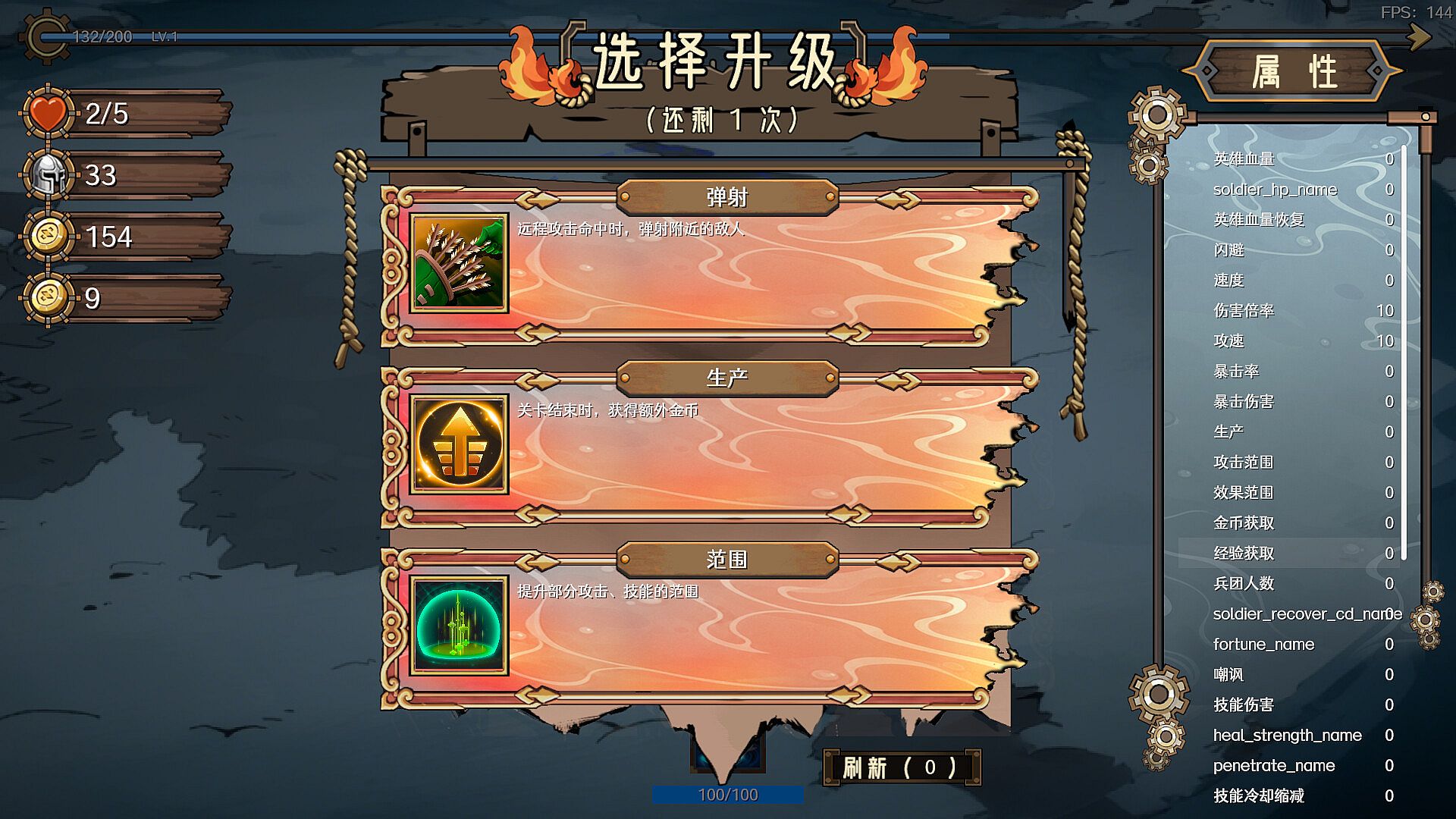
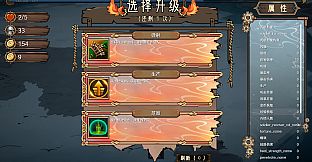
La progression s'appuie sur deux systèmes. À la fin de chaque niveau, une boutique propose des tactiques à acheter et à équiper pour renforcer les légions. Recruter plusieurs fois la même légion augmente son niveau et sa puissance. Lorsque deux légions atteignent les niveaux requis, elles peuvent fusionner en une unité avancée plus puissante. Ces choix déterminent l'évolution de la partie et la capacité à surmonter les défis croissants des îles suivantes.
Chaque niveau dispose de sa propre bande-son. Du contenu additionnel débloque de nouvelles rencontres qui viennent enrichir la progression habituelle et diversifier les adversaires rencontrés au fil des tentatives.
Game Modes
Le jeu est exclusivement solo et ne propose aucune composante multijoueur. Chaque session suit le parcours structuré des quatre îles et des vingt niveaux, qui s'achève par un affrontement contre le dieu de l'île finale. La victoire consiste à survivre à ses attaques ou à le vaincre afin de briser sa folie et, éventuellement, d'obtenir sa bénédiction. Le joueur choisit un héros au départ, puis constitue son équipe de légions par des recrutements et des fusions au fil des niveaux.
La structure incite à expérimenter différentes combinaisons de héros et de légions, car chaque partie repose sur l'évolution des unités et l'achat de tactiques. L'absence de modes distincts concentre l'expérience sur l'affinage des stratégies dans ce cadre d'îles successives.
Progression and Customization
La gestion des légions constitue le principal axe de personnalisation. Augmenter leur niveau par des recrutements répétés renforce leurs attaques et leurs capacités. La fusion crée des unités supérieures qui combinent les traits de leurs composantes et ouvrent de nouvelles options tactiques pour les niveaux avancés. Les tactiques achetées en boutique à la fin de chaque niveau offrent des améliorations temporaires qui persistent jusqu'à la fin de la partie, permettant de s'adapter aux défis spécifiques des îles ou aux combats contre les dieux.
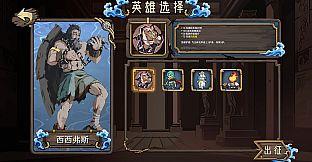
Le choix du héros ajoute une autre dimension : chacun apporte des compétences activables en temps réel qui complètent ou contrastent avec les légions environnantes. Au fil des parties, le joueur débloque de nouveaux héros et légions, élargissant progressivement le panel de combinaisons viables sans modifier la structure fondamentale des niveaux et des boss.
Is It Worth Playing?
Kalpas of the Ark: Survivors s'adresse aux joueurs qui apprécient les jeux d'action casual centrés sur des unités combattant automatiquement et sur des choix de construction progressifs plutôt que sur la précision du tir ou la rapidité des réflexes. L'approche reverse bullet-hell met l'accent sur la composition des légions, le timing des compétences du héros et les achats en boutique. Ceux qui recherchent des parties de longueur courte à moyenne, avec une progression claire à travers les îles et un affrontement final contre un dieu, y trouveront une boucle de jeu ciblée.
Le jeu est encore en phase de pré-sortie et ne dispose pas encore d'avis de joueurs. Ses systèmes de recrutement, de montée en niveau, de fusion des légions et d'équipement de tactiques offrent une profondeur mécanique claire dans un format solo. Les acheteurs potentiels peuvent juger de son intérêt selon leur préférence pour la répétition de parties dans un style roguelike, combinée à la variété des héros et des unités, plutôt que pour des éléments multijoueurs ou de monde ouvert.