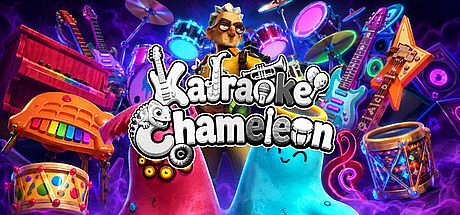



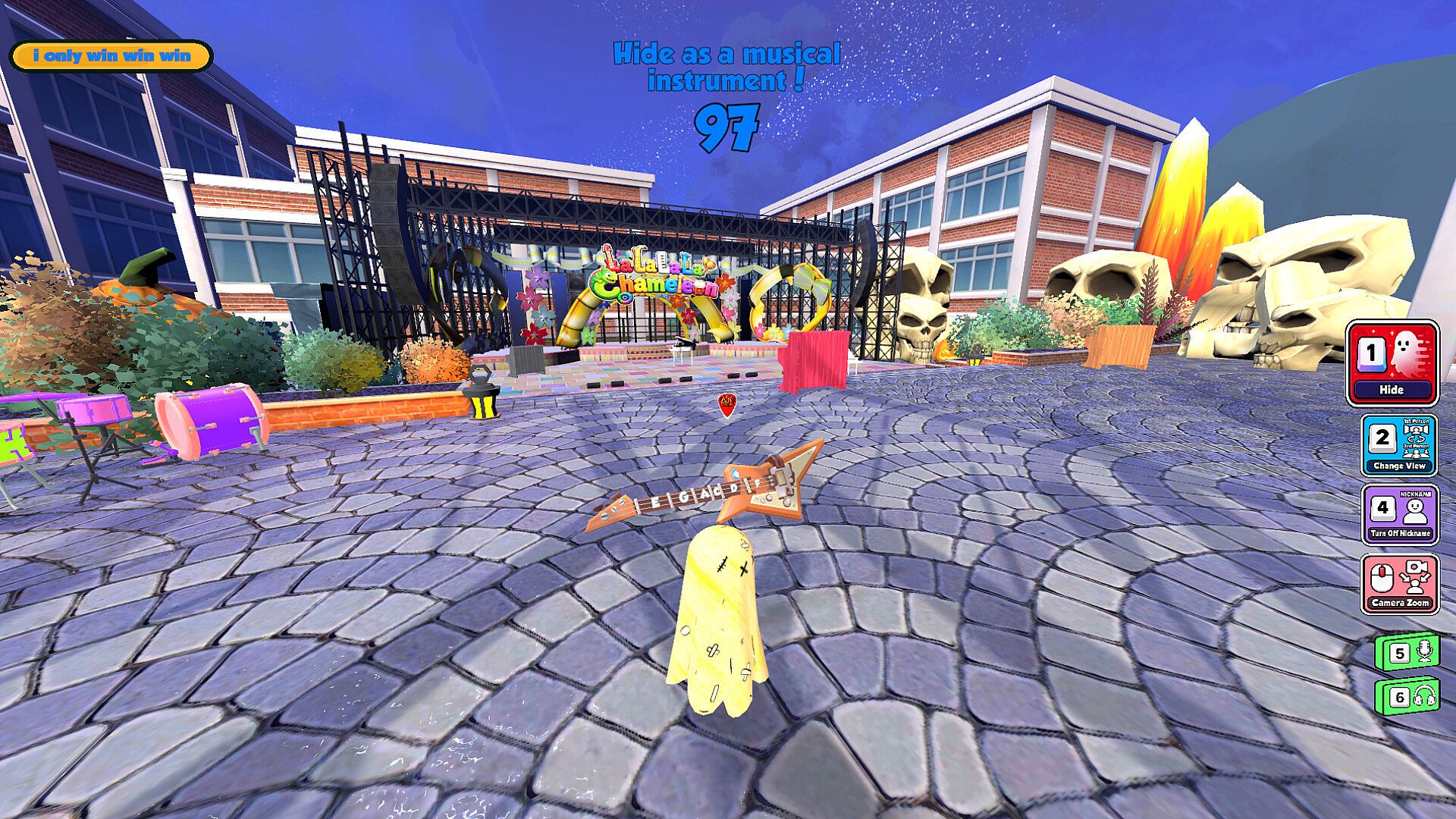
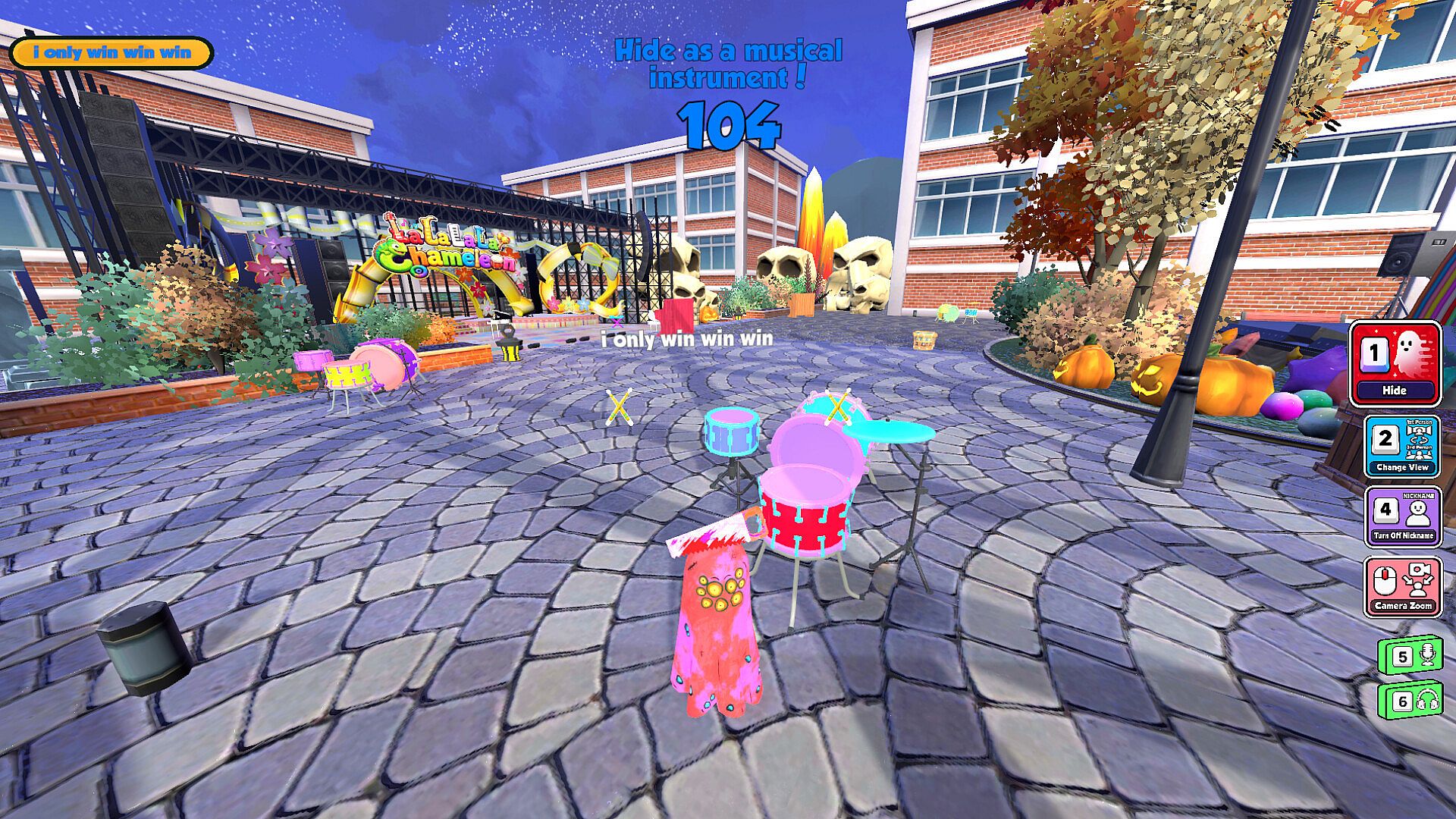
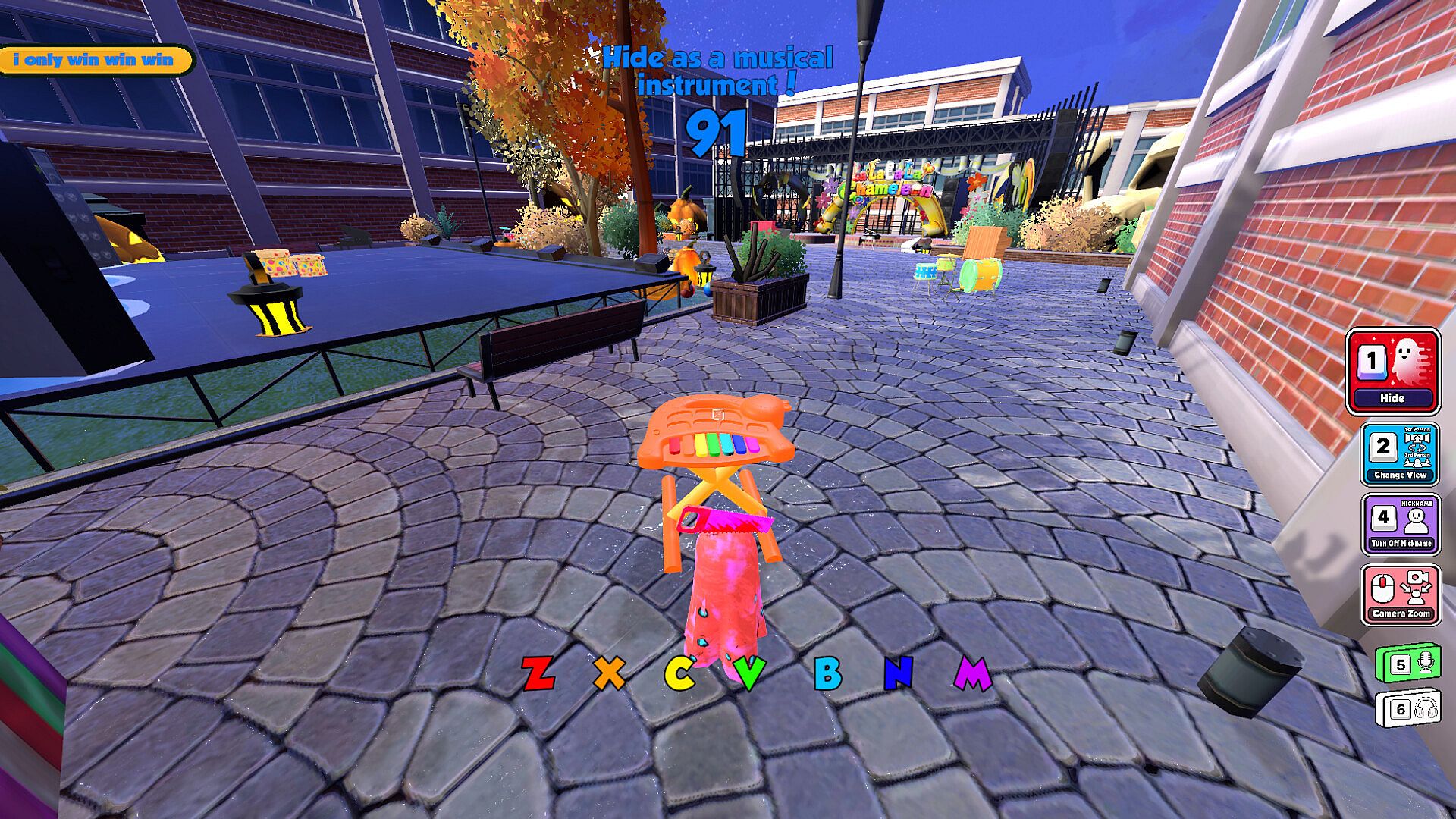


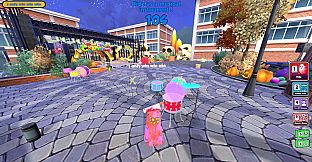
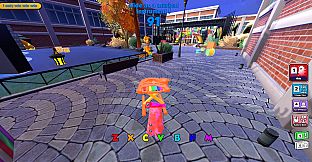
Karaoke Chameleon plonge les joueurs dans une partie tendue de cache-cache multijoueur sur PC, où le son devient l'outil principal pour tromper ou repérer les adversaires. Les fantômes se fondent parmi un ensemble d'instruments tandis que les chasseurs tendent l'oreille pour déceler les fausses notes. Le jeu mêle action, indie, casual et aventure pour proposer des sessions courtes et rejouables, centrées sur le rythme et l'observation plutôt que sur des commandes complexes ou des systèmes de progression.
Gameplay
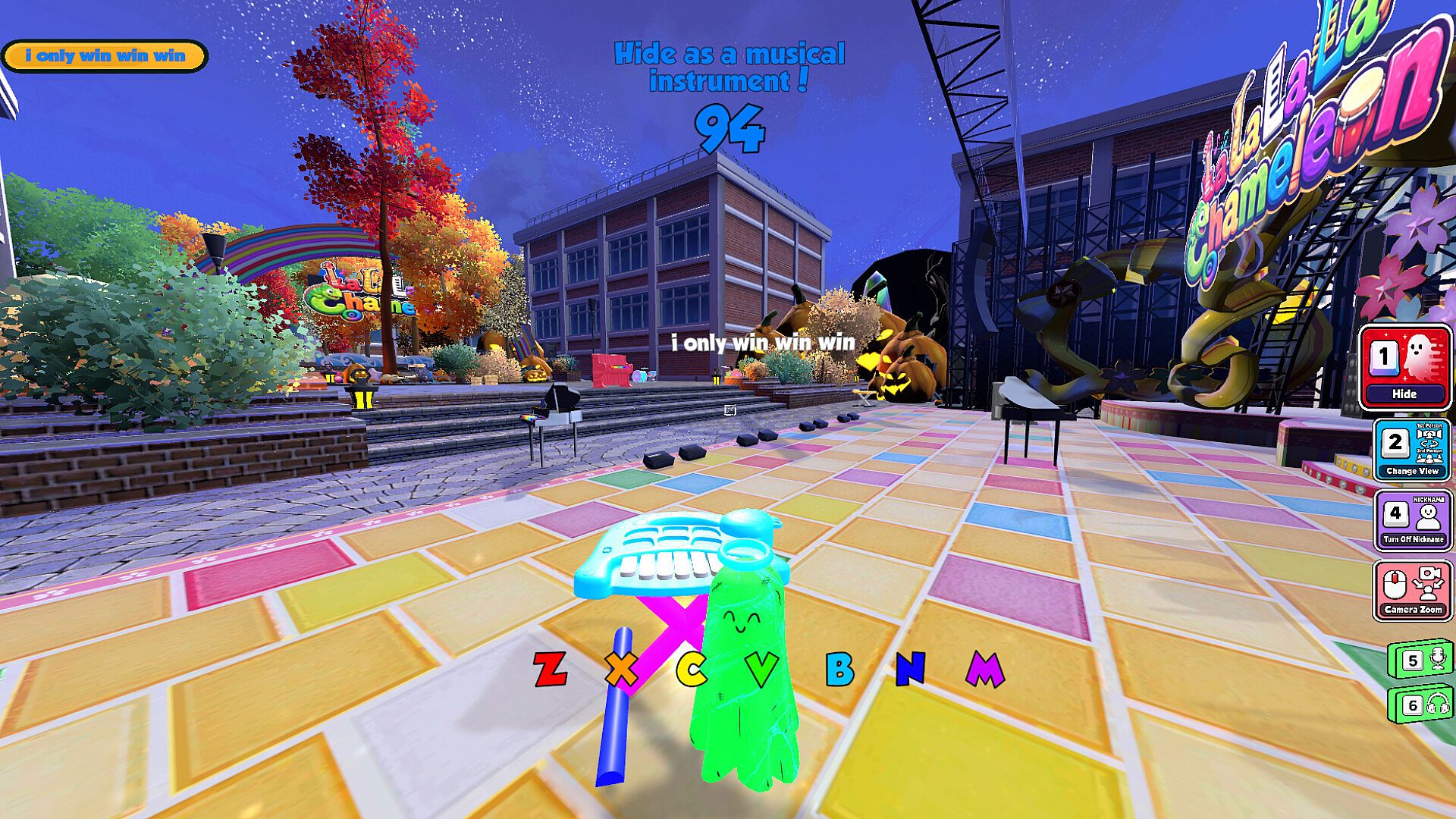
Chaque manche se déroule dans un espace commun où les fantômes choisissent parmi plusieurs instruments : batterie, piano, guitare ou trompette. Chacun doit produire un rythme ou une mélodie simple et régulier qui s'intègre naturellement à l'ensemble. Des appuis aléatoires ou irréguliers se remarquent aussitôt et donnent un indice aux chasseurs. Ces derniers se déplacent en écoutant les performances et décident du moment où ils vont utiliser l'une de leurs balles limitées sur un suspect. Un tir réussi leur rend la balle, tandis qu'un raté réduit leurs ressources pour le reste de la partie.
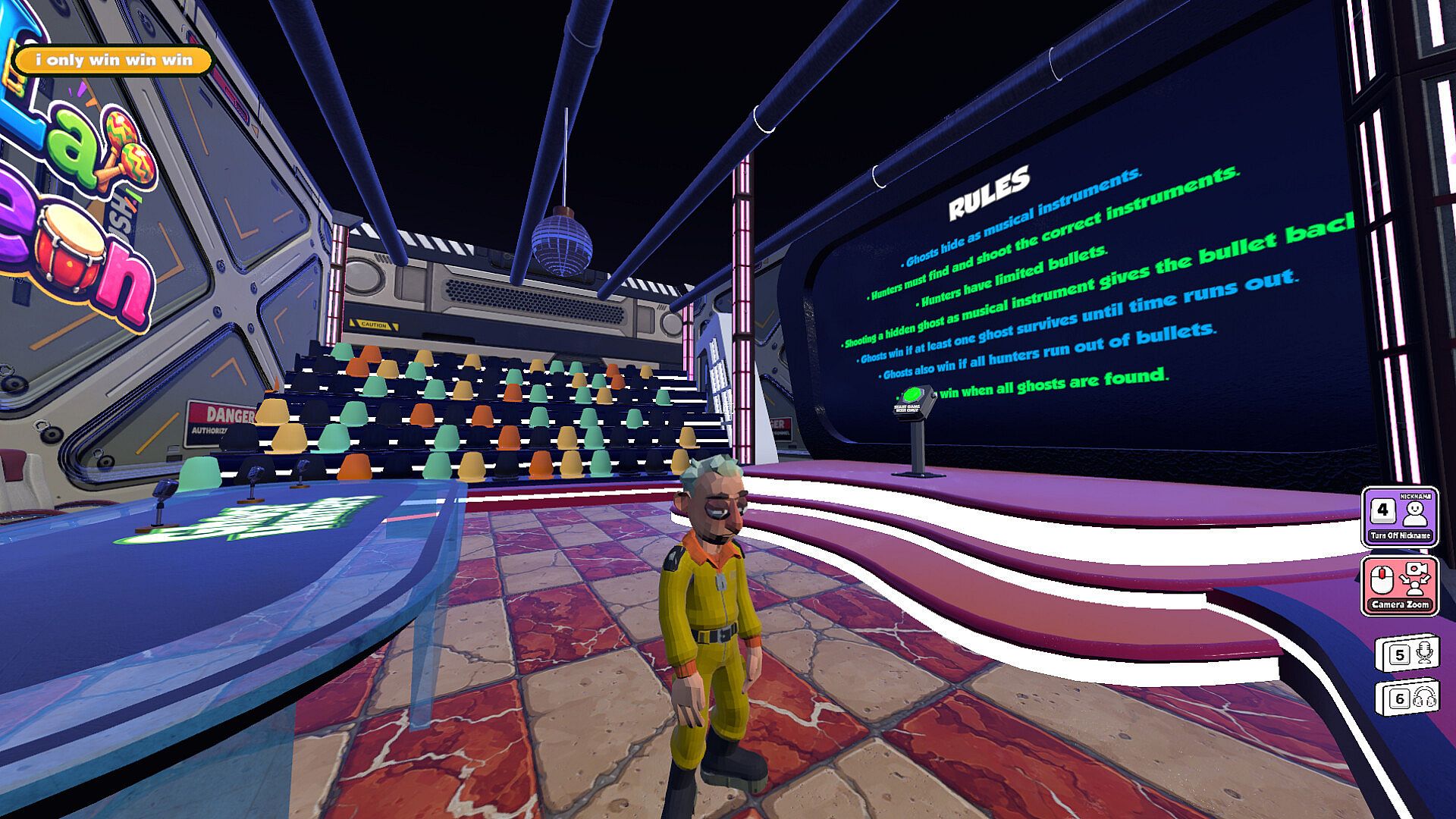
Le timing et la retenue comptent pour les deux camps. Les fantômes l'emportent en maintenant une interprétation crédible jusqu'à la fin du temps imparti ou en obligeant les chasseurs à épuiser leurs munitions. Les chasseurs gagnent en identifiant et en éliminant tous les fantômes grâce à une écoute attentive et des tirs précis. Le nombre limité de balles incite à la patience et limite les risques de tirs hasardeux qui déséquilibreraient la partie.
Game Modes
L'expérience principale repose sur des manches opposant un petit groupe de fantômes à des chasseurs dans le même décor musical. Les fantômes cherchent à survivre en équipe en gardant au moins un membre caché jusqu'à l'expiration du temps ou jusqu'à l'épuisement des munitions adverses. Les chasseurs misent sur une élimination méthodique, en utilisant les indices sonores pour réduire le nombre de suspects sans gaspiller de balles. Aucune variante ni playlist distincte n'est mentionnée, donc chaque session suit les mêmes conditions de victoire et attributions de rôles.
Les parties restent courtes pour favoriser les enchaînements rapides, avec une mise en place immédiate et une tension qui s'installe dès le début des performances. L'absence de modes secondaires permet de se concentrer sur la boucle centrale : jouer, écouter et décider.
Core Mechanics and Roles
Le choix de l'instrument influe sur la facilité à se fondre dans le groupe, chaque option produisant des motifs sonores distincts que les chasseurs doivent apprendre à reconnaître. Un rythme régulier constitue la meilleure défense des fantômes, tandis que les chasseurs affûtent leur oreille pour repérer les notes décalées ou les changements soudains de volume et de tempo. La gestion des balles ajoute une dimension risquée, chaque tir ayant des conséquences durables sauf s'il touche un fantôme et restaure la ressource.
La coordination d'équipe joue un rôle discret du côté des fantômes, plusieurs instruments devant sonner ensemble sans qu'un seul joueur attire l'attention par un mauvais timing. Du côté des chasseurs, la communication permet de partager les observations sur les styles de jeu suspects. Ces éléments récompensent l'attention et la réflexion plutôt que la vitesse ou la dextérité.
Is It Worth Playing?
Karaoke Chameleon s'adresse aux joueurs qui apprécient les jeux de déduction sociale et les mécaniques basées sur l'audio en petit comité. Les commandes simples et les objectifs clairs le rendent accessible pour des sessions casual, tandis que l'écoute attentive et les tirs stratégiques apportent une profondeur qui incite à rejouer. En l'absence de notes ou de données détaillées sur la base de joueurs, le choix dépend surtout de l'envie de découvrir un cache-cache musical.
Les amateurs de jeux axés sur l'observation et la gestion de ressources limitées y trouveront leur compte, notamment lors de soirées en local ou en ligne où le chat vocal renforce la tension. Le jeu est disponible sur PC via les plateformes numériques habituelles et son échelle indie laisse présager un focus sur le concept plutôt que sur des mises à jour étendues. Si ces mécaniques vous attirent, il propose une approche originale du genre sans exiger d'expérience préalable.