




Keymancer: A Vim Roguelite is a strategy roguelite that turns the classic text editor Vim into the core of its gameplay. Players navigate a procedurally generated world using real Vim commands for movement and combat, blending roguelite progression with typing mechanics on PC. The experience suits fans of indie RPGs who want a keyboard-focused challenge that teaches practical editor skills while delivering short, repeatable runs.
Gameplay
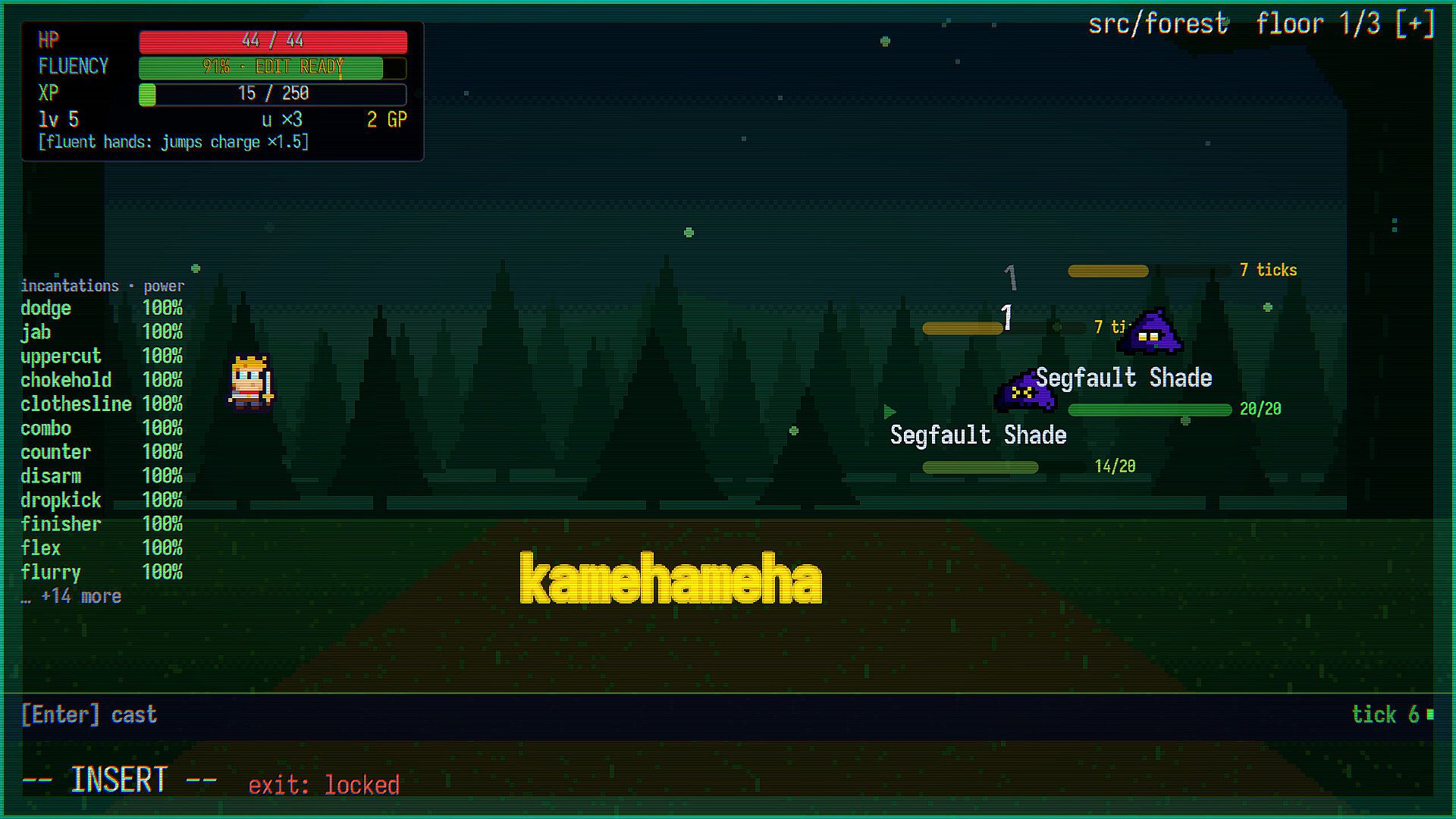
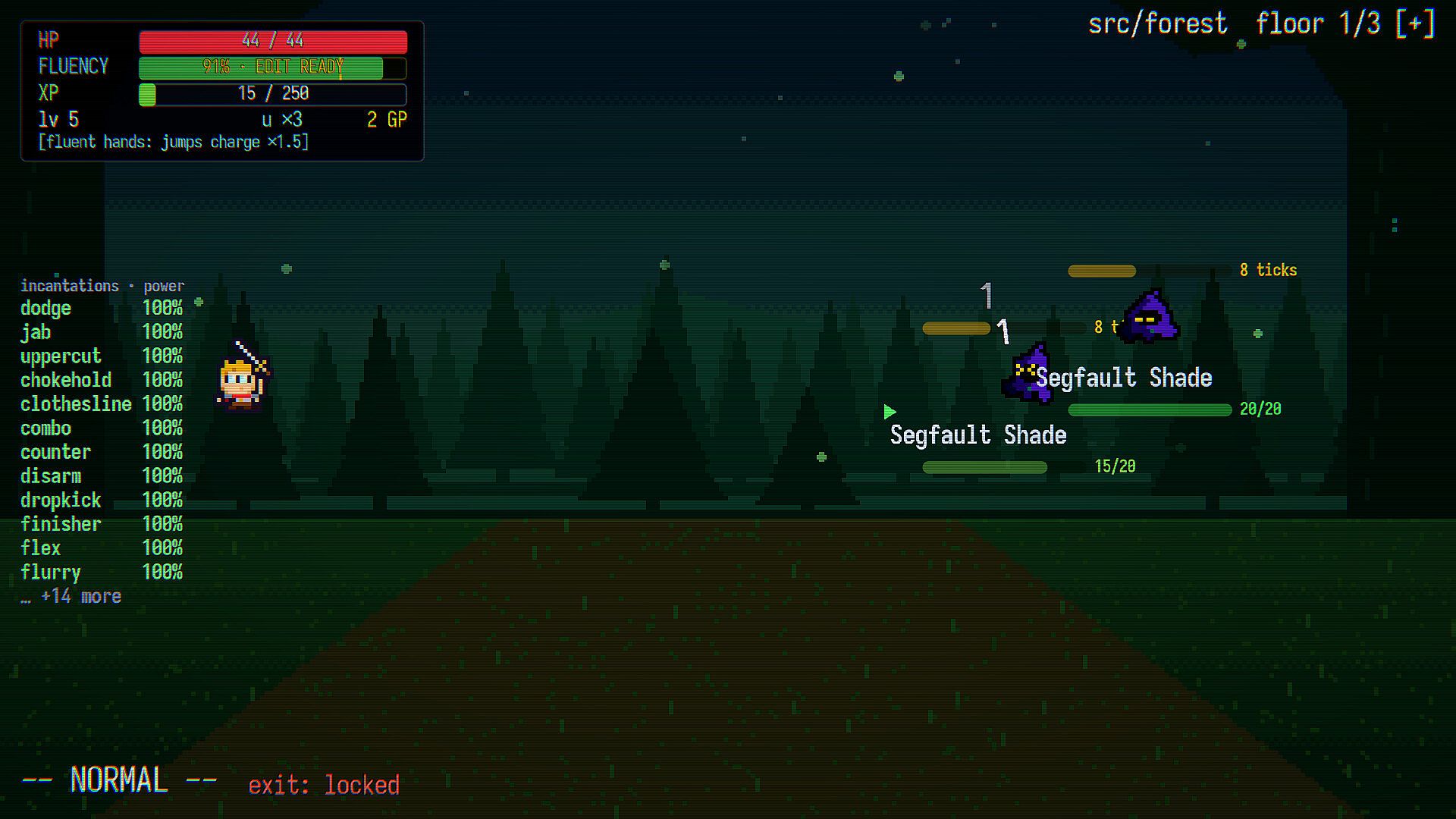
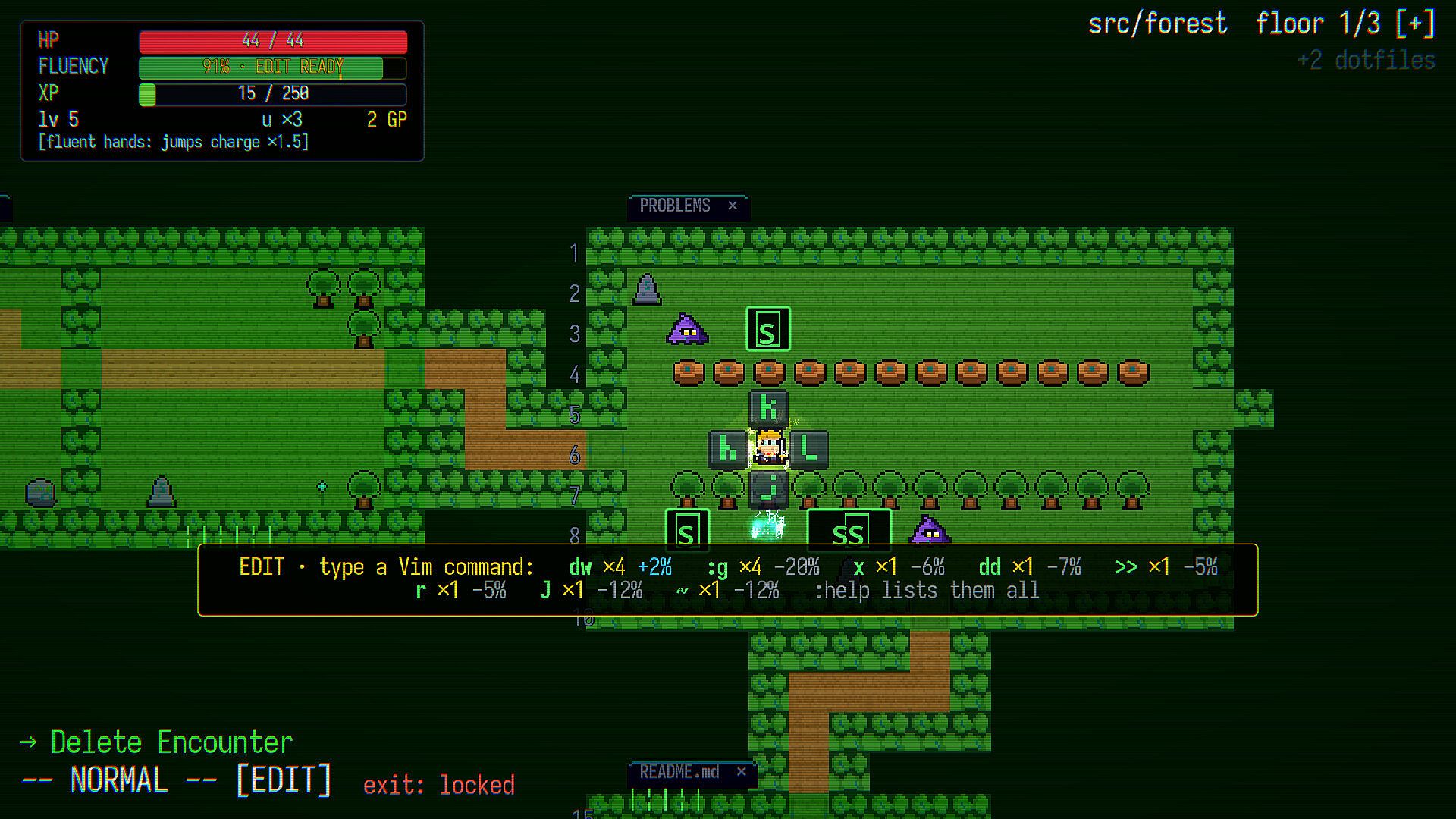
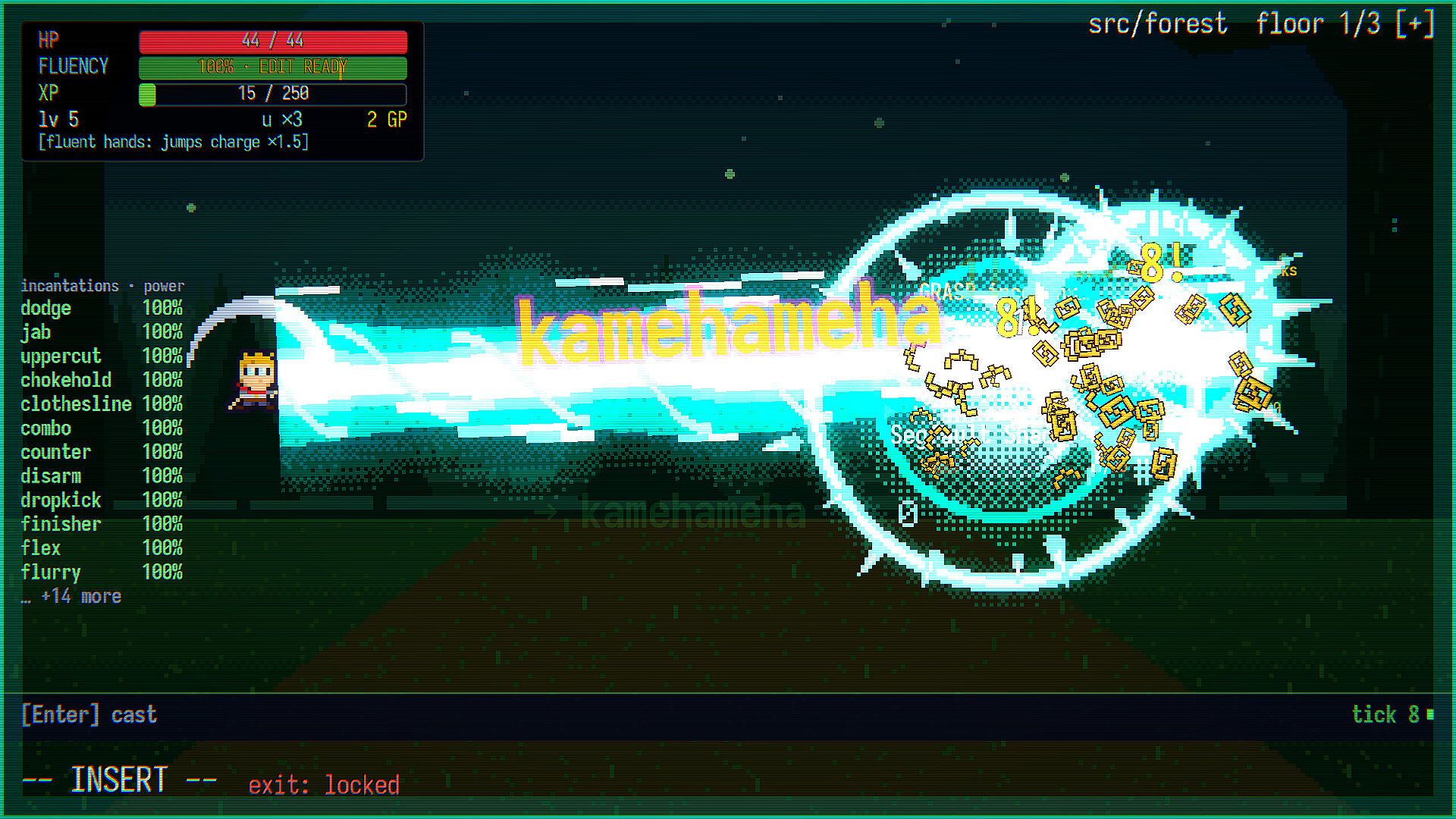
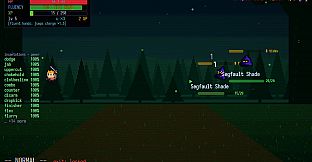
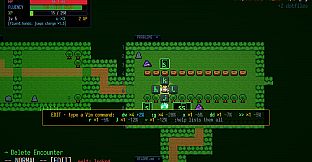
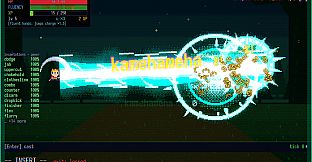
Movement relies on hjkl keys to cross the map and engage enemies. Combat shifts into a typing duel once foes appear. Pressing i enters insert mode, where players type the exact names of attacks. Matching letters turn green, and completing a name turns it gold before Enter fires the move. A typo only costs timing, not health, though it leaves the player staggered while enemy bars fill.
Staying in insert mode allows continued casting, but repeated use of the same attack causes it to decay in power across successive uses. Rotating between three or more moves maintains full strength. Bosses announce their actions in advance, including cloning, reflecting, locking, healing, or summoning, giving players time to respond with the right typed command. Esc exits insert mode to return to normal editing controls.
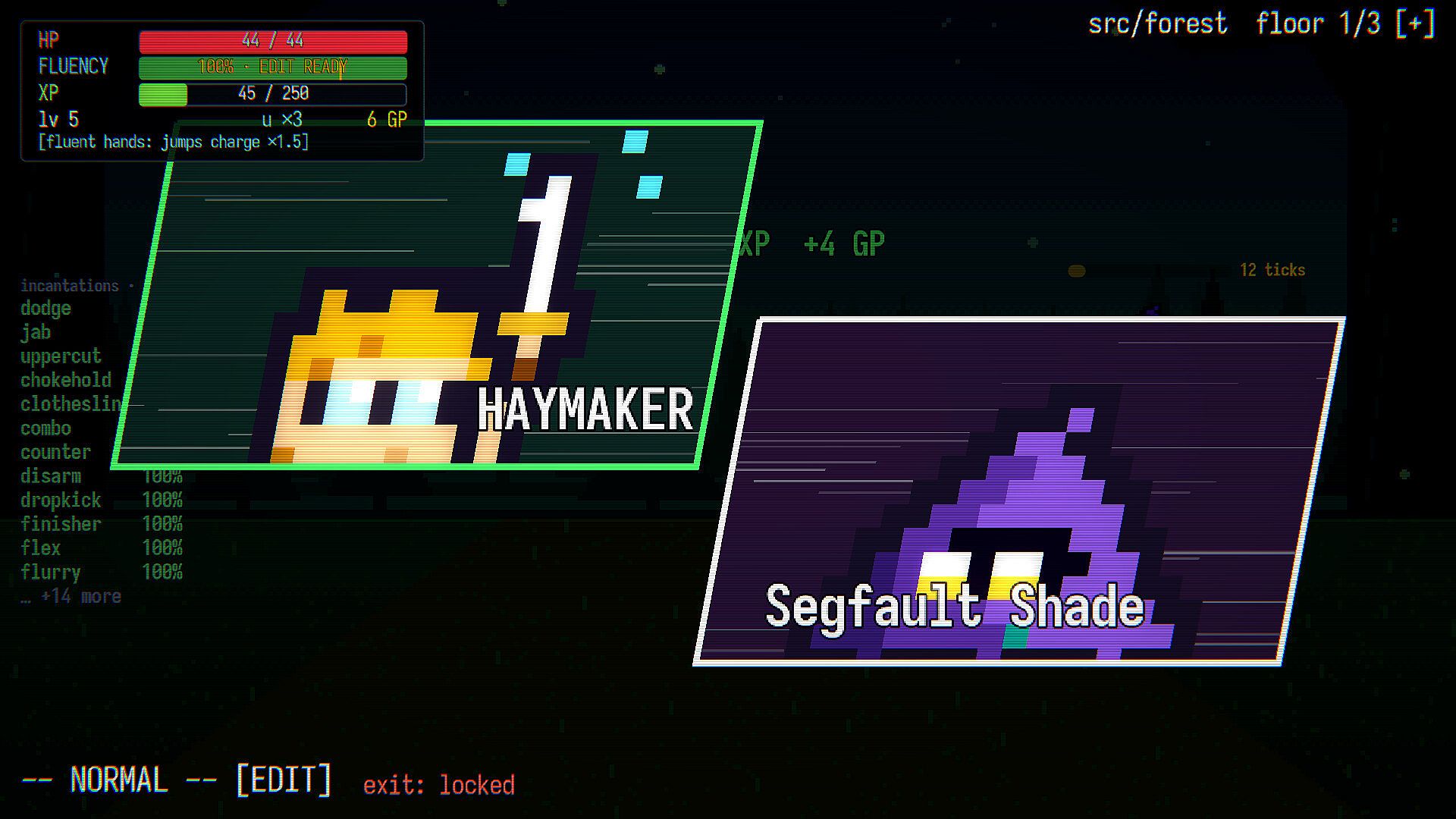
The Fluency Meter builds through clean casting and eventually lets players outgrow direct fights. Enemies dissolve into glowing text lines that can be edited with commands such as dd to delete entire lines, x to remove single characters, 3dd for multiples, or u to undo. The meter drains while walking and leaves bosses unaffected, so timing its use matters. Every keypress draws from authentic Vim functionality rather than simplified approximations.
Game Modes
Runs follow a compact structure with three zones selected from a pool of six. Each floor remains sealed until its boss is defeated, creating a complete adventure in every attempt. Shrines provide fresh hands of attacks and Vim commands at the start of each run, ensuring varied loadouts. Merchants offer more items than any single purse can afford, forcing choices that shape the next attempt.
The ceiling for performance rises with familiarity. The same encounters demand fewer keystrokes once patterns are internalized. A typical run finishes in under an hour, yet repeated play reveals faster solutions that dismantle earlier obstacles in seconds.
Progression and Death
Death occurs with the command :q!, ending the current attempt. What carries forward is the .vimrc file, a persistent upgrade screen presented as a configuration file. Players tune the machine they fight with rather than leveling a single character. This meta layer spans every future run and rewards experimentation with real Vim commands learned during play.
Twenty-five incantations range from basic jabs to elaborate named attacks. More than thirty authentic Vim commands become available for drafting, from simple deletions to complex substitutions. Six zones house thirty bosses across the procedural layouts, all navigated without a mouse.
Is It Worth Playing?
The game appeals to players who enjoy roguelite structure combined with typing precision and editor mastery. Short run times and the .vimrc system support repeated attempts without long sessions. Keyboard-only design keeps focus on command fluency and quick adaptation. Those drawn to indie strategy RPGs with unique input methods will find the loop rewarding, especially if they value learning transferable skills alongside procedural challenges. The absence of filler pacing keeps attention on combat duels and map-editing moments that grow more efficient with practice.












