


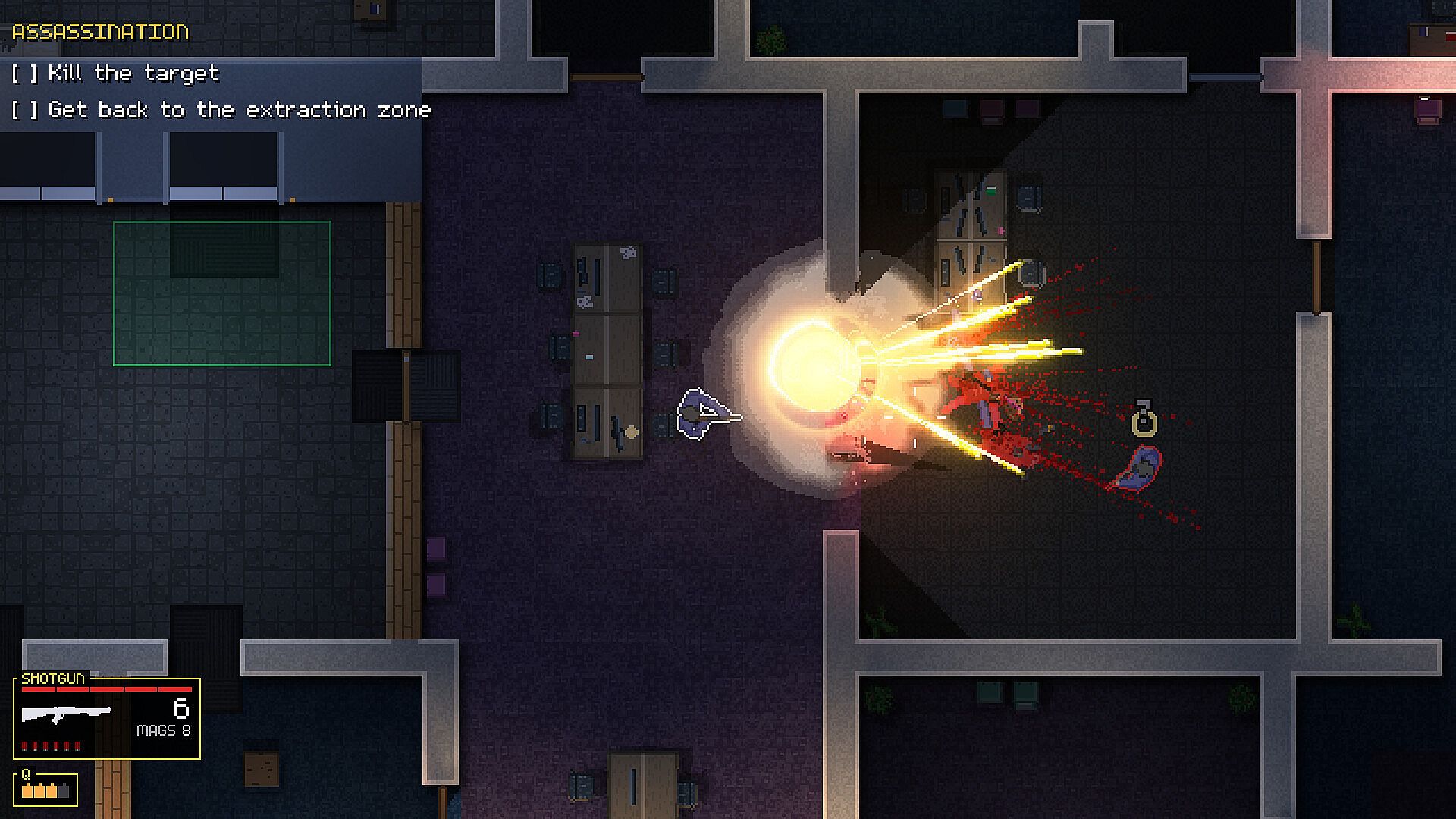
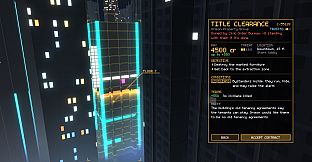

Kill Fee is a top-down action shooter for PC that places players in the role of a freelance contractor handling outsourced violence in a neon-lit city. The core loop revolves around accepting jobs from corporate clients, planning approaches to hostile locations, and executing them with a mix of stealth, tactics, and aggressive force while managing personal finances tied to ammunition and equipment costs.
Gameplay
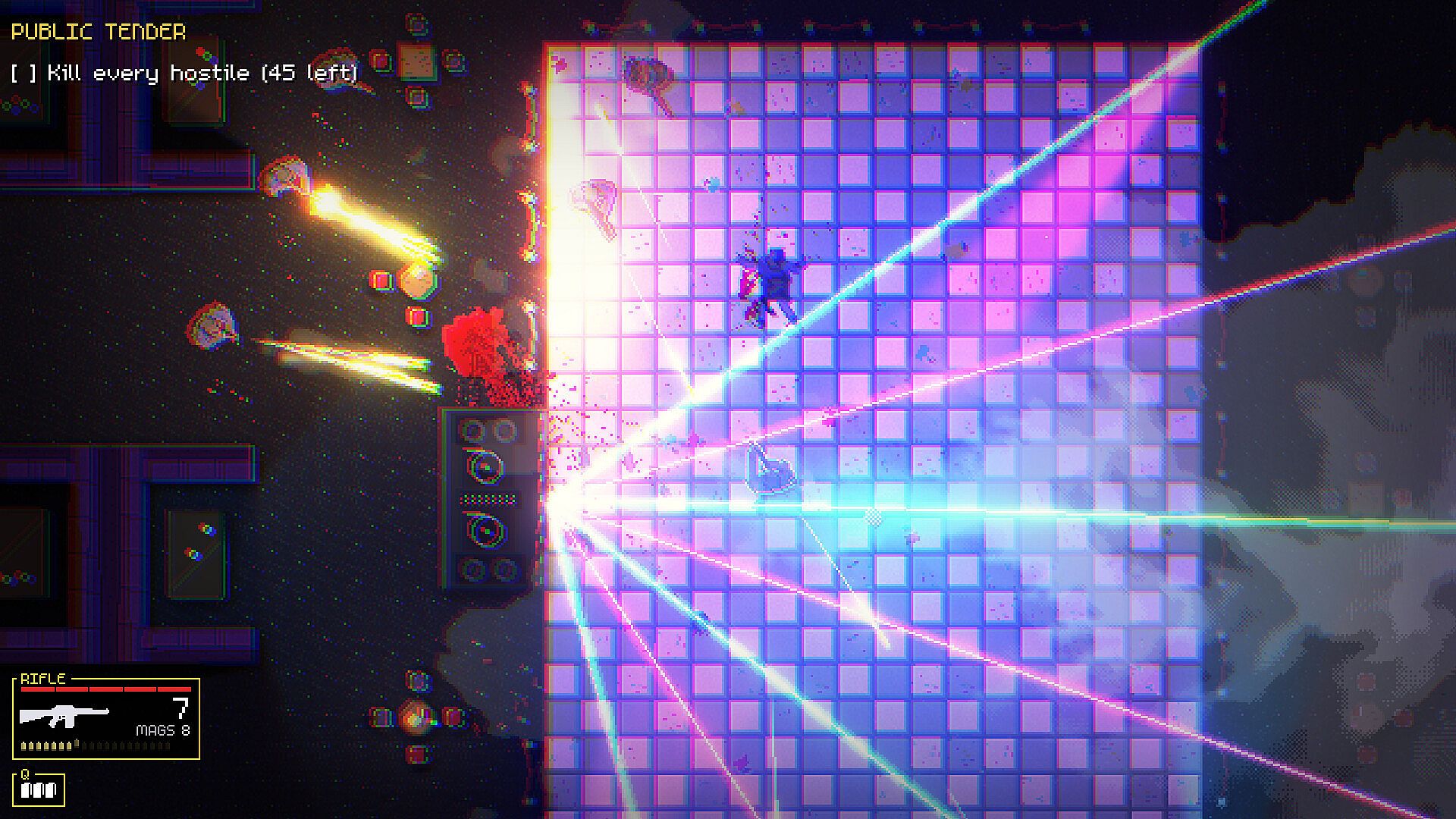
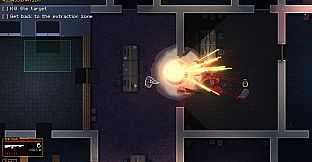
Combat emphasizes speed combined with careful decision making in confined spaces. Players scout rooms using a heartbeat scanner to identify threats before committing. Options include cutting power to disable security cameras or using breaching charges to create new entry points through walls. When engagements turn intense, mechanics allow slow-motion dives through doorways, kicking doors open, and using enemies as human shields for protection while advancing.
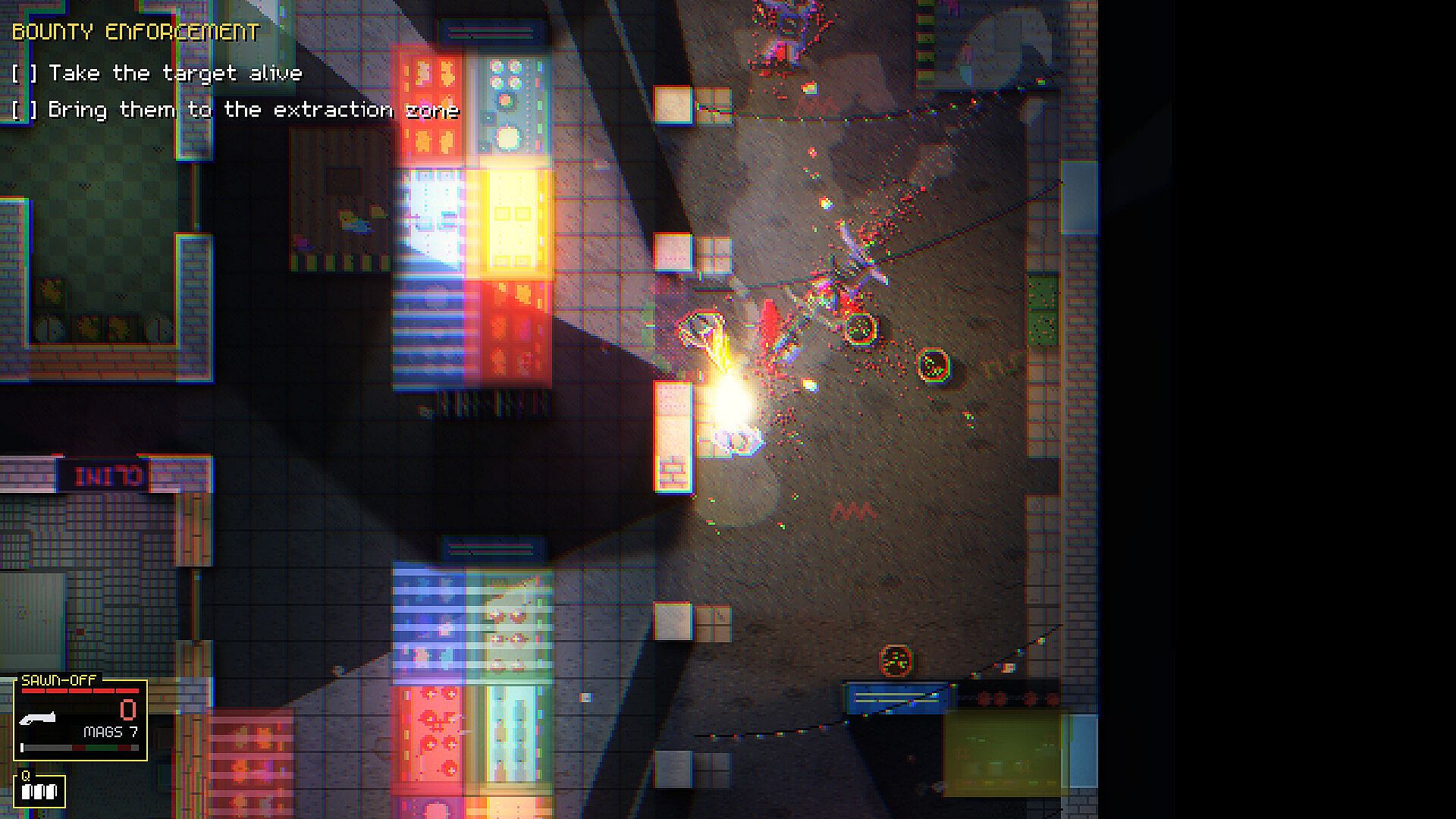
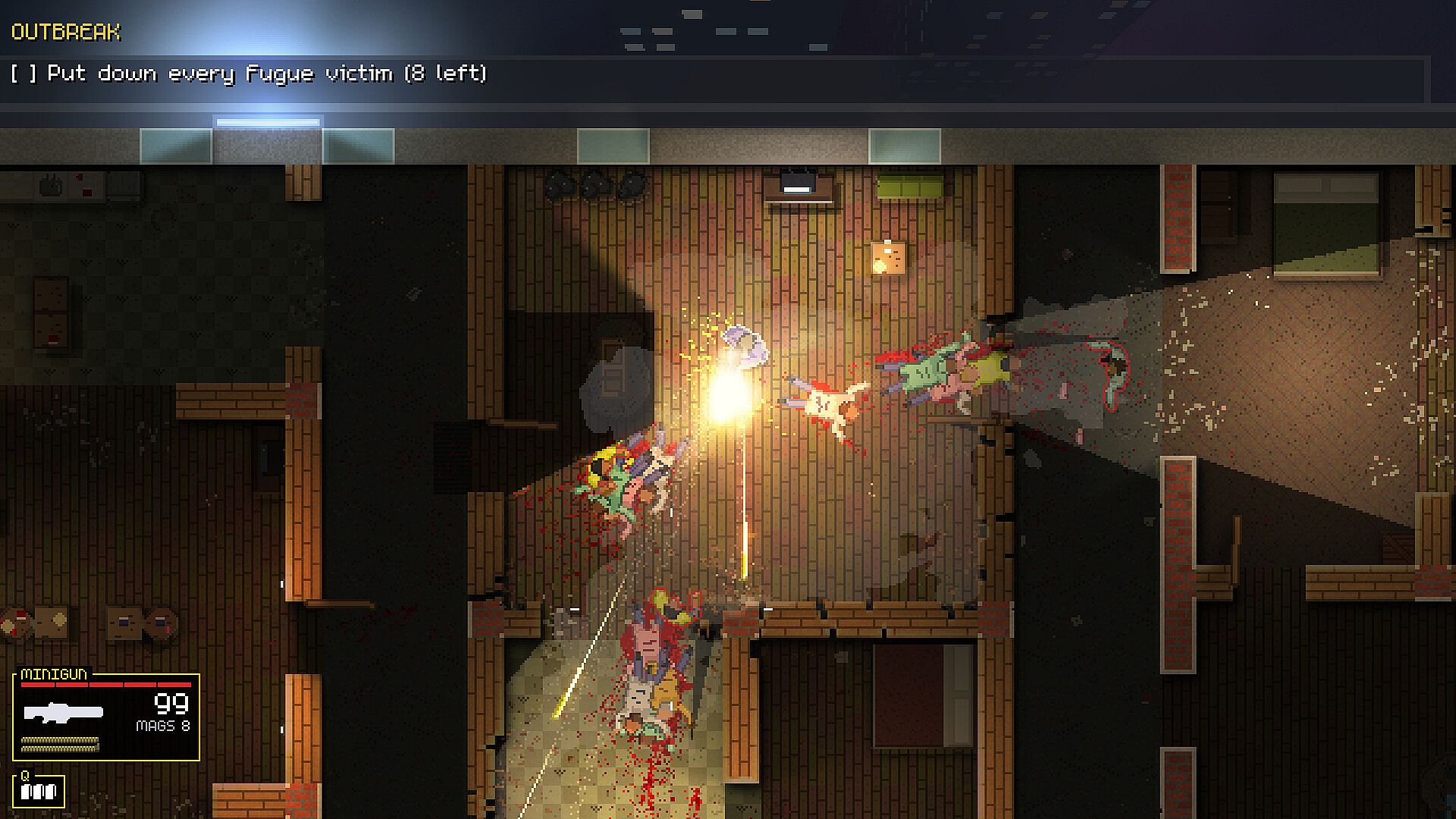
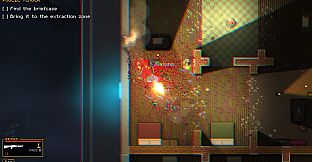
Environments respond realistically to damage. Partitions shred under sustained fire from heavy weapons, brick walls develop ragged holes from explosives, and glass windows shatter completely when enemies are kicked through them. Interactive elements extend to furniture that can be flipped for cover and barrels or tanks that trigger chain reactions or release obscuring smoke. Bullets interact with smoke in a simulated manner, carving visible paths through it during firefights.
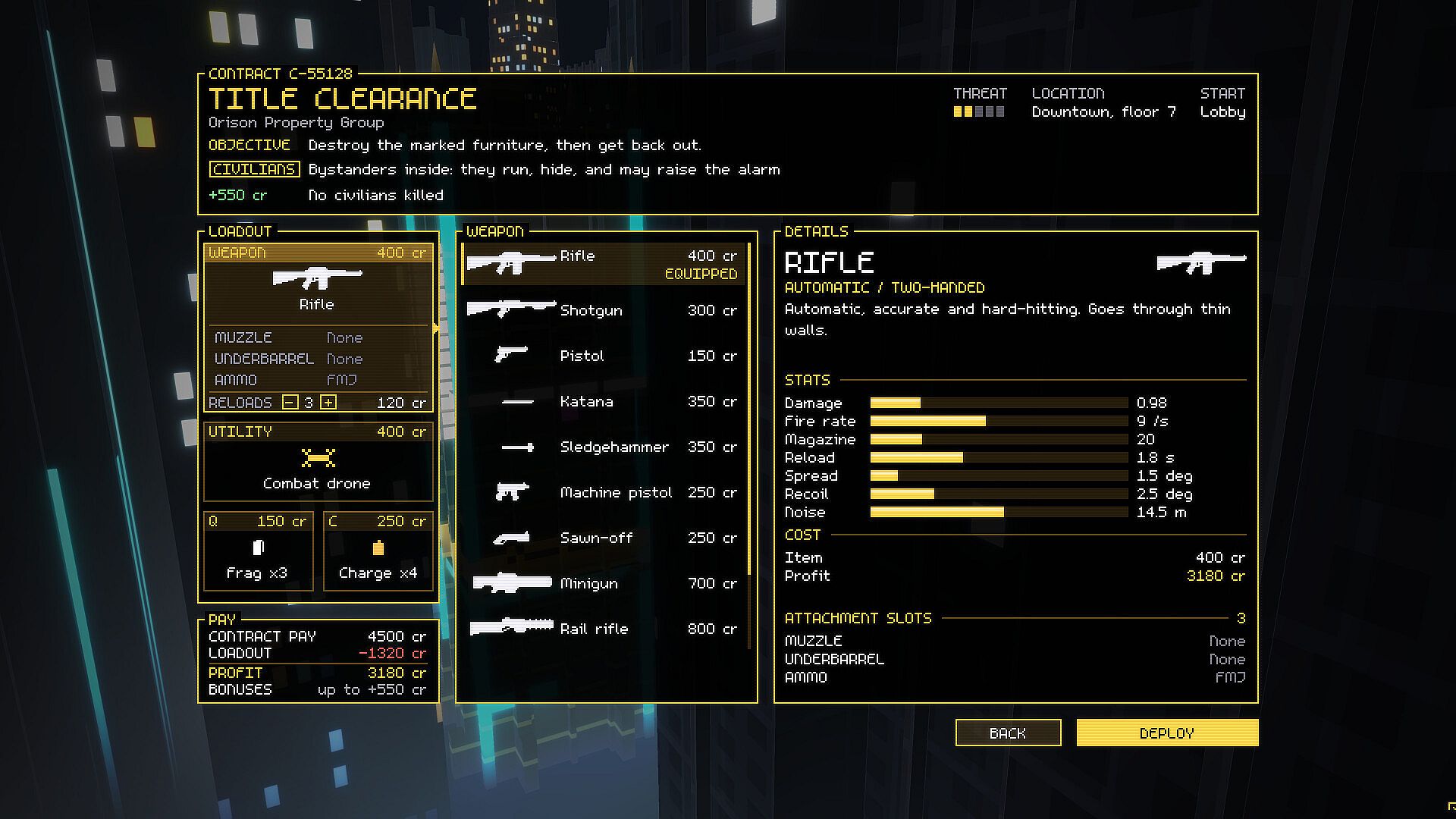
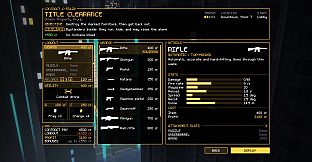
Loadout selection forms a key economic layer. Each contract requires choosing one primary weapon from options such as rifles, shotguns, heavy pistols, katanas, sledgehammers, rail rifles, and gyrojet rocket launchers, along with attachments and specialized ammunition. Players add one utility item, two tactical items, and a variable number of reloads limited only by budget. Tactical choices include frag grenades, flashbangs, gas and EMP variants, and breach charges. Utilities range from deflecting shields and combat drones to cloaking fields, wrist rockets, grappling hooks, tasers, blink-dashes, and additional scanners.
Game Modes
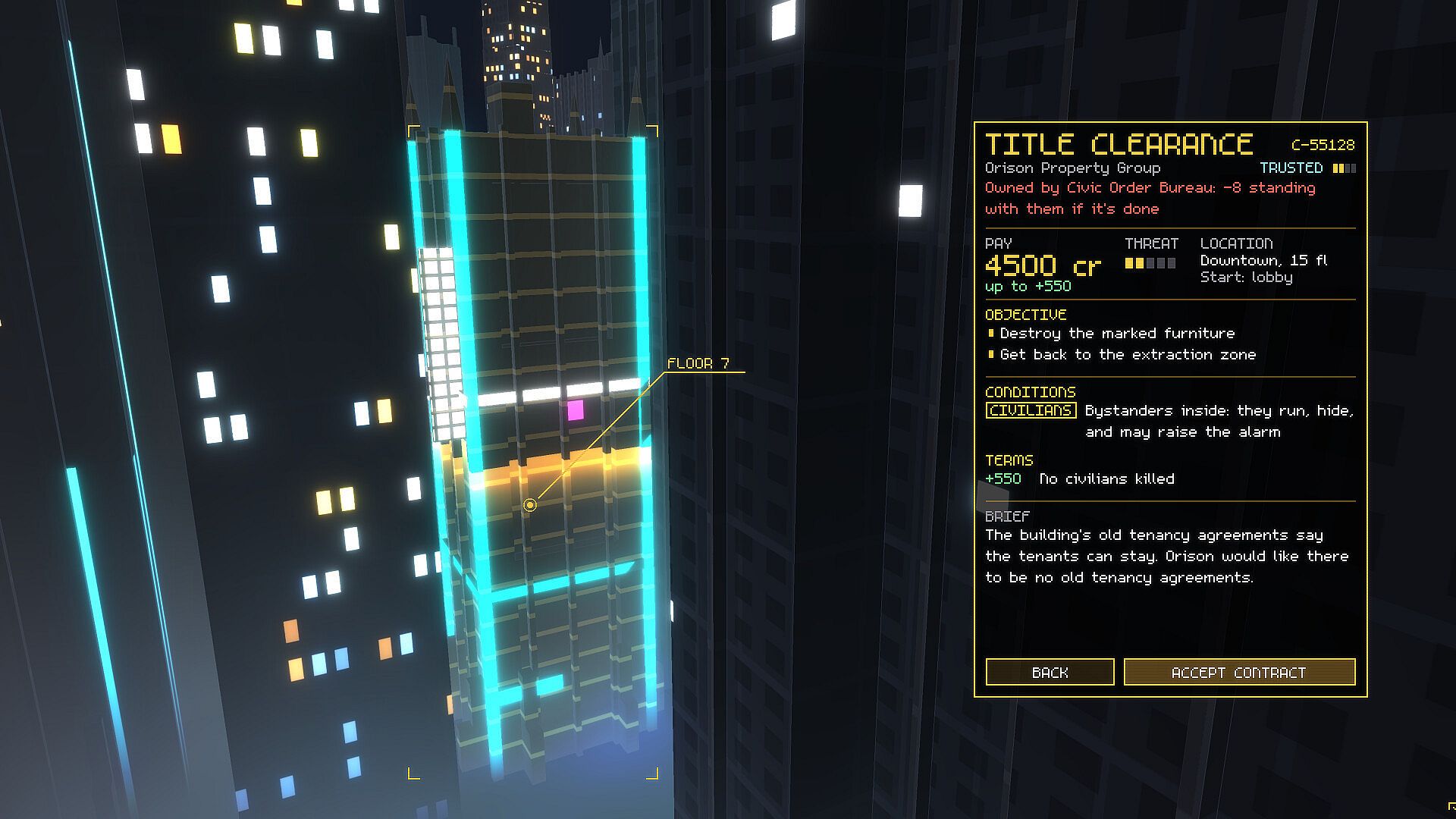
Contracts form the primary structure, with procedurally generated locations spanning corporate offices, warehouses, tenements, nightclubs, and street markets. Available job types include eliminations, high-value arrests, targeted assassinations, asset recovery, data wiping, demolitions, and hostage extractions. Additional challenges appear as waves of holdouts or outbreaks involving Fugue users who present altered threats compared to standard opponents.
Each contract includes variable modifiers such as active security systems, lockdowns, blackouts, bystander presence, discretion bonuses, and direct billing for property damage. Success improves reputation with clients and contributes to reducing debt on the player's freelance license. A separate two-player online co-op option allows partners to coordinate breaches, share tactical information, and handle revives during missions, with friendly fire noted as discouraged but possible.
Setting and Progression
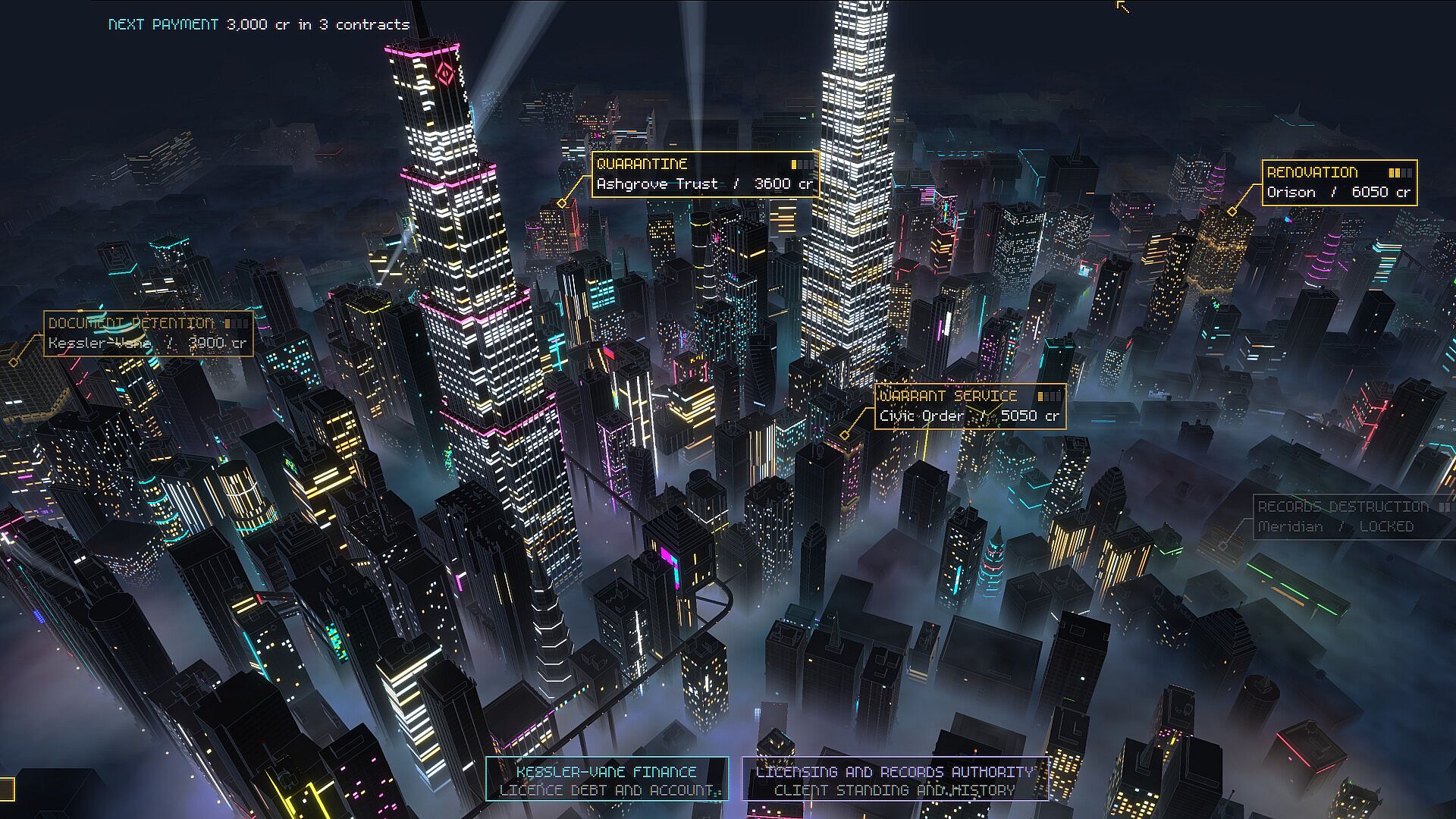
The game unfolds across a procedurally generated neonopolis where violence operates as a contracted service. Clients range from insurers and property groups to private security firms, each posting targets through a central board. Repeated performance affects future opportunities and debt repayment, creating a persistent sense of professional progression tied to financial management rather than traditional leveling systems.
Procedural generation ensures varied layouts even for repeated contract types, while material-specific destruction and environmental interactions add replay value to each location. Modifiers on jobs force adaptation, such as operating under blackout conditions or minimizing collateral to earn extra pay.
Is It Worth Playing?
Kill Fee targets players who enjoy tactical top-down shooters that blend deliberate planning with high-mobility action sequences. The emphasis on destructible environments, realistic material penetration, and an economy that directly limits ammunition and gear choices sets it apart from pure run-and-gun experiences. Those drawn to co-op sessions will find value in the two-player online mode for synchronized assaults and shared tactical oversight.
Because the game remains in a pre-release state with no user reviews available yet, prospective players should monitor development updates for confirmation of final balance and feature completeness. The described systems suggest strong appeal for fans of methodical room-clearing combined with financial risk management, particularly if they appreciate John Woo-inspired movement mechanics and fully interactive surroundings. Availability on PC supports keyboard and mouse precision suited to the tactical demands.