



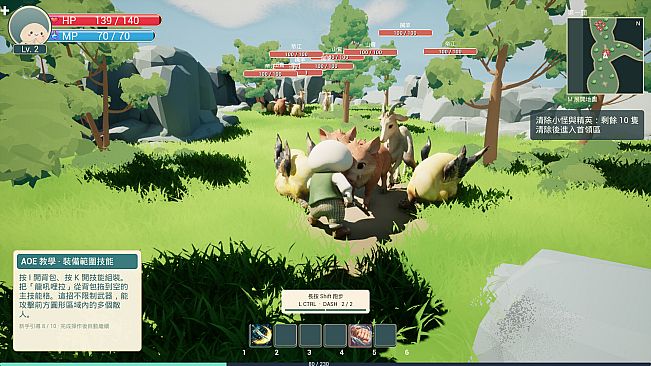
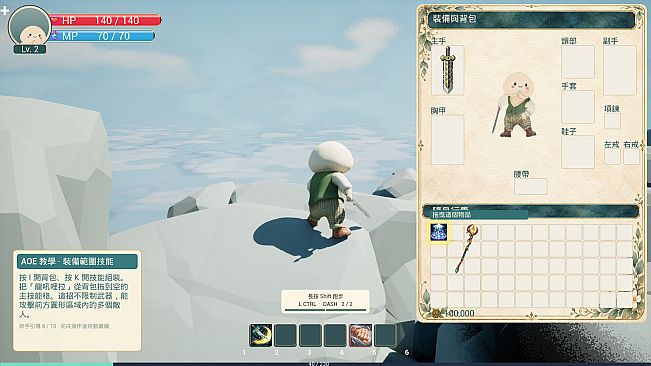
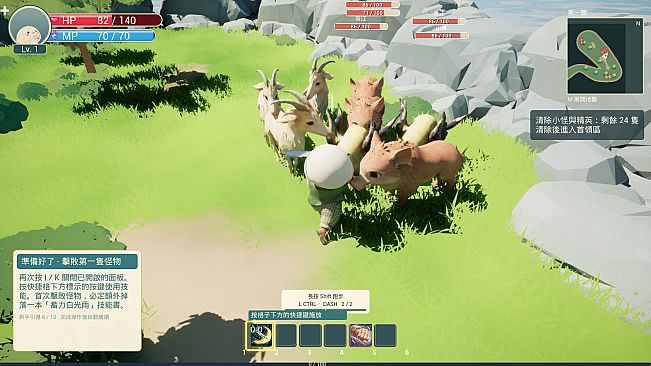
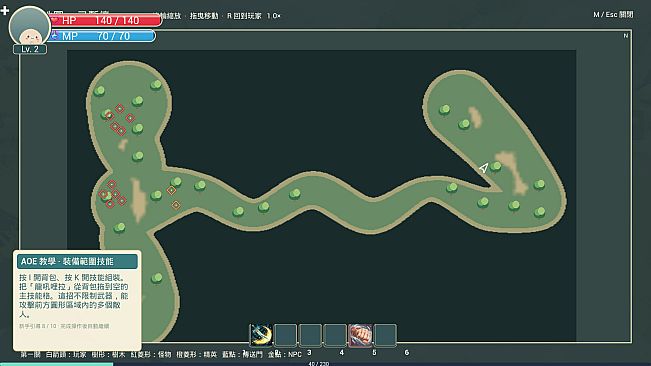

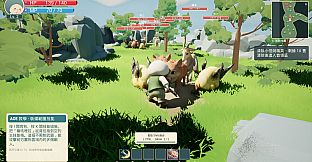



Legend of Dick is an action, indie, and adventure game set in a xianxia-inspired martial arts world on PC. Players take on the role of Dick, a young disciple whose distinctive appearance draws constant mockery, yet he pursues a straightforward goal of becoming someone reliable enough to help others in need. The experience blends sect-based daily life with real-time combat and personal relationships, all viewed through third-person 3D action.
Gameplay
The core loop begins inside a sect where new arrivals handle routine tasks such as sweeping floors, chopping wood, and running errands. These chores build contribution points that unlock access to martial arts training and permission to leave the mountain on assignments. Combat occurs in real time from a third-person perspective, where players test techniques against monstrous beasts and rival fighters. Limited time and resources force choices about which disciplines to pursue deeply or how to combine complementary styles into a personal approach. Enemies scale in strength, rewarding focused training over scattered efforts. Exploration leads through tournaments, visits to other sects, and encounters with mythical creatures drawn from classic Chinese fantasy sources. Strange disturbances and hidden secrets add layers to the journey beyond simple combat encounters.
Game Modes
The game operates as a single-player experience centered on progression through sect duties and external adventures. Early stages emphasize routine tasks and basic training within the sect. Mid-game shifts toward independent assignments, tournaments, and cross-sect training visits. Later phases involve larger events tied to an invading demonic sect, where alliances formed earlier influence outcomes. No separate multiplayer or competitive modes appear in the design. Instead, the structure revolves around sequential phases of sect life, personal skill development, and story-driven crises that test accumulated relationships and combat ability.
Combat and Progression Systems
Third-person real-time combat forms the backbone of testing martial arts choices. Players select disciplines and combine techniques, but spreading effort too thin leaves characters unable to overcome stronger foes. Specialization pushes one style to its limits, while thoughtful pairings create unique fighting approaches. Progression ties directly to sect contributions and assignment rewards, gradually opening new techniques and opportunities. The system discourages unfocused play because later threats punish players who lack depth in their chosen methods. Encounters with beasts and tournament opponents serve as practical checks on training decisions made along the way.
Relationships and Story Elements
Interactions with women from other sects introduce personalities, loyalties, and personal histories that evolve through shared training, quests, and dangers. Trust builds gradually from initial meetings into reliable companionship during fights. Choices during these joint activities shape the depth of bonds, with potential for closer ties depending on how Dick handles situations. These connections prove relevant during the demonic sect invasion, where former rivals may need to cooperate and individual strength alone may fall short against major threats. The narrative avoids treating companions as simple rewards, instead presenting them as active participants with their own paths.
Is It Worth Playing?
Legend of Dick suits players interested in a focused single-player martial arts adventure that mixes routine sect management with real-time combat and relationship building. The premise of an underdog protagonist who looks like a king oyster mushroom sets it apart from standard hero stories, while the emphasis on deliberate training choices and alliance management adds strategic weight. Those who enjoy xianxia settings with mythical beasts and gradual character growth will find the progression loop engaging. The game rewards consistent effort in both combat specialization and interpersonal decisions, particularly when the larger crisis arrives. Availability on PC makes it accessible for those seeking an indie title with clear mechanical focus rather than broad open-world freedom.