



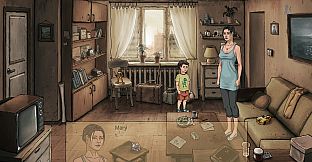
Little Kite is an indie point-and-click adventure game available on PS5 that centers on a tense family drama told through hand-painted artwork and a focused narrative. Players follow Mary and her son Andrew as they navigate the consequences of domestic issues stemming from alcohol and violence in their home. The experience unfolds as a linear story without voice acting, relying instead on text, sound effects, and an original soundtrack to convey emotion and atmosphere.
Gameplay
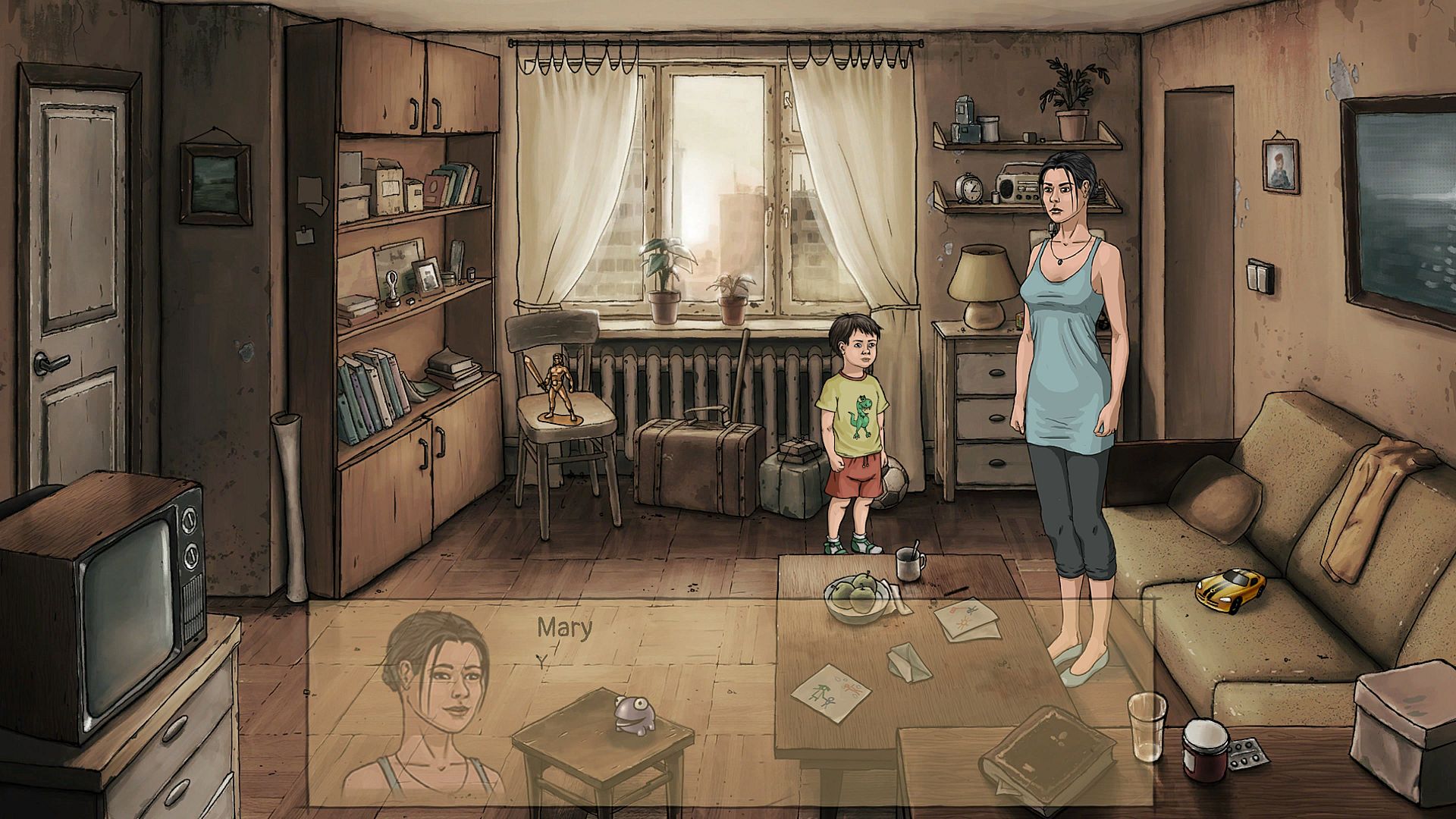
The core loop involves exploring static scenes by moving a cursor to interact with objects and characters. Players collect items in an inventory and combine them or use them in the environment to solve puzzles that range from straightforward object placement to more involved tasks such as rearranging boxes, connecting wires, or completing slider and connection-based challenges. An eye icon highlights interactive hotspots when activated, though it requires repeated use in many scenes. The game switches control between the two main characters, with Mary handling practical tasks in the apartment and Andrew engaging with surreal elements in his imagined realm. Puzzles adapt to each perspective, incorporating everyday items for one and more abstract or fantastical solutions for the other. Progress relies on observation, trial and error, and logical connections rather than combat or timed sequences. The entire story completes in a few hours, with checkpoint saves that advance at scene transitions.
Game Modes
Little Kite offers a single-player experience with no separate multiplayer or competitive modes. The structure centers on a continuous narrative that alternates between the two playable characters and their respective settings: the grounded reality of the family apartment and Andrew's fantasy sequences. This alternation serves as the primary variation in gameplay, allowing players to experience parallel viewpoints on the same events without branching paths or optional side activities. All content remains accessible in one playthrough, emphasizing story progression over replayability features.
Story and Themes
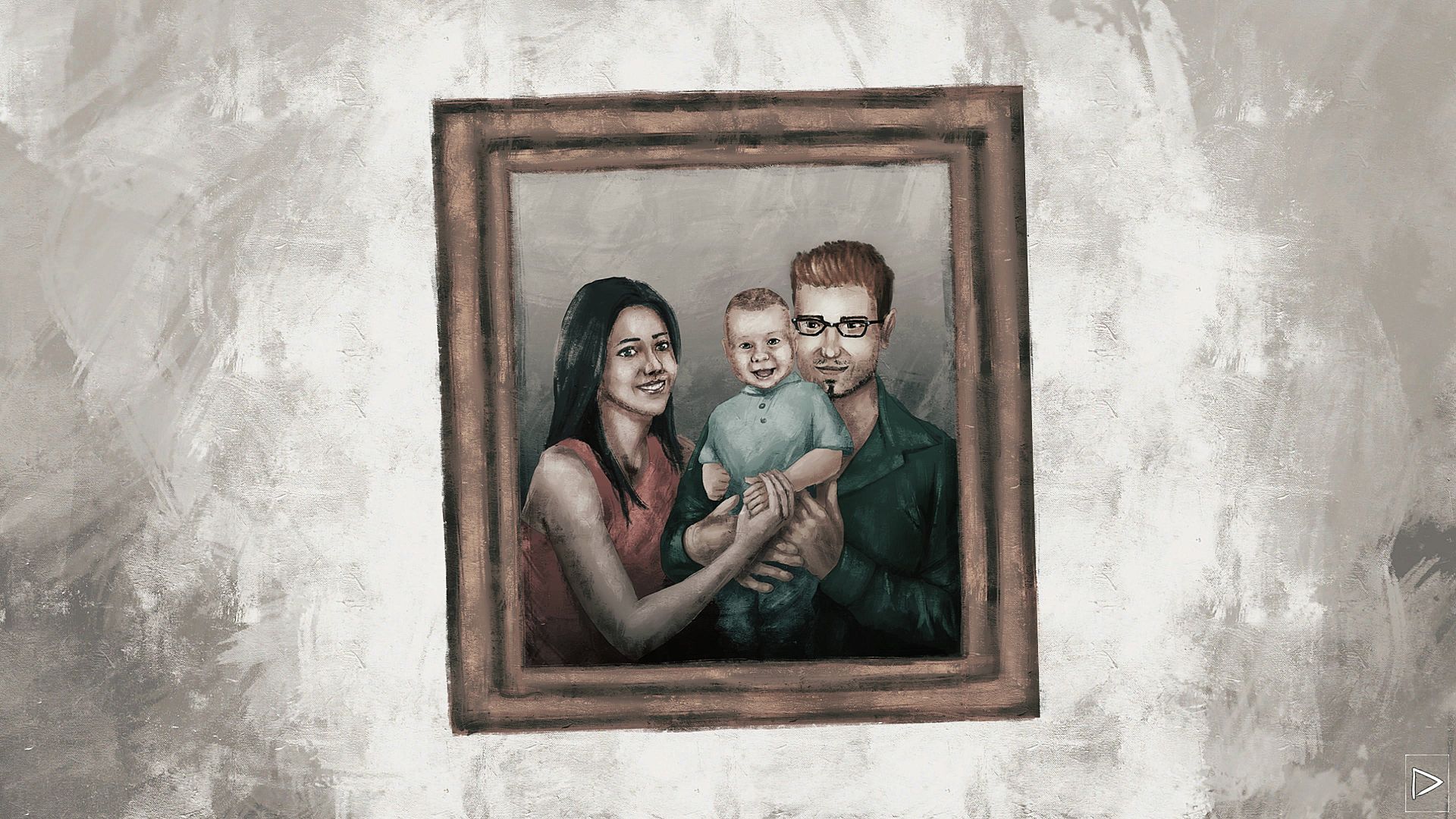
The narrative explores the breakdown of a family following the death of Mary's first husband. She remarries Oliver in hopes of stability for her son, but daily pressures lead him to alcohol and abusive behavior. Mary initially endures the situation, while Andrew retreats into imagination during moments of conflict. The story builds toward a pivotal decision point for Mary, highlighting themes of inaction, resilience, and the impact of violence on children. Text descriptions and character reflections reveal details gradually through environmental interactions, maintaining a consistent tone across the short runtime.
Visuals and Audio
Expressive hand-painted art renders both the apartment and fantasy sequences in high resolution, creating distinct atmospheres for each world. The soundtrack provides atmospheric support without voice lines, using audio cues to underscore tension and quieter moments. In-game text supports English, Ukrainian, Dutch, and Russian, allowing accessibility across those languages while keeping the focus on visual and puzzle-driven storytelling.
Is It Worth Playing?
Player feedback on Steam rates the game positively overall, with praise directed at the handling of sensitive subject matter, detailed artwork, and the emotional weight of the family story. Some reviews note that puzzles can feel convoluted or overly intricate at times, and console controls may require adjustment compared to mouse-and-keyboard play. The short length suits those seeking a focused narrative adventure rather than extended gameplay. It appeals most to players interested in story-driven point-and-click experiences that tackle mature themes without relying on action elements. Those comfortable with deliberate puzzle-solving and a bleak tone will find the core strengths in its presentation and character perspectives. The title remains a niche indie release best approached for its artistic approach to difficult topics rather than broad entertainment value.