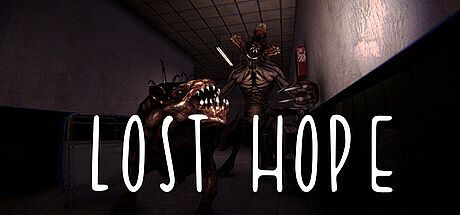


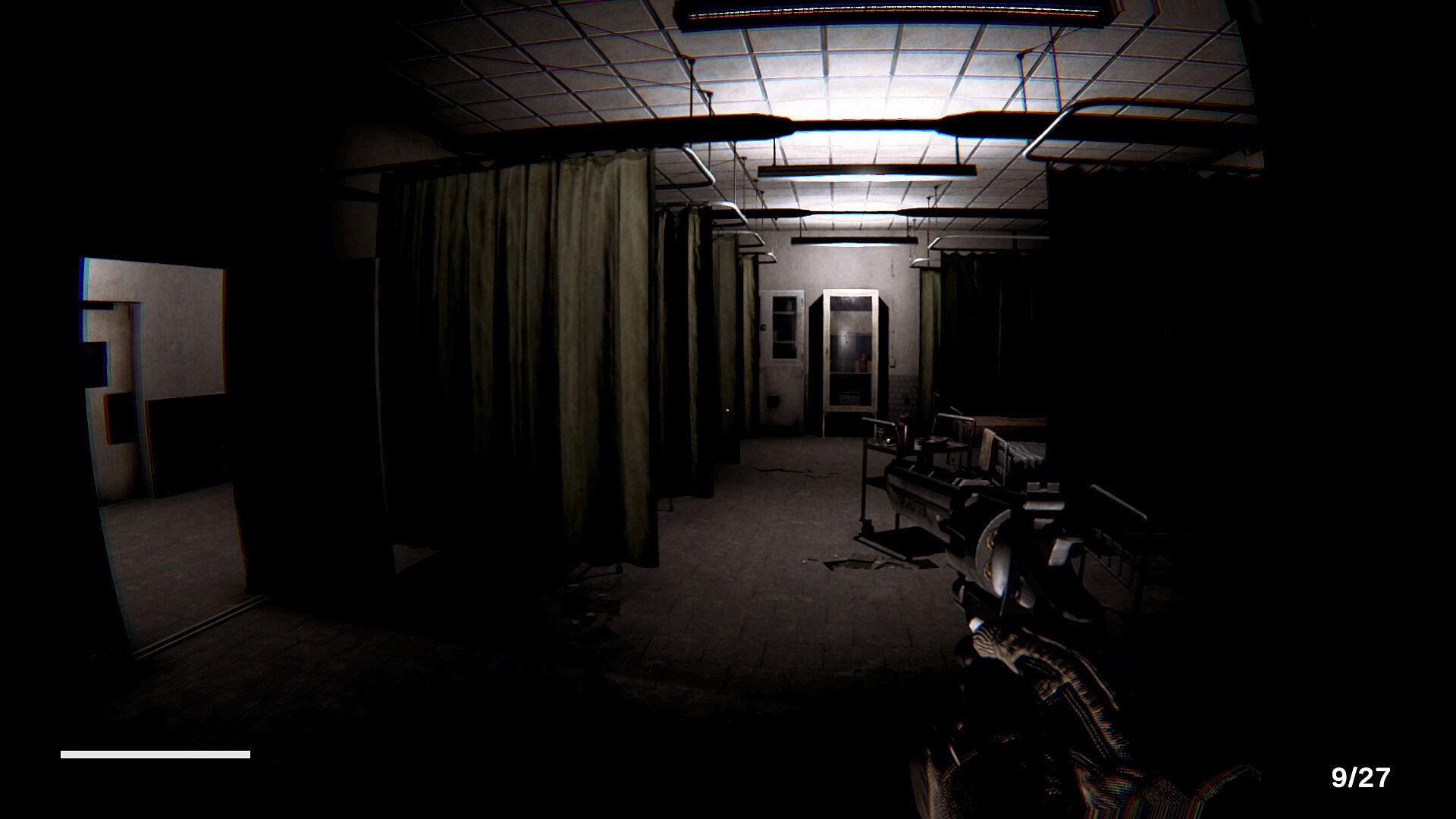
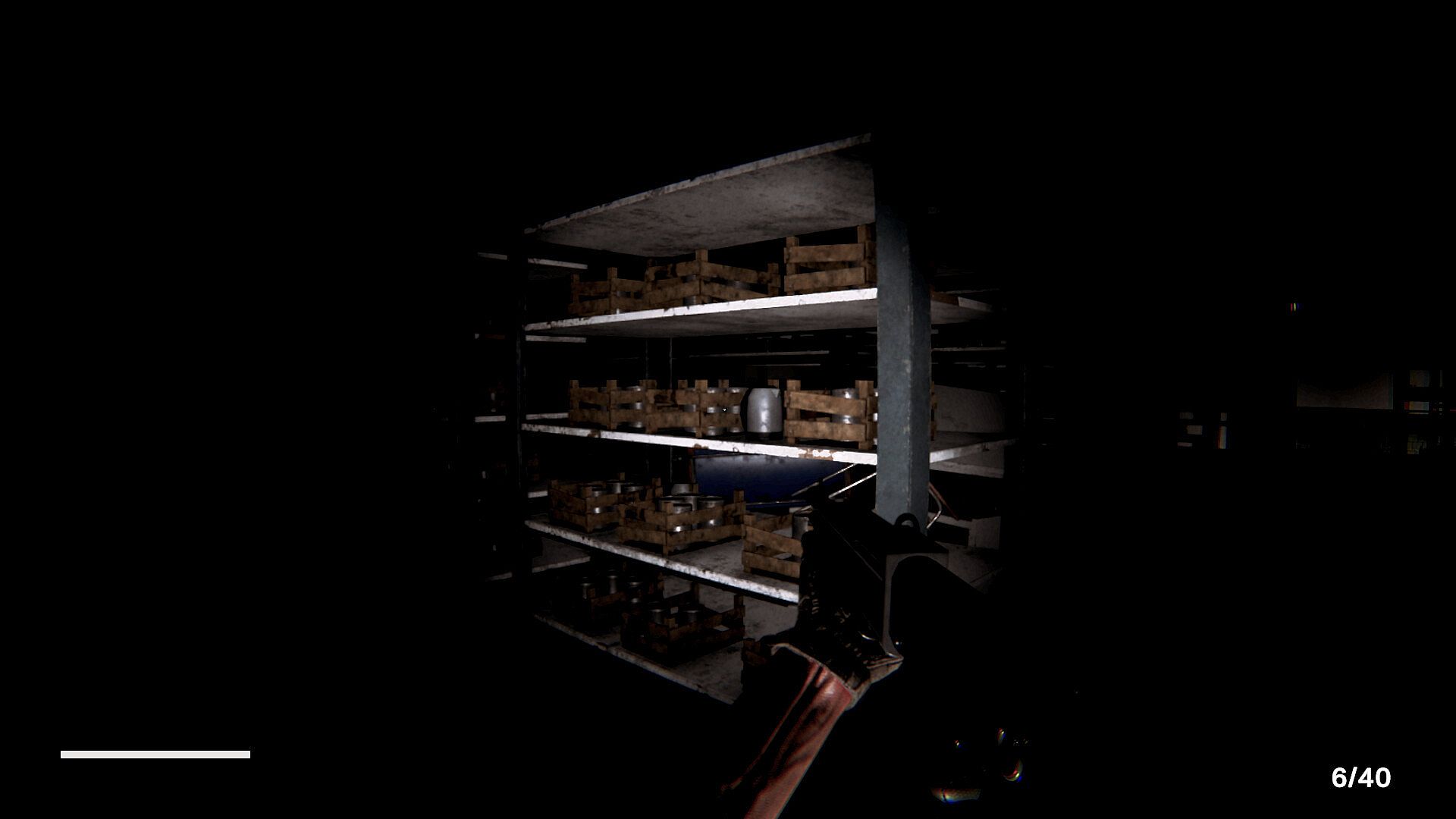
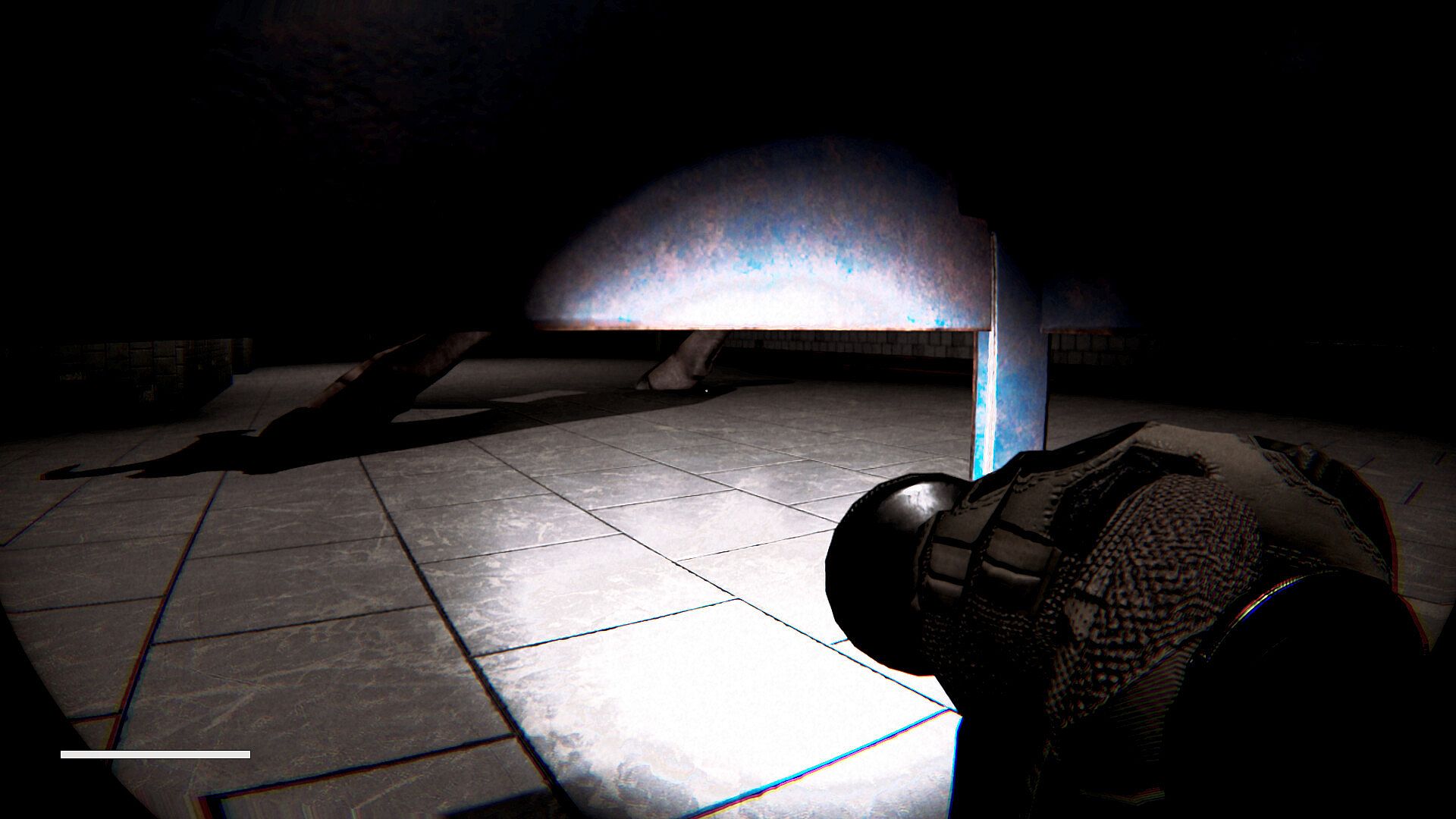
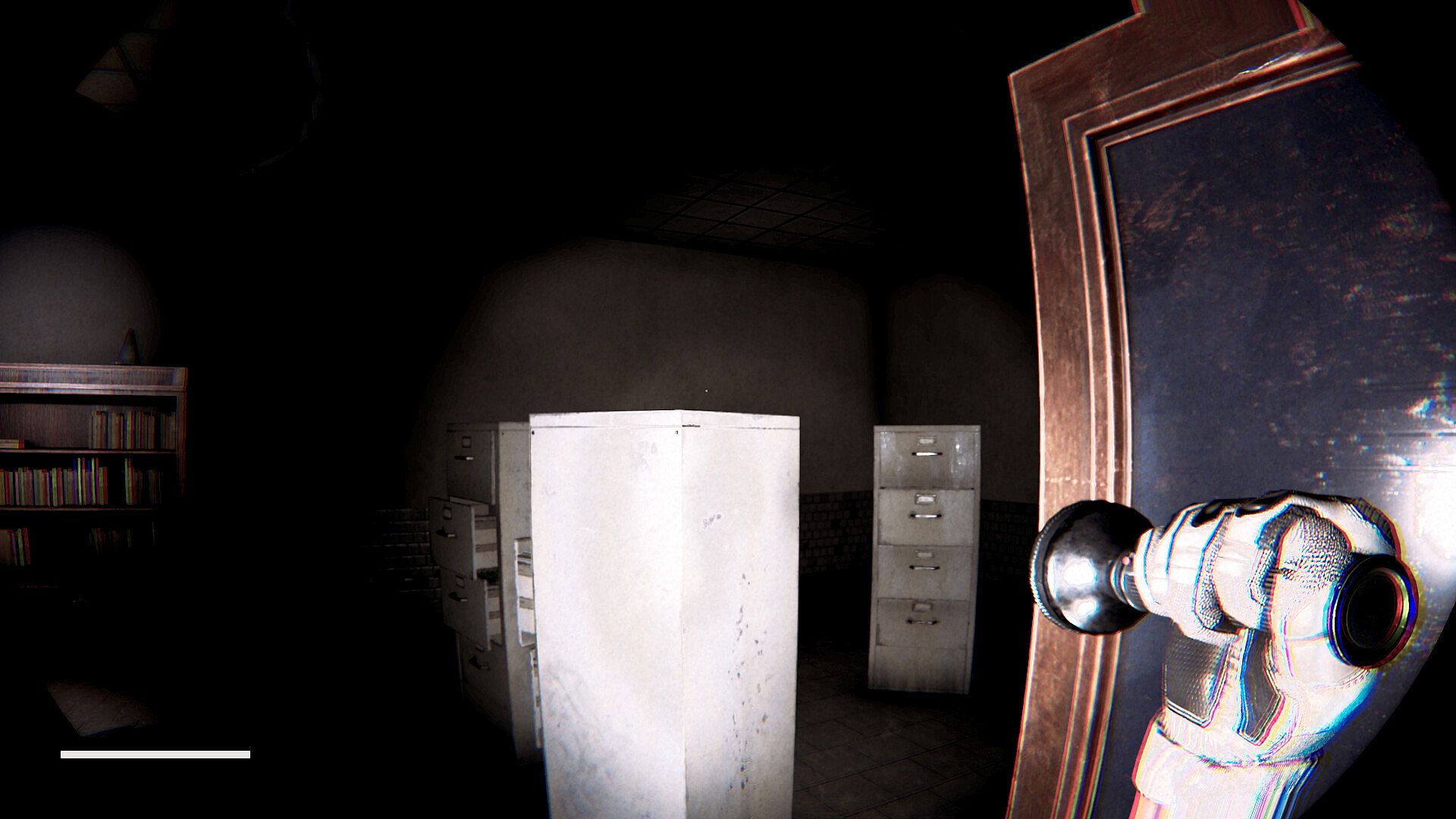
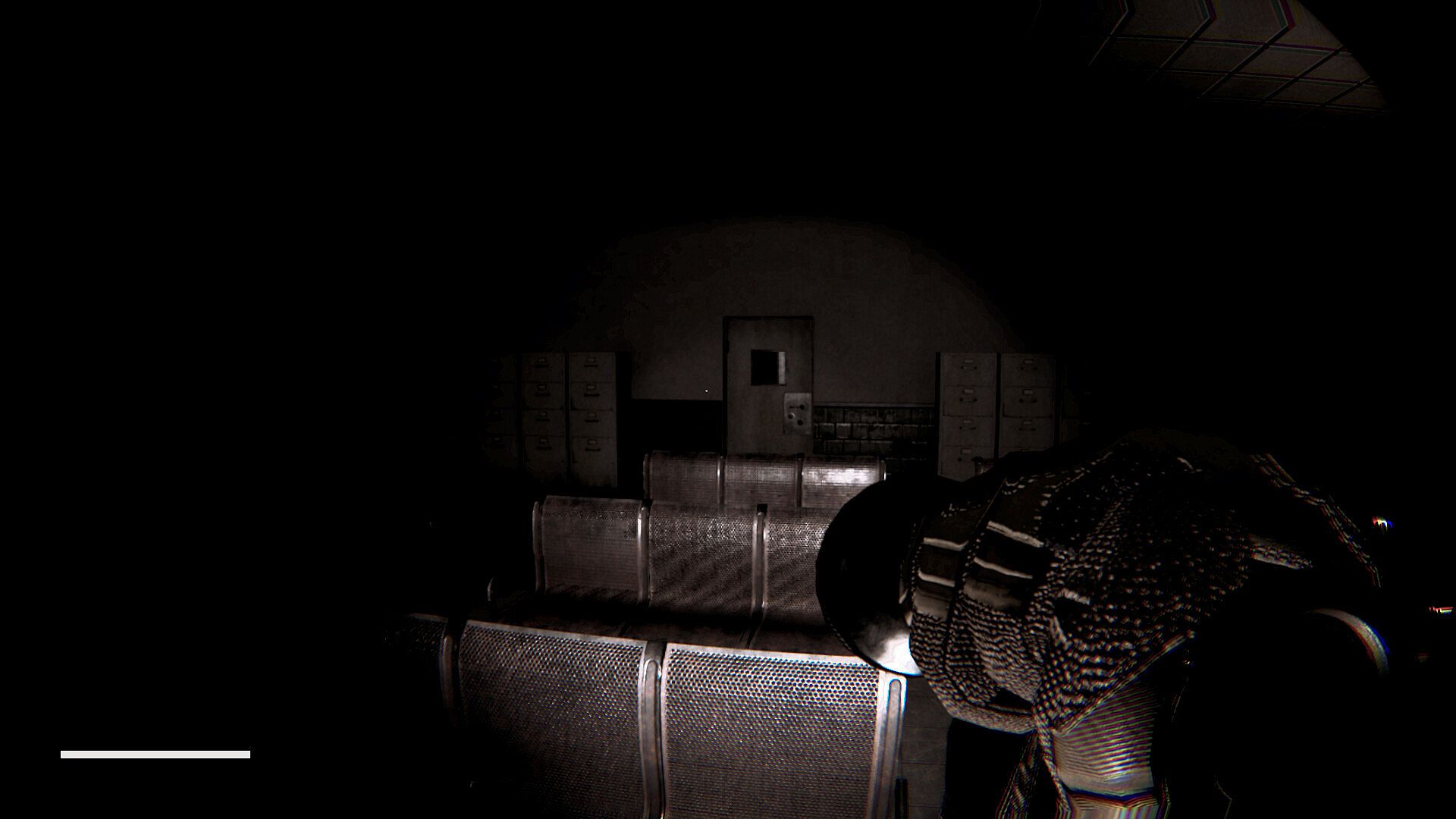
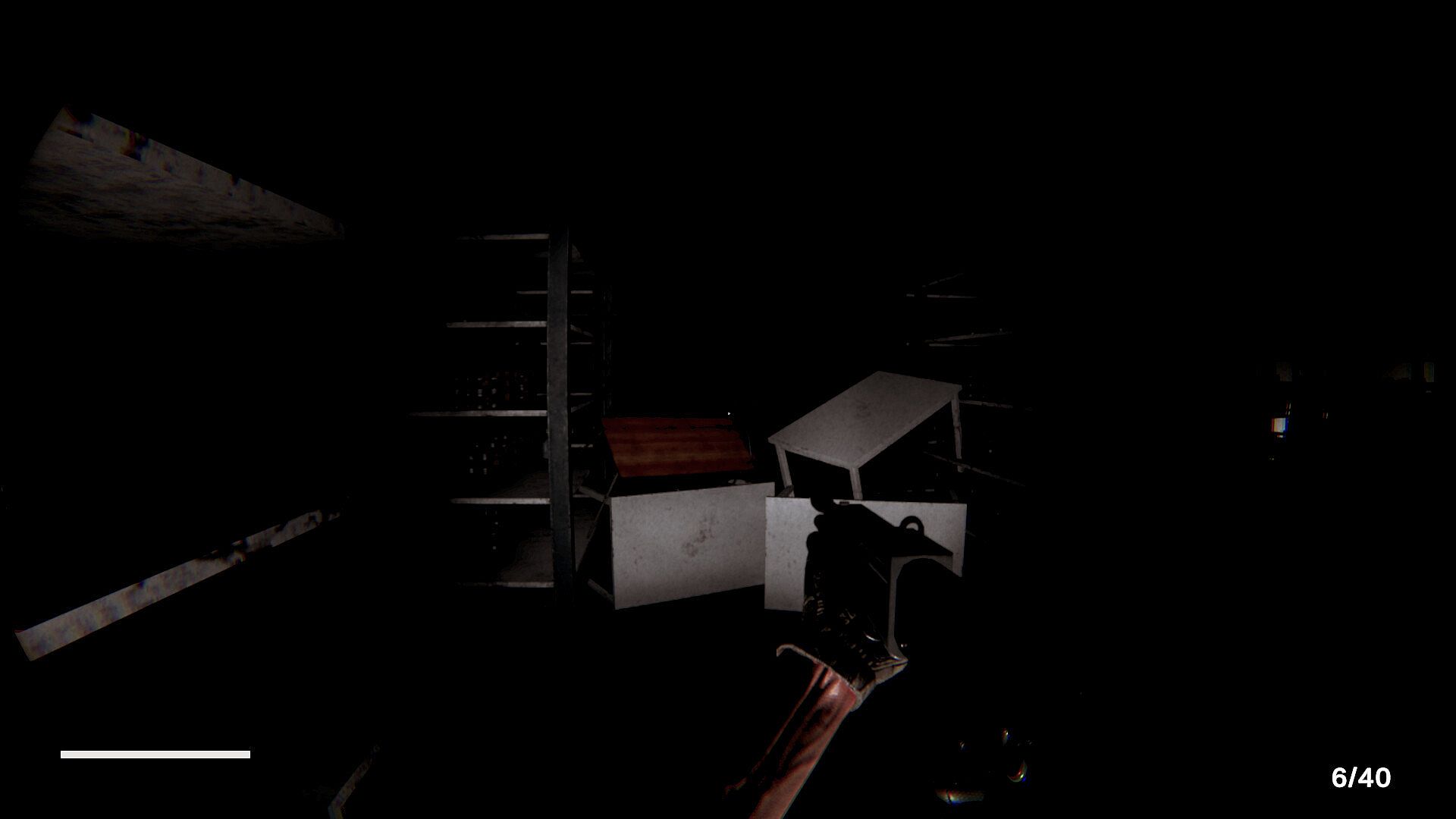
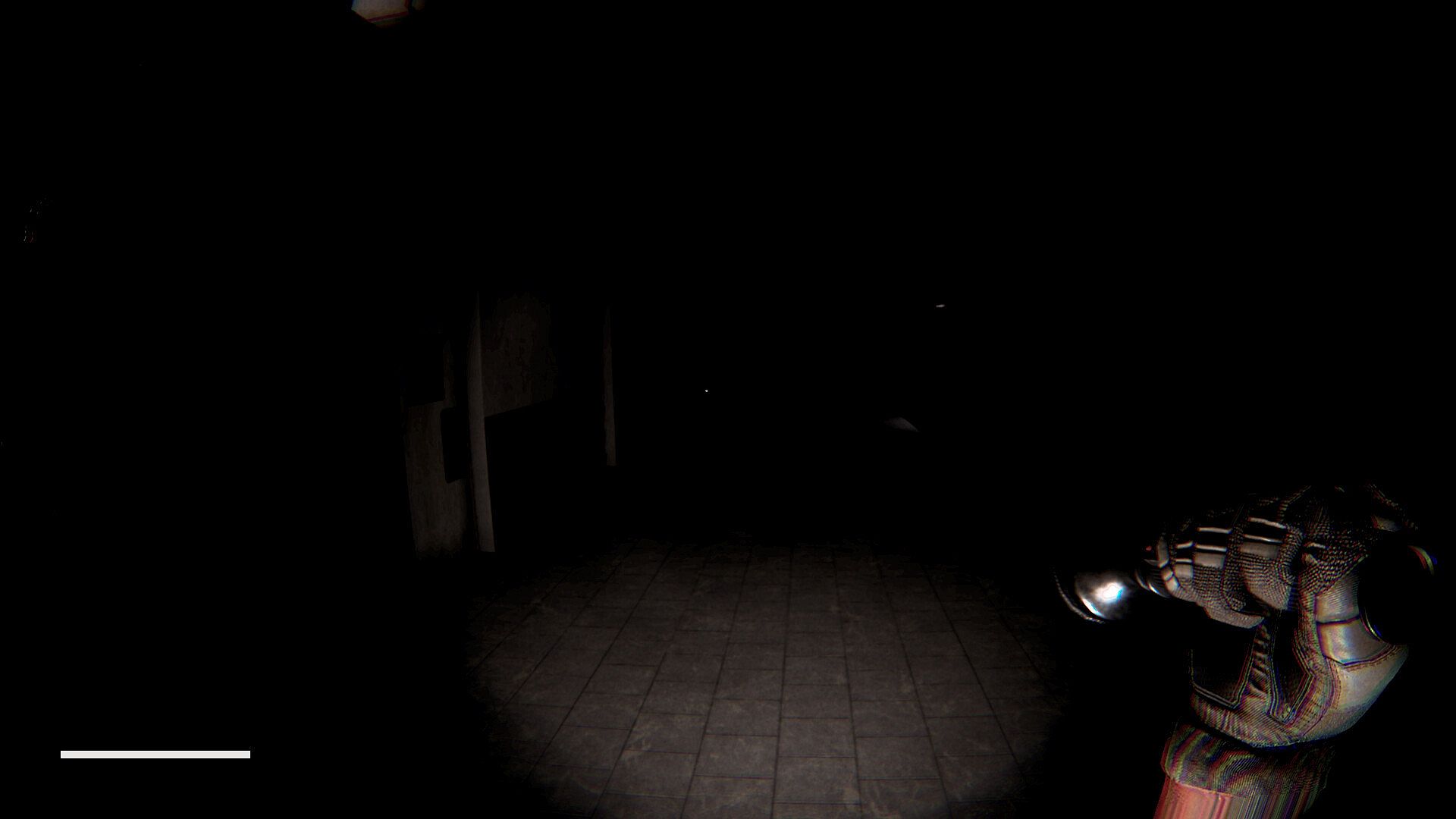
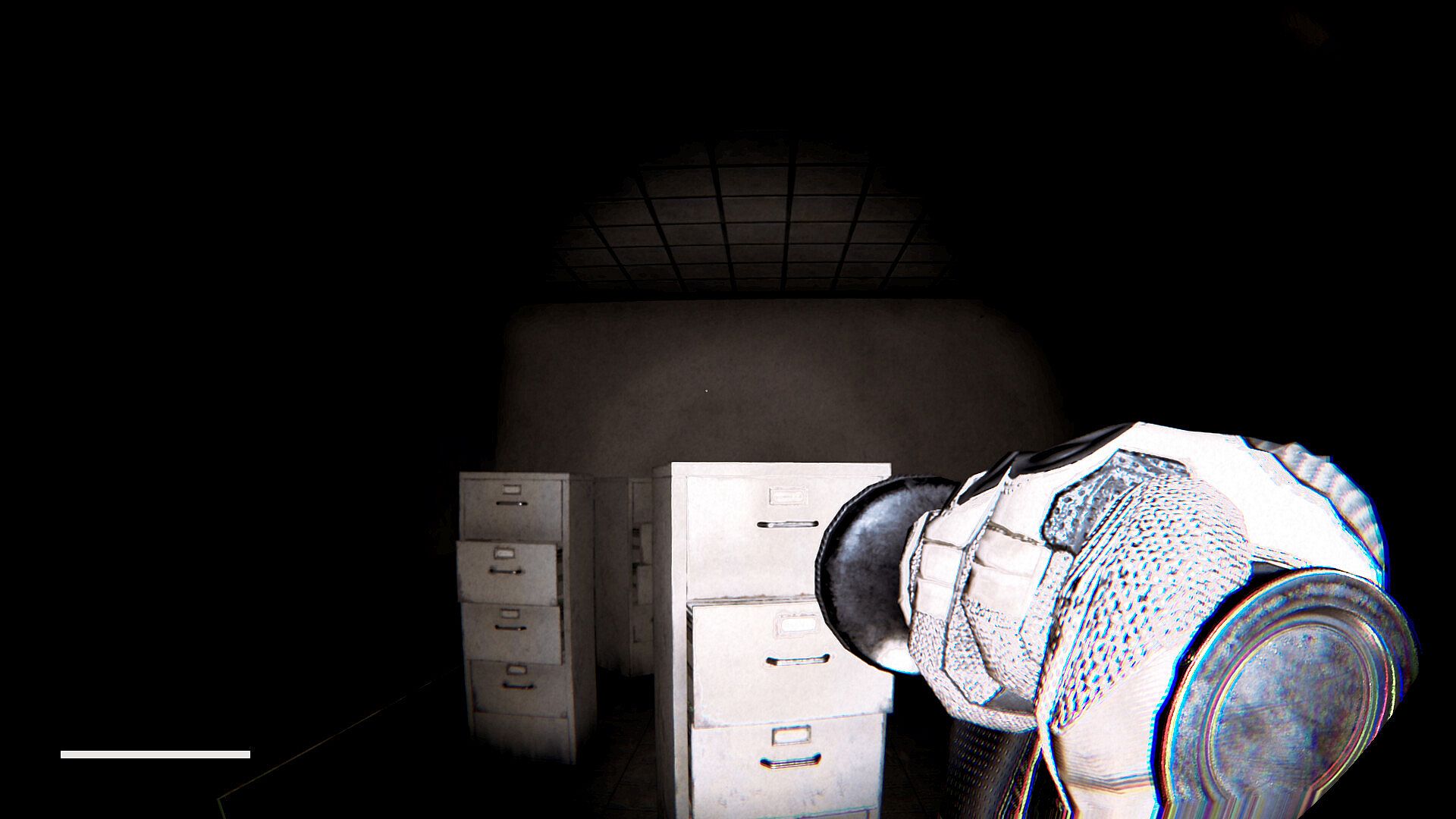
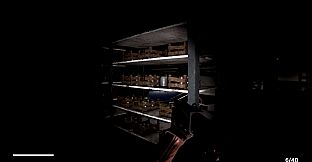
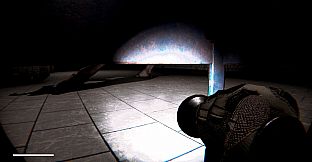
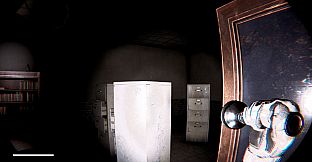
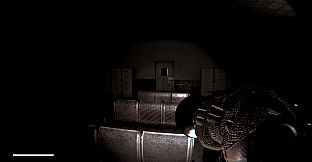
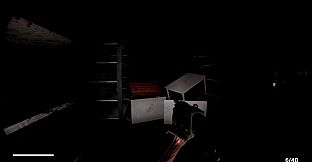
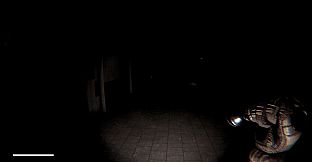
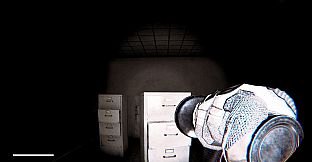
Lost Hope est un survival horror en vue subjective développé en indépendant sur PC. L'action se déroule dans un hôpital psychiatrique abandonné où le joueur incarne un captif contraint d'explorer des couloirs obscurs, d'éviter des créatures difformes et de reconstituer une histoire troublante tout en cherchant à s'échapper.
Gameplay
Le cœur du jeu repose sur une gestion tendue des ressources et une exploration prudente. Dès le départ, les munitions sont rares : le revolver et le fusil à pompe ne disposent que de quelques cartouches. Chaque rencontre avec les monstres impose donc un choix entre viser avec précision ou fuir, car une fois les balles épuisées, les options de défense se réduisent considérablement. La lampe torche, indispensable pour progresser dans le noir, voit également sa batterie s'épuiser, ajoutant une contrainte supplémentaire lors des longues recherches.
Des kits de soins disséminés dans les lieux permettent de se remettre des attaques, mais leur utilisation doit être mesurée : chaque soin consommé aujourd'hui peut manquer plus tard. À chaque mort, l'emplacement des objets et des clés est redistribué aléatoirement, obligeant le joueur à s'adapter et empêchant toute répétition identique d'une partie à l'autre.
Des notes et des messages audio laissés par un savant fou livrent des indices sur l'hôpital et ses expériences. Ces éléments enrichissent l'histoire sans interrompre la survie. Les clés ramassées ouvrent des portes qui bloquent la progression, transformant l'exploration en une suite de décisions réfléchies entre fouiller une pièce et rester à l'écoute des menaces environnantes.
Le joueur peut se cacher dans des placards, sous des lits ou dans des toilettes lorsque les monstres approchent. Ces moments de dissimulation renforcent la tension, car une détection entraîne souvent une poursuite immédiate ou la mort. La combinaison de ressources limitées, de dangers constants et de la nécessité de tout recommencer après chaque échec crée une boucle exigeante centrée sur la mémorisation des lieux et le timing des déplacements.
Game Modes
Lost Hope se joue exclusivement en solo, sans mode multijoueur ni variantes nommées. Chaque session constitue un défi continu dont l'objectif reste l'évasion de l'hôpital. La redistribution aléatoire des objets et des clés à chaque mort apporte une rejouabilité naturelle, car la progression est remise à zéro et les éléments clés réorganisés dans le même environnement.
Cette structure incite à multiplier les tentatives pour affiner ses stratégies. Le joueur apprend les itinéraires des monstres, les meilleurs endroits où se cacher et les parcours les plus efficaces pour récupérer les clés et les éléments d'histoire. L'accent reste mis sur la maîtrise des systèmes de base plutôt que sur des modes ou des niveaux de difficulté distincts.
Atmosphère et Tension
Le cadre de l'hôpital psychiatrique abandonné installe une sensation permanente d'oppression. L'éclairage faible, les pas qui résonnent et la présence de créatures hostiles génèrent une pression qui s'intensifie dès les premières minutes. La visibilité réduite oblige à peser le risque d'allumer la lampe torche face à la nécessité de repérer les menaces ou les objets.
Les indices sonores de l'environnement et les enregistrements collectés renforcent le malaise. Les messages du savant fou évoquent des expériences qui ont mal tourné, apportant un contexte aux monstres sans guider directement le joueur. L'attention reste ainsi centrée sur les décisions de survie immédiates tout en révélant progressivement l'histoire à travers l'exploration.
Is It Worth Playing?
Lost Hope s'adresse aux joueurs en quête d'expériences horrifiques courtes et intenses, où la planification et les réflexes rapides sont récompensés. La rareté des ressources et l'obligation de se cacher créent de véritables moments de suspense, particulièrement pour ceux qui apprécient les survival horror indépendants. L'aléatoire à chaque mort prolonge la durée de vie par essais et erreurs, tout en maintenant une longueur volontairement contenue.
Ceux qui recherchent une session horrifique solo directe, avec des objectifs clairs et des conséquences sévères, trouveront les mécaniques captivantes. Le jeu délivre son intensité par une pression constante plutôt que par une campagne étendue ou des contenus additionnels. Les amateurs de longues aventures ou de multijoueur risquent de trouver le format limité, tandis que les passionnés de survival horror classique apprécieront la précision de son exécution.