

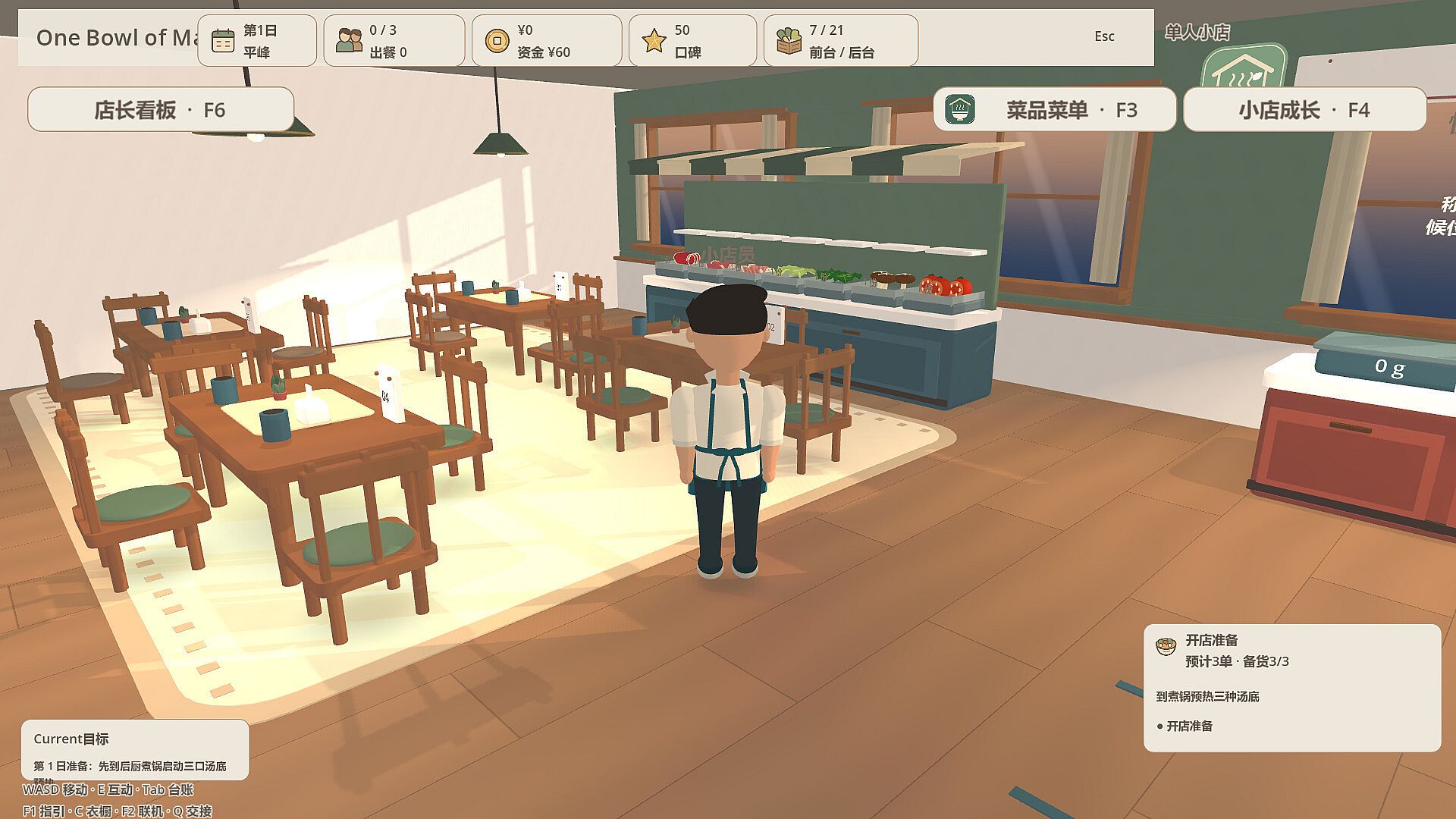
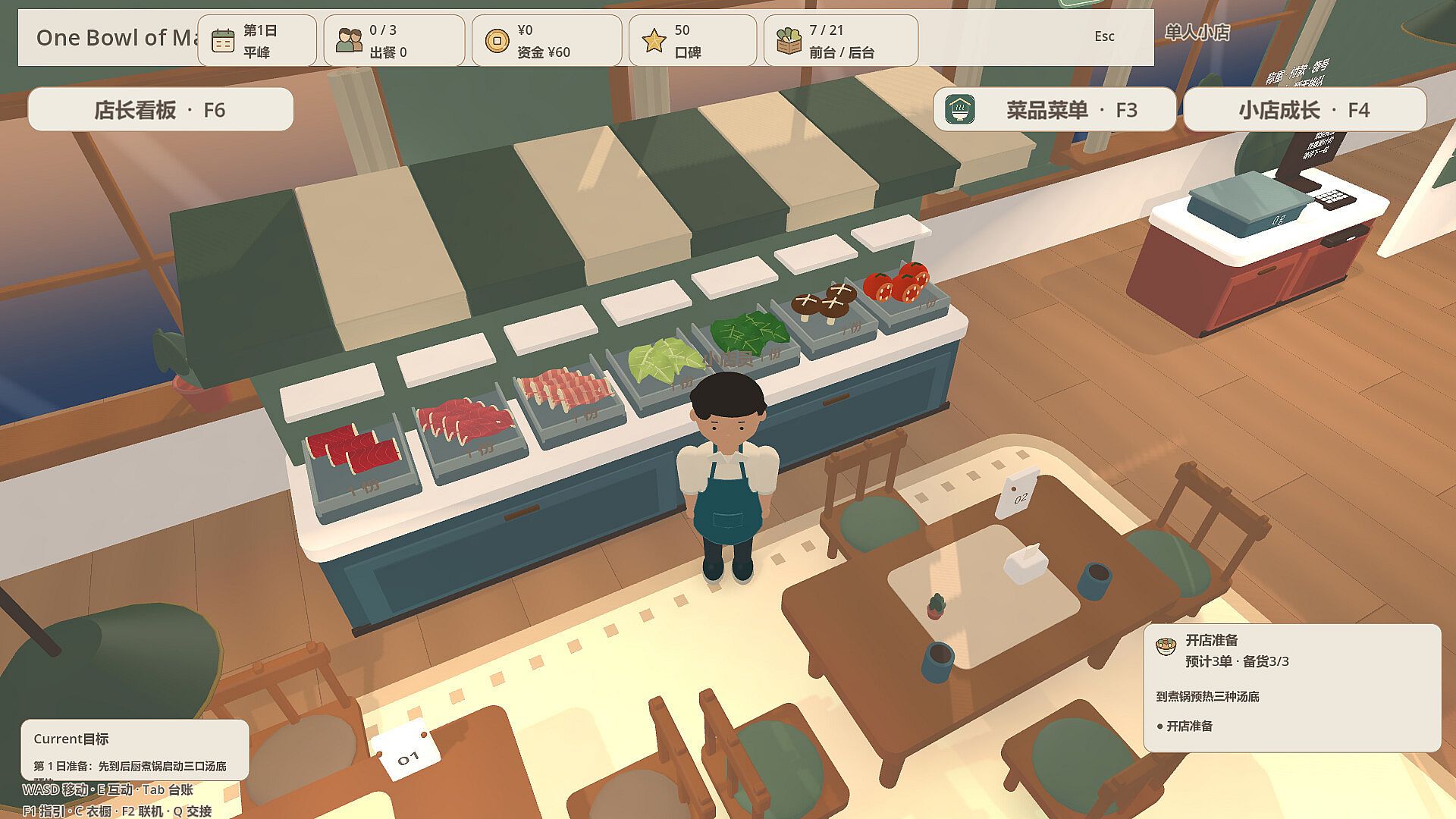

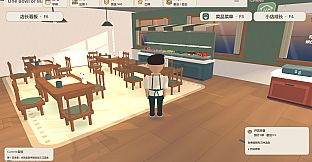
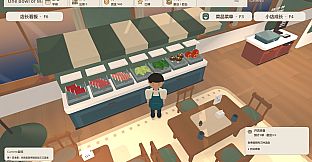
MALATANG MASTER - Street Food Simulator is a casual simulation game focused on running a small malatang shop. Players handle every step of preparing customizable Chinese soup bowls, from selecting ingredients to final seasoning and service. The experience emphasizes steady daily routines and incremental shop improvements rather than high-pressure challenges.
Gameplay
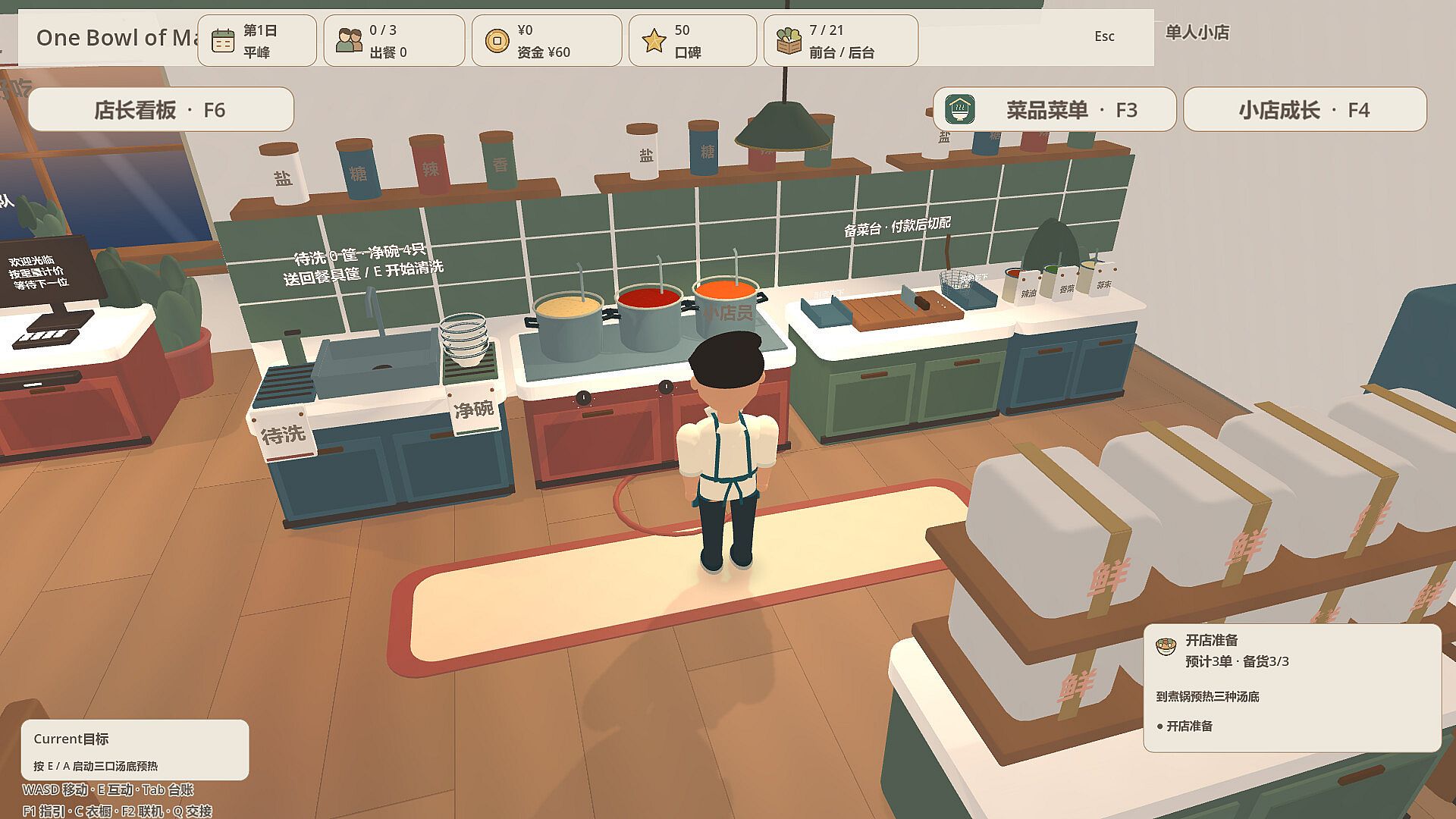
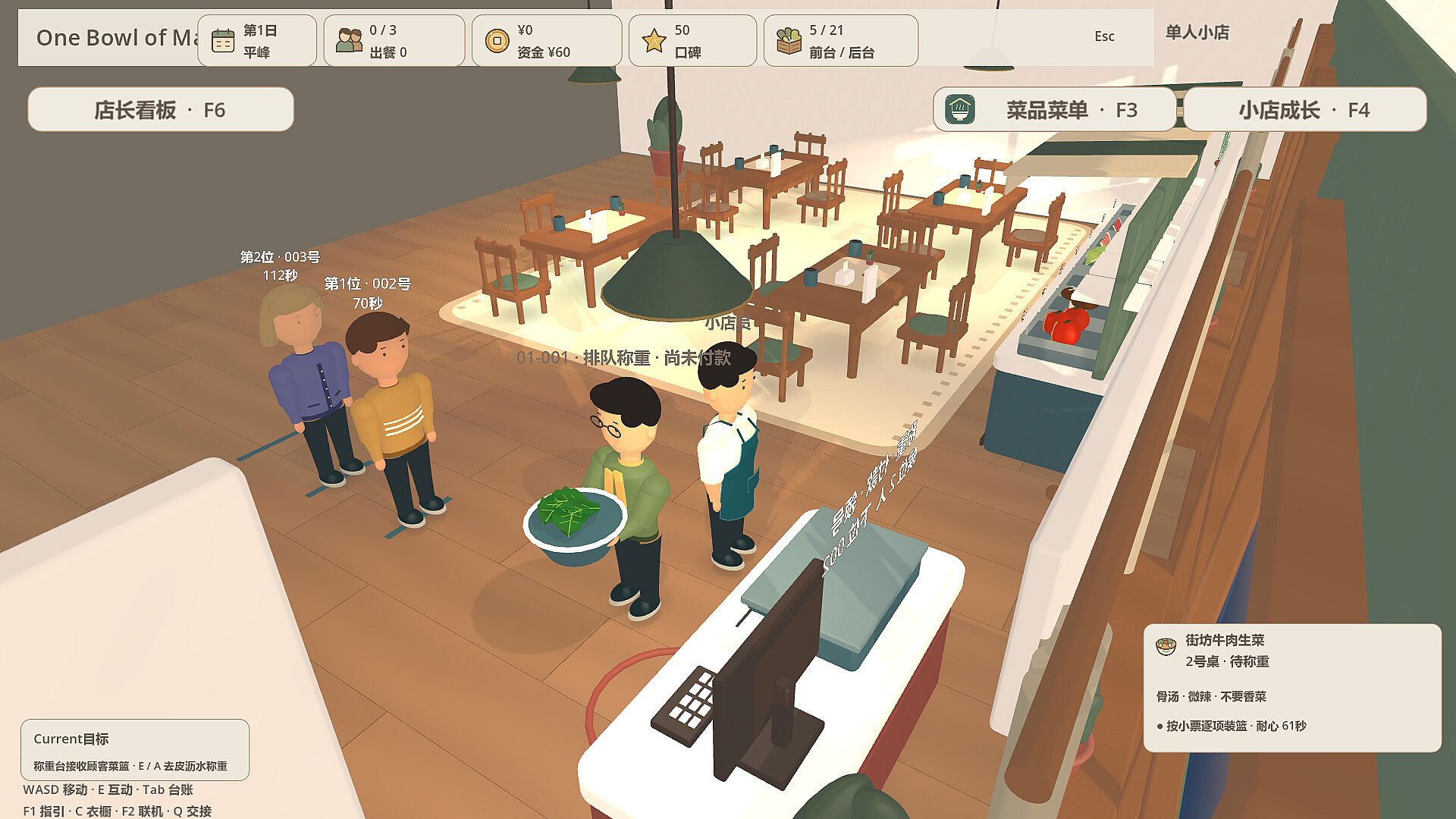
The core loop centers on fulfilling customer orders for malatang. Each order requires selecting ingredients from shelves, weighing them accurately in a basket, draining excess liquid, and preparing them through chopping and staged addition to the pot. Broth temperature, spice level, and omitted items must match the request exactly before the bowl reaches the table or takeaway collection point.
Outside active service, players manage the business side by purchasing supplies, restocking shelves, adjusting menu prices, and maintaining cleanliness. Handling payments includes making change and verifying codes for takeaway orders. At the end of each day, results are reviewed to identify needs for the next session, such as additional stock or equipment adjustments.
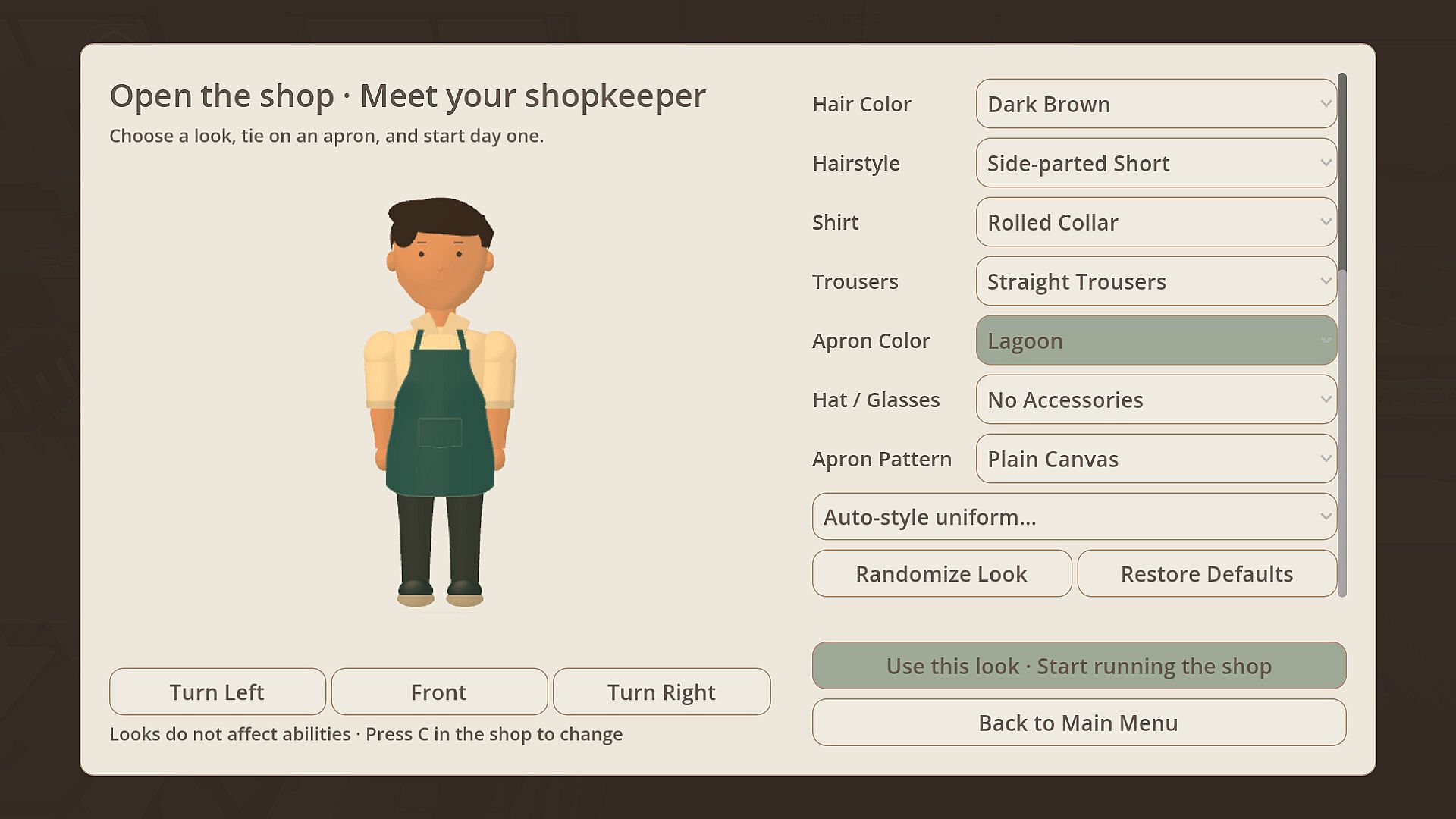
Progression involves unlocking a total of 16 recipes through repeated play. Equipment upgrades improve efficiency at stations like the stove or prep area, while interior changes alter the shop's appearance. Players can also customize their own character with different hairstyles, outfits, and aprons to personalize the workspace.
Game Modes
The game supports solo play for those who prefer independent management of the full shop cycle. A LAN co-op option allows up to four players to share tasks in the same shop instance, dividing responsibilities such as restocking, ingredient preparation, and order handoffs while pursuing shared business targets. Sessions connect through direct entry of the host address and end when the host departs.
No additional modes or variations beyond these options appear in the available details. The focus remains on the single shared shop environment whether playing alone or with others on a local network.
Shop Management and Progression
Daily operations blend cooking precision with light administrative tasks. Ingredient handling demands attention to order specifics, including exact weights and cooking stages, while business decisions affect long-term viability through pricing and inventory choices. Achievements and weekly goals provide structure for the first week, after which the shop continues operating indefinitely at the player's pace.
Customization extends to the physical space, allowing gradual interior upgrades that change the visual style without altering core mechanics. Recipe unlocks expand the menu options available to customers, encouraging repeated visits to refine techniques and expand offerings.
Is It Worth Playing?
This title suits players who enjoy methodical simulation experiences centered on food preparation and small-scale business oversight. The detailed steps for weighing, chopping, and staged cooking create a tangible sense of process, while co-op support on LAN adds a collaborative layer for groups with local network access. The Simplified Chinese interface means players comfortable with that language or willing to navigate visuals will find the mechanics accessible.
Those seeking relaxed, repeatable sessions with clear progression through recipes and upgrades will find consistent engagement. The absence of broader online features or additional modes keeps the scope narrow, which aligns with its focus on intimate shop management rather than expansive systems. If the described cooking and restocking loop matches your interest in casual simulations, the game delivers a self-contained experience built around those routines.